

Innovative Geological Museum Architecture: Unveiling the PATH Project in Þingvellir, Iceland
The PATH project is an architecturally innovative geological museum set in Þingvellir, Iceland, designed to offer an interactive journey through the nation's dynamic geological history.


Introduction to the PATH Project
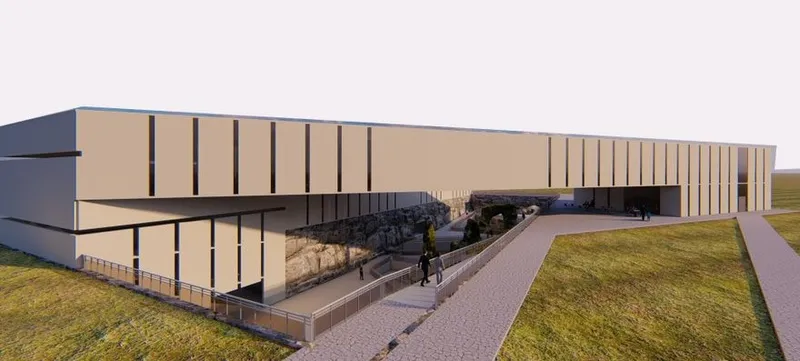
Nestled in the heart of Þingvellir, a site of historical, cultural, and geological significance, the PATH project emerges as a beacon of innovative geological museum architecture. Conceived by visionaries Elif Naz Akkus, Buse Cesur, and Hilal Avan, this architectural marvel is not just a building but a journey through time, rock formations, and the very fabric of Iceland's geological prowess.
The Vision of PATH
A Blend of Culture and Natural History
The vision of the PATH museum is to create a space that transcends traditional museum experiences. It aims to integrate Þingvellir's rich history and the visceral excitement of geological exploration. Visitors are not merely spectators but participants in a narrative that unfolds with each step they take within the museum's walls.
Architectural Symbiosis with Nature
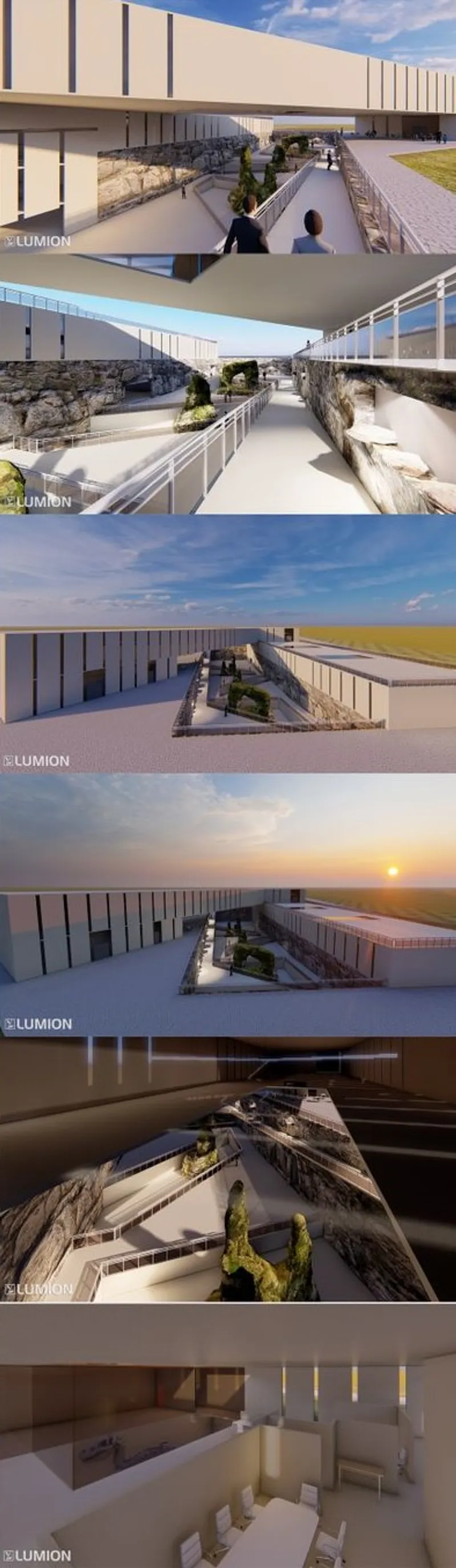
The PATH project is more than a structure; it's an extension of Þingvellir's landscape. The use of innovative geological museum architecture allows the building to act as a natural extension of the terrain, blurring the lines between the man-made and the organic.
Design Highlights of PATH
Innovative Use of Space and Light
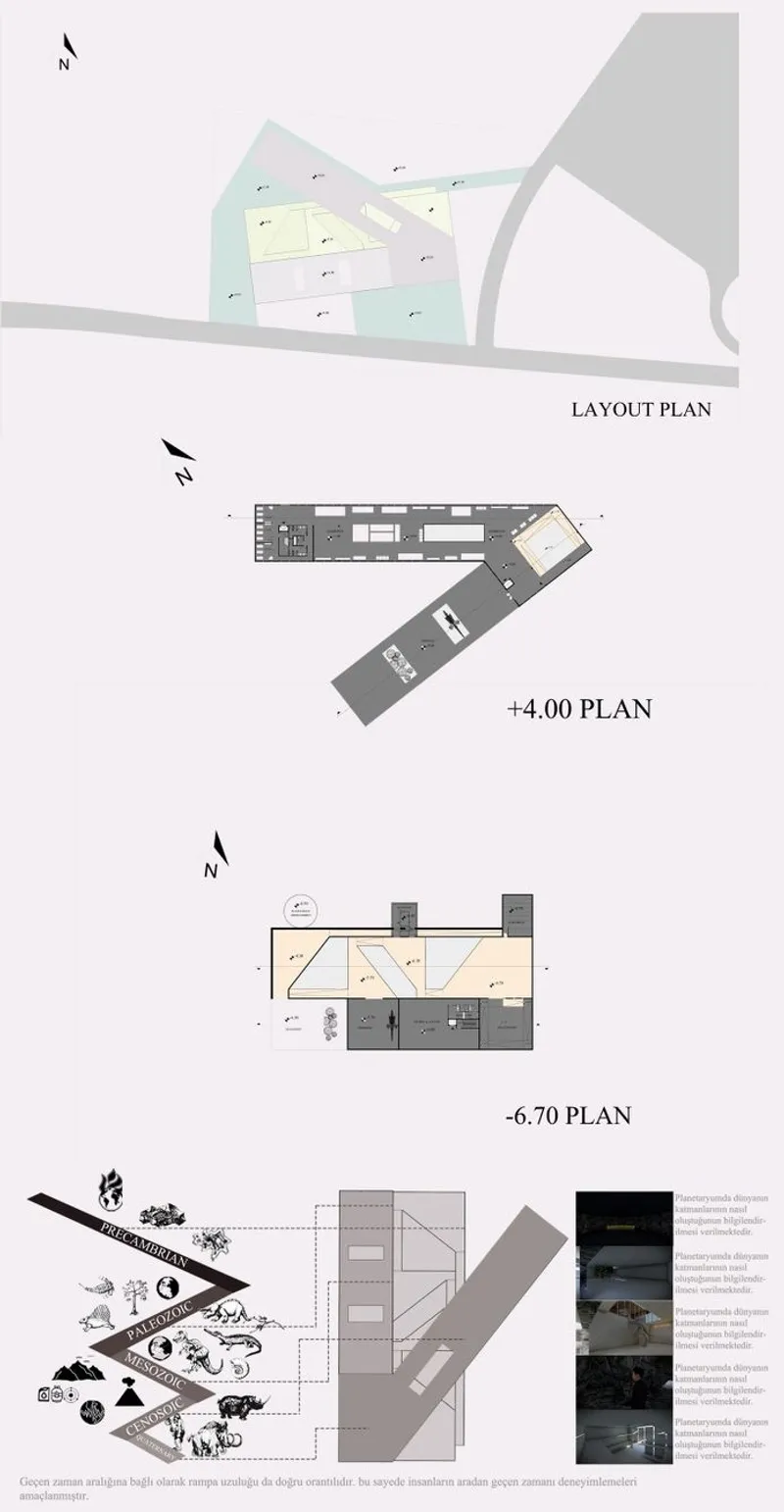
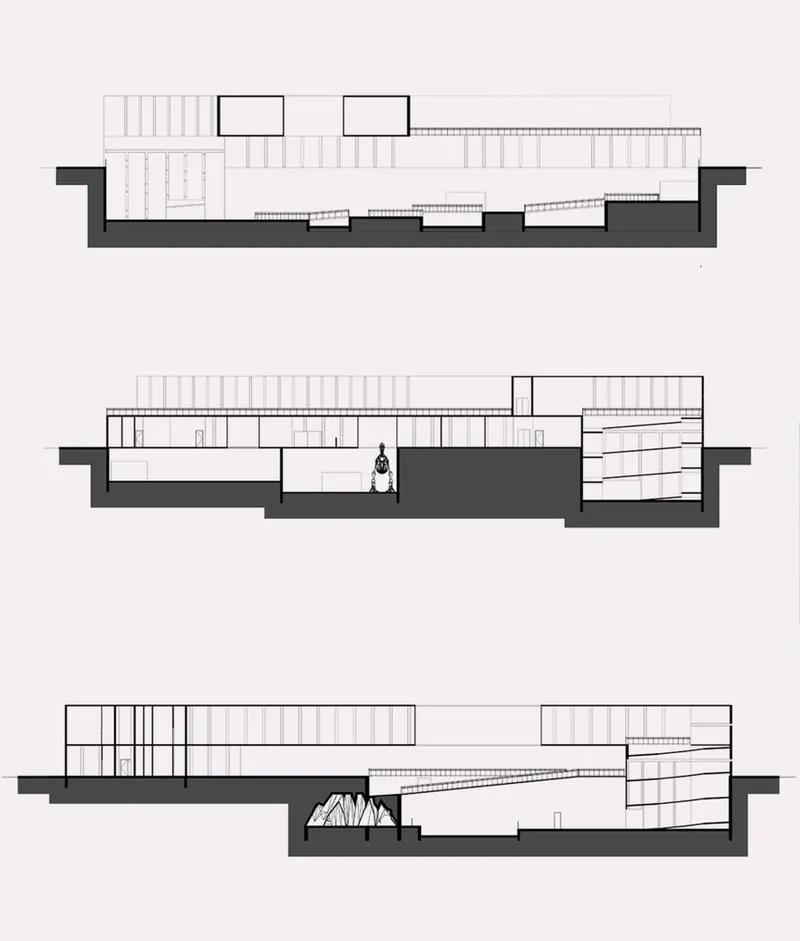
The museum's layout plan, including the +4.00 and -6.70 levels, is a testament to the innovative use of space. The design ensures that natural light filters through, highlighting the geological exhibits in a dance of shadows and illumination that changes with the time of day.
Interactive Exhibitions
At the core of PATH's design is the interactive exhibition space. Here, visitors can engage with the geological artifacts in a manner that is both educational and awe-inspiring, mirroring the dynamic nature of the earth's geological processes.
Incorporating Geology into Architecture
The Geological Narrative
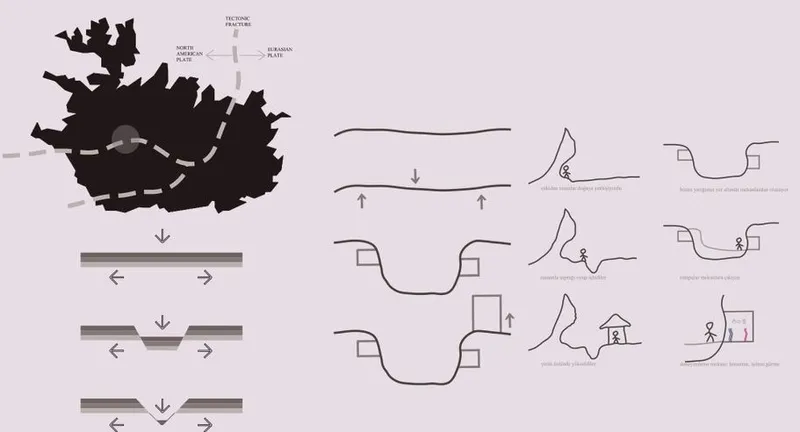
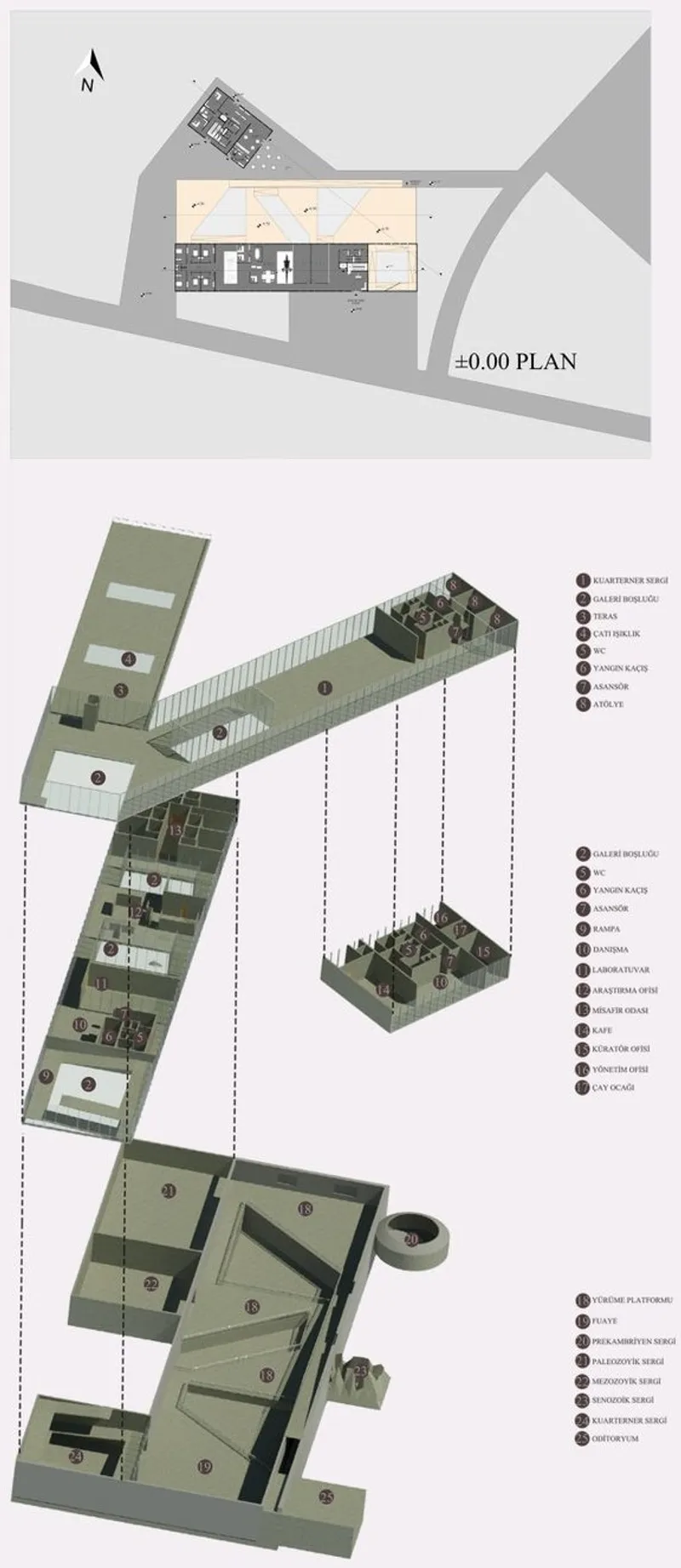
The PATH project's architectural narrative is closely tied to geological stories. Each section of the museum is designed to represent different geological periods and phenomena, from the formation of igneous rocks to the shifting of tectonic plates.
Sustainable Materials and Practices
The choice of materials and construction practices reflects a commitment to sustainability and ecological sensitivity, resonating with the museum's theme of natural history and conservation.
The Role of PATH in Þingvellir's Landscape
A New Cultural Landmark
The PATH museum is poised to become a new cultural landmark in Þingvellir. It will serve as a point of convergence for tourists, architects, geologists, and historians, each seeking to understand or interpret the narrative of Iceland's geological evolution.
Enhancing Visitor Experience
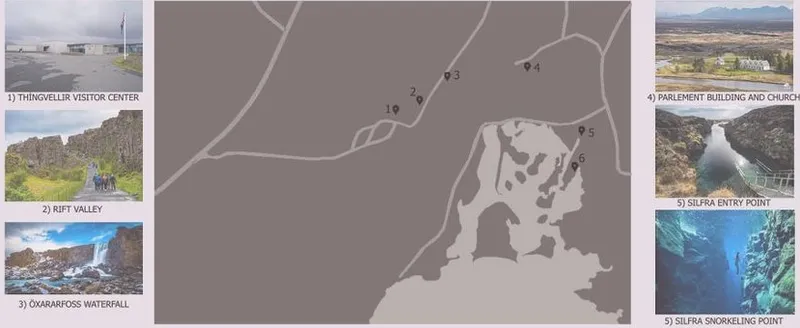
The museum's architecture plays a pivotal role in enhancing the visitor experience. From the Silfra Snorkeling Point to the Þingvellir Visitor Center, each pathway and exhibit is meticulously crafted to ensure a memorable journey through Iceland's geological wonders.
The PATH project in Þingvellir is not just an architectural accomplishment; it's a forerunner in the future of innovative geological museum architecture. It represents a harmonious blend of educational space, tourist attraction, and a tribute to the natural world, setting a precedent for future projects worldwide.
The PATH museum is a testament to how architecture can narrate the story of the earth, one stone at a time, inviting us to walk the path of discovery, enlightenment, and appreciation for the natural forces that shape our world.


Popular Articles
Popular articles from the community


FCC Arquitectura Expands a Portuguese Granite House with a Board-Marked Concrete Wing
In Portugal, JV House pairs a cleaned-up whitewashed and granite dwelling with a timber-shuttered concrete extension, courtyards and a garden pool.

David Ortega Stacks a Two-Story Mexico City Penthouse Around a Steel Stair and a Pergola-Shaded Roof Terrace
In Colonia Roma, a 300 m² penthouse uses oak joinery, a planted steel stair and a slatted roof pergola to make a new-build apartment feel like a house.

LT2A and OPEN Architectes Thread a Brick and Glass High School Through a Wooded Belgian Campus
In Braine-l'Alleud, a 3,000 m² wing for Collège Cardinal Mercier pairs pale brick with a glazed colonnade, deferring to a small chapel and a dense wood.


The Amber Palace Opera: A Geological Fiction Surfaces on Tallinn's Baltic Waterfront
Pierre Brillard reimagines a Baltic legend as a public landscape, opera house, and waterfront promenade rooted in Tallinn's coastal identity.

Similar Reads
You might also enjoy these articles

Vereda Arquitetos Renovates a 40-Square-Meter Apartment Inside Niemeyer's Copan Building
A compact unit in São Paulo's most iconic residential tower gets a material overhaul that pairs exposed concrete with bold blue Formica.

Shakur's House: Exposed Brick as an Interior Organiser in a 168 m² Mashhad Residence
Brick moves indoors in this Mashhad residence, where masonry walls, glass partitions and teal planes sequence a compact home without closing it off.

Day and Night Park: A Time-Based Urban Newsstand in Beijing
A temporary urban newsstand in Beijing blending travel, light, and reading through poetic colors, compact form, and community-focused design.

Modernist Patio Renovation in El Masnou, Barcelona by Oliver Segura Arquitectura + Cebrià Arquitectura
Modernist patio renovation blending tradition and innovation with a movable pool, leveled floors, and Catalan materials in El Masnou.

Explore Geological Heritage Competitions
Discover active competitions in this discipline

Challenge to reimagine the Iron Throne

Photograph architecture without architects

Illustrate the lost glory of Angkor Wat - Render Challenge

Design challenge to reuse E-waste
Comments (0)
Please login or sign up to add comments
No comments yet. Be the first to comment!