
Innovative Research Center Architecture: InnoValley by TAISEI DESIGN Planners Architects & Engineers + DRAFT
InnoValley in Japan exemplifies innovative research center architecture, blending nature, technology, and collaboration to inspire creativity and scientific advancement.

A New Model for Innovation Spaces
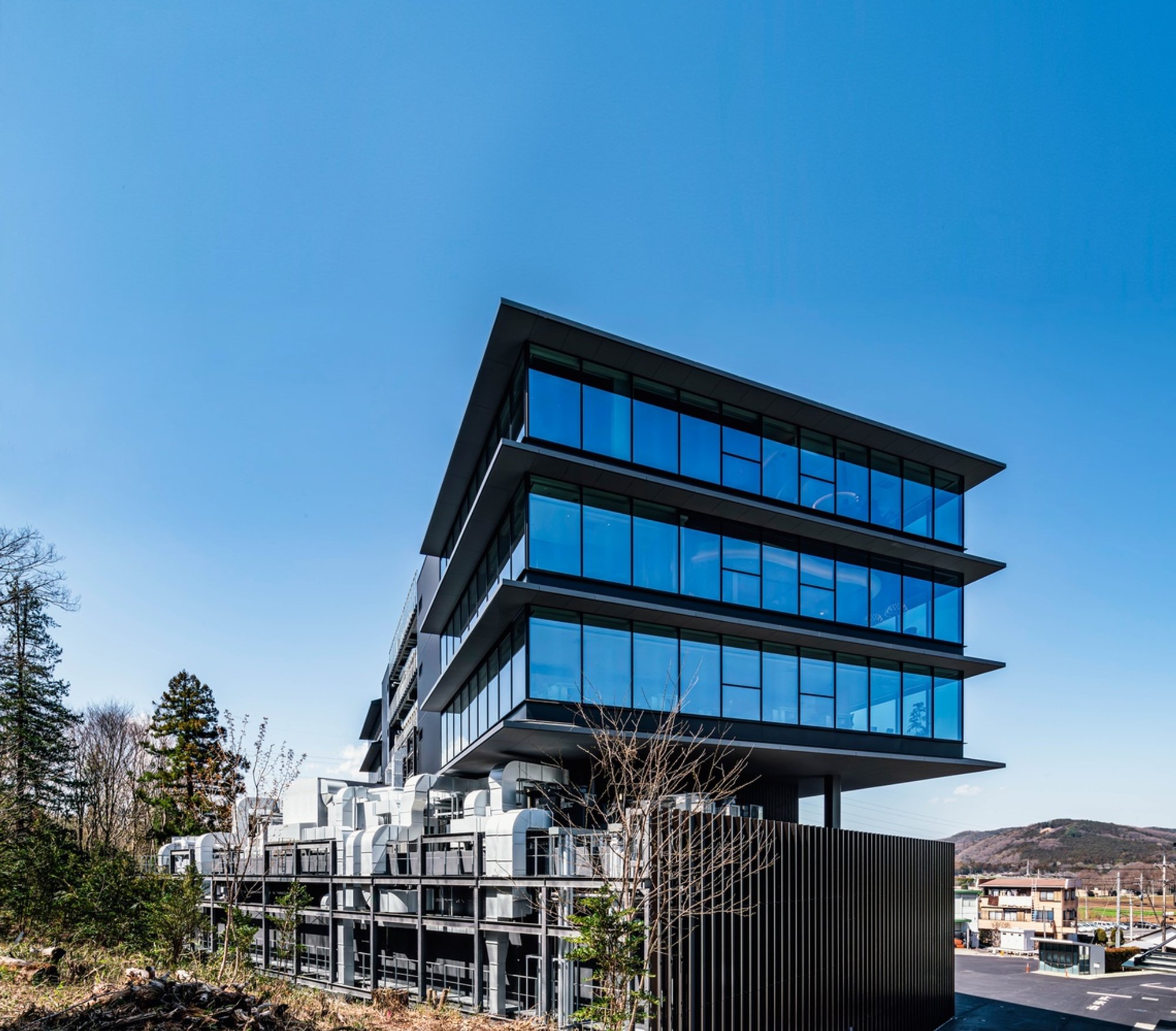
In the heart of Ranzan, Japan, InnoValley stands as a groundbreaking example of innovative research center architecture. Designed by TAISEI DESIGN Planners Architects & Engineers in collaboration with DRAFT, this 10,397 m² facility redefines how research environments can blend nature, advanced technology, and human connection. The building serves as the research and development center for a chemical manufacturer, strategically crafted to accelerate product development and attract top talent in an evolving electronics industry.
Stacking Functions for Maximum Efficiency
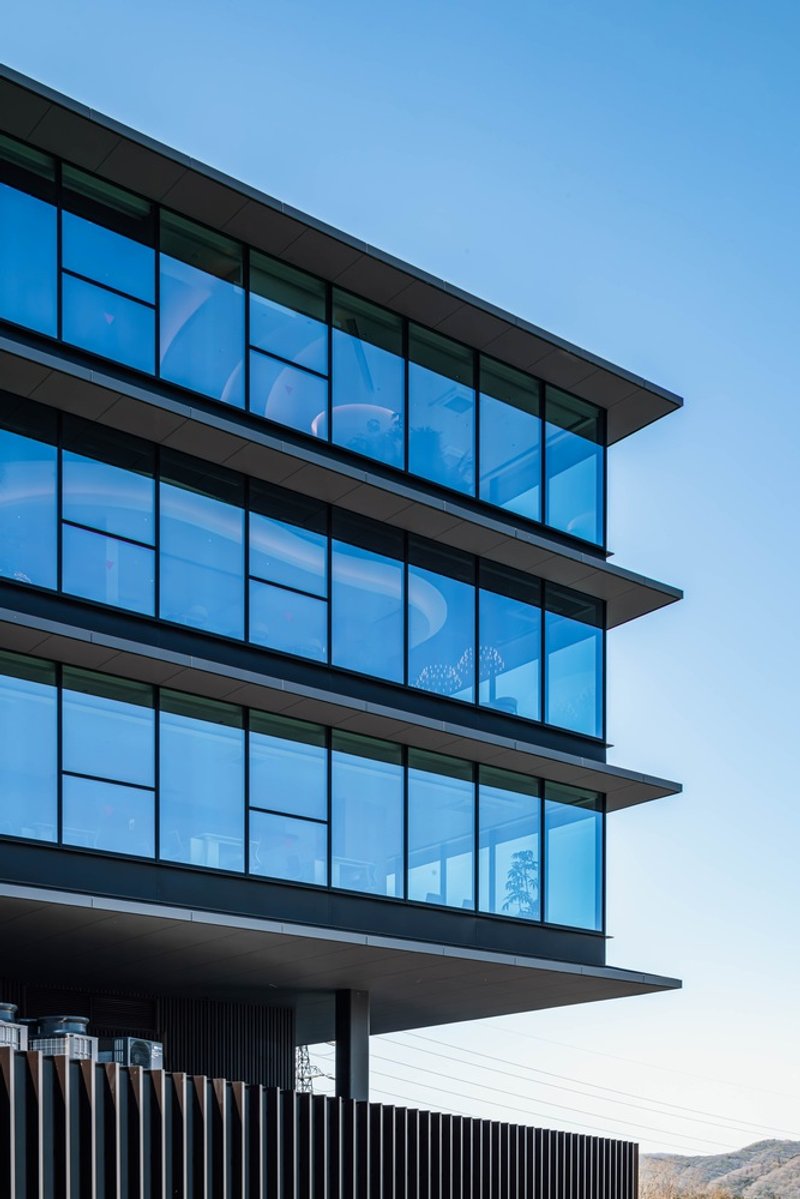
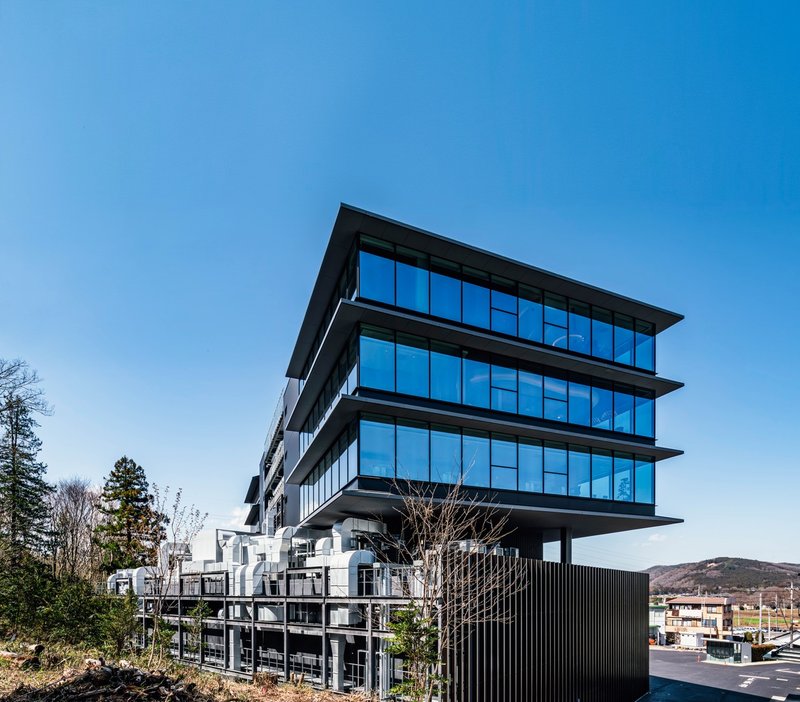
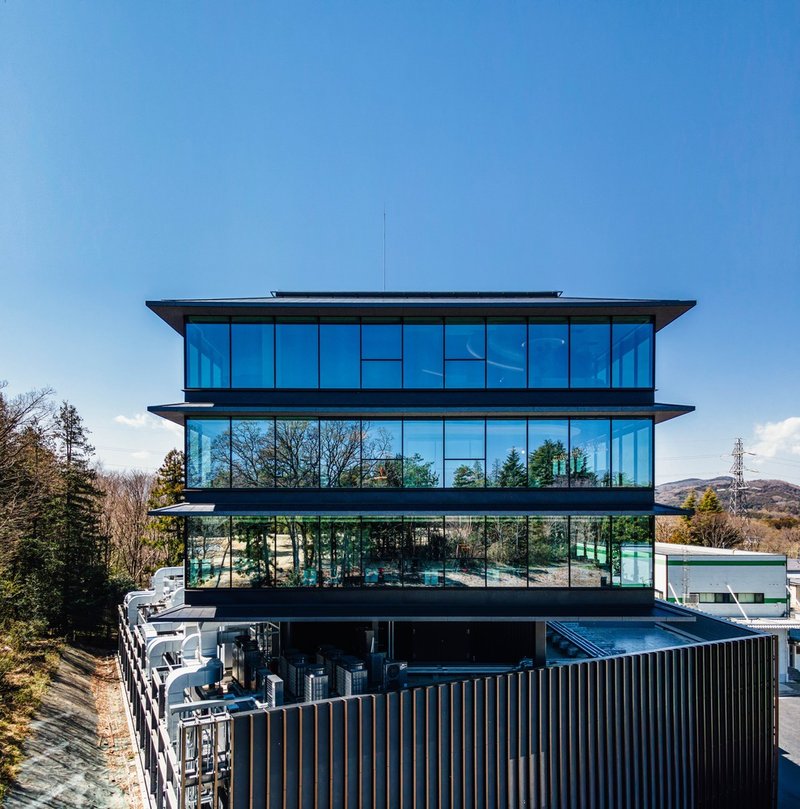
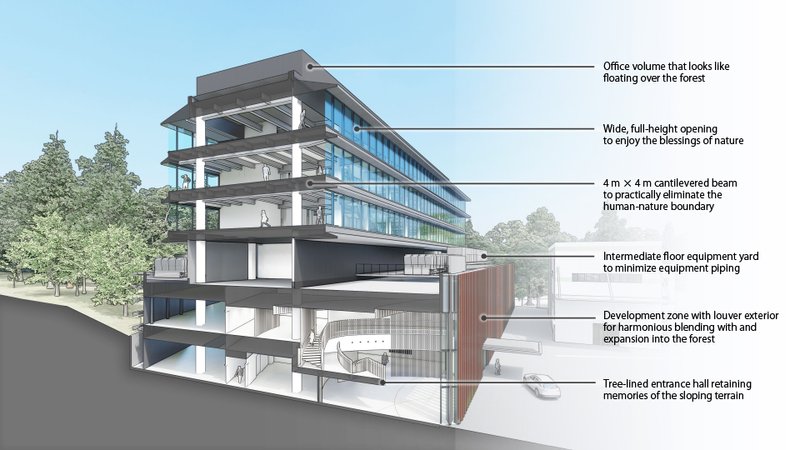
The design follows a vertically stacked structure, where each level has a distinct purpose. The lower floors form the development zone, housing laboratories and technical spaces. Above them, intermediate floors contain machinery, equipment, and space for future expansion. The upper floors serve as offices, offering panoramic views of the Chichibu Mountains and surrounding landscapes.
By layering spaces in this way, the architects have created a dynamic flow between indoor and outdoor areas, as well as between different functions, fostering both focus and interaction.
Harmonizing with the Landscape
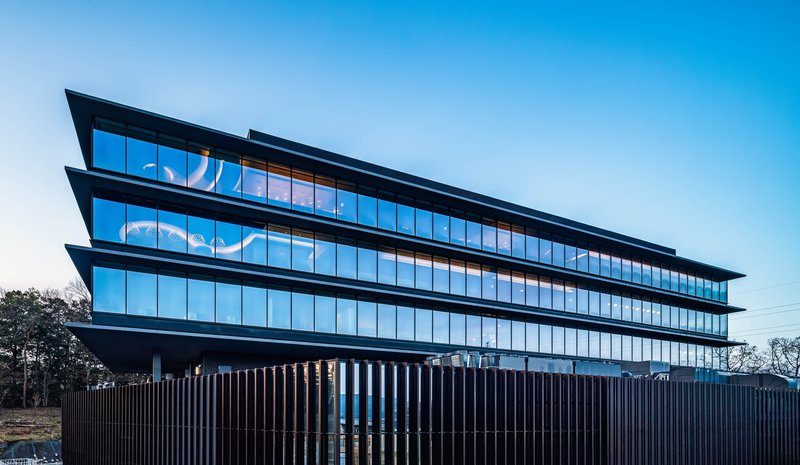
The lower floor exteriors are clad in earth-colored louvers, seamlessly blending the building into the lush greenery of its natural surroundings. The office zone above is enclosed in glass, framed by horizontal eaves, creating a striking visual contrast that makes the structure appear to float above the forest canopy.
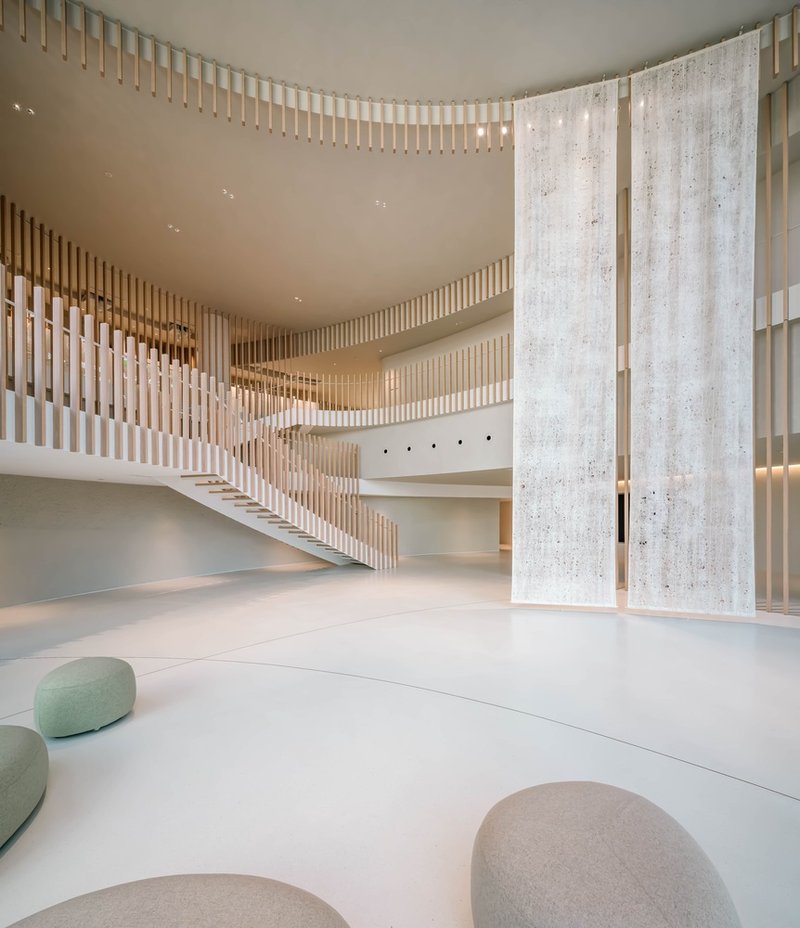
The entrance hall preserves the memory of the original sloping woodland, leading visitors up a gentle incline. This space is enriched with handcrafted tapestries made from Ogawa washi—a traditional Japanese paper—depicting rain falling through trees. Walls finished by master plasterer Naoki Kusumi add warmth and texture to the space.
Nature-Inspired Interior Design
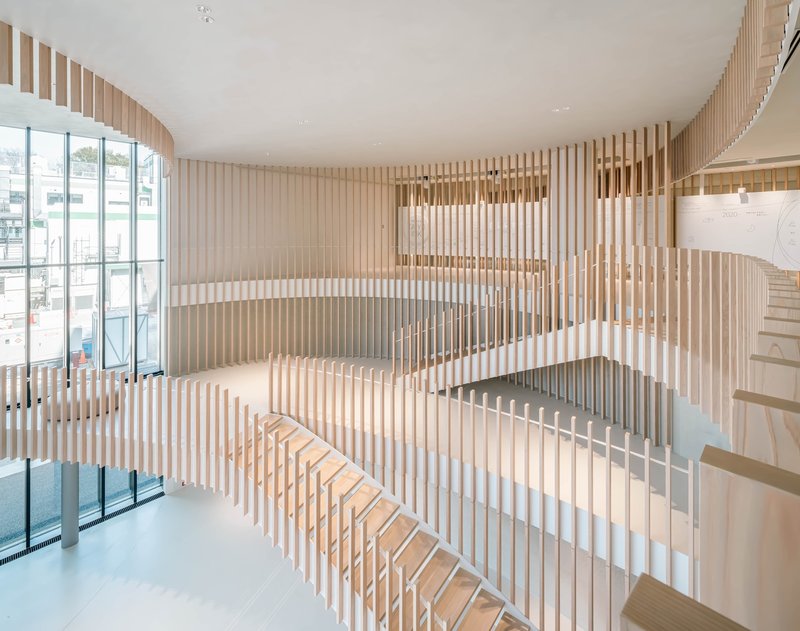
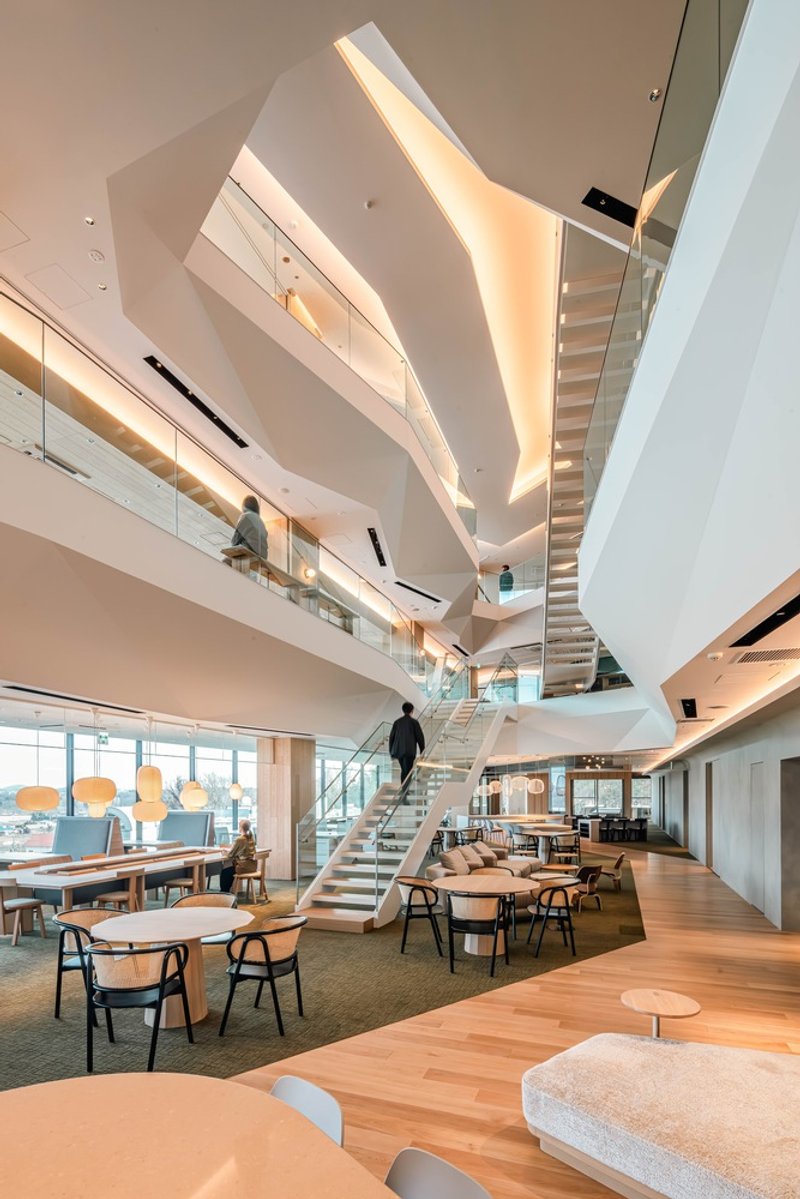
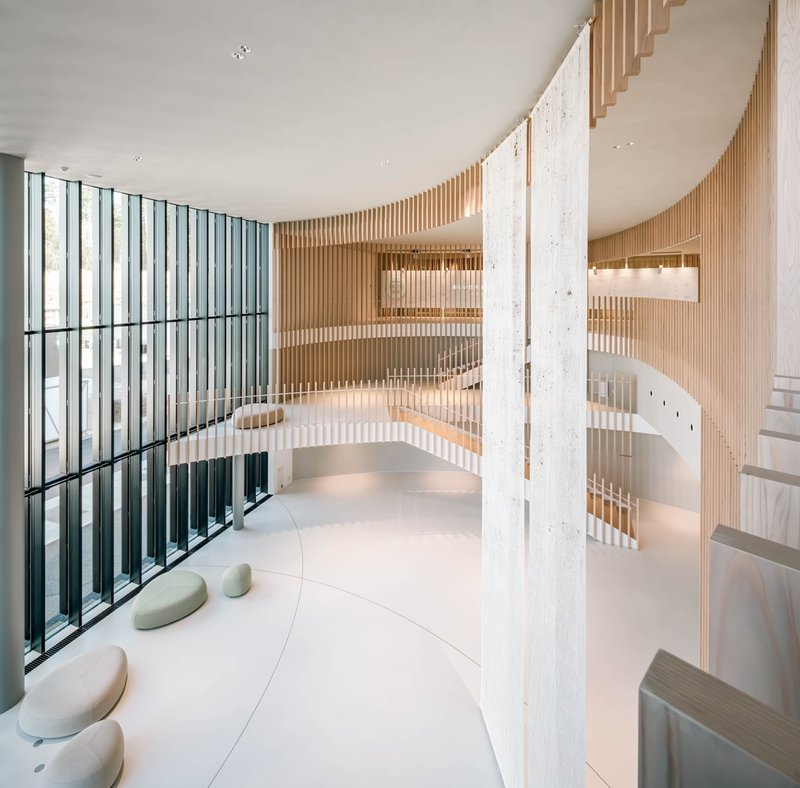
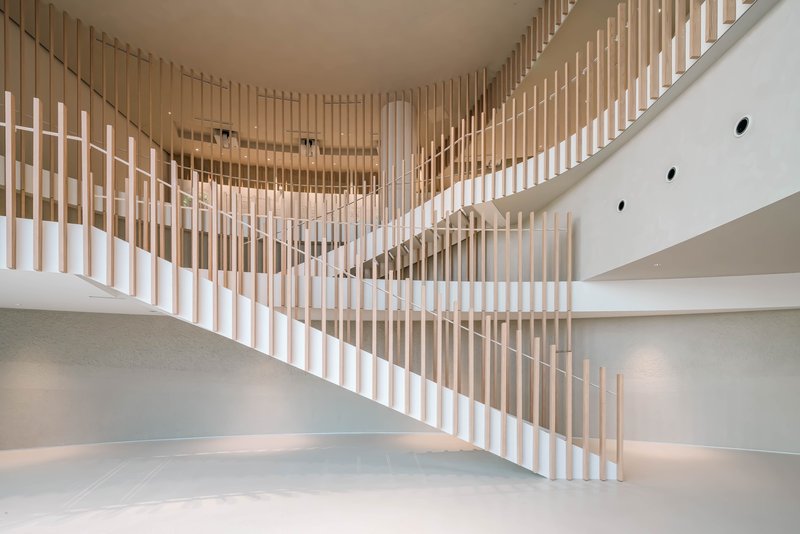
At the heart of InnoValley is a multi-floor open space inspired by the ridgelines of the Chichibu Mountains and the contours of the Ranzan Ravine. This irregularly shaped atrium offers a variety of places for work, relaxation, and casual interaction, mirroring the way a natural ravine provides unique spots for exploration.
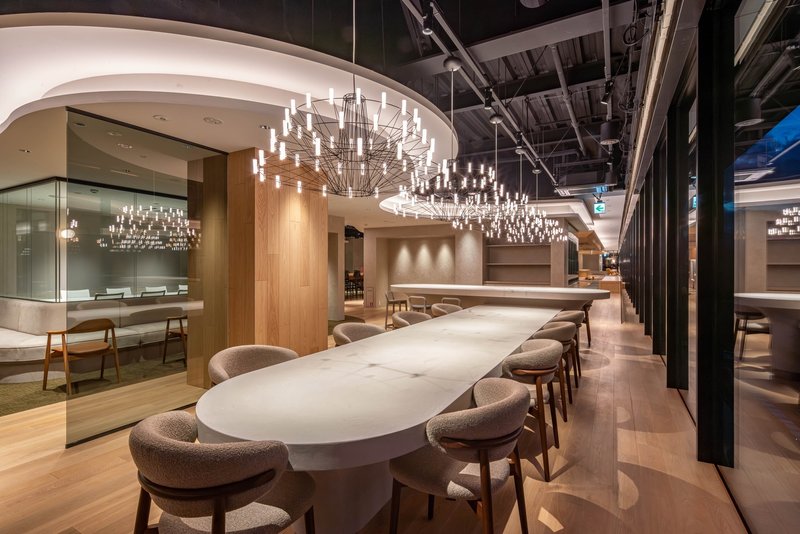
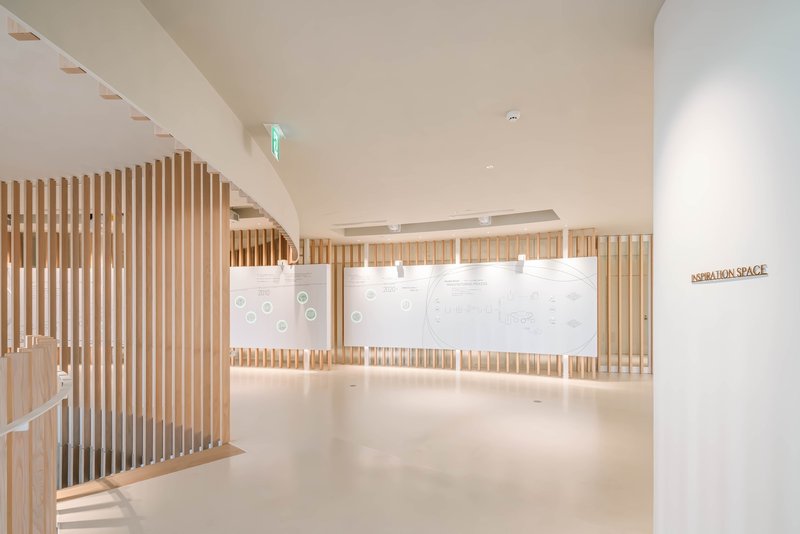
Cantilevered four-meter-wide perimeters on each floor form expansive terraces that blur the boundaries between inside and outside. These areas allow employees to experience changing light, shade, and seasonal conditions—elements that subtly stimulate creativity.
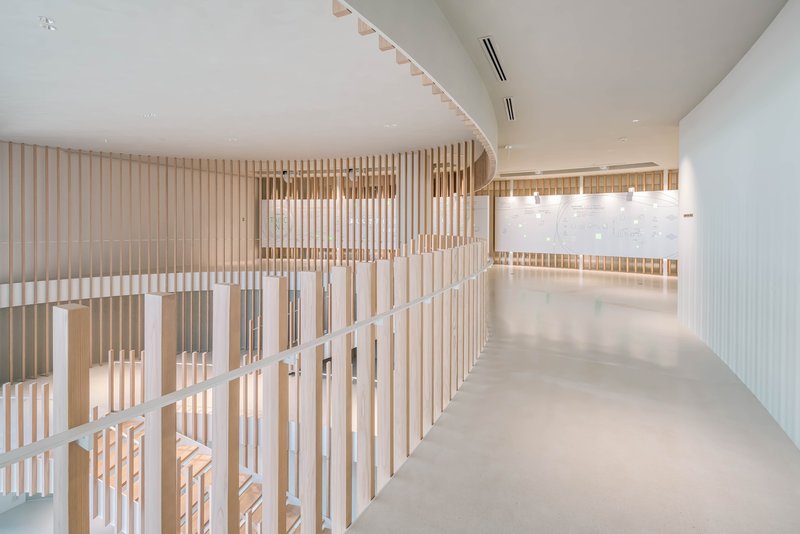
Encouraging Serendipity and Collaboration
Circulation routes and stairways connect the varied spaces, encouraging unexpected encounters between colleagues. This spatial strategy is designed to increase informal communication, spark spontaneous collaboration, and inspire innovation. By moving between contrasting environments—bright and shaded, open and enclosed—workers are exposed to diverse sensory experiences that help generate fresh ideas.
InnoValley is more than a workplace; it is an ecosystem for innovation. Its architecture fosters interaction, blends with nature, and supports the technological advancement needed for the future of electronics.
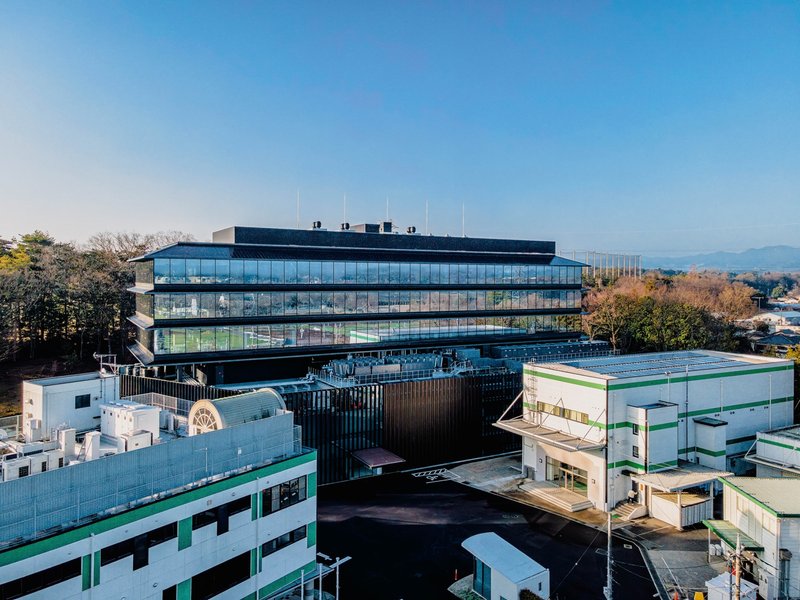
As a case study in innovative research center architecture, InnoValley demonstrates how thoughtful design can merge high-tech functionality with human well-being and environmental harmony. It sets a new standard for workplaces where science, creativity, and nature coexist in balance.
All Photographs are works of Kotaro Imada




Popular Articles
Popular articles from the community

Filtering Space: A Gradual Spatial Experience
From urban intensity to spatial calm.

MAKER architecten Rewire a 1972 Brutalist Dormitory on the VUB Campus as a Living Lab
A modular renovation strategy in Belgium breathes new life into Willy Van Der Meeren's modernist student housing without erasing its concrete bones.
Residence BB 214: Quiet Precision in Ludhiana
Minimalist Architecture & Design Studio composes a residence of white volumes, filtered light, and deliberate restraint in Punjab's urban fabric.
Cafe MADA: A Chiang Rai Pavilion in a Mango Orchard
BodinChapa Architects threaded a 254 m² black-roofed cafe through an existing mango orchard in Chiang Rai, Thailand, built around mature trees.


Similar Reads
You might also enjoy these articles
ATELIER BRÜCKNER Grows a Garden of Knowledge for Uzbekistan's Expo 2025 Pavilion in Osaka
A triangular timber canopy and blue-tiled courtyards translate Uzbek craft traditions into a 1,272-square-meter landscape of learning.
Bood Design Bureau Splits a Gilan Residence in Two to Let the Forest In
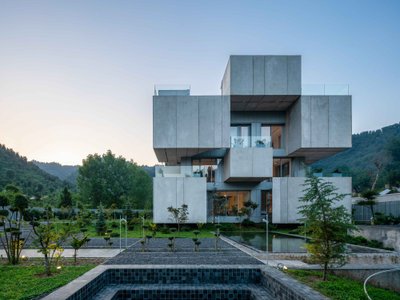
Double Side House negotiates privacy and openness through interlocking concrete volumes and planted courtyards in northern Iran's humid Caspian lowlands.
suatudio Splits a Multigenerational Home into Interlocking Concrete Volumes in West Java
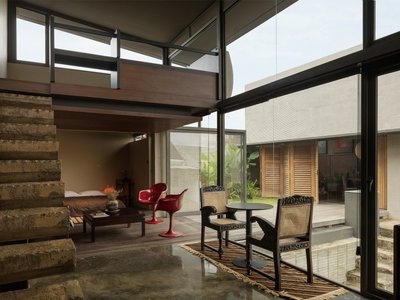
Rumah Tahu House in Sumedang, Indonesia adapts to sloping terrain with split levels, timber decks, and deep overhangs for two generations.
MAKER architecten Rewire a 1972 Brutalist Dormitory on the VUB Campus as a Living Lab
A modular renovation strategy in Belgium breathes new life into Willy Van Der Meeren's modernist student housing without erasing its concrete bones.


Explore Architecture Competitions
Discover active competitions in this discipline




The International Standard for Design Portfolios


The Global Benchmark for Architecture Dissertation Awards


The Global Benchmark for Graduation Excellence


Challenge to reimagine the Iron Throne
Comments (0)
Please login or sign up to add comments
No comments yet. Be the first to comment!