
Interactive Living Museum Yatiyawi by Samuel Hilari
Rammed earth museum in El Alto revives Andean heritage, teaching community through sustainable materials, reuse, light-filled spaces, and social engagement.

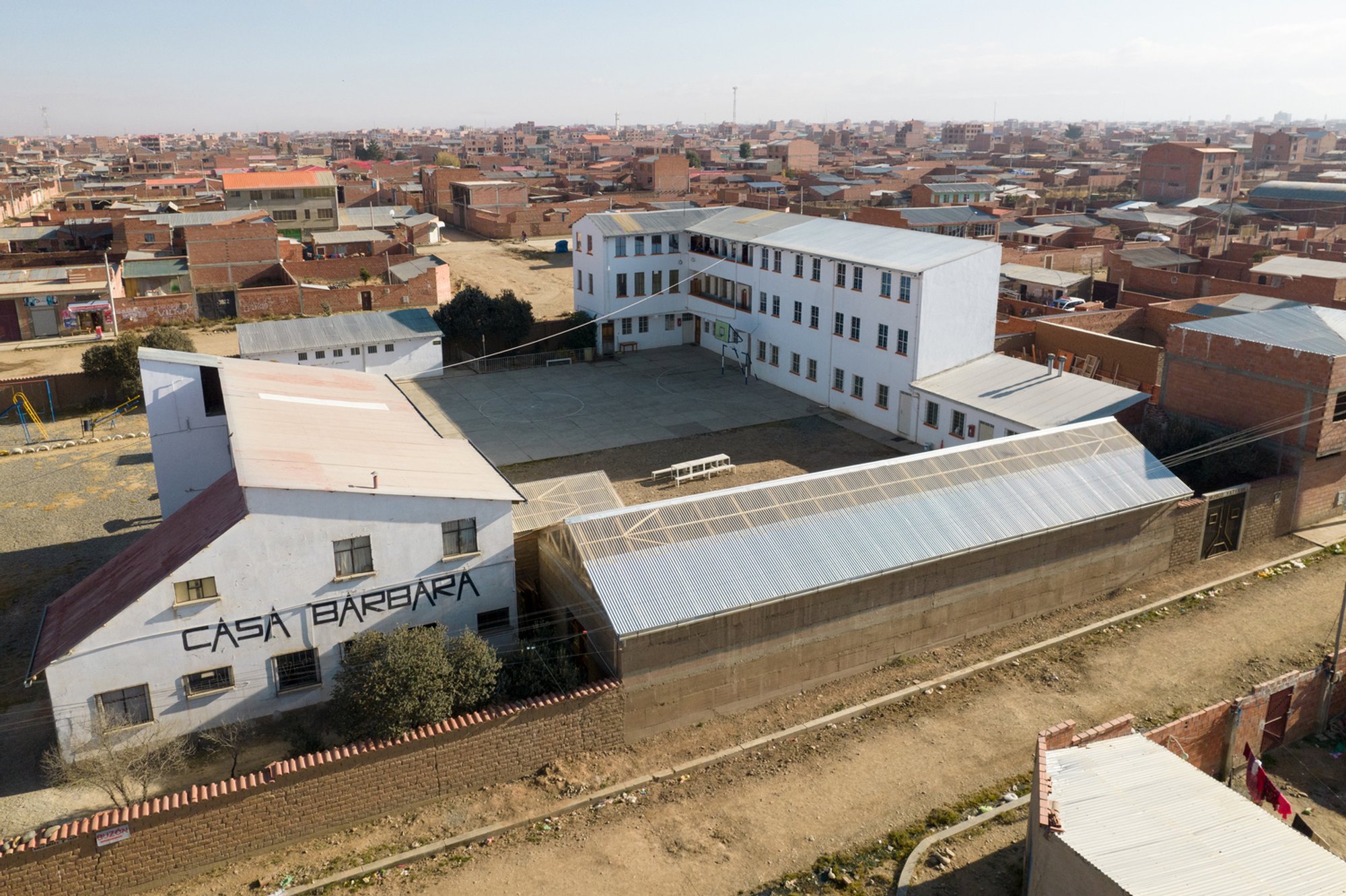
The Interactive Living Museum Yatiyawi, designed by Bolivian architect Samuel Hilari, is a powerful example of contemporary architecture rooted in cultural memory, material experimentation, and social commitment. Located in Tilata, a peri-urban neighborhood on the outskirts of El Alto, Bolivia, the project responds to rapid urban transformation while reasserting the relevance of earthen construction in a high-altitude Andean context.
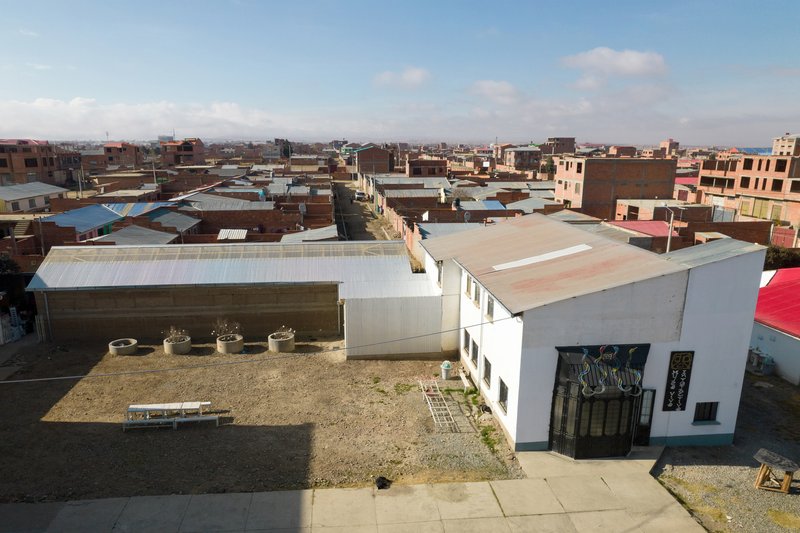
Situated at nearly 3,920 meters above sea level, Tilata forms part of the expanding La Paz, El Alto metropolitan region, where traditional adobe structures, remnants of a rural past, are increasingly replaced by concrete and brick buildings. Against this backdrop, the museum stands out not through monumentality, but through its deliberate return to rammed earth architecture, positioning material heritage as both an educational tool and a design strategy.
Architecture as a Didactic Tool
Conceived to host exhibitions, workshops, and community activities, the museum provides new spaces for the El Getsemaní Foundation, an organization dedicated to working with children and adolescents in the area. The project is also deeply connected to the legacy of the former Yatiyawi Foundation, active since the 1990s in producing educational materials for both children and adults. Appropriately, the name Yatiyawi, which means “Teaching” in the Aymara language, encapsulates the museum’s mission.
Rather than treating architecture as a neutral container, the project embeds learning directly into its construction. Earth and wood are not merely finishes; they are central to the museum’s pedagogical agenda, allowing visitors to experience materials that are deeply tied to Andean building traditions.
Low-Carbon Construction with Local Resources
Built with a limited budget of approximately USD 30,000, the Interactive Living Museum Yatiyawi demonstrates how sustainable architecture can emerge from economic restraint. The project prioritizes low-carbon materials, simple construction techniques, and the use of local labor, reinforcing both environmental responsibility and community involvement.
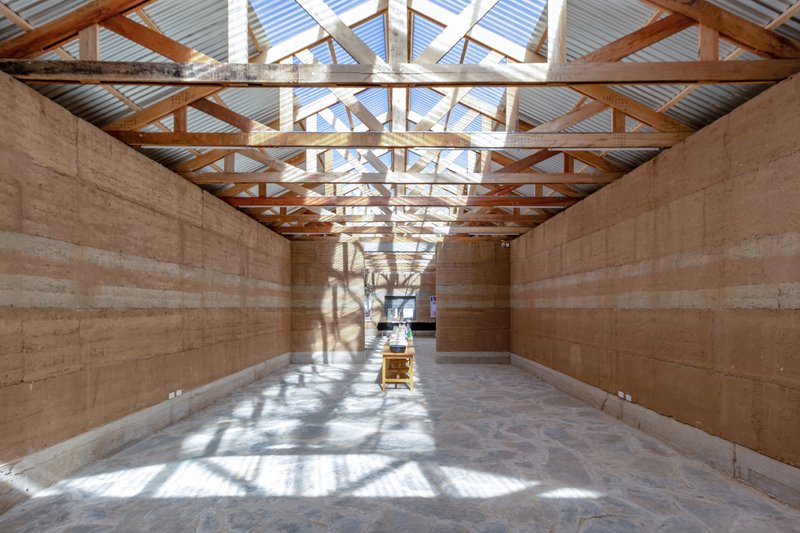
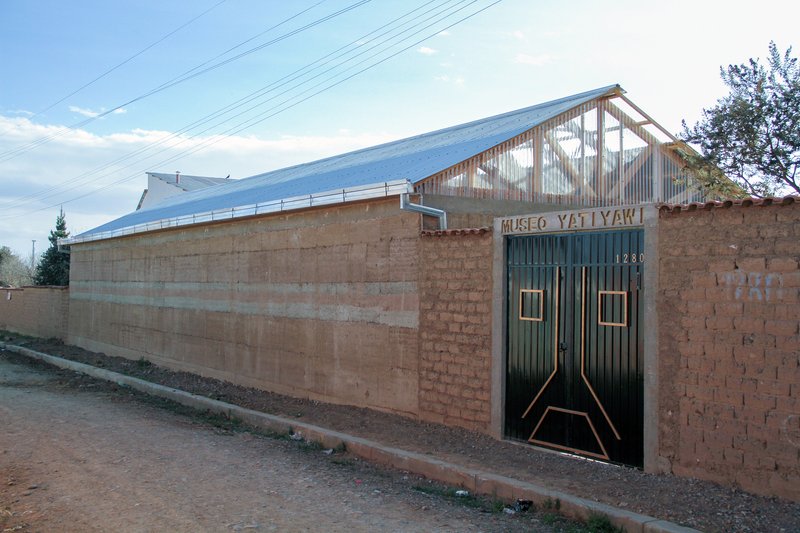
The museum is recognized as the largest contemporary rammed earth project in Bolivia, marking a significant milestone in the reintroduction of this ancestral technique into modern architectural practice. Rammed earth walls provide thermal mass, durability, and a tactile presence that contrasts sharply with the surrounding urban fabric.
Spatial Sequence and Material Expression
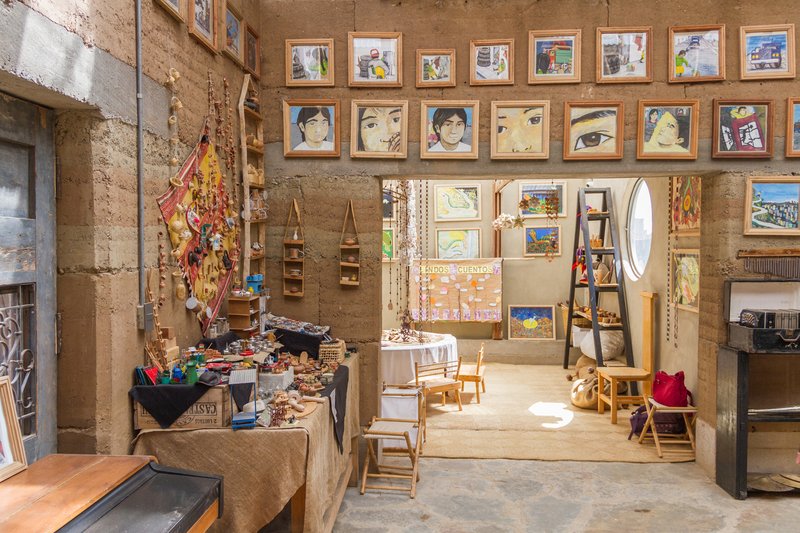
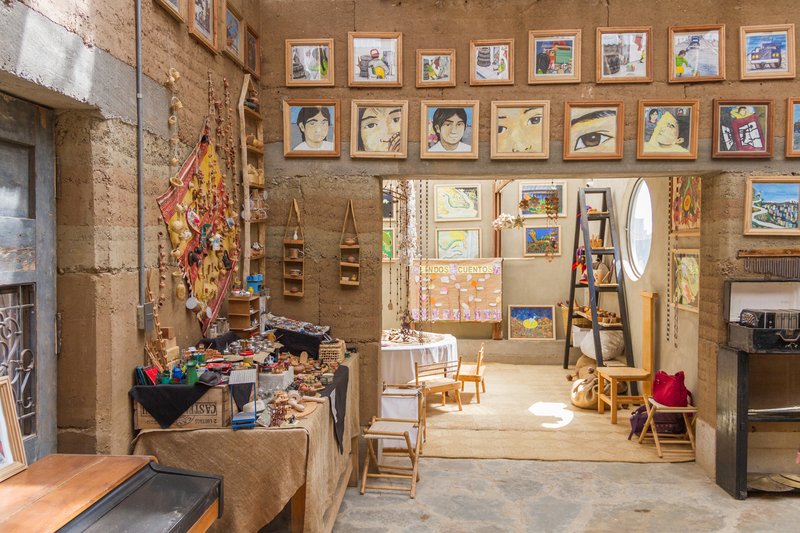
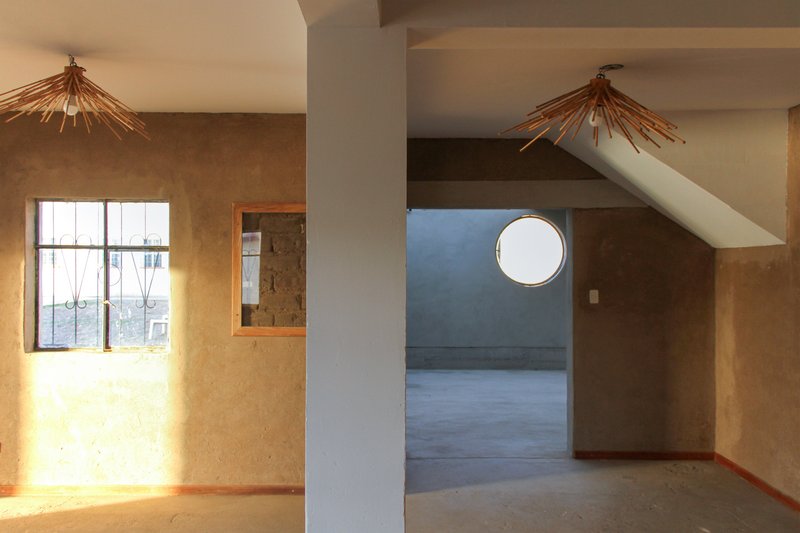
The architectural journey through the museum unfolds gradually, guided by shifts in texture, color, and light. The visit begins in the renovated rooms of Casa Bárbara, an existing structure adapted to accommodate the new program. Here, the original adobe walls were preserved and enhanced with earthen plaster, replacing previous stucco finishes and restoring material authenticity.
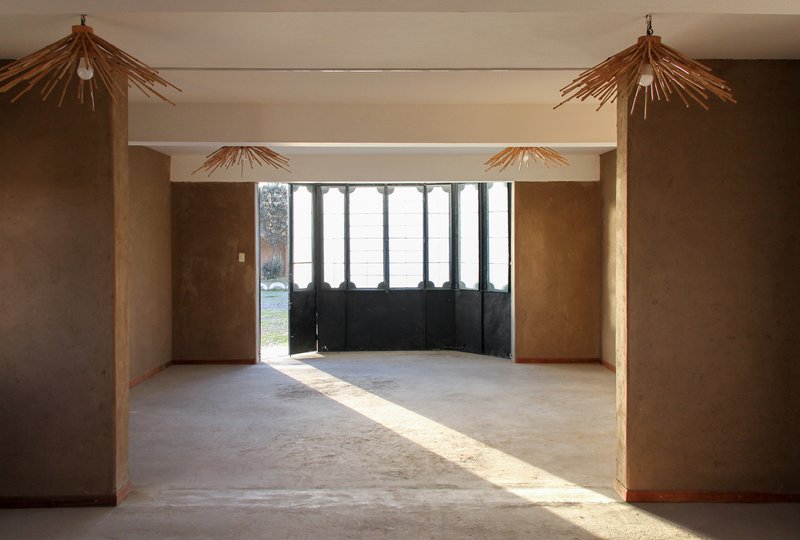
The sequence continues into a more intimate space characterized by a light-toned earthen plaster, produced using gray earth sourced from the nearby Achocalla Valley, approximately ten kilometers from the site. This subtle material variation reinforces the connection between the building and its surrounding landscape.
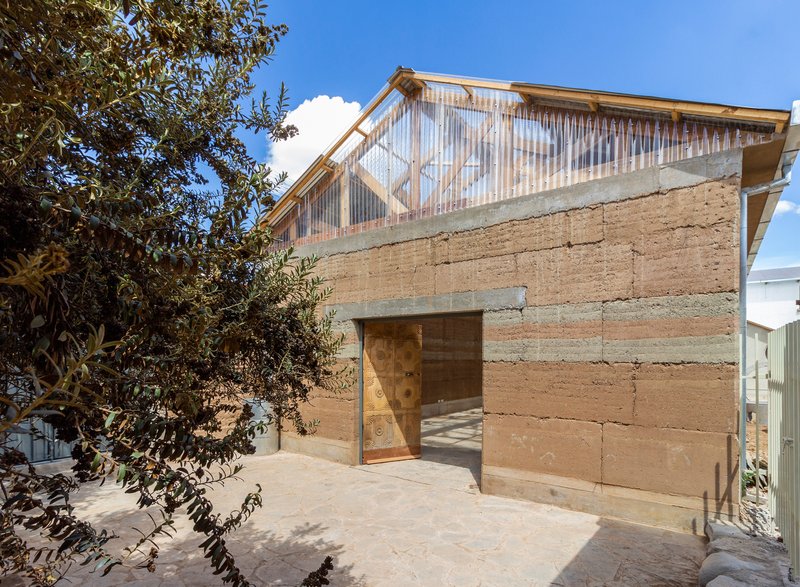
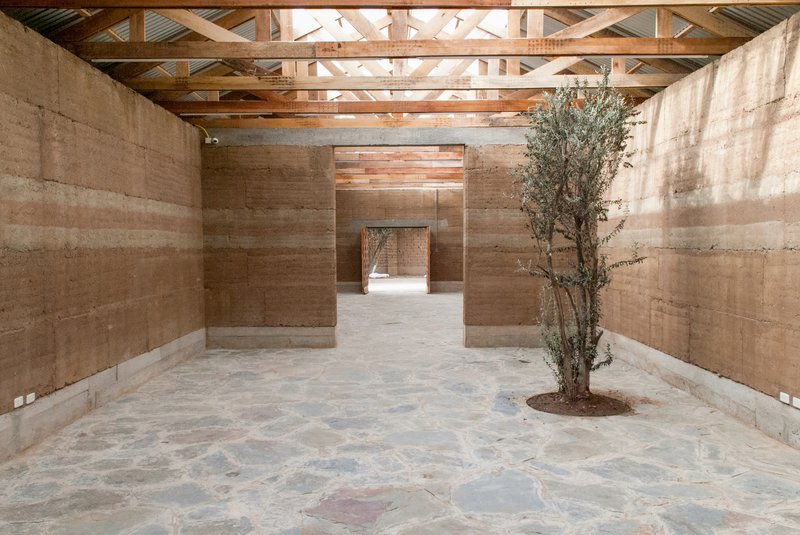
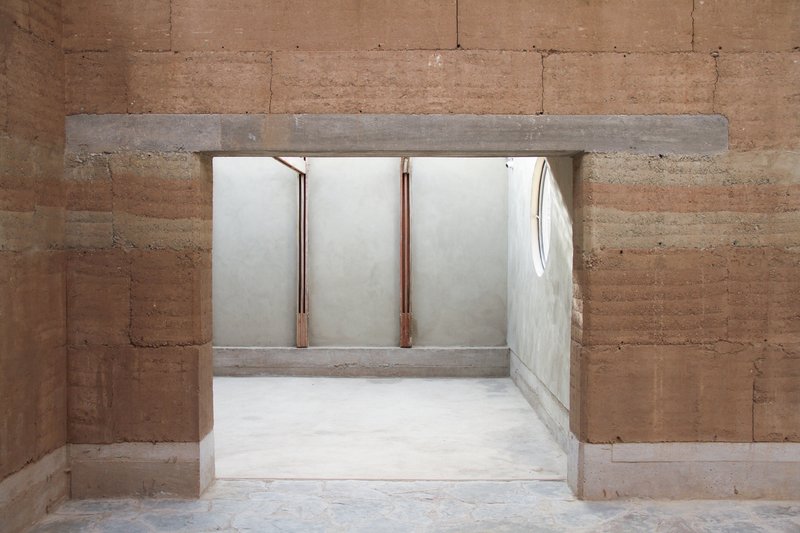
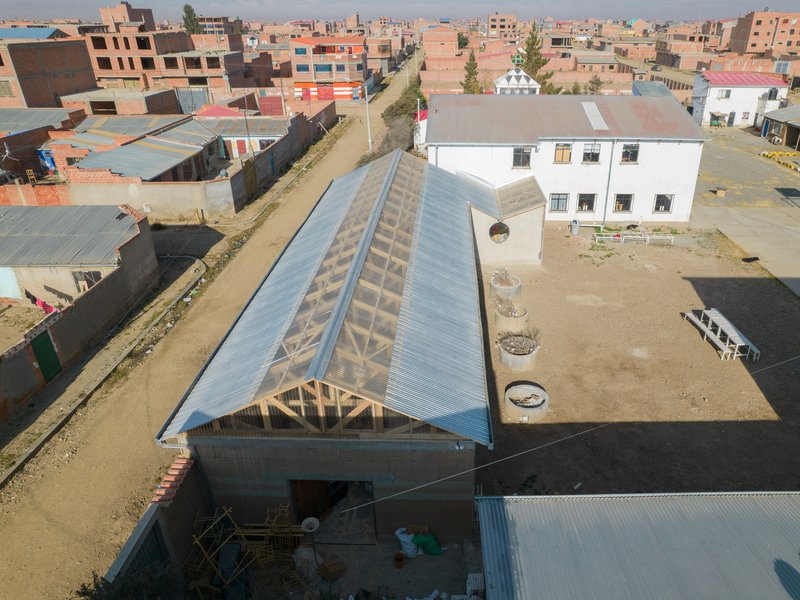
The final and most expressive space is housed within a newly constructed rammed earth block. This volume features thick earthen walls and a gable roof supported by exposed wooden trusses, emphasizing structural clarity and craftsmanship. Natural light enters from above through polycarbonate sheets placed along both sides of the roof ridge, creating a soft, diffuse illumination that enhances the texture of the earth walls.
A central longitudinal axis organizes the space, marked by two opposing exits. To the north, the building opens onto a patio where two Kiswara trees (Buddleja coriacea Remy), native to the Andean highlands, were carefully preserved, reinforcing the project’s respect for existing natural elements.
Contemporary Earthen Architecture with Cultural Depth
Through its modest scale, material honesty, and social purpose, the Interactive Living Museum Yatiyawi offers a compelling model for contextual architecture in Latin America. It demonstrates how rammed earth construction, when reinterpreted through contemporary design, can address environmental concerns, strengthen cultural identity, and support community-based educational initiatives.
All photographs are works of Santos Winston Miranda Ramos


Popular Articles
Popular articles from the community

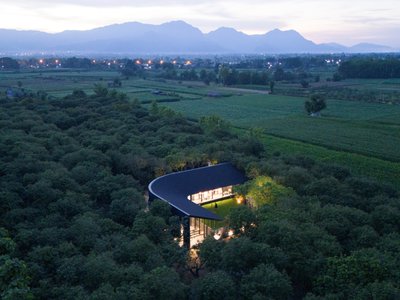
Cafe MADA: A Chiang Rai Pavilion in a Mango Orchard
BodinChapa Architects threaded a 254 m² black-roofed cafe through an existing mango orchard in Chiang Rai, Thailand, built around mature trees.
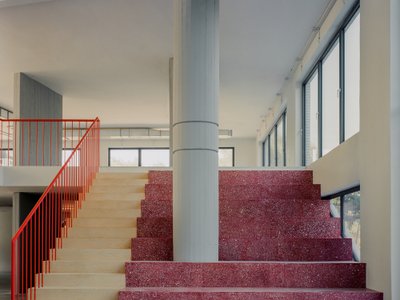
Art 1 Office Strips Athens Back to Its Bones
Neiheiser Argyros transforms a 40-year-old Athens office building into a vivid, materially rich workplace anchored by red steel, exposed concrete, and roof

20 Most Popular Commercial Architecture Projects of 2025
From sustainable market concepts to heritage factories, the commercial buildings and proposals that drew the most attention on uni.xyz this year.
Guangzhou's Twin Towers Interiors Move Like Water
DuShe Architectural Design shapes the lobbies of a massive Guangzhou transit hub with undulating ceilings and deep geological materiality.

Similar Reads
You might also enjoy these articles

Filtering Space: A Gradual Spatial Experience
From urban intensity to spatial calm.


The Ken Roberts Memorial Delineation Competition (Krob)
As the most senior architectural drawing competition currently in operation anywhere in the world, it draws hundreds of entries each year, awarding the very best submissions in a series of medium-based categories.

Waterfront Redevelopment and Urban Revitalization in Mumbai: Forging a New Dawn for Darukhana
A transformative waterfront redevelopment project reimagining Darukhana’s shipbreaking heritage into an inclusive urban future.
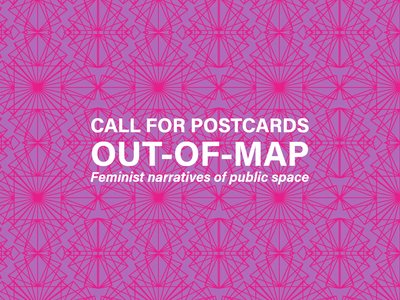
OUT-OF-MAP: A Call for Postcards on Feminist Narratives of Public Space
Rhizoma Design and Research Lab invites artists, designers, architects, researchers, and students to reflect on how feminist perspectives can reshape public space. Selected works will be exhibited in Barcelona, October 2026. Submissions open until 15 April 2026.
Explore Architecture Competitions
Discover active competitions in this discipline




The International Standard for Design Portfolios


The Global Benchmark for Architecture Dissertation Awards


The Global Benchmark for Graduation Excellence


Challenge to reimagine the Iron Throne
Comments (0)
Please login or sign up to add comments
No comments yet. Be the first to comment!