

Introduction to Sustainable Greenhouse Design in Expo Cultural Park
The Expo Cultural Park Greenhouse Garden merges sustainable architecture with nature, transforming a former industrial site into a green urban space.


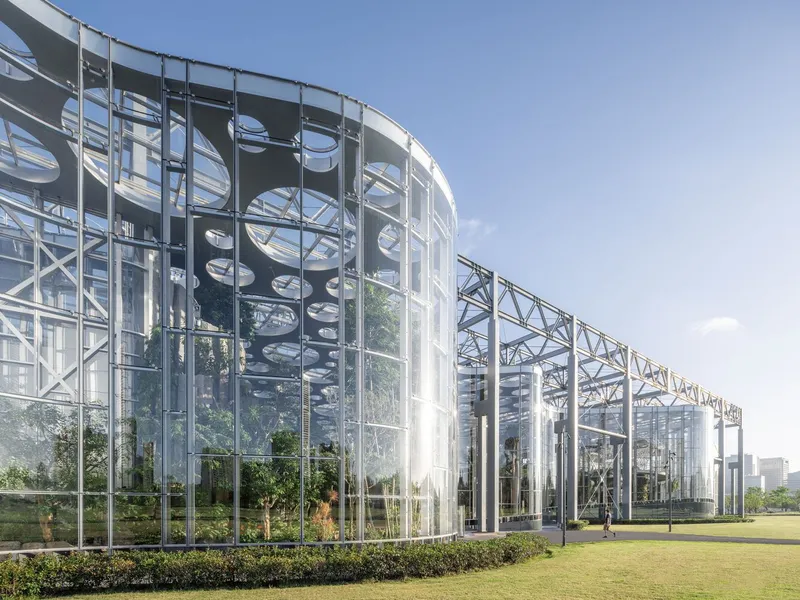
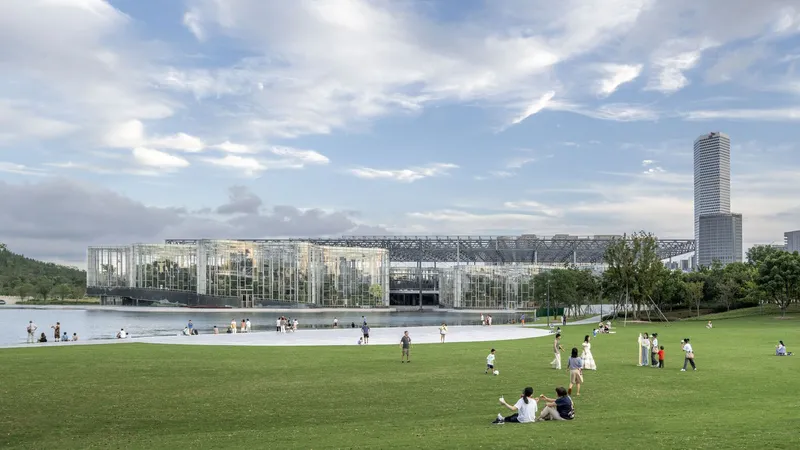
The Expo Cultural Park Greenhouse Garden, designed by Delugan Meissl Associated Architects (DMAA), is a testament to sustainable architecture, emphasizing the importance of nature in our living environments. This project, located in Shanghai's Pudong district, stands out for its innovative approach to integrating energy-efficient systems and environmental consciousness into the urban landscape.
Addressing Urban and Environmental Challenges in Shanghai
Shanghai, with its 23 million residents, faces critical environmental issues like air pollution, water shortages, and rising temperatures. The Expo Cultural Park provides a sustainable solution to these challenges, transforming a former industrial site into one of Asia's largest greenhouse gardens. This development is a response to the urbanization of Pudong and its push toward creating more green spaces to combat climate change.
A Seamless Integration of Industry and Nature
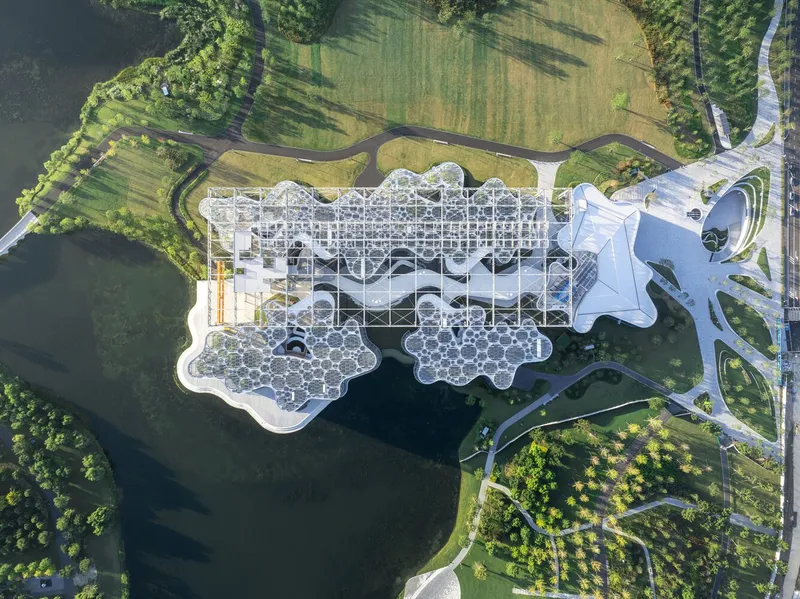
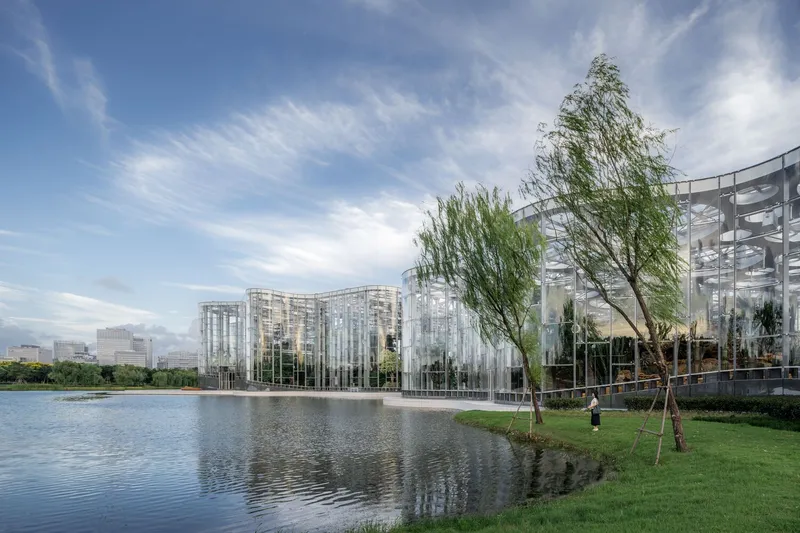
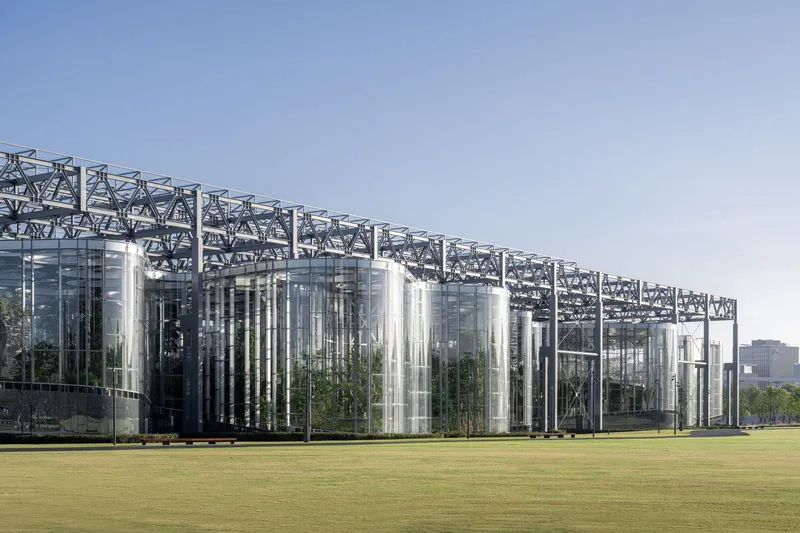
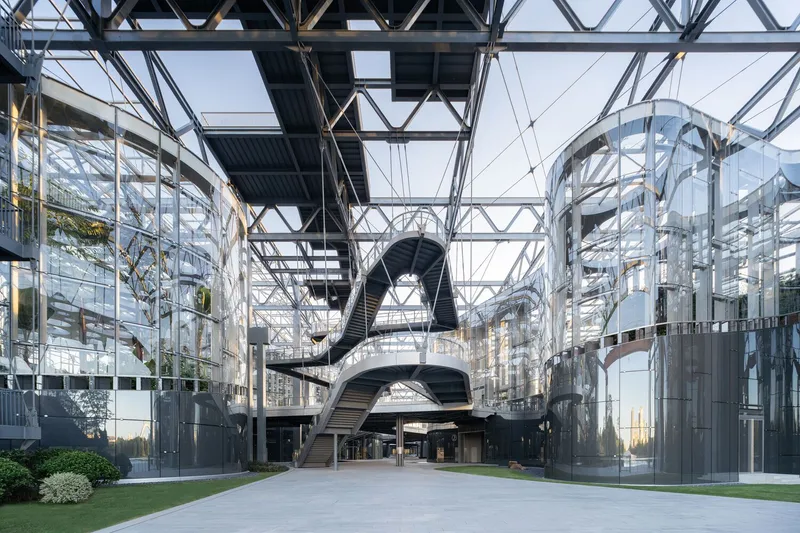
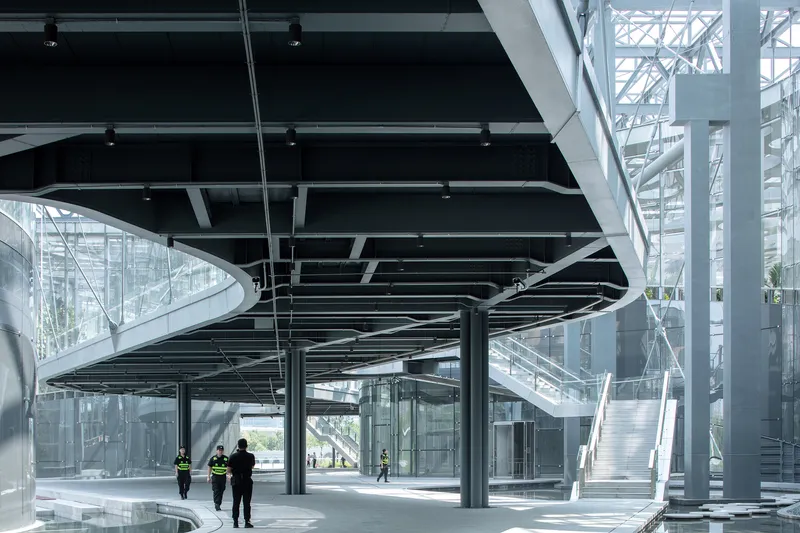
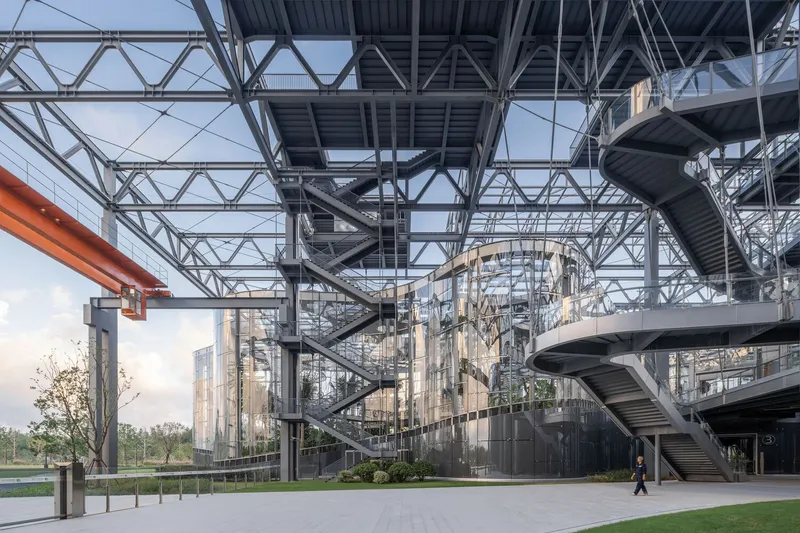
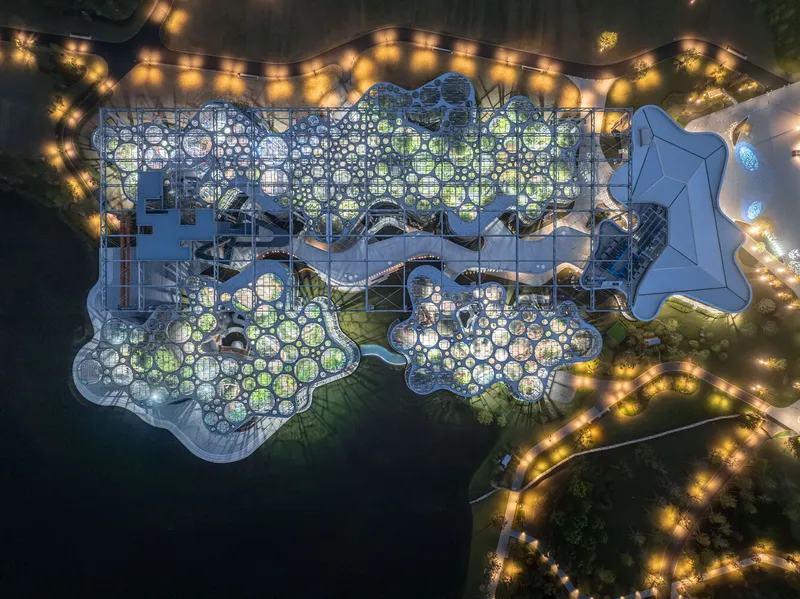
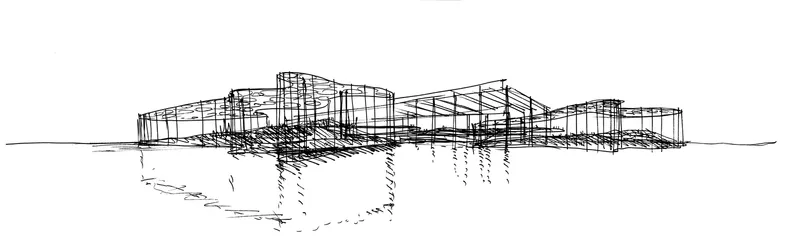
The design of the Greenhouse Garden reflects a duality between industry and nature. A steel structure from a former industrial hall was repurposed and blended with organically shaped pavilions to create an architectural expression that embodies both historical significance and modern environmental consciousness. This site, once occupied by a coal-fired power plant and a steelworks facility, now symbolizes Shanghai's shift towards greener, more sustainable urban spaces.
Zero-Energy Greenhouse Design
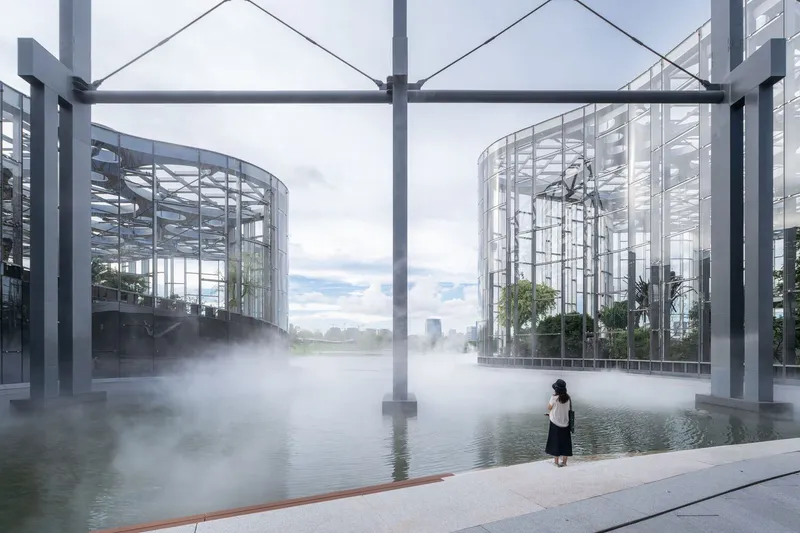
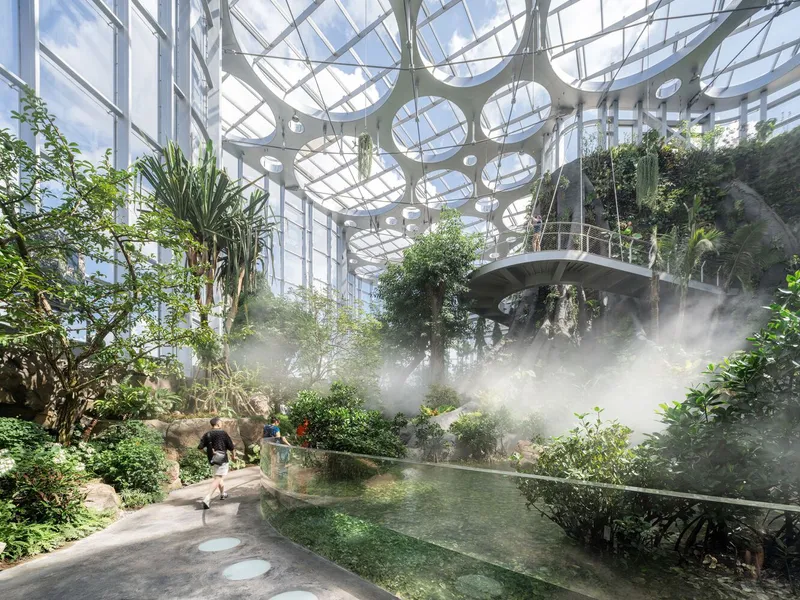
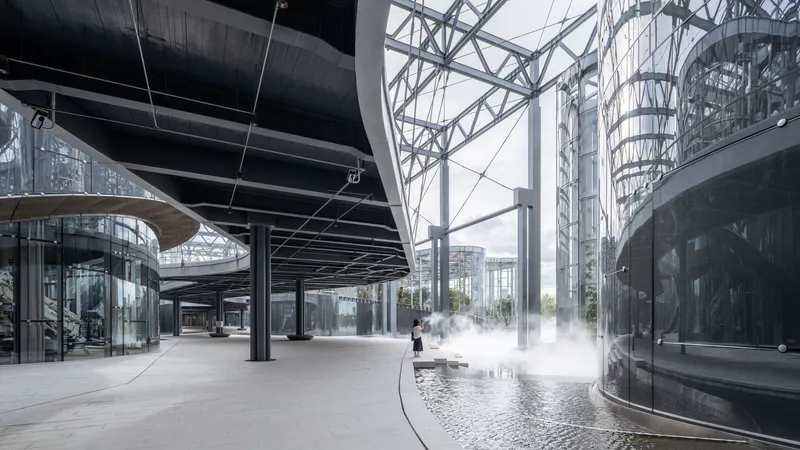
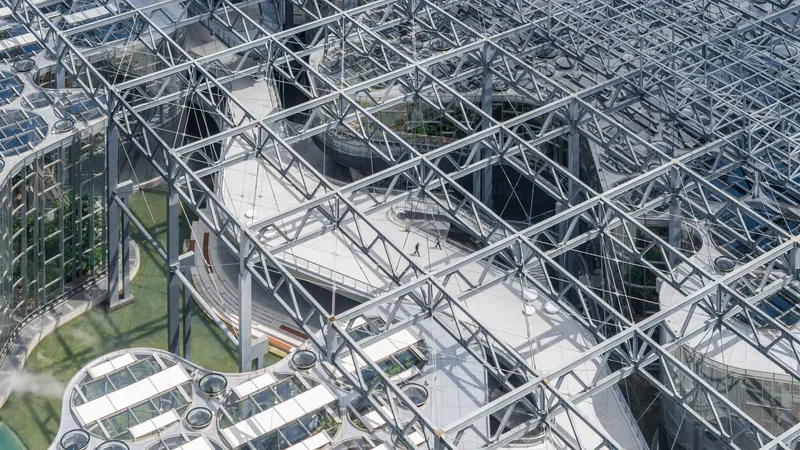
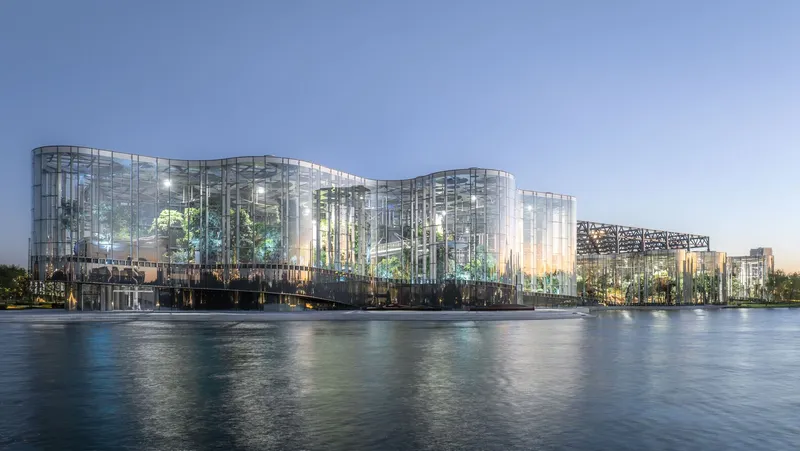
A critical element of the Expo Cultural Park's design is its commitment to sustainability, particularly in the greenhouse structures. Unlike traditional greenhouses that consume vast amounts of energy, this project achieves a zero-energy goal. This is accomplished by using single glazing to reduce energy use, enhancing natural ventilation, and cooling with water features such as a nearby pool. Photovoltaic panels provide additional power, further contributing to the sustainable energy system.
The Three Pavilions: Desert, Rainforest, and Vertical Gardens
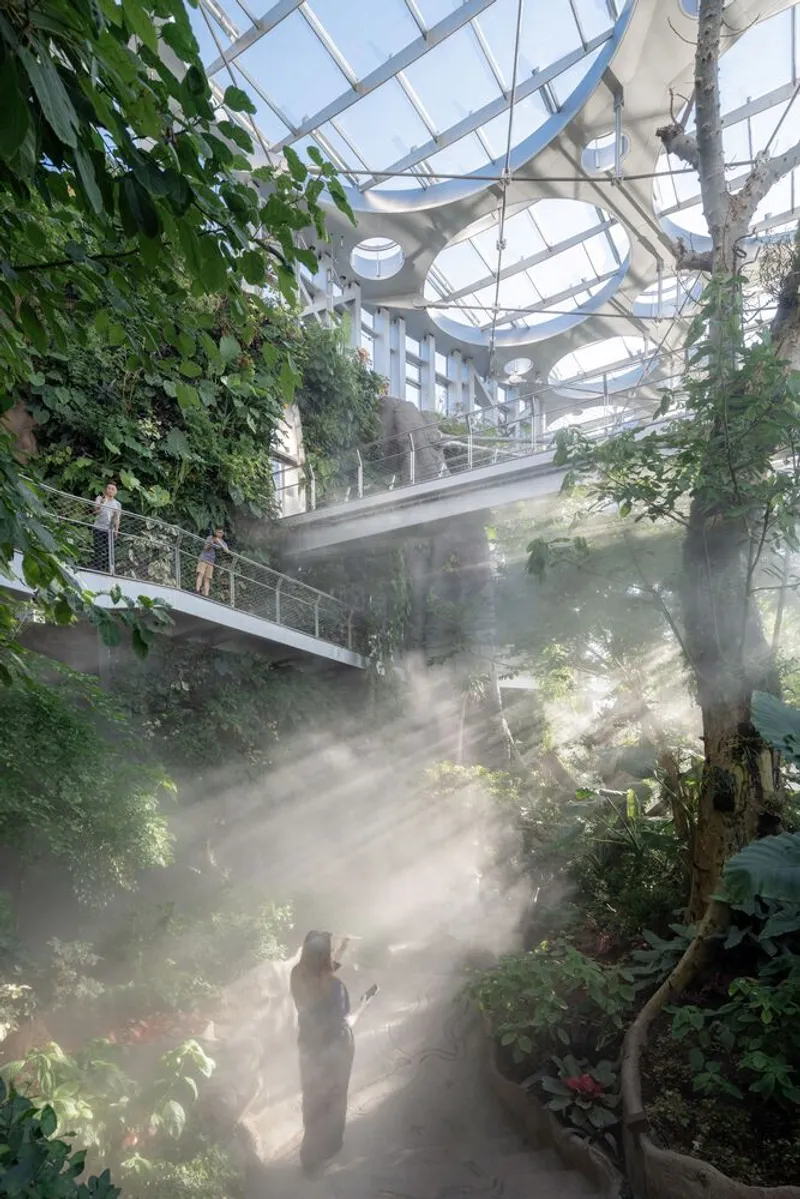
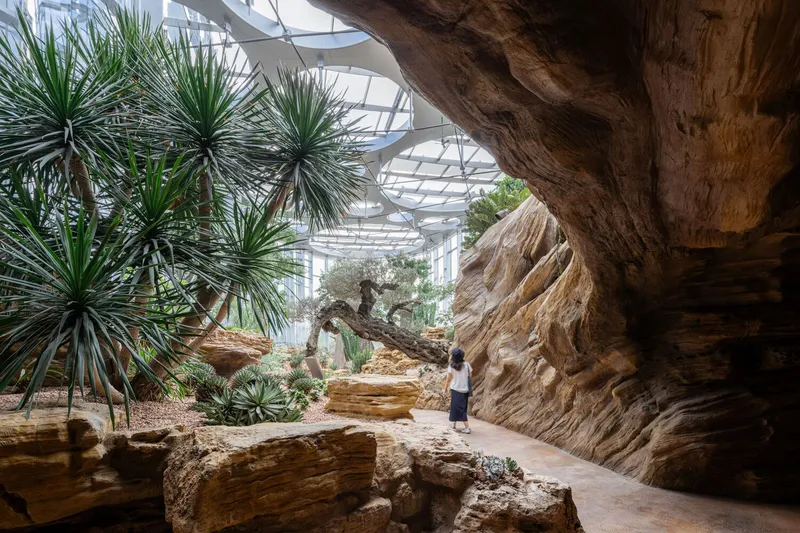
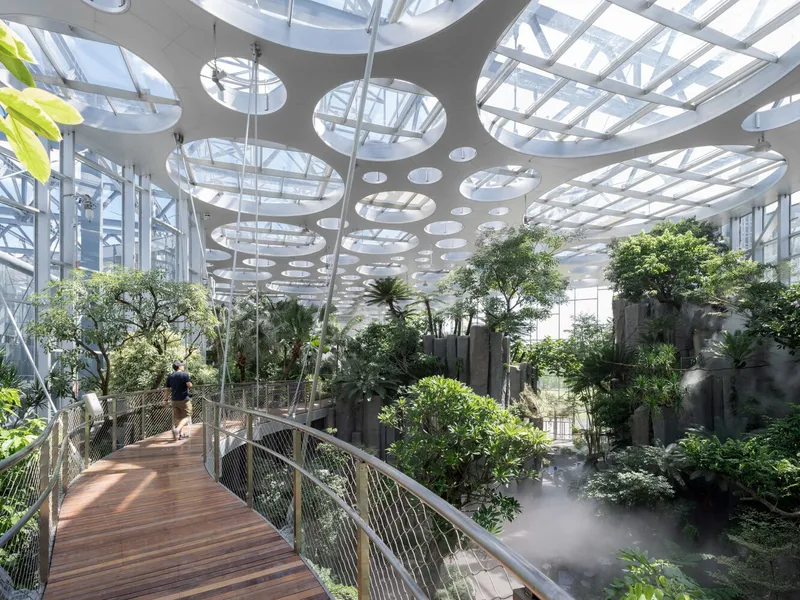
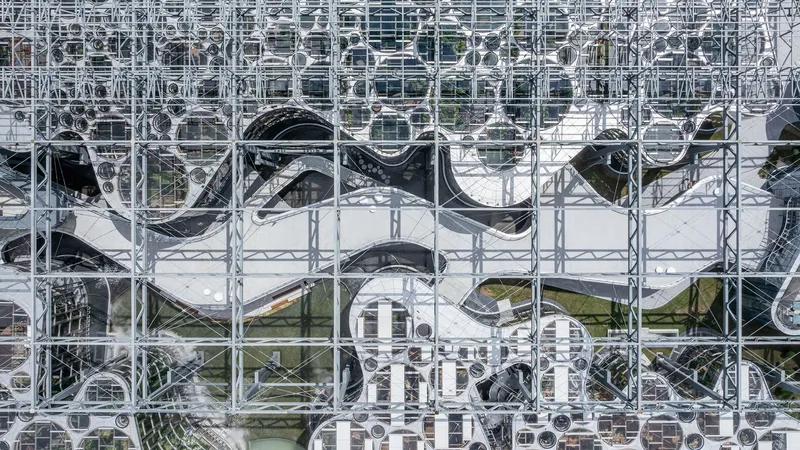
The design of the greenhouse garden incorporates three distinct pavilions that represent diverse global climates. The first pavilion recreates the arid desert environment, showcasing plants that can withstand drought conditions. The second pavilion focuses on tropical rainforest vegetation, while the third pavilion features vertical flower gardens for temporary exhibits. The terrace above the pavilions provides panoramic views, creating a harmonious balance between nature and the surrounding urban fabric.
Sustainable Pathways and User Interaction
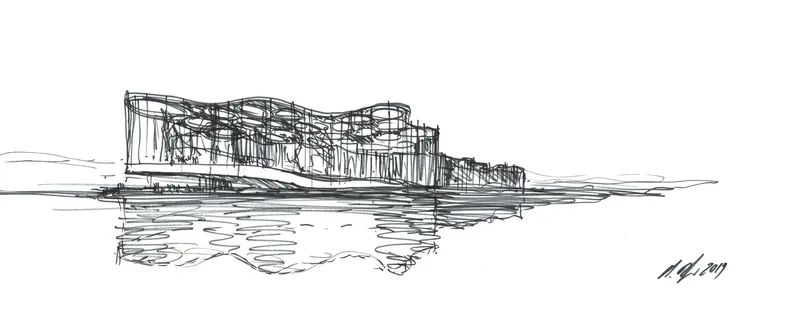
The layout of the park encourages visitors to engage with the space in an immersive way. A network of pathways connects the different greenhouse pavilions, allowing guests to experience varying environmental conditions while interacting with the architecture. The design’s undulating facade not only creates a dynamic visual experience but also symbolizes the evolving relationship between humans and nature, particularly in the context of global climate challenges.
The Future of Sustainable Architecture
The Expo Cultural Park Greenhouse Garden represents a forward-thinking approach to architectural design, blending sustainability with cultural and environmental awareness. By reimagining a once-industrial space into a green oasis, it highlights the potential of architecture to address pressing global issues while offering a model for future developments in urban sustainability.
All Photographs are work of CreatAR Images


Popular Articles
Popular articles from the community


David Ortega Stacks a Two-Story Mexico City Penthouse Around a Steel Stair and a Pergola-Shaded Roof Terrace
In Colonia Roma, a 300 m² penthouse uses oak joinery, a planted steel stair and a slatted roof pergola to make a new-build apartment feel like a house.

GROUP A Strips a 1969 Rotterdam Harbor Headquarters to Its Frame and Wraps It in Timber Louvers
In Rotterdam's M4H harbor district, Ferro Offices reuses a 1969 frame, adds one timber storey and reaches BREEAM-NL Outstanding.

LT2A and OPEN Architectes Thread a Brick and Glass High School Through a Wooded Belgian Campus
In Braine-l'Alleud, a 3,000 m² wing for Collège Cardinal Mercier pairs pale brick with a glazed colonnade, deferring to a small chapel and a dense wood.

Juan García Correa, John González and Claudia Rueda Sink a Circular Amphitheater into a Manizales Engineering Building
On the La Nubia campus in Manizales, Colombia, the S1 Building folds labs and offices into a hillside of ramped lawns that double as a campus route.

Similar Reads
You might also enjoy these articles


Hodi-Mandai Geram
Project Function: Preservation and revitalization of the Intangible heritage and socio-spatial identity of the Hodi by Housing, Cultural Memory Center, Sacred Grove, landscape, local tourism economy


Olio Towers: A Mid-Rise for Performers That Fuses Housing, Rehearsal, and Stage
Located blocks from Houston's Theater District, this modular tower stacks living units around a central performance atrium.

Oasis: Modular Green Housing Carved into Dhaka's Urban Fabric
A shortlisted Plugin Housing entry reclaims unauthorized settlements in Dhaka with stepped concrete volumes, green roofs, and ventilation-driven design.

Black Hole: A Floating Megastructure for the Post-Physical Era
Emiliano Mazzarotto envisions a spherical, self-scaling arena where e-sports, digital hotels, and holographic stadiums replace traditional public space.

Explore Green Architecture Competitions
Discover active competitions in this discipline

Challenge to reimagine the Iron Throne

Photograph architecture without architects

Illustrate the lost glory of Angkor Wat - Render Challenge

Design challenge to reuse E-waste
Comments (0)
Please login or sign up to add comments
No comments yet. Be the first to comment!