
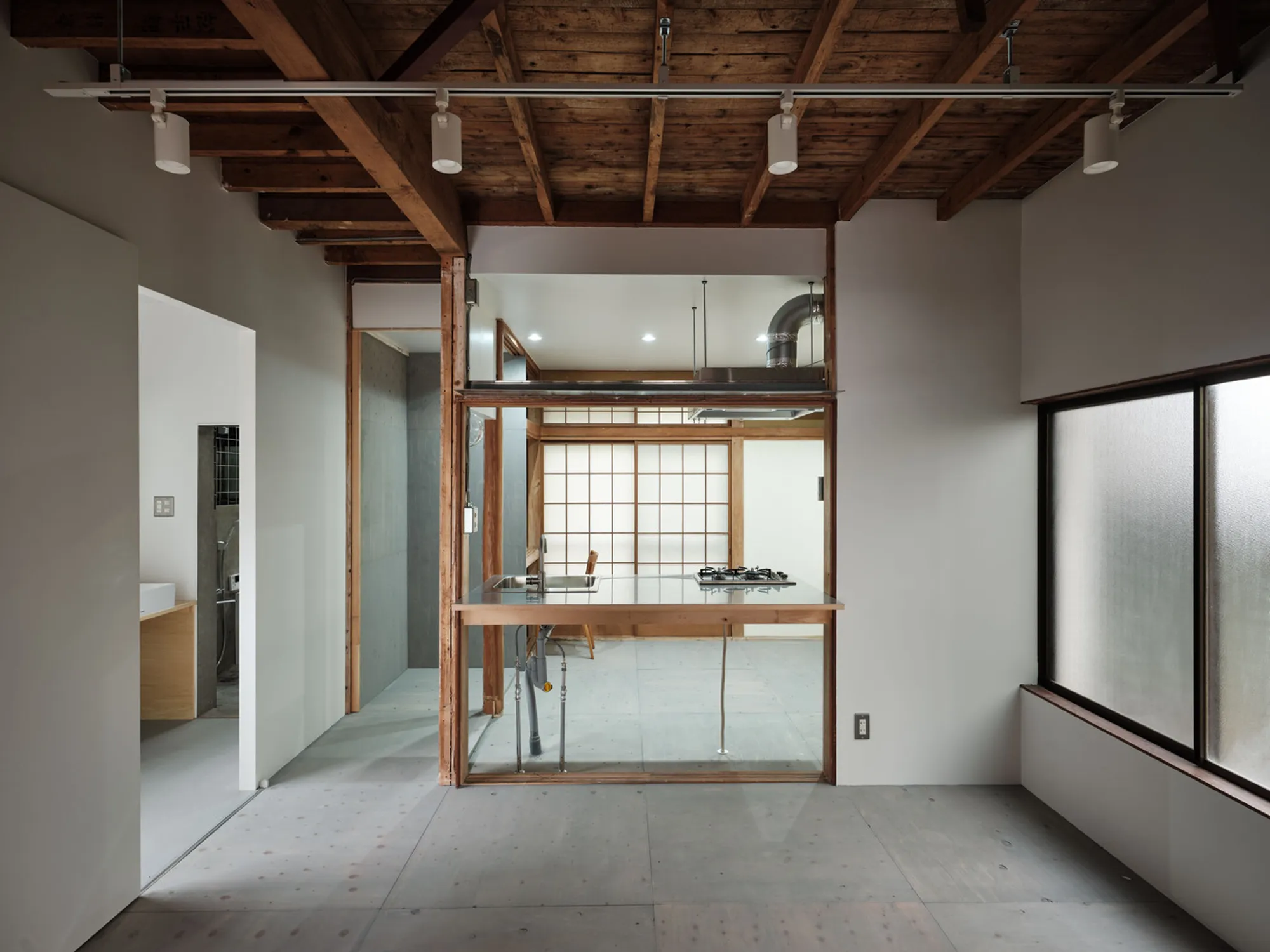
Itabashi House Renovation by ROOVICE
Itabashi House renovation by ROOVICE transforms a 1976 home with timber beams, glass partitions, natural light, and flexible, modern Japanese interiors.


Revitalizing a 1976 Itabashi Home
Nestled in the quiet streets of Itabashi, Tokyo, the Itabashi House originally built in 1976, underwent a sensitive and innovative transformation by ROOVICE. As part of their Kariage Project, the architects specialize in renovating and reusing akiya (vacant houses) at no cost to owners, converting underutilized spaces into modern, functional rental homes.
The original house featured a fragmented layout with dim interiors, no longer compatible with contemporary lifestyles. ROOVICE approached the renovation with a focus on spatial clarity, natural light, and preserving the warmth of traditional Japanese architecture.
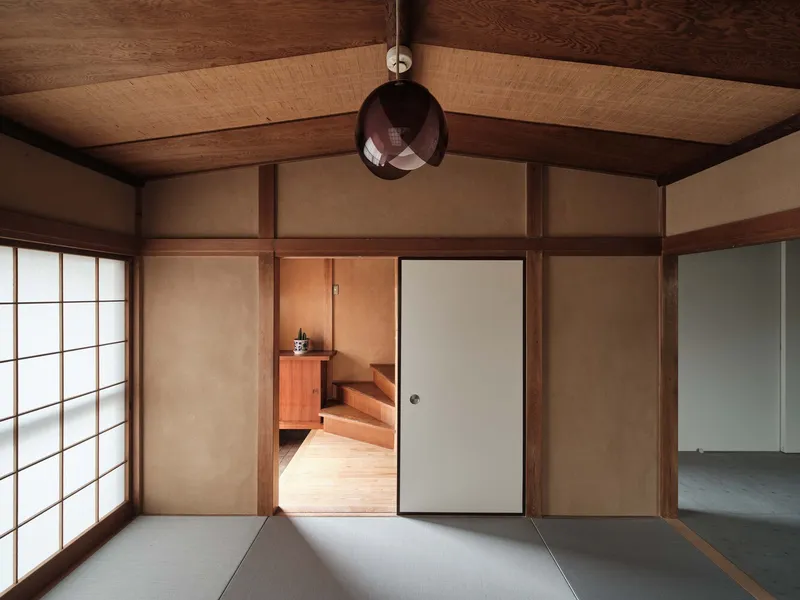
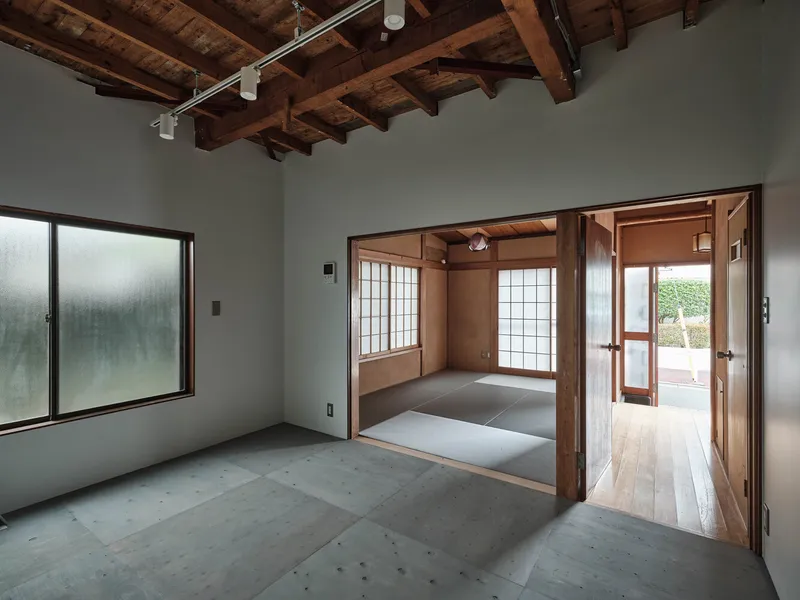
Open and Flexible Ground Floor
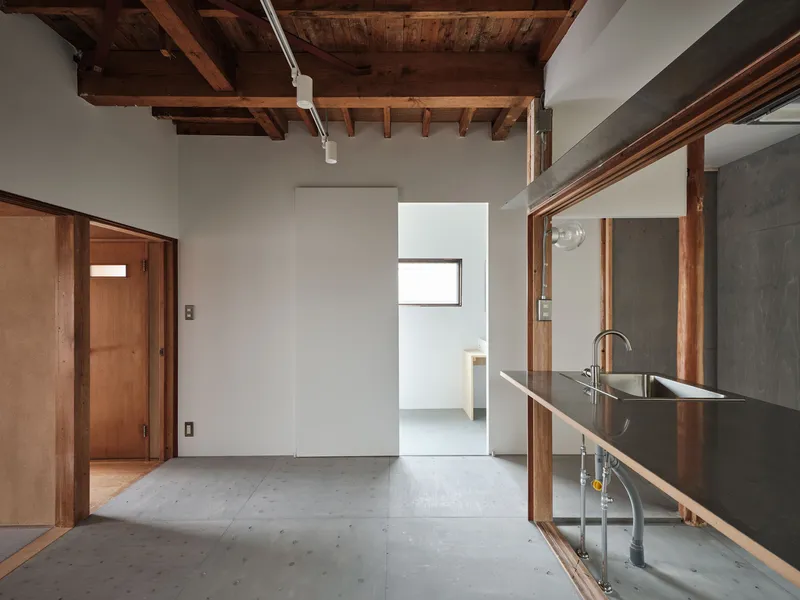
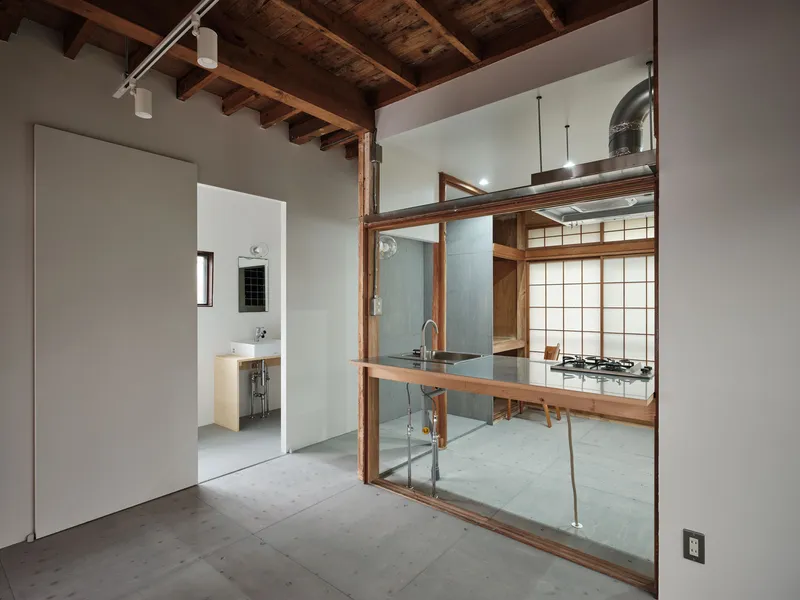
A major challenge existed on the ground floor, where the original kitchen sat awkwardly between two tatami rooms, dividing the home into disconnected zones. By relocating the kitchen into the former rear tatami room, ROOVICE opened the central and front areas, creating a flexible flow between living and dining spaces.
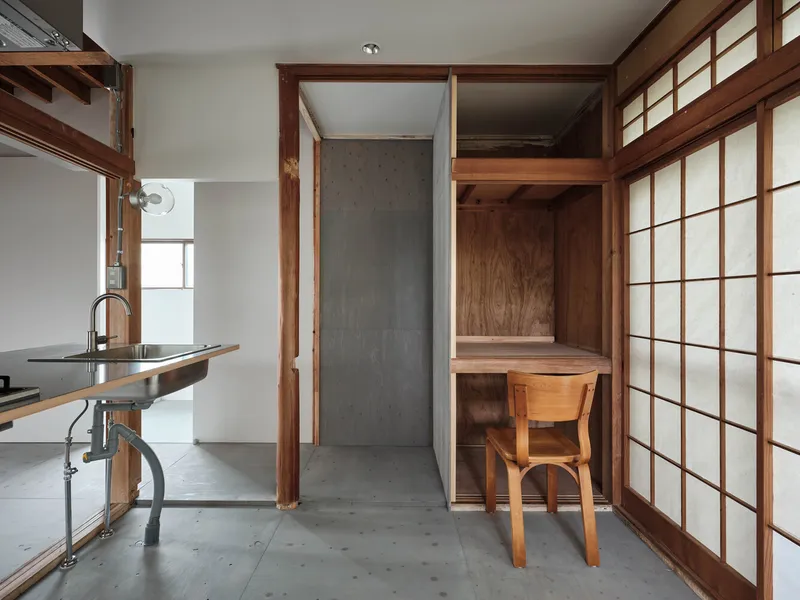
The new kitchen design incorporates a slim stainless-steel countertop with an integrated sink, maintaining a minimalist aesthetic while highlighting exposed timber posts and beams to retain the original wooden character. The oshiire (built-in storage) was cleverly integrated, combining functionality with traditional elements.
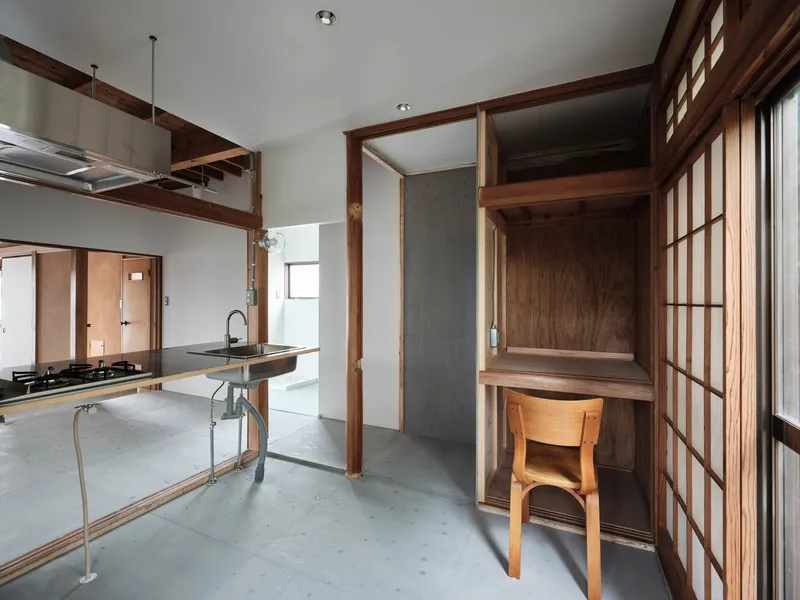
Harmonious Blend of Traditional and Modern
A glass partition above the kitchen visually links the ground floor to the first floor, enhancing light transmission and continuity between spaces. Original shoji screens were preserved, allowing soft natural light to permeate the interior, maintaining a subtle connection to Japanese heritage while brightening the newly arranged layout.
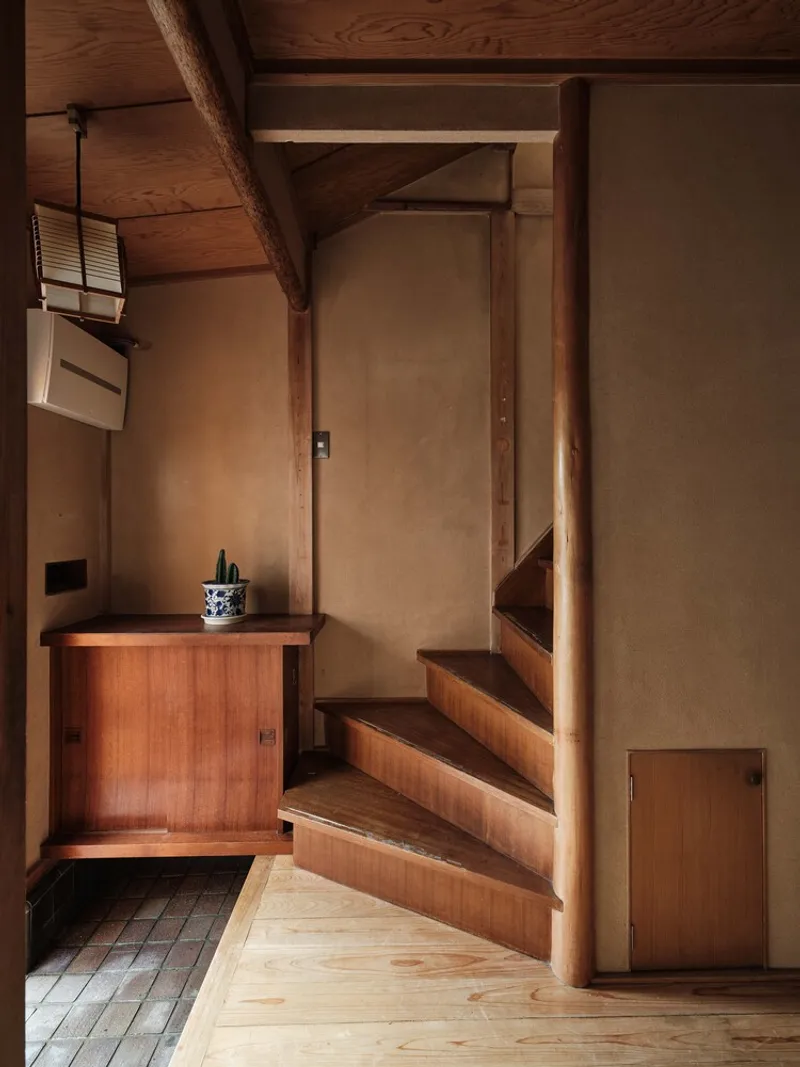
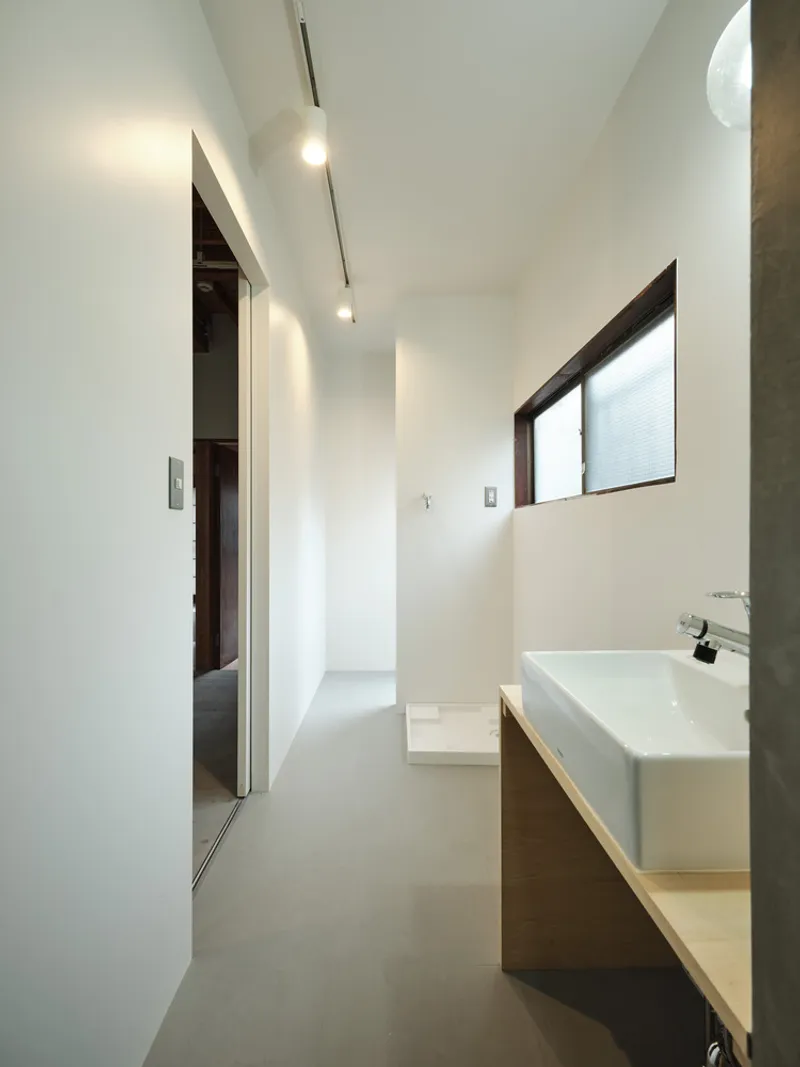
The old kitchen space was converted into a modern bathroom, blending preserved black tiles with soft grey mortar plaster, creating a refined yet warm atmosphere.
Thoughtful First-Floor Interventions
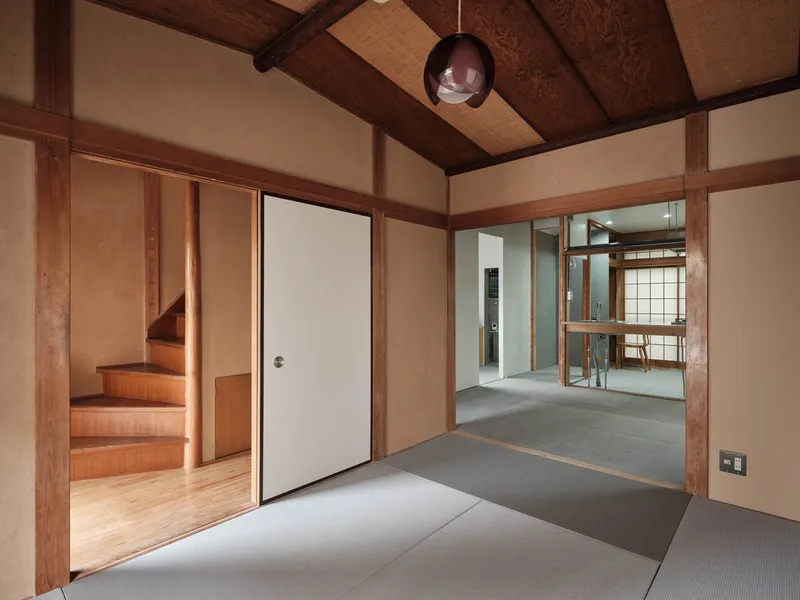
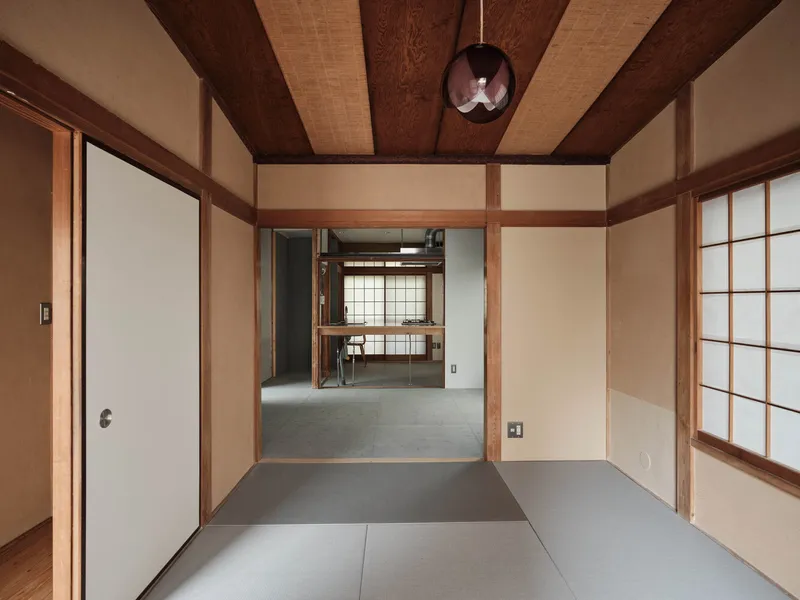
On the first floor, glass panels in the transoms facilitate light sharing between rooms, expanding the sense of space while maintaining privacy. Strategically placed mirrors reflect light and subtly enlarge the rooms without disrupting traditional proportions. Carefully integrated lighting highlights timber and glass, enhancing the home's warmth and character.
A Respectful Exterior
From the street, the house maintains its modest presence, concealing the careful interior reinvention. ROOVICE’s design balances heritage preservation with contemporary living flexibility, transforming a once fragmented home into a luminous, functional, and aesthetically refined residence.
All Photographs are works of Akira Nakamura




Popular Articles
Popular articles from the community


Conexión: Biophilic Design Reimagines High-Rise Living in Hong Kong
Conexión reimagines high-rise living in Hong Kong through biophilic design, green facades, shared spaces, daylight, water and nature within.

Co-life: Sustainable Architecture for Age-Friendly Community Living
Co-life reimagines sustainable architecture for seniors through courtyards, rammed earth, shared gardens, and spaces designed for belonging.

Hill & Cross Opera: Sculptural Opera House Architecture Shaped by Tallinn’s Landscape and Identity
Hill & Cross Opera reimagines opera house architecture in Tallinn through its sculptural hill, civic plaza, glass wave and a luminous cross.

Co-Life: Senior Housing Design That Reconnects Older Adults With the City
Co-Life reimagines senior housing design through healing gardens, shared streets, workshops, and a sustainable community across generations.


Similar Reads
You might also enjoy these articles


Hodi-Mandai Geram
Project Function: Preservation and revitalization of the Intangible heritage and socio-spatial identity of the Hodi by Housing, Cultural Memory Center, Sacred Grove, landscape, local tourism economy


Olio Towers: A Mid-Rise for Performers That Fuses Housing, Rehearsal, and Stage
Located blocks from Houston's Theater District, this modular tower stacks living units around a central performance atrium.

Oasis: Modular Green Housing Carved into Dhaka's Urban Fabric
A shortlisted Plugin Housing entry reclaims unauthorized settlements in Dhaka with stepped concrete volumes, green roofs, and ventilation-driven design.

Black Hole: A Floating Megastructure for the Post-Physical Era
Emiliano Mazzarotto envisions a spherical, self-scaling arena where e-sports, digital hotels, and holographic stadiums replace traditional public space.


Explore Renovation Competitions
Discover active competitions in this discipline



Challenge to reimagine the Iron Throne


Photograph architecture without architects


Illustrate the lost glory of Angkor Wat - Render Challenge


Design challenge to reuse E-waste
Comments (0)
Please login or sign up to add comments
No comments yet. Be the first to comment!