
Jin Wellbeing County by Shma Company Limited: A Sustainable Senior-Living Community in Thailand
Jin Wellbeing County is Thailand’s first senior-focused, sustainable mixed-use community integrating nature, healthcare, housing, and flood-resilient design.


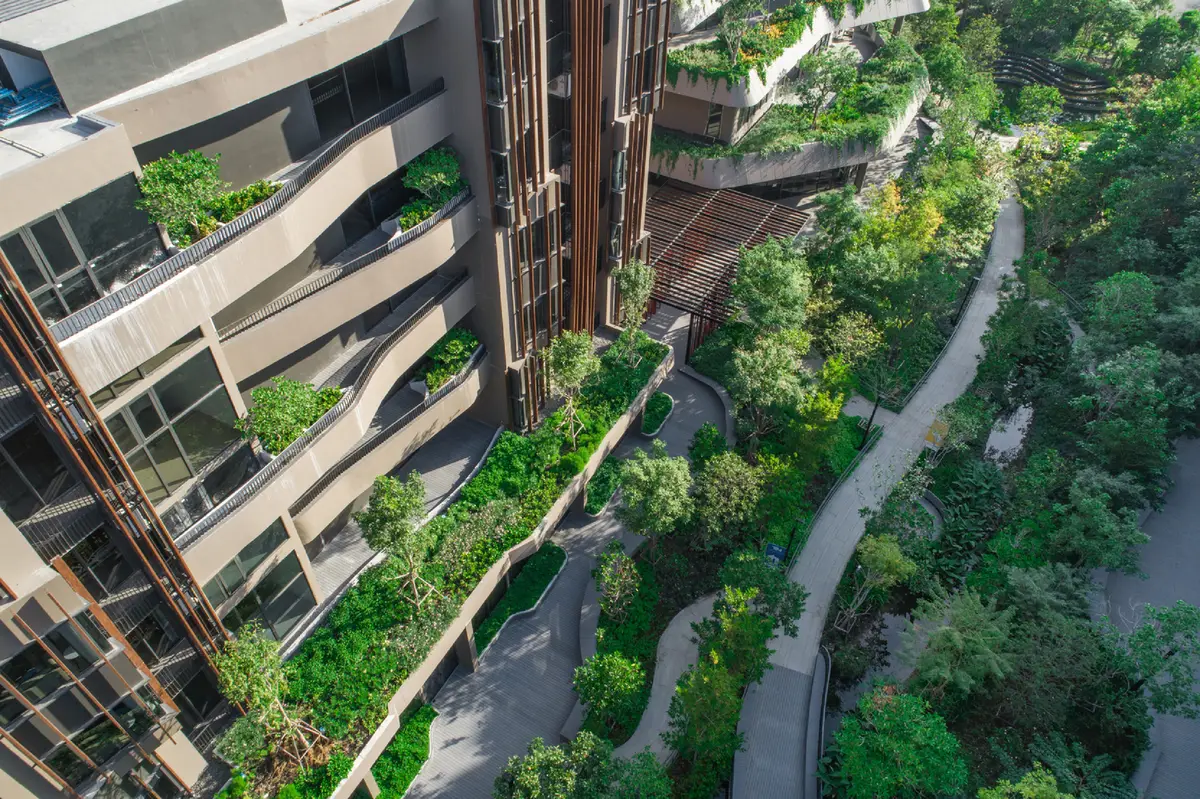
Located in Prachathipat, Pathum Thani, on the outskirts of Bangkok, Jin Wellbeing County is a pioneering example of senior-oriented mixed-use architecture in Thailand. Designed by Shma Company Limited, this visionary development combines landscape architecture, residential housing, healthcare, and sustainable infrastructure across a 56,659 m² site. The first of its kind in the country, the project redefines the future of aging by providing a holistic, inclusive, and environmentally responsive living environment for the elderly.
A Response to Thailand’s Aging Society
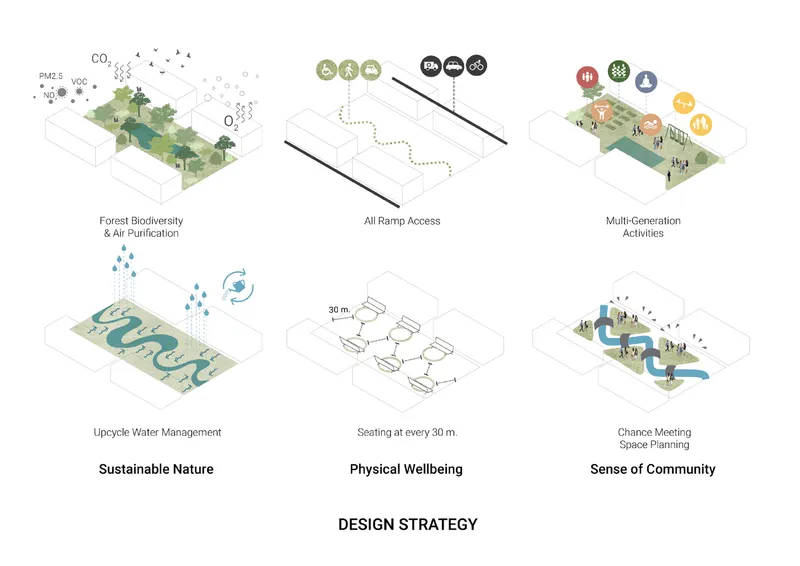
With Thailand transitioning into an aging society—where over 20% of the population is now over 60—Jin Wellbeing County sets a precedent for communities that support physical health, social connectivity, and environmental harmony. Inspired by the concept of “The Seven Dimensions of Wellness”, the masterplan integrates three guiding principles: Sustainable Nature, Physical Well-being, and Sense of Community. These pillars influence every aspect of the design, from the arrangement of open spaces to the provision of therapeutic amenities.
Sustainable Site Design and Flood Resilience
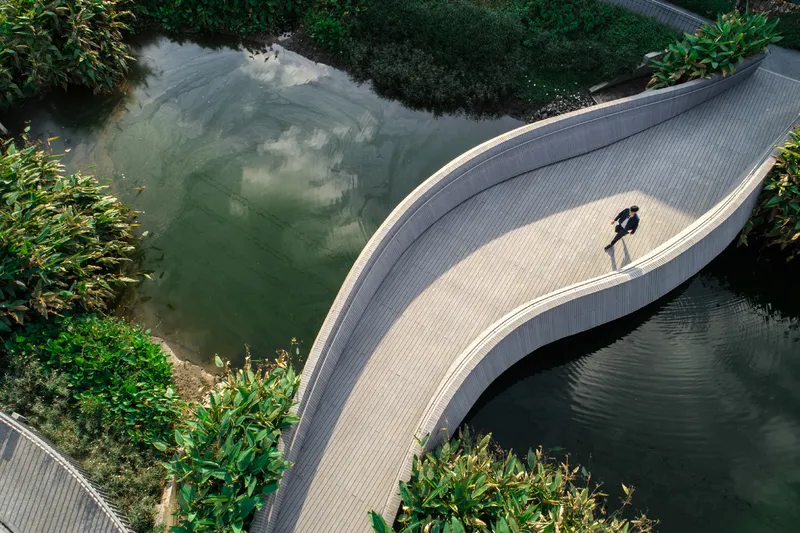
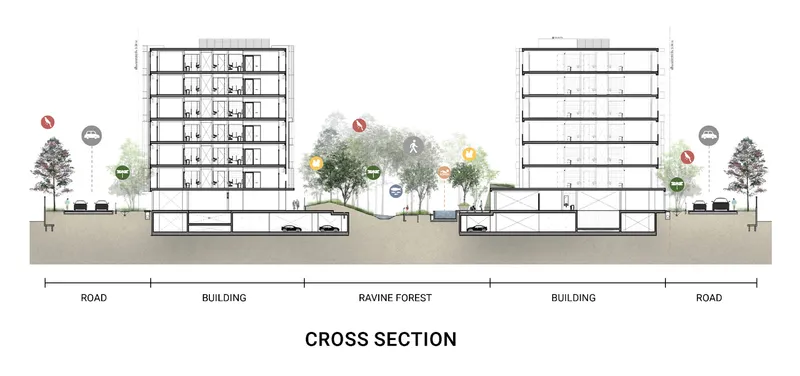
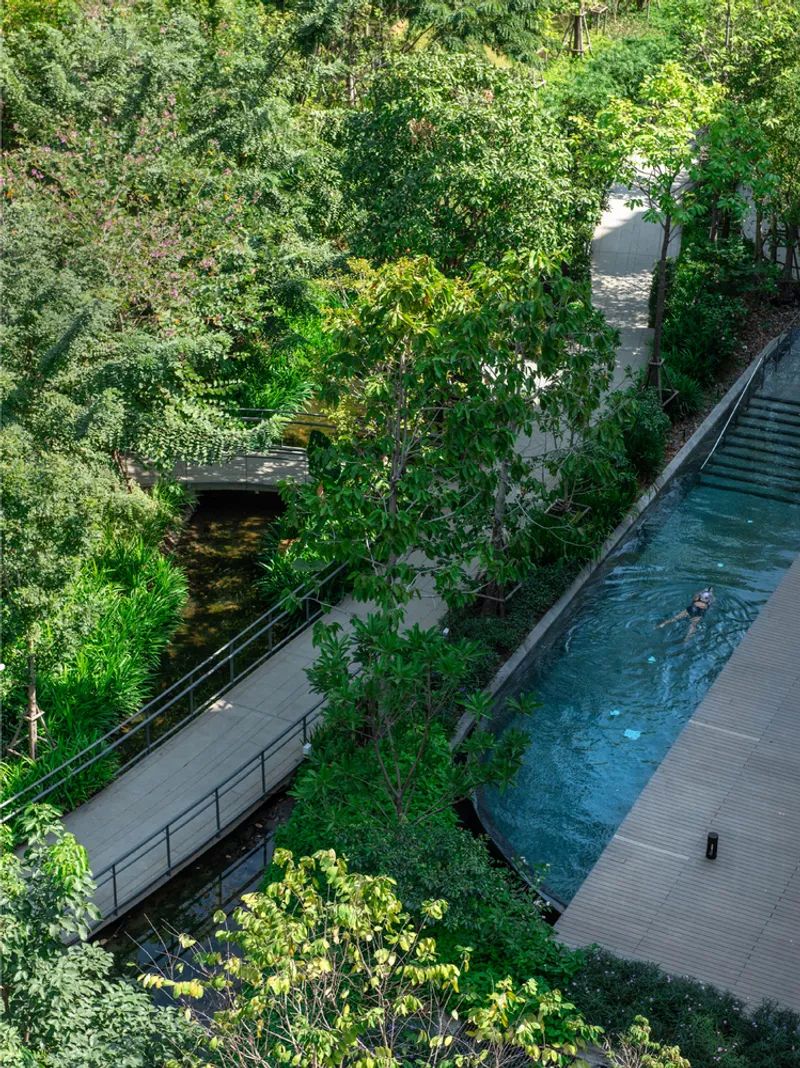
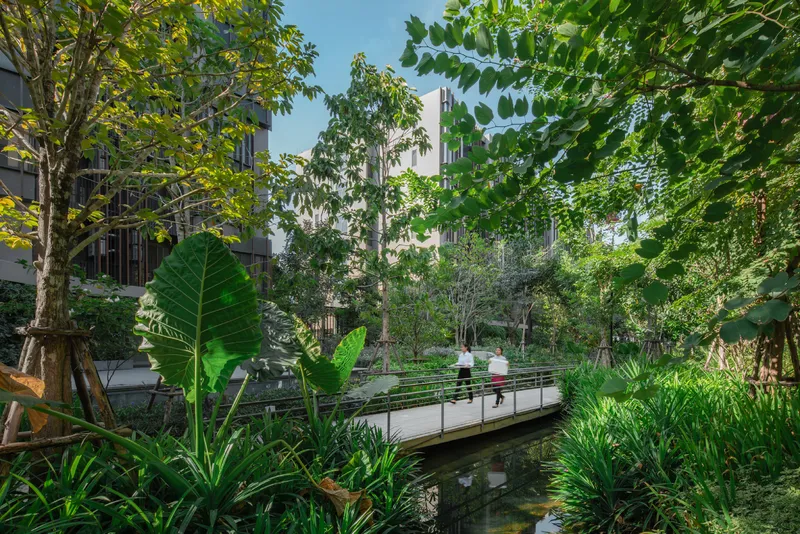
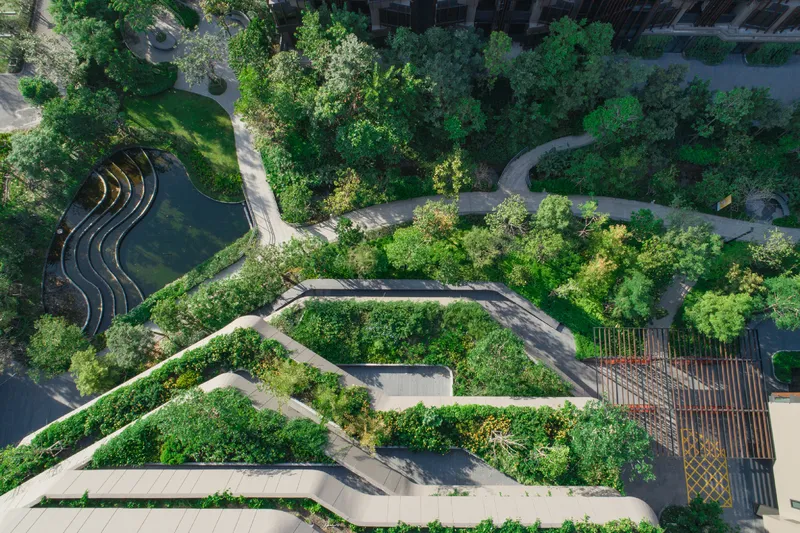
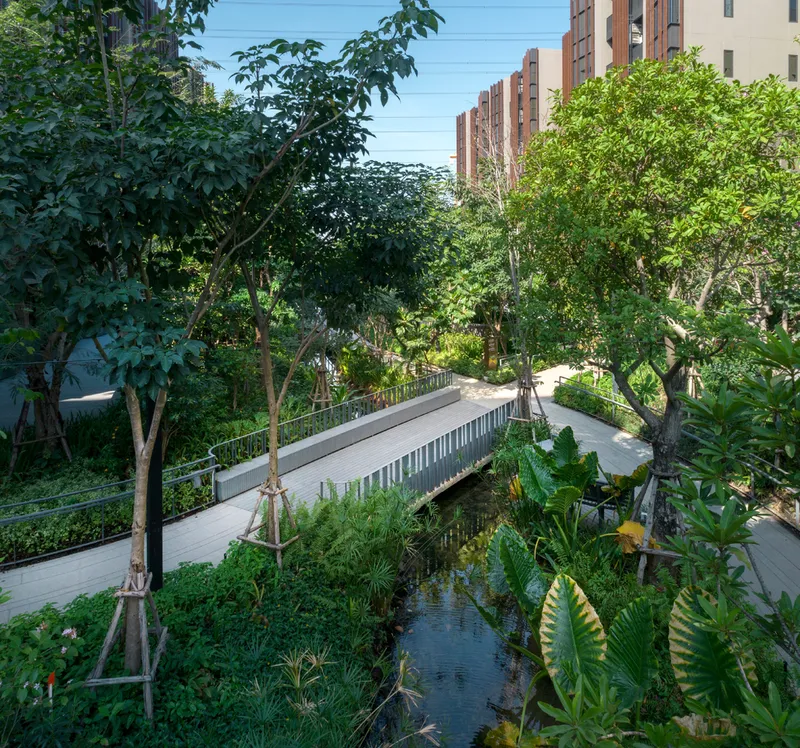
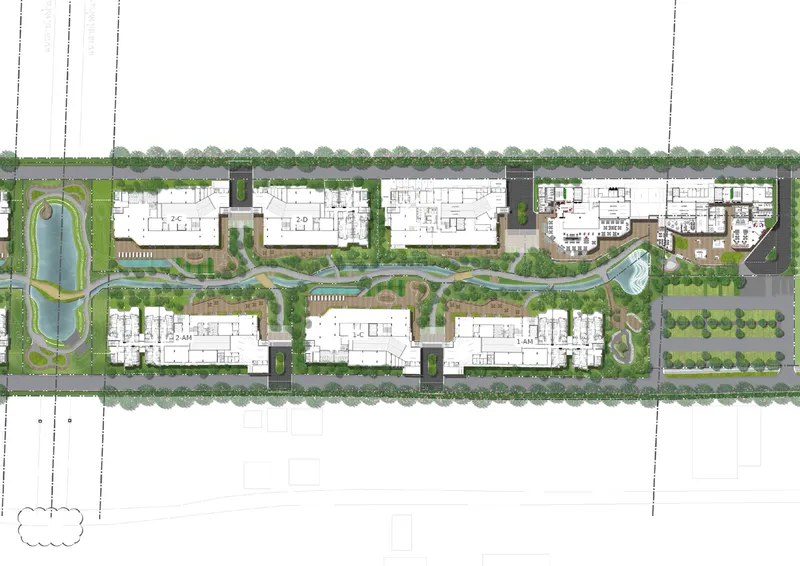
Situated in the historically flood-prone Chao Phraya floodplain, the project replaces traditional landfill methods with an innovative polder system. This smart water management strategy retains rainwater within the landscape through bio-ponds, creeks, and bioswales before controlled release into public waterways. By embracing the natural hydrology, Jin Wellbeing County not only minimizes flood risk but also contributes to the ecological regeneration of urban Thailand.
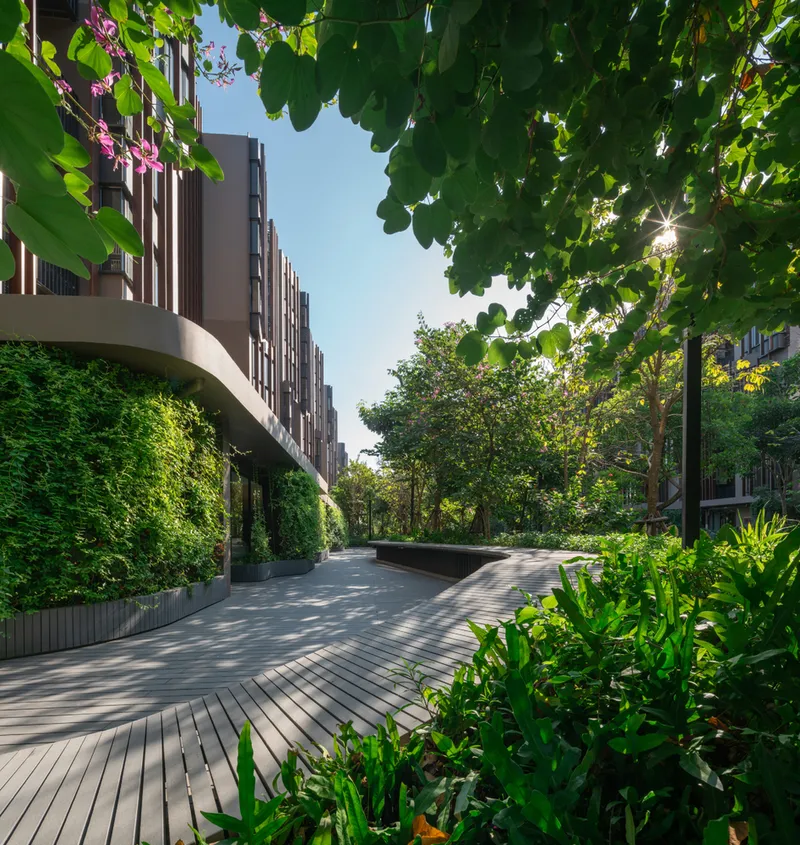
Green Spaces and Wellness-Oriented Landscape Architecture
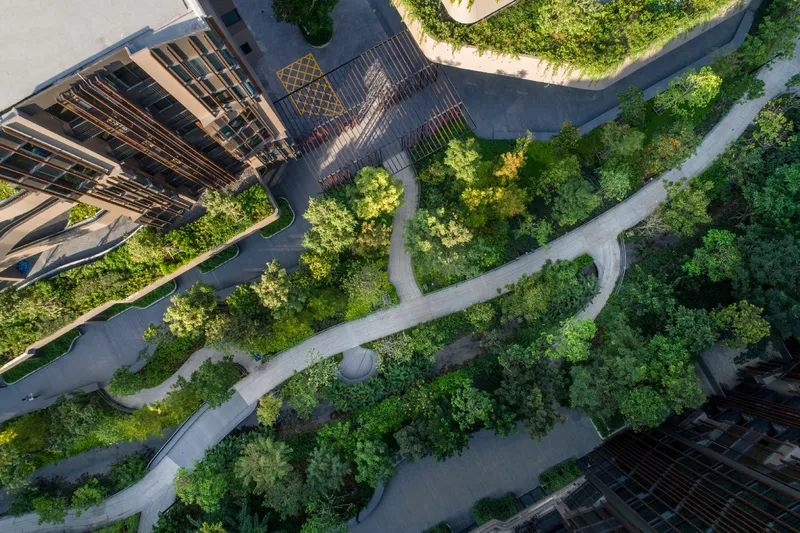
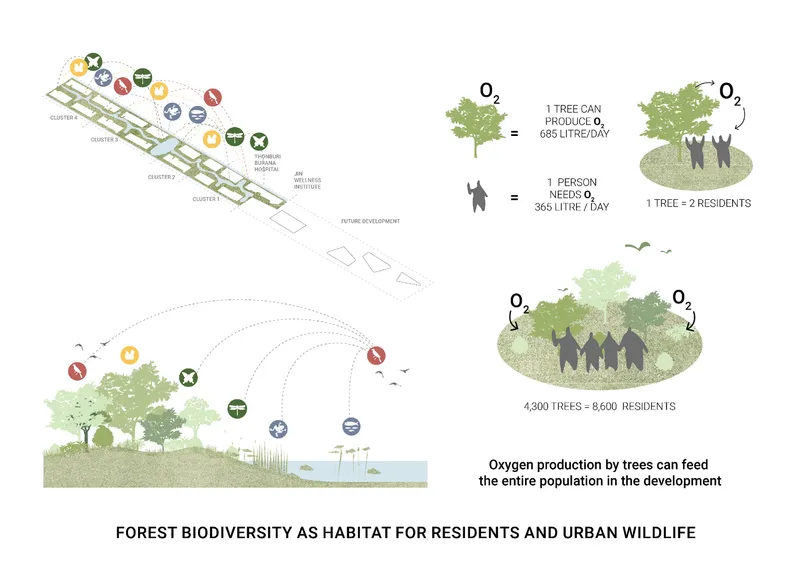
Phase I of the development spans 58,332 m² and includes Jin Wellness Institute, Thonburi Burana Hospital, and two clusters of low-rise residences. Green space is central to the project, comprising 22,485 m²—or 40%—of the site. This surpasses Thailand’s standard green space requirement and emphasizes outdoor activity and nature engagement as key components of elderly well-being.
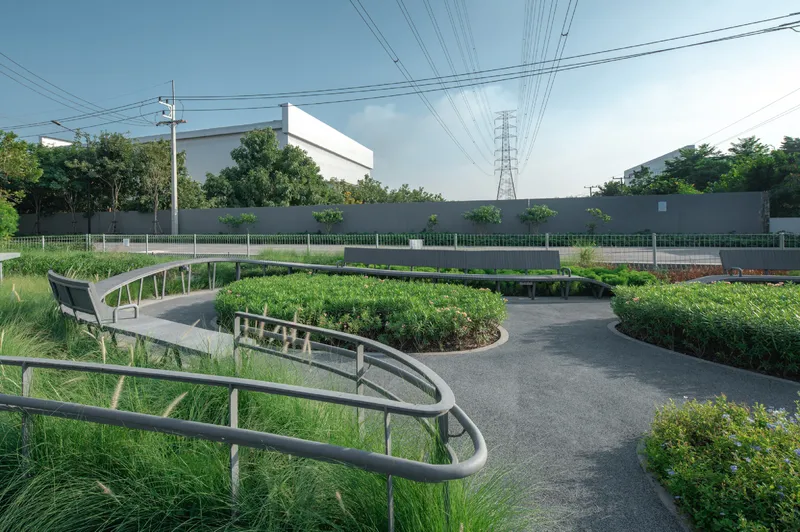
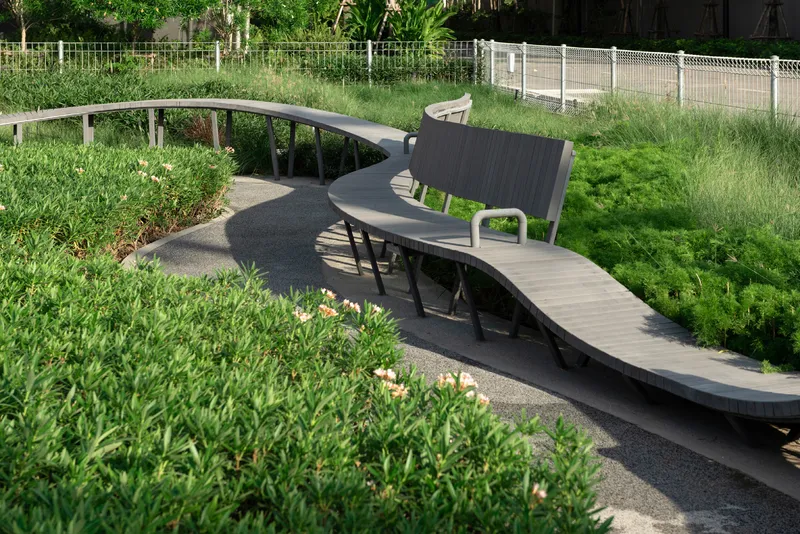
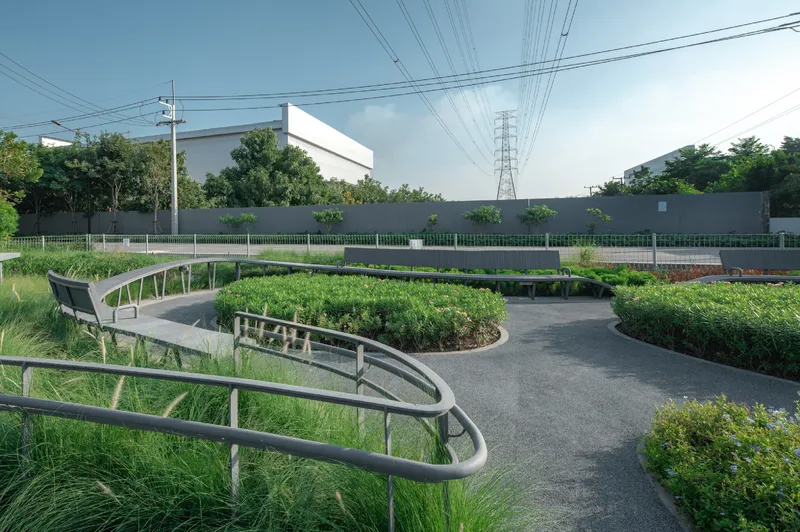
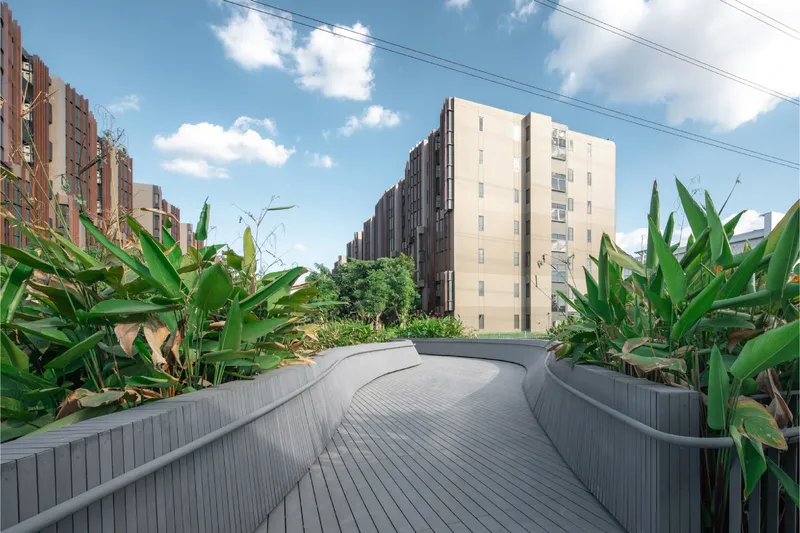
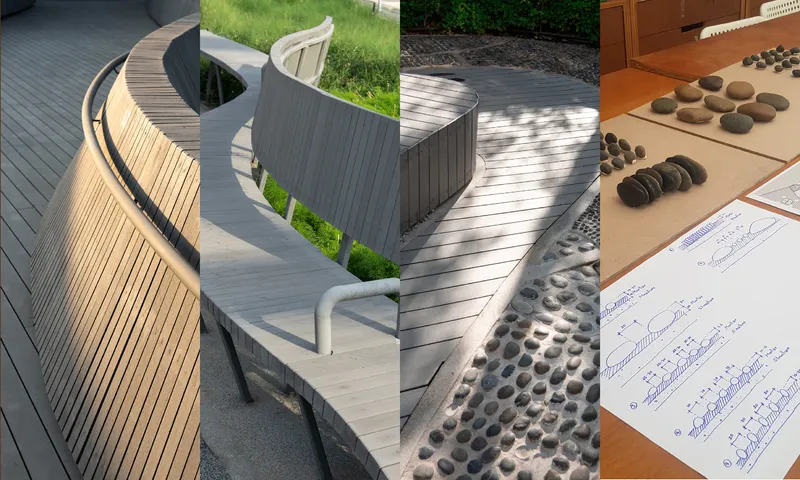
The landscape is designed to mimic a ravine forest, filled with native flora and edible gardens that foster biodiversity and provide shaded, fragrant environments. Seniors can explore therapeutic gardens, complete with reflexology paths, sensory plants, and safe walking loops. Jogging tracks, seating every 30–50 meters, ramps with handrails, and textured surfaces ensure accessibility and safety for all residents.
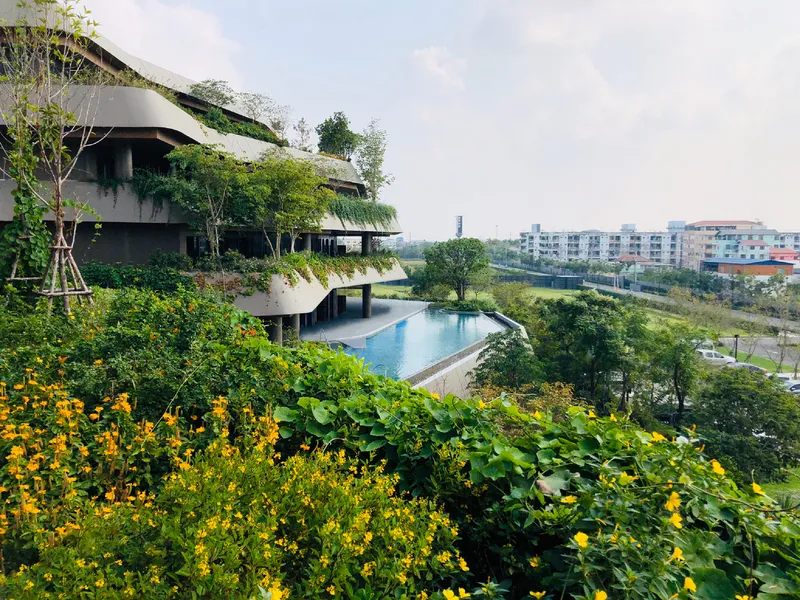
Designing for Intergenerational Living
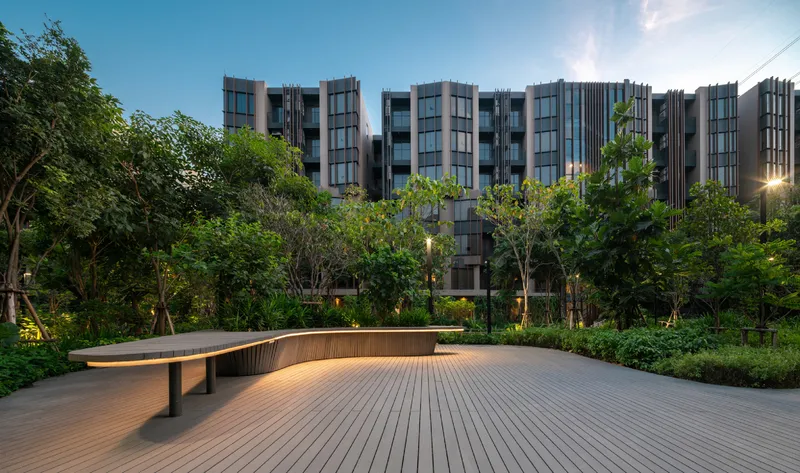
Although tailored for aging residents, the project supports intergenerational co-living by promoting shared spaces and community interaction. Activity zones follow a “Retreat – Engage – Create” model to cater to varying energy levels and personal interests. Whether it’s outdoor dining, gardening, or group exercises, every corner is designed to encourage social connection and mental stimulation.
A Model for Future Urban Living
With its thoughtful integration of eco-friendly architecture, inclusive design, and climate resilience, Jin Wellbeing County serves as a model for how cities can adapt to the realities of an aging population. It is not only a sanctuary for elderly residents but also a thriving, green, multi-generational community that reflects the harmony between people and the environment.
All the photographs are works of Panoramic Studio


Popular Articles
Popular articles from the community


Co-life: Sustainable Architecture for Age-Friendly Community Living
Co-life reimagines sustainable architecture for seniors through courtyards, rammed earth, shared gardens, and spaces designed for belonging.

Conexión: Biophilic Design Reimagines High-Rise Living in Hong Kong
Conexión reimagines high-rise living in Hong Kong through biophilic design, green facades, shared spaces, daylight, water and nature within.

Lunar Spiral: Space Architecture Shaped by the Mathematics of the Universe
Lunar Spiral reimagines space architecture through Fibonacci geometry, lunar regolith, levitating habitats, and self-sustaining Moon living.

The Ocean Hive: Sustainable Architecture for a Self-Sufficient Civilization at Sea
The Ocean Hive imagines sustainable architecture at sea, where modular habitats, algae, wave power and ocean waste sustain a growing colony.

Similar Reads
You might also enjoy these articles


Hodi-Mandai Geram
Project Function: Preservation and revitalization of the Intangible heritage and socio-spatial identity of the Hodi by Housing, Cultural Memory Center, Sacred Grove, landscape, local tourism economy


Olio Towers: A Mid-Rise for Performers That Fuses Housing, Rehearsal, and Stage
Located blocks from Houston's Theater District, this modular tower stacks living units around a central performance atrium.

Oasis: Modular Green Housing Carved into Dhaka's Urban Fabric
A shortlisted Plugin Housing entry reclaims unauthorized settlements in Dhaka with stepped concrete volumes, green roofs, and ventilation-driven design.

Black Hole: A Floating Megastructure for the Post-Physical Era
Emiliano Mazzarotto envisions a spherical, self-scaling arena where e-sports, digital hotels, and holographic stadiums replace traditional public space.
Explore Housing Competitions
Discover active competitions in this discipline

Challenge to reimagine the Iron Throne

Photograph architecture without architects

Illustrate the lost glory of Angkor Wat - Render Challenge

Design challenge to reuse E-waste
Comments (0)
Please login or sign up to add comments
No comments yet. Be the first to comment!