
Kalam by Paddy House: Reviving Heritage and Village Life in Kerala
Kalam by Paddy House in Kerala transforms a century-old granary into a sustainable, rustic farmhouse blending heritage, nature, and village life.


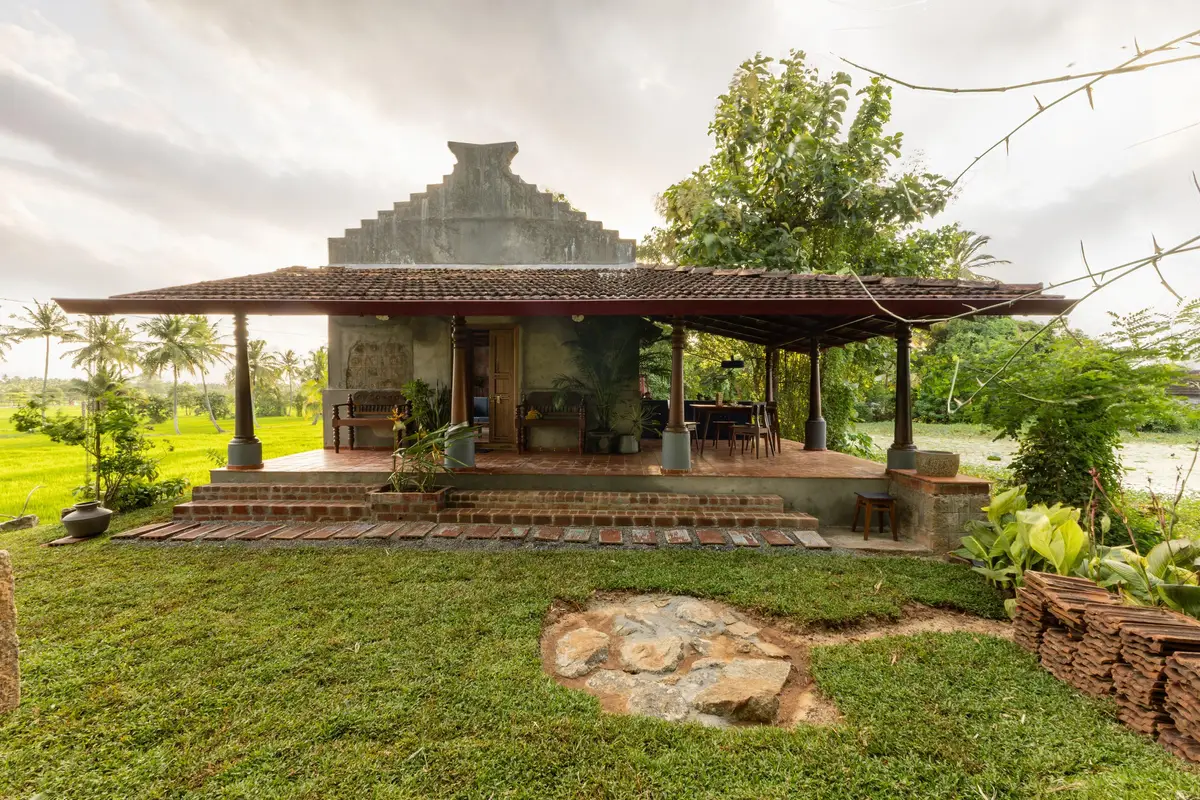
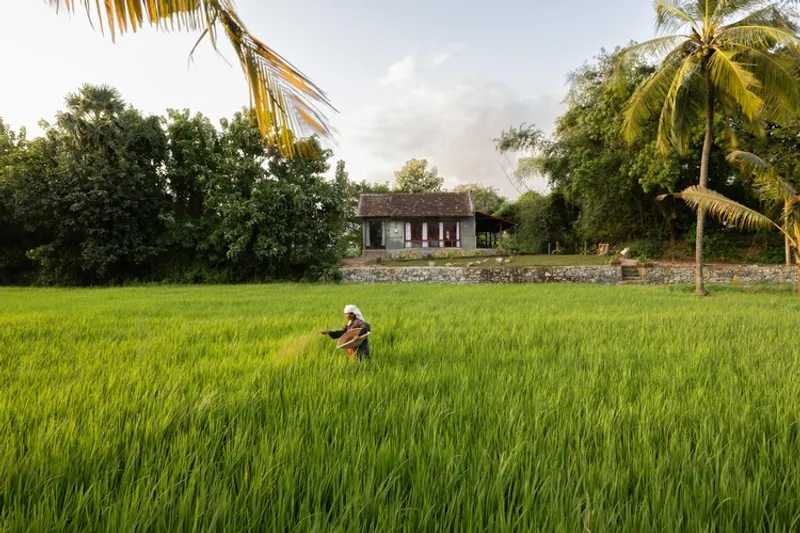
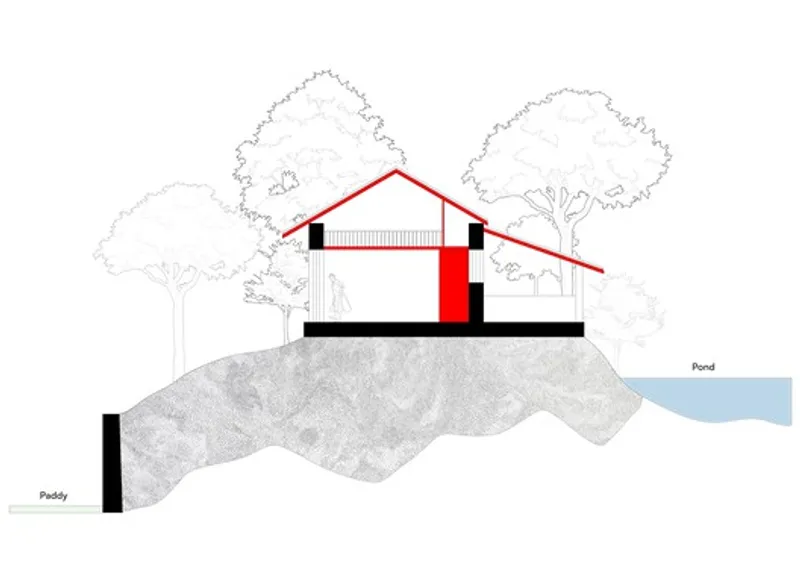
Kalam by Paddy House is a masterful example of heritage restoration and sustainable architecture in Kerala, India. Originally a century-old granary left abandoned for over 20 years, the building has been transformed into a boutique farmhouse that balances rustic charm with modern functionality. Set amidst the lush paddy fields of the Western Ghats and overlooking a serene pond, Kalam embodies a deep connection to nature, culture, and community.
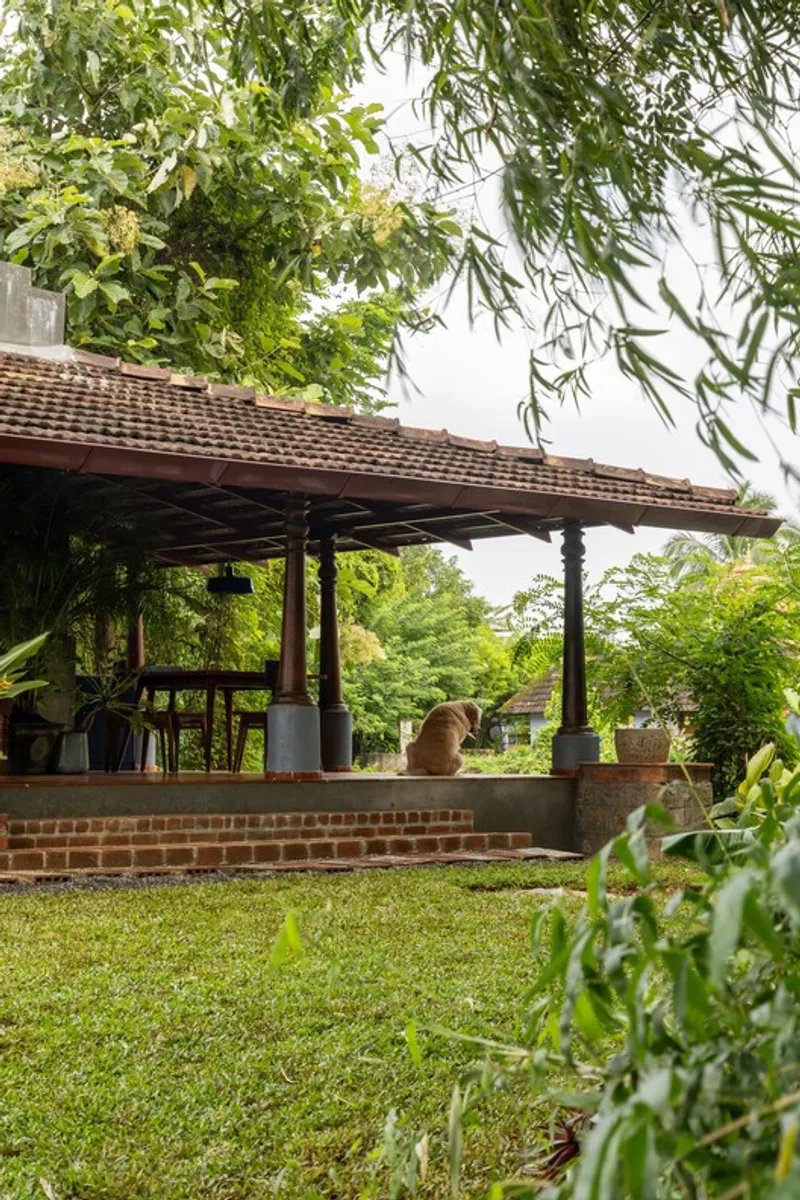
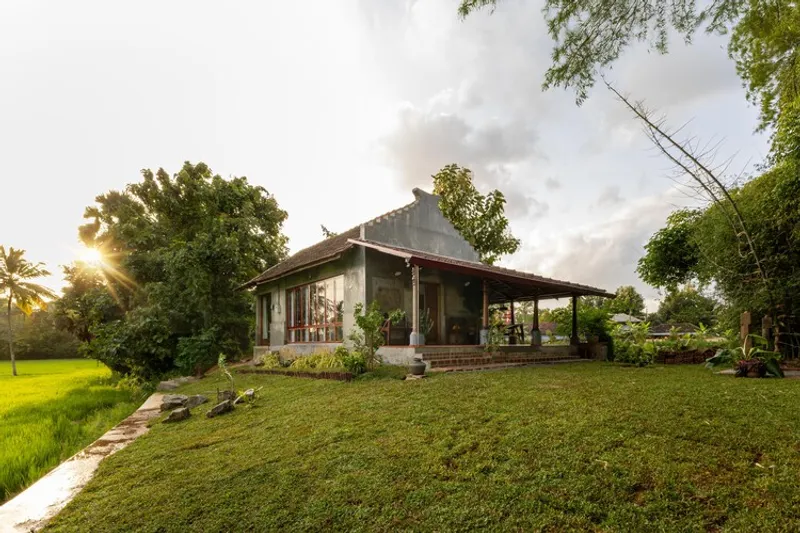
The architectural vision prioritized revival over replacement. Instead of demolishing the structure, Episode Architects preserved its original character while introducing a veranda, a bathroom, and essential modern amenities. The design thoughtfully integrates the building with its surroundings, maintaining existing greenery for natural cooling and blending the built environment seamlessly with the landscape.
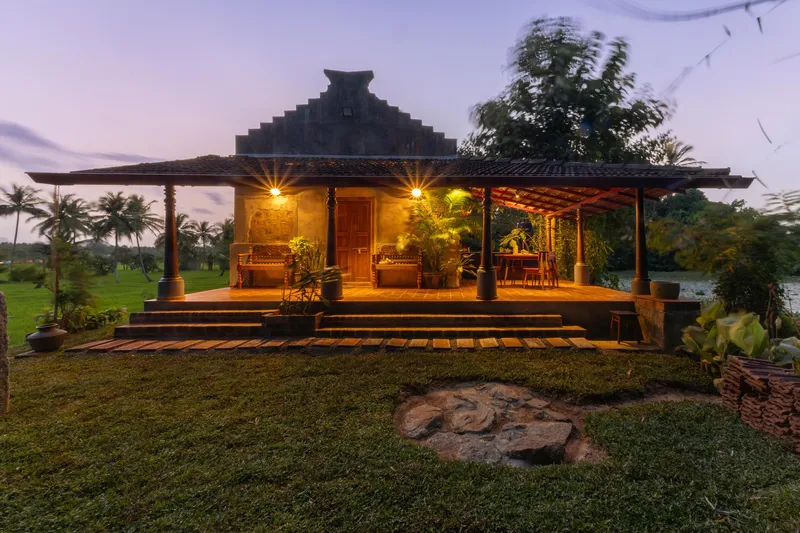
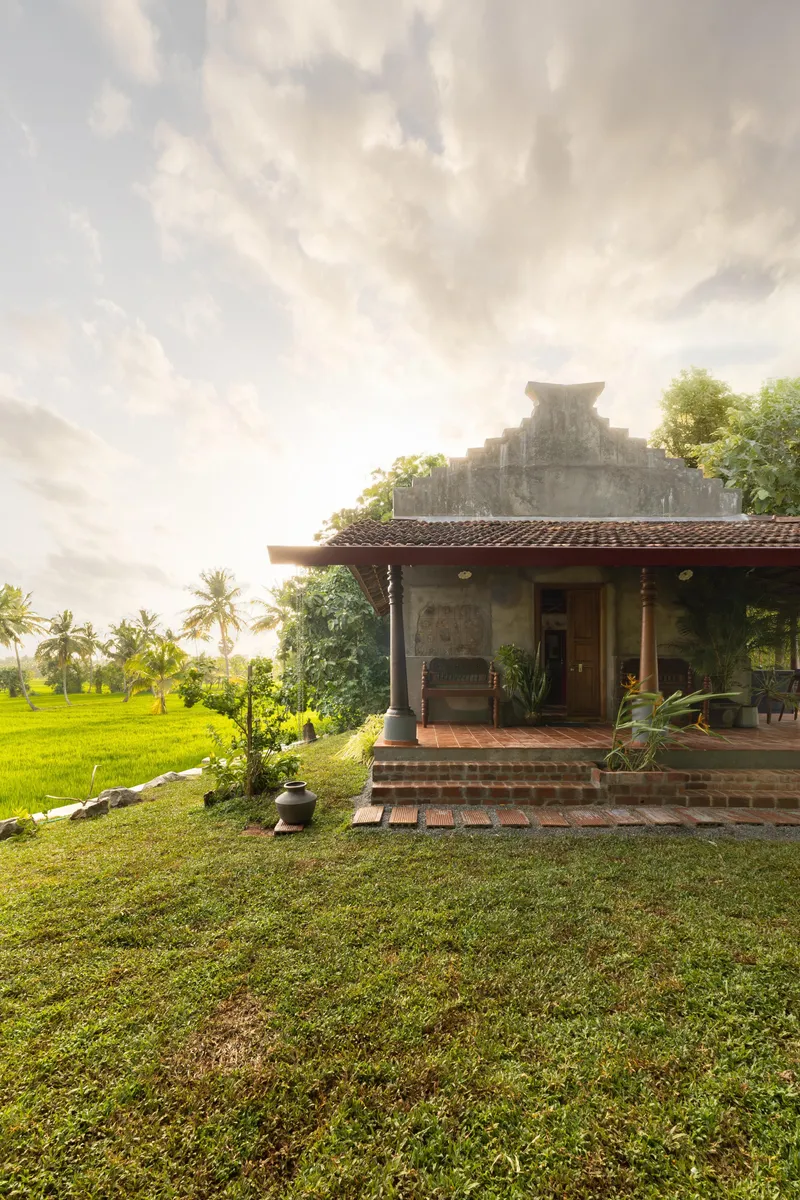
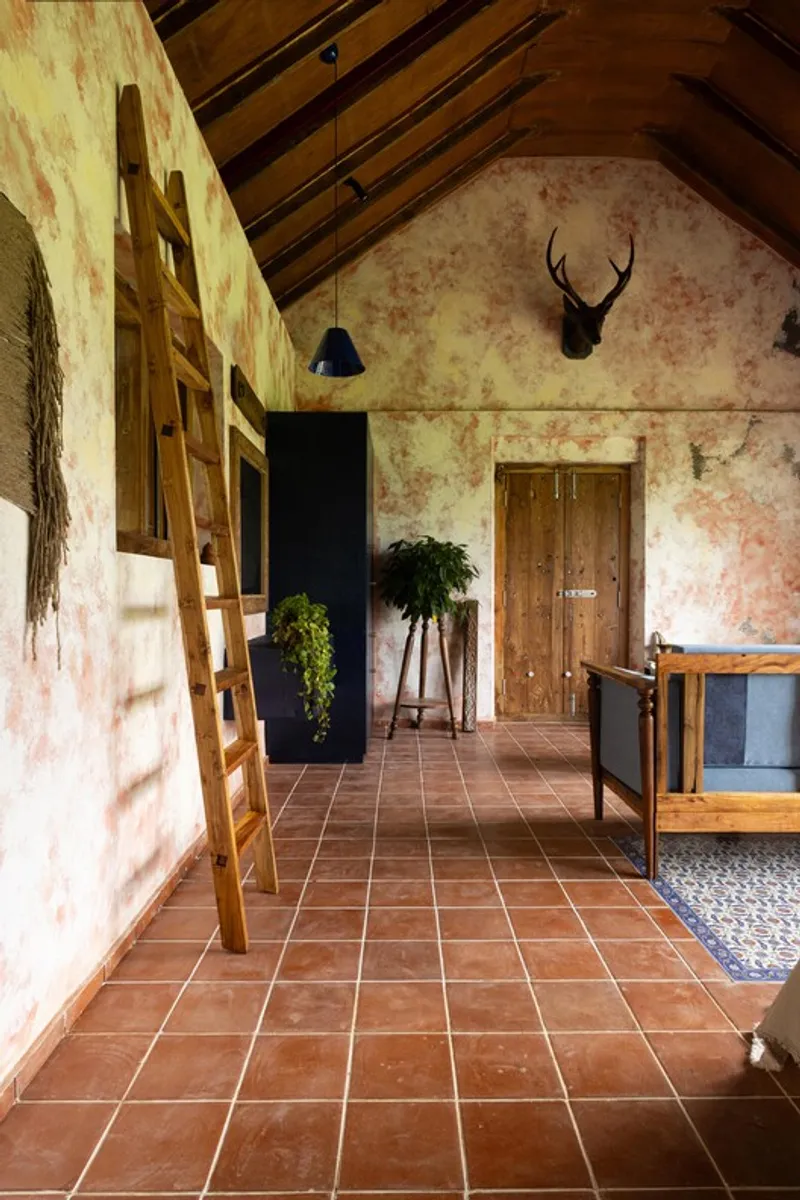
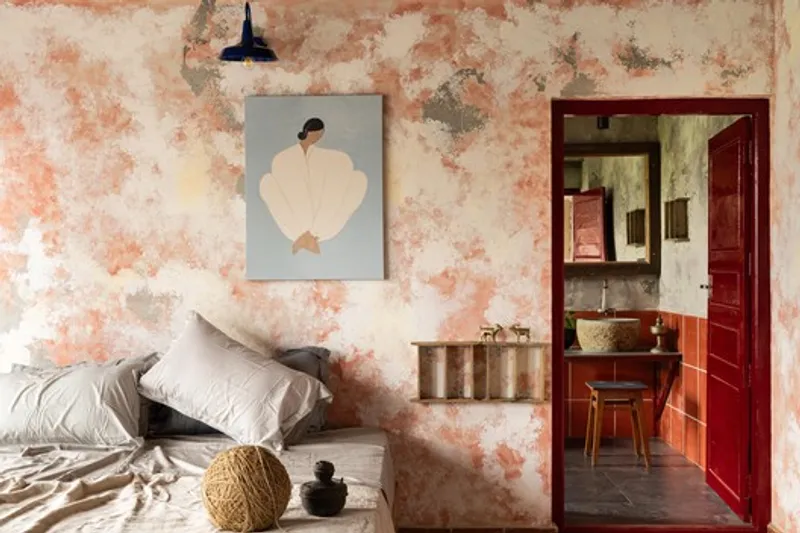
Kalam’s spatial layout emphasizes serenity and scenic views. Large openings allow natural airflow and cross-ventilation, while every room captures the tranquil beauty of the paddy fields and pond. The bathroom, featuring a strategically positioned bathtub, frames picturesque landscapes, providing a meditative space to enjoy the surroundings. The interior palette combines warm, inviting tones with rustic textures, while the exterior maintains earthy shades and exposed concrete plaster to harmonize with nature.
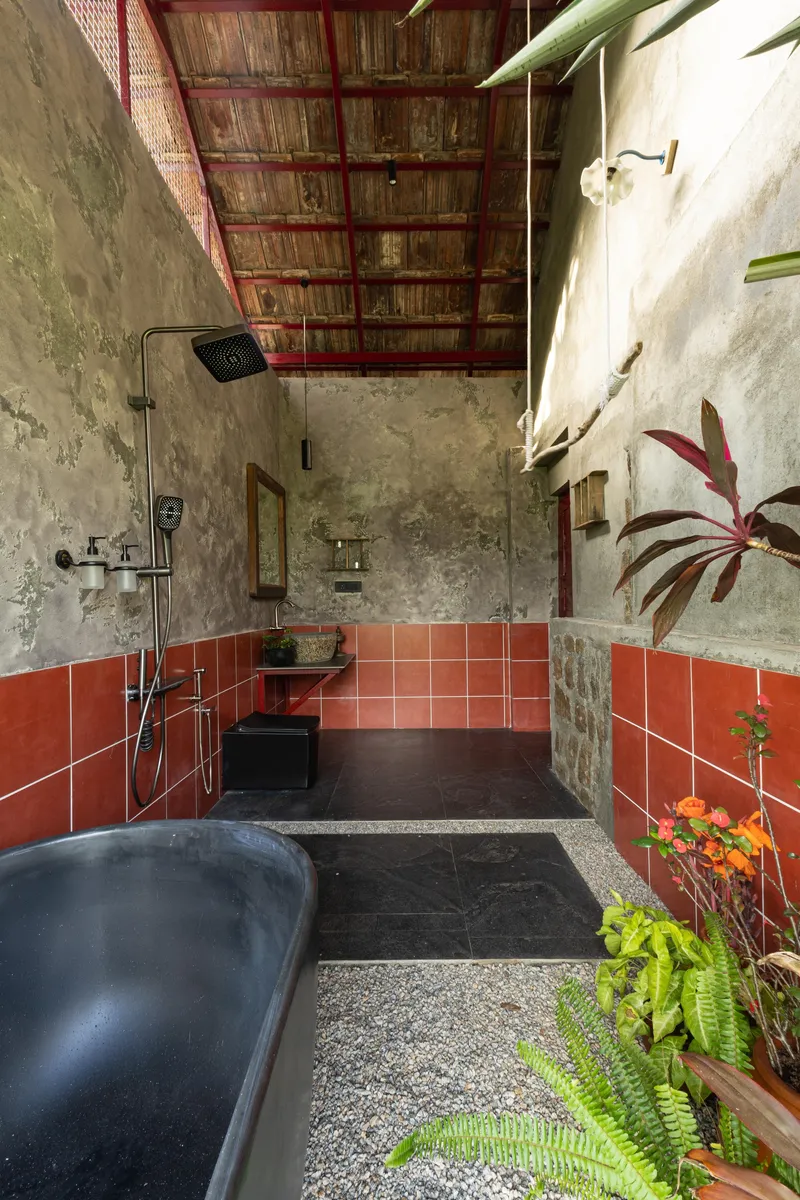
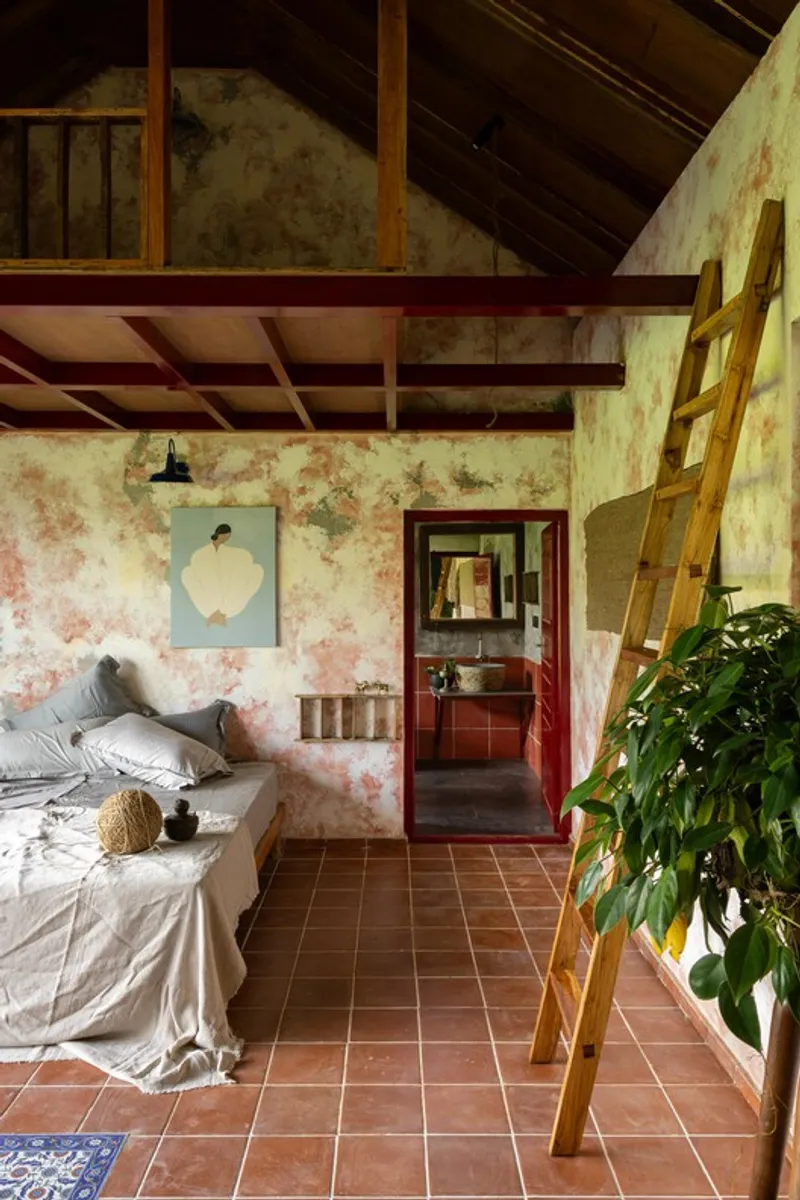
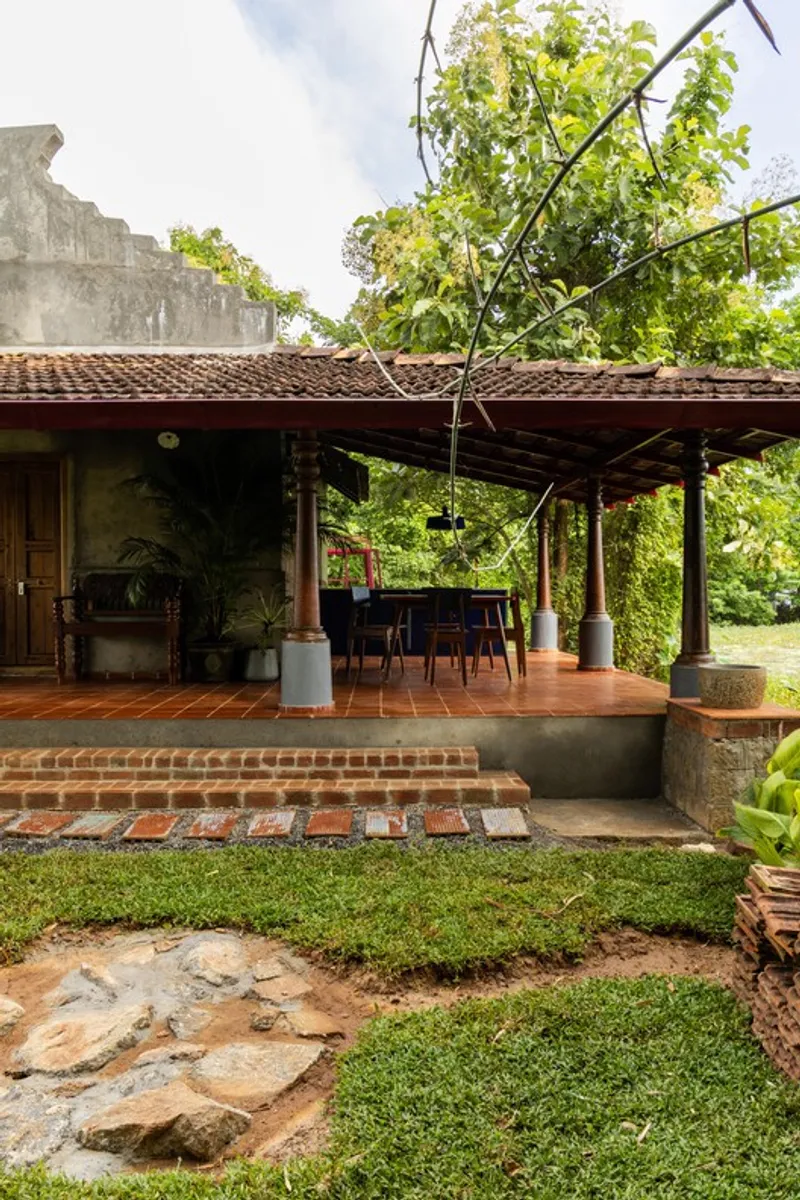
Sustainability and memory are central to Kalam’s design. Existing windows, doors, tiles, and columns were carefully restored and reused. Columns for the veranda were salvaged from a dismantled local home, while a stone pillar from a nearby temple now anchors the outdoor space. Bricks and clay tiles were chosen for eco-friendly construction and aesthetic continuity, while reclaimed wood and old furniture enrich the interiors with warmth and history.
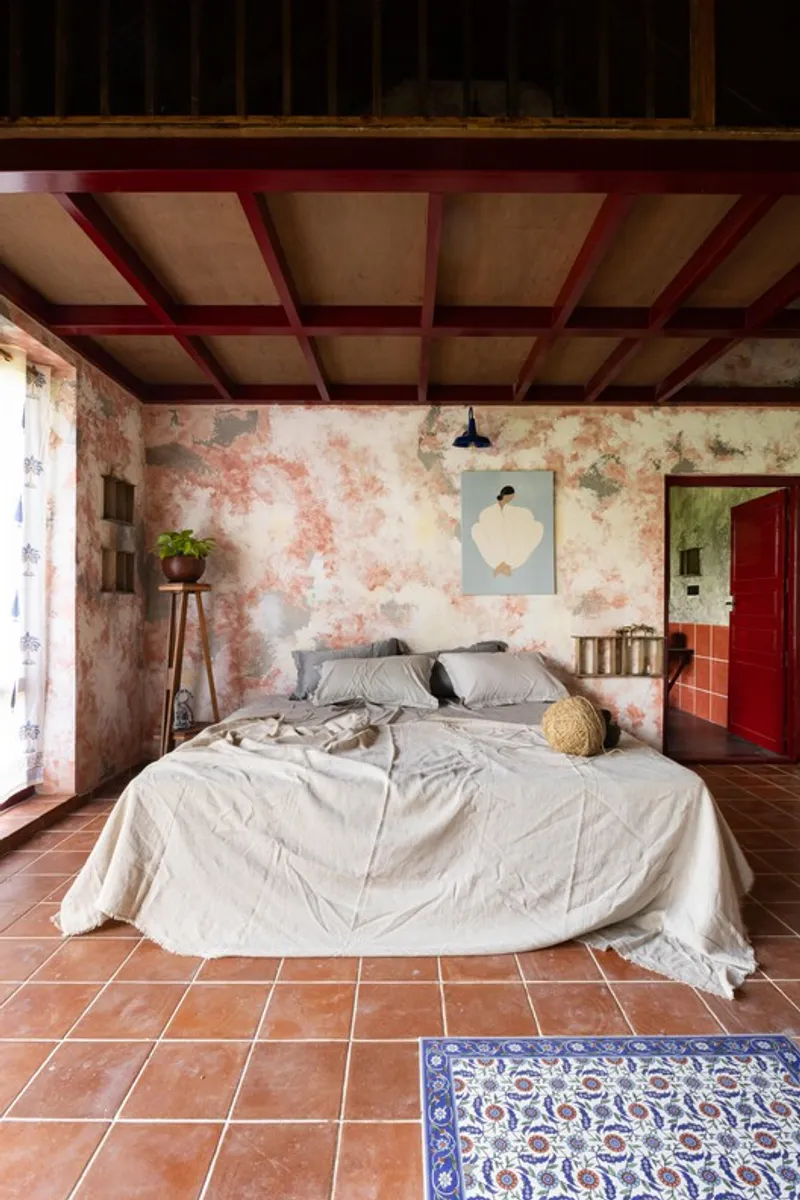
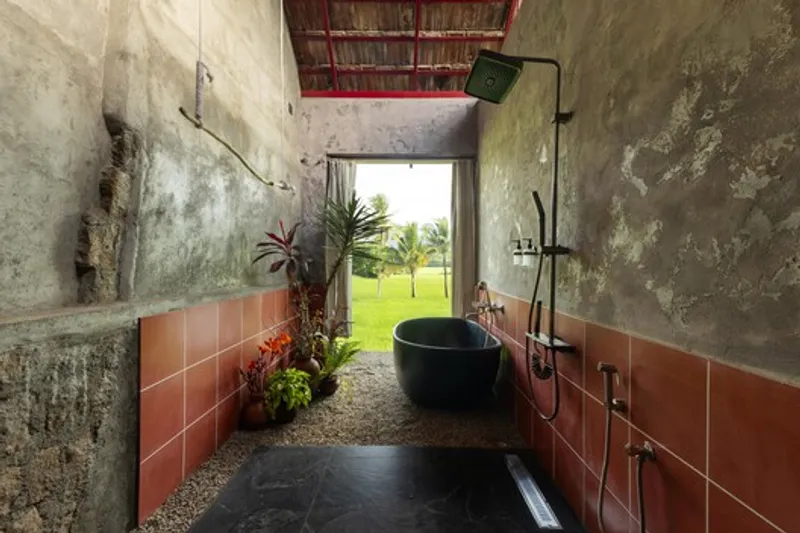
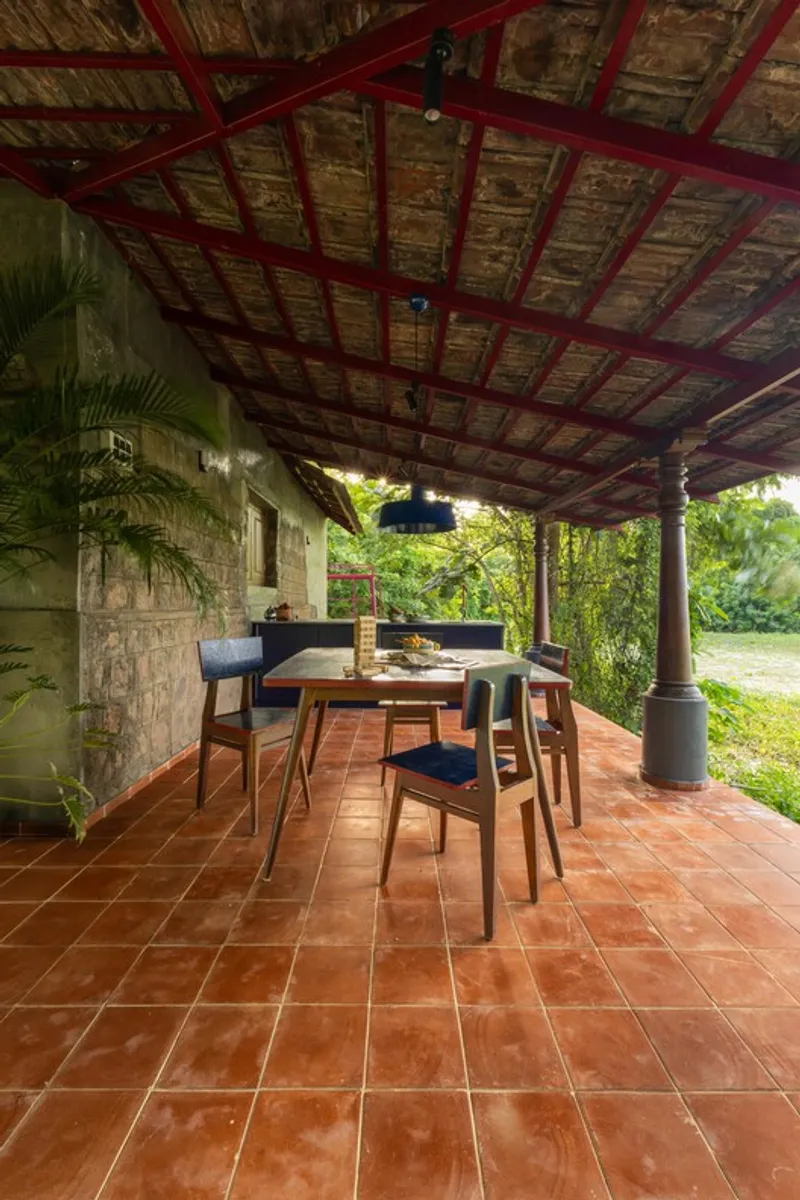
Beyond architecture, Kalam has a social and cultural impact. The project generated employment for local craftsmen, empowered farmers, and encouraged nearby landowners to recognize the value of their land. It creates a platform for visitors to engage with village life, fostering pride, livelihood, and community participation. Kalam is more than a farmhouse; it is a story of revival, sustainability, and cultural heritage — a model for building responsibly while honoring the past.
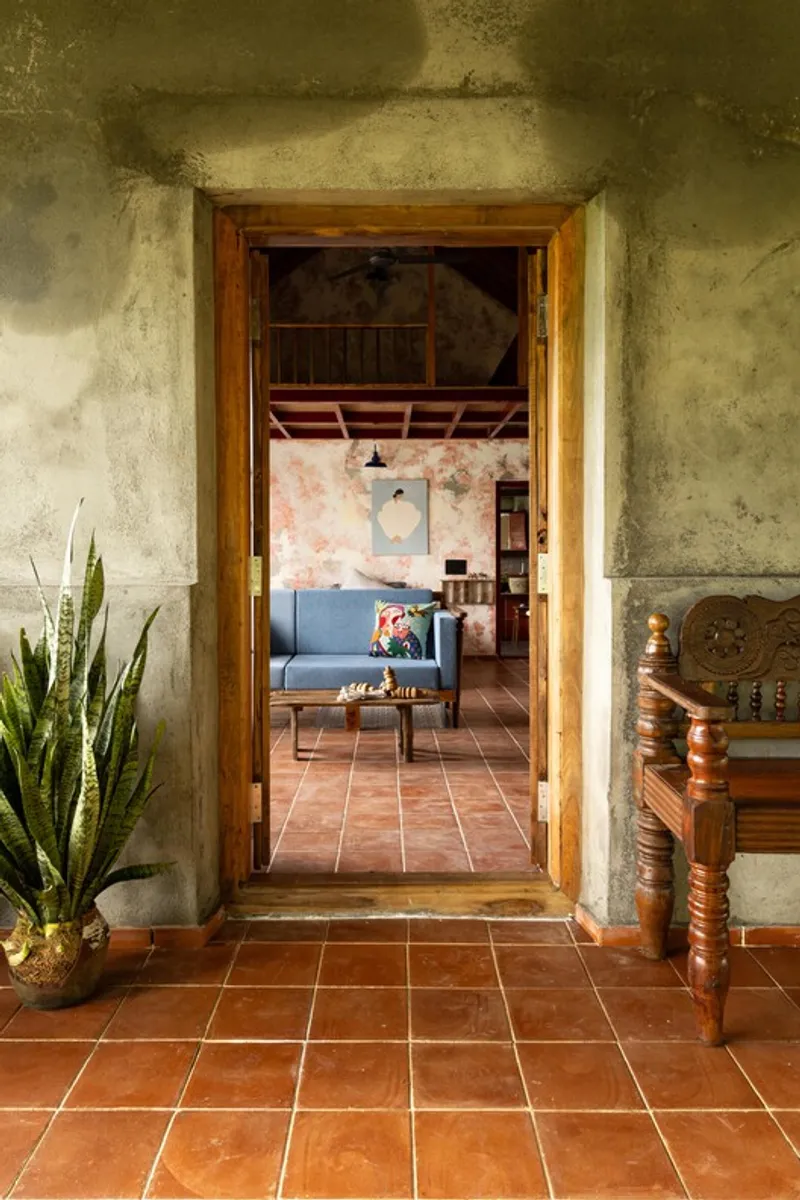
- Adaptive reuse of century-old granary
- Scenic views of paddy fields and pond
- Natural cross-ventilation and sustainable airflow
- Warm, rustic interior design with exposed brick and wood
- Eco-friendly materials: clay tiles, bricks, reclaimed wood
- Salvaged architectural elements: columns, doors, stone pillars
- Veranda and bathroom designed for comfort and natural connection
- Community-driven construction supporting local artisans and farmers
All the photographs are works of Abhimanyu KV


Popular Articles
Popular articles from the community


The Ocean Hive: Sustainable Architecture for a Self-Sufficient Civilization at Sea
The Ocean Hive imagines sustainable architecture at sea, where modular habitats, algae, wave power and ocean waste sustain a growing colony.

Co-Life: Senior Housing Design That Reconnects Older Adults With the City
Co-Life reimagines senior housing design through healing gardens, shared streets, workshops, and a sustainable community across generations.

ALGAL REALM: A Bio-Integrated Lunar Habitat Design for Life Beyond Earth
ALGAL REALM reimagines lunar habitat design with algae-powered life support, 3D-printed regolith, and vertical living for a lunar future.

Co-life: Sustainable Architecture for Age-Friendly Community Living
Co-life reimagines sustainable architecture for seniors through courtyards, rammed earth, shared gardens, and spaces designed for belonging.

Similar Reads
You might also enjoy these articles


Hodi-Mandai Geram
Project Function: Preservation and revitalization of the Intangible heritage and socio-spatial identity of the Hodi by Housing, Cultural Memory Center, Sacred Grove, landscape, local tourism economy


Olio Towers: A Mid-Rise for Performers That Fuses Housing, Rehearsal, and Stage
Located blocks from Houston's Theater District, this modular tower stacks living units around a central performance atrium.

Oasis: Modular Green Housing Carved into Dhaka's Urban Fabric
A shortlisted Plugin Housing entry reclaims unauthorized settlements in Dhaka with stepped concrete volumes, green roofs, and ventilation-driven design.

Black Hole: A Floating Megastructure for the Post-Physical Era
Emiliano Mazzarotto envisions a spherical, self-scaling arena where e-sports, digital hotels, and holographic stadiums replace traditional public space.

Explore Architecture Competitions
Discover active competitions in this discipline

Challenge to reimagine the Iron Throne

Photograph architecture without architects

Illustrate the lost glory of Angkor Wat - Render Challenge

Design challenge to reuse E-waste
Comments (0)
Please login or sign up to add comments
No comments yet. Be the first to comment!