

Kameda House by Shioji Office: Harmonizing Tradition and Modernity in Wakayama
Kameda House by Shioji Office renovates a 40-year-old home, blending traditional Japanese rooms with modern open spaces for family living.


Kameda House, a residential renovation by Shioji Office, transforms a 40-year-old detached house in Wakayama into a harmonious blend of traditional Japanese architecture and modern design sensibilities. Originally the home of the client’s parents, the house had undergone multiple renovations and rental updates, leaving it functional but lacking a cohesive design identity. This project sought to honor the house’s history while adapting it to contemporary family life.
Preserving the Heart of the Home
At the core of the renovation was the Japanese-style room, historically used as the living space. Shioji Office retained this room, recognizing its cultural and emotional significance as the center of family life. Characterized by tatami flooring, plastered walls, and wooden pillars, the room provides a cozy and familiar environment where the family can gather, relax, or enjoy traditional furniture like a kotatsu table.
The design respects the traditional spatial hierarchy while incorporating modern interventions that enhance light, openness, and functionality. This approach allows the house to feel both familiar and refreshed.
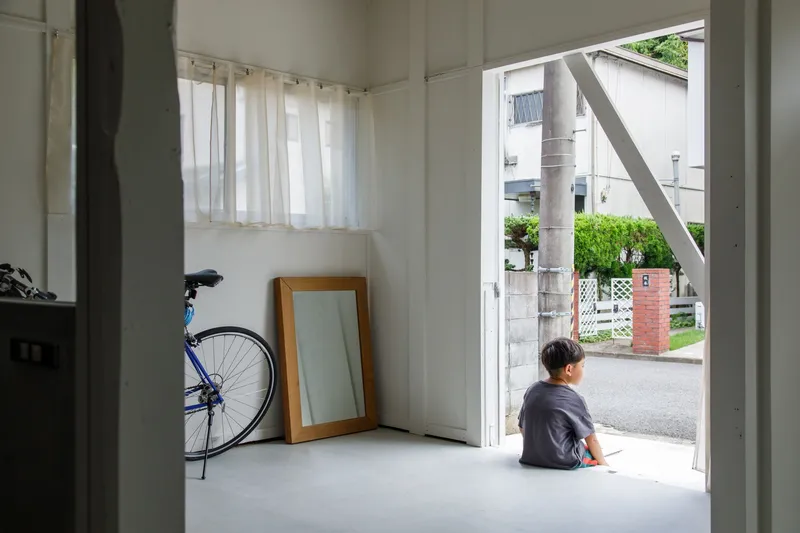
Modern Interventions: Light and Transparency
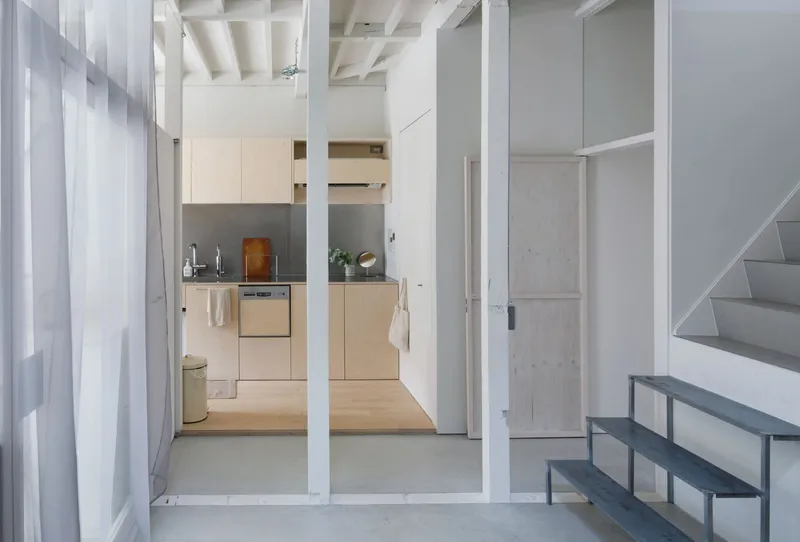
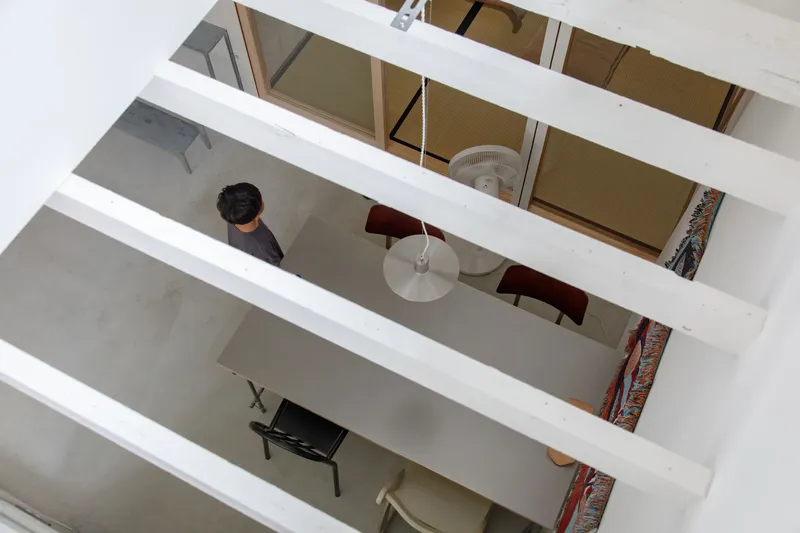
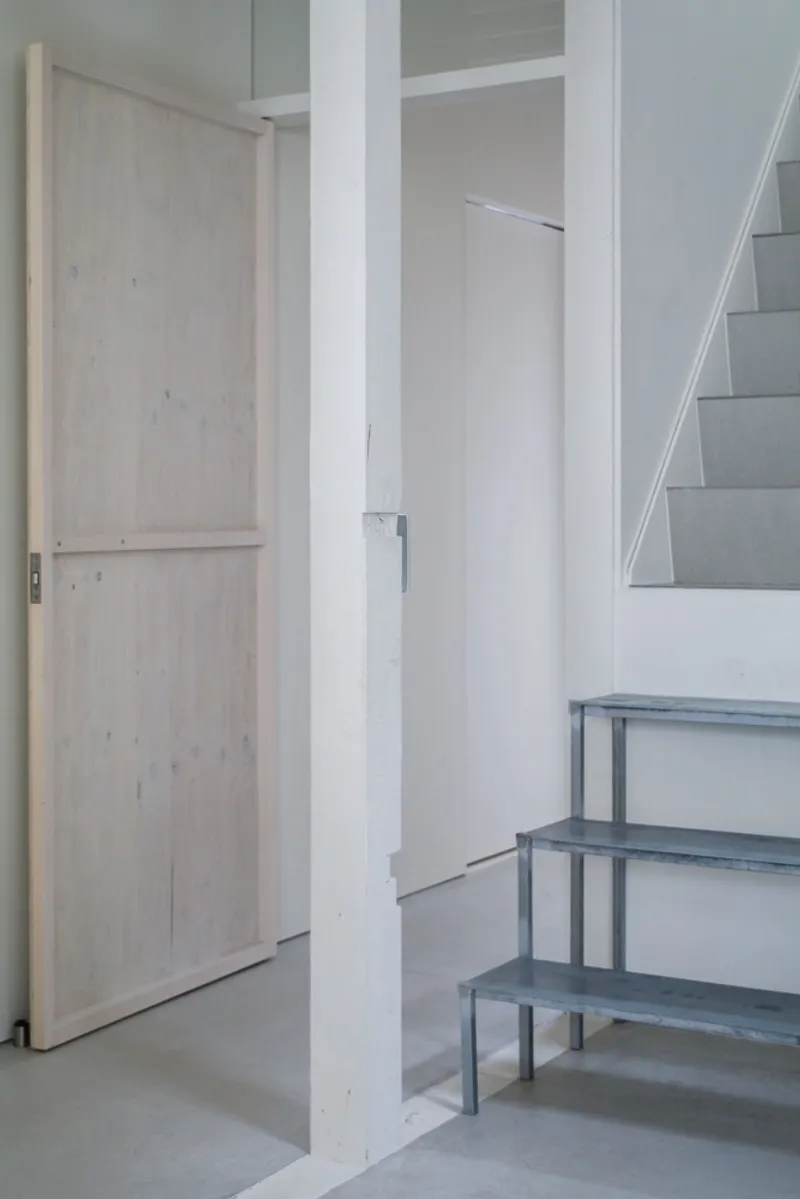
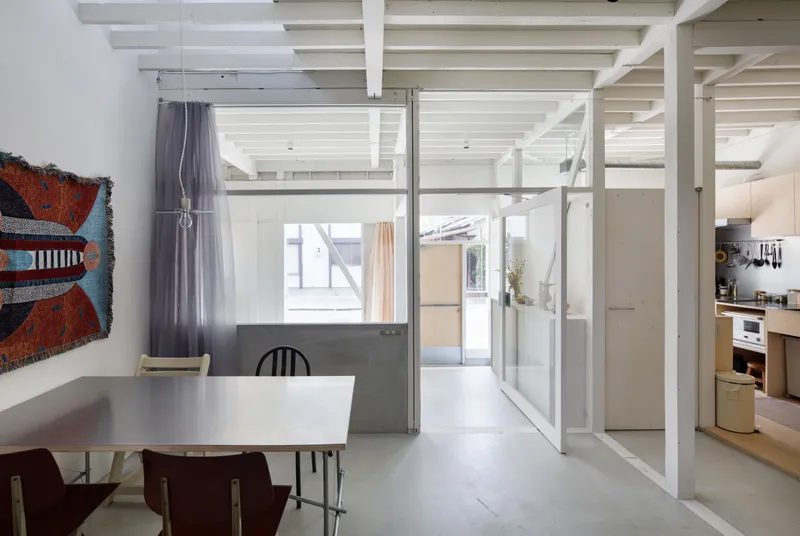
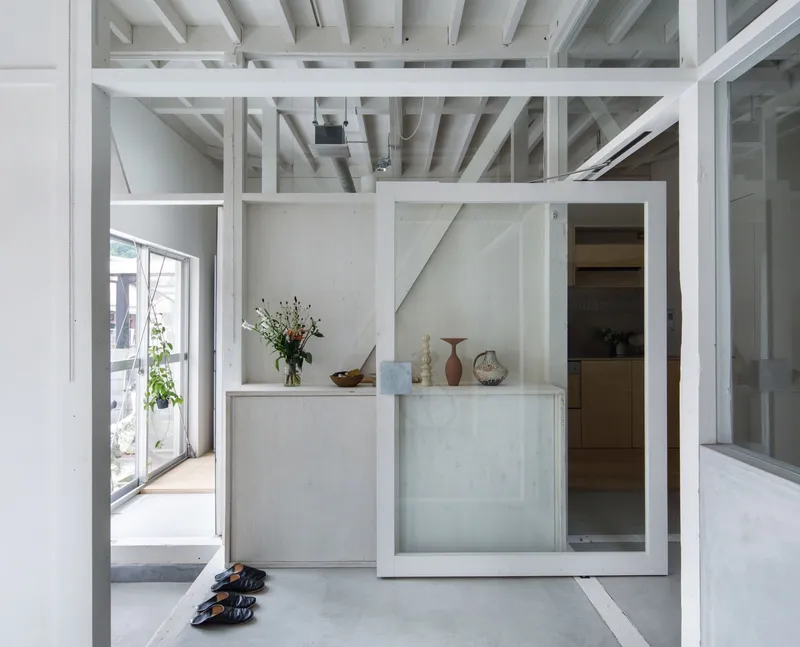
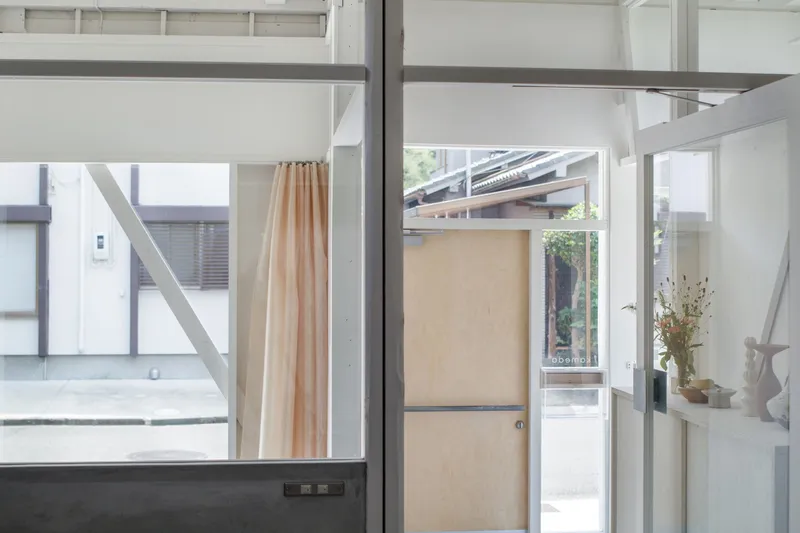
During the renovation, walls and partitions in the surrounding areas were updated with glass panels, creating visual continuity and allowing natural light to penetrate deeper into the home. The exposed structural frame was painted white, contributing to a bright, clean aesthetic that contrasts beautifully with the warm textures of the Japanese-style room.
The floors were updated with hard, inorganic earthen materials, offering durability while complementing the traditional tatami. This combination of modern materials and traditional features achieves a balance between longevity, practicality, and comfort.
A Home for Family Living
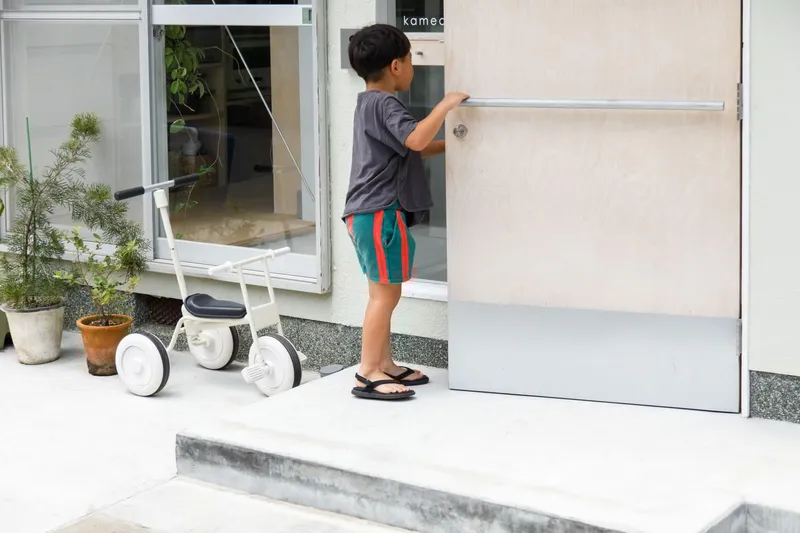
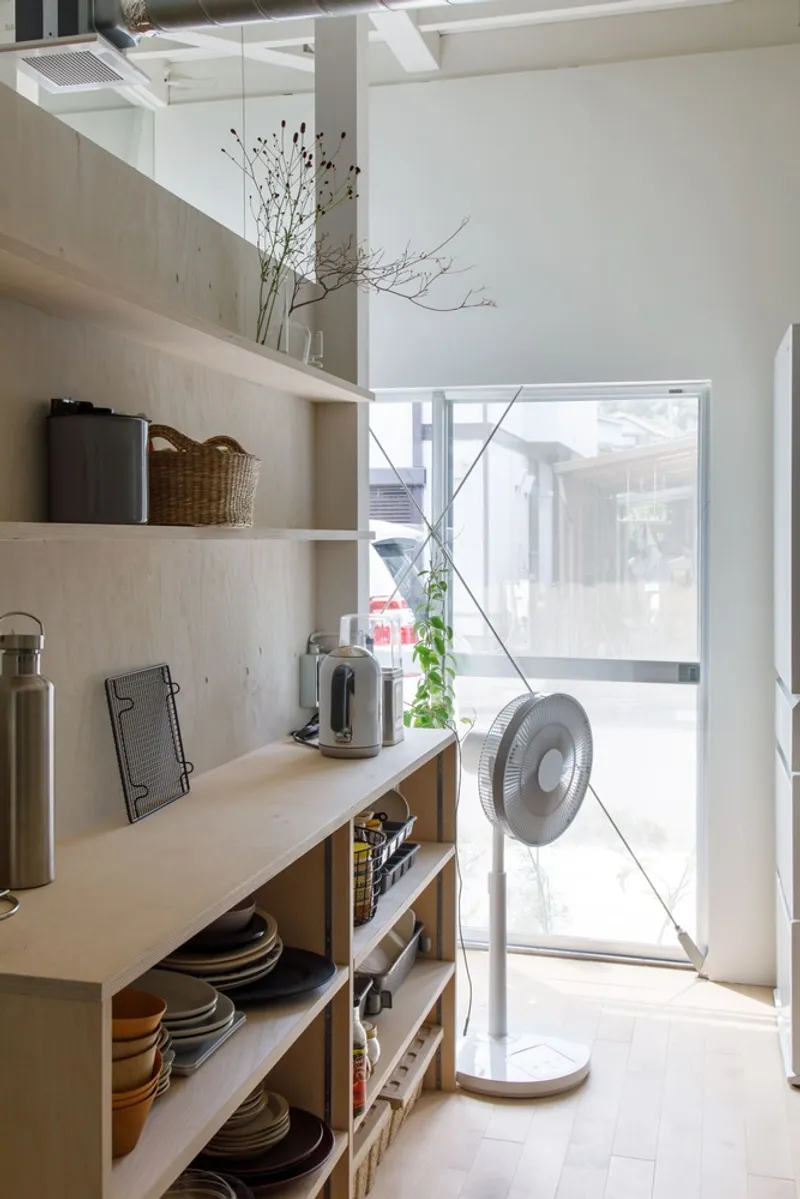
Kameda House emphasizes a design philosophy that blends old and new, traditional and contemporary. The Japanese-style room remains a warm, inviting gathering space, while the modernized areas accommodate daily life, including cooking, dining, and leisure activities. By carefully balancing preservation and innovation, Shioji Office has created a home that honors memory, embraces functionality, and supports modern family life.
All photographs are works of
Yosuke Ohtake


Popular Articles
Popular articles from the community

Singing Woman: An Opera House That Performs Before the Curtain Rises
Ovidiu Cristian Pavel's conceptual opera house translates Estonia's choral identity into a sculpted waterfront landmark facing the Baltic Sea.
Opera on the Sea: Driftwood Logic Shapes a Timber Opera House on Estonia's Coast
Trevor Orgill's opera house translates the entangled drift of floating timber into a civic building where wood, water, and music converge.


ETEH Reworks the Shared Spaces of São Domingos School in Brazil Around Timber, Color and Hanging Plants
At São Domingos School in Brazil, 436 m² of hall, refectory and library are recast with timber joinery, a yellow and blue code and trailing greenery.

Aquadapt: An Underwater Habitat That Rewrites Its Rooms by the Hour
Curved modules ring the seabed while one shell shifts from breakfast room to cinema, farm and football pitch as residents' needs change.

Similar Reads
You might also enjoy these articles

Hodi-Mandai Geram
Project Function: Preservation and revitalization of the Intangible heritage and socio-spatial identity of the Hodi by Housing, Cultural Memory Center, Sacred Grove, landscape, local tourism economy

Olio Towers: A Mid-Rise for Performers That Fuses Housing, Rehearsal, and Stage
Located blocks from Houston's Theater District, this modular tower stacks living units around a central performance atrium.
Oasis: Modular Green Housing Carved into Dhaka's Urban Fabric
A shortlisted Plugin Housing entry reclaims unauthorized settlements in Dhaka with stepped concrete volumes, green roofs, and ventilation-driven design.

Black Hole: A Floating Megastructure for the Post-Physical Era
Emiliano Mazzarotto envisions a spherical, self-scaling arena where e-sports, digital hotels, and holographic stadiums replace traditional public space.

Explore Japanese Architecture Competitions
Discover active competitions in this discipline

Challenge to reimagine the Iron Throne

Photograph architecture without architects

Illustrate the lost glory of Angkor Wat - Render Challenge

Design challenge to reuse E-waste
Comments (0)
Please login or sign up to add comments
No comments yet. Be the first to comment!