
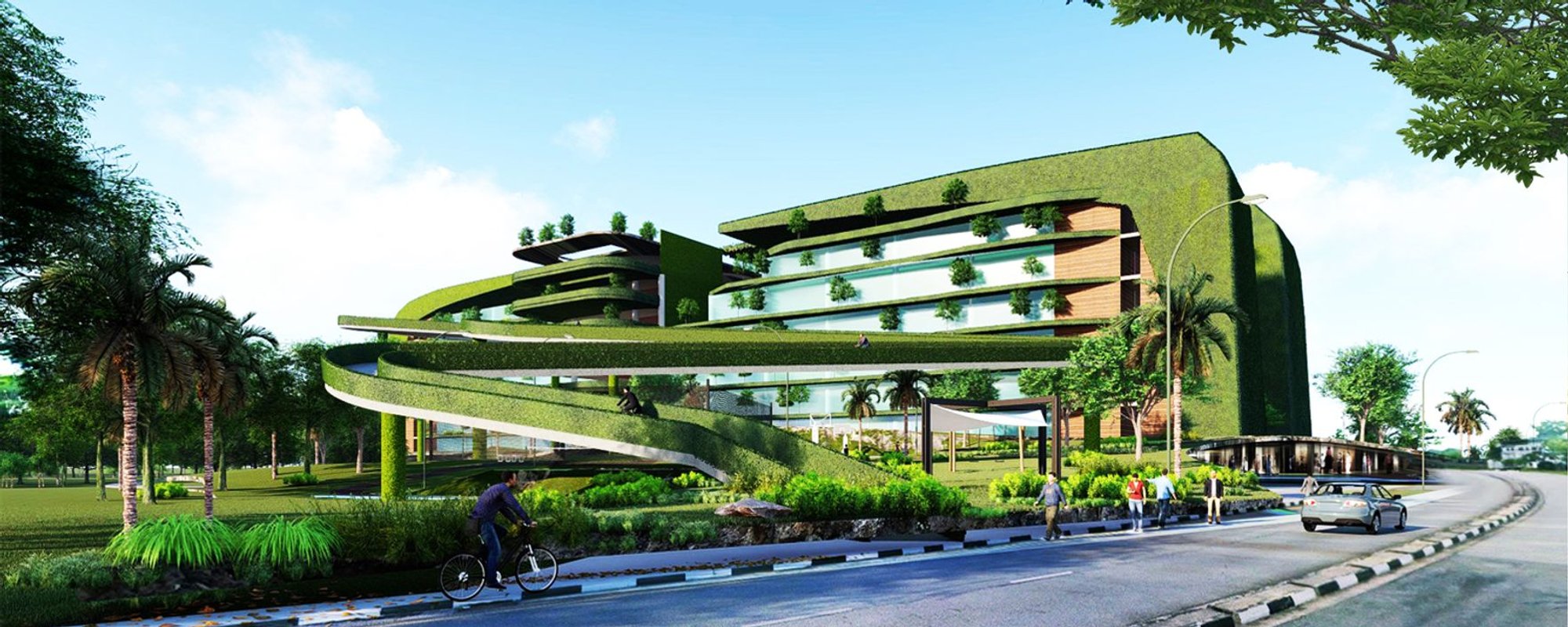
Kampung Senlin: A Forest Village That Rethinks the Tropical Office for Singapore 2040
Modular workspaces dissolve into sky gardens, vertical forests, and a community spine designed around well-being in a warming city.

What if the office tower stopped pretending to be separate from the jungle? Kampung Senlin, translated as the Forest Village, proposes an answer for Singapore two decades from now: a low-rise office hub where planted terraces, vertical living walls, and rooftop gardens aren't decorative additions but the building's primary organizational logic. The workspace disappears into its landscape, and the landscape, in turn, becomes the workspace. It is a deliberate inversion of the glass-and-steel corporate campus, replacing sealed floor plates with courtyards, water features, and biodiversity corridors that directly address the urban heat island effect.
The project is the work of designers Verlie Clemente, Louie Abigail Clemente, and Jeffrey Caladiao, published on uni.xyz. Set against Singapore's ambitions as a garden city, Kampung Senlin positions itself as a benchmark for how tropical office typologies might evolve by 2040, weaving together modular construction, ecological performance, and community programming into a single coherent masterplan.
A Green Facade That Earns Its Keep
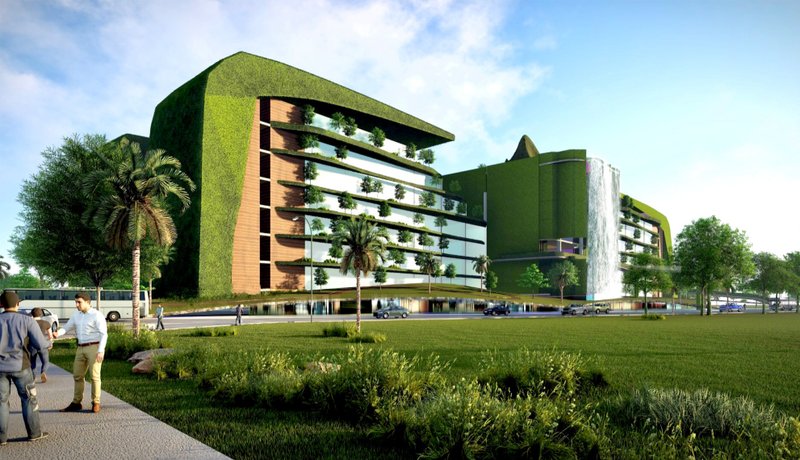
The first thing you notice is the sheer density of planting on the building's exterior. Planted terraces cascade down the facade in a rhythm that reads less like ornamental landscaping and more like a functioning ecological skin. Viewed from across the lawn, the building's edges blur into the surrounding palm trees and ground cover, an effect that is clearly intentional. This is the "office in a forest" concept at work: greenery is not applied to the architecture but embedded within its form, multiplying the site's biodiversity rather than merely preserving it.
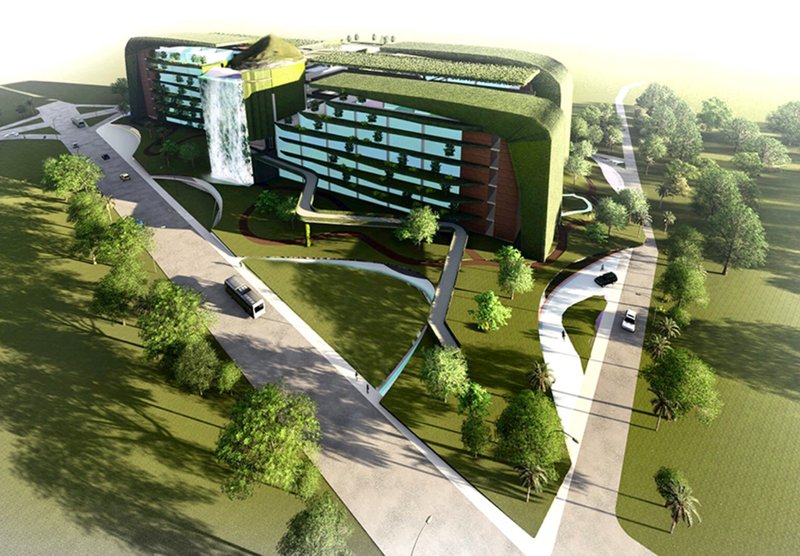
Pull back to the aerial view and the strategy becomes spatial as well as ecological. Curved vehicular drives and pedestrian paths wind through landscaped grounds, dissolving the hard boundary between campus and city. The ground plane is generous, prioritizing walking distances to amenities, gathering spaces, childcare facilities, and recreational areas. The designers have treated accessibility to daily needs as a core design parameter, not an afterthought of zoning.
A Spiraling Ramp as Community Connector
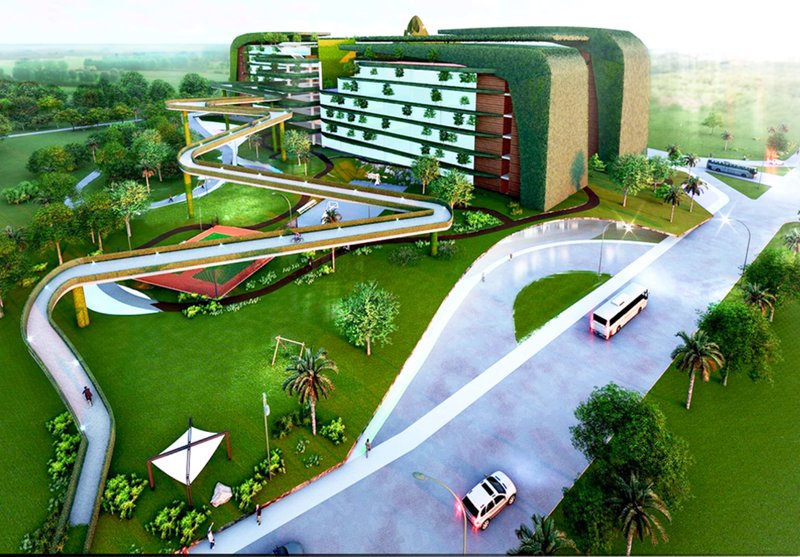
Central to the masterplan is a community spine linking the campus's programmatic elements. The spiraling access ramp shown here does more than solve a circulation problem; it becomes a social instrument. Elevated pedestrian decks, social plazas, and open courtyards branch off from this spine, creating zones for informal interaction that the designers see as essential to collaboration in an age of remote work. By pulling people through shared space on their way to private workspace, the ramp re-centers face-to-face connection in workplace design.
The ramp also telegraphs the project's commitment to modular flexibility. Prefabricated components and flexible layouts allow the office spaces it serves to be reconfigured, expanded, or reduced as work cultures shift. The result is a system capable of hosting co-working zones, private pods, and everything in between, built to absorb future technological and organizational change rather than resist it.
Timber, Vertical Walls, and the Wellness Argument
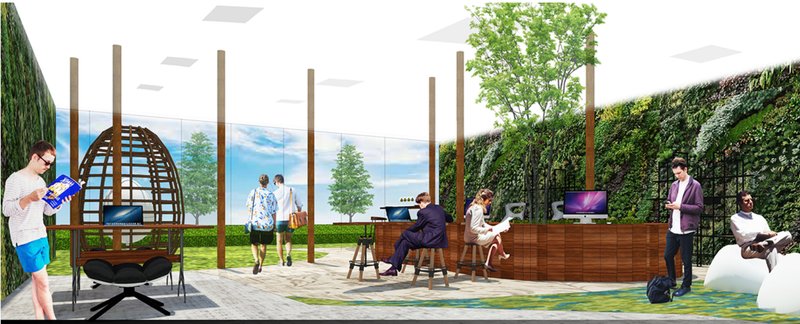
Step inside and the material palette reinforces the ecological thesis. The outdoor terrace pairs a towering vertical green wall with timber furnishings and suspended ceiling panels, creating a microclimate that feels cooler and more intimate than its actual size. People sit, work, and talk beneath a canopy that is part structure, part garden. It's a convincing demonstration that wellness programming (sports courts, fitness spaces, nature trails are all part of the broader campus) doesn't need to be separated from the workday. When your lunchtime terrace is also a living wall laboratory, the line between productivity and restoration dissolves.
Elevation Studies: Waterfall, Balcony Greenery, and Facade Logic
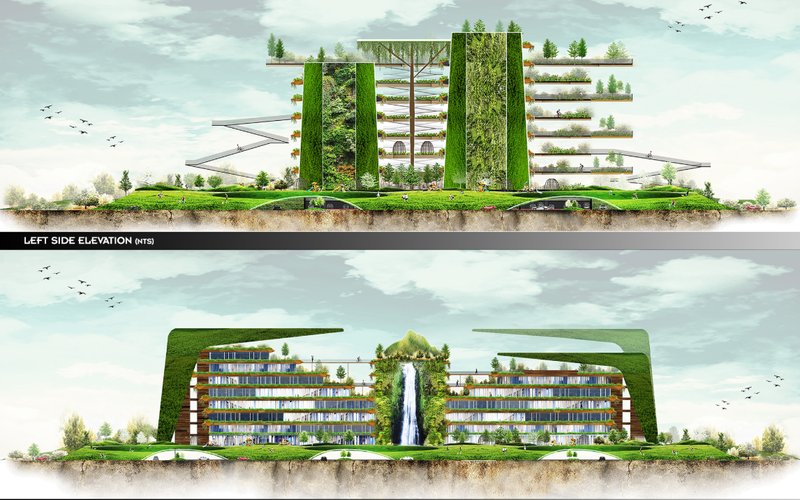
The two elevation drawings lay bare the system behind the lush imagery. Planted facades with balcony greenery are shown at every level, confirming that the green coverage is not concentrated on a single showcase floor but distributed across the entire building section. A central waterfall feature anchors the composition, functioning as both a cooling device and a focal point for the courtyard sequence. Water and planting work together here to promote ecological balance and sensory engagement, two priorities that conventional office facades rarely address simultaneously.
Read as technical documents, these elevations also reveal the prefabricated modular grid that structures the design. Balcony depths, planting zones, and structural bays appear to share a consistent module, which is what makes the promise of easy reconfiguration credible rather than aspirational. The facade is a kit of parts, not a bespoke sculpture.
Why This Project Matters
Kampung Senlin matters because it refuses to treat ecology and office efficiency as competing interests. In a region where climate change will hit hardest and urban density will only increase, the project argues that the tropical workplace can become a regenerative ecosystem: absorbing heat, producing biodiversity, and nurturing community in equal measure. That argument is grounded not in slogans but in specific architectural moves, from the modular grid to the community spine to the distributed planting strategy.
For Verlie Clemente, Louie Abigail Clemente, and Jeffrey Caladiao, the project represents a clear thesis about the future of work in tropical cities. Workplaces do not need to be sterile boxes separated from nature by glass curtain walls. They can be forest villages, places where the commute from desk to garden is measured in steps, not floors. As Singapore and peer cities grapple with the dual pressures of climate adaptation and urban growth, proposals like Kampung Senlin offer a credible, detailed vision of what regenerative architecture could actually look like at the scale of a neighborhood.
View the Full Project
About the Designers
Designers: Verlie Clemente, Louie Abigail Clemente, Jeffrey Caladiao
Enter a Design Competition on uni.xyz
uni.xyz runs architecture and design competitions year-round that reward proposals with spatial conviction and real site intelligence.
Project credits: Kampung Senlin by Verlie Clemente, Louie Abigail Clemente, Jeffrey Caladiao.




Popular Articles
Popular articles from the community

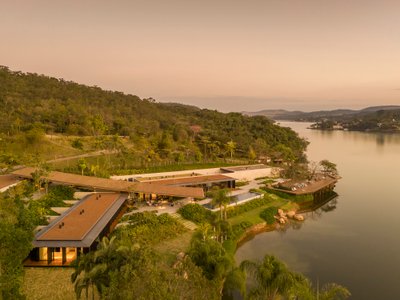
Bernardes Arquitetura Stretches a Timber Roof Along a Reservoir's Edge in Minas Gerais
Dam House in Itaúna lets a sweeping wooden canopy dissolve the boundary between hillside terrain and open water.
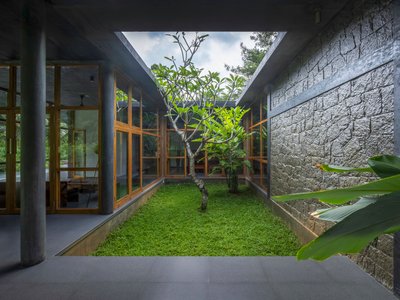
3dor Concepts Wraps a Kerala Home in Mirrored Concrete Arcs Around a Courtyard Tree
In the Western Ghats foothills of Thamarassery, a 270 m² single-story house uses two curved volumes to frame nature as its center.
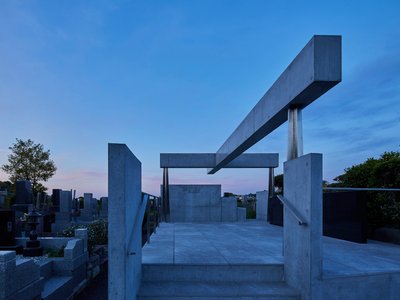
Takeshi Hosaka Architects Suspends a Concrete Cross Above a Yokohama Cemetery
A 28-square-meter burial renovation in Yokohama lifts the symbol of resurrection into the sky so mourners see it against heaven.
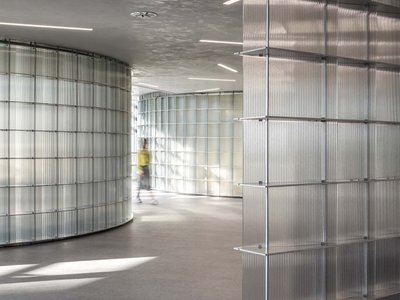
HCCH Studio Wraps a Shanghai High-Rise Office in Curved Walls of Translucent Glass
A 1,000 square meter fit-out in Lujiazui replaces the typical tech-office palette with layered glass, micro-cement, and quiet rigor.


Similar Reads
You might also enjoy these articles

Mechanism of Memories: Adaptive Architecture Reimagines Offshore Structures as Living Cultural Machines
Floating adaptive architecture transforms abandoned offshore structures into cultural spaces that preserve memory, habitation, and human connection.
Wildlife Rehabilitation Architecture in Australia: A Regenerative Sanctuary for Koalas by Philip Skein and Keegan Mayber
A regenerative wildlife sanctuary in Queensland redefines sustainable architecture through habitat restoration, healing, and ecological awareness.
The Interfusion: Mobile Performance Architecture Reconnecting Art and Public Space
A mobile performance architecture project transforming Madrid’s streets into inclusive cultural spaces through adaptive urban design.
Biophilic Architecture and Regenerative Stadium Design: Biophilia Lagos by Rachel George
A regenerative stadium in Lagos transforms landfill into a living ecosystem through biophilic architecture, waste reuse, and environmental healing.

Explore Architecture Competitions
Discover active competitions in this discipline




The International Standard for Design Portfolios


The Global Benchmark for Architecture Dissertation Awards


The Global Benchmark for Graduation Excellence


Challenge to reimagine the Iron Throne
Comments (0)
Please login or sign up to add comments
No comments yet. Be the first to comment!