
Kao La Amani Children’s Village by Article 25: A Model of Sustainable and Off-Grid Design in Tanzania
Kao La Amani Children’s Village by Article 25 offers sustainable, off-grid housing for children in Tanzania, blending community and ecology.


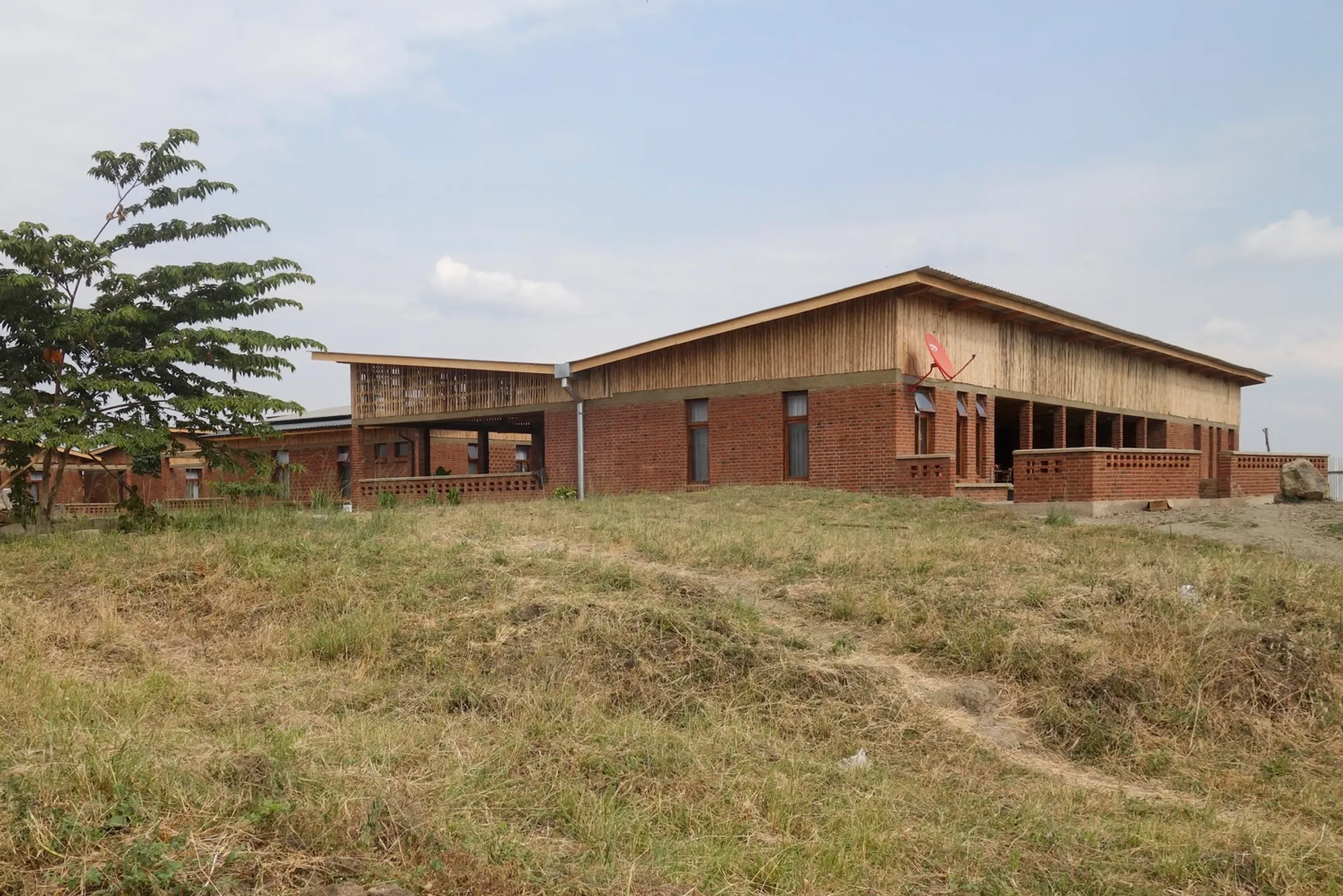
Article 25 has successfully completed Phase 1 of the Kao La Amani Children’s Village in Boma Ng’ombe, located in the stunning Kilimanjaro region of northern Tanzania. Designed for the Tanzanian-Irish charity Tír na nÓg, this pioneering project creates a nurturing, self-sufficient environment for 60 children, blending sustainable architecture with a profound sense of community.
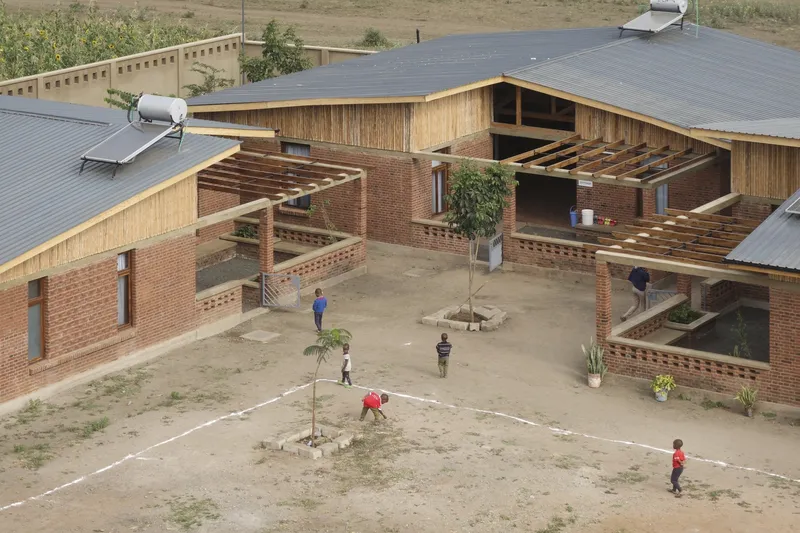
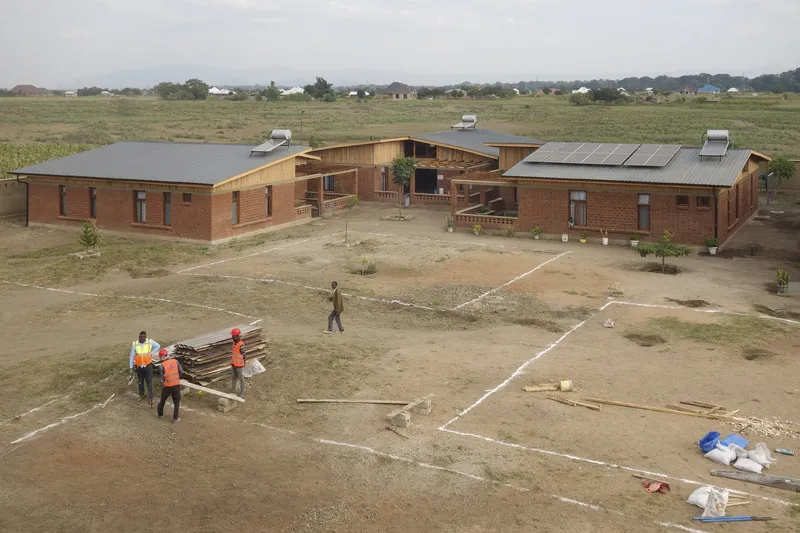
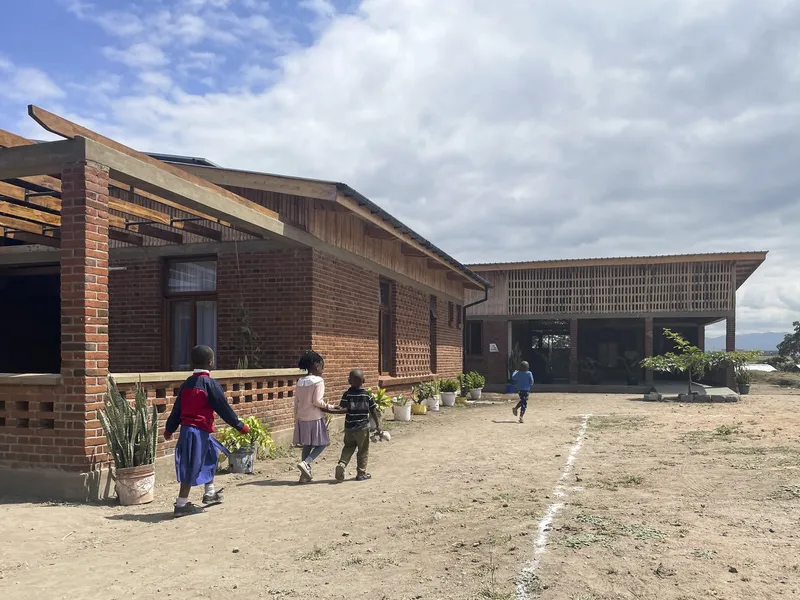
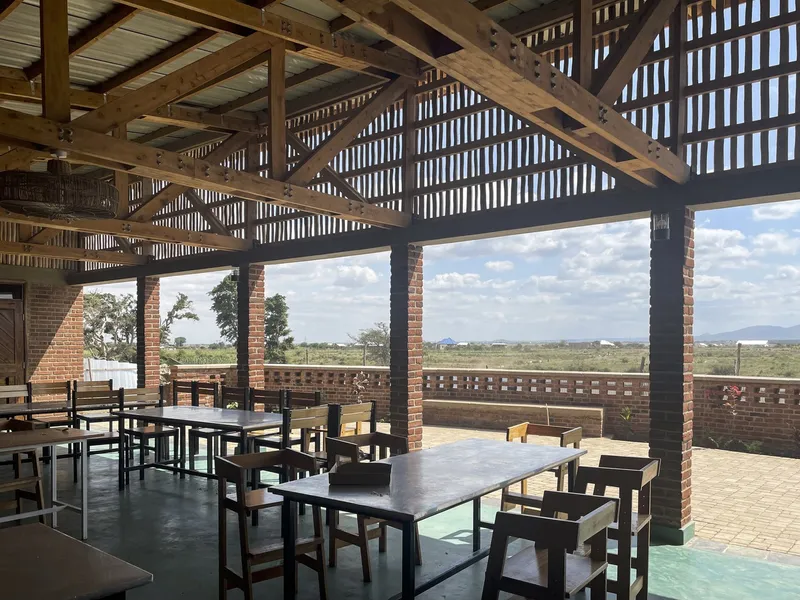
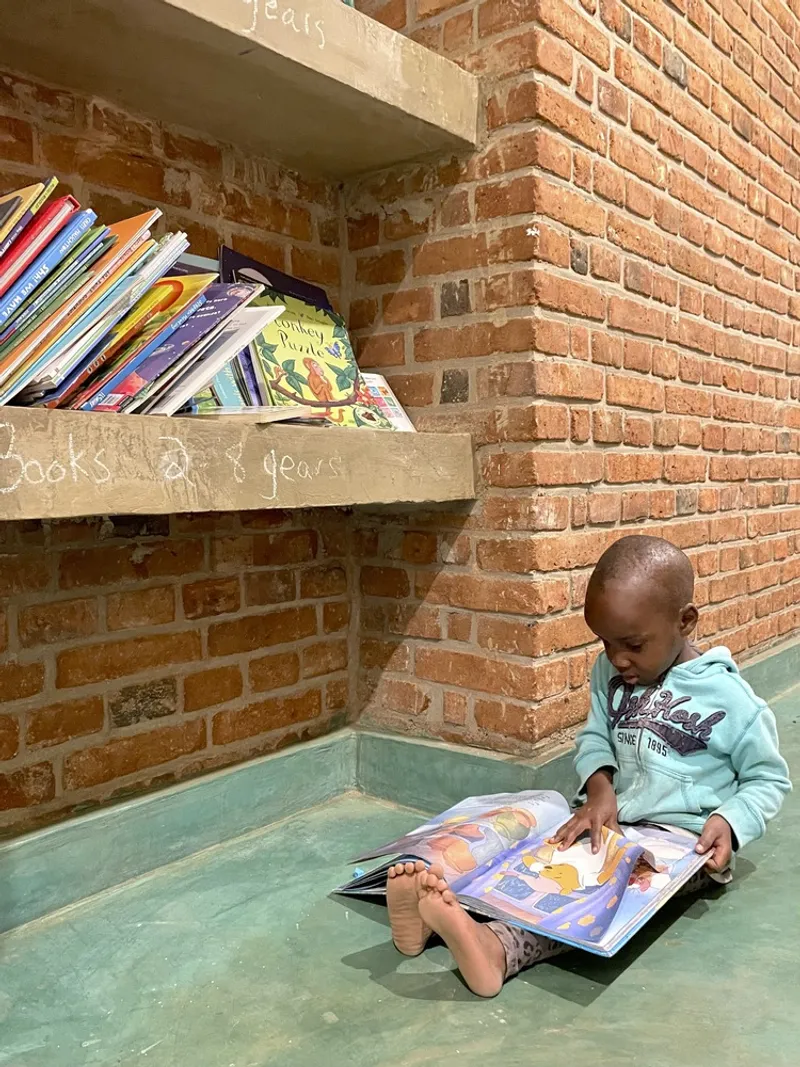
Completed in early 2023, the 1020-square-meter development consists of three residential cottages and a vibrant social block that includes a dining terrace, kitchen, games room, library, and laundry facilities. Each cottage hosts small groups of children, each guided by a dedicated “Mama,” providing the emotional support of a family environment.
A Safe Haven Designed for Growth and Connection
The architectural layout of Kao La Amani is carefully crafted to meet every aspect of children’s lives — from spaces designed for sleep, rest, and study to expansive areas meant for play, social interaction, and communal activities. Every detail encourages children of different ages to grow, learn, and thrive together.
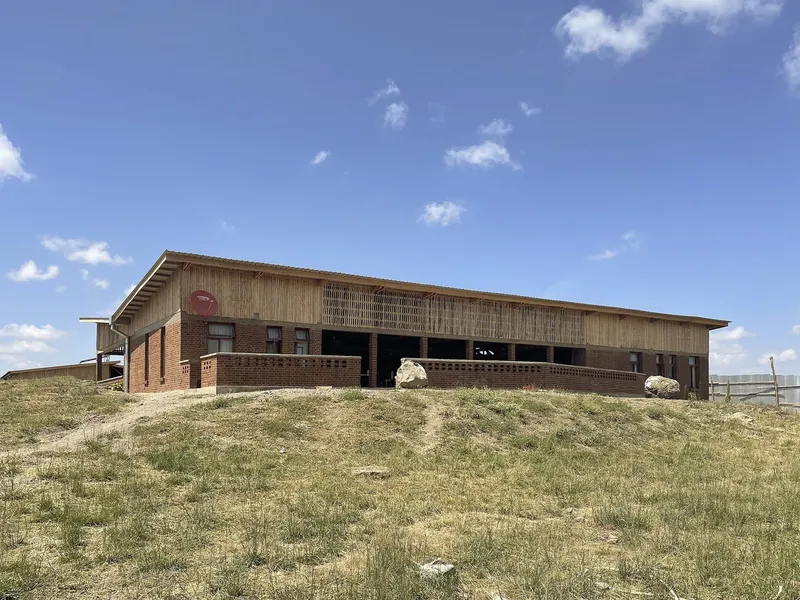
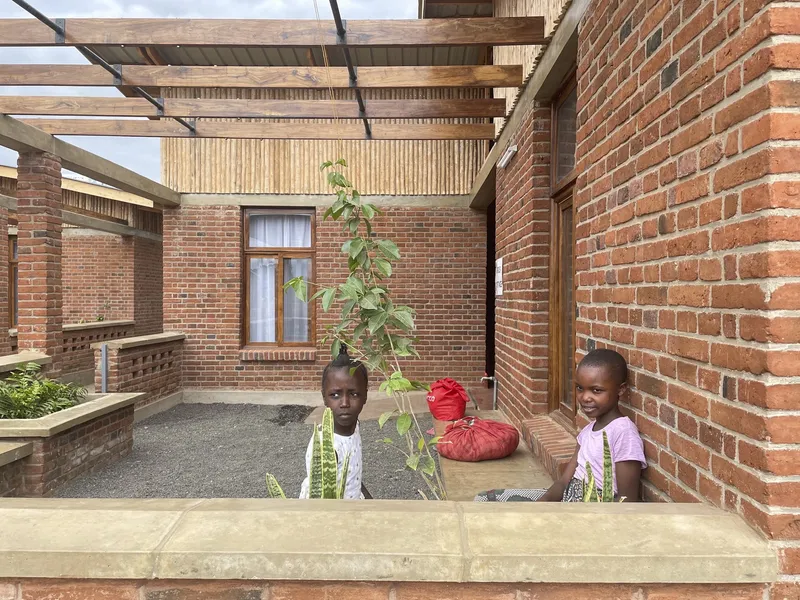
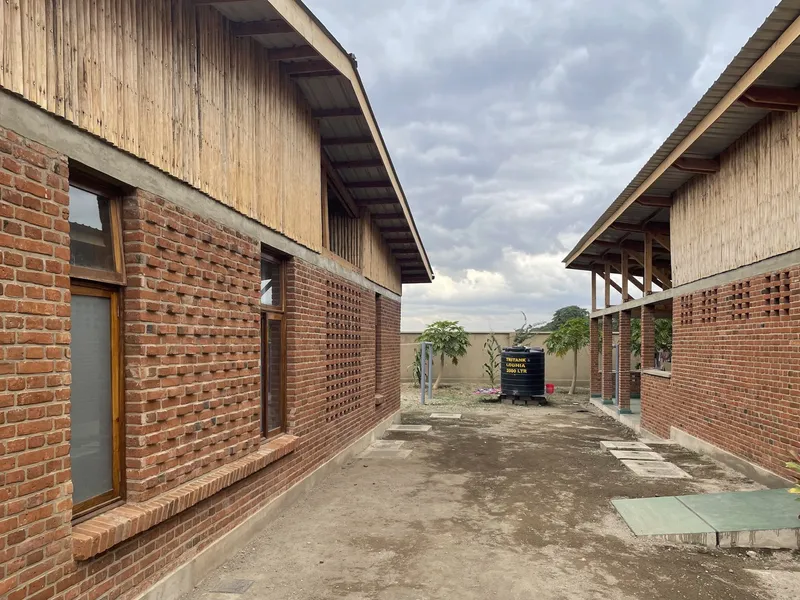
The heart of the design lies in its thoughtful response to the Tanzanian climate. Generous roof overhangs protect buildings from the harsh sun and torrential rains, while internal courtyards within the cottages enhance cross-ventilation, ensuring cool and comfortable interiors year-round.
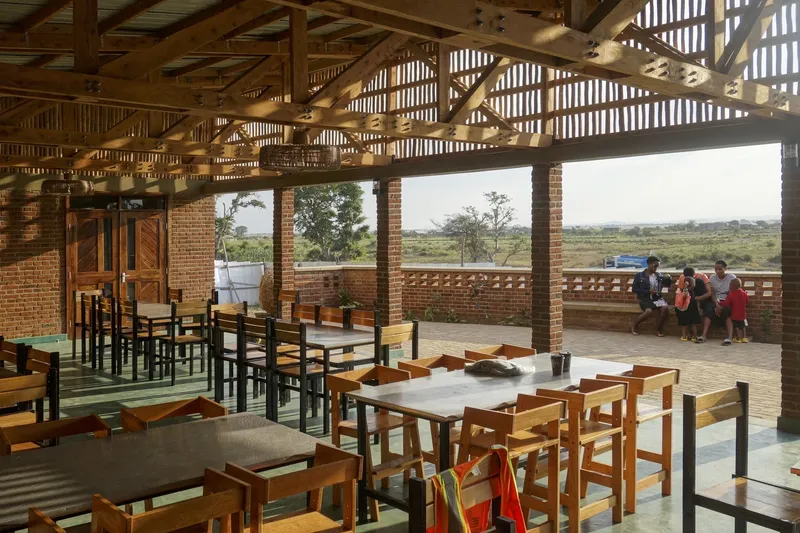
The butterfly roof design of the dining block further optimizes natural airflow and shades essential outdoor spaces like the laundry area, dining terrace, and kitchen porch, creating a seamless transition between indoor and outdoor living.
Commitment to Sustainability and Off-Grid Living
One of Kao La Amani’s most outstanding features is its fully off-grid infrastructure. Powered entirely by solar photovoltaic panels, with water sourced from an on-site borehole and heated by solar water heaters, the village operates sustainably with minimal environmental impact. Waste management is handled through septic tanks and a constructed wetland, highlighting an integrated approach to sustainability and resource conservation.
These eco-friendly strategies not only reduce operating costs but ensure the longevity of the Children’s Village, guaranteeing a safe home for future generations.
Embracing Local Materials and Low-Carbon Construction
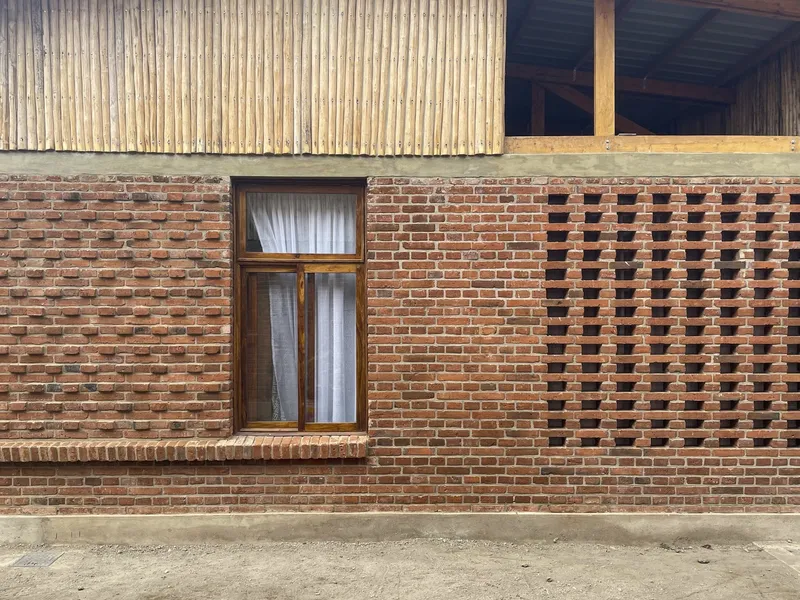
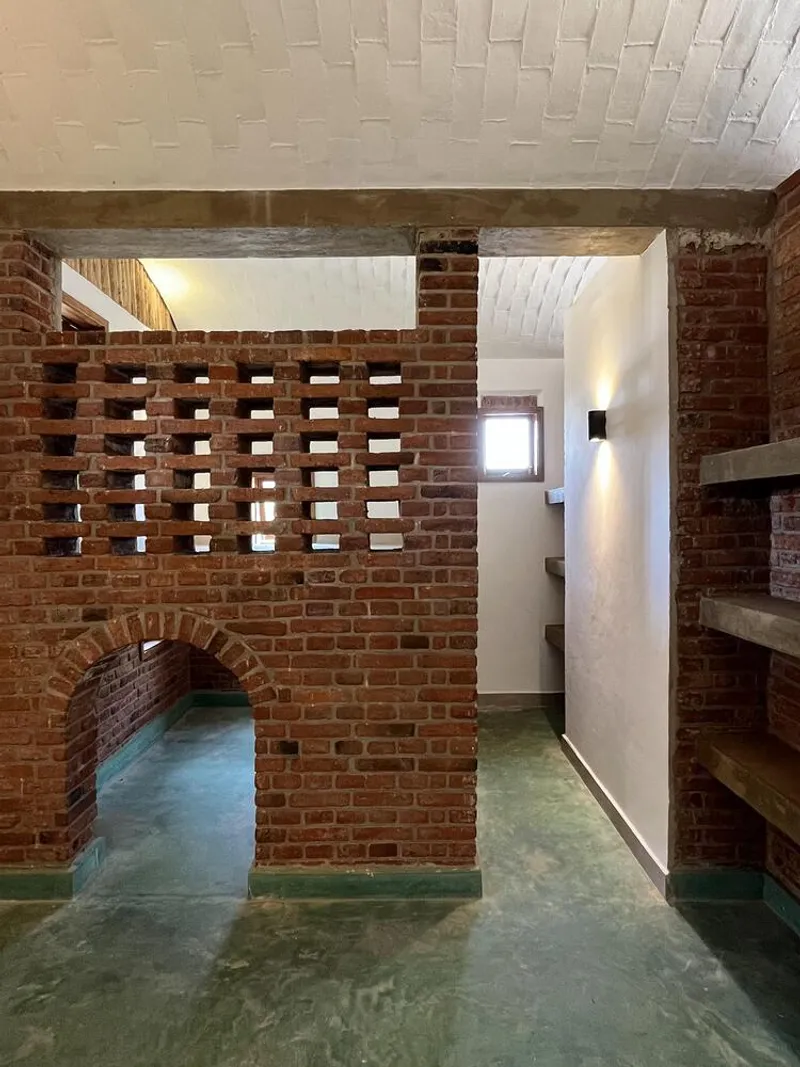
In line with Article 25’s commitment to responsible design, the construction process emphasizes the use of local materials and low-carbon technologies. The roofs are supported by timber trusses, while doors and windows are crafted from local wood. Exterior walls feature locally sourced sisal poles, and bricks are made from rice husk-fired kilns, utilizing agricultural waste and promoting a circular economy.
This approach not only reduces the project’s carbon footprint but also empowers the local economy by supporting regional industries and craftspeople.
More Than a Building: Global Expertise for Local Impact
Kao La Amani exemplifies Article 25’s “More Than a Building” ethos. A network of world-class professionals — including MHA Structural Design, WSP Norge, WSP, and Hoare Lea — provided pro-bono engineering services, contributing structural, MEP, and civil expertise. This collaboration ensures that the Children’s Village benefits from cutting-edge sustainable design and construction practices.
Gemma Holding, Managing Director of Article 25, remarked, “The pro-bono input we receive from our More Than a Building partners brings world-leading expertise to projects like Kao La Amani, helping us leave a lasting legacy in the communities we serve.”
Looking Ahead: Expansion and Growth
With Phase 1 completed, Phase 2 is already underway, promising further expansion. Plans include additional cottages, an administrative center, housing for staff and guests, and extensive landscaping to enhance the natural environment.
Kao La Amani Children’s Village stands as a model of how sustainable design, community-driven architecture, and international collaboration can transform lives — offering vulnerable children a safe, nurturing, and inspiring home for years to come.
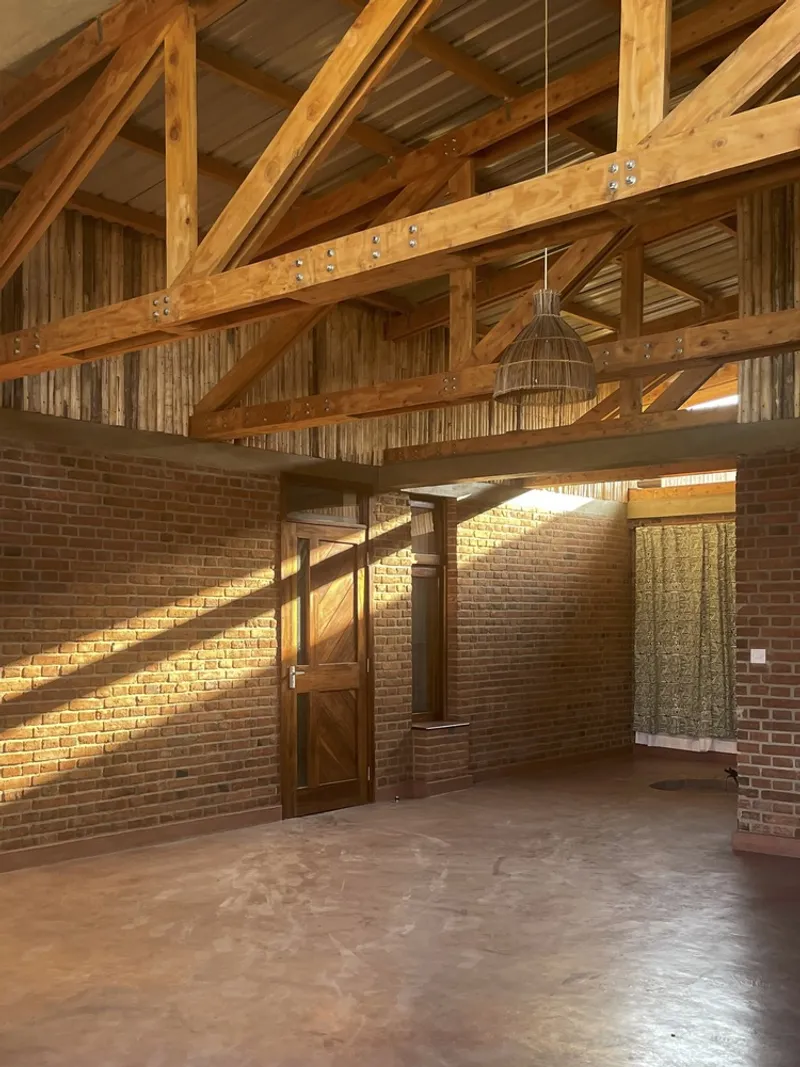
All the photographs are works of Toby Pear, Paulina-Shari Stanley




Popular Articles
Popular articles from the community


Lunar Spiral: Space Architecture Shaped by the Mathematics of the Universe
Lunar Spiral reimagines space architecture through Fibonacci geometry, lunar regolith, levitating habitats, and self-sustaining Moon living.

Co-life: Sustainable Architecture for Age-Friendly Community Living
Co-life reimagines sustainable architecture for seniors through courtyards, rammed earth, shared gardens, and spaces designed for belonging.

The Ocean Hive: Sustainable Architecture for a Self-Sufficient Civilization at Sea
The Ocean Hive imagines sustainable architecture at sea, where modular habitats, algae, wave power and ocean waste sustain a growing colony.

Co-Life: Senior Housing Design That Reconnects Older Adults With the City
Co-Life reimagines senior housing design through healing gardens, shared streets, workshops, and a sustainable community across generations.


Similar Reads
You might also enjoy these articles


Hodi-Mandai Geram
Project Function: Preservation and revitalization of the Intangible heritage and socio-spatial identity of the Hodi by Housing, Cultural Memory Center, Sacred Grove, landscape, local tourism economy


Olio Towers: A Mid-Rise for Performers That Fuses Housing, Rehearsal, and Stage
Located blocks from Houston's Theater District, this modular tower stacks living units around a central performance atrium.

Oasis: Modular Green Housing Carved into Dhaka's Urban Fabric
A shortlisted Plugin Housing entry reclaims unauthorized settlements in Dhaka with stepped concrete volumes, green roofs, and ventilation-driven design.

Black Hole: A Floating Megastructure for the Post-Physical Era
Emiliano Mazzarotto envisions a spherical, self-scaling arena where e-sports, digital hotels, and holographic stadiums replace traditional public space.

Explore Housing Competitions
Discover active competitions in this discipline



Challenge to reimagine the Iron Throne


Photograph architecture without architects


Illustrate the lost glory of Angkor Wat - Render Challenge


Design challenge to reuse E-waste
Comments (0)
Please login or sign up to add comments
No comments yet. Be the first to comment!