
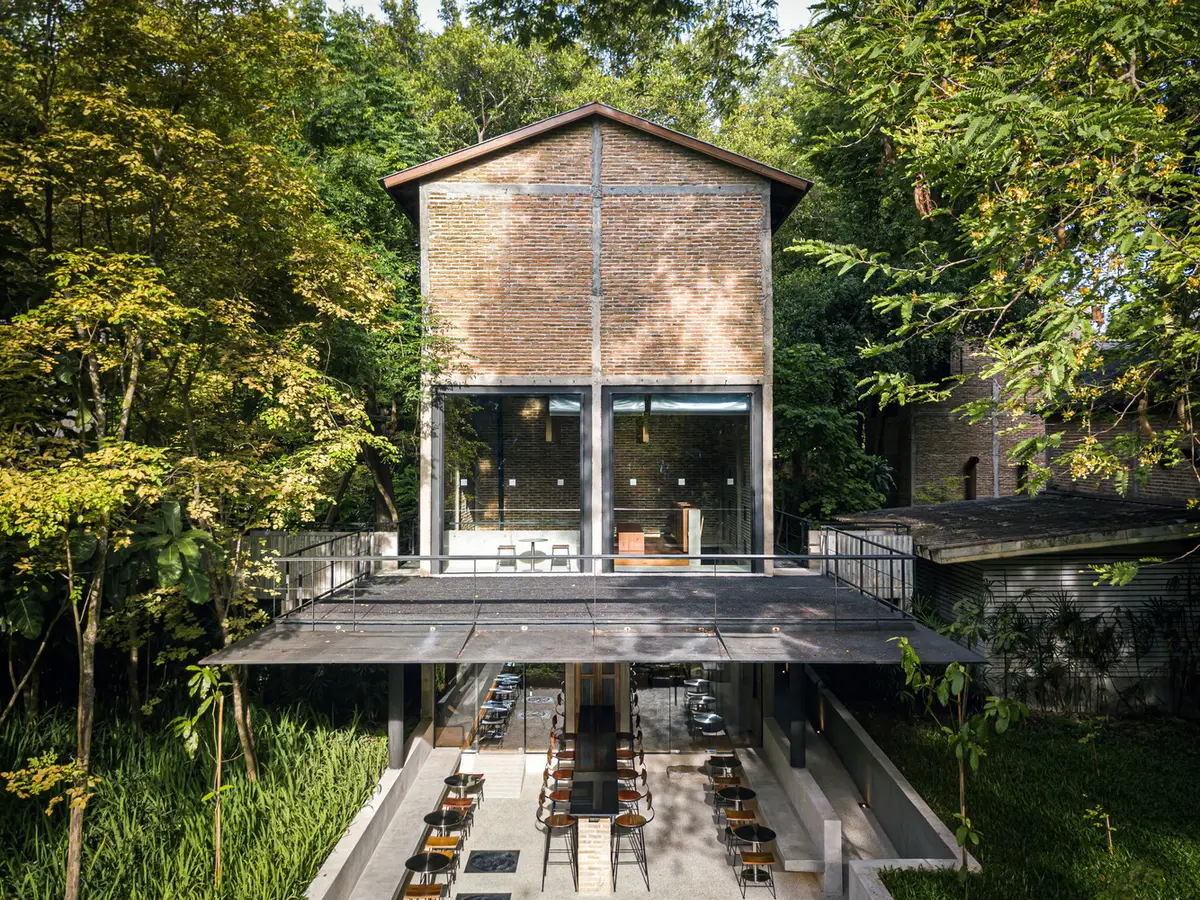
Kaomai Tea Barn: A Masterpiece of Adaptive Reuse by PAVA Architects
Kaomai Tea Barn by PAVA Architects transforms a historic tobacco barn into a sustainable, adaptive reuse space, blending heritage with modern design.


Revitalizing Heritage Through Sustainable Architecture
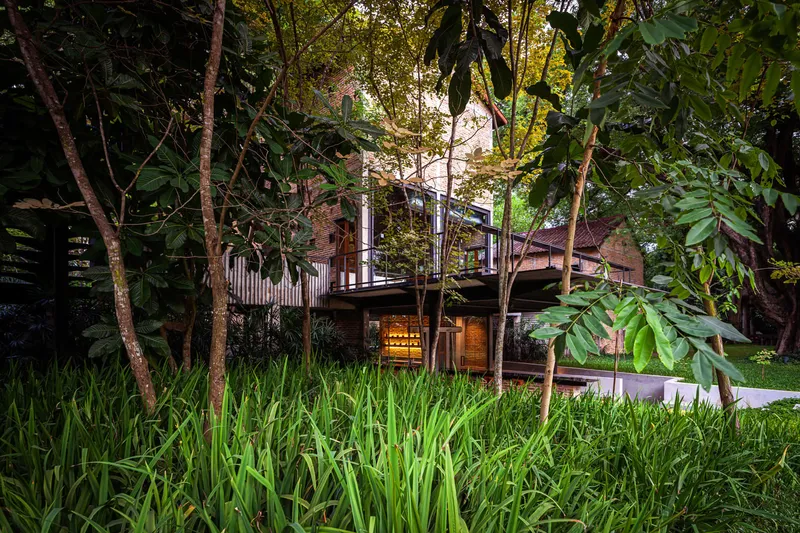
Kaomai Tea Barn, designed by PAVA Architects, is an exemplary adaptive reuse project within Kaomai Estate 1955, a historic tobacco processing plant in Chiang Mai, Thailand. This site, renowned for its industrial heritage, was honored with the 2018 UNESCO Asia-Pacific Awards for Cultural Heritage Conservation in the category of New Design in Heritage Contexts. The Kaomai Tea Barn seamlessly integrates into the estate’s broader master plan, connecting various commercial spaces while preserving the region’s historical and ecological significance.
Thoughtful Integration of Old and New
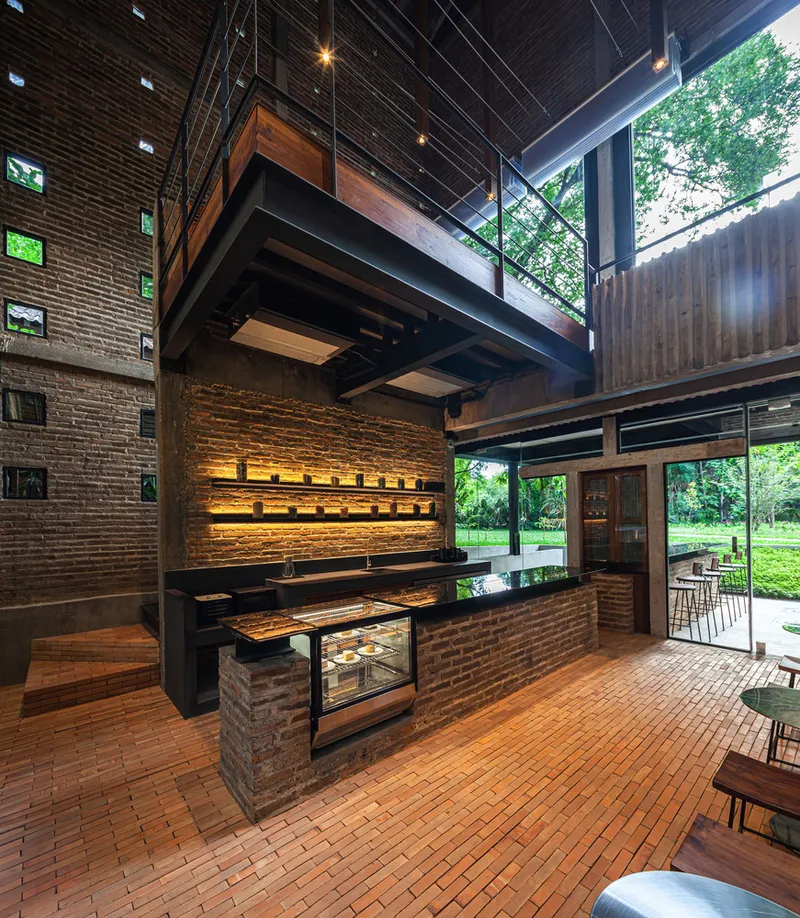
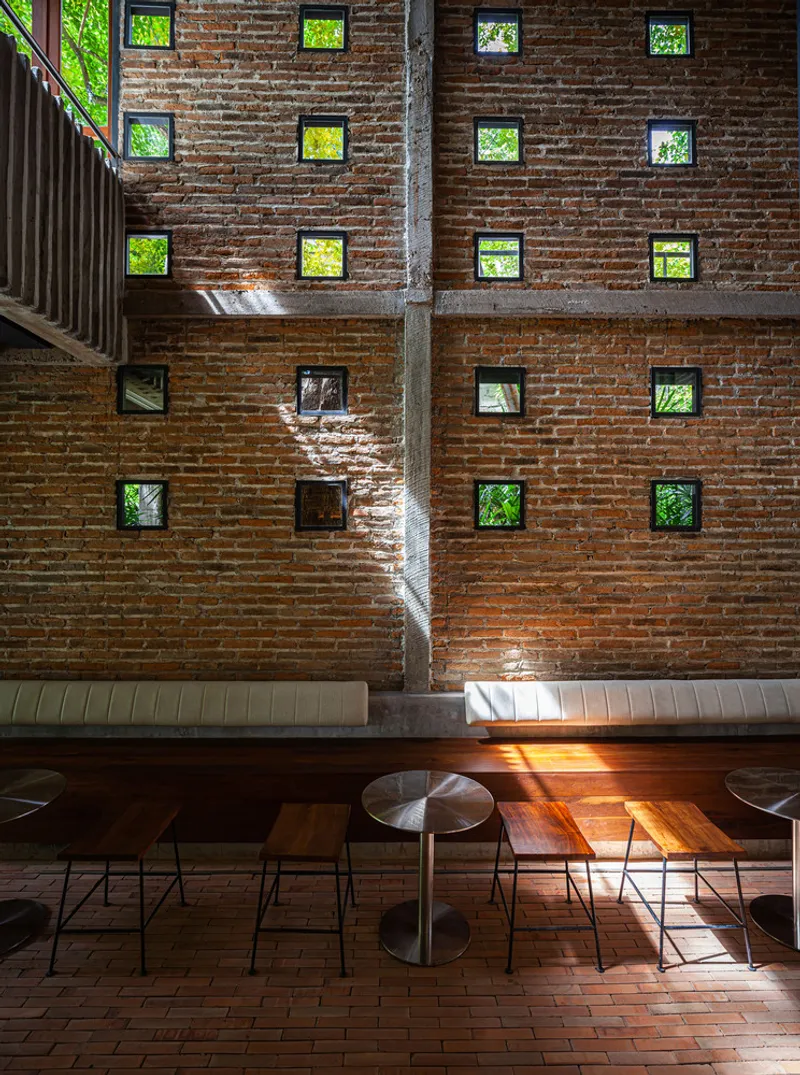
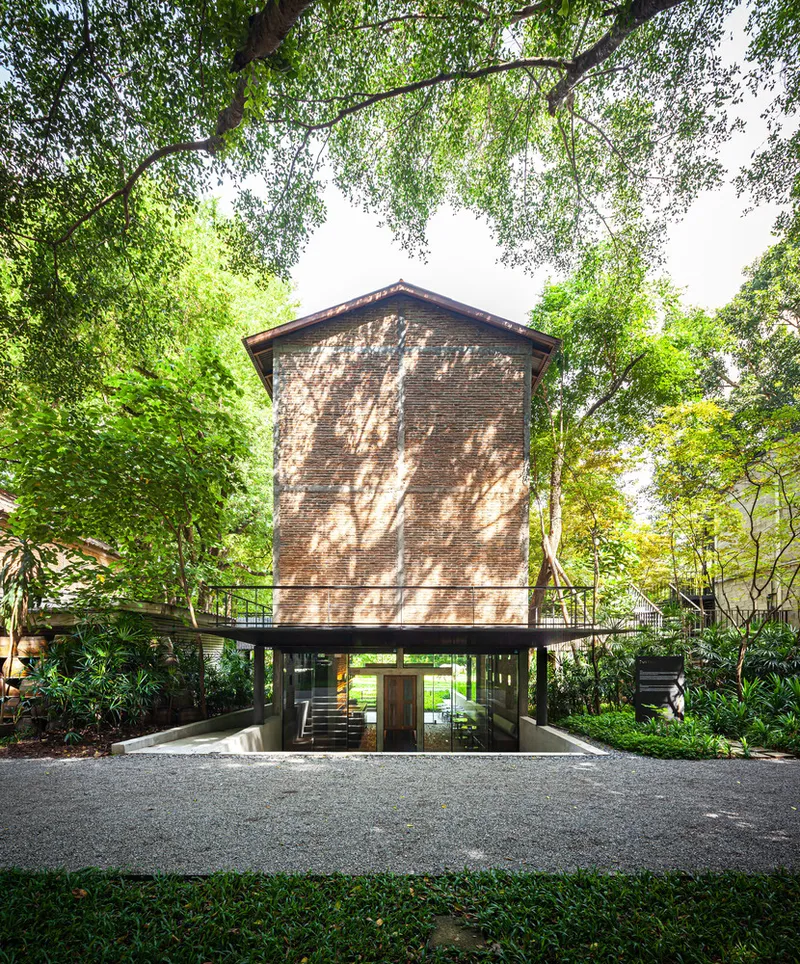
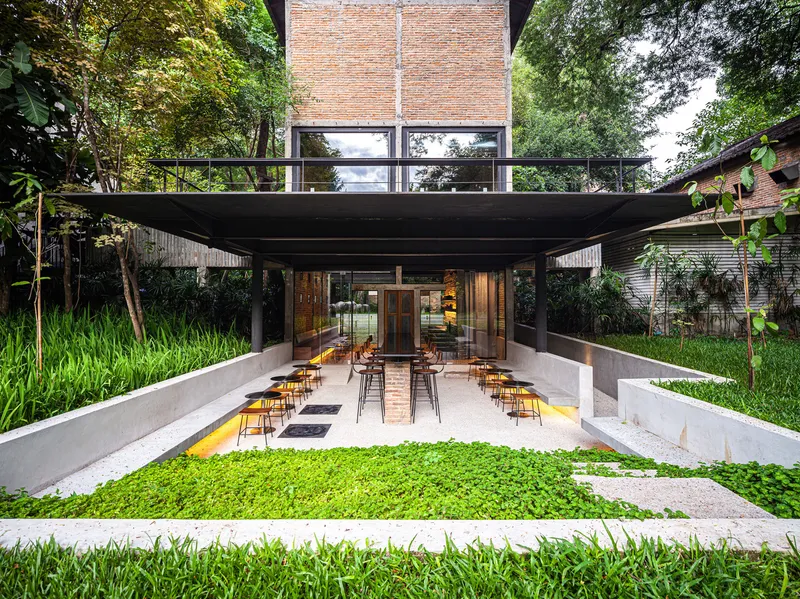
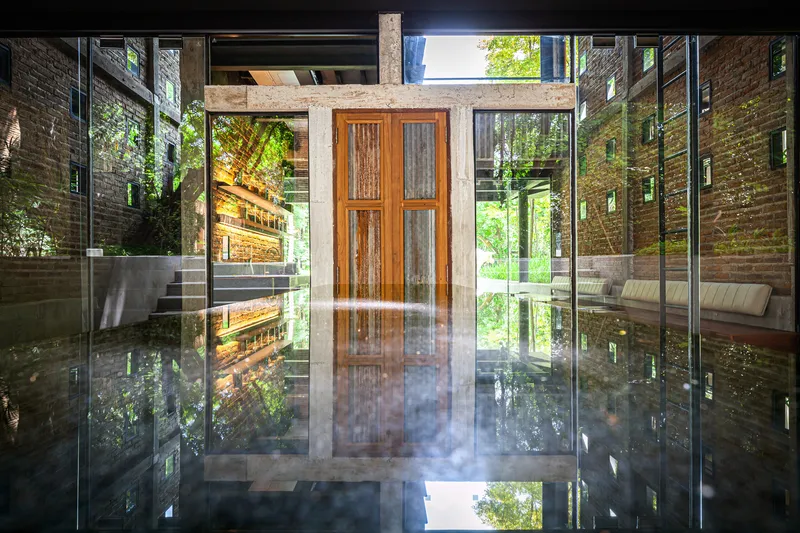
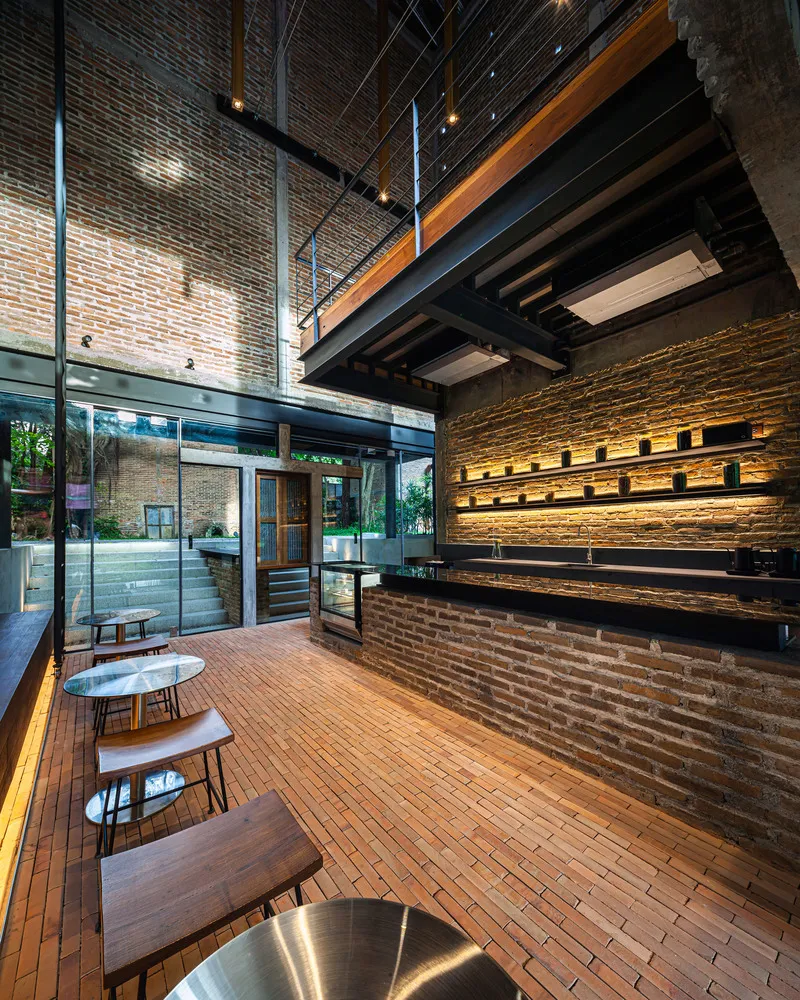
The project is meticulously designed to maintain the architectural integrity of the estate’s historic barns while introducing a modern tea house concept. The design respects the 6x6-meter modular layout of the original barns, ensuring that the building’s proportions, materials, and spatial character remain intact. A sunken tea house concept subtly connects different levels, allowing visitors to experience the structure’s unique verticality while enhancing the ambiance of traditional tea-drinking culture.
Illuminating History Through Contemporary Design
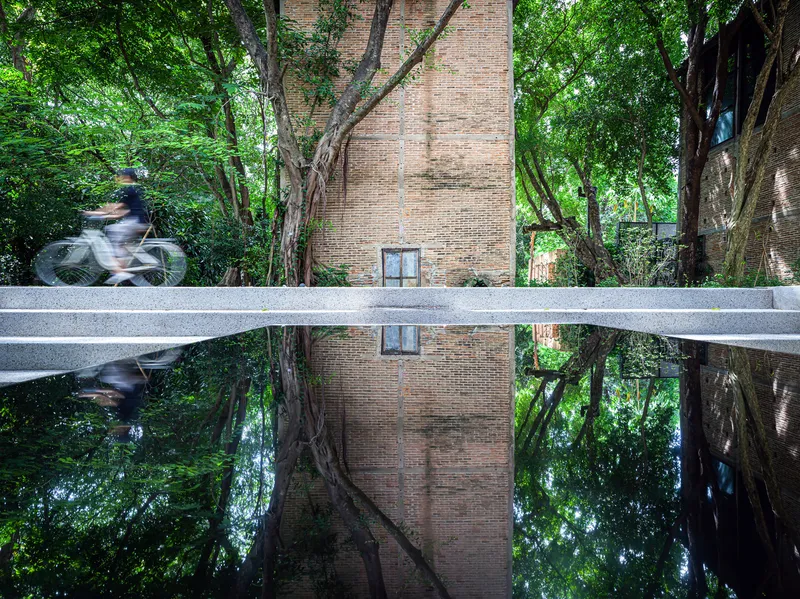
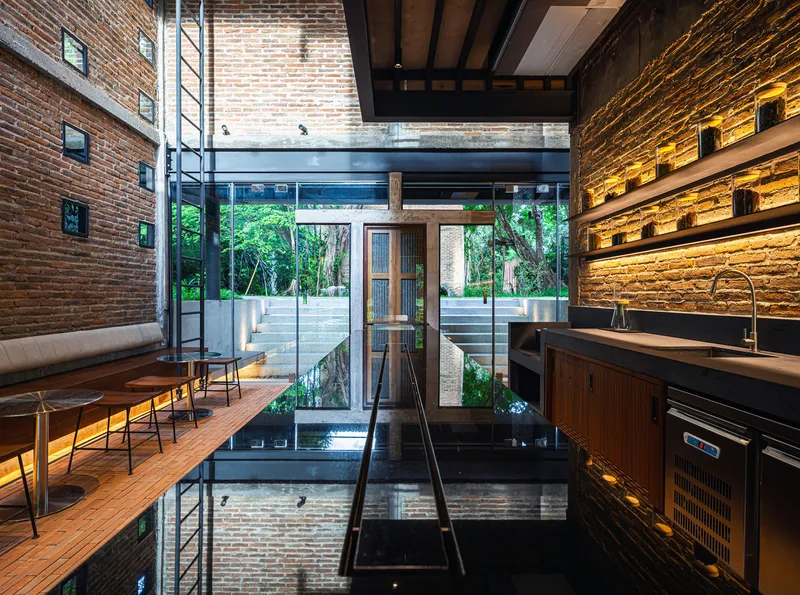
The lighting strategy plays a pivotal role in the design, ensuring that the structure glows subtly within the natural landscape. By using hidden linear lighting, downlights, and warm-toned accents, the space highlights the rich brick textures and vertical openness of the original barns. Locally sourced concrete, timber, and dark gray structural elements further reinforce the balance between preservation and innovation.
Reconstruction with Sustainable Practices
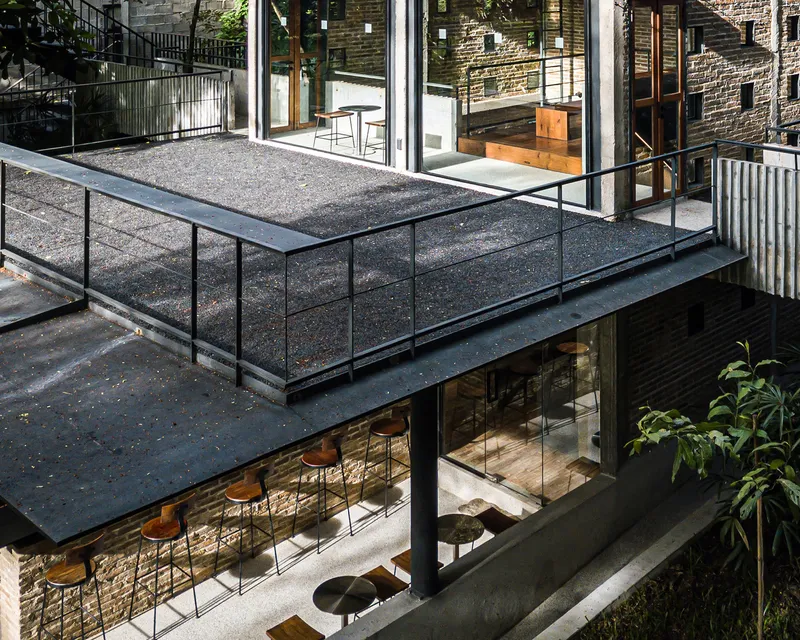
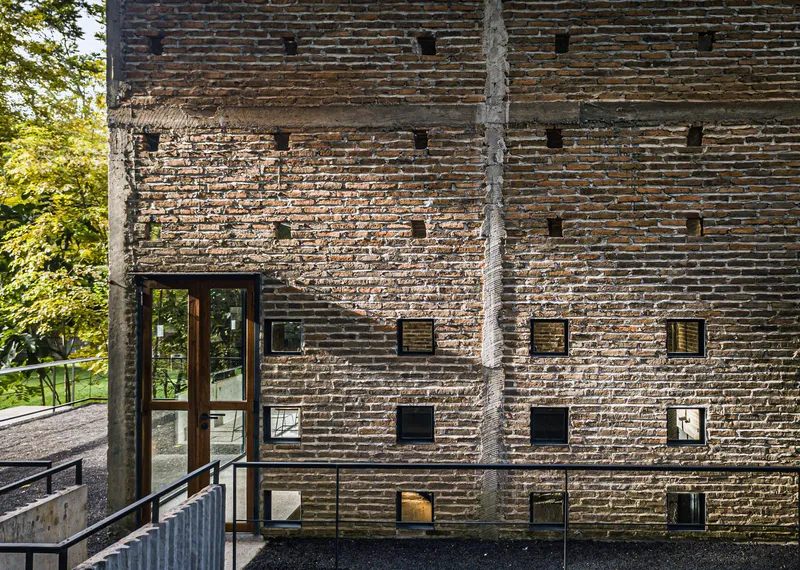
PAVA Architects adopted the Reconstruction Technique, a methodology that meticulously records and restores every element of the historic barn structures. The original brick walls, columns, and beams were carefully reconstructed using modern steel reinforcements and contemporary concrete applications. This approach revitalizes industrial heritage while aligning with sustainable architectural principles.
A Hub for Heritage, Ecology, and Community
As part of the Historical and Ecological Tourism framework, the Kaomai Tea Barn contributes to social sustainability by reconnecting the site with the local community. It encourages visitors to explore the region’s architectural history, native plant species, and ecological landscapes, fostering a deeper appreciation for cultural heritage and environmental conservation.
By transforming an abandoned tobacco processing estate into a dynamic cultural and commercial hub, Kaomai Tea Barn stands as a beacon of sustainable heritage conservation. It is a place where history, architecture, and community engagement intersect, creating an immersive experience for visitors and locals alike.
All Photographs are works of Spaceshift Studio


Popular Articles
Popular articles from the community


Cube Design Draws an Ecological Corridor Between Two Shenzhen Hills with the Nankai Building
Beside Shenzhen's container docks, the Nankai Building pairs stacked balconies with a climbing green screen to connect two hillsides across its height.


The Amber Palace Opera: A Geological Fiction Surfaces on Tallinn's Baltic Waterfront
Pierre Brillard reimagines a Baltic legend as a public landscape, opera house, and waterfront promenade rooted in Tallinn's coastal identity.

graciastudio Turns a Viewless Tijuana Lot Inward Around a Courtyard of Concrete, Timber and Trees
In Tijuana, Jorge Gracia's GA2 House stacks a timber-clad private floor over exposed concrete and replaces a missing view with a planted interior patio.

FCC Arquitectura Expands a Portuguese Granite House with a Board-Marked Concrete Wing
In Portugal, JV House pairs a cleaned-up whitewashed and granite dwelling with a timber-shuttered concrete extension, courtyards and a garden pool.

Similar Reads
You might also enjoy these articles


Hodi-Mandai Geram
Project Function: Preservation and revitalization of the Intangible heritage and socio-spatial identity of the Hodi by Housing, Cultural Memory Center, Sacred Grove, landscape, local tourism economy


Olio Towers: A Mid-Rise for Performers That Fuses Housing, Rehearsal, and Stage
Located blocks from Houston's Theater District, this modular tower stacks living units around a central performance atrium.

Oasis: Modular Green Housing Carved into Dhaka's Urban Fabric
A shortlisted Plugin Housing entry reclaims unauthorized settlements in Dhaka with stepped concrete volumes, green roofs, and ventilation-driven design.

Black Hole: A Floating Megastructure for the Post-Physical Era
Emiliano Mazzarotto envisions a spherical, self-scaling arena where e-sports, digital hotels, and holographic stadiums replace traditional public space.

Explore Architecture Competitions
Discover active competitions in this discipline

Challenge to reimagine the Iron Throne

Photograph architecture without architects

Illustrate the lost glory of Angkor Wat - Render Challenge

Design challenge to reuse E-waste
Comments (0)
Please login or sign up to add comments
No comments yet. Be the first to comment!