
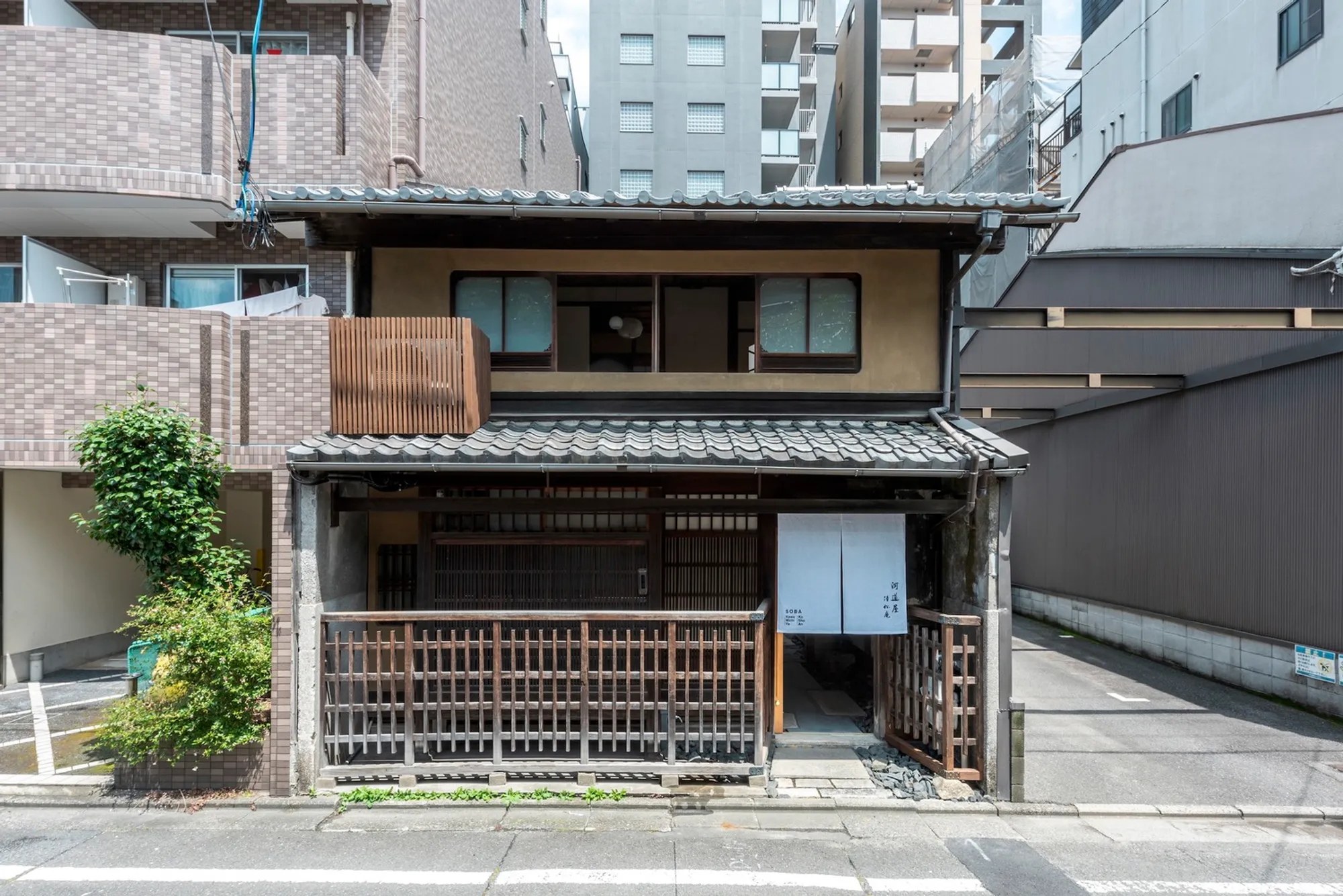
Kawamichiya Kosho-An: A Revitalized Kyoto Townhouse Fusing Tradition with Contemporary Design
A restored Kyoto townhouse blending traditional Japanese architecture with modern design, Kawamichiya Kosho-An redefines soba dining in historic elegance.


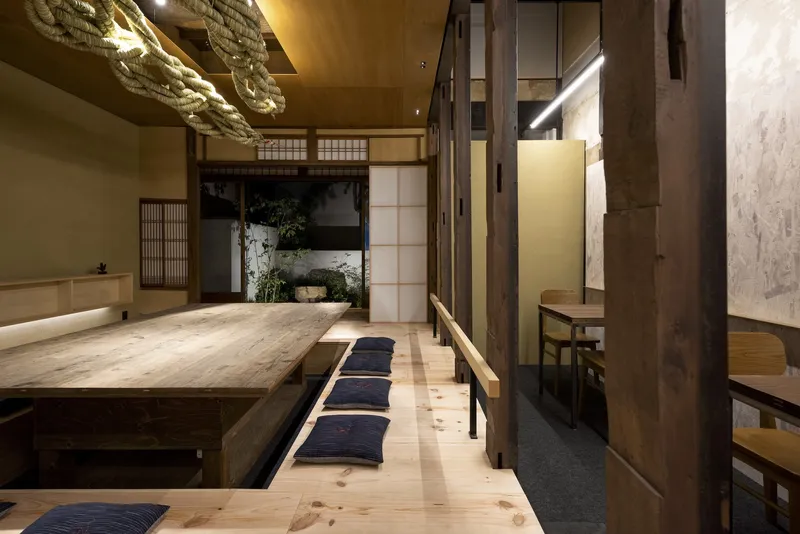
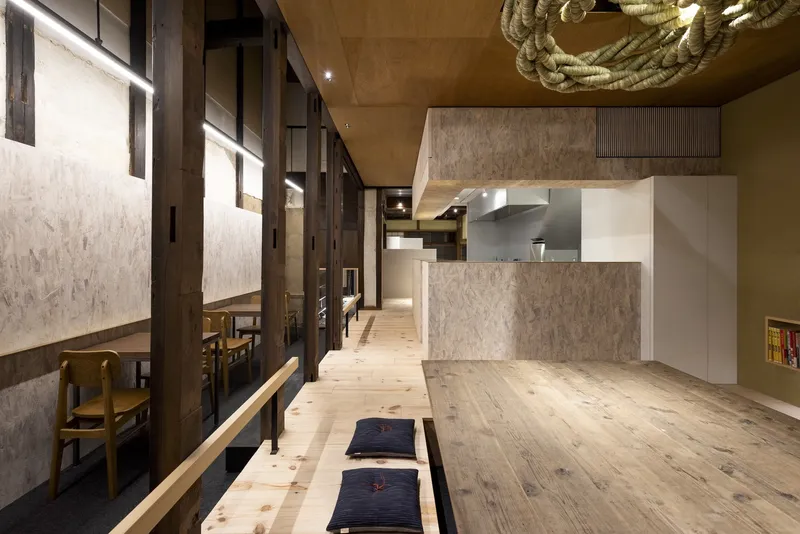
Kawamichiya Kosho-An is a beautifully restored soba restaurant nestled in the historic heart of Kyoto. Designed collaboratively by td-Atelier and ENDO SHOJIRO DESIGN, the project breathes new life into a 110-year-old machiya (traditional Kyoto townhouse) while honoring the spirit of a culinary legacy that spans over 300 years.
This restaurant is the newest chapter in the story of “Kawamichiya,” a respected name in Kyoto’s soba culture. Once a partner brand of the original establishment, Kawamichiya Kosho-An revives the rich aesthetic and architectural details of the traditional machiya, blending heritage with innovative architectural reinterpretation.
Restoring Tradition: From Hidden Craft to Centerpiece
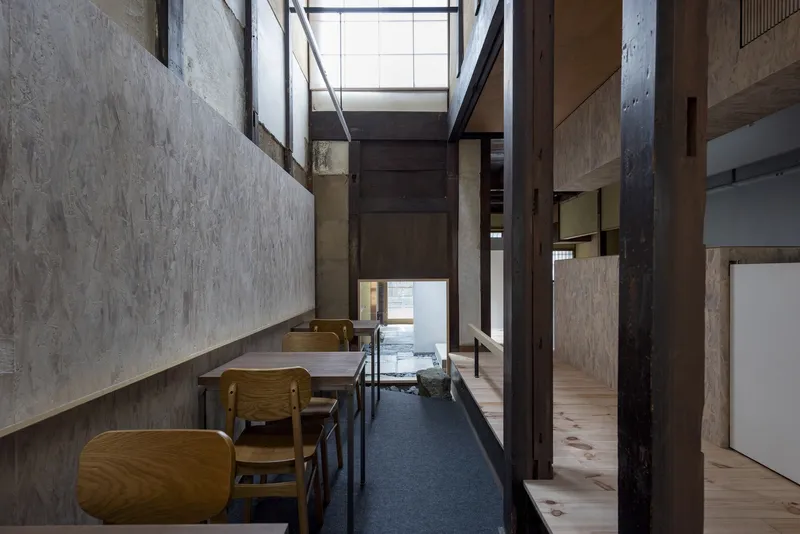
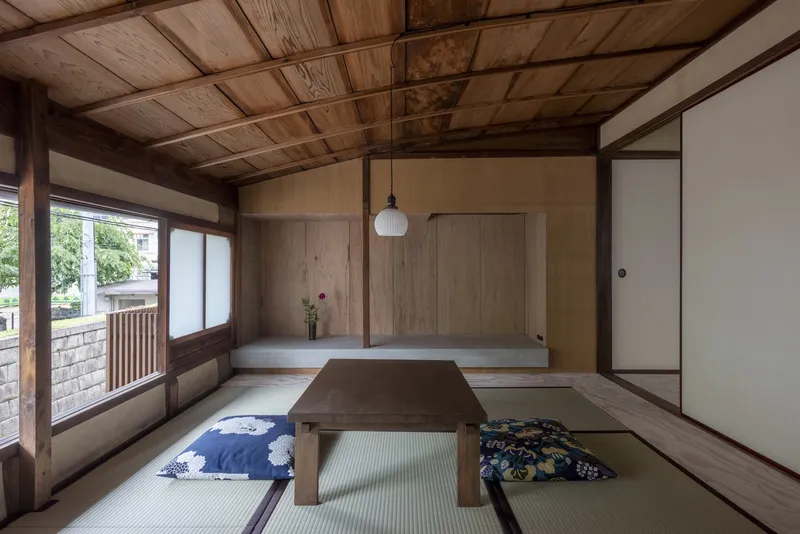
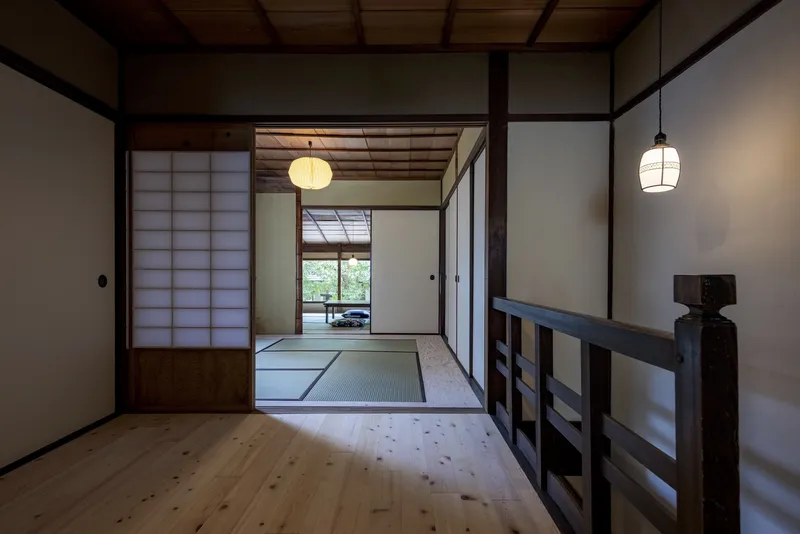
The original townhouse, though once rich in detail, had suffered numerous modifications for residential use over the decades. Many design features—ornate windows, alcoves (tokonoma), beams, and shoji screens—had been obscured or dismantled.
The renovation aimed to reveal and restore these traditional elements, using historical architecture as both blueprint and muse. At the same time, the architects introduced modern geometry and materials, creating a seamless dialogue between past and present.
Design Concept: Density of Existence
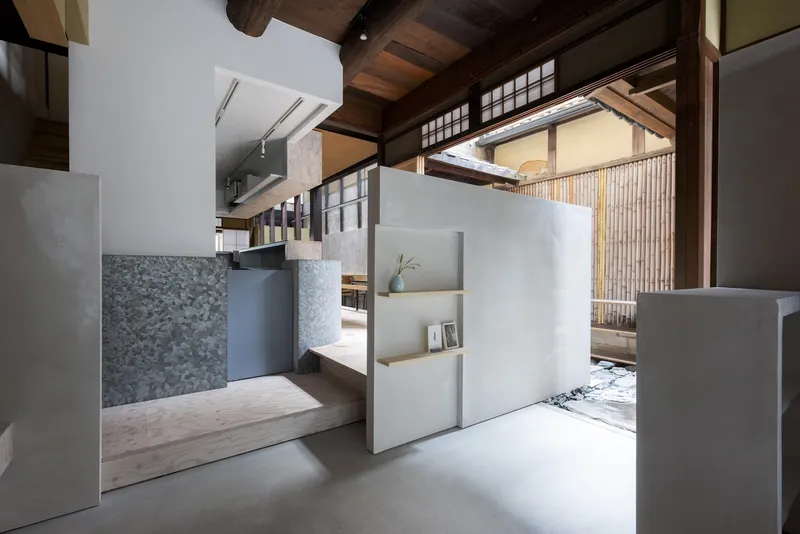
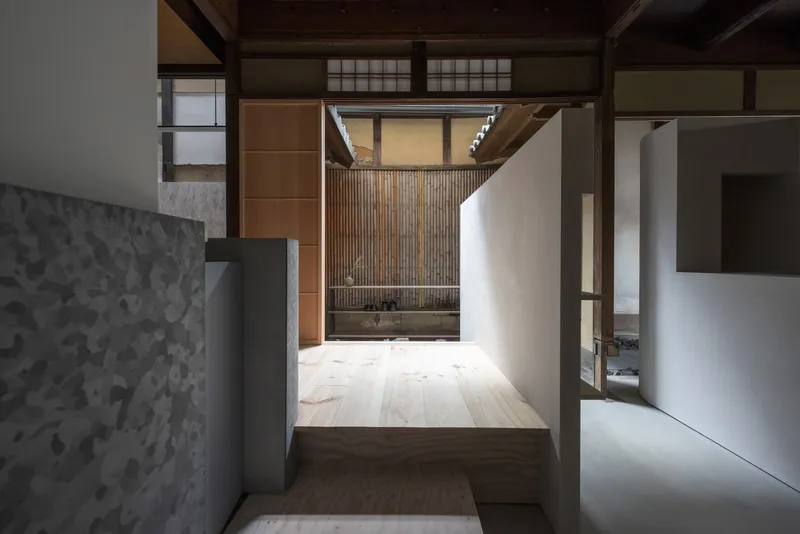
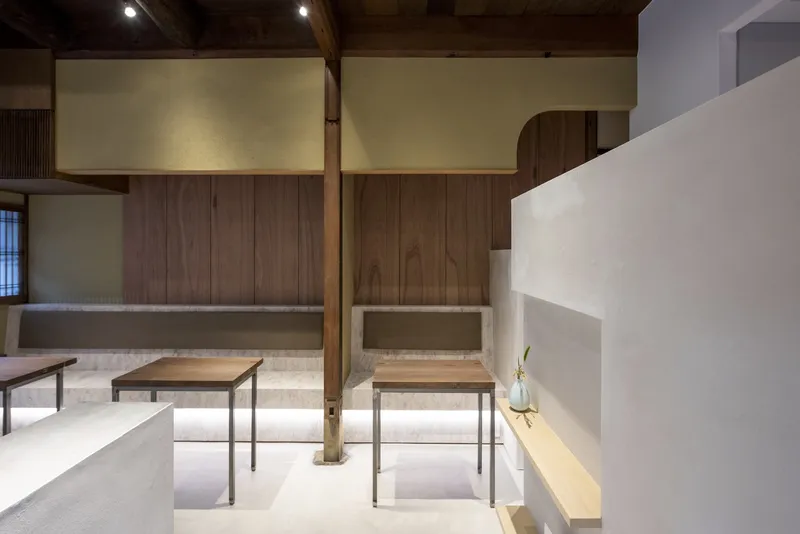
A key idea driving the project is the “Density of Existence”—a philosophy that treats traditional architecture as a layered experience rather than static form. Rather than replicate the past, the architects examined how existing features could evolve, transforming doors into walls, shoji screens into light-diffusing partitions, and display alcoves into sculptural installations.
The result is a deliberately ambiguous spatial experience, where elements feel at once familiar and reimagined—a hybrid of history and innovation.
Spatial Layout: A Journey Through Design
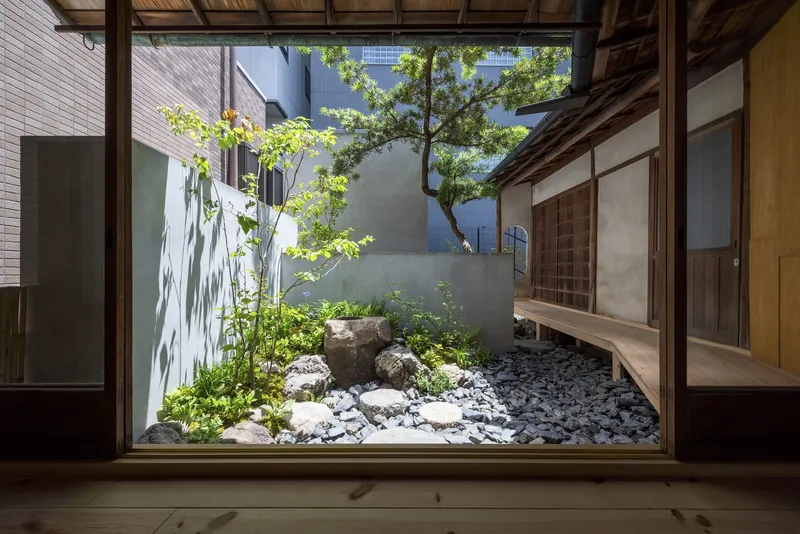
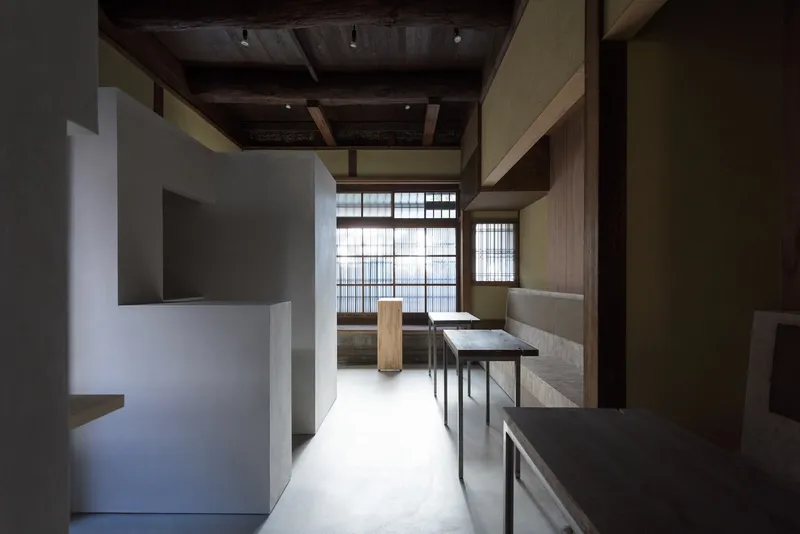
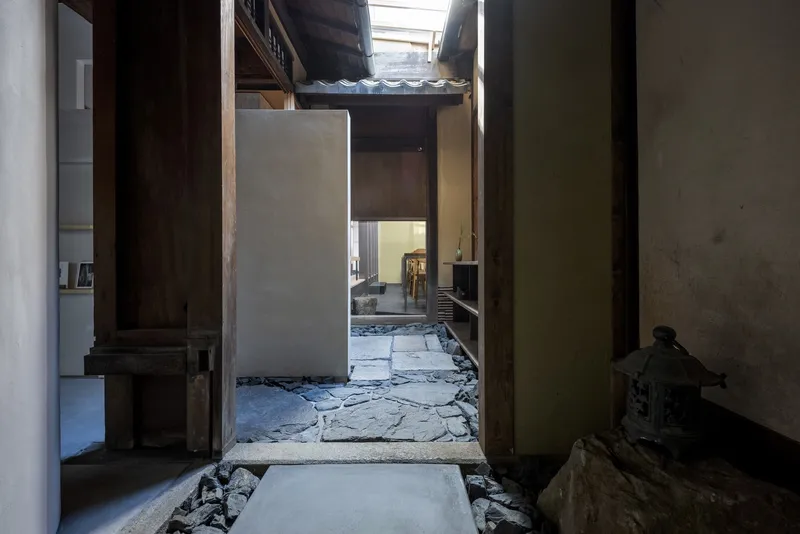
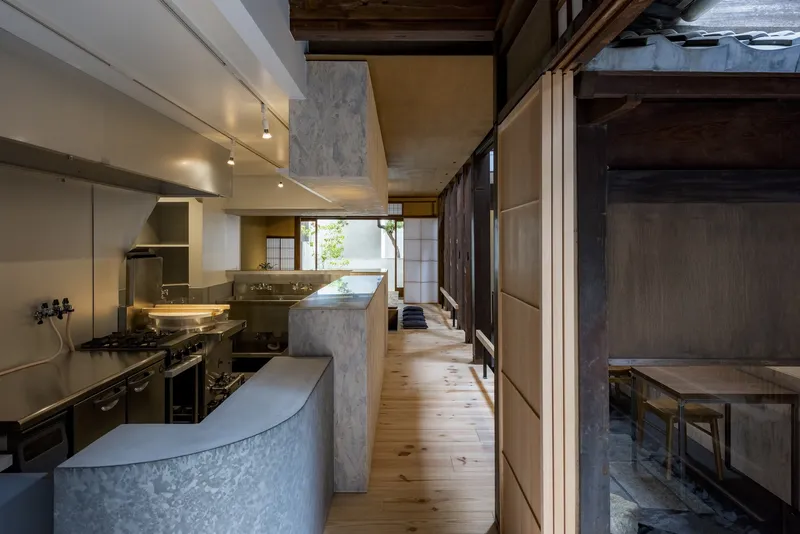
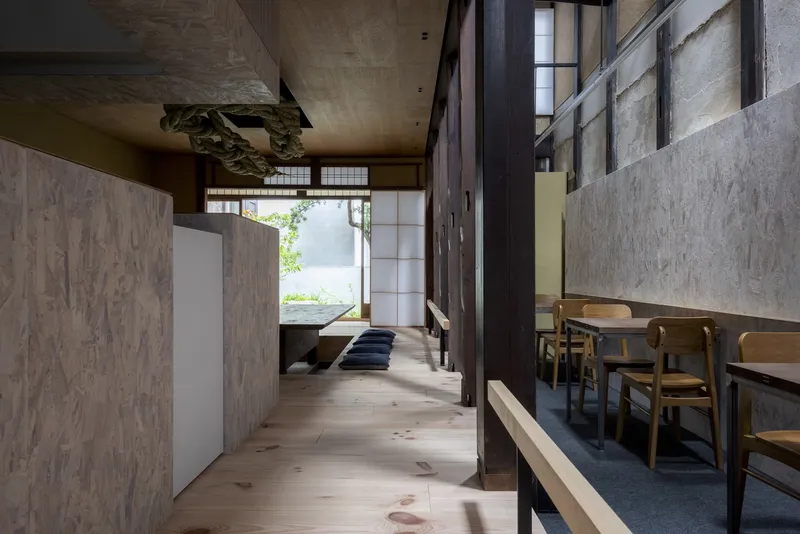
The floor plan places the kitchen at the core of the restaurant, turning the guest experience into a sequence of unfolding environments. Varying the floor height between 100–300 mm enables a unique blend of seating options—from traditional floor seating to elevated chairs—all while preserving cultural context and ergonomic comfort.
This tiered design also subtly controls the visual relationship between diners and their surroundings—the garden, the street, and the interior, crafting a layered visual journey from every seat.
Material Palette: Tradition in a New Language
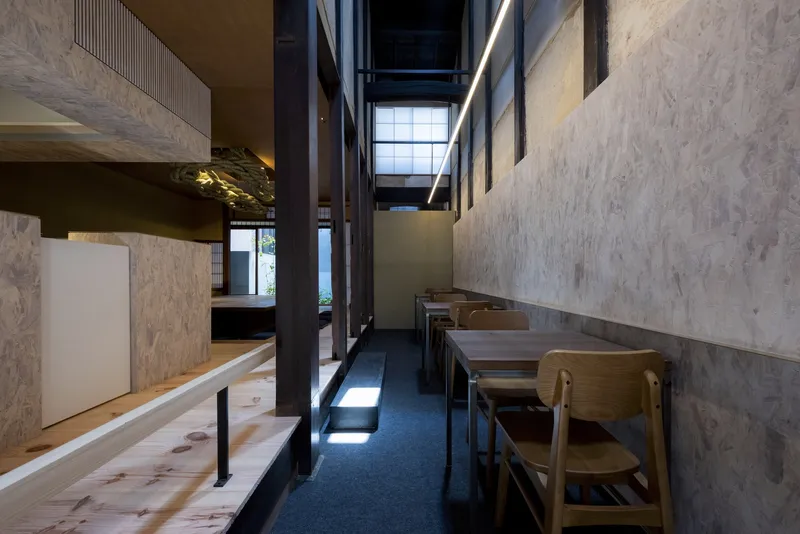
In a nod to Kyoto’s architectural heritage, materials such as Oregon pine, wooden beams, tatami, and corrugated metal are reused and recontextualized. Many elements are reclaimed from the original structure, giving authenticity and sustainability to the renovation.
Fixtures like wooden lattice doors and exposed beams no longer serve their original functions but act as sculptural and spatial dividers, maintaining a tangible connection to the past.
A Space for All: Everyday Luxury
Just as soba in Japanese history was enjoyed by both commoners and nobility—from street-side snack to Shogun’s delight—Kawamichiya Kosho-An embodies duality: approachable yet refined, casual yet rich in detail.
All the photographs are works of Matsumura Kohei




Popular Articles
Popular articles from the community


The Earth Pod: 3D Printed Homes for Resilient Refugee Communities
The Earth Pod reimagines refugee housing through 3D printed homes made from clay, combining resilience, self-sufficiency, and rapid shelter.

The Musturak Paradise: Senior Living Architecture for a Connected Future in Temara, Morocco
The Musturak Paradise reimagines senior living architecture in Temara via private homes, social spaces, culture, community, and shared care.

Riyadh For All: Intergenerational Urban Design for Active Aging in Rabat
Riyadh For All reimagines urban design in Rabat with intergenerational co-living, adaptive courtyards, and Moroccan cultural exchange today.

Hill & Cross Opera: Sculptural Opera House Architecture Shaped by Tallinn’s Landscape and Identity
Hill & Cross Opera reimagines opera house architecture in Tallinn through its sculptural hill, civic plaza, glass wave and a luminous cross.


Similar Reads
You might also enjoy these articles


Hodi-Mandai Geram
Project Function: Preservation and revitalization of the Intangible heritage and socio-spatial identity of the Hodi by Housing, Cultural Memory Center, Sacred Grove, landscape, local tourism economy


Olio Towers: A Mid-Rise for Performers That Fuses Housing, Rehearsal, and Stage
Located blocks from Houston's Theater District, this modular tower stacks living units around a central performance atrium.

Oasis: Modular Green Housing Carved into Dhaka's Urban Fabric
A shortlisted Plugin Housing entry reclaims unauthorized settlements in Dhaka with stepped concrete volumes, green roofs, and ventilation-driven design.

Black Hole: A Floating Megastructure for the Post-Physical Era
Emiliano Mazzarotto envisions a spherical, self-scaling arena where e-sports, digital hotels, and holographic stadiums replace traditional public space.

Explore Japanese Architecture Competitions
Discover active competitions in this discipline



Challenge to reimagine the Iron Throne


Photograph architecture without architects


Illustrate the lost glory of Angkor Wat - Render Challenge


Design challenge to reuse E-waste
Comments (0)
Please login or sign up to add comments
No comments yet. Be the first to comment!