

Kenmore Pavilion: A Sustainable Pavilion House Design in Australia That Revives a 1960s Cottage
Kenmore Pavilion transforms a 1960s Brisbane cottage into a light-filled, sustainable home using reclaimed materials and intelligent spatial design.


Doing More with Less: A Philosophy of Regenerative Design
In the leafy Brisbane suburb of Kenmore, CARD Architects have delivered a strikingly simple yet elegant response to housing transformation with the Kenmore Pavilion. The project exemplifies a refined approach to sustainable pavilion house design in Australia, breathing new life into a 1960s workers' cottage while preserving its post-war bones and reconnecting the home to its surrounding landscape.

Embracing Climate and Context
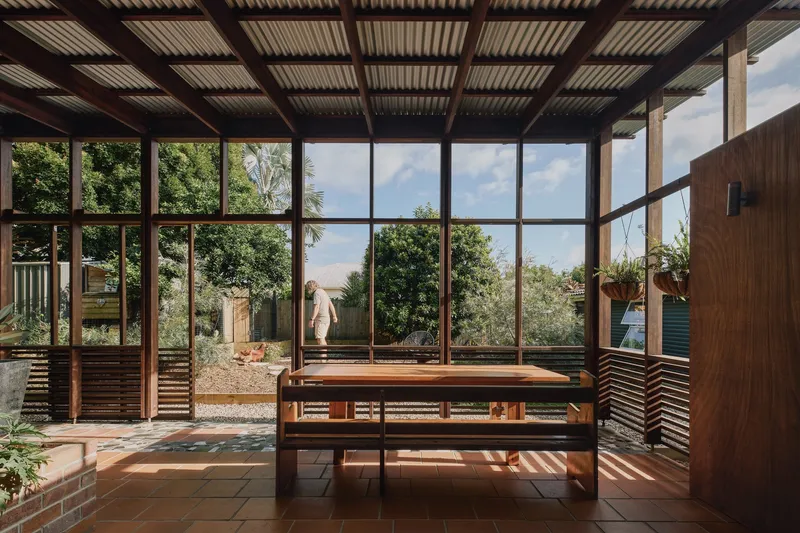
Rather than opting for demolition, the design focuses on adaptive reuse—maximizing the potential of the existing structure. Set against Queensland’s mild subtropical climate, the architectural gesture is both climatic and contextual. The new pavilion is designed as a semi-outdoor, weather-protected space that extends the home’s usable footprint. It provides a comfortable setting for dining, cooking, socializing, and enjoying garden views, dissolving the boundaries between interior and exterior in a distinctly Australian way.

A Contemporary Deck Rooted in Heritage
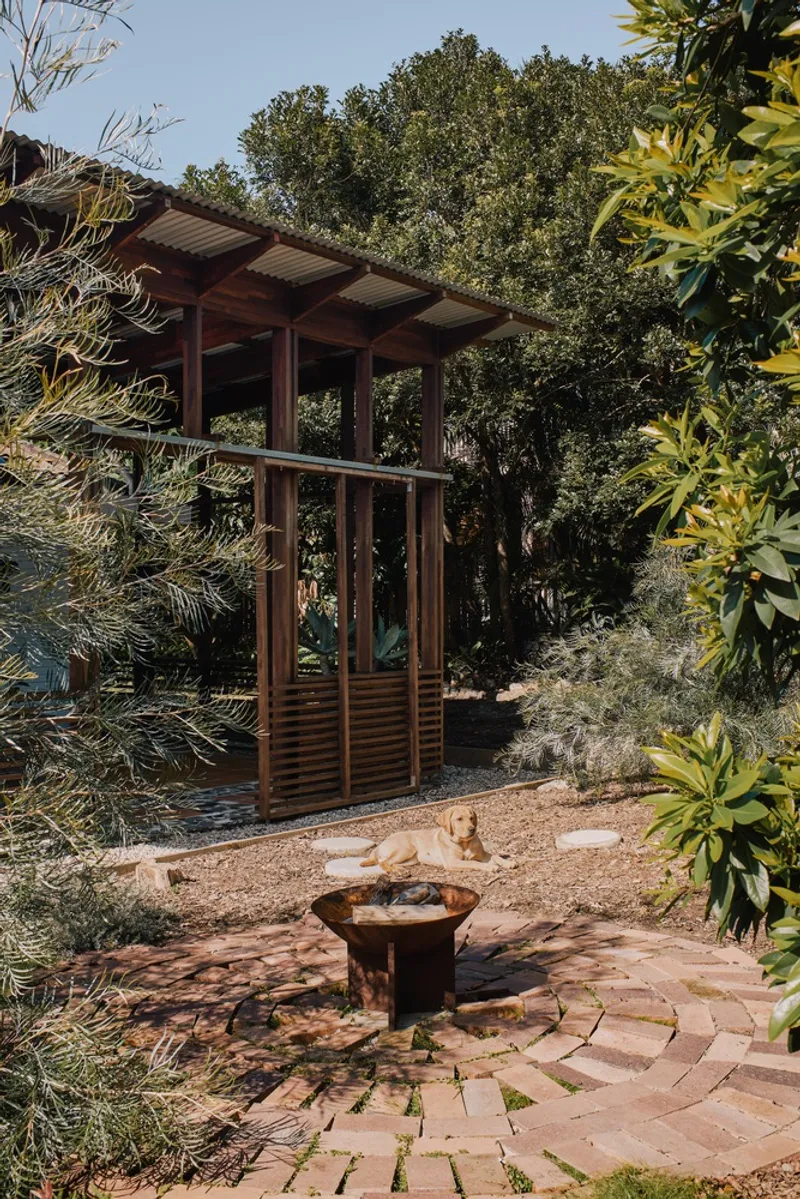
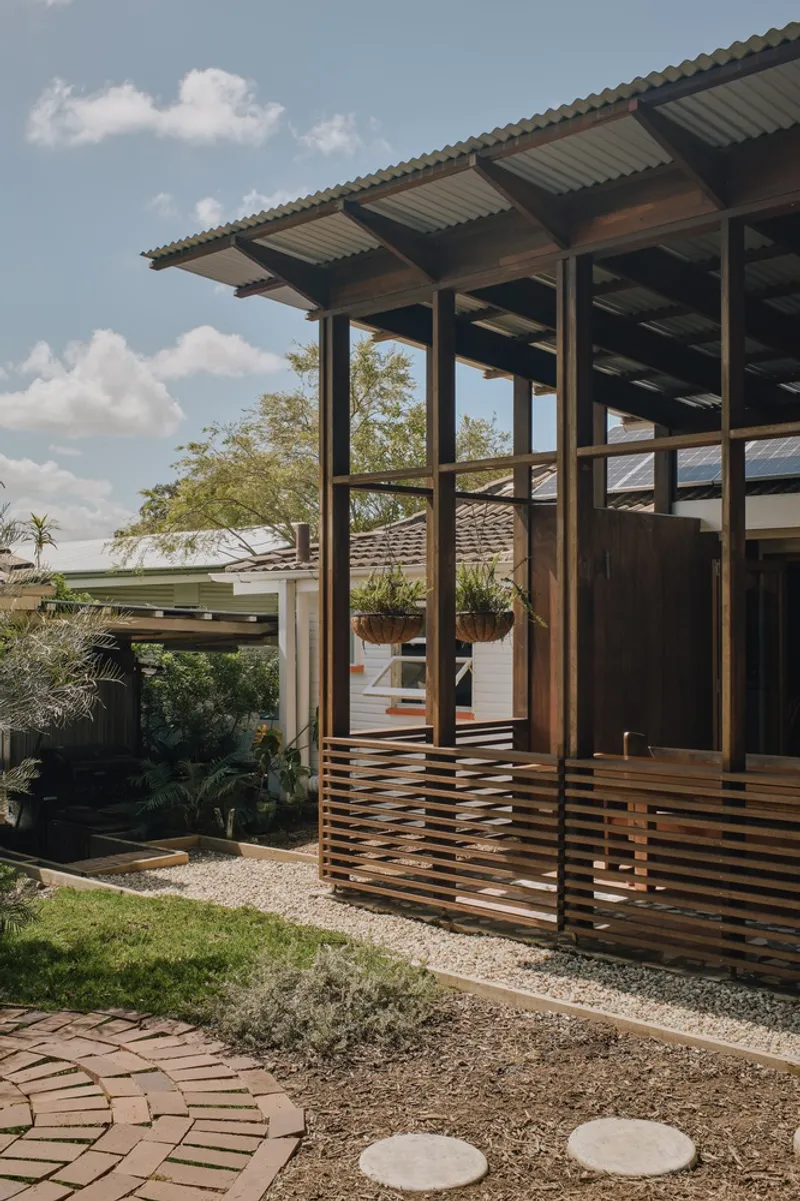
Taking cues from Queensland's rich architectural legacy, the pavilion reinterprets the traditional timber deck through modern detailing and proportion. Natural timber cladding allows the structure to blend into its verdant surroundings, making it feel more like a garden extension than a new addition. The warmth and tactility of the wood celebrate local craftsmanship and further reinforce the pavilion’s identity as a communal, transitional space that encourages outdoor living.

Reorganizing the Home for Light and Life
The broader renovation reorganized the home’s spatial logic. The living areas were repositioned to the north to capture light and warmth, while the bedrooms shifted southward to enhance privacy and comfort. A continuous joinery wall subtly divides these zones while integrating core domestic functions. This clever design houses the kitchen, fireplace, bookshelf, entry nook, and storage within one visually seamless element, with concealed doors leading to the private areas of the home.
Reclaimed Materials and Circular Thinking
At the heart of the Kenmore Pavilion is a deep commitment to sustainability. A wide array of reused and repurposed materials gives the project both character and conscience. The terracotta floor in the pavilion was salvaged from the original house. Tiles and timber were sourced from leftover construction projects and neighboring developments. Garden beds and planter boxes were constructed from recycled bricks and beams, and even the chicken coop was assembled from discarded cedar and framing timber. These sustainable choices avoid unnecessary landfill waste and extend the narrative of the original house through contemporary construction.
Energy Efficiency at Its Core
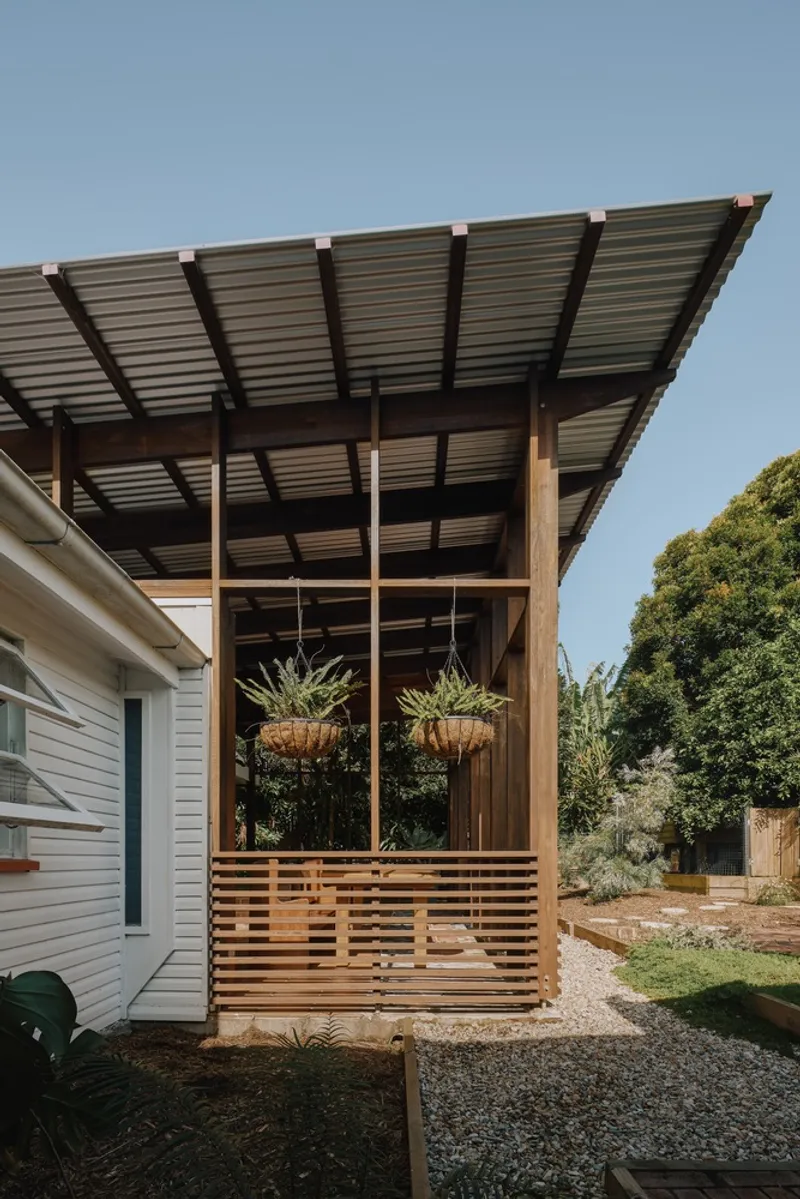
A 6.6 kW solar panel system now powers the home, signaling a long-term investment in renewable energy. This, combined with passive design principles such as orientation, material selection, shading, and natural ventilation, minimizes the environmental impact while maximizing user comfort.

A Pavilion That Connects and Adapts
The final design delivers more than just additional space—it fosters interaction, leisure, and ecological awareness. The pavilion acts as a multi-use zone: it can host family lunches, serve as a quiet retreat, or accommodate a lively evening gathering. It is at once domestic and open-ended, capturing the essence of Australian outdoor living while remaining deeply connected to its site, its climate, and its time.

The Kenmore Pavilion is a thoughtful, intimate project that demonstrates how sustainable pavilion house design in Australia can deliver powerful results through sensitivity, reuse, and spatial intelligence. It stands as an understated model of what domestic architecture can be when driven by care, not consumption.


All photographs are works of Andy Macpherson




Popular Articles
Popular articles from the community


Co-life: Sustainable Architecture for Age-Friendly Community Living
Co-life reimagines sustainable architecture for seniors through courtyards, rammed earth, shared gardens, and spaces designed for belonging.
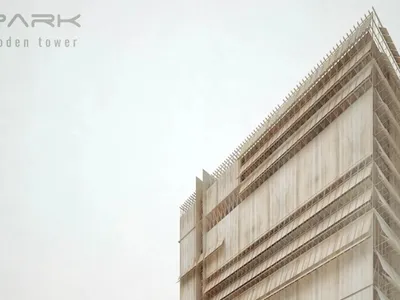
EW PARK: Sustainable Architecture Reimagines the Future of Urban Parking
EW PARK reimagines city parking as a modular wooden tower combining automation, solar energy, electric mobility, and adaptable urban design.

The Earth Pod: 3D Printed Homes for Resilient Refugee Communities
The Earth Pod reimagines refugee housing through 3D printed homes made from clay, combining resilience, self-sufficiency, and rapid shelter.

The Ocean Hive: Sustainable Architecture for a Self-Sufficient Civilization at Sea
The Ocean Hive imagines sustainable architecture at sea, where modular habitats, algae, wave power and ocean waste sustain a growing colony.


Similar Reads
You might also enjoy these articles

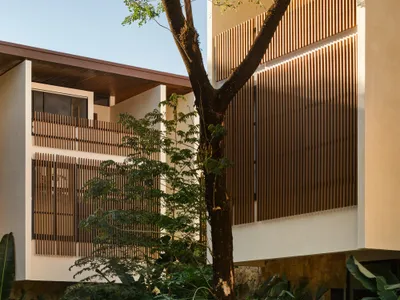
FAMM Arquitectura Organizes Ten Villas Around Courtyards and Jungle in Nosara, Costa Rica
El Molino pairs two elongated volumes with deep overhangs and timber louvers to build a compact coastal community five minutes from the beach.
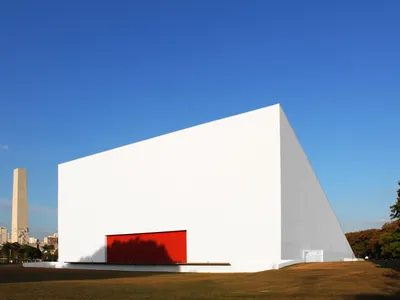
Oscar Niemeyer's Ibirapuera Park Pavilions Define São Paulo's Cultural Identity in Concrete and Curve
A constellation of modernist volumes set within São Paulo's most important urban park, conceived for the city's 400th anniversary in 1954.
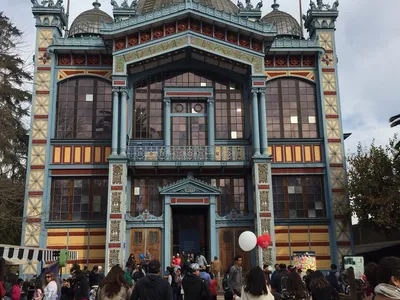
How Henri Picq's 1889 Paris Pavilion Traveled 11,000 Kilometers to Become Santiago's Artequín Museum
A prefabricated iron and glass pavilion built for the Paris Universal Exposition found a second life as a children's art museum in Chile.
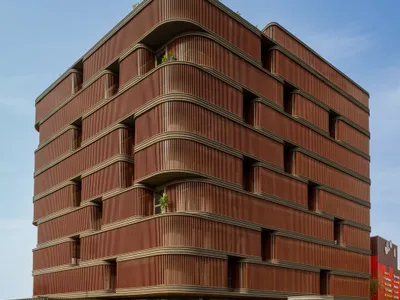
Sanjay Puri Architects Wraps a Jaipur Office Tower in Capsule-Shaped Green Buffers
A nine-level climate-responsive workplace near Jaipur Airport uses stacked planter terraces and aluminium screens to fight 40°C heat.


Explore Architecture Competitions
Discover active competitions in this discipline



Challenge to reimagine the Iron Throne


Photograph architecture without architects


Illustrate the lost glory of Angkor Wat - Render Challenge


Design challenge to reuse E-waste
Comments (0)
Please login or sign up to add comments
No comments yet. Be the first to comment!