
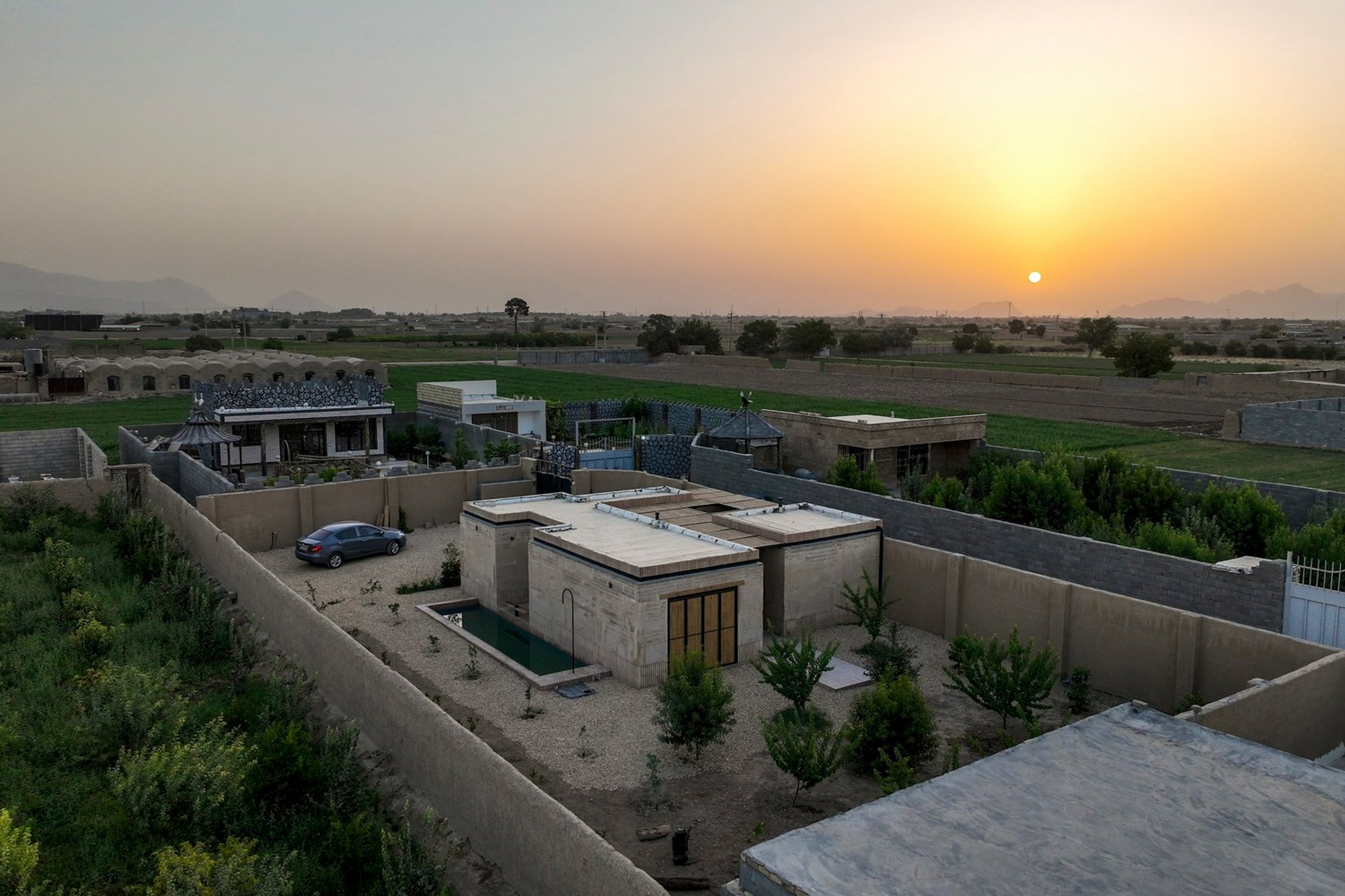
Khaki House by EZ Studio: A Harmony of Earth and Architecture
Khaki House by EZ Studio blends rammed earth construction, sustainable design, and vernacular architecture, creating a seamless harmony between nature and modern living.

A Home Rooted in Nature
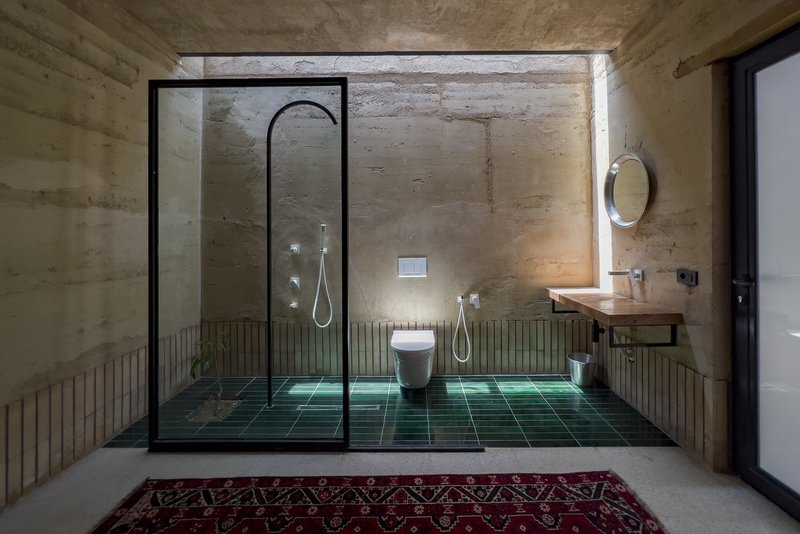
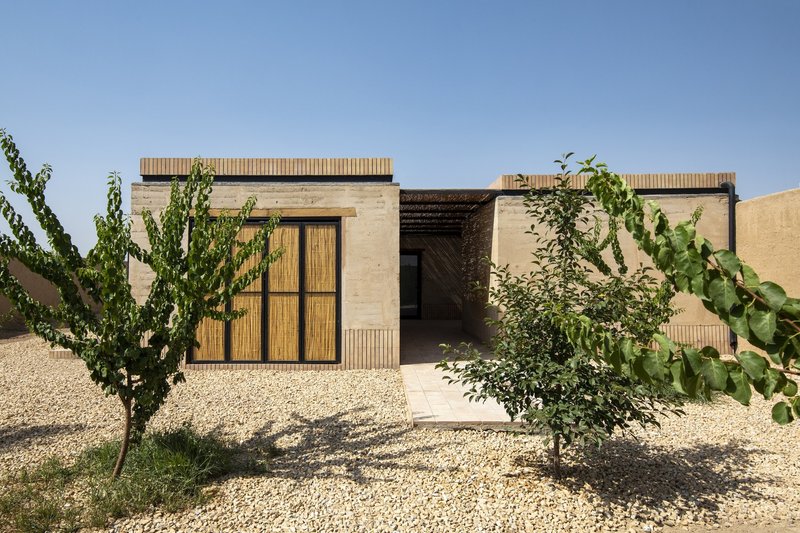
Khaki House is more than just a residence—it is an architectural response to its environment. Designed by EZ Studio, the project embraces sustainable architecture, using rammed earth construction to create a seamless integration between the built and natural environment. Located in Qahdarijan, Iran, the house reflects a balance between modern living and vernacular traditions, promoting eco-friendly design and low-energy construction.
Minimalist Design with a Strong Identity
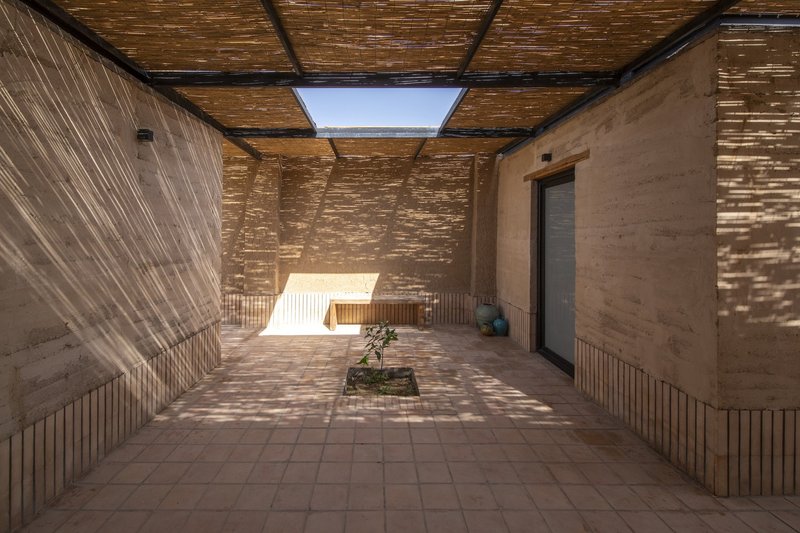
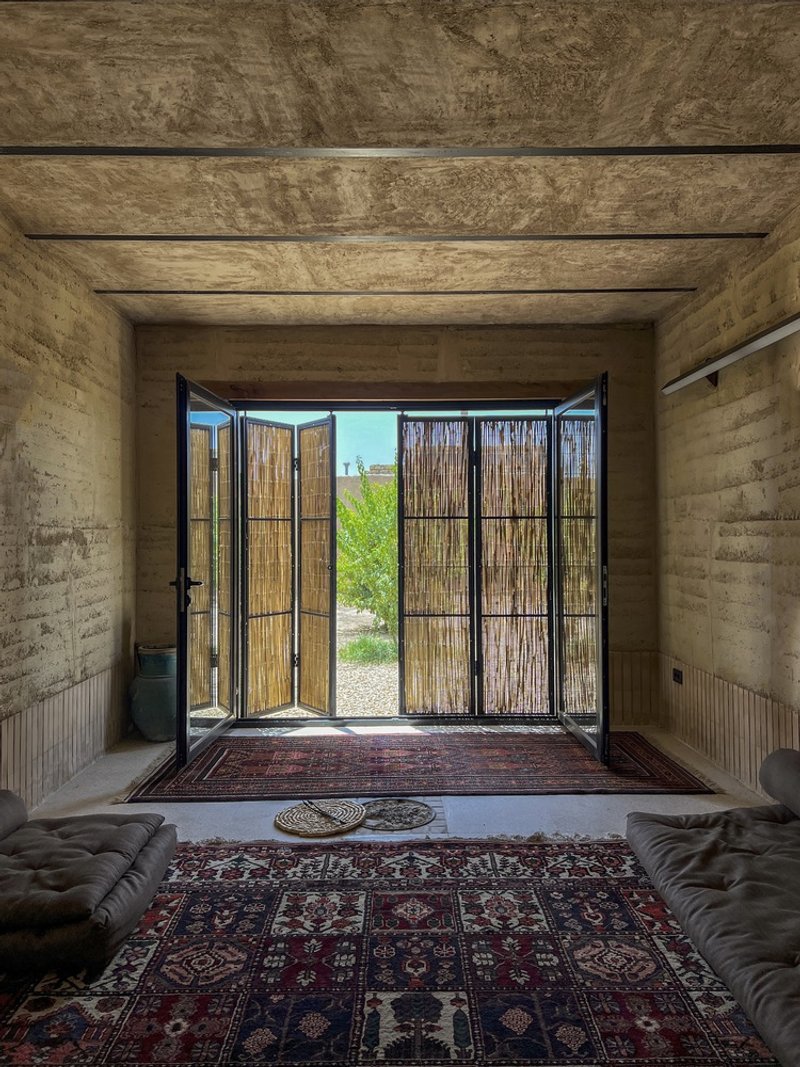
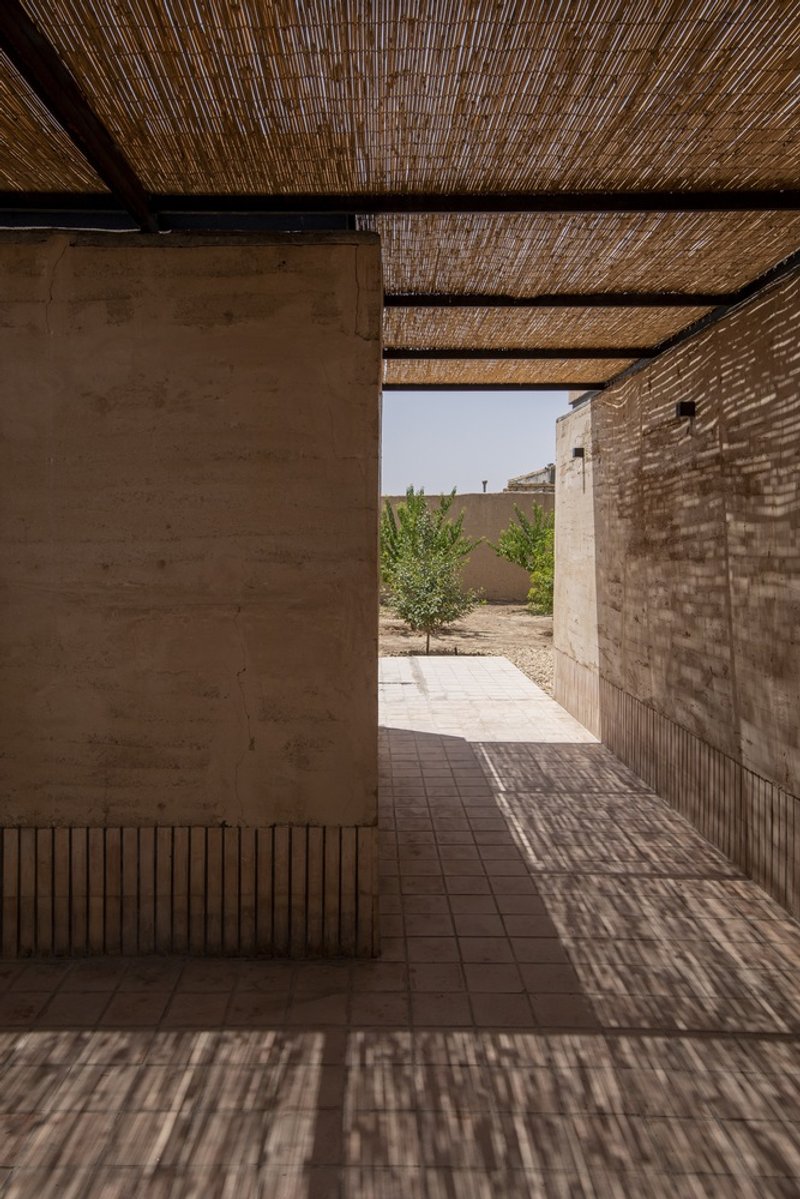
The concept behind Khaki House was to subtract rather than add, focusing on the power of empty spaces to define the home’s character. The structure is not just a shelter but an interactive space that blurs the line between interior and exterior, allowing natural light, air, and materials to enhance its biophilic design. The architectural voids create dynamic movement, inviting residents to explore and experience changing atmospheres throughout the day.
A Sustainable Approach with Rammed Earth
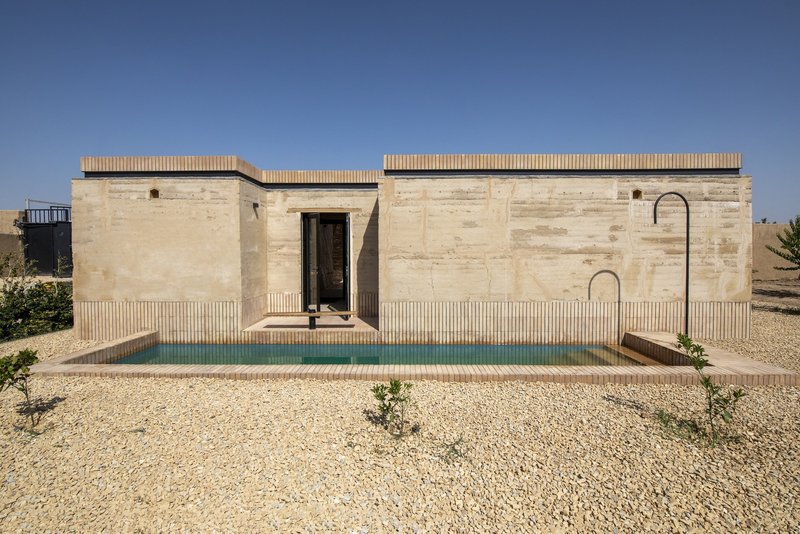
One of the oldest and most sustainable building materials, rammed earth, was chosen for its thermal efficiency, durability, and environmental benefits. The construction process involved:
- Excavating and granulating the earth
- Layering it into wooden molds
- Manually compacting each layer to create strong, natural walls
This traditional method, guided by local craftsmen, ensured the home’s integration with its surroundings while minimizing its ecological footprint. The result is a low-impact, energy-efficient dwelling that remains comfortable across seasons.
Urban Comfort Meets Rural Simplicity
Khaki House was not designed as a villa but as a bridge between urban and rural life. It provides the comforts of modern living within a structure that respects its cultural and environmental context. The layout encourages interaction with nature, while the carefully placed windows and pathways frame views of the sky, creating a peaceful sanctuary for its inhabitants.
This project exemplifies vernacular architecture, proving that sustainable housing can be both innovative and deeply connected to heritage.
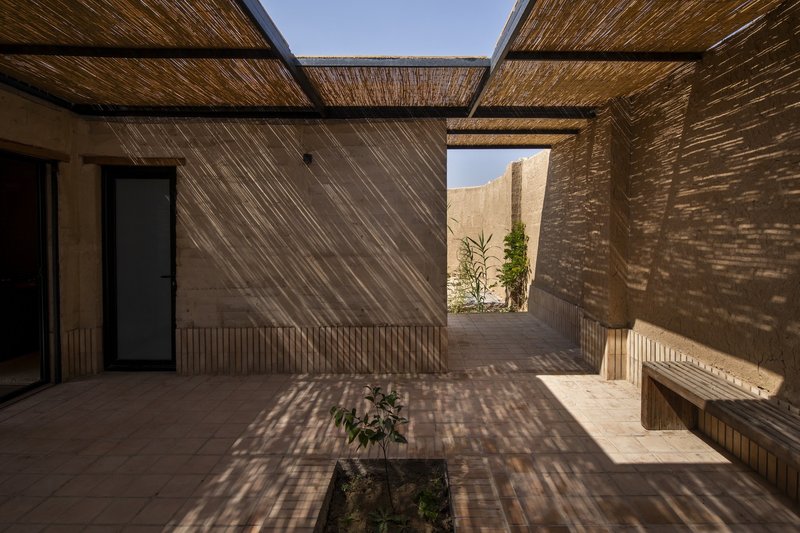
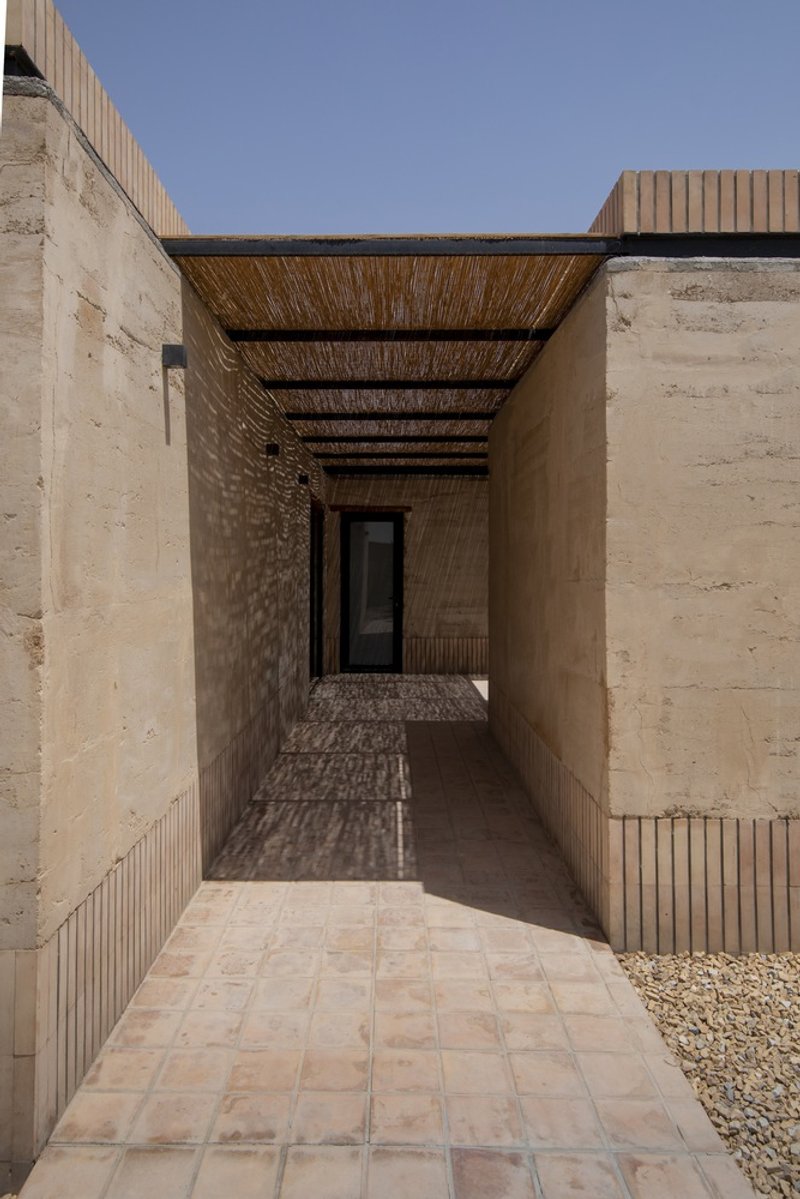
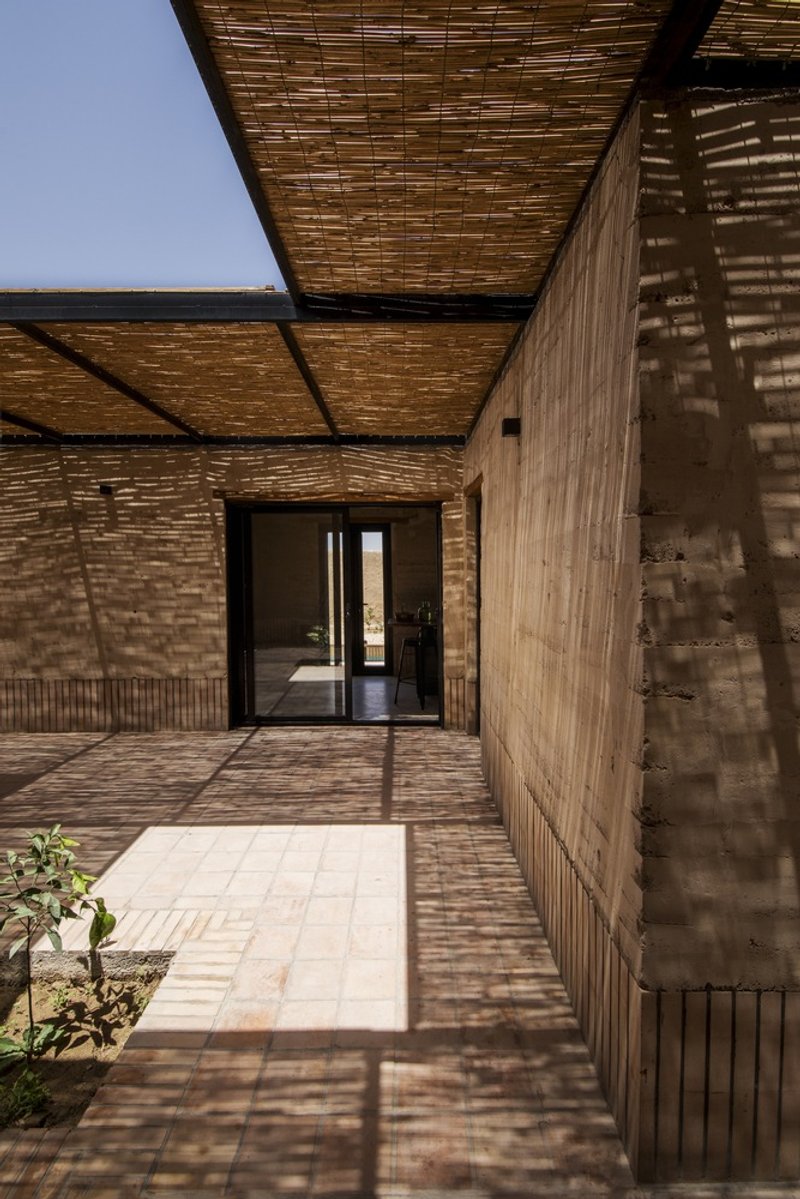
All Photographs are works of Ali Gorjian




Popular Articles
Popular articles from the community

Constanti Architects Builds a Fortress of Privacy in Nicosia with House 345
A concrete and timber residence in Cyprus reinterprets the traditional introverted courtyard house for a new urban landscape.
VEIVE Architects Builds a Mountain Hostel That Disappears into a Hangzhou Hillside
On the Huihang Ancient Trail in Xiangjian Village, a shelter of wood, steel, and rammed earth roots itself in the rural landscape.
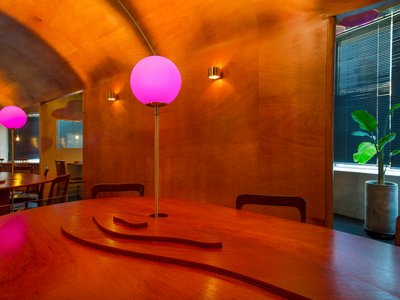
Indiesalon Carves a Plywood Cave into a Seoul Bistro's Second Floor
Munhwa Bistro's second Seongsu branch wraps diners in a laminated timber vault laced with colored light and mirror illusions.
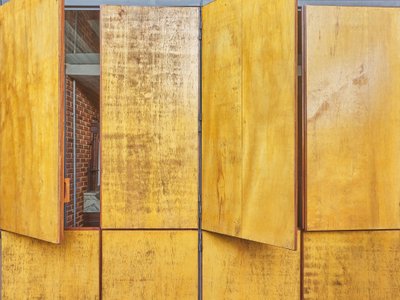
gru.a Builds a 70 m² Timber Shelter That Opens Like a Farm Door in Brazil's Valley of the Vines
In the mountainous region near Rio de Janeiro, a compact retreat uses plywood panels and deep eaves to blur the line between inside and out.

Similar Reads
You might also enjoy these articles

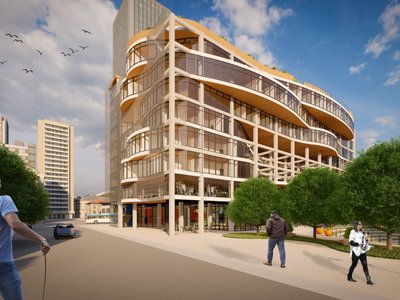
Olio Towers: A Mid-Rise for Performers That Fuses Housing, Rehearsal, and Stage
Located blocks from Houston's Theater District, this modular tower stacks living units around a central performance atrium.
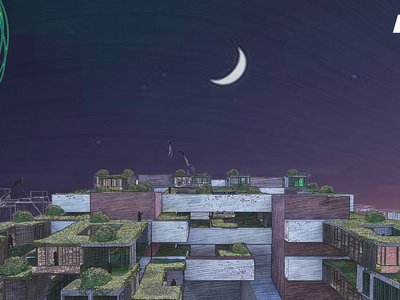
Oasis: Modular Green Housing Carved into Dhaka's Urban Fabric
A shortlisted Plugin Housing entry reclaims unauthorized settlements in Dhaka with stepped concrete volumes, green roofs, and ventilation-driven design.

Black Hole: A Floating Megastructure for the Post-Physical Era
Emiliano Mazzarotto envisions a spherical, self-scaling arena where e-sports, digital hotels, and holographic stadiums replace traditional public space.
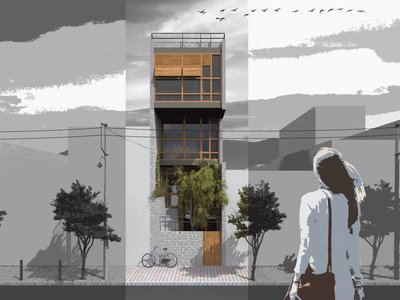
Compact & Sustainable Living in Piraeus: A Four-Level Family Home Built Around Light and Air
A narrow townhouse in one of Greece's densest port cities uses a central atrium and passive strategies to house three generations under one roof.
Explore Architecture Competitions
Discover active competitions in this discipline




The International Standard for Design Portfolios


The Global Benchmark for Architecture Dissertation Awards


The Global Benchmark for Graduation Excellence


Challenge to reimagine the Iron Throne
Comments (0)
Please login or sign up to add comments
No comments yet. Be the first to comment!