

KinderEarth
A sustainable approach to kindergarten design.

Issue:
Earth, this planet which we call our home, we are not saving, because all the problems that our planet is facing today are due to the human factor and the great influence we have on the planet. Global warming, ocean pollution, fertile land pollution, gold pollution; are all in the absence of human awareness of the danger that is threatening our common home: Earth. Nowadays we are seeing more and more different organizations aiming to educate people about their role in preserving our planet, but would it be more fruitful if this awareness happened at a young age, not after have we spent half our lives damaging our planet? One option that should be universally considered is for future generations to know at an early age the importance of preserving this planetary ecosystem by respecting all the living things with which we share this planet and without which our lives would be impossible.
Solution:
Awareness of children about the importance of living healthy in harmony with nature and all other living things should be taught to children from kindergarten where they receive most of the information that influences the creation of their character that will accompany them throughout life. Undoubtedly, the role of architecture is special in this process, where through adequate design, children will be able to learn and at the same time spend an attractive time in the kindergarten spaces. Some of the key points to focus on in designing a kindergarten are:
Open System: An open kindergarten system is much needed today, given the pace at which the world is evolving and seeing the many problems that the traditional kindergarten has, which are often affecting young people badly. In an open system, children are free to choose the activity they want to do during their time and are not forced to stay in undesirable environments. This freedom of choice affects all subsequent stages of life, rushing them to pursue their dreams and aspirations and be successful in the field they desire rather than in the directions the system prefers. So, we would have a fusion between passion and profession, where work would not be work, but it would be fun.
Natural materials: Undoubtedly the main role of Architecture in the environment is the adequate choice of building materials. By choosing sustainable, recyclable materials and in harmony with nature and the environment in which it is built, no doubt, and in addition to avoiding harmful effects in nature, we would give an example to the users of those facilities, how also with natural elements all functional requirements are met?
Relation to nature: A key element in creating future generations who would be aware of the importance of preserving nature and living things, is their connection to nature from an early age. The way to teach children about healthy eating is to involve them in the cultivation of fruits and vegetables in their garden, so in contemporary kindergartens should be designed areas for planting vegetables. Another important problem is water pollution and the destruction of many underwater habitats where many underwater creatures are in danger of extinction. Therefore, the involvement of the aquatic world in kindergartens is very necessary as children get acquainted with different aquatic creatures and create a closeness between them, thus being educated about the importance of protecting the seas and oceans from pollution as they are home to millions of creatures.
Respecting the location: This is a very important element in any project as we must first analyze the location and the impact that that object may have on it and then start with the project, so we must keep in mind to have a minimal impact on the location without damaging the greenery, visors, etc. So as much as possible to adapt to nature so that the object and nature will have a symbiosis.
In conclusion: When the time comes for the child to finish kindergarten and continue with the other stages of schooling, he will be much better prepared for the processes that await him during his life, which he will overcome without harming planet earth.



Popular Articles
Popular articles from the community

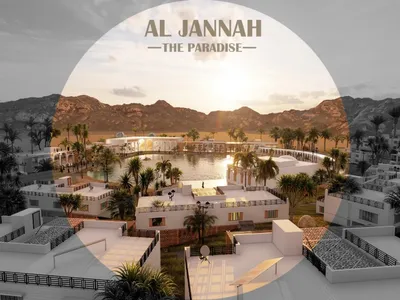
AL-JANNAH: Sustainable Architecture and Permaculture for Afghan Widows
AL-JANNAH uses sustainable architecture and permaculture to create resilient oasis of housing, learning, work and renewal for Afghan widows.

Conexión: Biophilic Design Reimagines High-Rise Living in Hong Kong
Conexión reimagines high-rise living in Hong Kong through biophilic design, green facades, shared spaces, daylight, water and nature within.

Riyadh For All: Intergenerational Urban Design for Active Aging in Rabat
Riyadh For All reimagines urban design in Rabat with intergenerational co-living, adaptive courtyards, and Moroccan cultural exchange today.

The Earth Pod: 3D Printed Homes for Resilient Refugee Communities
The Earth Pod reimagines refugee housing through 3D printed homes made from clay, combining resilience, self-sufficiency, and rapid shelter.

Similar Reads
You might also enjoy these articles

Day and Night Park: A Time-Based Urban Newsstand in Beijing
A temporary urban newsstand in Beijing blending travel, light, and reading through poetic colors, compact form, and community-focused design.

Modernist Patio Renovation in El Masnou, Barcelona by Oliver Segura Arquitectura + Cebrià Arquitectura
Modernist patio renovation blending tradition and innovation with a movable pool, leveled floors, and Catalan materials in El Masnou.

Alto Residencial Coop: Cooperative Housing Development in Santiago de Compostela by Carbajo Barrios Arquitectos
A linear cooperative housing complex blending white volumes and perforated metal façades, enhancing community living, natural light, privacy, and urban integration.
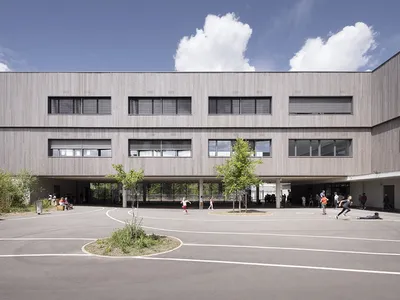
Vil Genis School by BPA ARCHITECTURE – Massy, France
Vil Genis School in Massy, France, features sustainable design, south-facing classrooms, community integration, accessible spaces, and modern educational architecture.


Explore Green Architecture Competitions
Discover active competitions in this discipline




Challenge to design public laboratory


Challenge to reimagine the Iron Throne


Photograph architecture without architects


Illustrate the lost glory of Angkor Wat - Render Challenge
Comments (0)
Please login or sign up to add comments
No comments yet. Be the first to comment!