
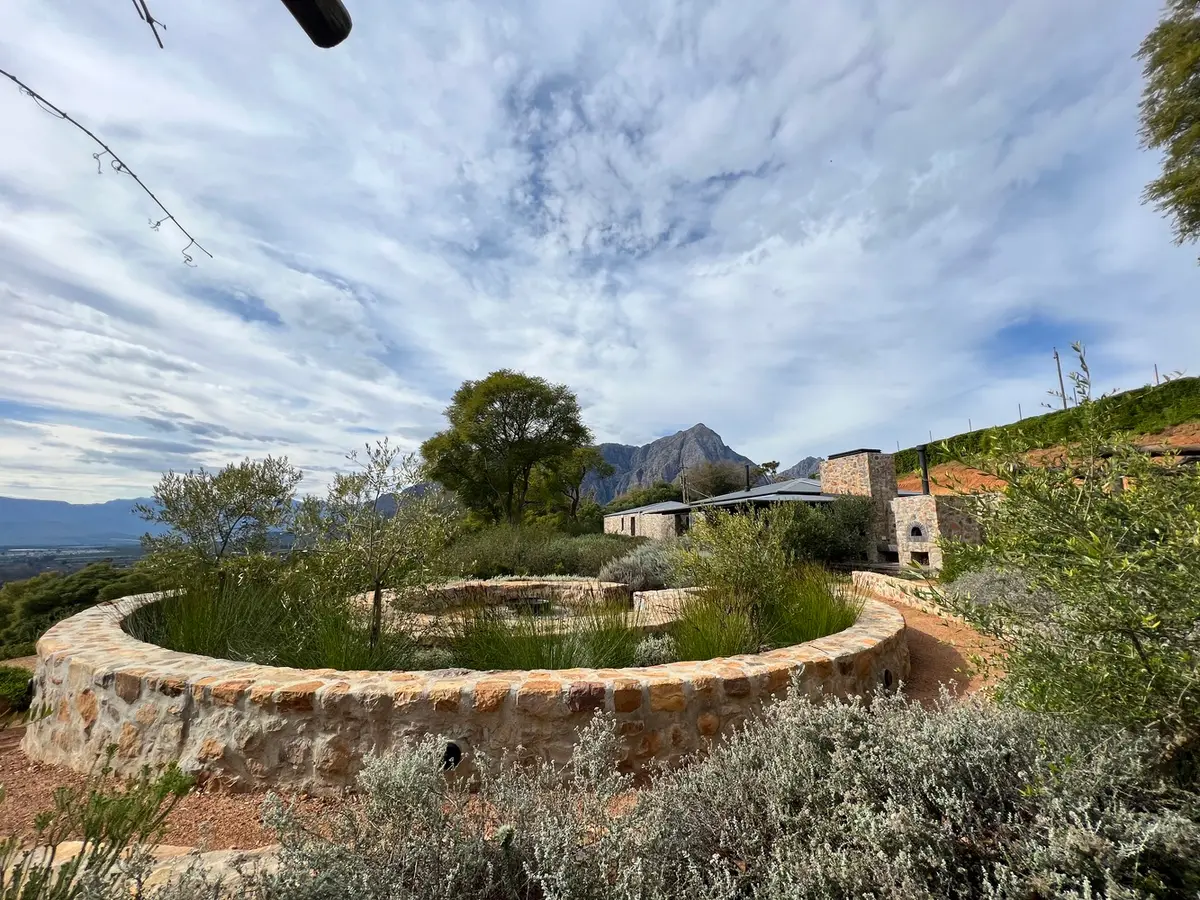
Kliphuis for Capensis Wines by Slee & Co Architects: A Terroir-Driven Winery Architecture in Stellenbosch
Terroir-driven winery blends stone, timber, and landscape, framing mountain views while offering intimate, climate-responsive tasting spaces rooted in fynbos ecology.


Set within the agricultural landscape of Stellenbosch, the Kliphuis for Capensis Wines is a carefully crafted architectural response to land, climate, and culture. Designed by Slee & Co Architects, this 423-square-metre winery, tasting space, and farm office exemplifies contemporary South African architecture rooted deeply in place. Completed in 2022, the project demonstrates how material authenticity, sustainable construction, and landscape sensitivity can elevate the wine-tasting experience into an immersive spatial narrative.
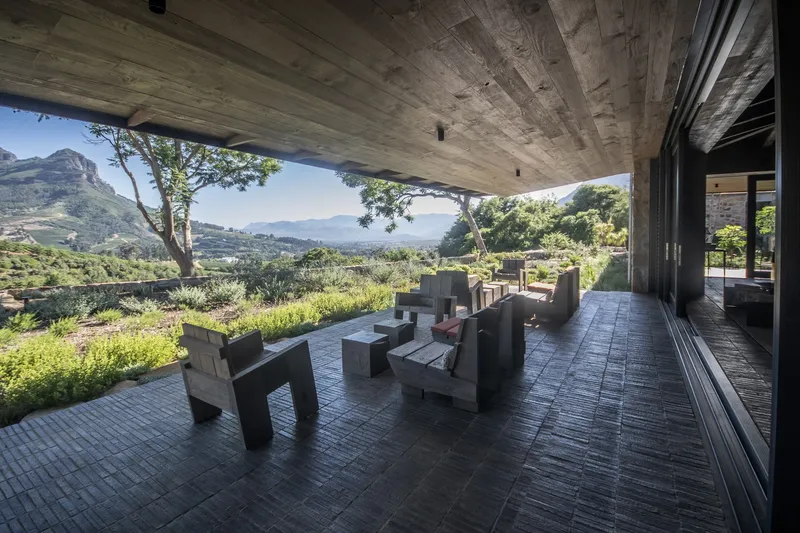
Architecture Shaped by Fynbos Landscape and Mountain Vistas
The design brief called for a building that would draw directly from the unique characteristics of the indigenous fynbos landscape, blending harmoniously into its surroundings while framing uninterrupted views toward Simonsberg and the Drakenstein Mountains. Rather than occupying valuable arable land, the Kliphuis was positioned on an existing stone terrace, previously home to a modest farm cottage. This strategic siting reinforces the project’s commitment to agricultural preservation and minimal land disturbance.
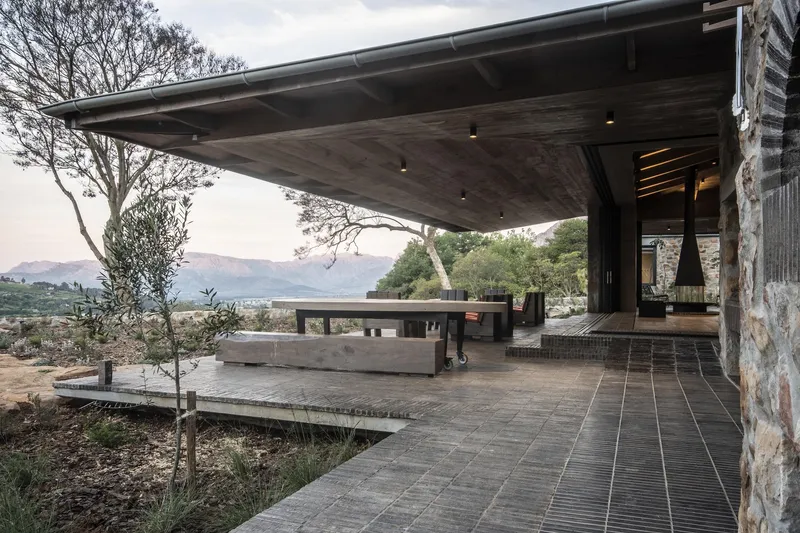
The architectural composition is deliberately low-slung and understated. Dark corrugated metal roofs appear to float above thick stone walls, echoing the horizontality of the valley and ensuring the building remains visually recessive within the landscape. The result is a winery structure that feels timeless, grounded, and inseparable from its setting.
Stone, Timber, and Craft: A Material Language of Place
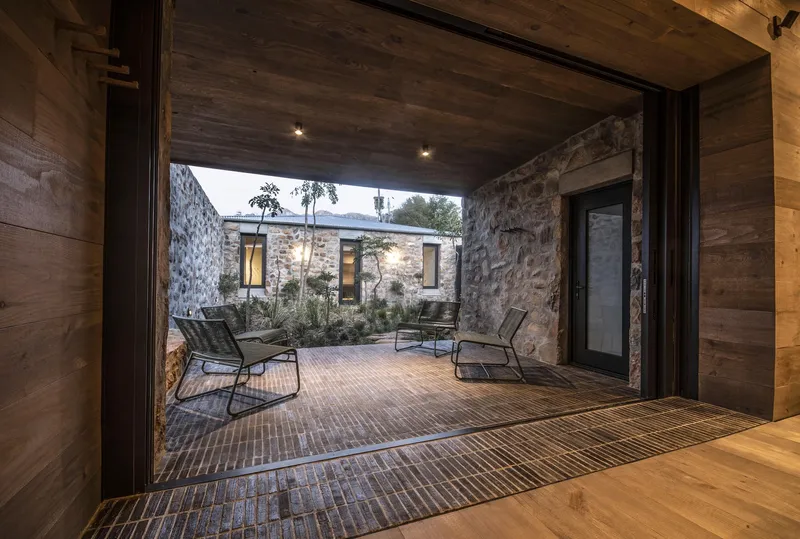
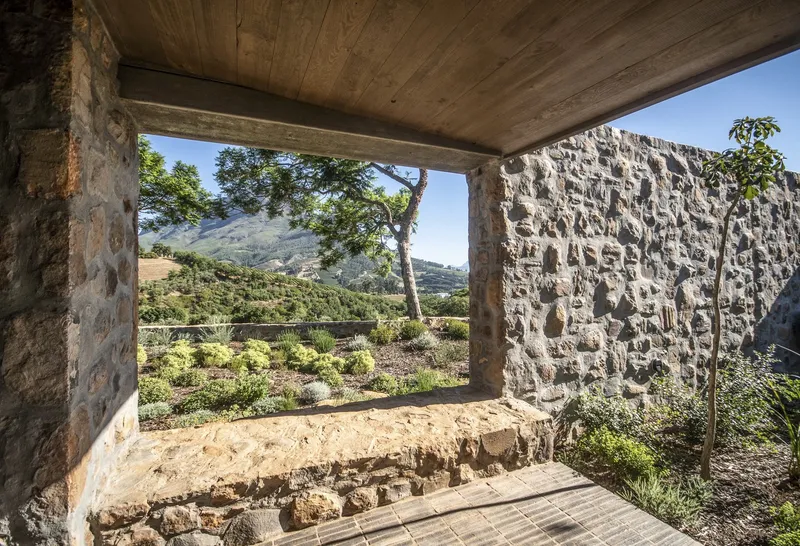
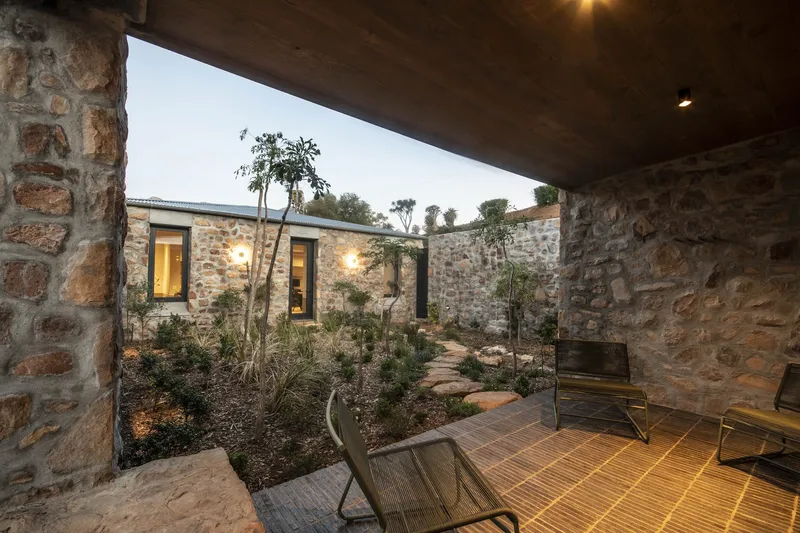
Materiality is central to the identity of the Kliphuis. Stone harvested directly from the farm was reused to extend the original terrace walls, forming the primary structure of both the tasting area and the farm office. These walls were constructed using an informal, handcrafted technique that mirrors the existing agricultural masonry, reinforcing continuity between old and new.
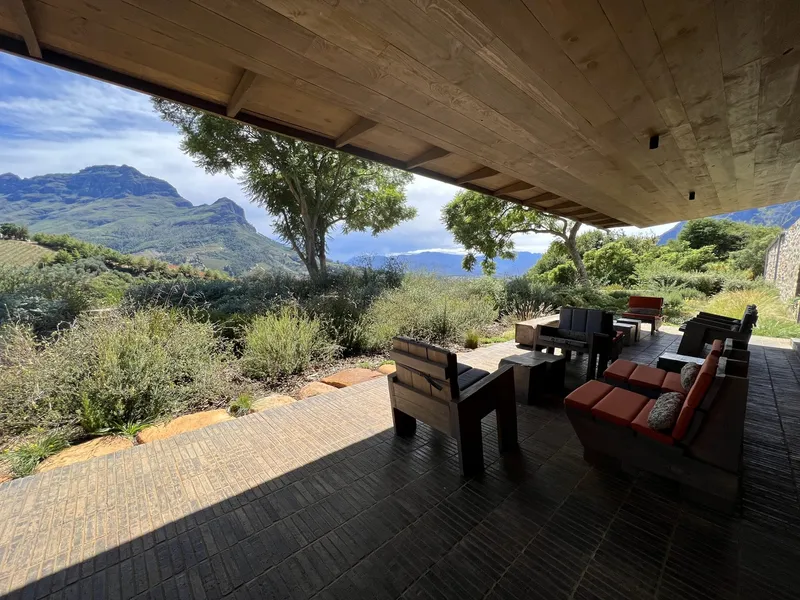
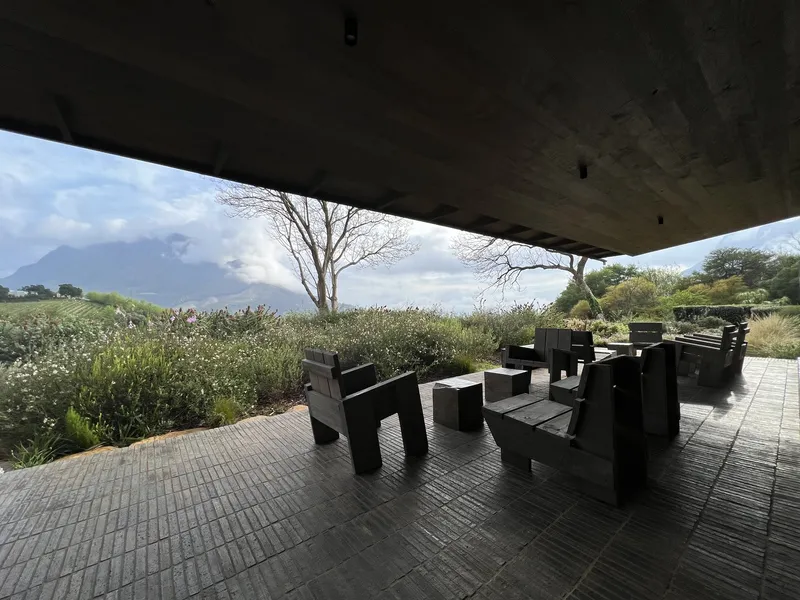
Timber plays an equally vital role. All wood used throughout the building: roof structure, ceilings, floors, wall cladding, and bespoke furniture, originated from alien tree deforestation on the farm. Logs were cut, sawn, and dried on site, transforming an environmental challenge into a sustainable material resource. This circular construction approach aligns the project with broader principles of ecological stewardship and low-impact architecture.
Spatial Organization for Bespoke Wine Experiences
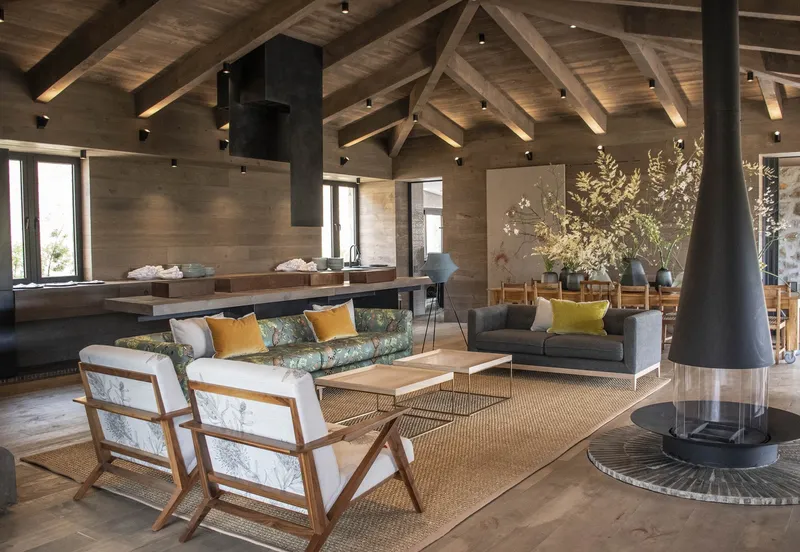
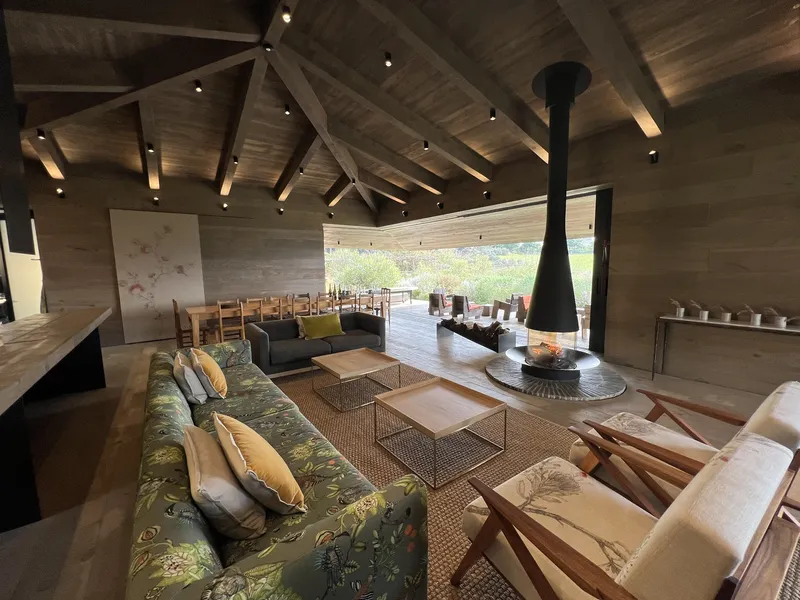
The Kliphuis is organized around a sheltered courtyard that separates the functional farm office from the experiential tasting spaces. The tasting room itself is conceived as a flexible, open-plan environment designed to accommodate bespoke wine-tasting experiences tailored to individual clients. Within this space, a lounge area with a fireplace offers comfort and intimacy, while a long tasting table seats up to 18 guests, encouraging communal engagement around wine.
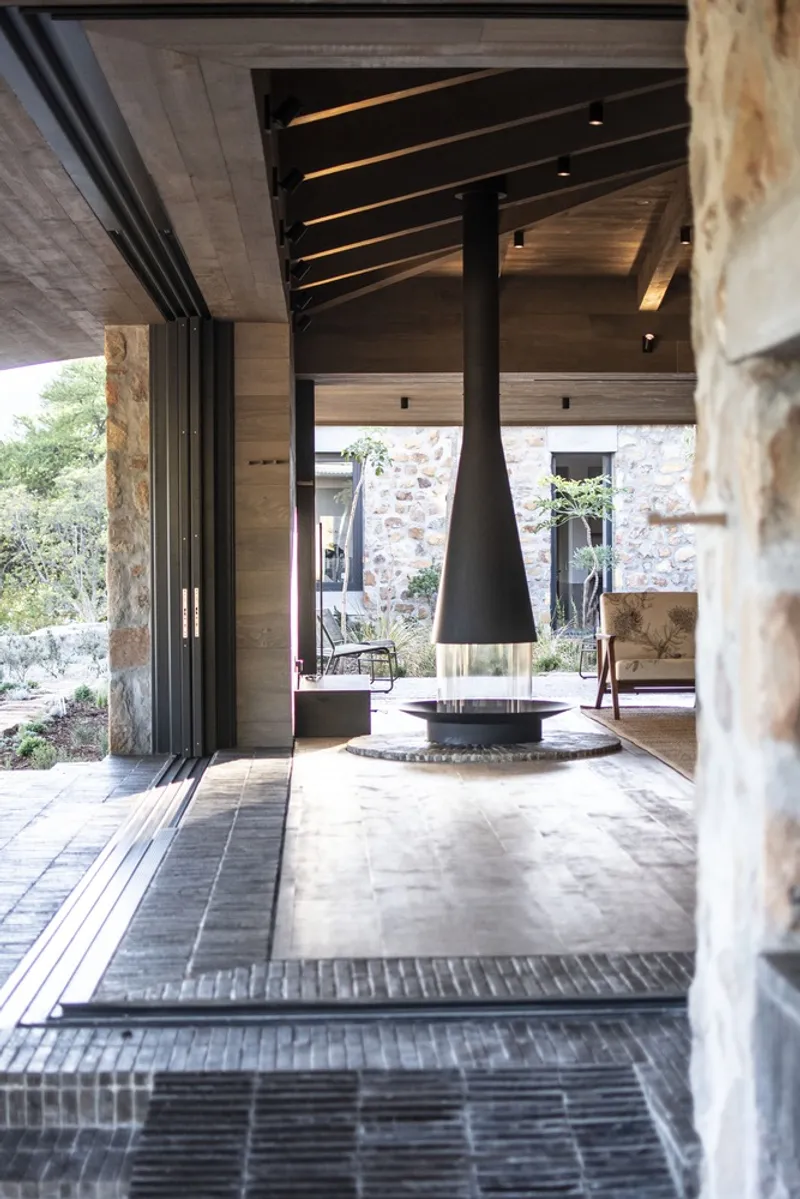
A serving counter doubles as a chef’s demonstration kitchen, supported by a compact, fully equipped industrial kitchen. This spatial layering allows wine, food, and conversation to merge seamlessly, transforming tastings into curated culinary events. Sliding aluminium-glazed doors retract fully into cavities within the stone walls, dissolving boundaries between interior and exterior.
Indoor, Outdoor Living and the Stoep Tradition
True to Cape architectural traditions, the project extends outward onto a generous stoep overlooking the Banhoek Valley. This outdoor platform functions as an extension of the tasting room, enabling year-round engagement with the landscape. A large Cape hearth supports outdoor cooking, complemented by a pizza oven and a fire pit set within the surrounding fynbos garden.
At the far end of the terrace, beneath a revived vine pergola, a long tasting table invites guests to linger outdoors during calm, windless days. This sequence of spaces, from interior lounge to stoep to garden, creates a gradual transition between architecture and nature, reinforcing the sensory qualities of wine tasting.
Climate-Responsive Winery Design
Environmental comfort is addressed through passive and low-energy strategies suited to the Western Cape climate. An evaporative cooling system allows summer cooling without sealing the building, enabling doors to remain open to views and breezes. During colder, wetter winters, a double-combustion wood fireplace efficiently heats the tasting room, ensuring a warm and inviting atmosphere without excessive energy use.
These systems reflect a broader commitment to climate-responsive architecture, where comfort is achieved through design intelligence rather than mechanical dependency.
Interior Atmosphere and Craftsmanship
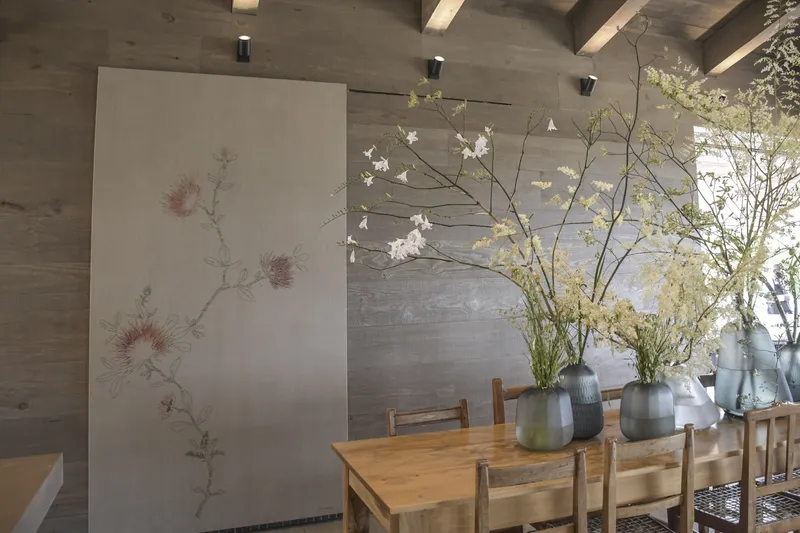
Inside, the architectural palette remains restrained and tactile. Soft furnishings and minimal artwork reflect the muted tones of the surrounding landscape, allowing materials and light to define the atmosphere. Custom-built furniture: including counters, tables, sideboards, and cabinetry, was crafted from farm-sourced timber, reinforcing the project’s narrative of local production and artisanal care.
The interiors strike a balance between refinement and rusticity, offering a calm, contemplative setting that allows the character of the wine and the landscape to take center stage.
A Contemporary Expression of Terroir Architecture
The Kliphuis for Capensis Wines stands as a compelling example of terroir-driven architecture, where land, material, and program are inseparably intertwined. By respecting agricultural heritage, embracing sustainable construction, and crafting spaces for meaningful human experience, Slee & Co Architects have created a winery that is not merely a destination, but an extension of the vineyard itself.
This project demonstrates how contemporary winery architecture can move beyond iconic form-making to instead cultivate authenticity, environmental responsibility, and a profound sense of place.
All photographs are works of
Carla Schnetler


Popular Articles
Popular articles from the community

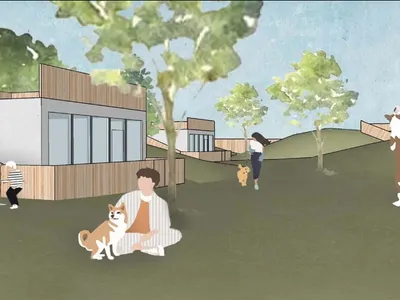
Temporary Home for Dogs: A Reversed Zoo Rethinks Animal Shelter Architecture
In Bucharest, a sinuous corridor and freed landscape flip the logic of containment, designing a shelter that works to make itself unnecessary.

The Amber Palace Opera: A Geological Fiction Surfaces on Tallinn's Baltic Waterfront
Pierre Brillard reimagines a Baltic legend as a public landscape, opera house, and waterfront promenade rooted in Tallinn's coastal identity.
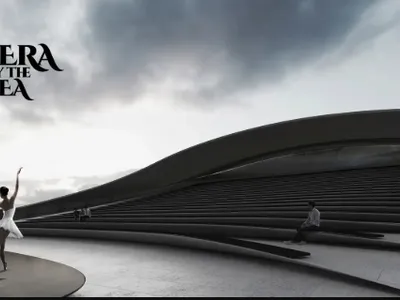
Opera by the Sea Estonia: Three Shells Dissolving Architecture into Tallinn's Coastline
A winning opera house proposal replaces monumental form with interconnected shells that blur the boundary between building, park and Baltic Sea.
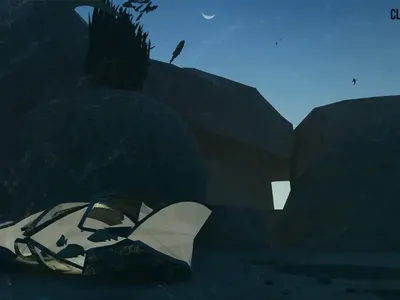
Cloaked Colonization: A Mobile Underwater Habitat That Moves Like a Fish
Micah Abaya's shortlisted EHC Pacific entry reimagines ocean settlement as a dispersed network of self-sustaining architectural organisms.

Similar Reads
You might also enjoy these articles


FAMM Arquitectura Organizes Ten Villas Around Courtyards and Jungle in Nosara, Costa Rica
El Molino pairs two elongated volumes with deep overhangs and timber louvers to build a compact coastal community five minutes from the beach.

Oscar Niemeyer's Ibirapuera Park Pavilions Define São Paulo's Cultural Identity in Concrete and Curve
A constellation of modernist volumes set within São Paulo's most important urban park, conceived for the city's 400th anniversary in 1954.

Sanjay Puri Architects Wraps a Jaipur Office Tower in Capsule-Shaped Green Buffers
A nine-level climate-responsive workplace near Jaipur Airport uses stacked planter terraces and aluminium screens to fight 40°C heat.
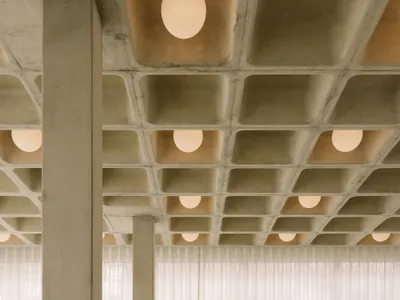
RHO Converts a Berlin Spree-Side Industrial Courtyard into Enkime's 1,000 m² Agency Headquarters
A social media agency's new home in Charlottenburg trades glossy branding for concrete waffle ceilings, glazed tile, and sheer curtains.

Explore Sustainable Design Competitions
Discover active competitions in this discipline

Challenge to reimagine the Iron Throne

Photograph architecture without architects

Illustrate the lost glory of Angkor Wat - Render Challenge

Design challenge to reuse E-waste
Comments (0)
Please login or sign up to add comments
No comments yet. Be the first to comment!