
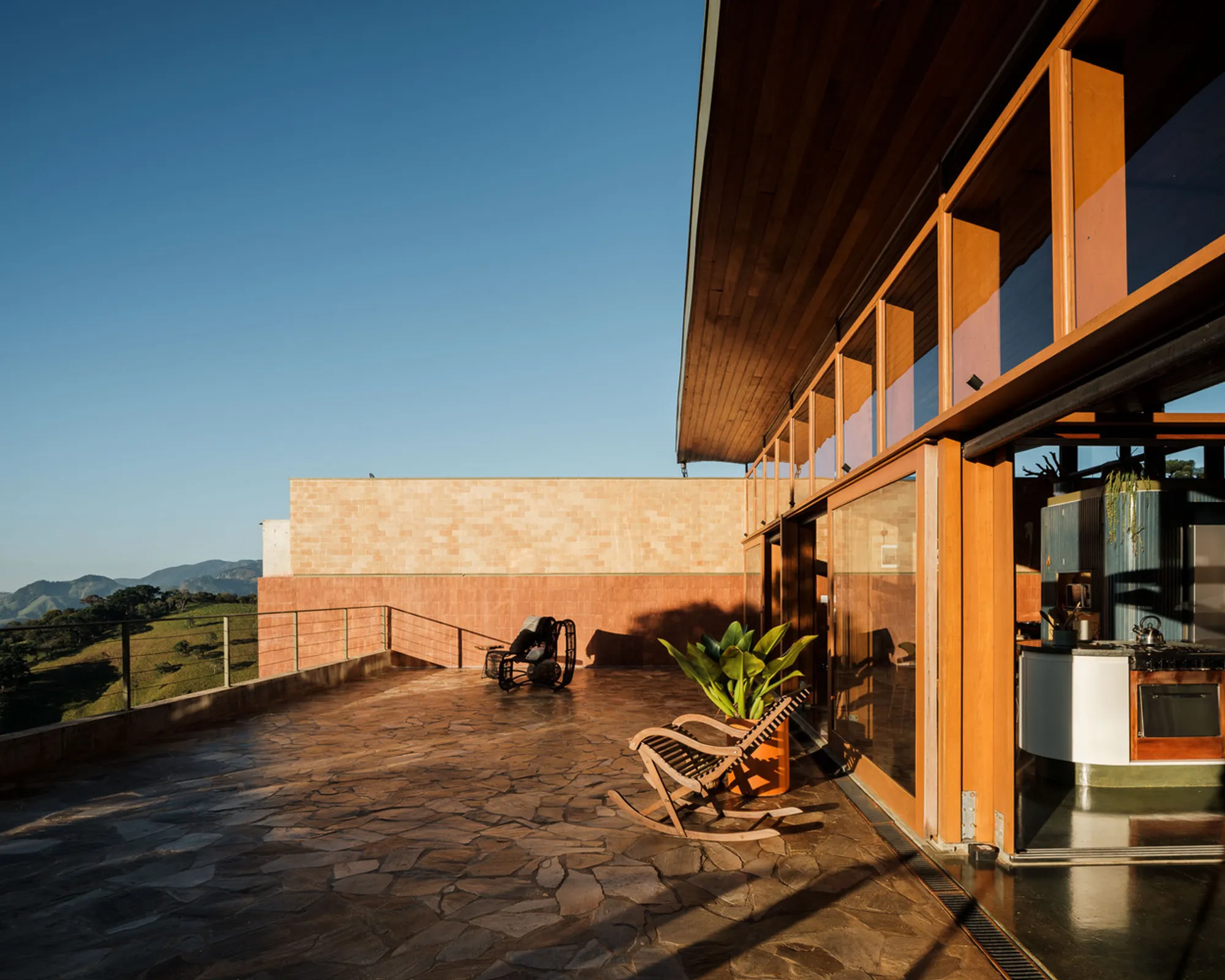
Koba House Estúdio HAA: A Sustainable Retreat in the Mantiqueira Mountains
Koba House by Estúdio HAA is a sustainable retreat in Brazil's Mantiqueira Mountains, harmonizing architecture with nature through local materials.


The Koba House, designed by Estúdio HAA, is a stunning architectural retreat nestled in the high-altitude landscape of Gonçalves, Brazil. Situated 1,450 meters above sea level within the Mantiqueira Mountains, the house responds to the unique climate and steep terrain while seamlessly integrating local materials and traditional building techniques.

Designing with Nature in Mind
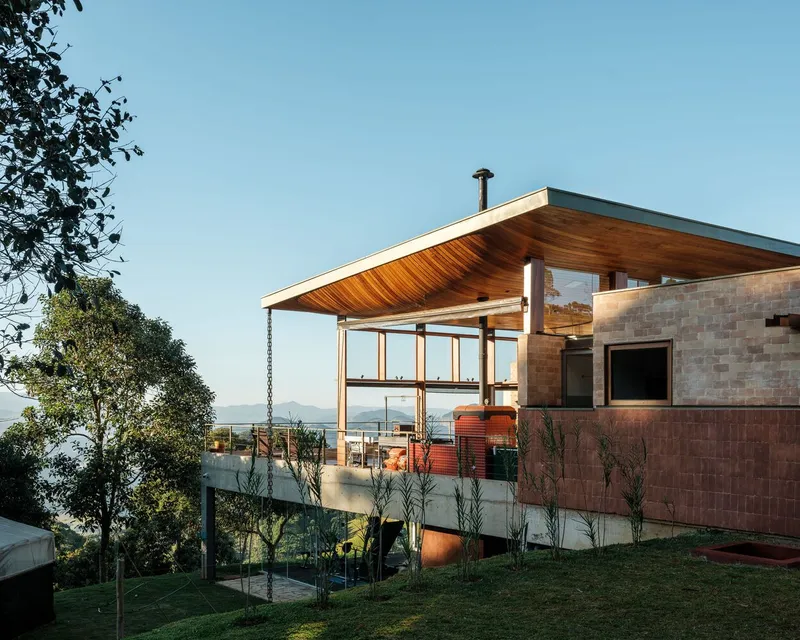
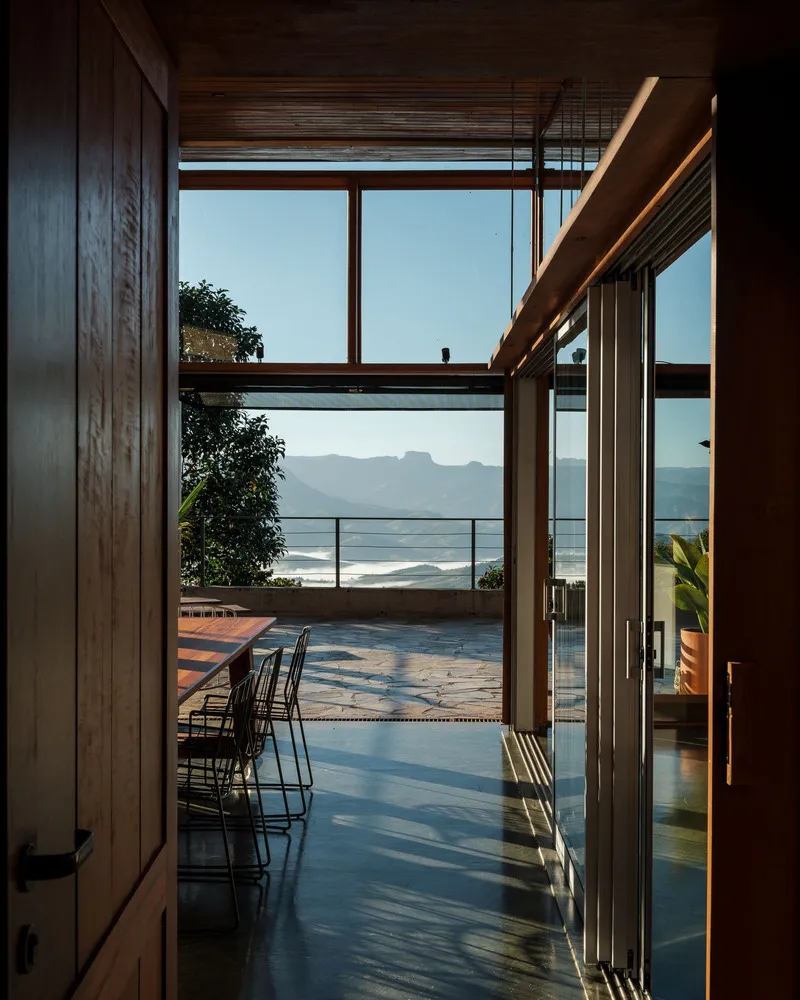
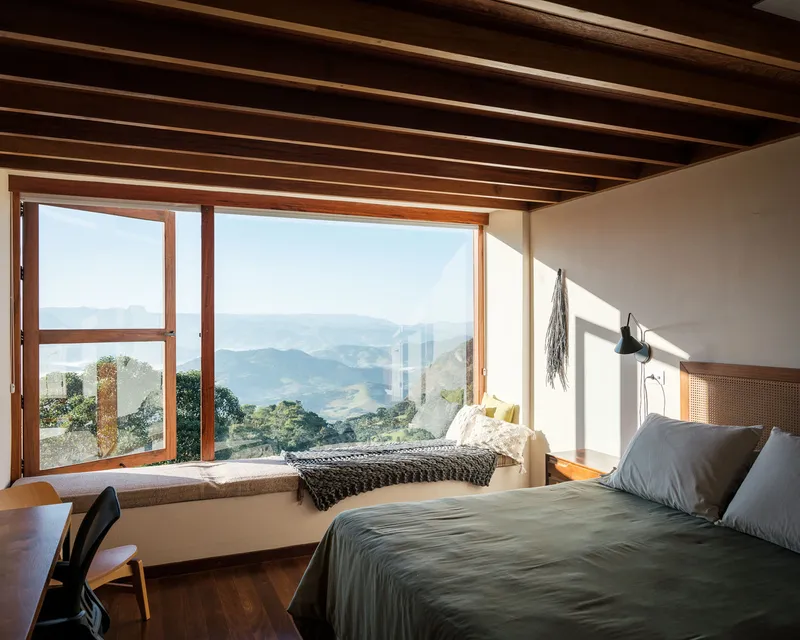
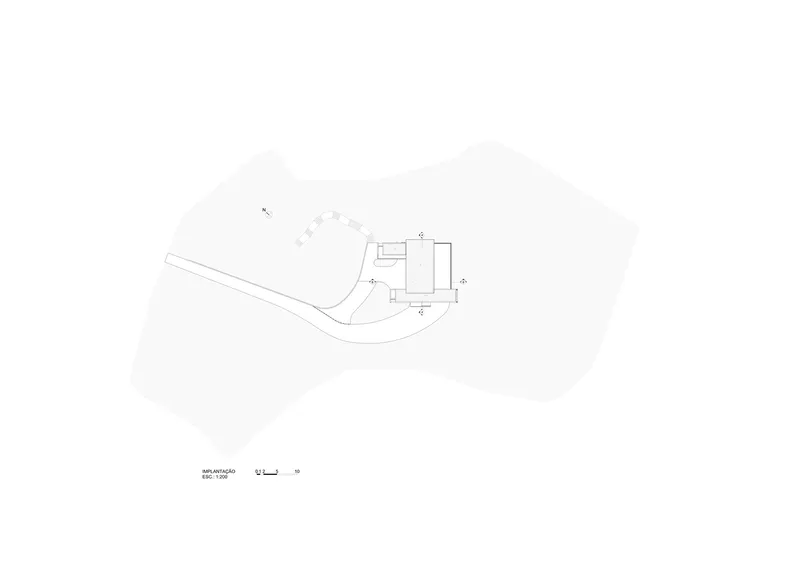
The initial site for the house was chosen based on careful studies of sunlight exposure and natural topography. The architects initially considered a plateau near the access road but found it would be shaded throughout the winter afternoons due to a nearby mountain. Instead, they relocated the structure to a site with better sunlight exposure and unobstructed views of the Pedra do Baú, a prominent landmark in São Bento do Sapucaí. This decision allowed the house to fully embrace its breathtaking surroundings while maximizing thermal comfort throughout the year.


A Functional Layout Divided into Four Blocks
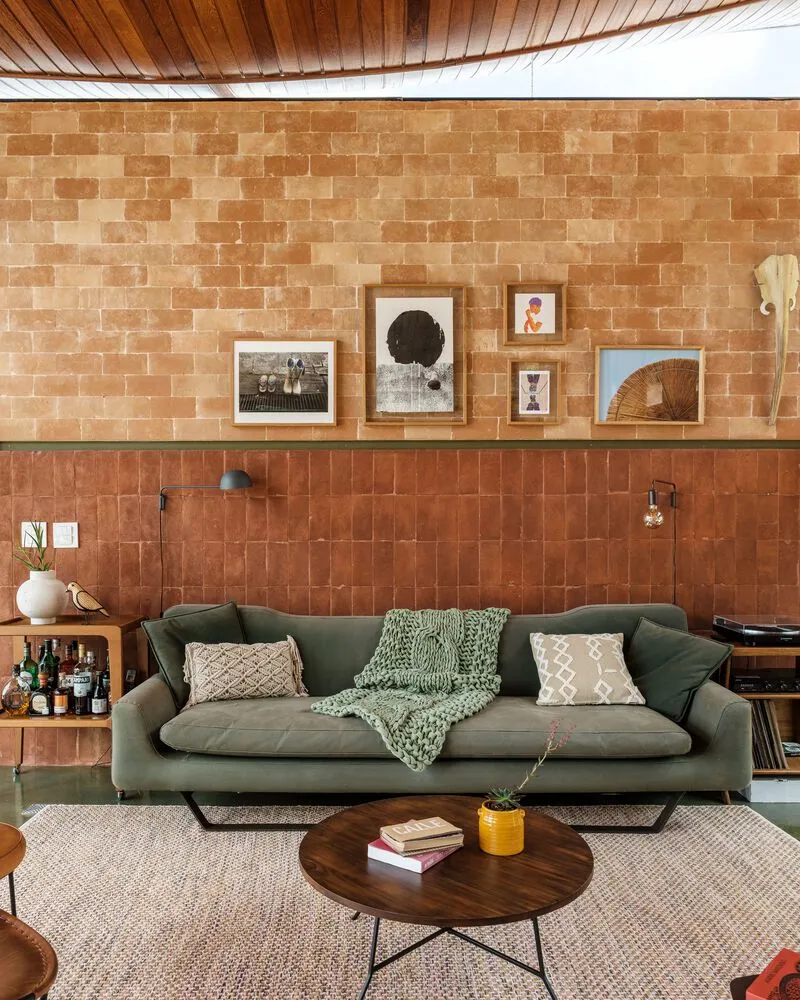
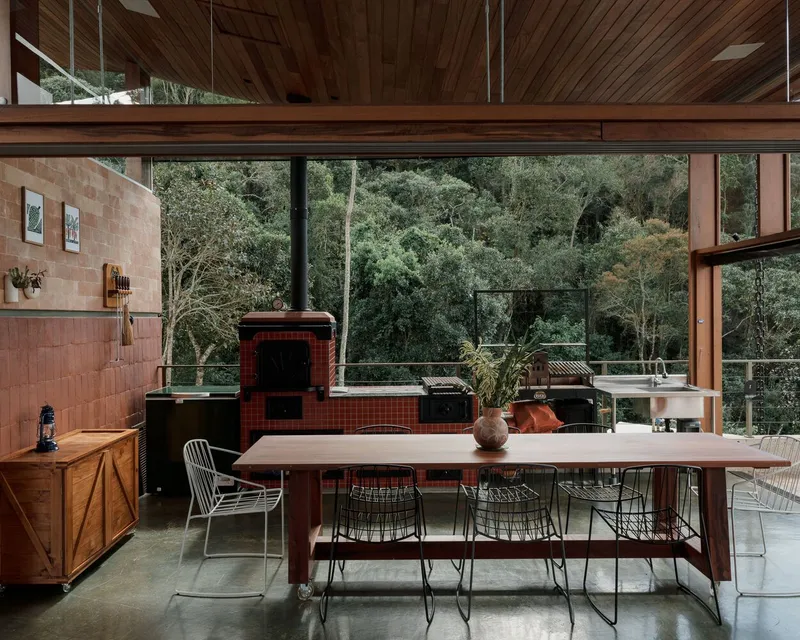
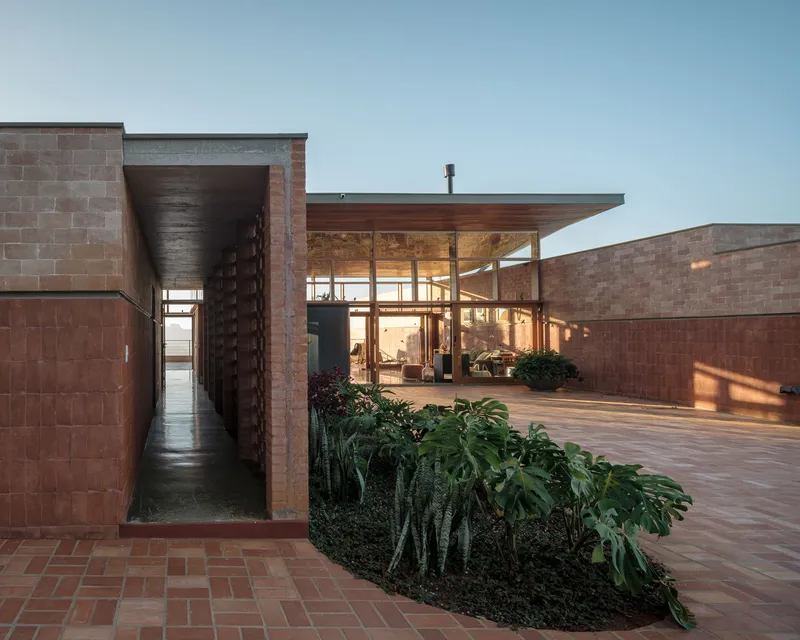
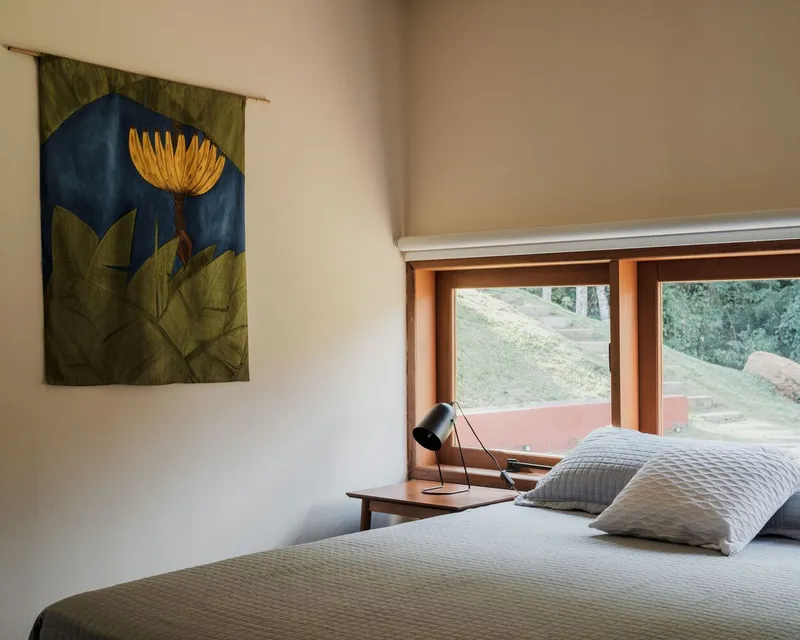
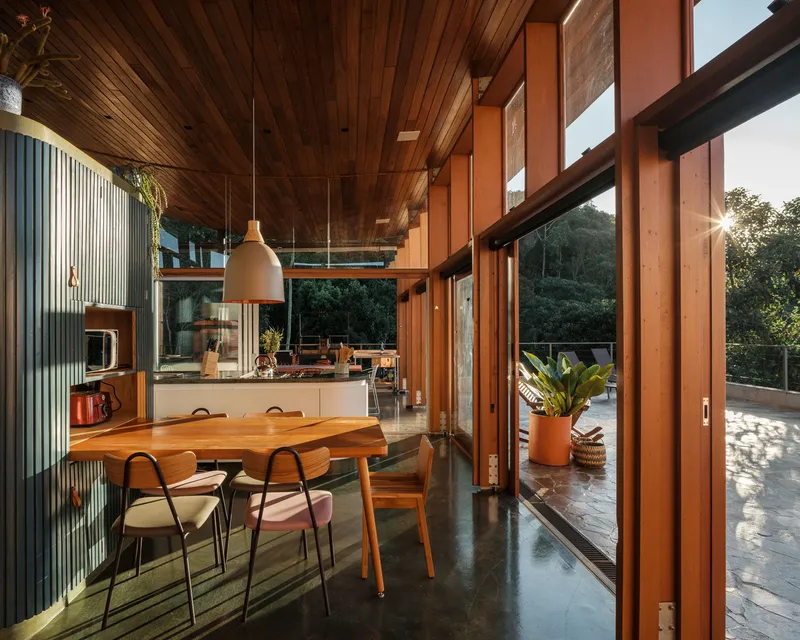
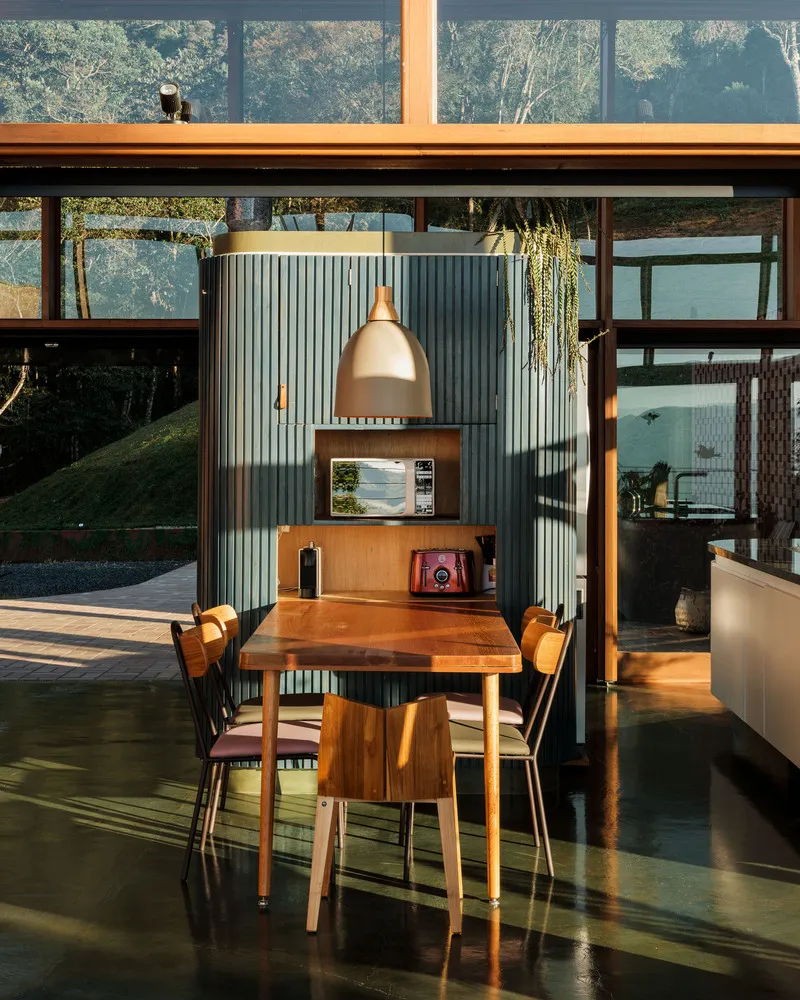
The Koba House is organized into four distinct yet interconnected functional blocks, each catering to different aspects of daily life. The first block houses the private family spaces, including the master suite, a secondary entrance through the TV room, and the children's suite. The second block is dedicated to guest accommodations, ensuring privacy and comfort for visitors. The third block serves as the social hub, containing the main living areas, including an open-plan living room, indoor and outdoor kitchens, and a spacious front porch that seamlessly connects the interior with the landscape. The fourth block, positioned at a lower level, features practical amenities such as a garage, storage rooms, a wine cellar, a gym, and an additional bathroom.

Architectural Concept and Materiality
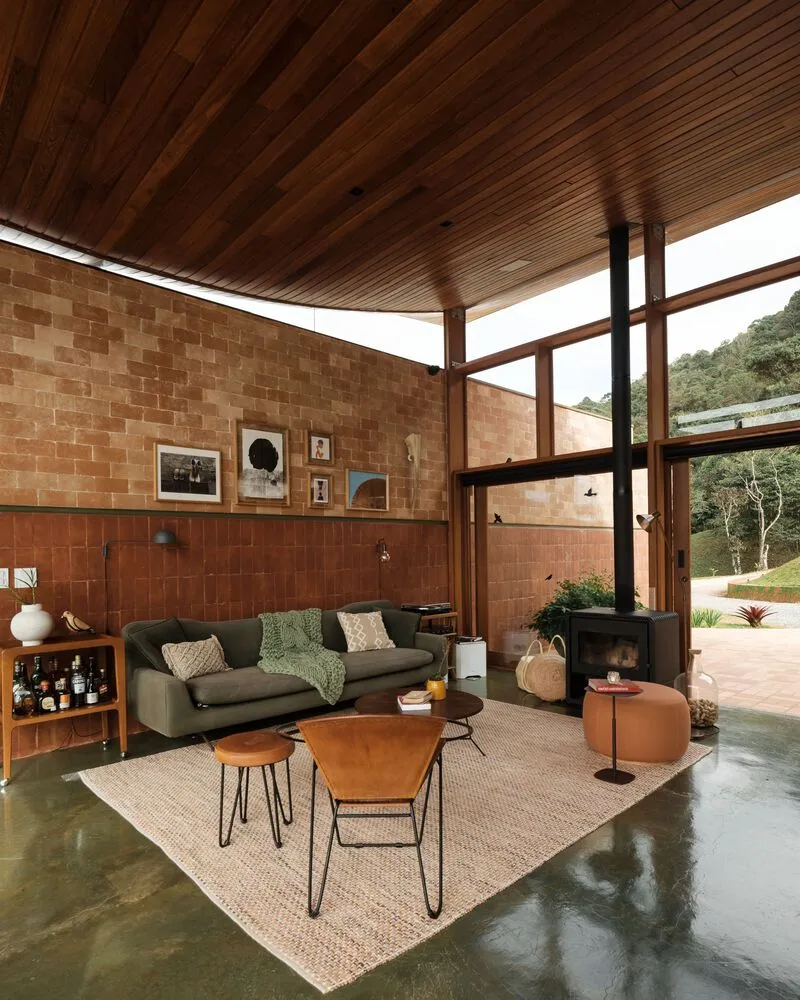
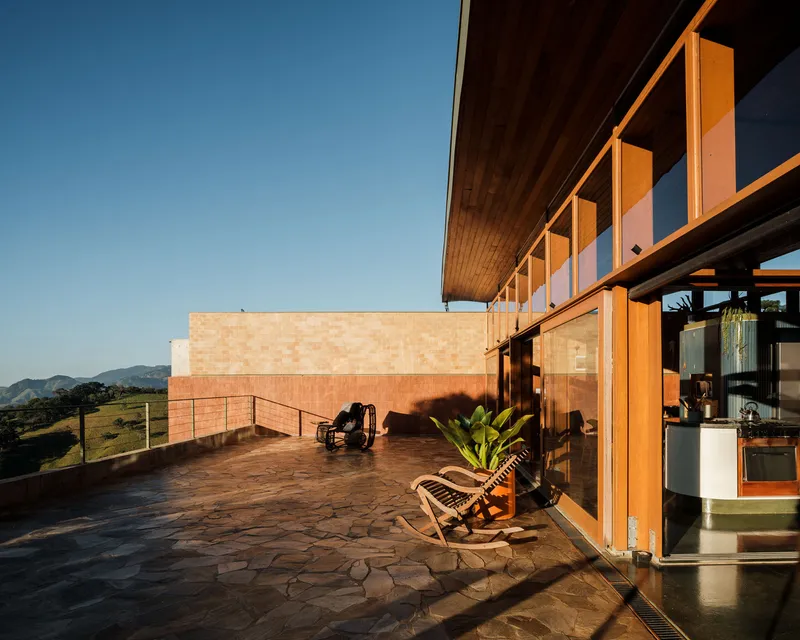
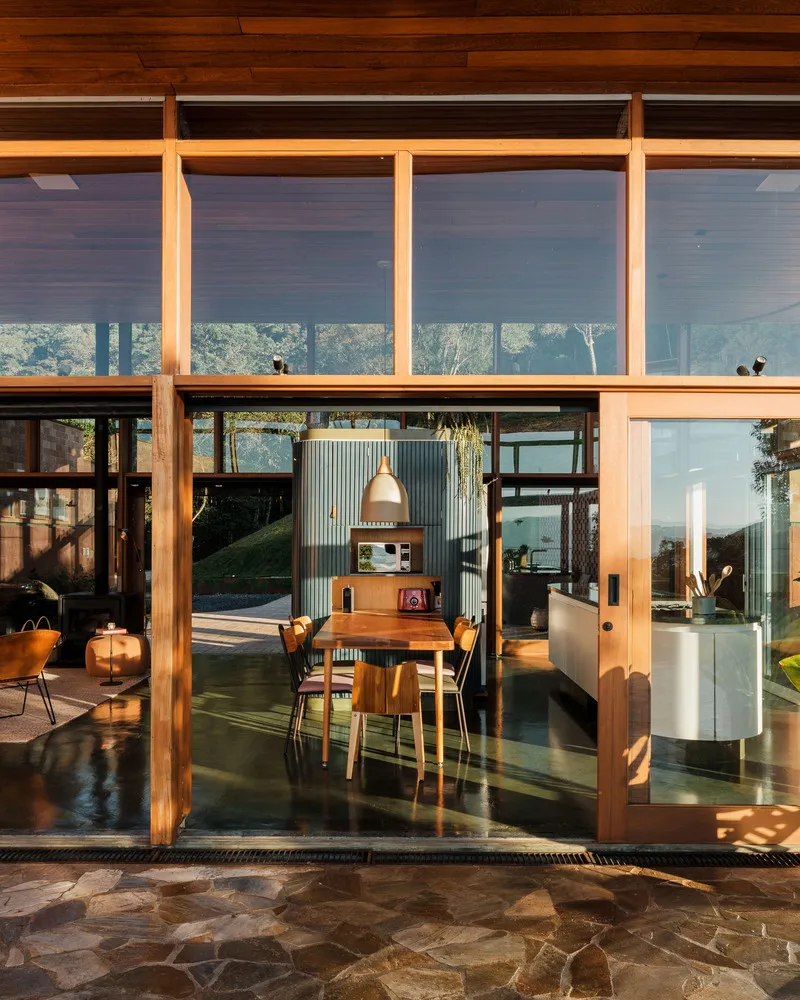
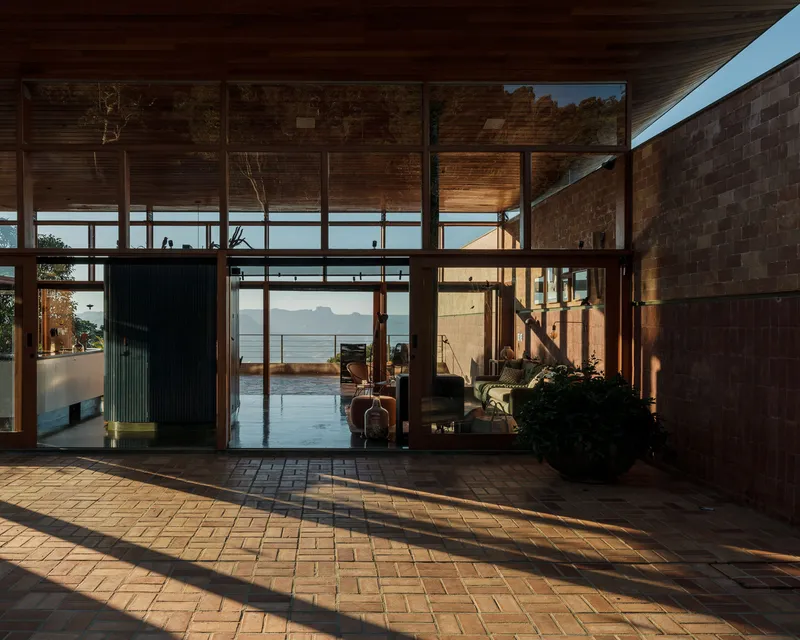
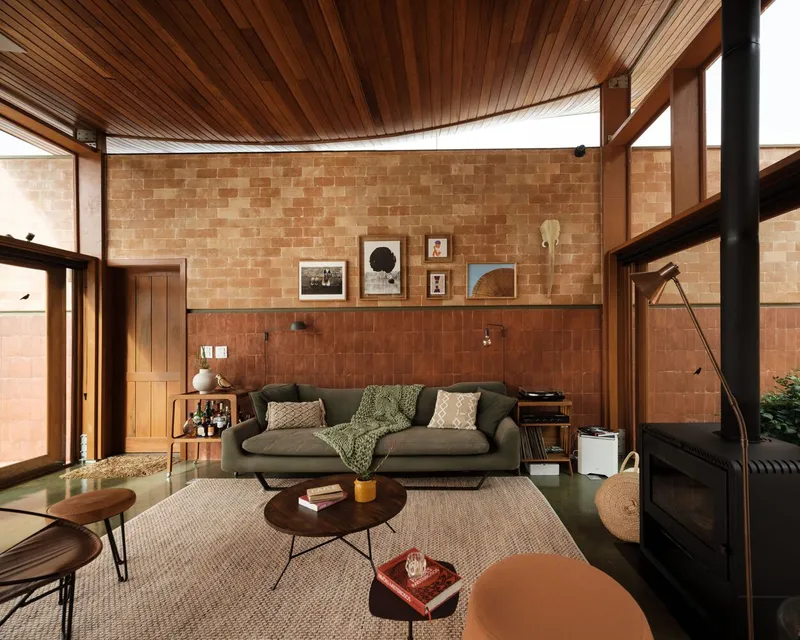
A defining element of Koba House is its interplay between mass and lightness. The private living blocks are constructed from clay masonry, providing a sense of permanence and grounding. In contrast, the social block is distinguished by its curved wooden ceiling, which creates the sensation of being inside a vast shipyard, reminiscent of the hull of a suspended boat. The metal trusses were individually designed to achieve this effect while maintaining structural efficiency.
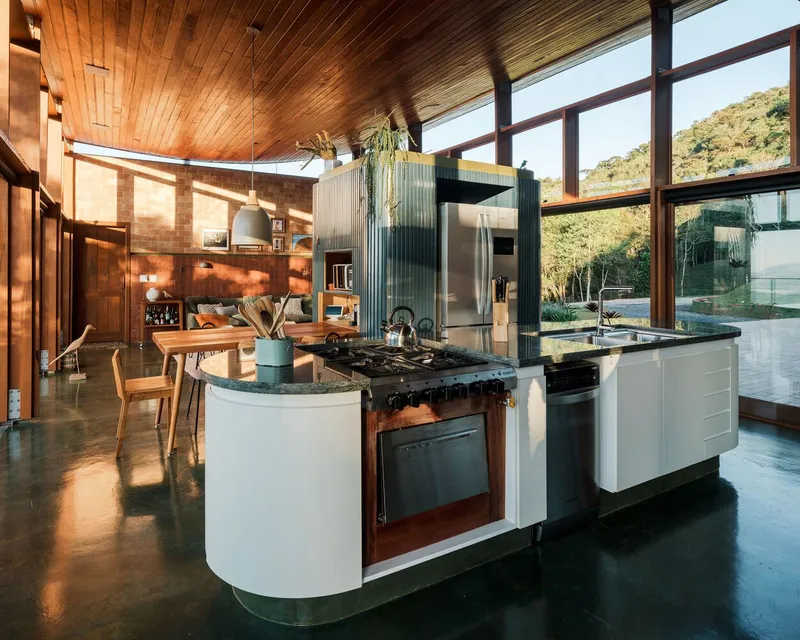
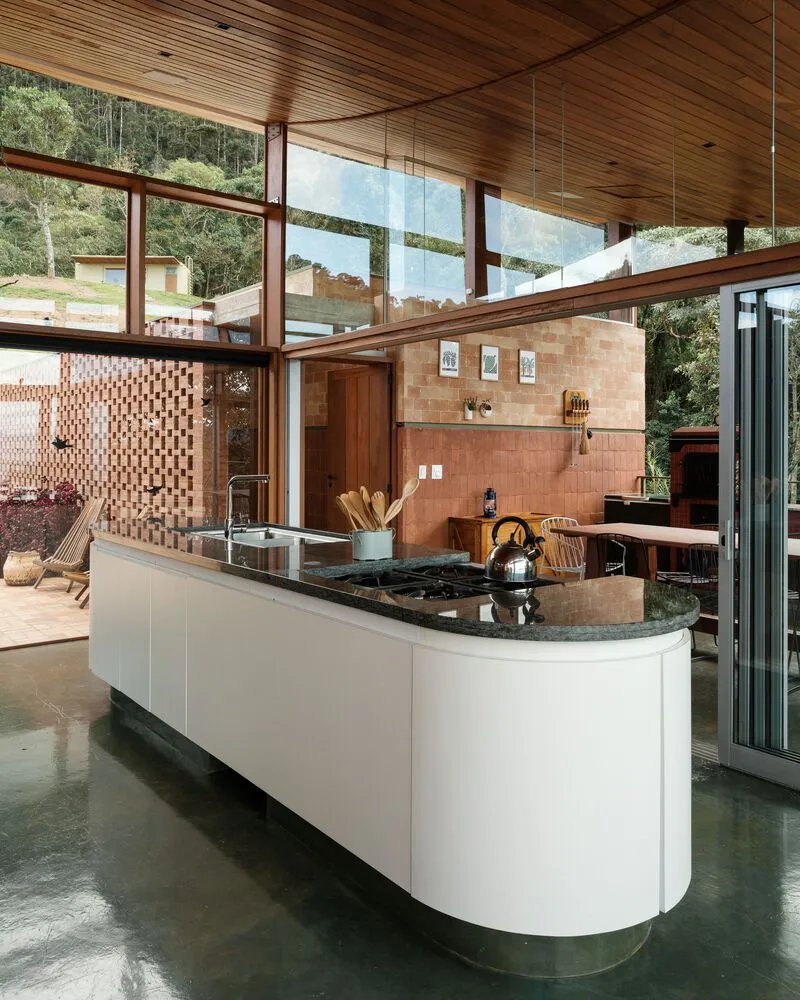
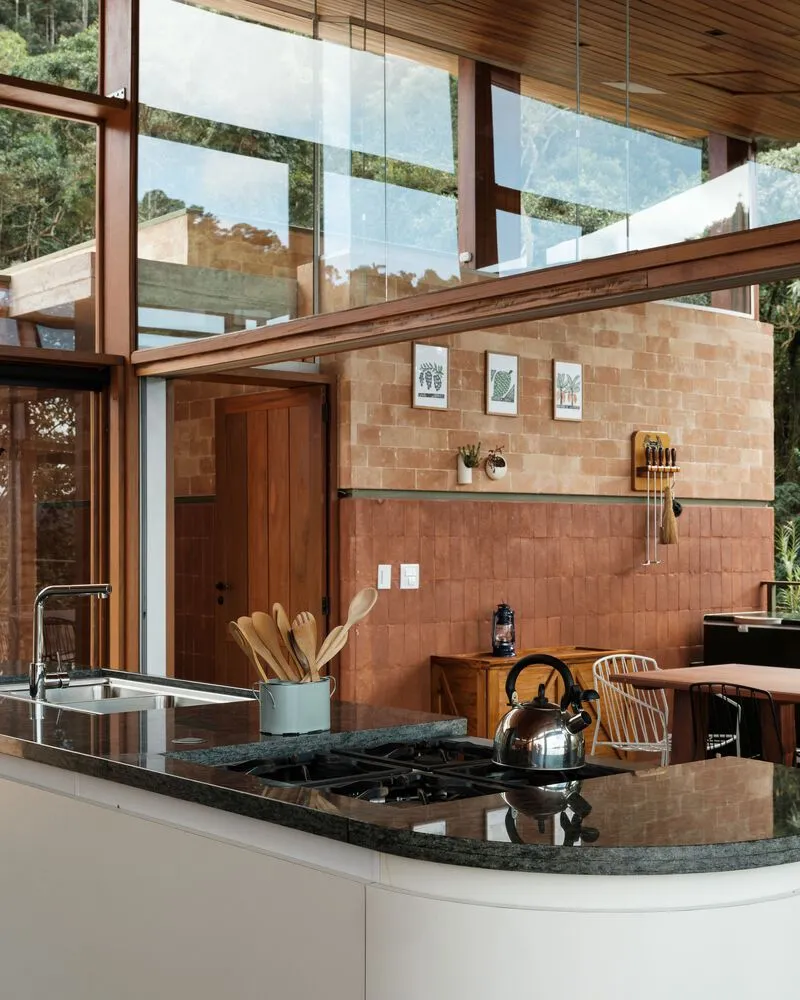
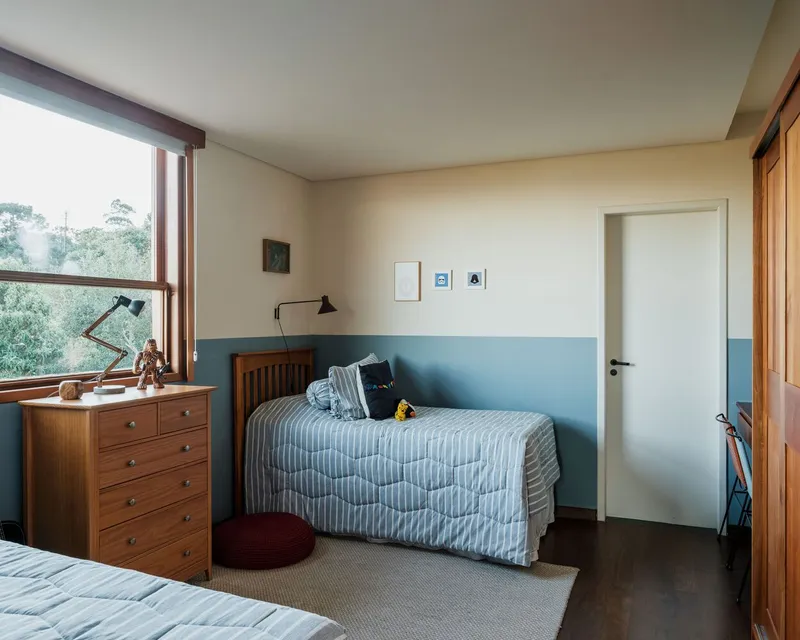
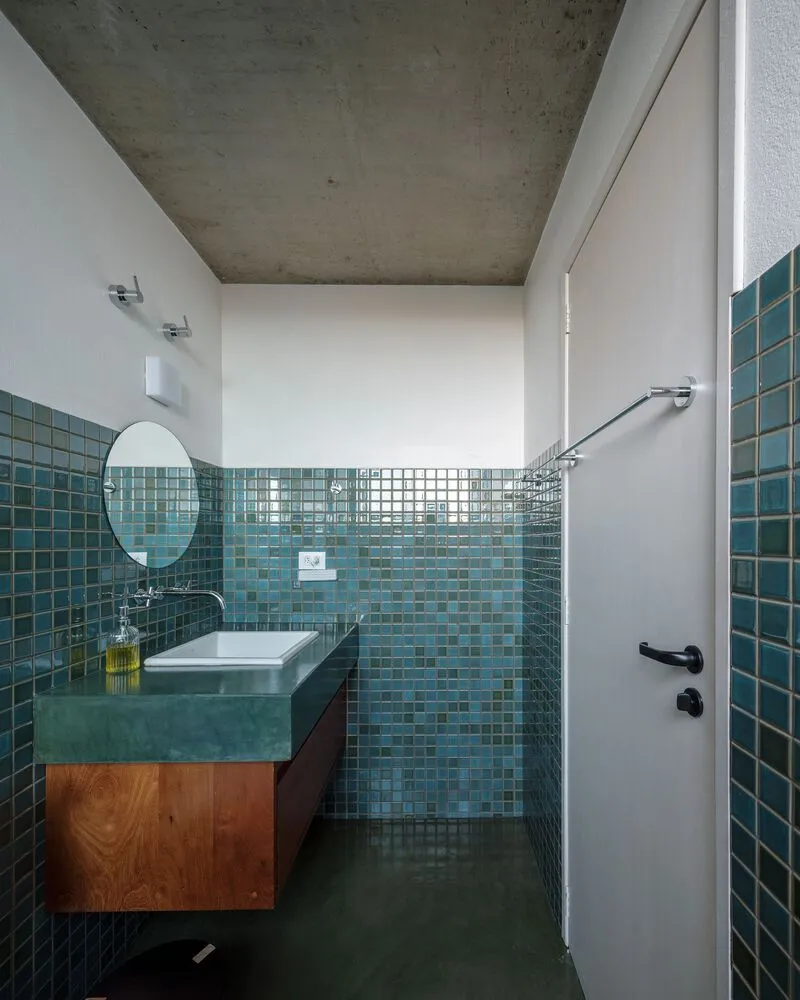
The house employs a mixed construction system, combining a wooden structure, steel trusses, ceramic structural masonry, and reinforced concrete. The material selection emphasizes sustainability and biophilic design principles, using wood and ceramics to establish a strong connection between the built environment and nature. This approach not only enhances aesthetic appeal but also fosters a sense of warmth and timelessness within the space.


A Retreat in Harmony with Its Landscape
One of the key achievements of Koba House is its seamless integration with the surrounding landscape. The design respects the site's steep topography while optimizing views and natural light. By employing local labor and materials, the architects ensured that the house remained contextually relevant and environmentally responsible. The result is a tranquil retreat that enhances the connection between inhabitants and nature, creating a living experience that is both functional and poetic.
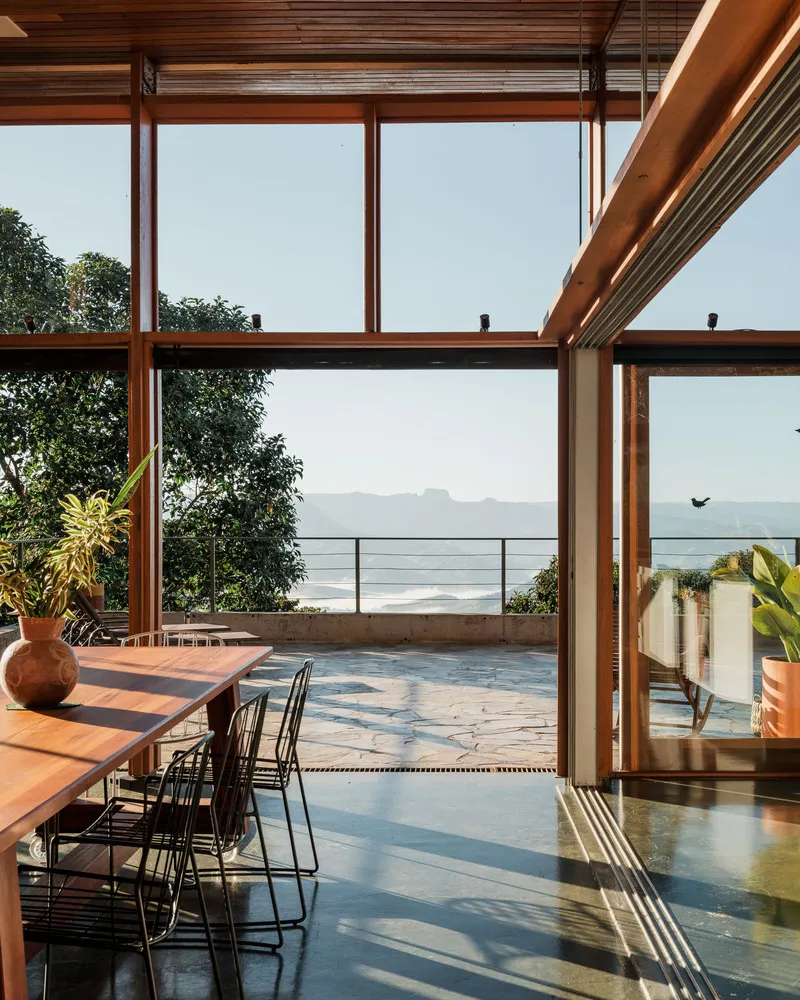
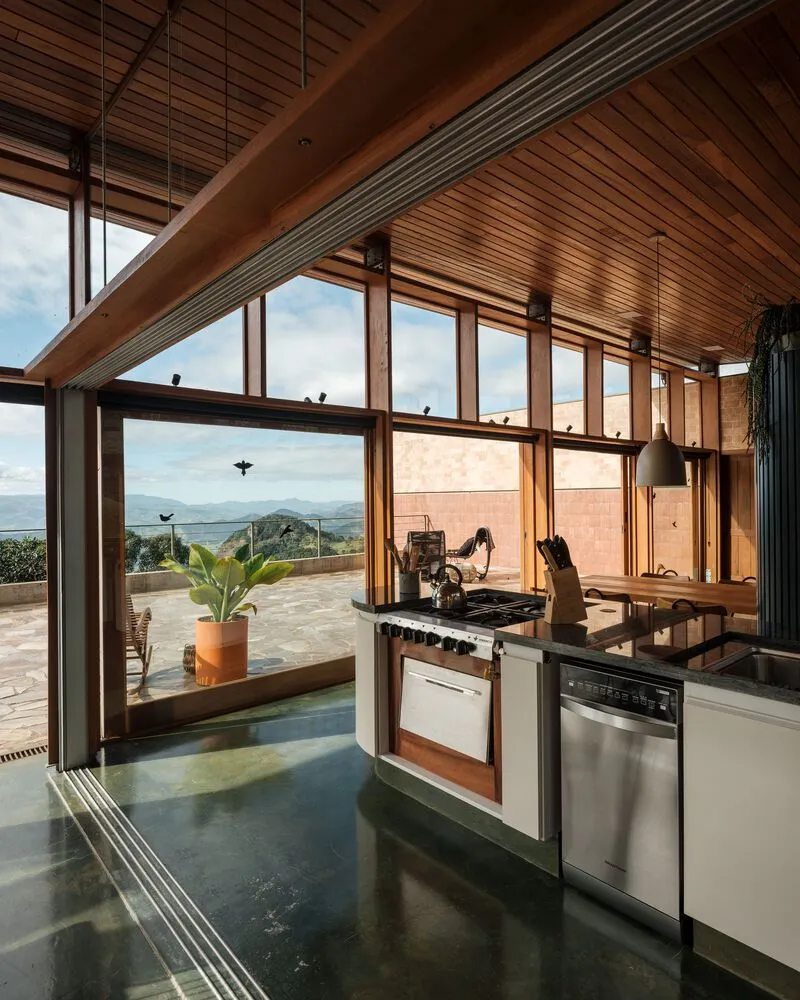
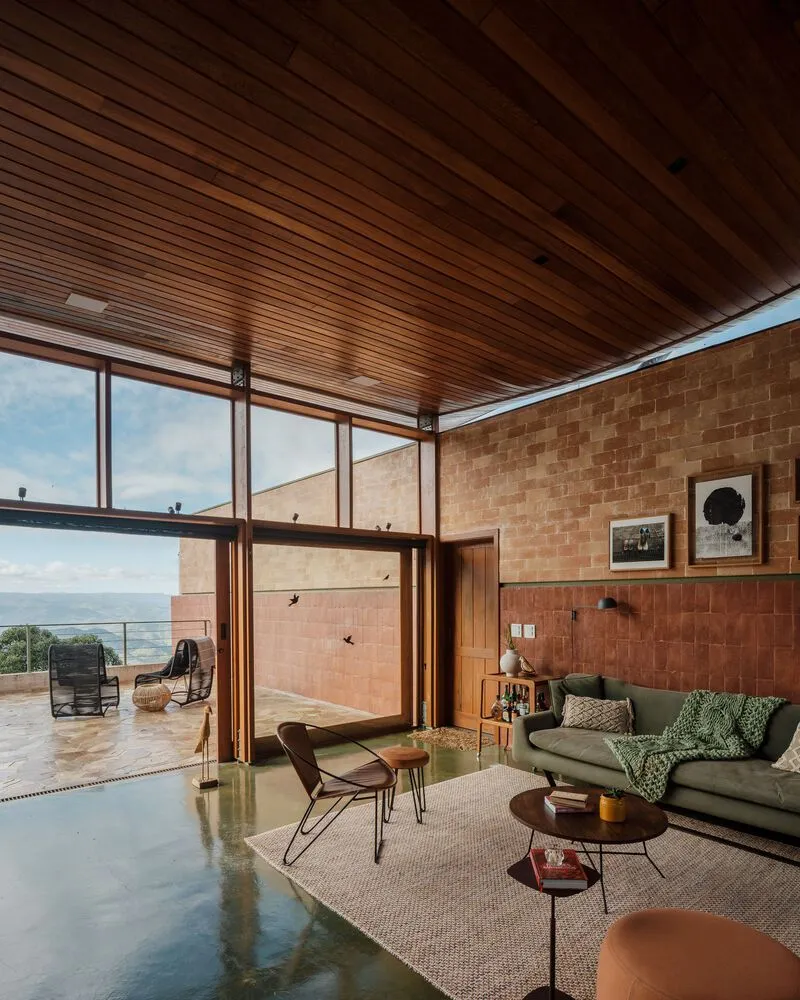
Koba House by Estúdio HAA exemplifies how architecture can respond to its environment while maintaining a balance between tradition and innovation. Through careful planning, sustainable material choices, and a thoughtful layout, the house stands as a testament to contemporary design that respects the past while embracing the future.
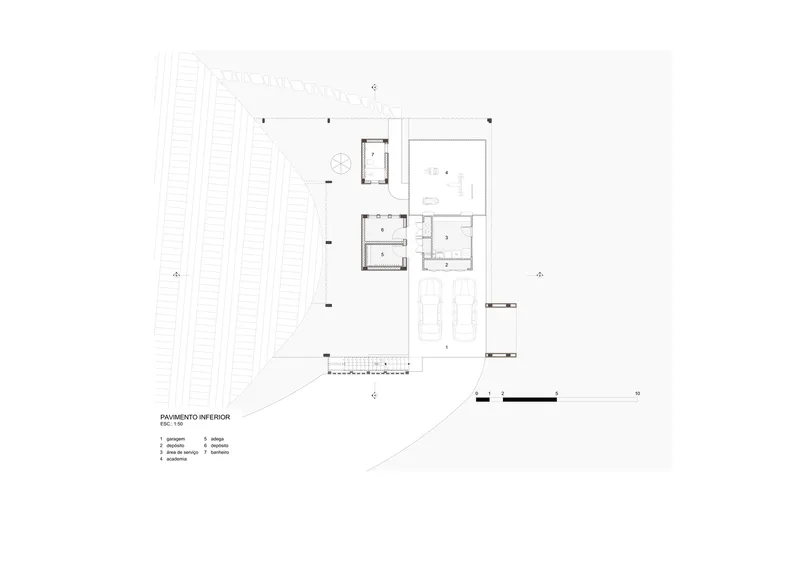
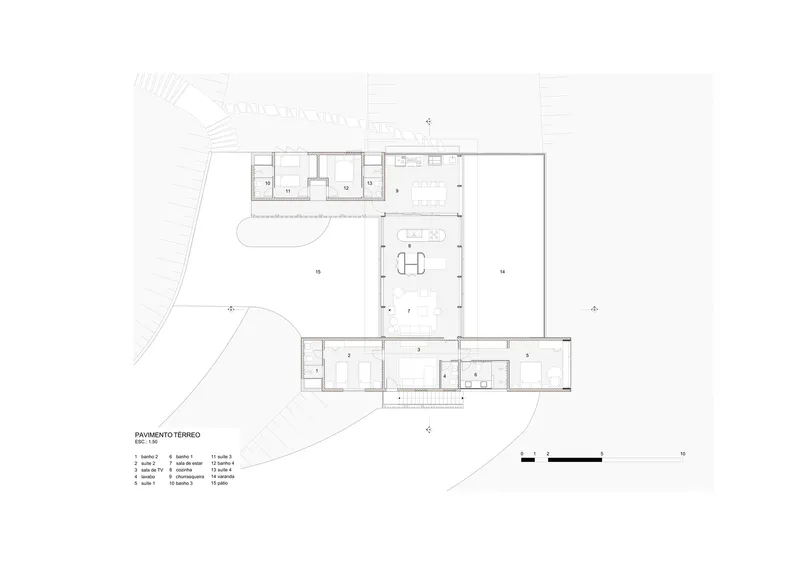
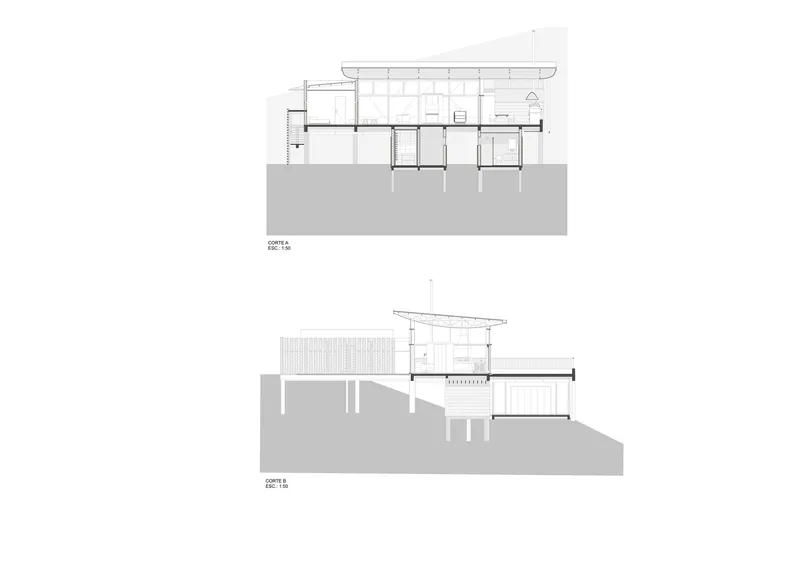
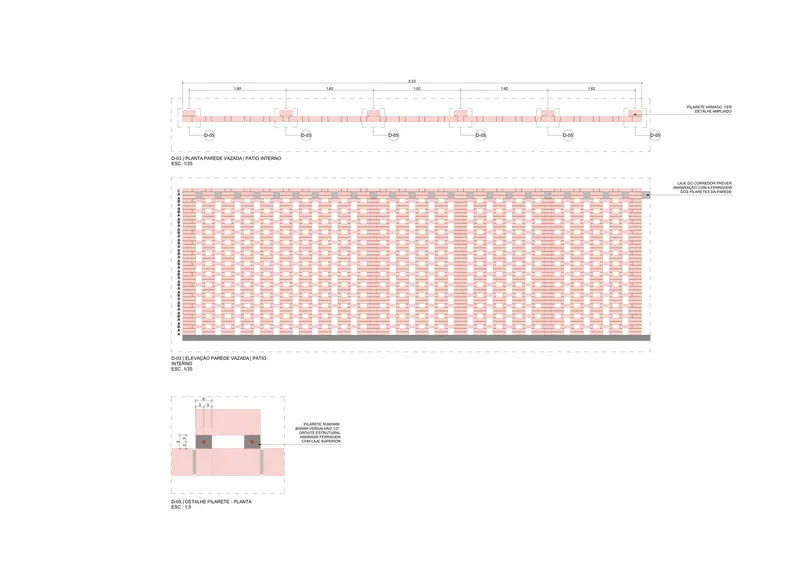
All Photographs are works of Pedro Kok



Popular Articles
Popular articles from the community


The Earth Pod: 3D Printed Homes for Resilient Refugee Communities
The Earth Pod reimagines refugee housing through 3D printed homes made from clay, combining resilience, self-sufficiency, and rapid shelter.

Co-life: Sustainable Architecture for Age-Friendly Community Living
Co-life reimagines sustainable architecture for seniors through courtyards, rammed earth, shared gardens, and spaces designed for belonging.

Co-Life: Senior Housing Design That Reconnects Older Adults With the City
Co-Life reimagines senior housing design through healing gardens, shared streets, workshops, and a sustainable community across generations.

The Ocean Hive: Sustainable Architecture for a Self-Sufficient Civilization at Sea
The Ocean Hive imagines sustainable architecture at sea, where modular habitats, algae, wave power and ocean waste sustain a growing colony.

Similar Reads
You might also enjoy these articles


Hodi-Mandai Geram
Project Function: Preservation and revitalization of the Intangible heritage and socio-spatial identity of the Hodi by Housing, Cultural Memory Center, Sacred Grove, landscape, local tourism economy


Olio Towers: A Mid-Rise for Performers That Fuses Housing, Rehearsal, and Stage
Located blocks from Houston's Theater District, this modular tower stacks living units around a central performance atrium.

Oasis: Modular Green Housing Carved into Dhaka's Urban Fabric
A shortlisted Plugin Housing entry reclaims unauthorized settlements in Dhaka with stepped concrete volumes, green roofs, and ventilation-driven design.

Black Hole: A Floating Megastructure for the Post-Physical Era
Emiliano Mazzarotto envisions a spherical, self-scaling arena where e-sports, digital hotels, and holographic stadiums replace traditional public space.

Explore Architecture Competitions
Discover active competitions in this discipline



Challenge to reimagine the Iron Throne


Photograph architecture without architects


Illustrate the lost glory of Angkor Wat - Render Challenge


Design challenge to reuse E-waste
Comments (0)
Please login or sign up to add comments
No comments yet. Be the first to comment!