
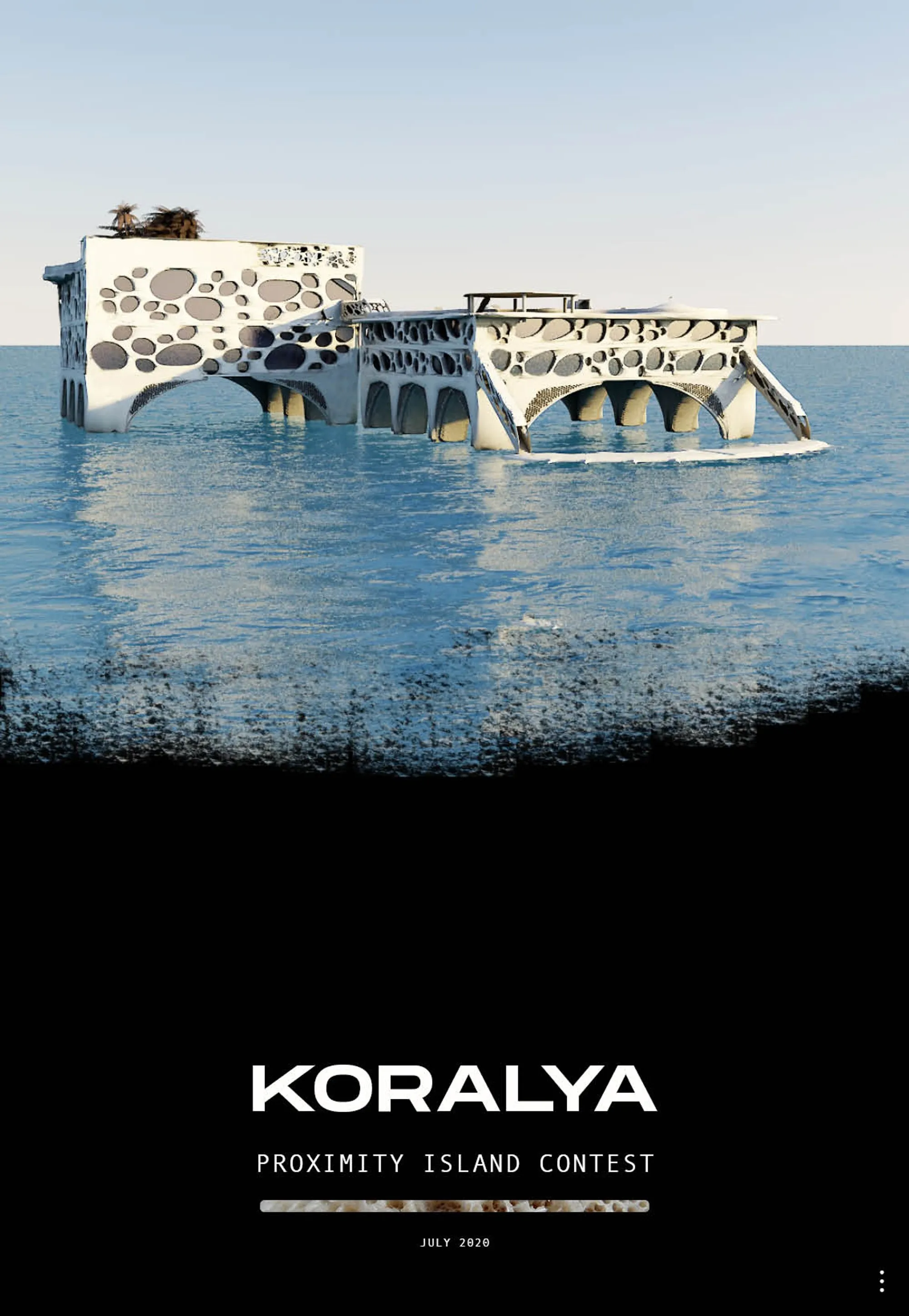
Koralya: A Sustainable Architecture Vision Inspired by Coral Ecosystems
A visionary sustainable architecture project where coral ecosystems and adaptive offshore structures evolve together in marine harmony.


As environmental challenges continue to reshape the relationship between humans and nature, architects are increasingly exploring innovative ways to create structures that work with ecosystems rather than against them. Koralya, a remarkable project by Baudouin Bavay of L'école de design Nantes Atlantique, presents a compelling vision for the future of sustainable architecture through the transformation of offshore infrastructure into a living marine environment.
Designed around the unique characteristics of coral ecosystems, Koralya proposes a new model of architectural intervention where built structures become active participants in ecological regeneration. Rather than treating architecture as a separate entity imposed upon nature, the project seeks to establish a mutually beneficial relationship between human occupation and marine biodiversity.
The result is a floating museum and research facility that embraces biological growth, environmental adaptation, and long-term ecological restoration.
Architecture and Nature in Structural Symbiosis
The foundation of Koralya lies in the concept of structural symbiosis. The project draws inspiration from coral reefs, some of the most resilient and biologically diverse ecosystems on Earth. These underwater formations demonstrate how natural structures can evolve, adapt, and support entire ecological communities over time.
Historically, abandoned ships and offshore structures have often become artificial reefs. Coral colonies gradually attach themselves to these surfaces, creating habitats for fish, shellfish, and countless marine organisms. Koralya transforms this phenomenon into an intentional architectural strategy.
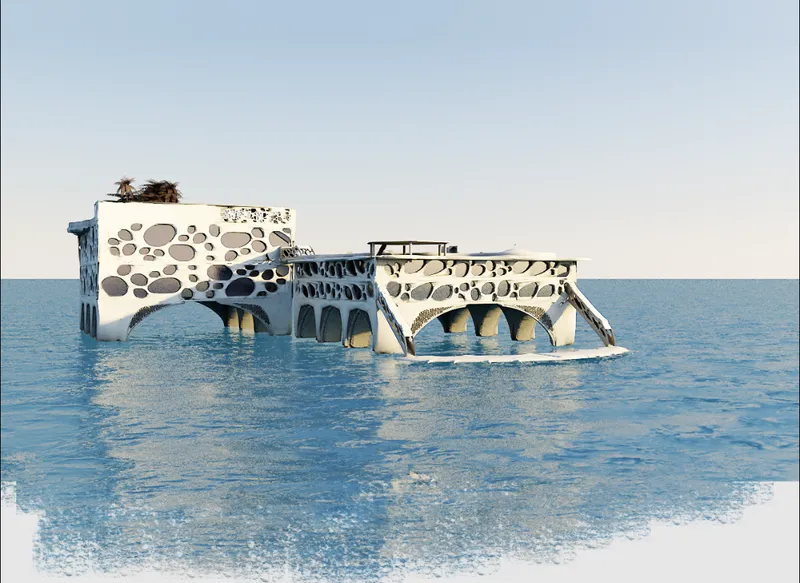
The project proposes the conversion of an offshore platform into a museum and marine research center. Instead of resisting biological growth, the structure actively encourages coral colonization. Its exterior surfaces feature porous, honeycomb-inspired geometries designed to provide ideal conditions for coral development and marine habitation.
Over time, the architecture becomes increasingly integrated with the surrounding ecosystem, blurring the distinction between the artificial and the natural.
A Living Marine Research Facility
At its core, Koralya functions as a center for scientific discovery and environmental education. The museum and research laboratory create opportunities for visitors, researchers, and marine biologists to engage directly with ocean ecosystems.
The facility is designed to support investigations into coral growth, marine biodiversity, climate change, and ocean conservation. Exhibition spaces showcase the evolving relationship between architecture and marine life, while research laboratories provide scientists with dedicated environments for experimentation and observation.
Visitors experience not only the architecture itself but also the dynamic natural processes unfolding around and within the structure.
This integration of science, education, and environmental stewardship transforms the building into a platform for knowledge generation and ecological awareness.
Biomimicry as a Design Strategy
One of the most distinctive aspects of Koralya is its application of biomimicry. Rather than copying coral forms purely for aesthetic purposes, the project studies the structural intelligence found in reef systems.
The building envelope incorporates porous geometries inspired by coral skeletons and marine limestone formations. These patterns enhance structural performance while simultaneously creating sheltered environments for marine organisms.
As shellfish and coral species colonize the surfaces, natural mineral deposits gradually accumulate. This process strengthens portions of the structure while generating a continuously evolving architectural identity.
Through this approach, Koralya demonstrates how sustainable architecture can harness biological processes as active design components rather than decorative references.
The Museum Roof as an Ocean Landscape
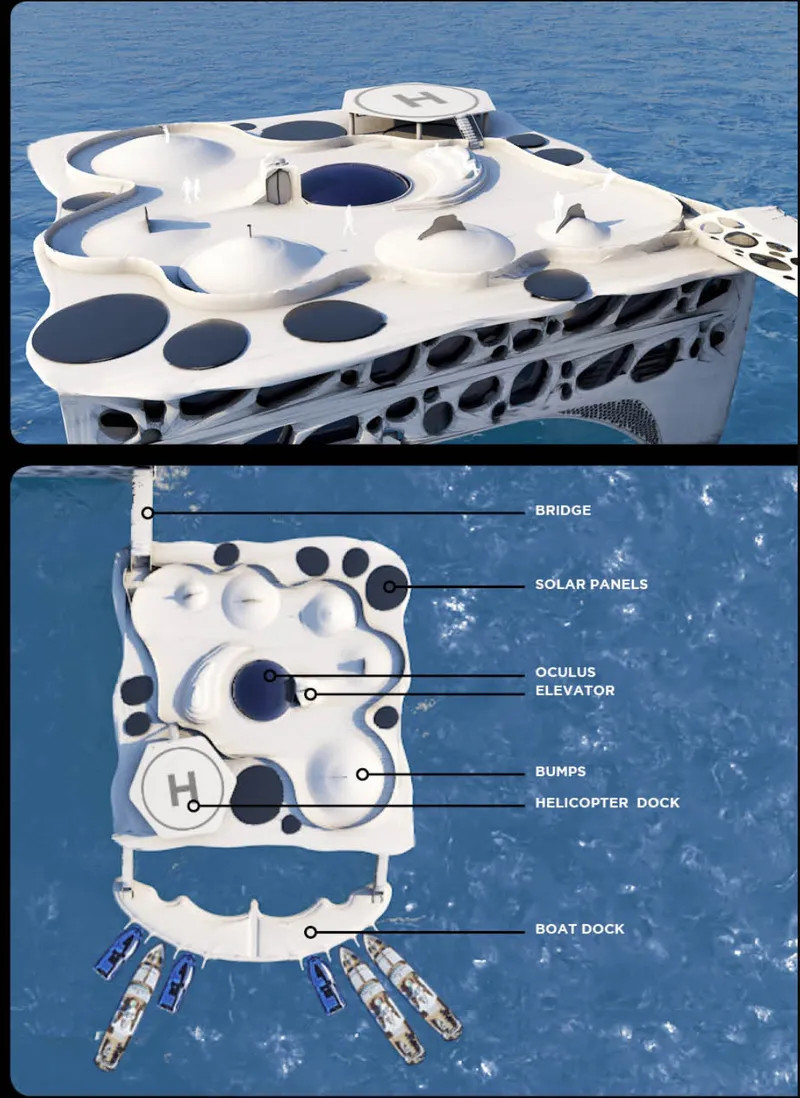
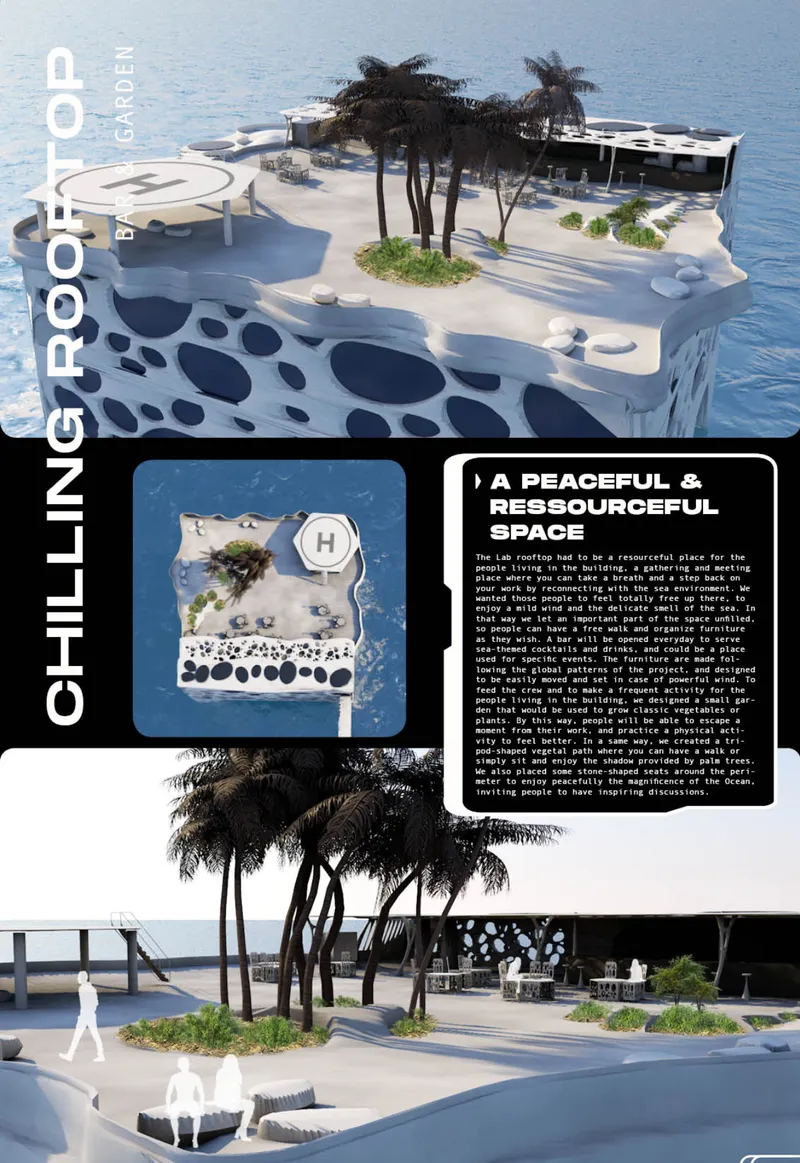
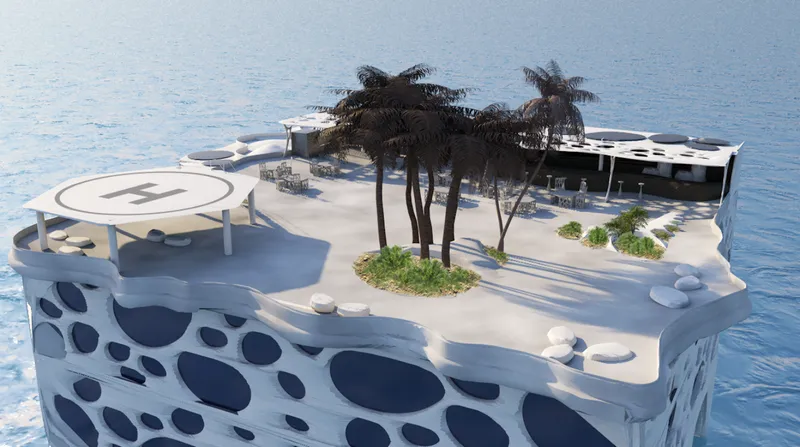
The rooftop of the museum transforms into a unique abstract landscape overlooking the sea. Instead of a conventional roof deck, the design creates a topographical environment inspired by coastal ecosystems and coral formations.
Visitors encounter gentle hills, observation points, shaded gathering areas, and open plazas that encourage interaction with the surrounding marine environment. Circular forms and flowing pathways reinforce the project's organic architectural language.
The rooftop also serves practical purposes. Solar panels contribute renewable energy production, helping reduce the facility's environmental footprint. Observation points allow guests to monitor marine wildlife and experience panoramic views of the ocean.
By combining recreation, education, and sustainability, the rooftop becomes a destination in its own right.
A Resourceful and Restorative Environment
Koralya prioritizes human well-being alongside ecological regeneration. The rooftop garden offers a peaceful retreat for researchers, visitors, and staff members working within the facility.
Palm trees, seating areas, and planted landscapes create opportunities for relaxation and social interaction. Open-air gathering spaces encourage collaboration and informal discussions among scientists and visitors.
Small agricultural zones provide opportunities for cultivating vegetables and native plant species, reinforcing the project's self-sustaining philosophy. Flexible furniture arrangements allow spaces to accommodate events, exhibitions, and educational programs.
This emphasis on restorative environments reflects a broader understanding of sustainability, one that values both environmental and human health.
Interior Spaces Inspired by Marine Forms
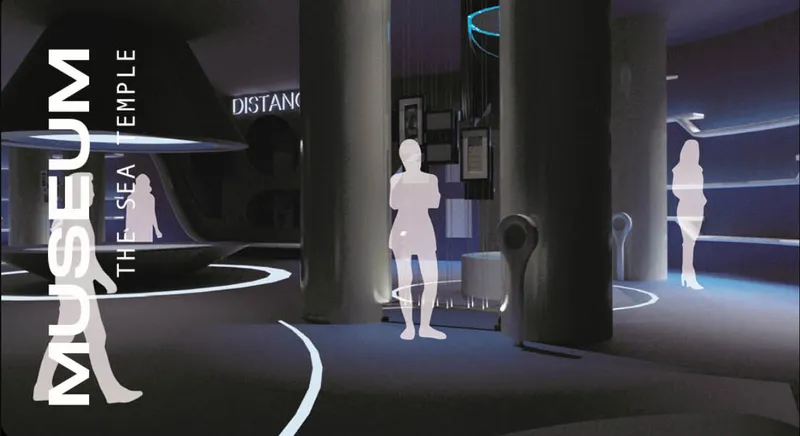
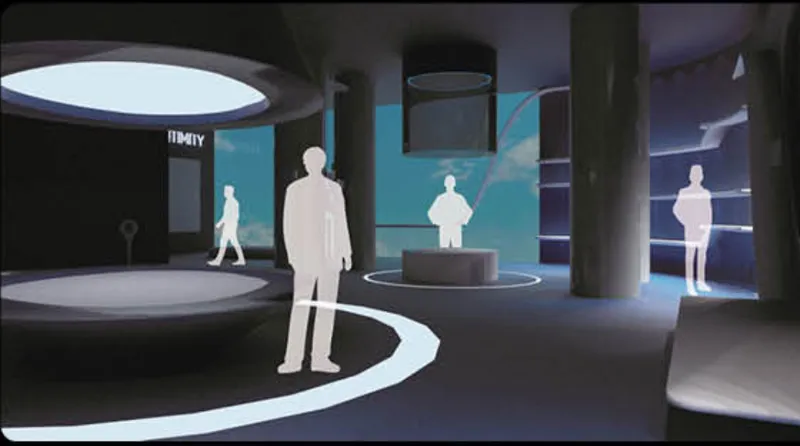
Inside the museum, visitors move through fluid spaces shaped by the language of coral reefs and underwater landscapes. Curved walls, organic circulation routes, and sculptural exhibition areas create immersive experiences that evoke the ocean environment.
Soft lighting guides visitors through galleries, research displays, and interactive exhibits. The interior architecture avoids rigid geometries, instead embracing continuous movement and spatial discovery.
These spaces encourage exploration while reinforcing the project's central message: architecture can evolve as an extension of natural systems.
The museum becomes not merely a container for exhibits but an exhibit itself, demonstrating innovative possibilities for environmentally responsive design.
Offshore Adaptive Reuse and Marine Conservation
Koralya also contributes to broader conversations about adaptive reuse and offshore infrastructure. Around the world, aging oil platforms and industrial marine structures face uncertain futures as industries transition toward cleaner energy systems.
Rather than demolishing these structures, Koralya proposes a regenerative alternative. Existing platforms can become centers for education, scientific research, ecological restoration, and public engagement.
This strategy reduces construction waste, minimizes environmental disturbance, and extends the lifespan of offshore infrastructure while creating positive ecological outcomes.
The project illustrates how sustainable architecture can transform industrial remnants into valuable public and environmental assets.
A Future Where Architecture Grows With Nature
Koralya presents a compelling vision of architecture as a living system. By encouraging coral growth, supporting scientific research, and creating meaningful public experiences, the project challenges conventional assumptions about the relationship between buildings and ecosystems.
Designed by Baudouin Bavay of L'école de design Nantes Atlantique, Koralya demonstrates how sustainable architecture can move beyond environmental mitigation toward active ecological participation.
Rather than occupying nature, the project collaborates with it. Through structural symbiosis, biomimetic design, and marine conservation, Koralya offers a powerful example of how future architecture can become an agent of regeneration, resilience, and environmental stewardship.




Popular Articles
Popular articles from the community


The Ocean Hive: Sustainable Architecture for a Self-Sufficient Civilization at Sea
The Ocean Hive imagines sustainable architecture at sea, where modular habitats, algae, wave power and ocean waste sustain a growing colony.

Co-Life: Senior Housing Design That Reconnects Older Adults With the City
Co-Life reimagines senior housing design through healing gardens, shared streets, workshops, and a sustainable community across generations.

Riyadh For All: Intergenerational Urban Design for Active Aging in Rabat
Riyadh For All reimagines urban design in Rabat with intergenerational co-living, adaptive courtyards, and Moroccan cultural exchange today.

Co-life: Sustainable Architecture for Age-Friendly Community Living
Co-life reimagines sustainable architecture for seniors through courtyards, rammed earth, shared gardens, and spaces designed for belonging.

Similar Reads
You might also enjoy these articles

Eco Chapel: A Green Architecture Pavilion Designed in Symbiosis with the Forest
Eco Chapel uses green architecture to weave prayer, learning and reuse into a forest pavilion shaped by modular hexagonal canopies for life.
Kaffeebühnen: Coffee Shop Architecture Designed as a Civic Stage Between Vienna’s City and Park
Kaffeebühnen turns coffee shop architecture into a civic stage, linking Vienna’s park edge, urban life, warm timber yards, and coffee craft.
Healing Façade: Sustainable Architecture for Reforestation, Community, and Sacred Ecology in Ethiopia
Healing Façade reimagines sustainable architecture as a living wall that restores soil, catches water and renews Ethiopia's forest churches.


Urban Forest: A Vertical Ecosystem for 5,000 Workers in Singapore's Changi Business Park
Radially stacked pods and layered green decks turn a 7-acre plot into 47 acres of ecological workspace projected for 2040.


Comments (0)
Please login or sign up to add comments
No comments yet. Be the first to comment!