
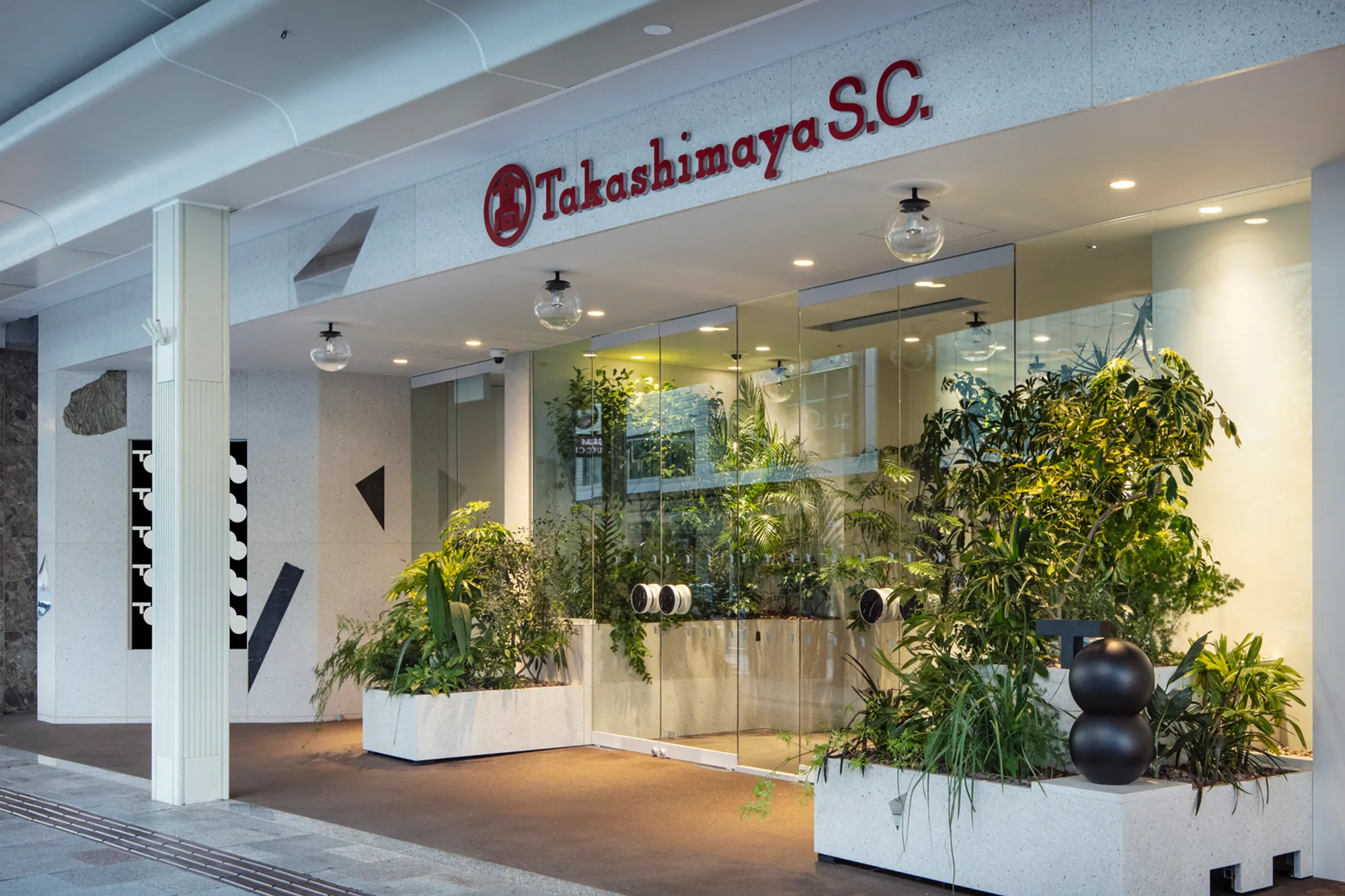
Kyoto Takashimaya S.C. T8 Commercial Space by DDAA: A Modern Take on the “Zakkyo Building”
Kyoto Takashimaya T8 by DDAA blends diverse tenants, materials, and atmospheres, creating a cohesive, innovative zakkyo-inspired commercial and retail space.


Kyoto’s bustling Shijo-Kawaramachi intersection is home to the newly expanded Kyoto Takashimaya S.C. T8 Commercial Space, a vibrant project by DDAA architects. Completed in 2023, this 1,202 m² commercial interior reflects an innovative approach to retail design and urban culture, redefining what it means to create a “miscellaneous building” or zakkyo building in contemporary Kyoto.
Reimagining the “Zakkyo Building”
The term zakkyo building refers to commercial spaces that accommodate a variety of tenants and uses, blending everyday life with exceptional experiences. In this project, DDAA embraced the concept fully, exploring the balance between ordinary and extraordinary, modern and traditional, natural and artificial. Over two years, the team refined a design philosophy that celebrates diversity and multiplicity while maintaining cohesion.
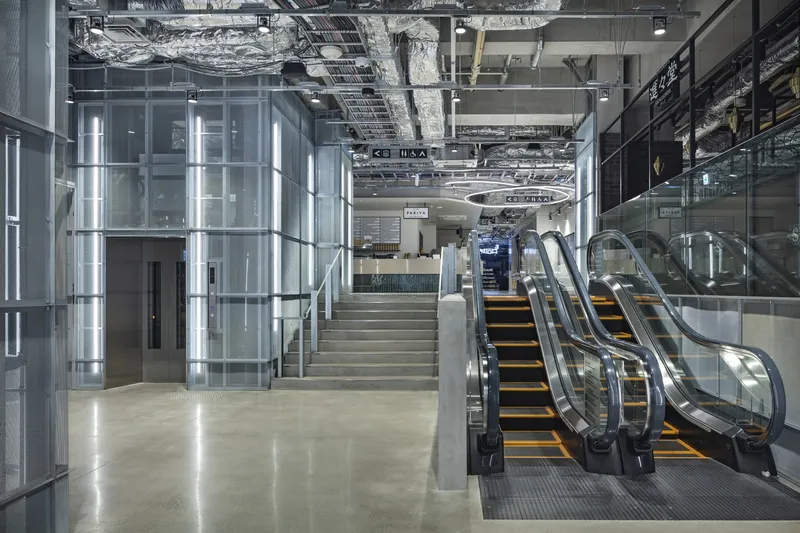
Unlike conventional retail spaces, where floors are uniformly planned, each floor of T8 embodies a unique function and atmosphere. As visitors move upward via escalators, they encounter distinct environments: a dynamic sequence of textures, lighting, and spatial experiences that define Kyoto’s retail architecture innovation.
First Basement Floor (B1) and First Floor Design
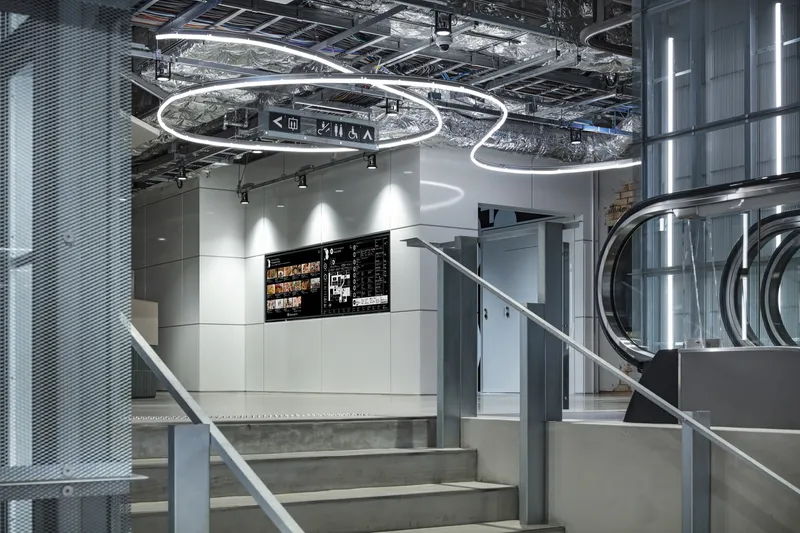
DDAA focused on the first basement (B1) and ground-level first floor, the primary access points for shoppers from the Hankyu subway line and the busy street entrance. Here, the design concept emphasizes the miscellaneous nature of a zakkyo building, creating spaces where Kyoto’s daily routines and special occasions coexist seamlessly.
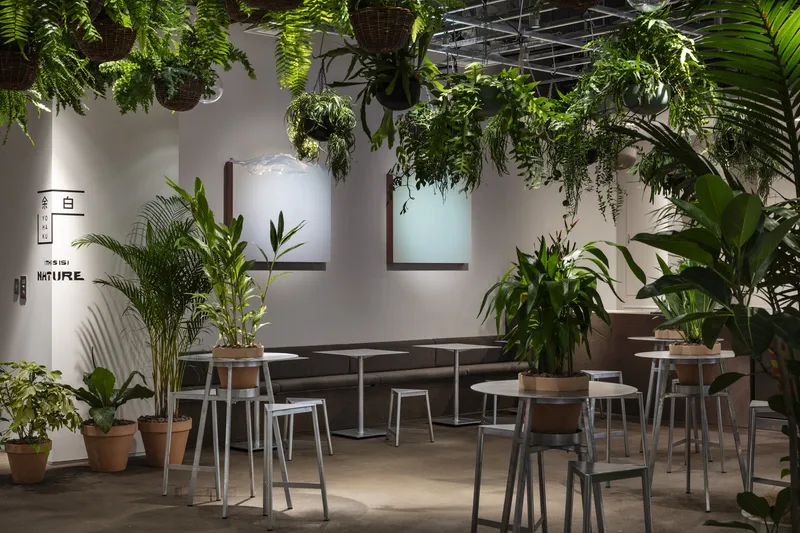
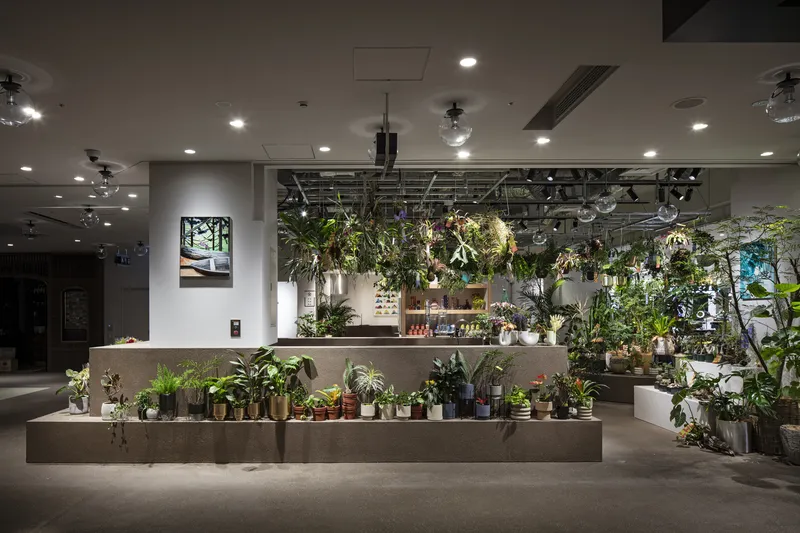
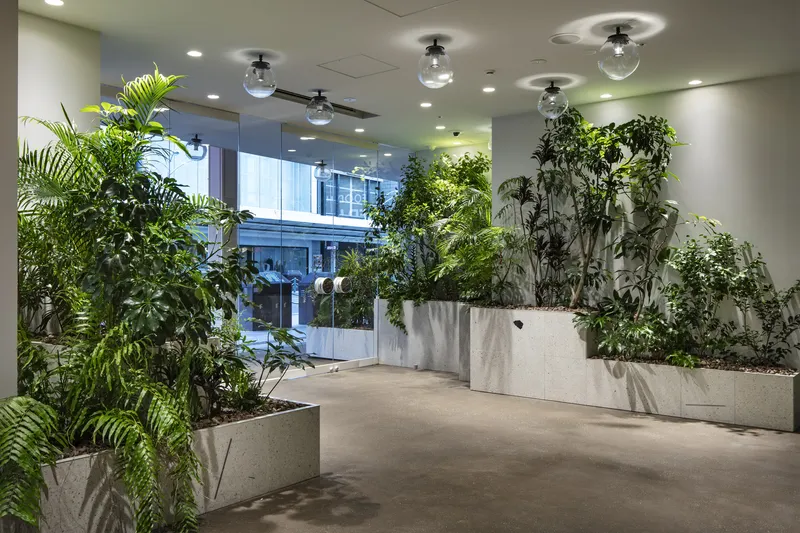
The first floor, envisioned as the city’s premier meeting place, features a park-like layout reminiscent of fleamarket stalls in an urban plaza. This approach intentionally blurs boundaries between tenants and communal areas. A standout tenant, (THISIS)Nature, a café and greenery shop by SOLSO, exemplifies this ethos. The store’s fixtures integrate plants into shared spaces, while deliberately uneven lighting evokes natural sunny and shaded zones, enhancing the immersive biophilic design experience.
Materiality and the Four Quadrants of Design
DDAA used terrazzo flooring as a primary material for the first floor, blending crushed stone with a diverse array of materials to create a warm, layered aesthetic. The design explores four key quadrants: old/new and artificial/natural, balancing history, modernity, craft, and urban life.
Stone materials include:
- Moriyama stone, traditionally used at Heian Shrine, representing Kyoto’s historical essence.
- Marble from existing demolition, preserving memory and continuity within the new expansion.
- Modern marble, inspired by the diverse stones at Kyoto Station, capturing contemporary urban life.
Artificial elements were carefully incorporated: screws and bolts serve as primitive artifacts, while iPhones and mirror-finished stainless steel reflect modernity and fleeting trends. The terrazzo itself encourages interactive discovery, allowing visitors to spot small embedded artifacts, a subtle nod to Kyoto’s layered history and contemporary culture.
Contrasting Floors: From Flea Market to Warehouse
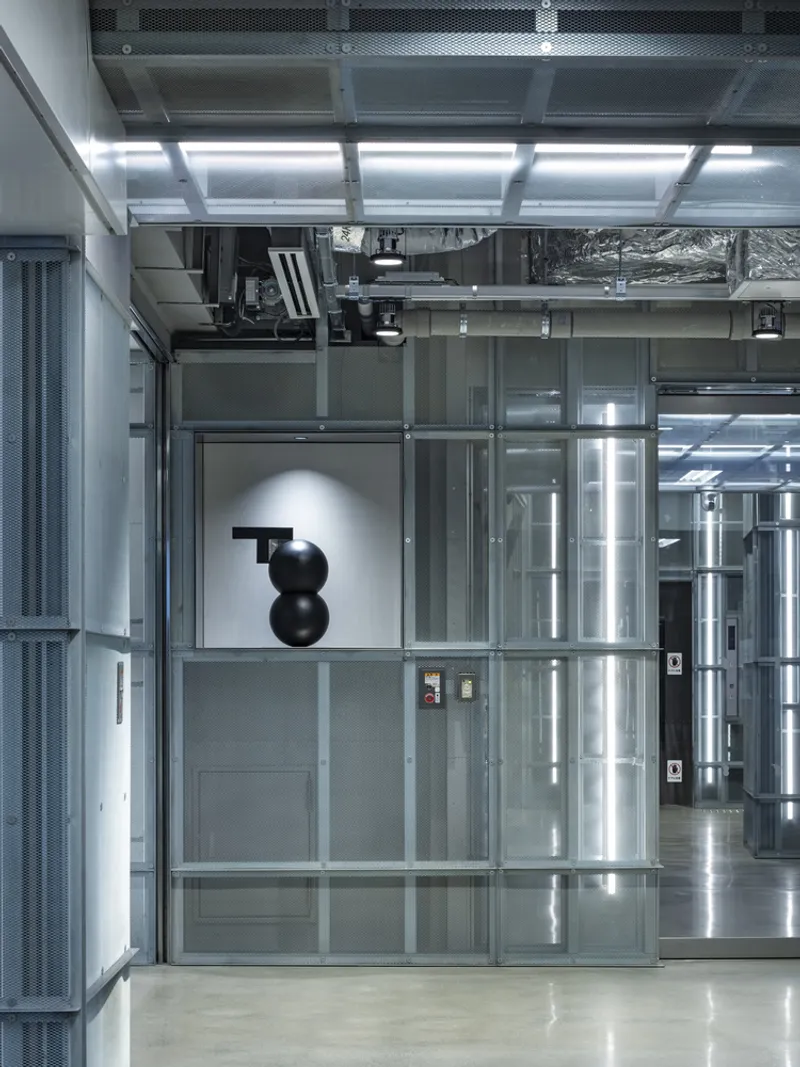
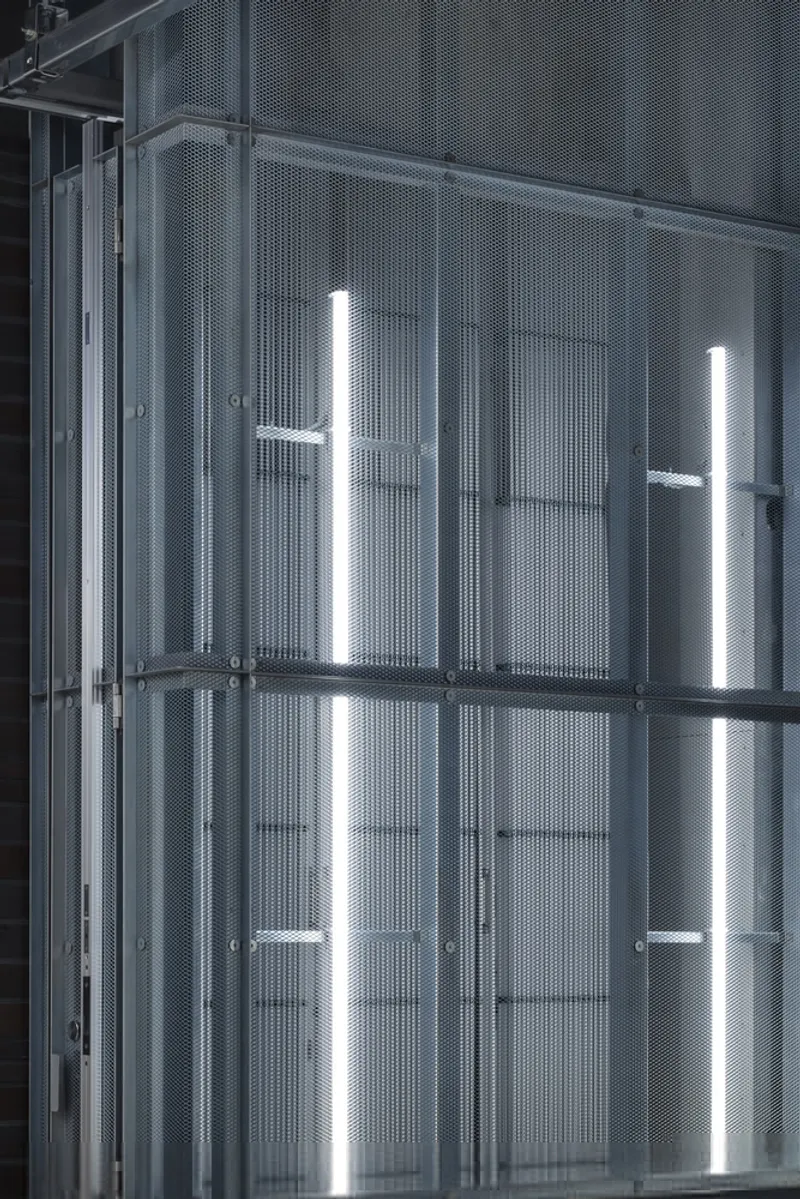
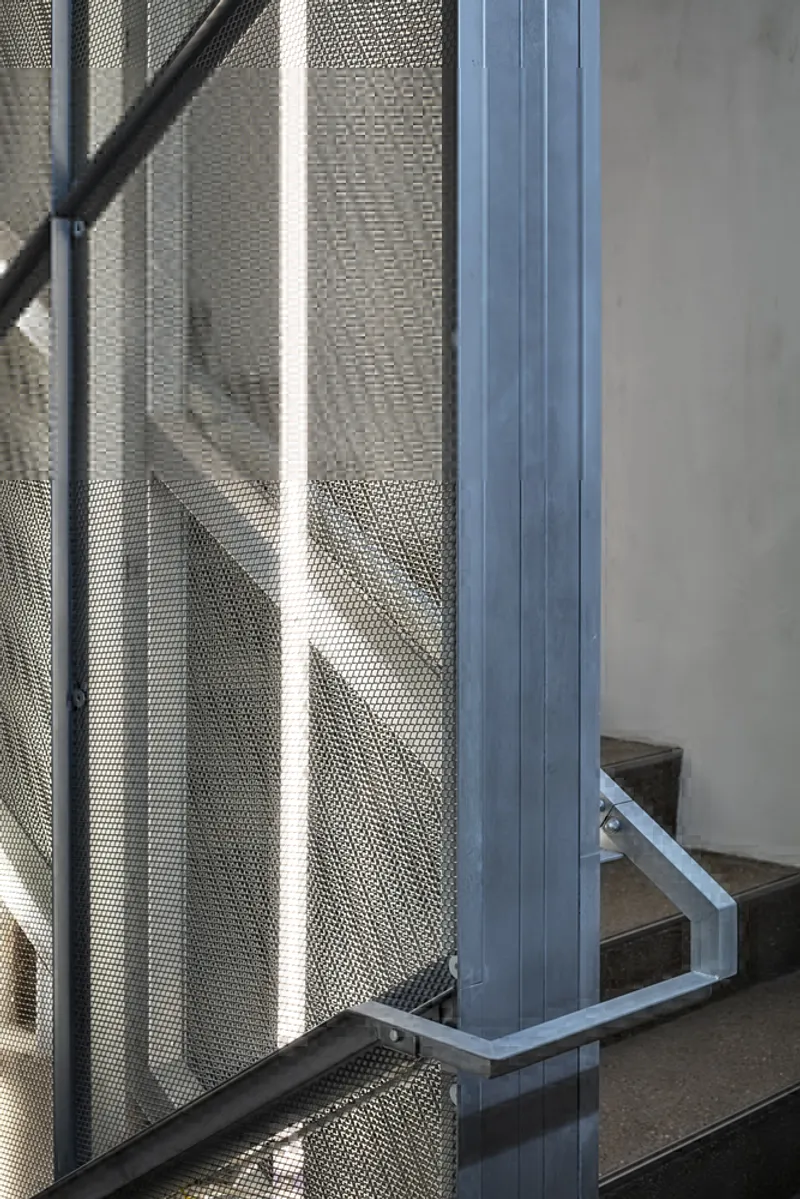
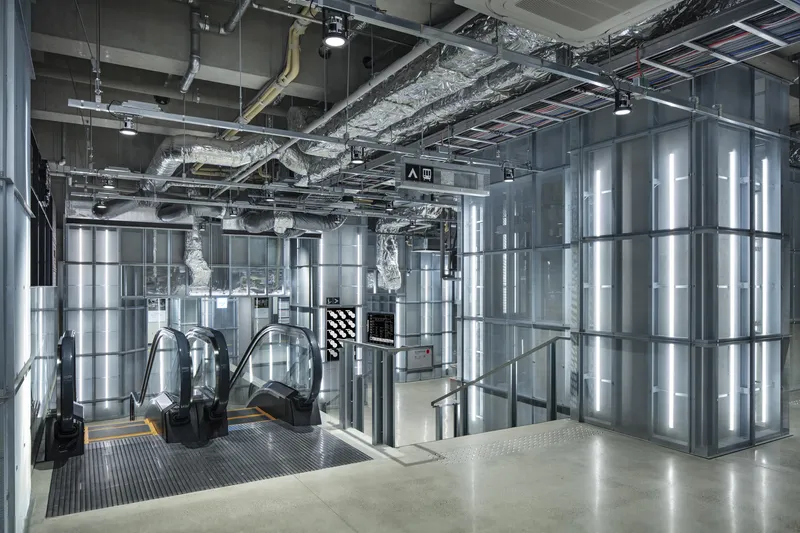
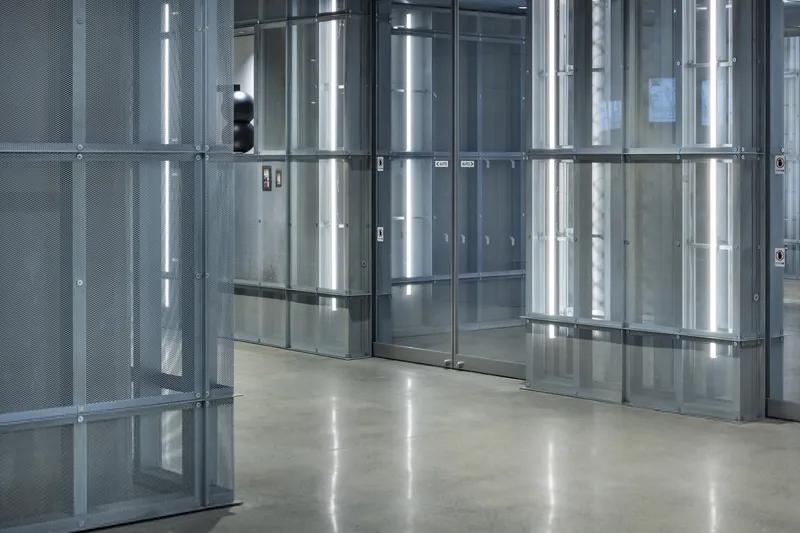
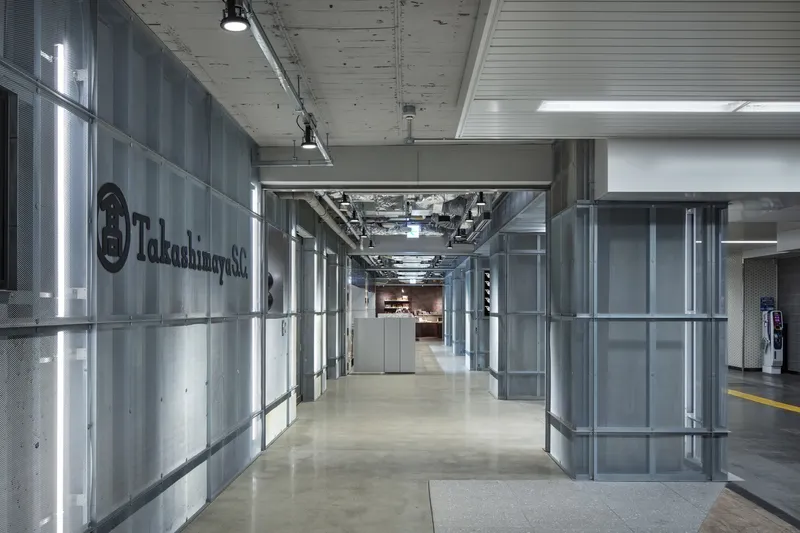
The B1 floor contrasts with the first floor’s park-like design. Housing grocery stores and restaurants, it merges the flexibility of pop-up stores with the luxury of department store aesthetics. Exposed ceilings, industrial finishes, and electroplated steel panels create a hybrid environment where functional infrastructure is subtly visible yet concealed, balancing elegance and practicality.
This thoughtful juxtaposition of ordinary and extraordinary, temporary and permanent, reflects DDAA’s central design ethos: a miscellaneous, multifaceted space where tenants and visitors engage with the city in diverse ways.
A Vision of Miscellaneous Coherence
The T8 Commercial Space demonstrates DDAA’s commitment to redefining commercial interiors in Kyoto. By embracing the zakkyo concept, the architects challenge conventional modernist retail paradigms, fostering a space where diversity, history, nature, and modernity coexist.
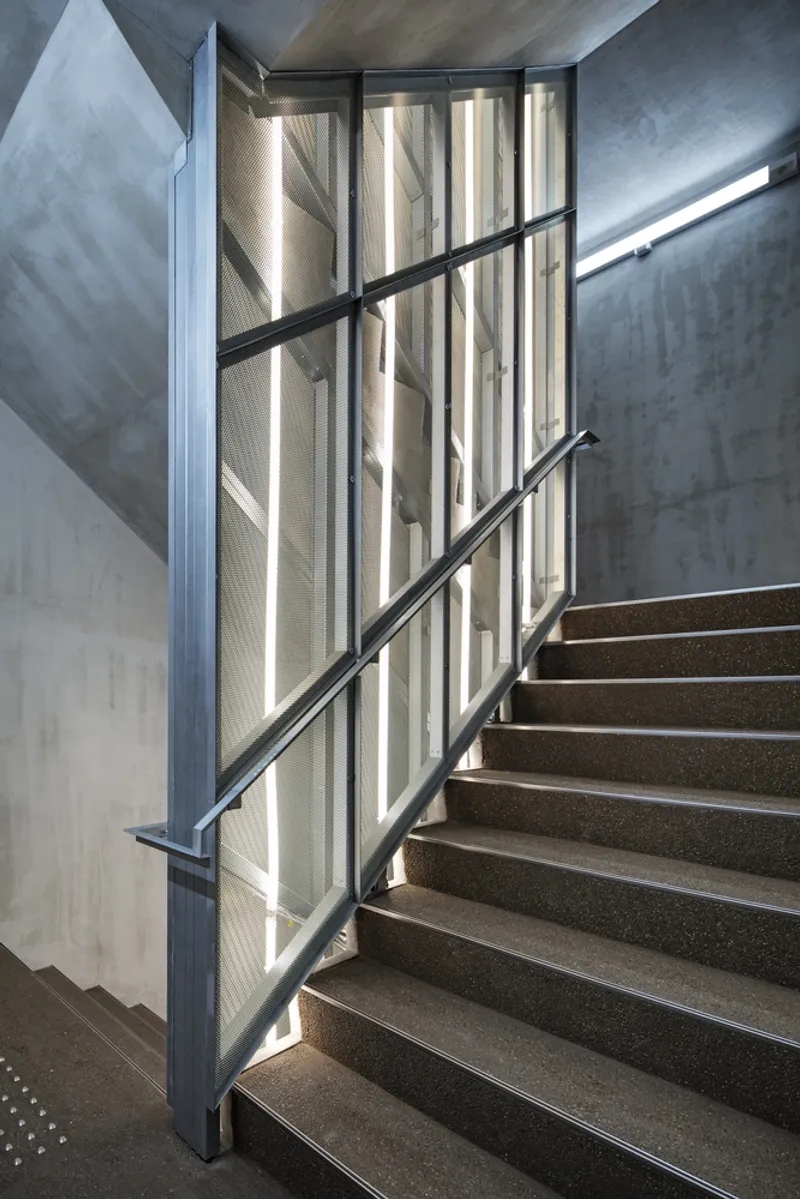
All photographs are works of Kenta Hasegawa



Popular Articles
Popular articles from the community


The Ocean Hive: Sustainable Architecture for a Self-Sufficient Civilization at Sea
The Ocean Hive imagines sustainable architecture at sea, where modular habitats, algae, wave power and ocean waste sustain a growing colony.

Conexión: Biophilic Design Reimagines High-Rise Living in Hong Kong
Conexión reimagines high-rise living in Hong Kong through biophilic design, green facades, shared spaces, daylight, water and nature within.

The Earth Pod: 3D Printed Homes for Resilient Refugee Communities
The Earth Pod reimagines refugee housing through 3D printed homes made from clay, combining resilience, self-sufficiency, and rapid shelter.

Lunar Spiral: Space Architecture Shaped by the Mathematics of the Universe
Lunar Spiral reimagines space architecture through Fibonacci geometry, lunar regolith, levitating habitats, and self-sustaining Moon living.

Similar Reads
You might also enjoy these articles


Hodi-Mandai Geram
Project Function: Preservation and revitalization of the Intangible heritage and socio-spatial identity of the Hodi by Housing, Cultural Memory Center, Sacred Grove, landscape, local tourism economy


Olio Towers: A Mid-Rise for Performers That Fuses Housing, Rehearsal, and Stage
Located blocks from Houston's Theater District, this modular tower stacks living units around a central performance atrium.

Oasis: Modular Green Housing Carved into Dhaka's Urban Fabric
A shortlisted Plugin Housing entry reclaims unauthorized settlements in Dhaka with stepped concrete volumes, green roofs, and ventilation-driven design.

Black Hole: A Floating Megastructure for the Post-Physical Era
Emiliano Mazzarotto envisions a spherical, self-scaling arena where e-sports, digital hotels, and holographic stadiums replace traditional public space.

Explore Commercial Buildings Competitions
Discover active competitions in this discipline



Challenge to reimagine the Iron Throne


Photograph architecture without architects


Illustrate the lost glory of Angkor Wat - Render Challenge


Design challenge to reuse E-waste
Comments (0)
Please login or sign up to add comments
No comments yet. Be the first to comment!