

La Panificadora: Rural Community Architecture by Natura Futura in Ecuador
La Panificadora by Natura Futura is a rural community architecture project in Ecuador, merging tradition, education, and sustainable local development.


Empowering Rural Communities through Architecture
La Panificadora, designed by Natura Futura, is a groundbreaking project in Babahoyo, Ecuador, that redefines the role of rural community architecture. Built in 2025, this 100 m² development center and production space empowers local communities by merging education, production, and cultural identity through architecture.


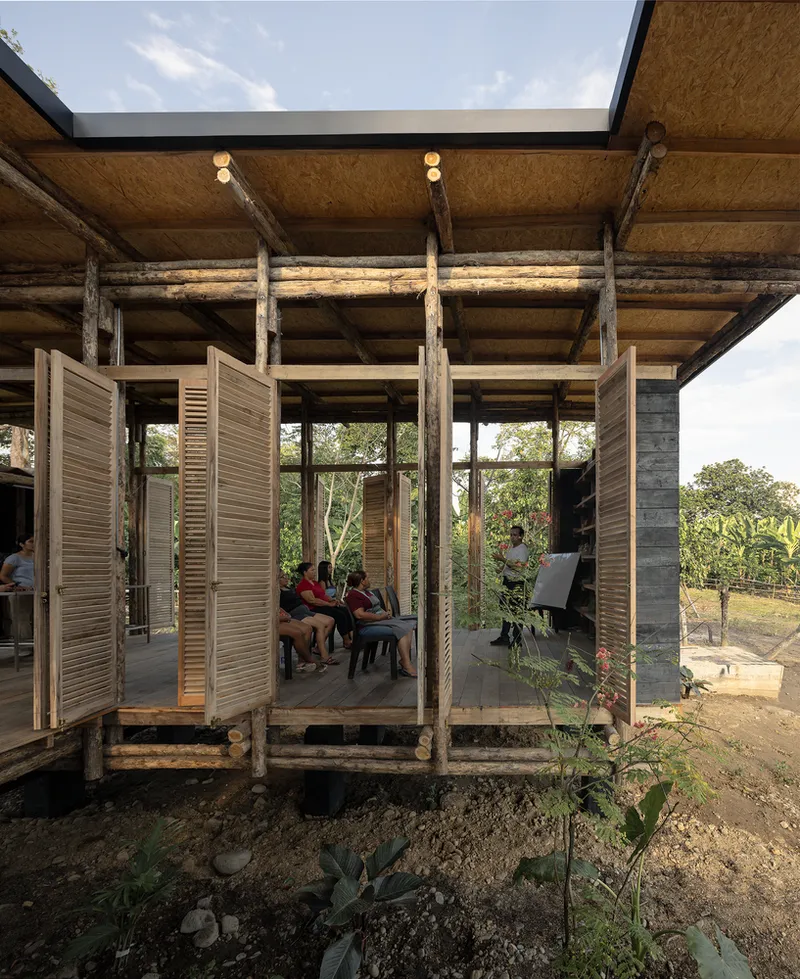
In a region historically dependent on urban centers for growth, the project introduces a new model of autonomy. It is designed as a space where bread-making—a staple of the Ecuadorian diet—becomes the foundation for social development, women-led entrepreneurship, and youth empowerment.


Social and Cultural Vision
Babahoyo’s rural settlements often lacked productive spaces tailored to local needs. While common plazas and sports courts existed, they did not activate local economies. La Panificadora emerges as a response, fostering self-management and community leadership while building educational and productive networks.


This center is designed as a progressive model: it begins with training workshops, transitions into production, and ultimately expands to commercialization within the community. Funded by the Ammodo Architecture Award, the project addresses the urgent infrastructural and economic needs of Global South communities while offering a replicable model for other rural territories.


Architectural Layout and Design
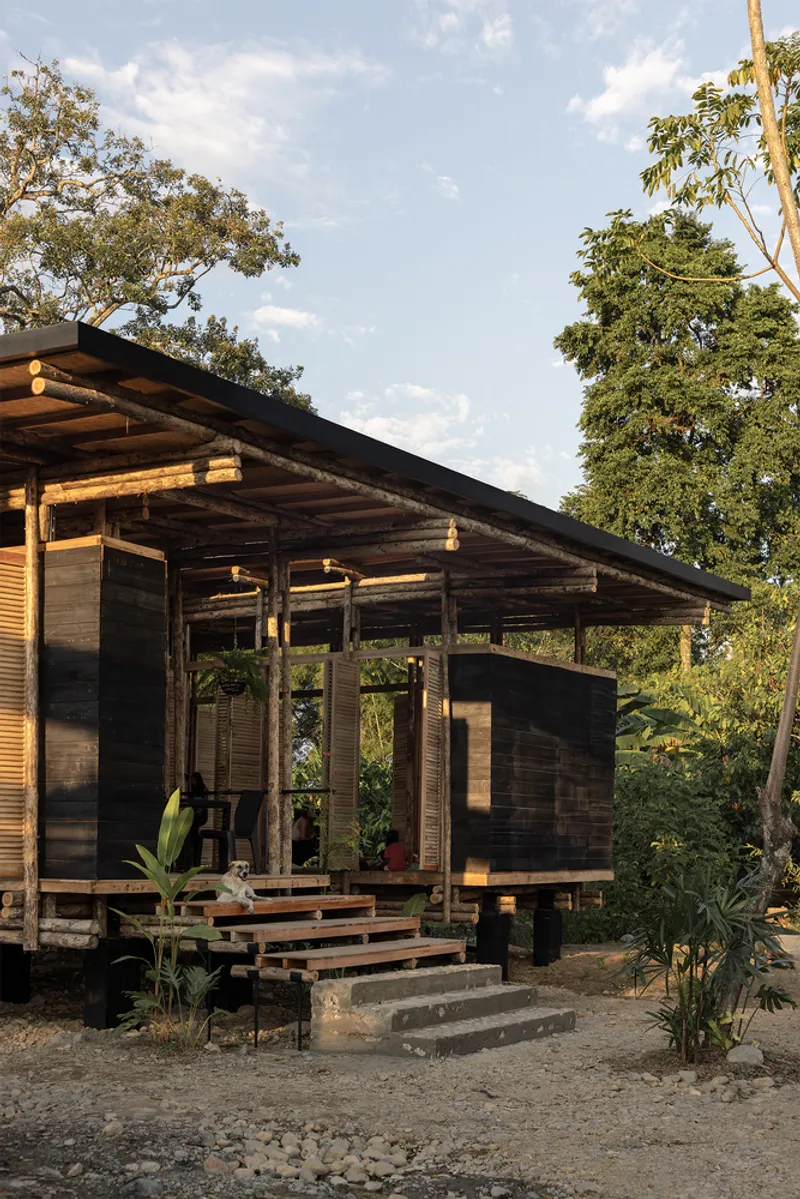
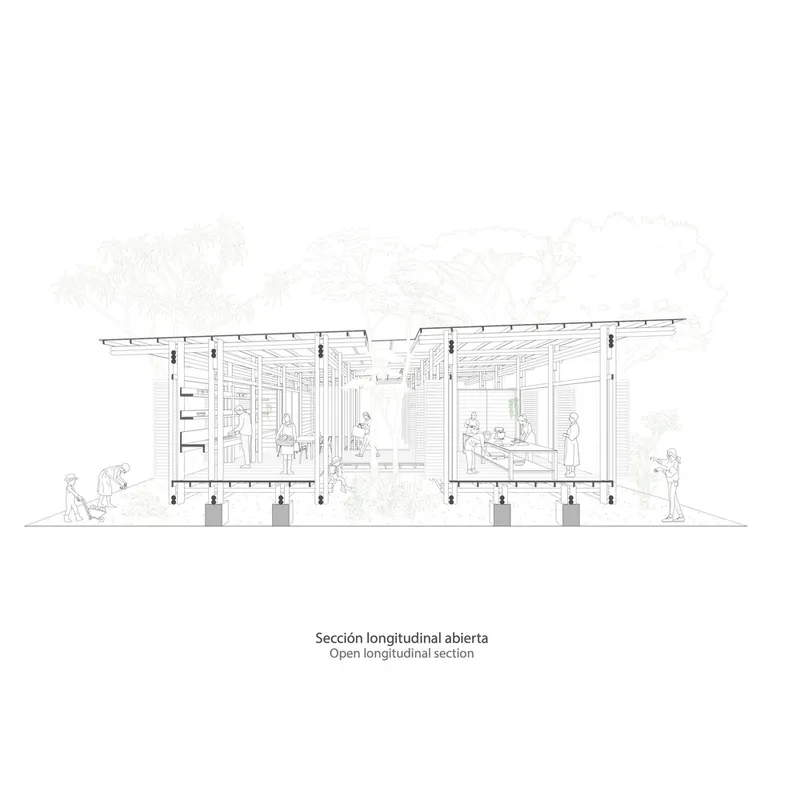
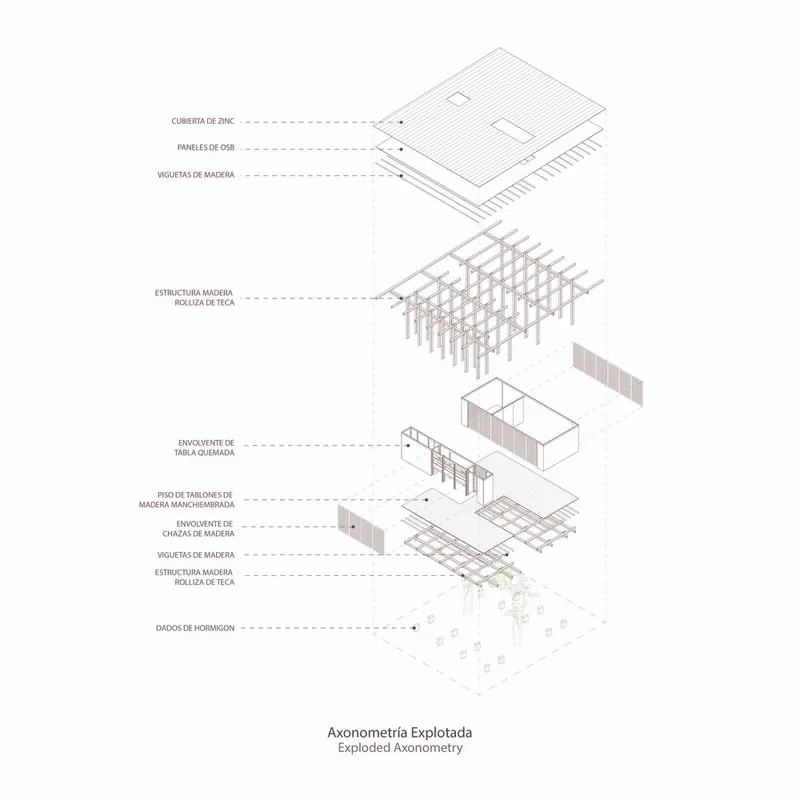
The project consists of two elevated wooden modules, raised on pilings to respond to the flood-prone conditions of Ecuador’s coastal environment.


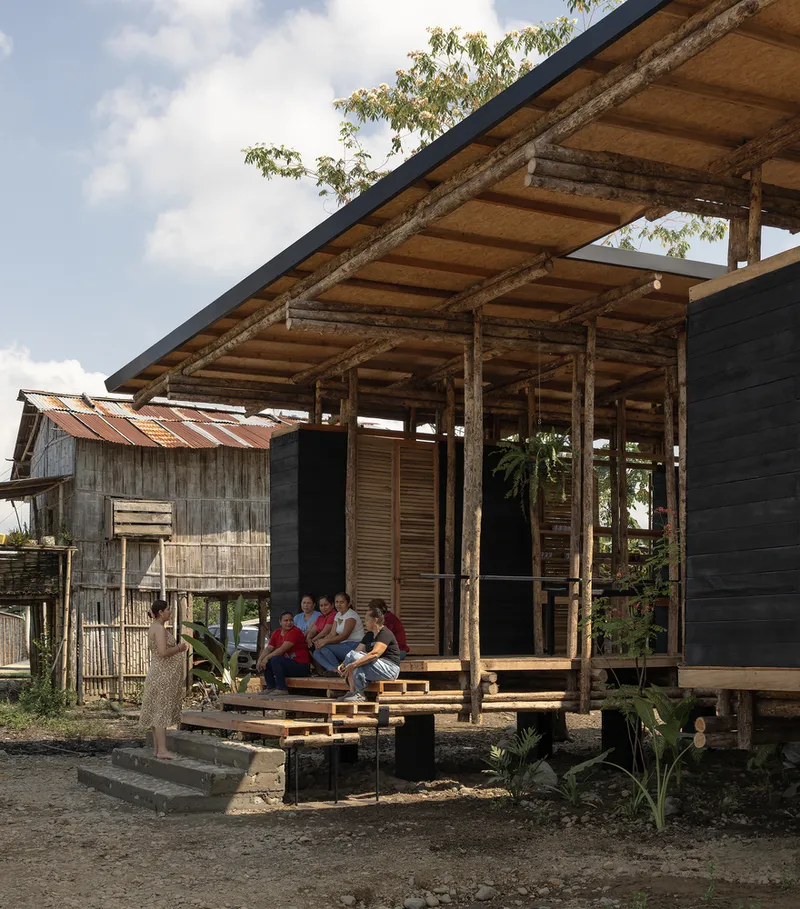
The first module houses a bakery and a small community library, while the second integrates a communal kitchen, a bread and tea sales point, and a rural staircase that links the project directly to its surroundings. A central patio and connecting bridge unite the two structures, creating a communal heart where people gather and share knowledge.


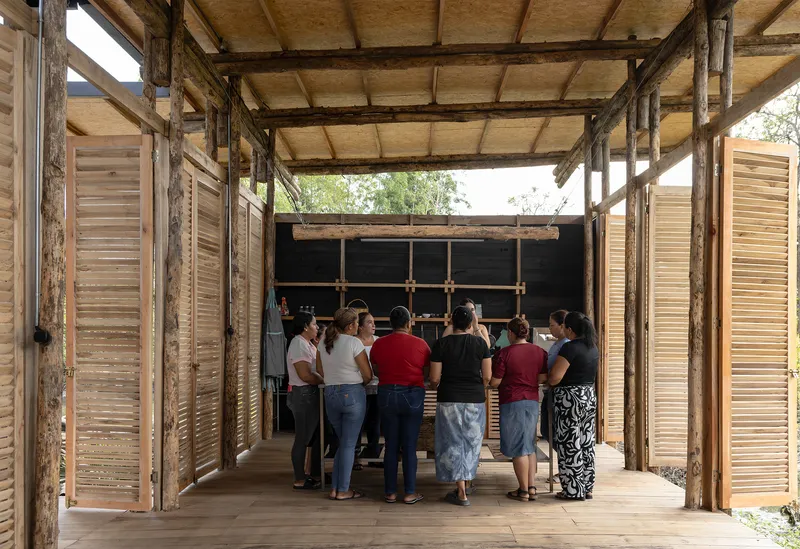
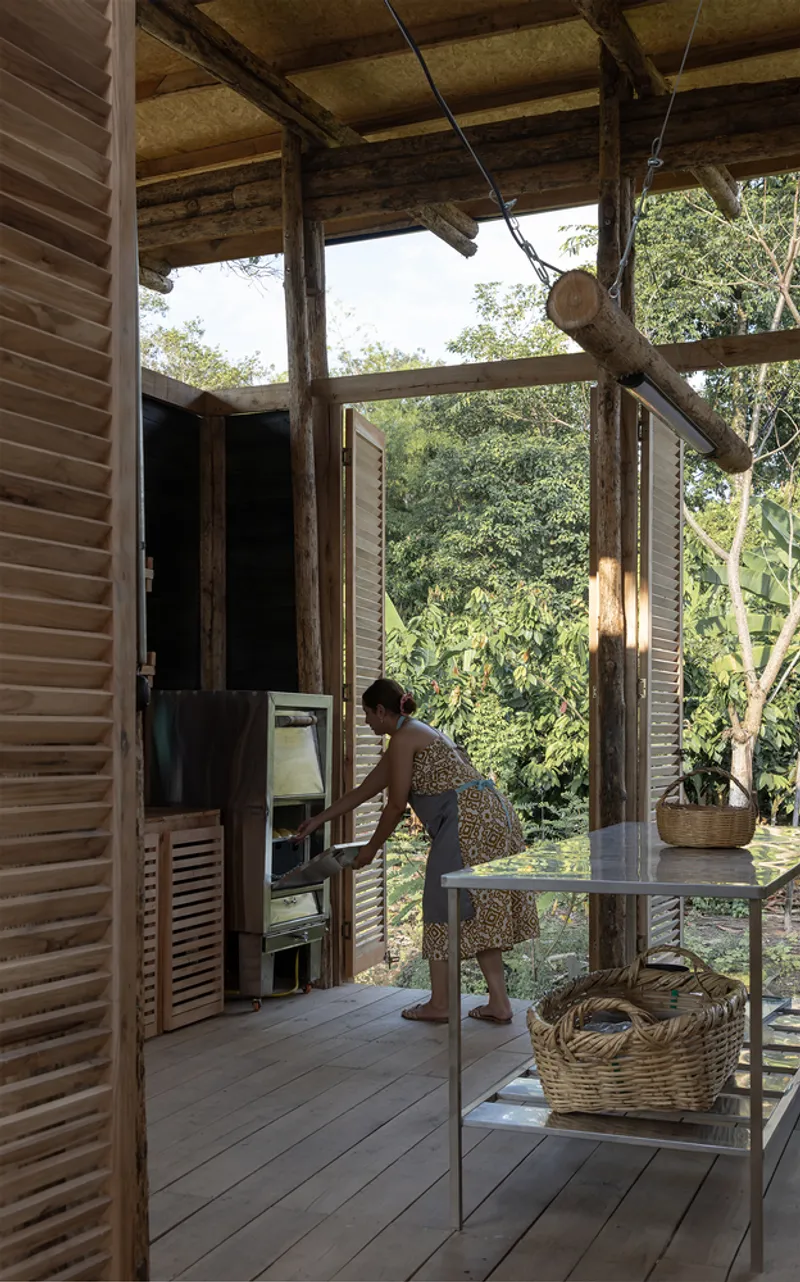
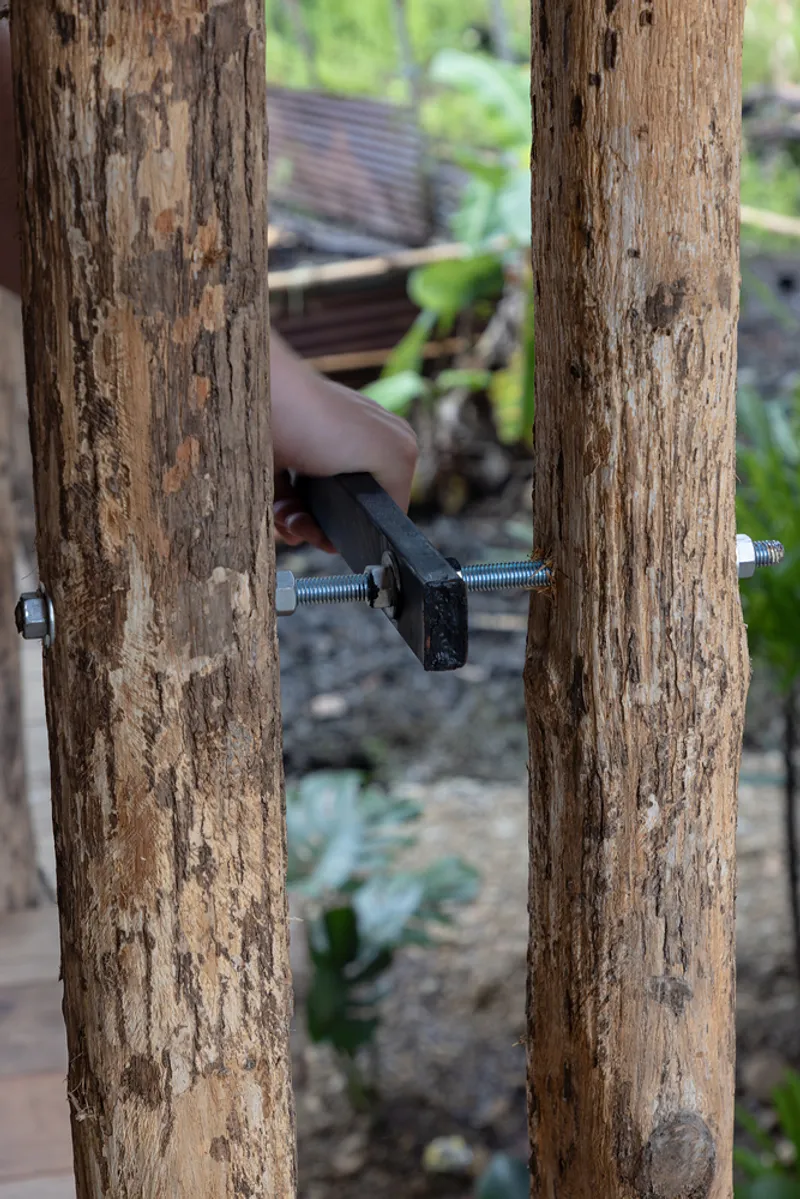
Constructed with teak wood, the modules employ floating beams and lattice doors that promote natural ventilation and light. This design references traditional coastal Ecuadorian construction systems while adapting them to contemporary needs.


Sustainability and Local Integration
La Panificadora is more than a building—it is a model of resilience and sustainability. Its modular wooden design allows for flexibility and replicability, while its raised structure protects against environmental challenges. Open galleries and passive ventilation systems align the project with ecological building strategies deeply rooted in vernacular traditions.


Beyond physical sustainability, the architecture ensures cultural sustainability by valuing ancestral knowledge, rural labor, and women’s leadership. This dual focus reinforces community identity while providing tools for economic growth.

A New Model for Rural Development
La Panificadora demonstrates the transformative power of rural community architecture. By intertwining education, production, and tradition, Natura Futura has created more than an infrastructure—it is a catalyst for empowerment and social innovation.


The project dignifies rural life, strengthens local economies, and proposes a scalable model for other coastal Ecuadorian communities. It shows how architecture, when rooted in context and culture, can spark development that is both socially inclusive and environmentally resilient.


All Photographs are works of JAG Studio


Popular Articles
Popular articles from the community


Juan García Correa, John González and Claudia Rueda Sink a Circular Amphitheater into a Manizales Engineering Building
On the La Nubia campus in Manizales, Colombia, the S1 Building folds labs and offices into a hillside of ramped lawns that double as a campus route.

longwave studio Reorganizes a 112 m² Tainan Apartment Around the Daily Routines of a Family and Two Cats
In Tainan, Taiwan, birch plywood, rust-red furniture and a freestanding plaster wall link arrival, storage, work and family life in one apartment.

Architekt Andreas Gruber Scatters 23 Dark Timber Chalets Across a South Tyrolean Forest Edge
In Molini di Tures, Amonti Chalets breaks a resort into a hamlet of gabled timber houses, with parking, storage and services pushed into the slope.

U.GA Architects Wraps an Oval Rooftop Pool in Curved Board-Formed Concrete on Busan's Jeollidan-gil
In Busan's Jeonpo-dong, a 454 m² mixed-use block stacks a neighborhood facility, guest rooms and an oval rooftop pool inside spiraling concrete walls.

Similar Reads
You might also enjoy these articles

Gil Mello Arquitetura Tilts a Single Roof Toward the Waterfalls on a Plateau Above Aiuruoca, Brazil
In Aiuruoca, Minas Gerais, a 200 m² house of local labor and reclaimed poles pairs a low valley veranda with a tall mountain one.
U.GA Architects Wraps an Oval Rooftop Pool in Curved Board-Formed Concrete on Busan's Jeollidan-gil
In Busan's Jeonpo-dong, a 454 m² mixed-use block stacks a neighborhood facility, guest rooms and an oval rooftop pool inside spiraling concrete walls.

Felipe Hess Arquitetos Turns a Blind Stone Wall to the Street and Opens a Brazilian House onto a Courtyard and Canal
A canal-front house in Brazil hides behind painted stone and planting, then opens to an olive-tree courtyard, a reed-ceilinged porch and a curving pool.

David Macias Steps a Doorless Stone and Plaster House Down a Tropical Colombian Hillside
In the humid hills of Colombia, Threshold House replaces the front door with an open void and terraces its 850 m² down the slope instead of fighting it.

Explore Architecture Competitions
Discover active competitions in this discipline

Challenge to reimagine the Iron Throne

Photograph architecture without architects

Illustrate the lost glory of Angkor Wat - Render Challenge

Design challenge to reuse E-waste
Comments (0)
Please login or sign up to add comments
No comments yet. Be the first to comment!