
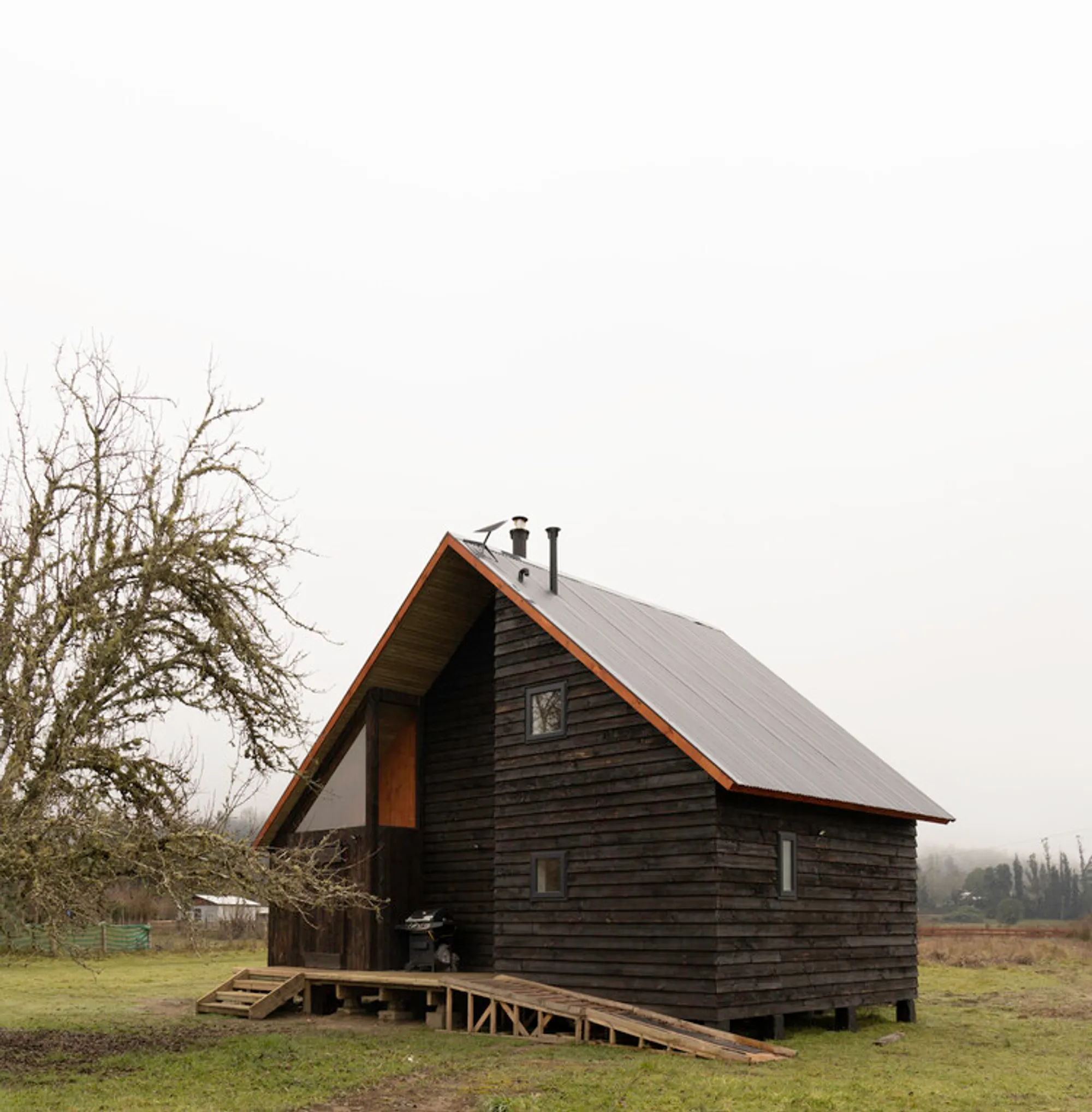
La Regalona House by Azimut 180°, Valdivia, Chile
A compact wooden house blending Chilean tradition and sustainability, featuring bioclimatic design, flexible interiors, and seamless integration with its river landscape.


La Regalona House, designed by Azimut 180° near Valdivia, Chile, is a compact yet thoughtful residential project that merges local architectural traditions with contemporary sustainable design strategies. Situated along the banks of the San Pedro River, the house responds directly to its البيئة: embracing climate, material culture, and landscape as fundamental design drivers.

At just 58 square meters, the project demonstrates how small-scale architecture can achieve spatial richness and environmental sensitivity. The design draws inspiration from traditional rural houses of southern Chile, where heavy rainfall and strong winds shape architectural form. This influence is most evident in the steep gabled roof, which efficiently sheds rainwater, and in the inclusion of a mudroom, a transitional space that acts as both a wind buffer and a functional area for storing wet clothing and equipment.

The house is elevated slightly above the ground, a strategy that preserves natural soil permeability and minimizes its ecological footprint. This approach allows the structure to “touch the land lightly,” reinforcing its respectful integration into the surrounding landscape.
Wood is the defining material of the project, used both structurally and aesthetically. The exterior is clad in treated timber using the traditional Japanese technique of shou sugi ban, which enhances durability while giving the house a dark, textured appearance that blends seamlessly with the natural environment. This choice reflects a balance between local building traditions and global sustainable practices.
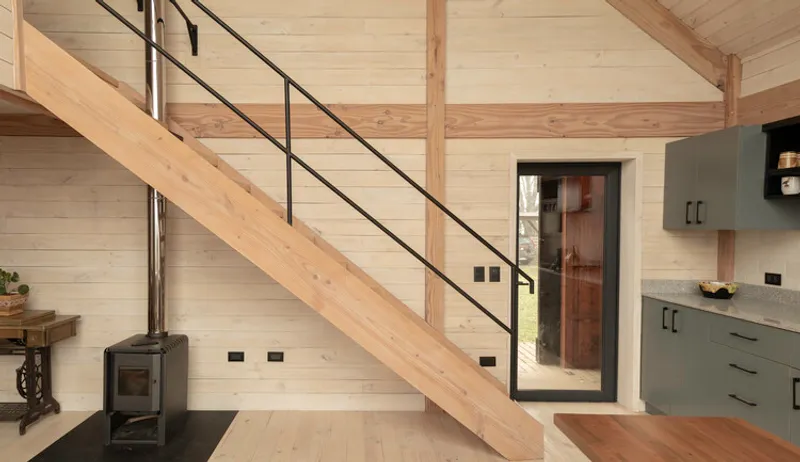
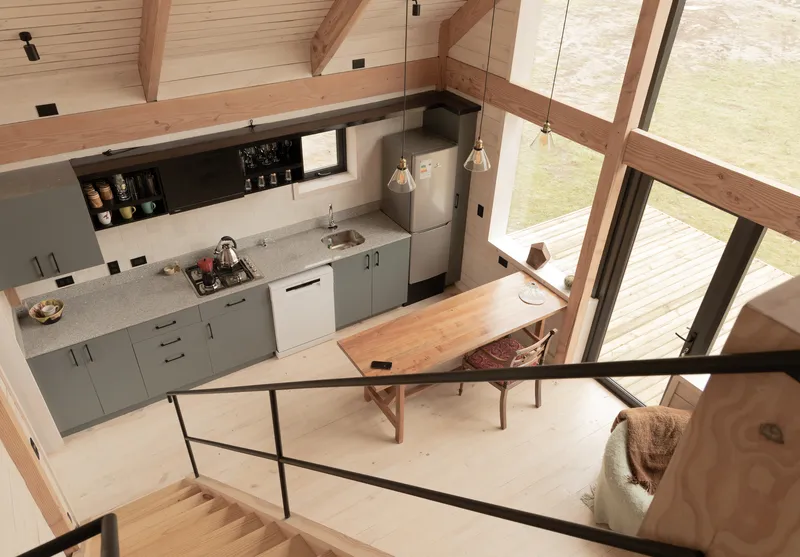
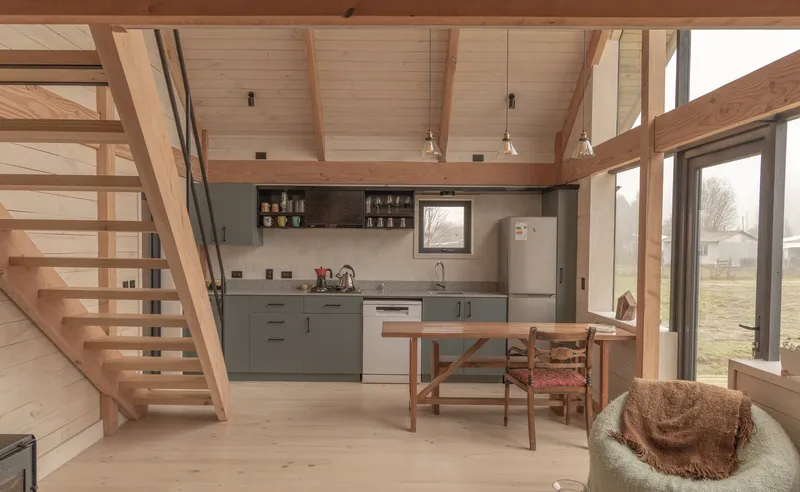
Internally, the house is organized around a double-height central space that combines the living room, dining area, and kitchen. This open configuration contrasts with the compartmentalized layouts of traditional homes, creating a sense of spaciousness despite the compact footprint. A large north-facing window introduces abundant natural light, visually connecting the interior with the surrounding landscape.

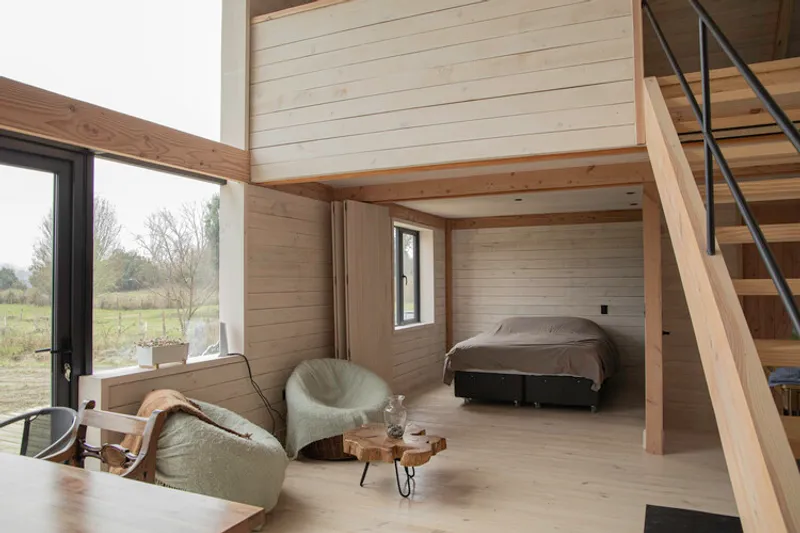
The upper level is designed as a flexible loft, reinforcing the idea of spatial adaptability. Folding doors allow the bedroom to open toward the main living area, enabling the house to shift between private and communal configurations. This flexibility is key to maximizing usability within a limited space.
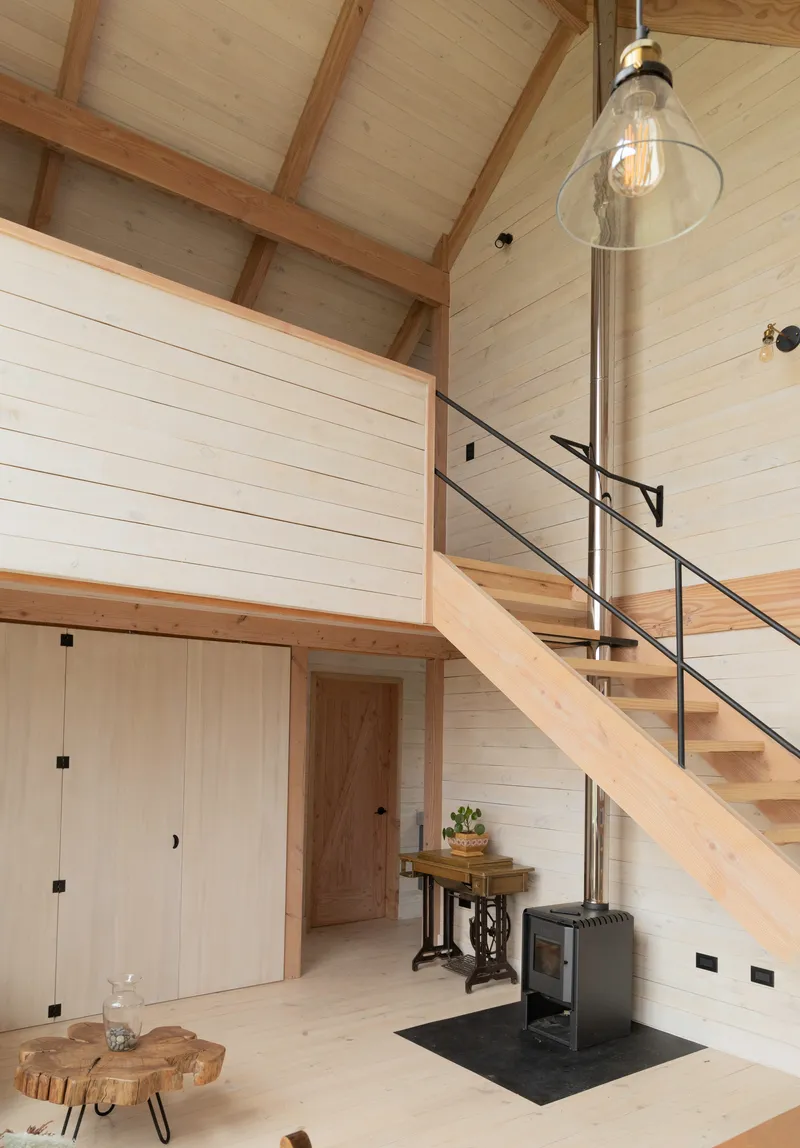

Bioclimatic design principles play a central role in the project. The orientation and placement of openings are carefully calibrated to optimize solar gain during colder months while preventing overheating in summer. Deep eaves provide shading, while high-performance insulation ensures thermal efficiency, reducing the need for artificial heating.

The result is a home that achieves comfort through passive strategies rather than mechanical systems. Light, ventilation, and material choices work together to create an environment that is both energy-efficient and pleasant to inhabit.

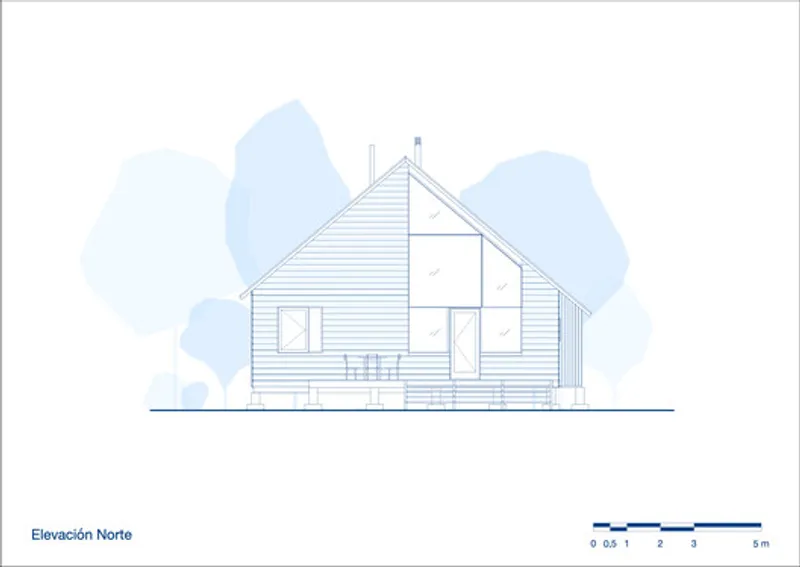
La Regalona House ultimately represents a sensitive architectural response to place. It is a project that respects local identity while embracing contemporary design thinking: demonstrating how sustainability, tradition, and innovation can coexist within a modest yet meaningful dwelling.

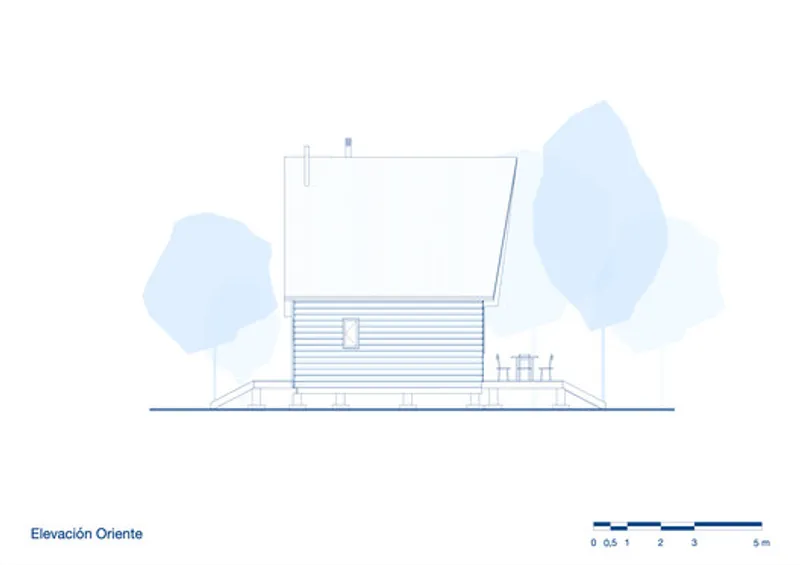
All the Photographs are works of Josefina Quezada




Popular Articles
Popular articles from the community


The Earth Pod: 3D Printed Homes for Resilient Refugee Communities
The Earth Pod reimagines refugee housing through 3D printed homes made from clay, combining resilience, self-sufficiency, and rapid shelter.

Co-Life: Senior Housing Design That Reconnects Older Adults With the City
Co-Life reimagines senior housing design through healing gardens, shared streets, workshops, and a sustainable community across generations.

AL-JANNAH: Sustainable Architecture and Permaculture for Afghan Widows
AL-JANNAH uses sustainable architecture and permaculture to create resilient oasis of housing, learning, work and renewal for Afghan widows.

The Ocean Hive: Sustainable Architecture for a Self-Sufficient Civilization at Sea
The Ocean Hive imagines sustainable architecture at sea, where modular habitats, algae, wave power and ocean waste sustain a growing colony.


Similar Reads
You might also enjoy these articles

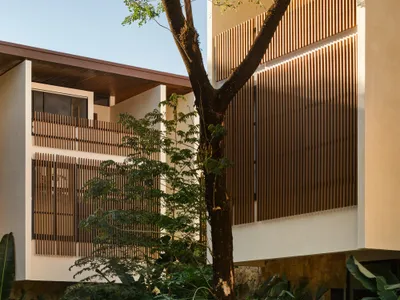
FAMM Arquitectura Organizes Ten Villas Around Courtyards and Jungle in Nosara, Costa Rica
El Molino pairs two elongated volumes with deep overhangs and timber louvers to build a compact coastal community five minutes from the beach.
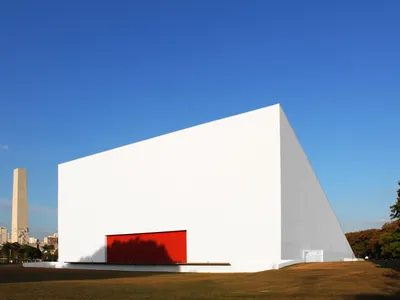
Oscar Niemeyer's Ibirapuera Park Pavilions Define São Paulo's Cultural Identity in Concrete and Curve
A constellation of modernist volumes set within São Paulo's most important urban park, conceived for the city's 400th anniversary in 1954.

How Henri Picq's 1889 Paris Pavilion Traveled 11,000 Kilometers to Become Santiago's Artequín Museum
A prefabricated iron and glass pavilion built for the Paris Universal Exposition found a second life as a children's art museum in Chile.
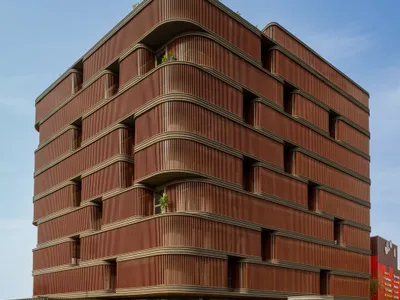
Sanjay Puri Architects Wraps a Jaipur Office Tower in Capsule-Shaped Green Buffers
A nine-level climate-responsive workplace near Jaipur Airport uses stacked planter terraces and aluminium screens to fight 40°C heat.


Explore Architecture Competitions
Discover active competitions in this discipline



Challenge to reimagine the Iron Throne


Photograph architecture without architects


Illustrate the lost glory of Angkor Wat - Render Challenge


Design challenge to reuse E-waste
Comments (0)
Please login or sign up to add comments
No comments yet. Be the first to comment!