
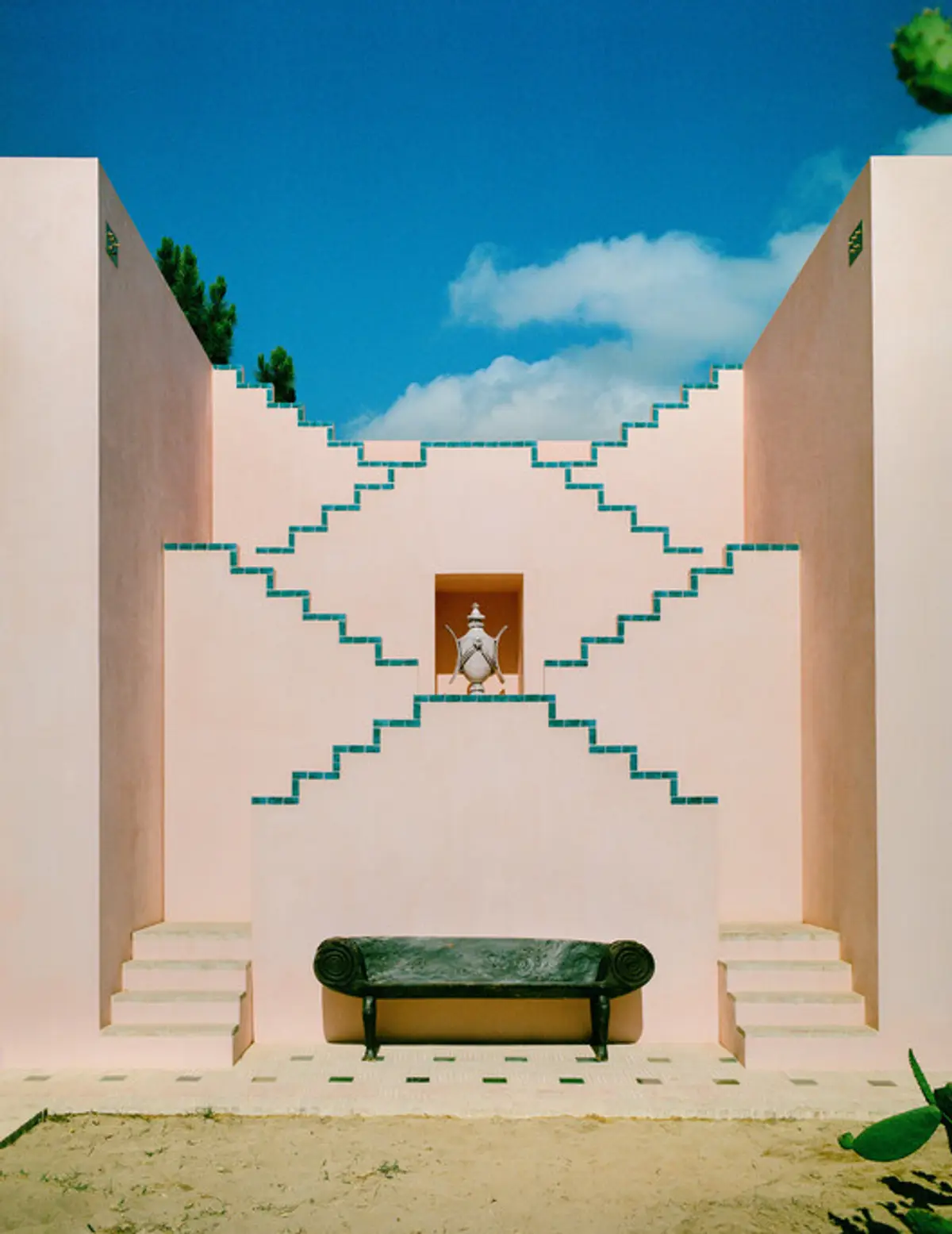
La Salvada Retreat by Tarek Shamma – A Crafted Sanctuary Rooted in Portuguese Tradition and Landscape
A handcrafted retreat in Melides that preserves ruins and a towering cactus, blending local materials, traditional techniques, and seamless indoor-outdoor living.


Set in the sun-washed landscape of Melides, Portugal, the La Salvada Retreat designed by Tarek Shamma reinterprets the ruined footprints of two former structures as a serene, tactile, and deeply contextual residence. Guided by the client’s desire for a home where indoor and outdoor life flow seamlessly, the project transforms spatial limitations into opportunities for craft, material honesty, and lasting cultural resonance.
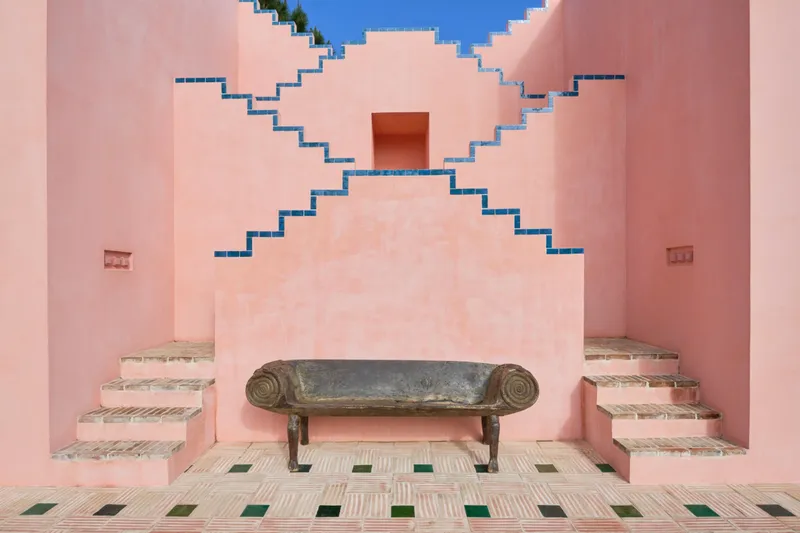
With strict planning constraints confining construction to the exact footprint of two remnants—and a dramatic 5-meter-tall cactus that could not be disturbed—the design required precision, sensitivity, and a profound respect for the existing site.
Respecting Ruins, Preserving Nature
Rather than impose a new architecture over the land, Shamma worked within the inherited boundaries and designed the retreat as an extension of the terrain. The existing ruins were stabilized and integrated into the project’s massing, while the monumental cactus was preserved as a sculptural focal point, shaping courtyard orientations and circulation paths.
This approach transforms the cactus and ruins from obstacles into anchors of identity, grounding the home in the layered memory of the place.
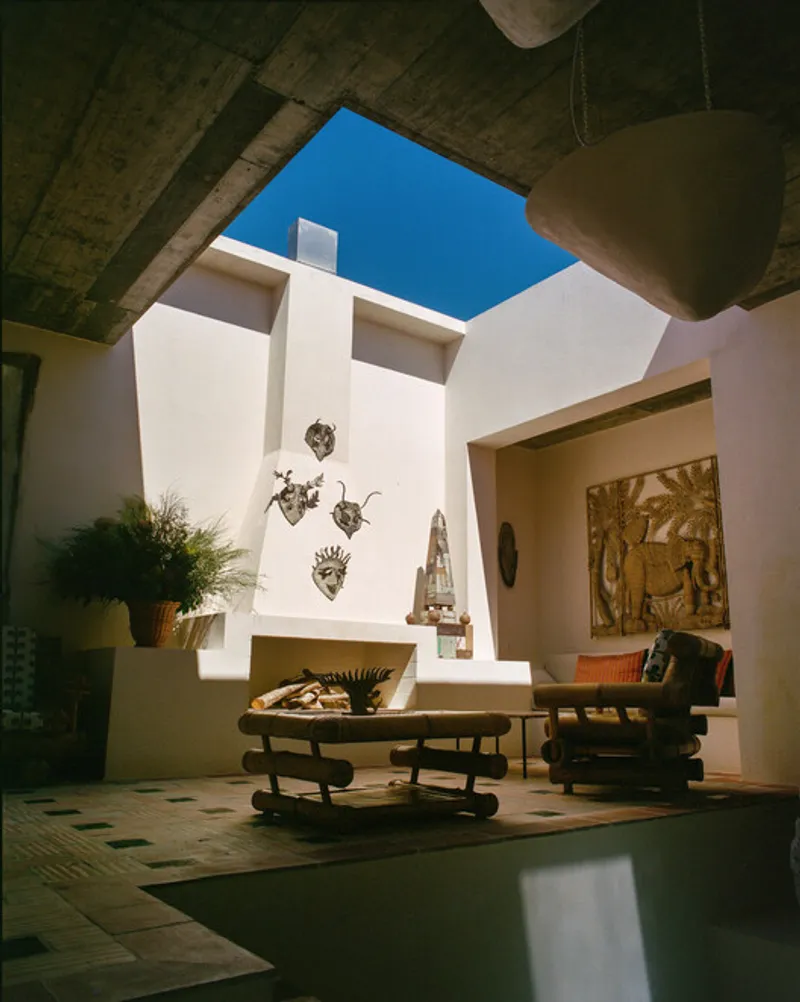
Material Craftsmanship Rooted in Local Tradition
The retreat’s material palette is a celebration of Portuguese craftsmanship and regional geology. Shamma sourced and curated materials with deep local lineage:
- Loose stone and local granite, echoing the rugged terrain
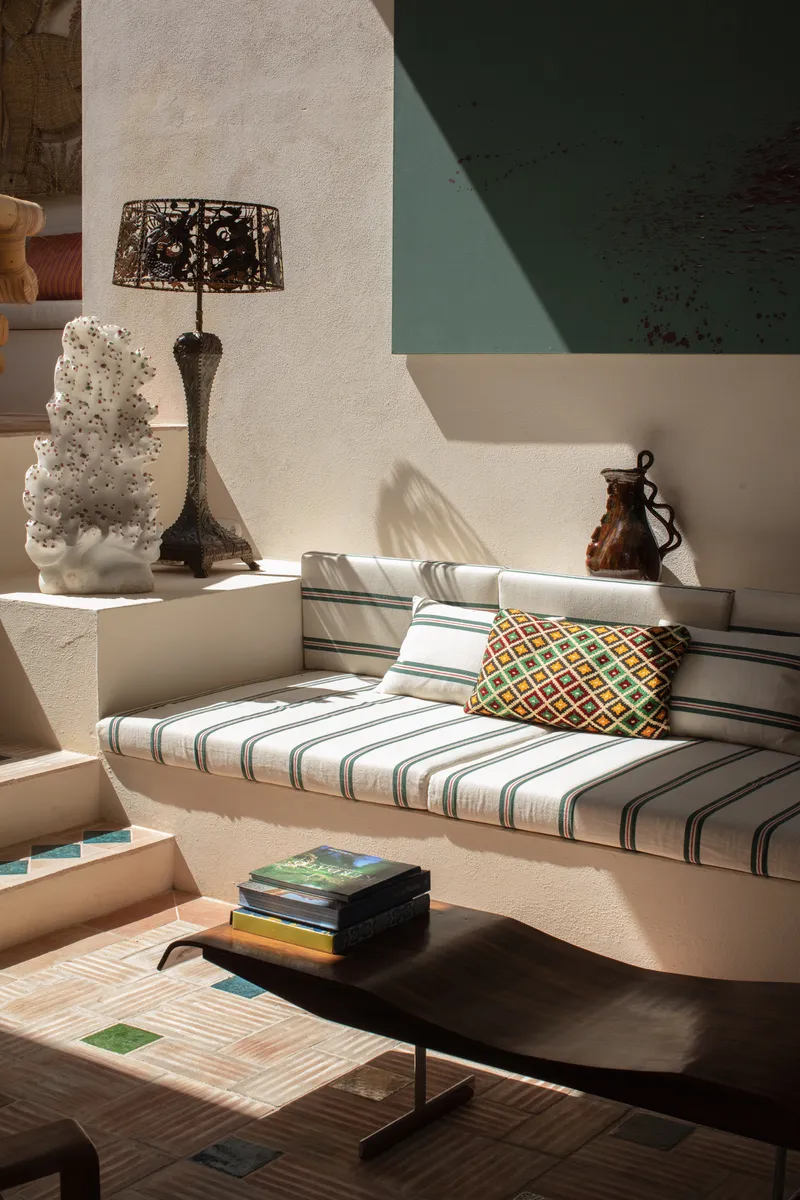
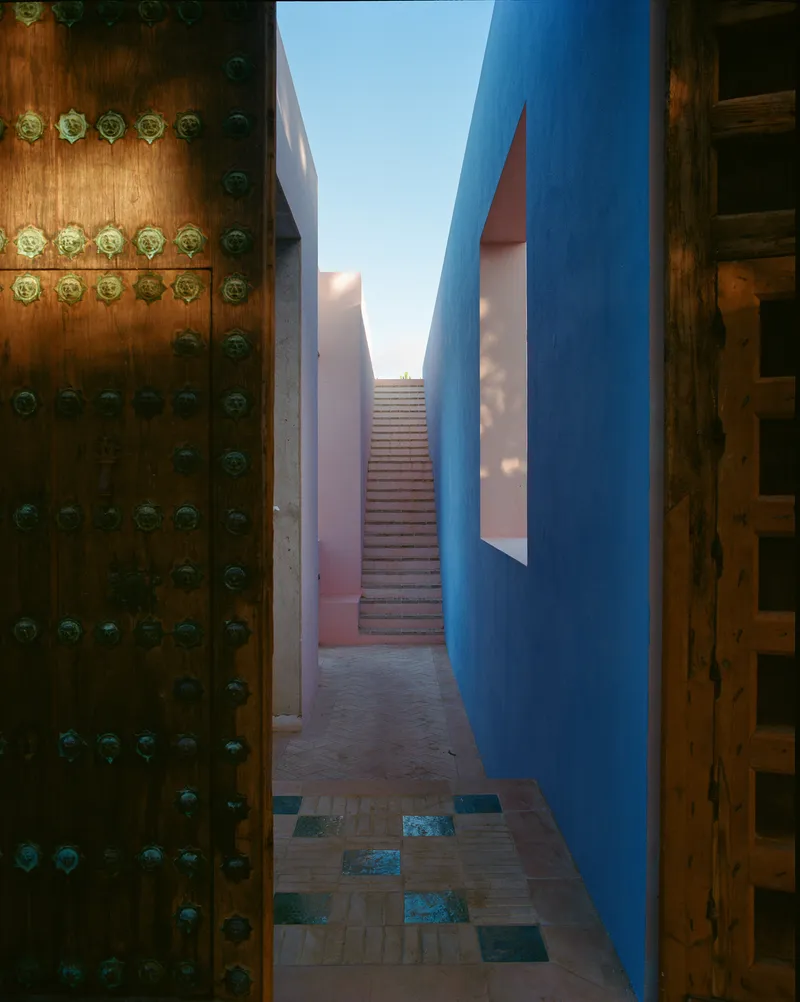
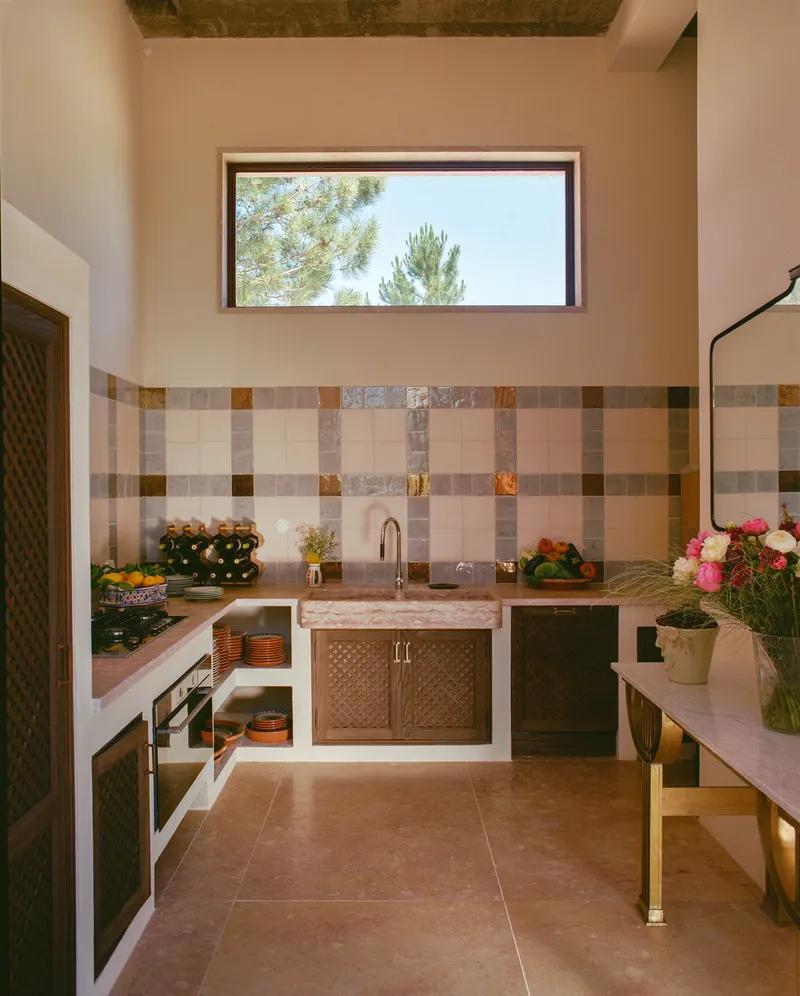
- Handmade terracotta tiles, lending warmth, texture, and timeless durability
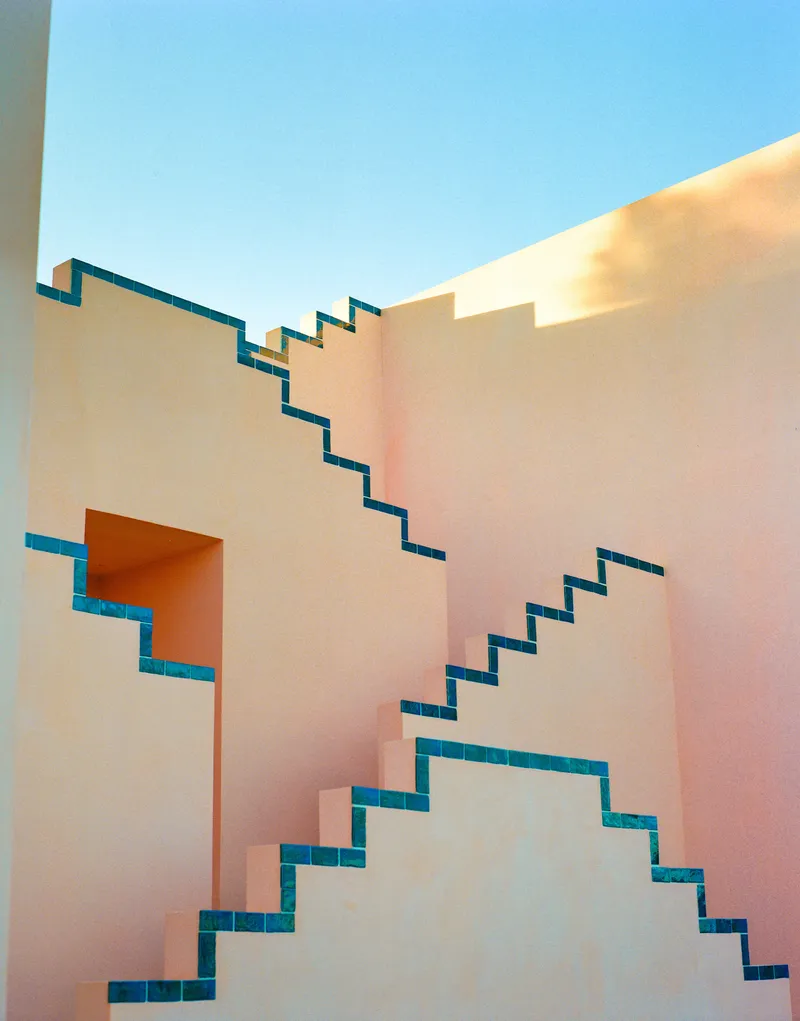
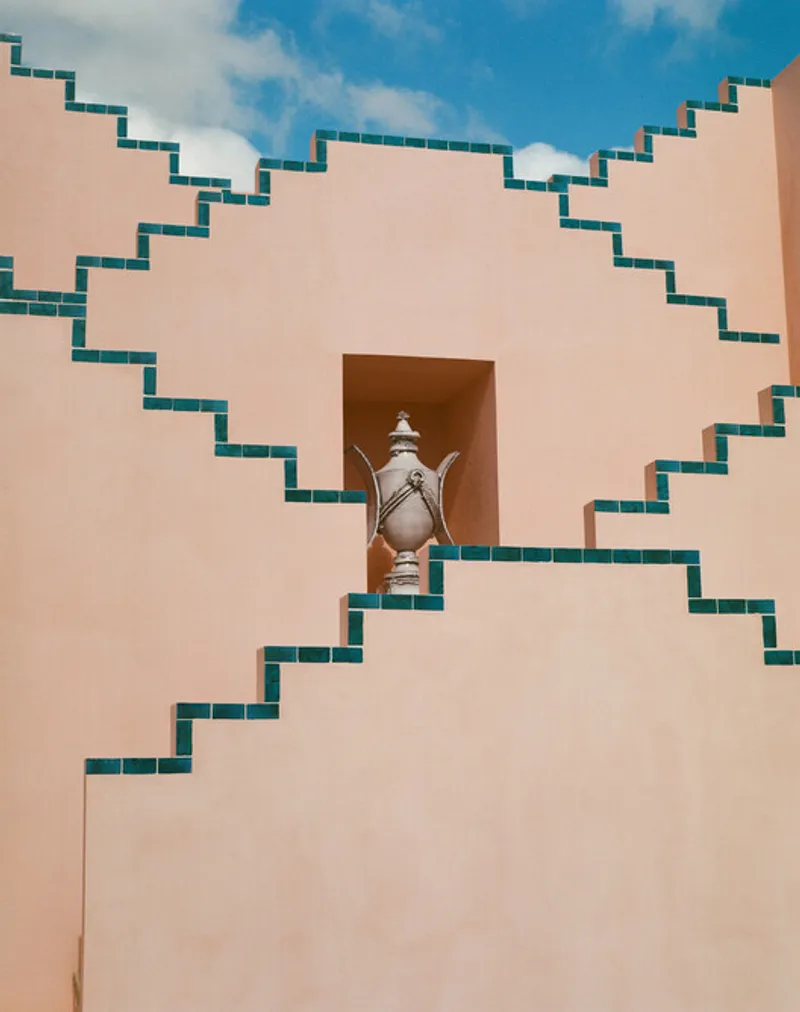
- Azulejos tiles, used in contemporary detail rather than traditional ornamentation
- Natural rattan weaving crafted by local artisans
These elements create a layered, earthy atmosphere where texture takes precedence over ornament. Each material speaks of the region’s heritage, yet their assembly feels unmistakably contemporary.
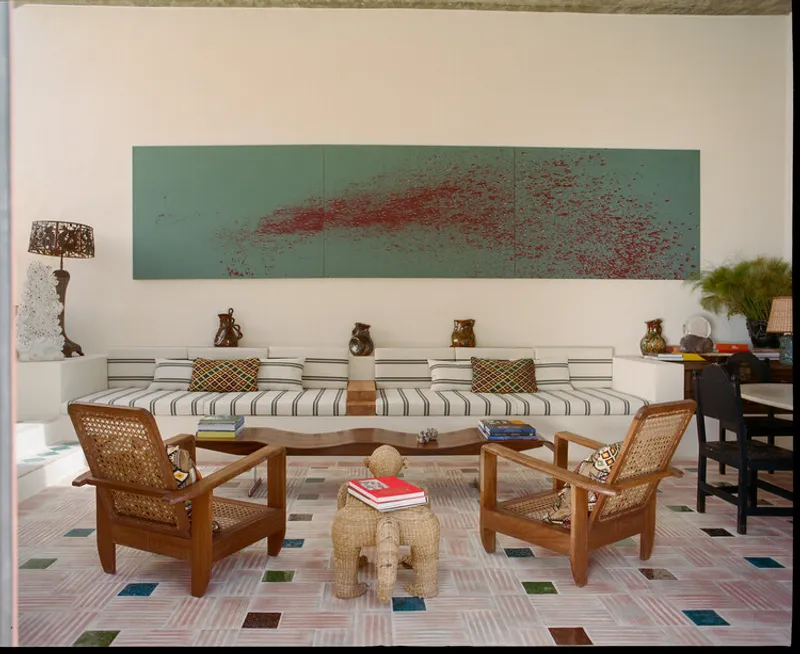
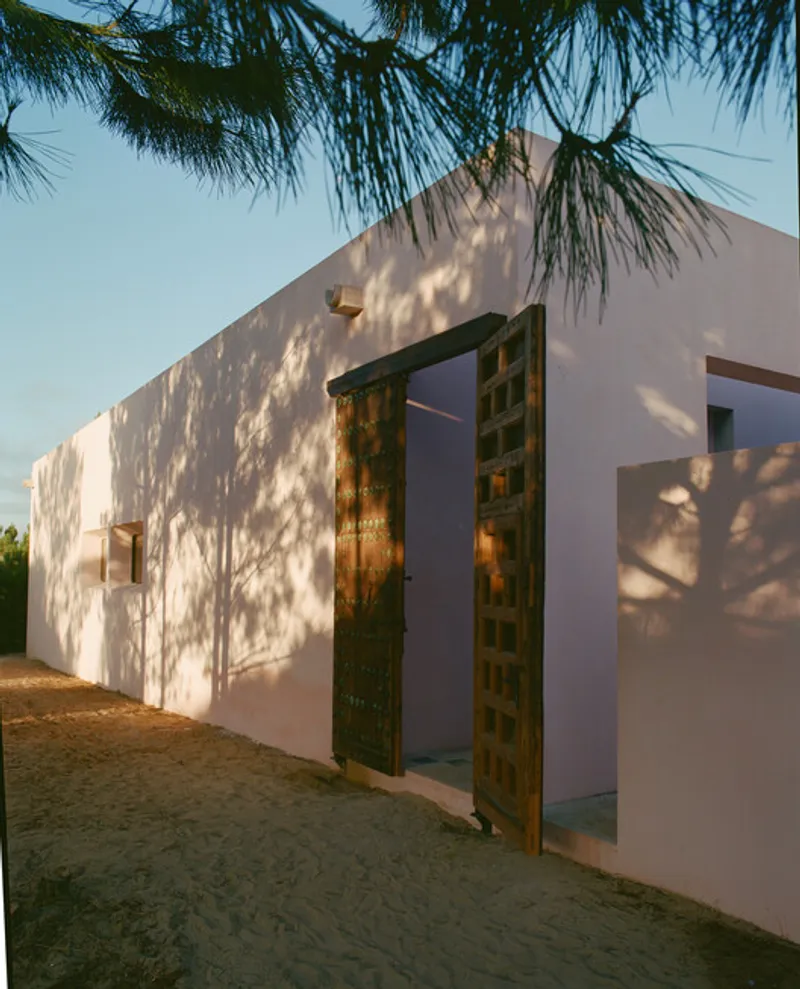
Traditional Techniques Reimagined for a Modern Retreat
Shamma’s design seamlessly weaves traditional techniques into modern architectural language:
- Azulejos tiles—iconic glazed ceramics—are used to edge the staircase, creating a poetic reinterpretation of heritage without relying on pastiche.
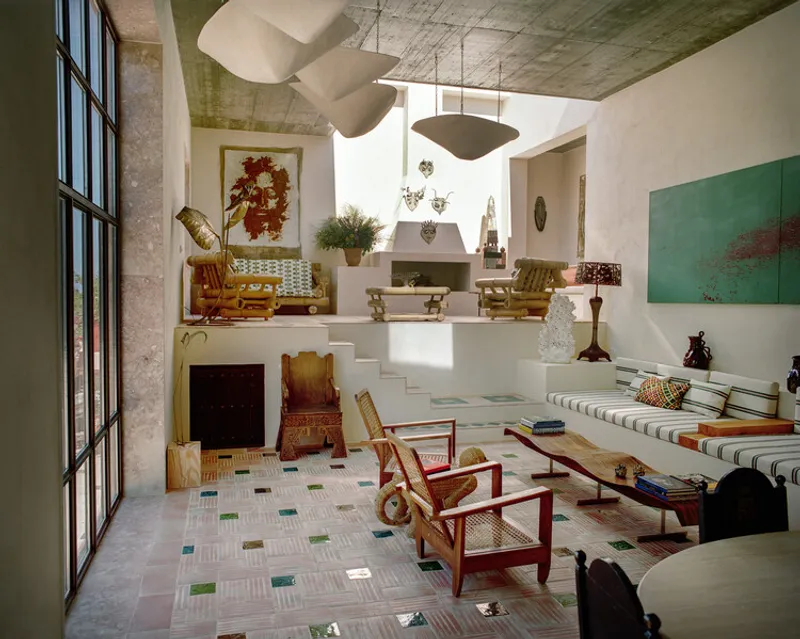
- Palm-weaving and rattan techniques add artisanal softness to select interior surfaces, balancing the solidity of concrete and stone.
- Terracotta floors and handcrafted finishes bring warmth and grounded tactility to the interiors.
These choices highlight an architectural narrative rooted not only in form, but in cultural continuity and the skill of local craftsmen.
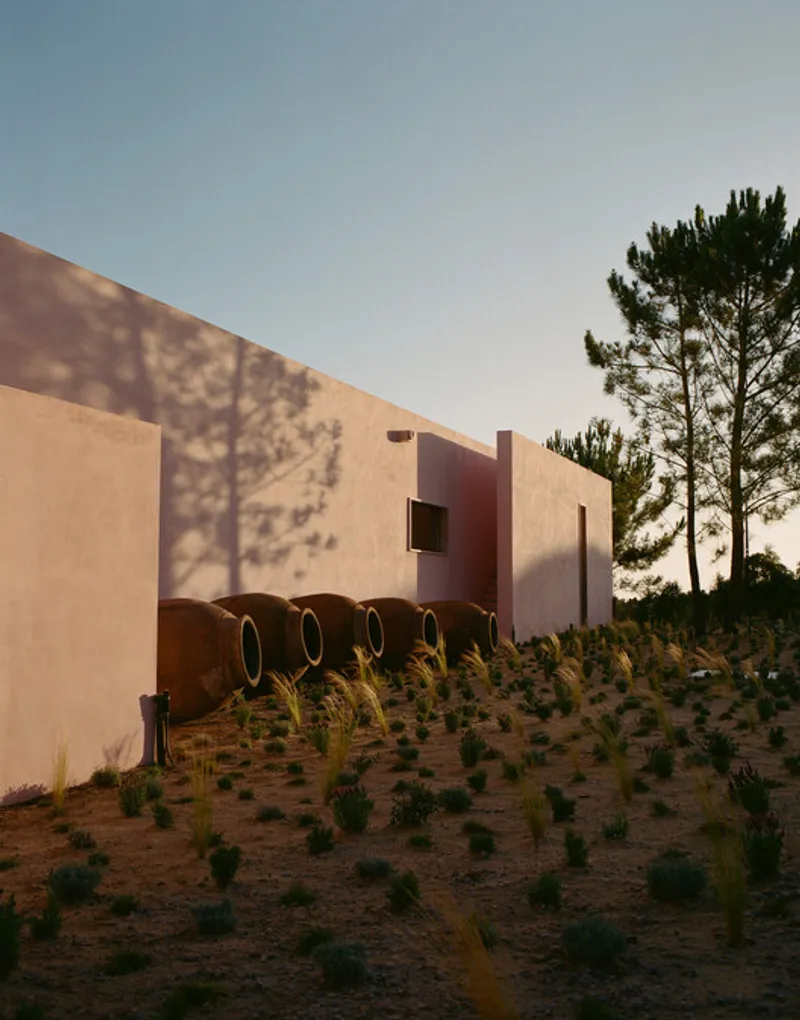
Transparency, Flow, and Slow Living
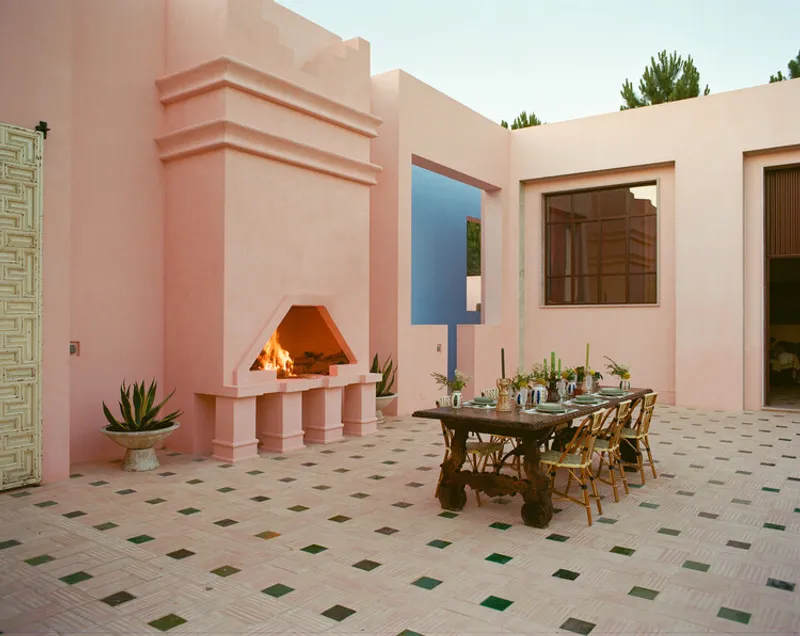
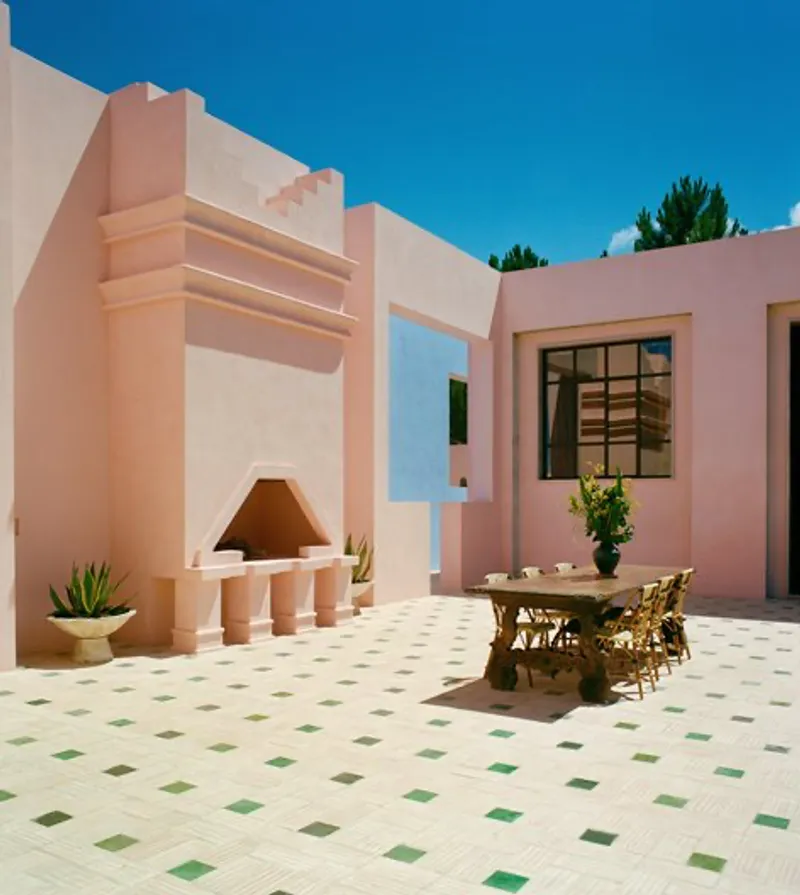
La Salvada is organized as a sequence of open, interconnected spaces that reveal the landscape at every turn. Courtyards, arcades, and framed views choreograph light and shadow throughout the day, while sliding openings dissolve thresholds between interior rooms and their exterior extensions.
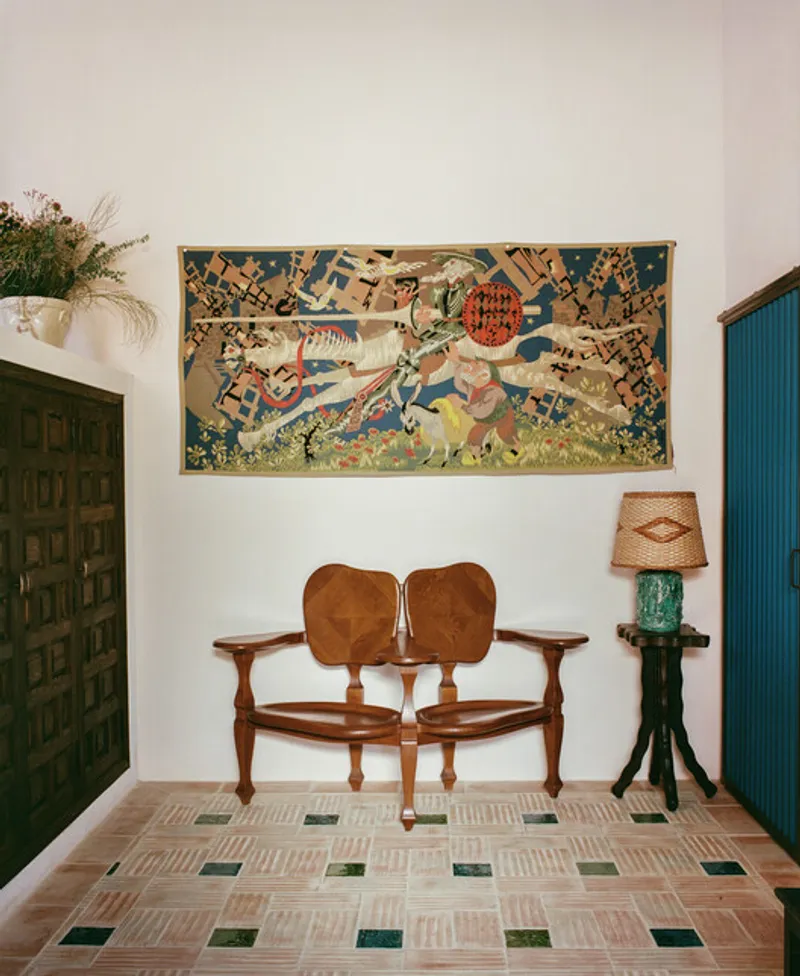
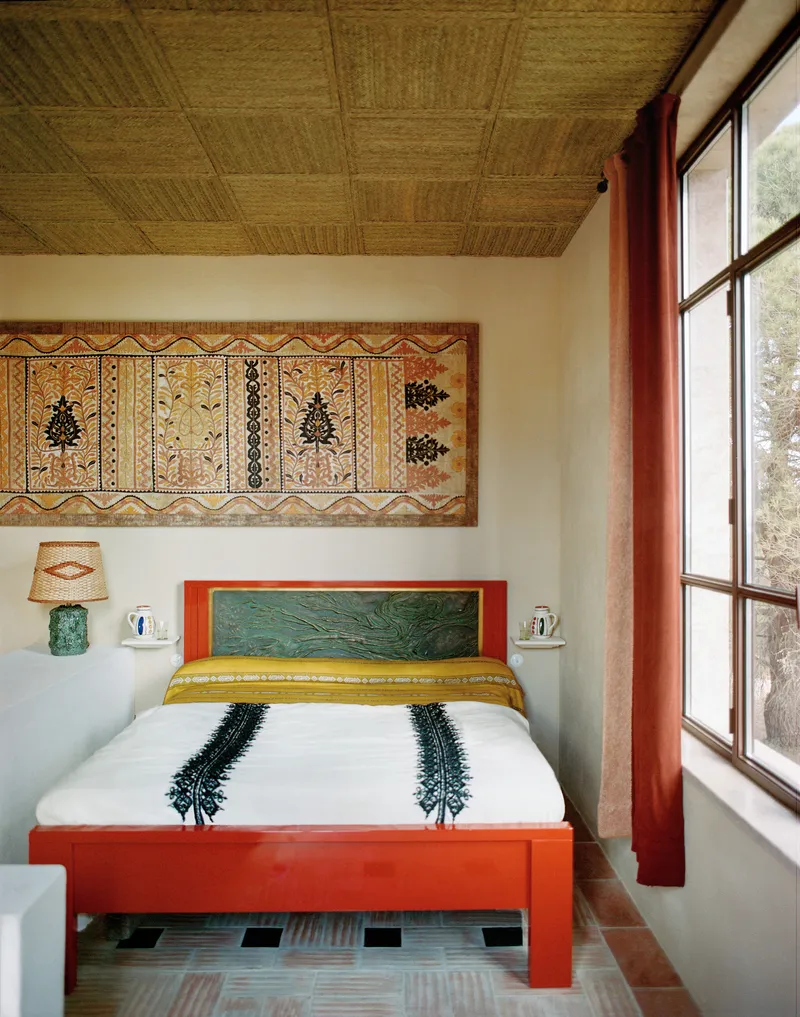
The home encourages a lifestyle anchored in slow, contemplative living—breakfasts in the courtyard, shaded afternoons indoors with the landscape always present, and evenings spent under the warm glow of terracotta and rattan textures.
A Retreat That Belongs to Its Place
Through sensitive siting, material authenticity, and artisanal collaboration, La Salvada becomes a retreat fully embedded in the cultural and ecological fabric of Melides. It honors the existing ruins, elevates local craft, and allows nature—especially its towering cactus—to shape the architecture itself.
The result is a home that feels ancient yet new, raw yet refined: a sanctuary where heritage, landscape, and contemporary living converge.
All the Photoographs are works of Clement Vayssieres


Popular Articles
Popular articles from the community


Little Red Riding Hood: Architectural Design as a Journey Through Fear, Light, and Storytelling
Little Red Riding Hood reimagines the fairy tale through architectural design shaped by fear, light, scale, memory, uncertainty, and choice.

Hill & Cross Opera: Sculptural Opera House Architecture Shaped by Tallinn’s Landscape and Identity
Hill & Cross Opera reimagines opera house architecture in Tallinn through its sculptural hill, civic plaza, glass wave and a luminous cross.

The Ocean Hive: Sustainable Architecture for a Self-Sufficient Civilization at Sea
The Ocean Hive imagines sustainable architecture at sea, where modular habitats, algae, wave power and ocean waste sustain a growing colony.

Lunar Spiral: Space Architecture Shaped by the Mathematics of the Universe
Lunar Spiral reimagines space architecture through Fibonacci geometry, lunar regolith, levitating habitats, and self-sustaining Moon living.

Similar Reads
You might also enjoy these articles


Hodi-Mandai Geram
Project Function: Preservation and revitalization of the Intangible heritage and socio-spatial identity of the Hodi by Housing, Cultural Memory Center, Sacred Grove, landscape, local tourism economy


Olio Towers: A Mid-Rise for Performers That Fuses Housing, Rehearsal, and Stage
Located blocks from Houston's Theater District, this modular tower stacks living units around a central performance atrium.

Oasis: Modular Green Housing Carved into Dhaka's Urban Fabric
A shortlisted Plugin Housing entry reclaims unauthorized settlements in Dhaka with stepped concrete volumes, green roofs, and ventilation-driven design.

Black Hole: A Floating Megastructure for the Post-Physical Era
Emiliano Mazzarotto envisions a spherical, self-scaling arena where e-sports, digital hotels, and holographic stadiums replace traditional public space.

Explore Residential Building Competitions
Discover active competitions in this discipline

Challenge to design mud housing for contemporary communities

Challenge to reimagine the Iron Throne

Photograph architecture without architects

Illustrate the lost glory of Angkor Wat - Render Challenge
Comments (0)
Please login or sign up to add comments
No comments yet. Be the first to comment!