
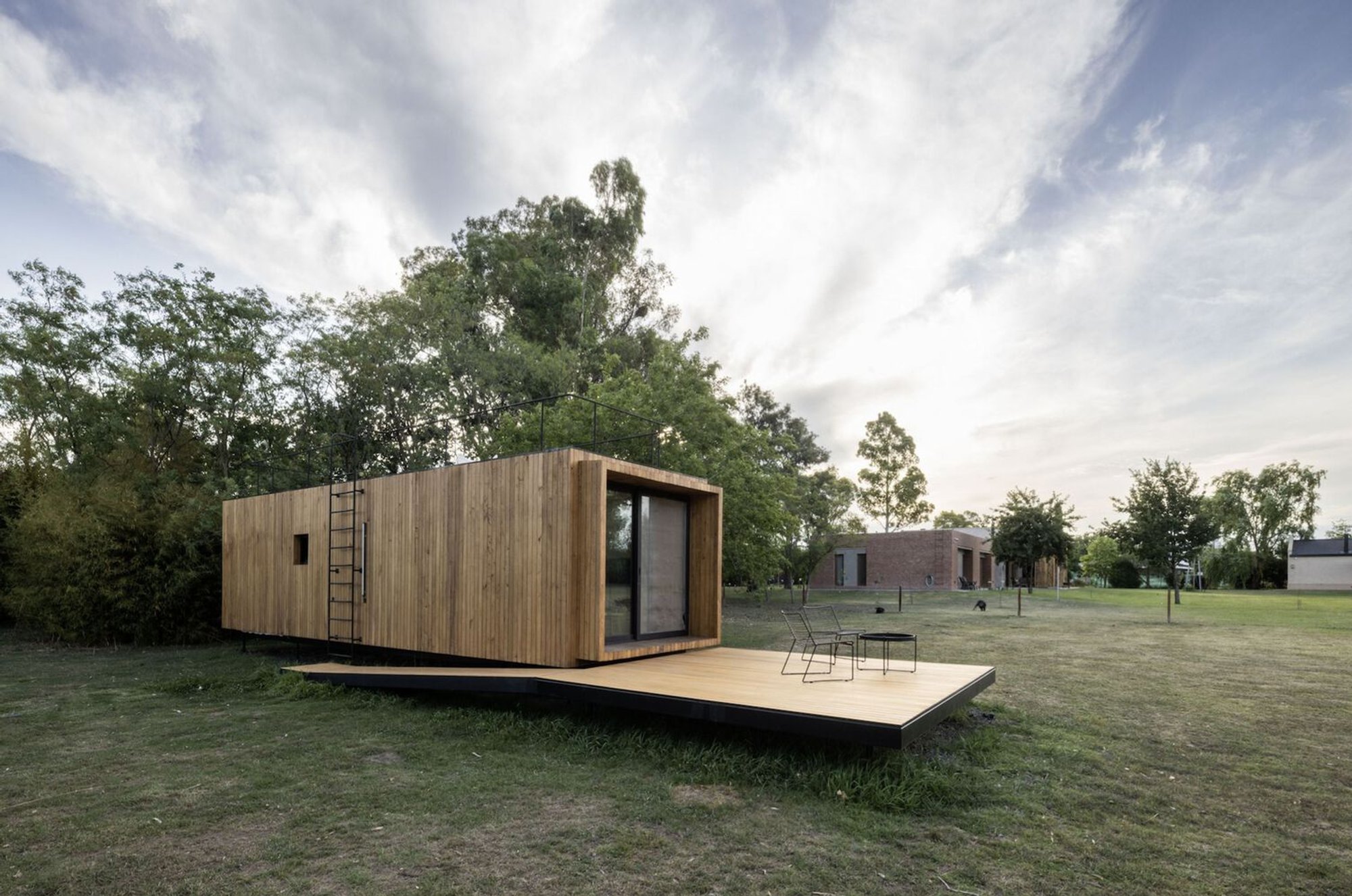
LABT-20 Modular Home by Estudio Borrachia Arquitectos + GB Arquitectos
The LABT-20 Modular Home blends prefabrication, sustainability, and adaptability, offering compact, eco-friendly living with minimal environmental impact.

A Compact and Sustainable Modular Housing Solution in Argentina
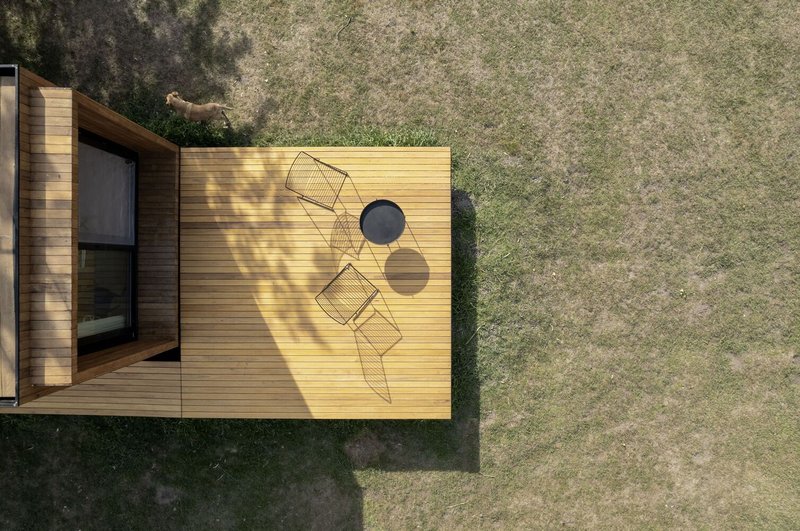
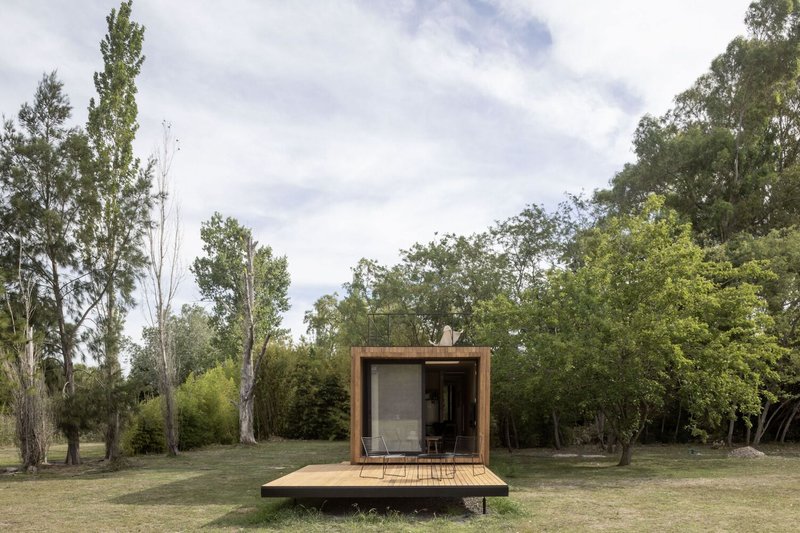
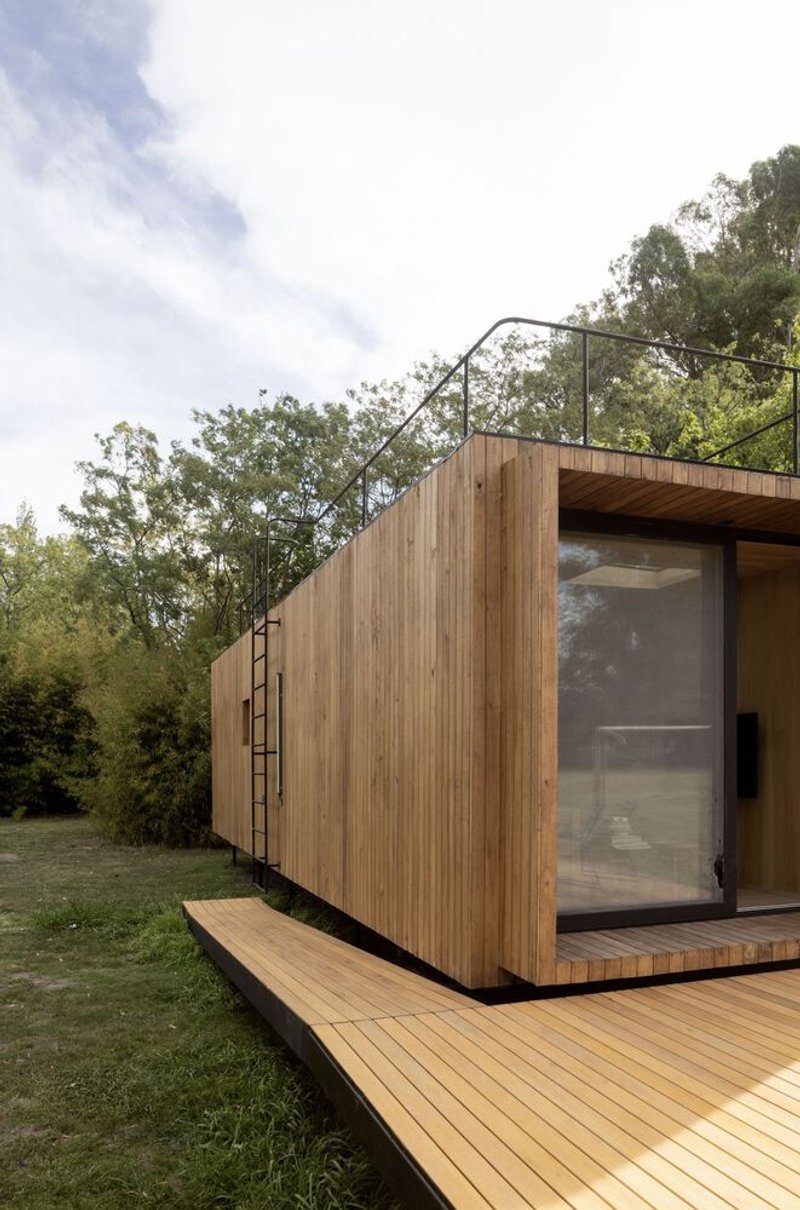
The LABT-20 Modular Home, designed by Estudio Borrachia Arquitectos in collaboration with GB Arquitectos (Guillermo Badano), is an innovative housing prototype located in City Bell, Buenos Aires, Argentina. Completed in 2022, this 31 m² modular residence demonstrates how small-scale architecture can balance comfort, adaptability, and sustainability while maintaining a minimal footprint on the natural environment.
Modular Design and Flexibility
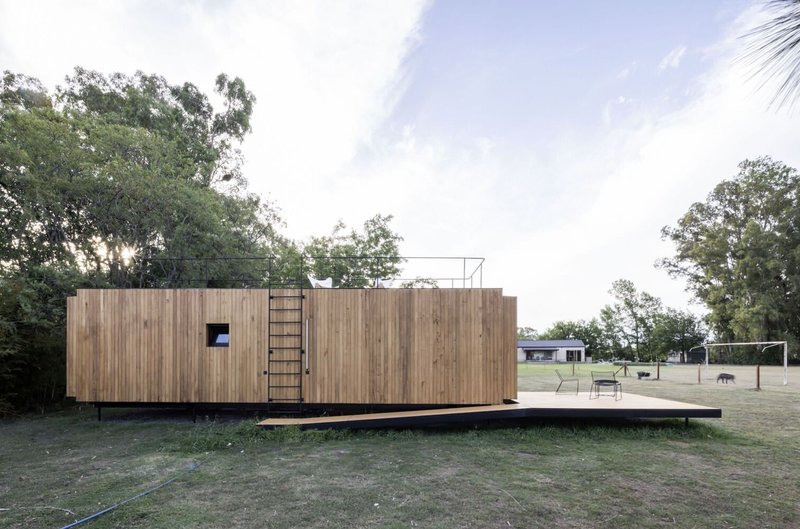
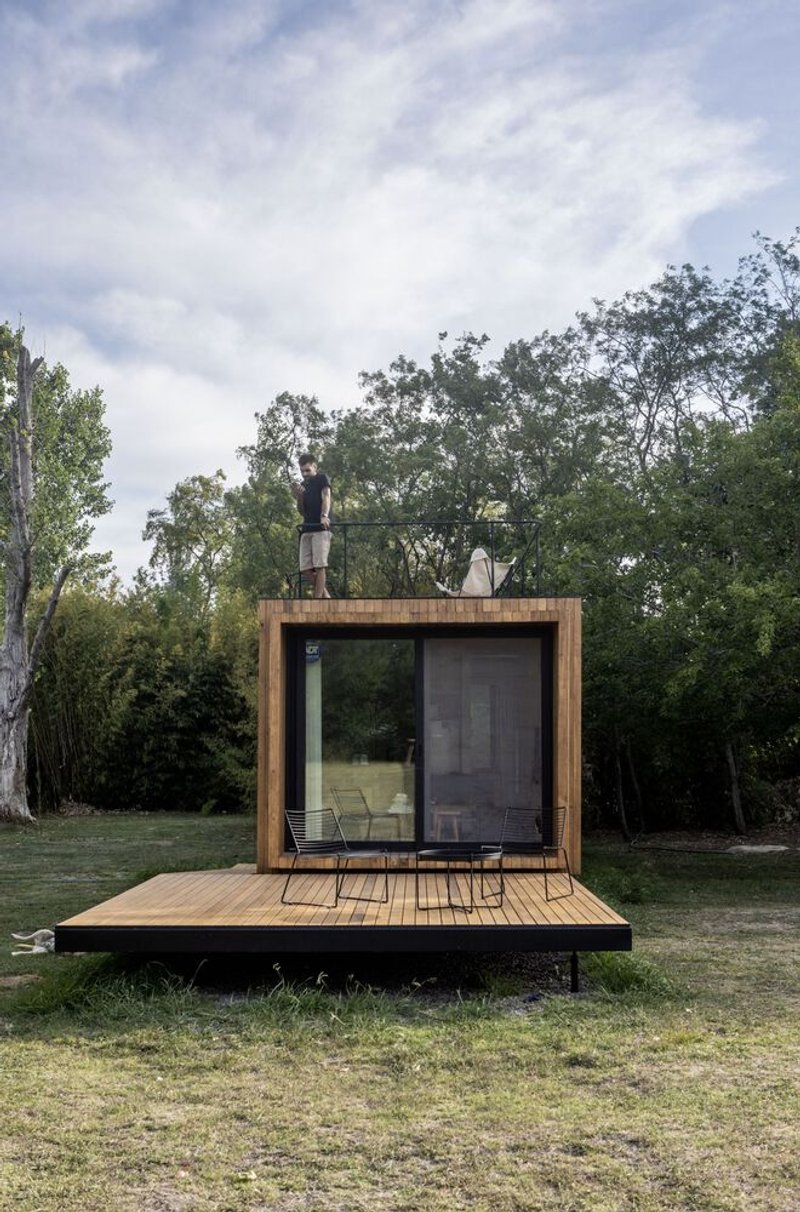
The LABT-20 modules are based on a prefabricated production system that allows for easy customization and relocation. They can be adapted to diverse climates and user needs simply by adjusting their size or adding specific features. Unlike conventional "glamping" models, these units go beyond temporary shelter—offering solutions that range from tiny homes and weekend retreats to eco-tourism complexes and permanent residences.
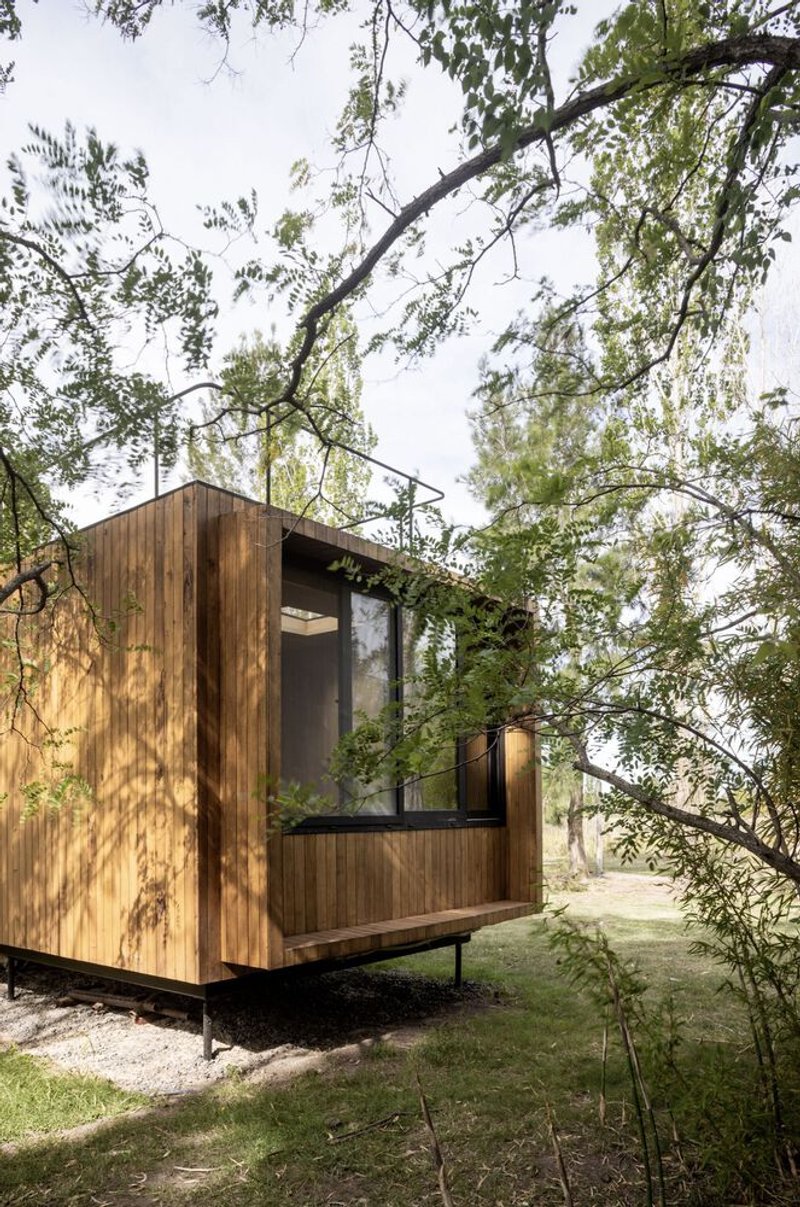
Each module is designed to integrate seamlessly into its surroundings—whether on a mountain slope, forest edge, riverbank, or lakeside landscape—achieving harmony between architecture, nature, and human inhabitation.
Minimal Environmental Impact
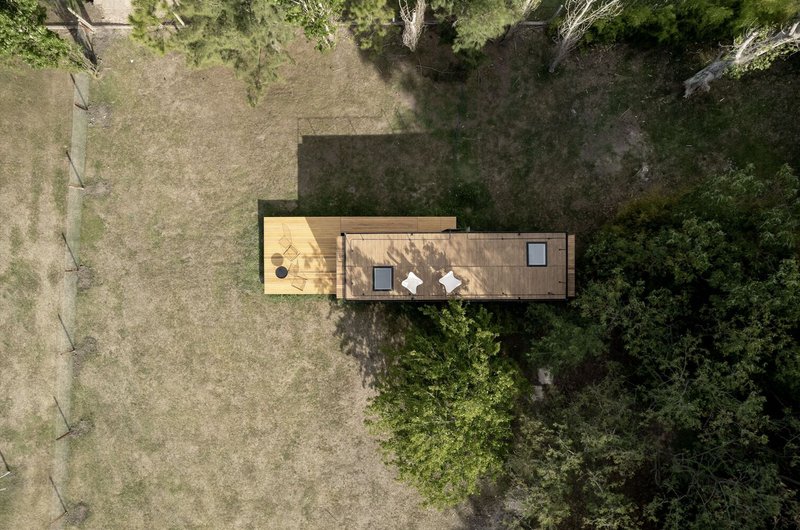
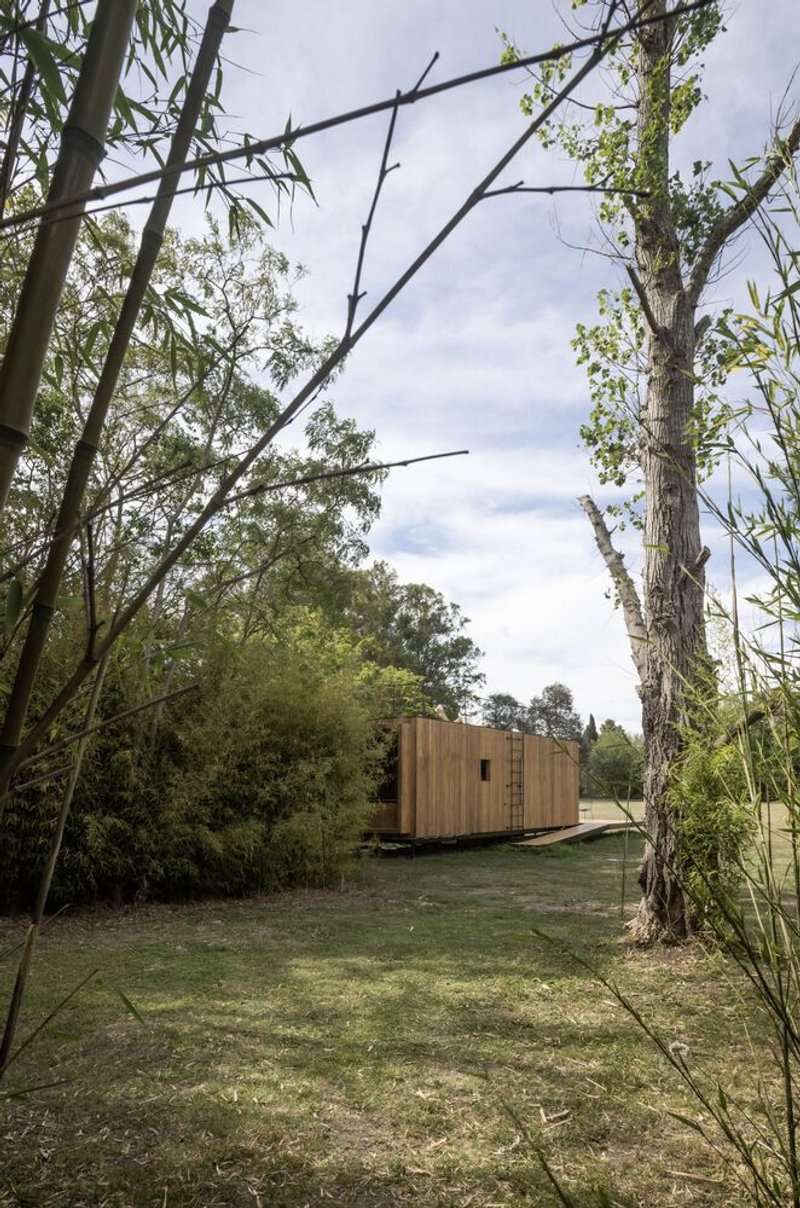
One of the strongest design principles of LABT-20 is respect for the landscape. The modules sit on bases that can be installed or removed within hours, minimizing ground intervention and making the structure almost ephemeral. Additionally, lifting hooks allow for effortless relocation, reinforcing the concept of a nomadic and reversible habitat.
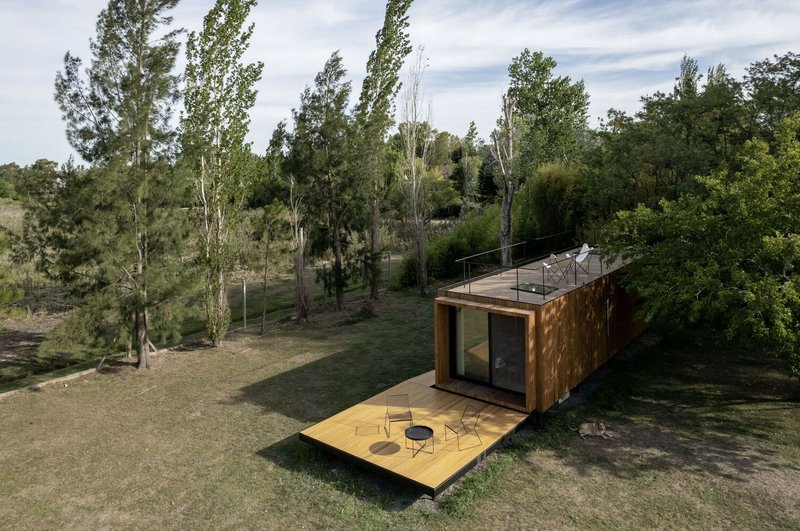
Complementary elements like decks, ramps, and walkways limit human impact on the site while promoting new ways of engaging with the surrounding ecosystem. The incorporation of a green roof terrace further enhances biodiversity while providing usable outdoor space.
Circular Economy and Local Impact
The project embraces circular economy strategies by prioritizing prefabrication, local materials, and community engagement. Workshops close to installation sites are established to source regional labor and resources, stimulating local economies while reducing transportation costs and environmental impact.
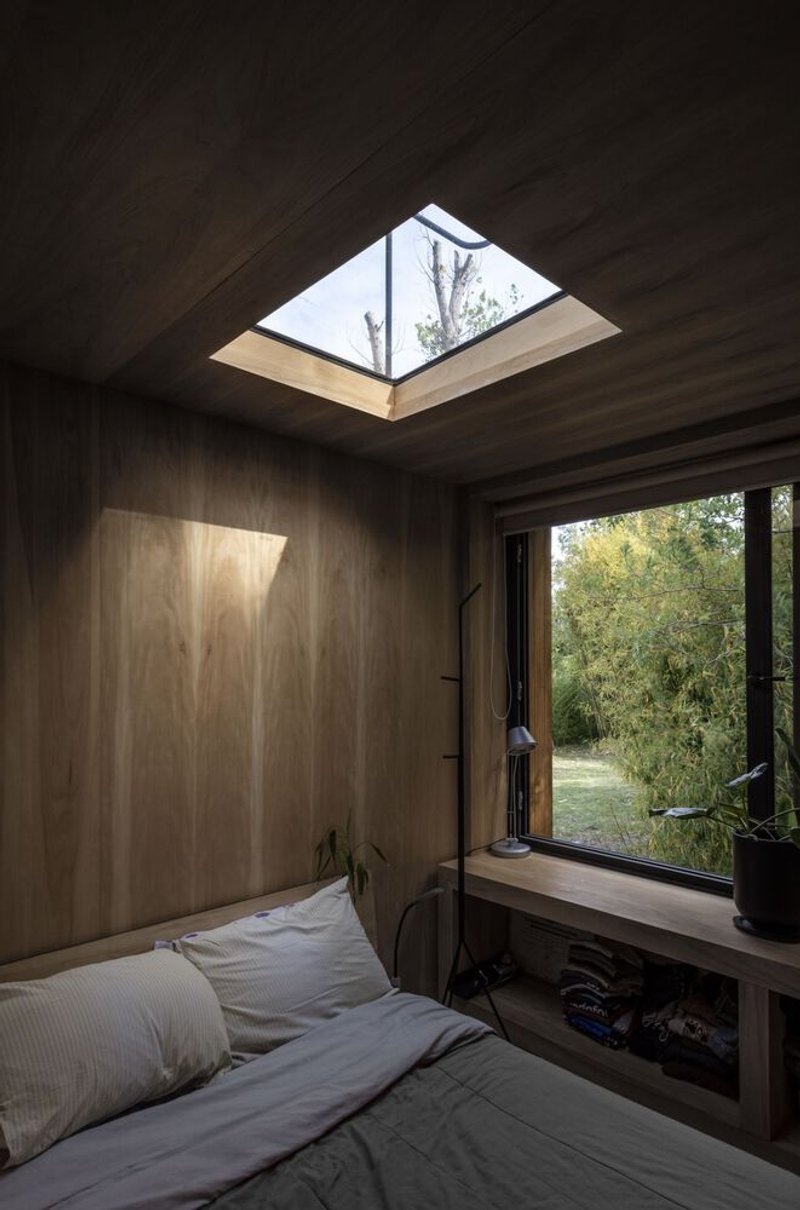
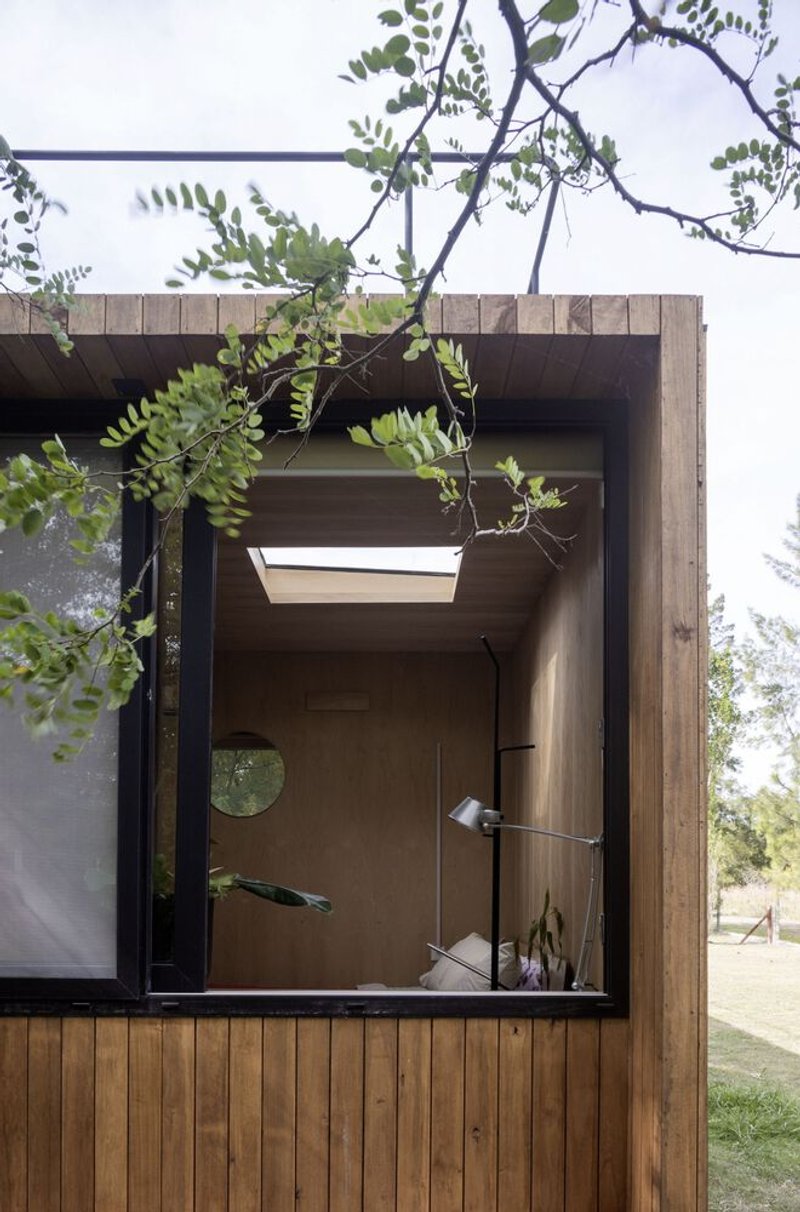
The use of wood, SIP panels, and lightweight self-supporting construction systems ensures thermal efficiency and durability. Passive design strategies such as cross-ventilation, chimney effect cooling, solar orientation, and insulated enclosures optimize comfort year-round.
Energy Efficiency and Off-Grid Living
The LABT-20 modules integrate renewable energy systems including:
- Photovoltaic solar panels
- Geothermal heating and cooling
- Solar water heaters
- Low-consumption appliances
These features allow the home to operate off-grid, ensuring resilience in remote or extreme environments.
Spatial Organization and Living Experience
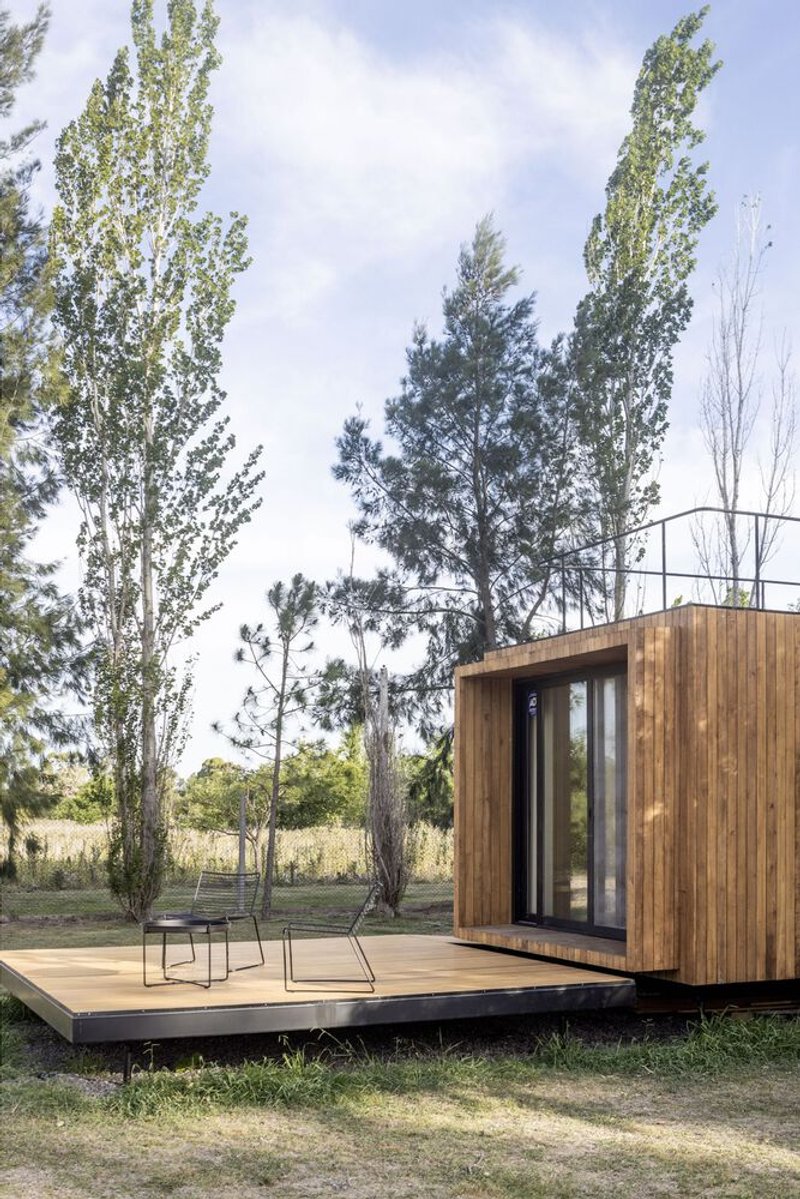
The 10.5-meter-long LABT-20 unit installed in City Bell serves as a permanent residence for one or two people, complementing an existing family house on the same plot. Its layout includes:
- A living and dining area with transformable furniture that can convert into extra sleeping spaces.
- A compact kitchen and bathroom forming the "wet core" of the module.
- A private bedroom separated by sliding panels for flexibility.
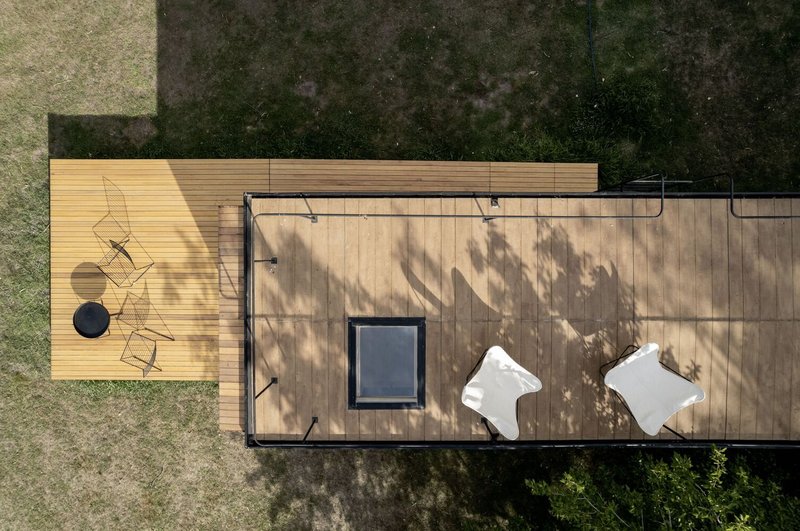
- An accessible green roof terrace functioning as a viewpoint and extended living area.
- An outdoor deck and ramp, connecting indoor and outdoor spaces while floating above the ground to preserve the landscape.
A Contemporary Model for Sustainable Living
The LABT-20 Modular Home represents a forward-looking model of sustainable, adaptable, and ecological housing. Its compact scale, thoughtful design, and integration of renewable technologies demonstrate how architecture can respond to climate challenges, ecological preservation, and new lifestyle needs.
All Photographs are works of Luis Barandiaran




Popular Articles
Popular articles from the community

Stanton Architects Sculpts a Curving Family Home into Sydney's Inner West Fabric
Five Dock House uses cantilevers, curved concrete, and layered courtyards to carve out privacy on a tight suburban lot in Sydney.

Milan Crossover: Sustainable Architecture for a New Fashion Culture in Milan
Milan Crossover transforms fashion culture through sustainable architecture, linking material libraries, remake studios, and public runways.
Reincarnation Weaves a Three-Story Retreat into the Green Landscape of Rural Bangladesh
Ara Manor in Narsingdi dissolves the line between domestic architecture and its lush surroundings through screens, courtyards, and planted rooftops.
IKC de Geluksvogel: Sustainable School Architecture Designed for Free Movement and Digital Learning
IKC de Geluksvogel turns sustainable school architecture into a flexible Maastricht campus for digital learning, nature, and free movement.


Similar Reads
You might also enjoy these articles

Olio Towers: A Mid-Rise for Performers That Fuses Housing, Rehearsal, and Stage
Located blocks from Houston's Theater District, this modular tower stacks living units around a central performance atrium.
Oasis: Modular Green Housing Carved into Dhaka's Urban Fabric
A shortlisted Plugin Housing entry reclaims unauthorized settlements in Dhaka with stepped concrete volumes, green roofs, and ventilation-driven design.

Black Hole: A Floating Megastructure for the Post-Physical Era
Emiliano Mazzarotto envisions a spherical, self-scaling arena where e-sports, digital hotels, and holographic stadiums replace traditional public space.
Compact & Sustainable Living in Piraeus: A Four-Level Family Home Built Around Light and Air
A narrow townhouse in one of Greece's densest port cities uses a central atrium and passive strategies to house three generations under one roof.


Explore Housing Competitions
Discover active competitions in this discipline




The International Standard for Design Portfolios


The Global Benchmark for Architecture Dissertation Awards


The Global Benchmark for Graduation Excellence


Challenge to reimagine the Iron Throne
Comments (1)
Please login or sign up to add comments
Living small doesn’t mean giving up on comfort or design. With expert tiny home builders in California, you can create a space that feels open, functional, and full of character. These builders specialize in crafting homes that match your lifestyle — whether you’re looking for a modern retreat, a family-friendly setup, or a flexible living solution. Every home is built with quality, creativity, and thoughtful details that make tiny living both practical and enjoyable. For those who value easy access and cozy layouts, tiny homes with downstairs bedroom are becoming a favorite choice. They offer extra comfort and convenience, especially for families or anyone who prefers single-level living. With smart floor plans and stylish interiors, these homes combine efficiency with warmth, proving that small spaces can feel just like home. Visit our website: