
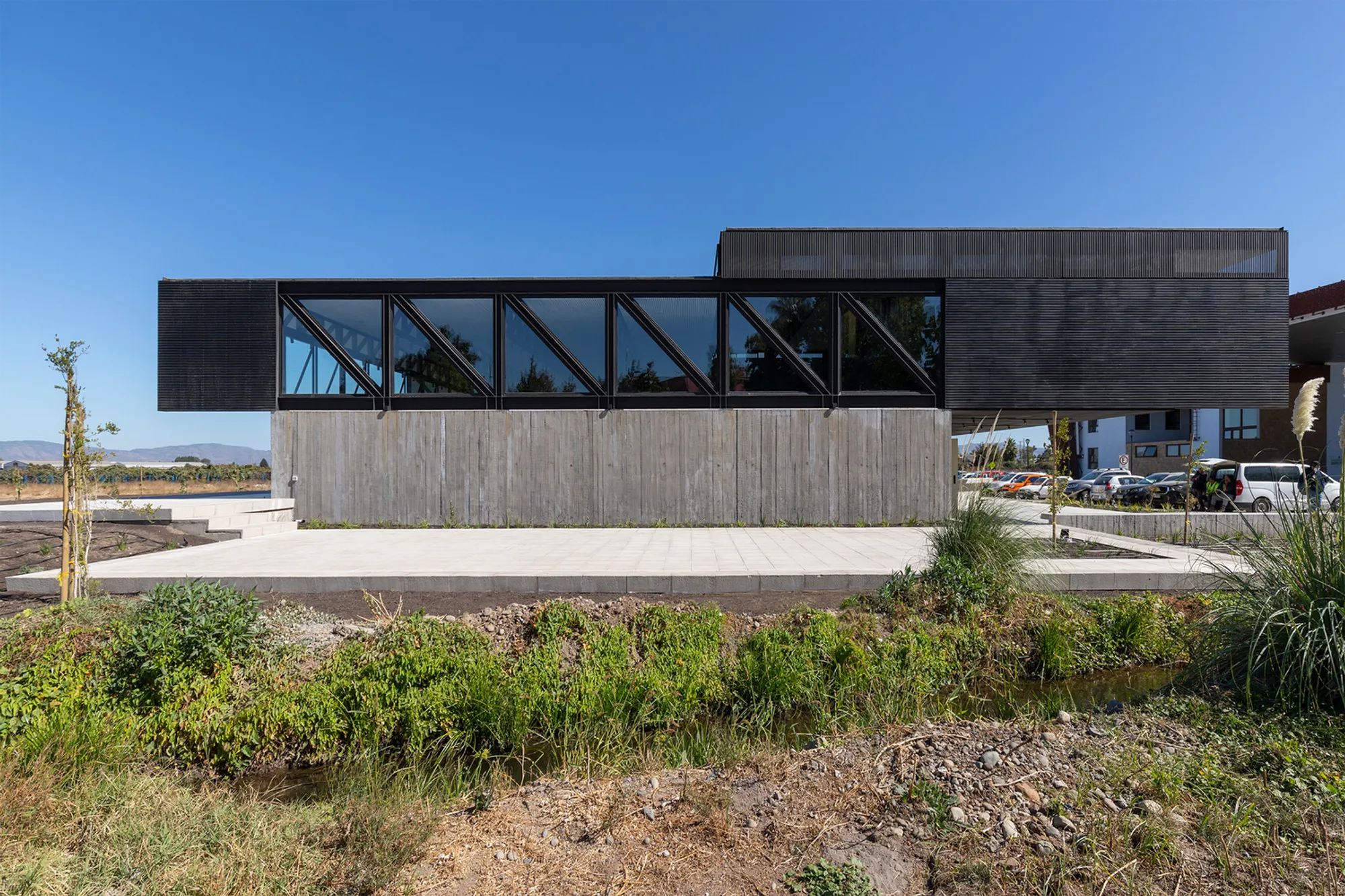
Learning Center Campus Los Niches by Carreño Sartori Arquitectos
A sustainable learning center in Curicó, Chile, featuring open spaces, reticulated beams, natural ventilation, and climate-responsive design for students.


A Sustainable and Functional Educational Space in Curicó, Chile
The Learning Center Campus Los Niches, designed by Carreño Sartori Arquitectos, is a modern educational facility located in Curicó, Chile. Designed to serve students at the Technological Campus of the University of Talca, this project addresses the need for functional, comfortable, and well-lit study spaces.
A Campus Designed for Student Needs
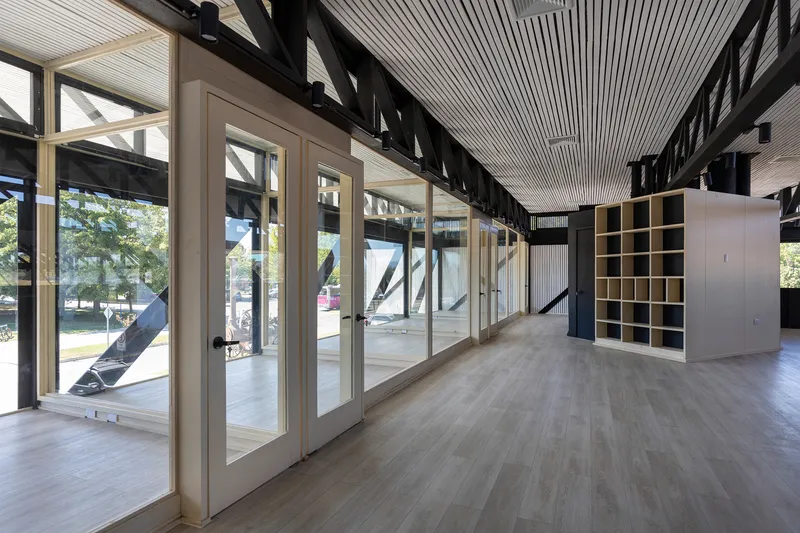
With an area of 458 m², this innovative building provides students with a welcoming environment where they can study, collaborate, and socialize. Since many students travel long distances and spend extended hours on campus, the design integrates various spaces catering to different needs—whether for group discussions, quiet study, or casual social interactions.
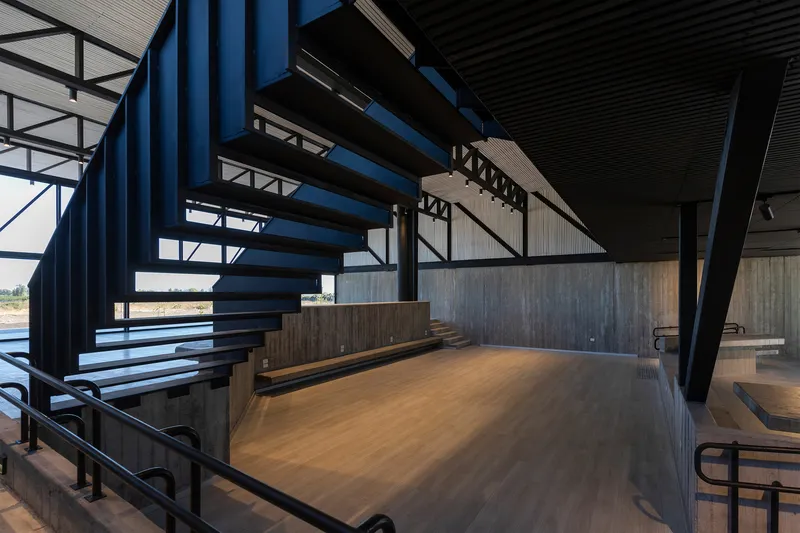
To enhance user experience, the architectural design follows an acoustic gradation strategy, transitioning from open public areas to more private and quiet study zones. This is achieved through a carefully planned architectural section, introducing distinct levels that gradually ascend from the street entrance to secluded areas for individual study.


Sustainable and Climate-Responsive Architecture
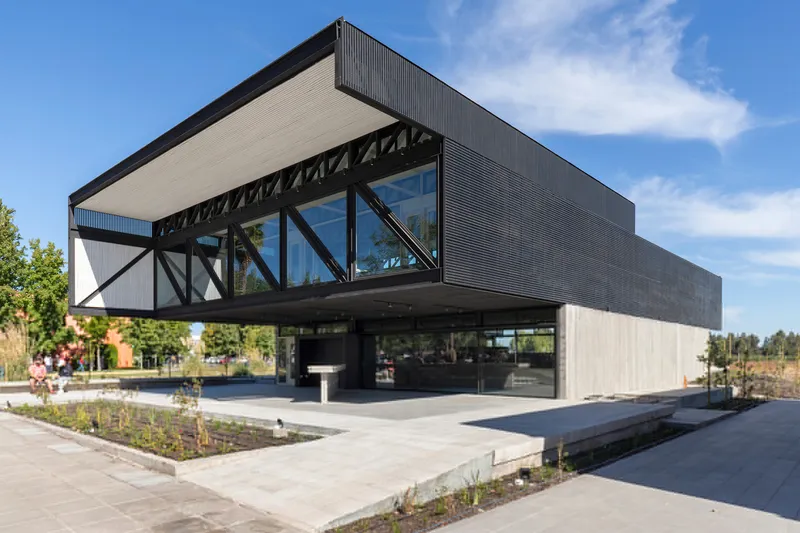
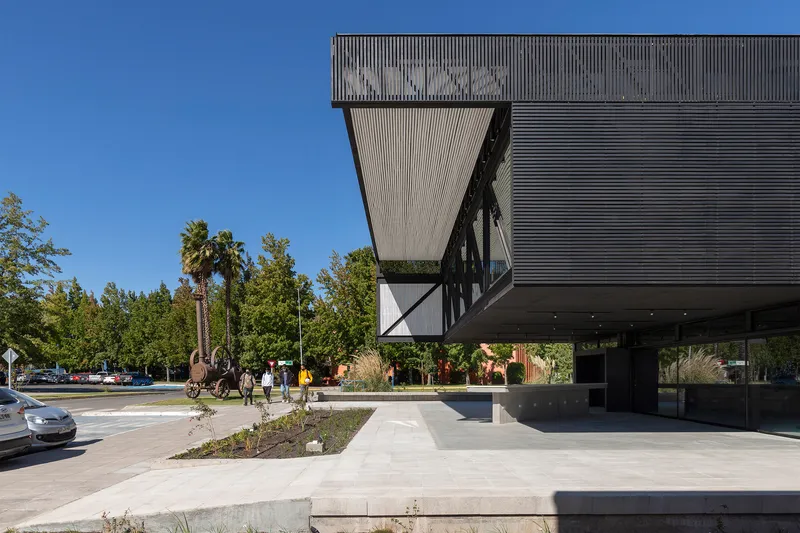
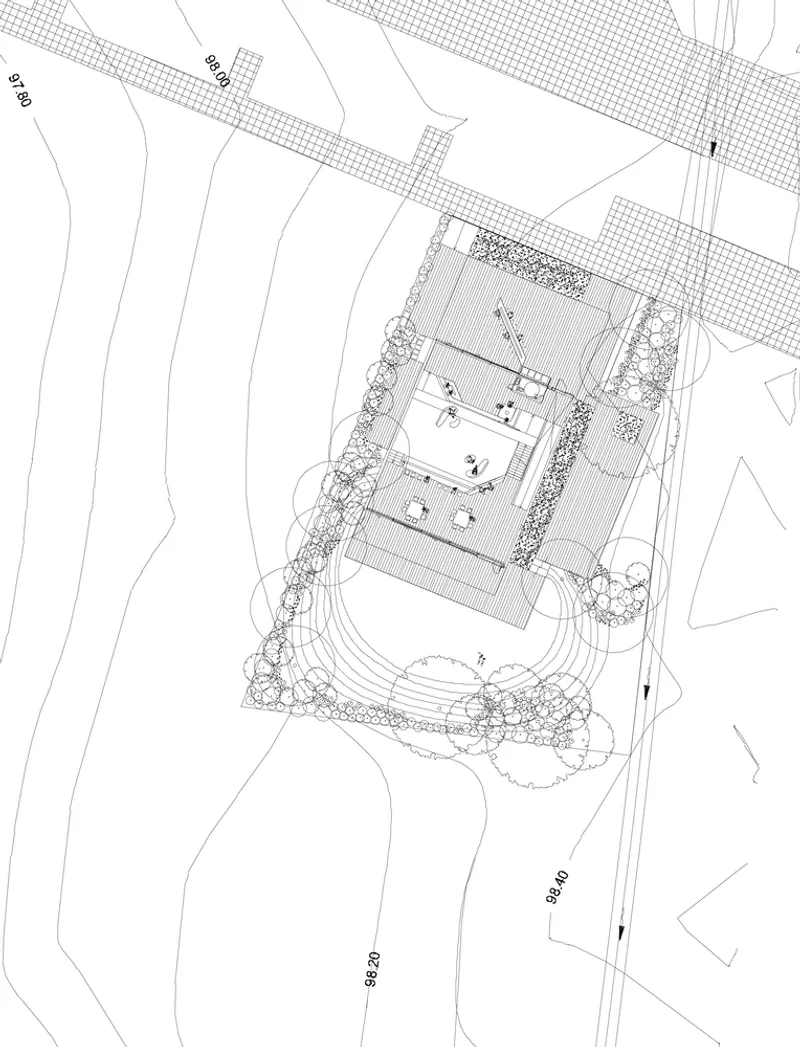
The building seamlessly integrates with its surroundings, allowing for natural ventilation and optimized daylight use. A six-meter overhang provides shade and creates a comfortable semi-outdoor communal space, equipped with seating and self-service facilities. To further enhance environmental performance, the architects employed solar control strategies, including:
- North-facing overhangs and eaves to reduce overheating.
- A solid west-facing wall to minimize excessive heat gain.
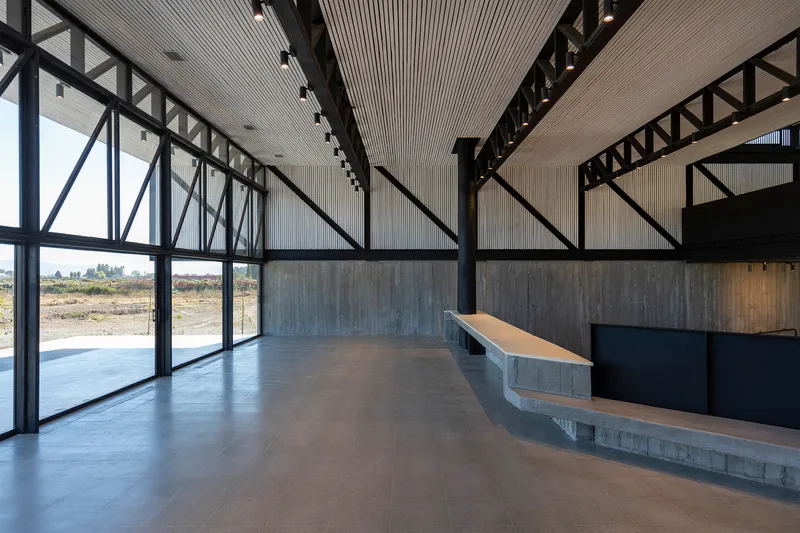
- Expansive east-facing windows that maximize morning sunlight, ensuring well-lit interiors throughout the day.

Structural Innovation: Reticulated Beams & Open Spaces
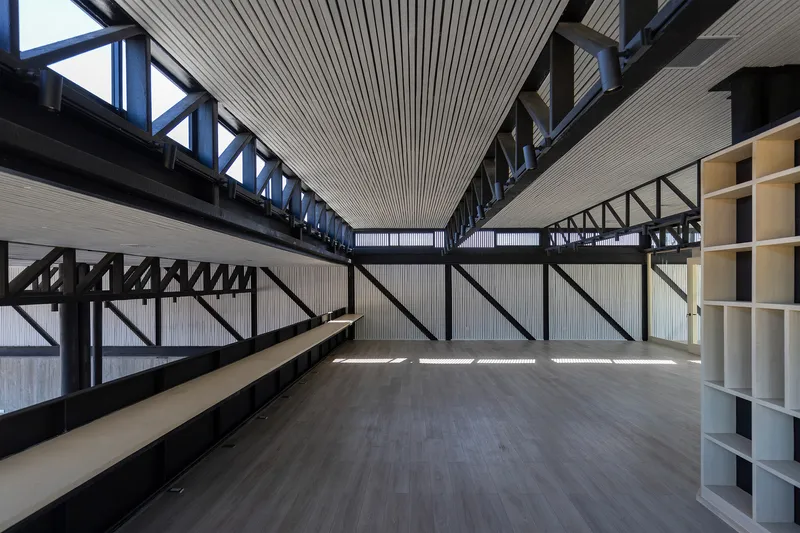
A defining feature of the project is its structural system, which relies on two large reticulated beams that support the first-floor slab. These beams, anchored by two substantial concrete walls, create a spacious and open interior. The metal framework, softened by acoustic wood paneling, contributes to both the aesthetic and functional aspects of the space.
The project also enhances connectivity by allowing unrestricted pedestrian movement from the street to a rear garden, reinforcing the idea of an open and accessible educational hub.
The Learning Center Campus Los Niches stands as a benchmark for contemporary educational architecture, combining structural efficiency, climate-responsive design, and user-centric functionality. Through innovative spatial planning and sustainable design principles, Carreño Sartori Arquitectos has created a space that not only serves students’ academic needs but also fosters a dynamic and engaging campus environment.

All Photographs are works of Marcos Mendizabal




Popular Articles
Popular articles from the community


Co-life: Sustainable Architecture for Age-Friendly Community Living
Co-life reimagines sustainable architecture for seniors through courtyards, rammed earth, shared gardens, and spaces designed for belonging.

Conexión: Biophilic Design Reimagines High-Rise Living in Hong Kong
Conexión reimagines high-rise living in Hong Kong through biophilic design, green facades, shared spaces, daylight, water and nature within.

Hill & Cross Opera: Sculptural Opera House Architecture Shaped by Tallinn’s Landscape and Identity
Hill & Cross Opera reimagines opera house architecture in Tallinn through its sculptural hill, civic plaza, glass wave and a luminous cross.

The Musturak Paradise: Senior Living Architecture for a Connected Future in Temara, Morocco
The Musturak Paradise reimagines senior living architecture in Temara via private homes, social spaces, culture, community, and shared care.


Similar Reads
You might also enjoy these articles


Hodi-Mandai Geram
Project Function: Preservation and revitalization of the Intangible heritage and socio-spatial identity of the Hodi by Housing, Cultural Memory Center, Sacred Grove, landscape, local tourism economy


Olio Towers: A Mid-Rise for Performers That Fuses Housing, Rehearsal, and Stage
Located blocks from Houston's Theater District, this modular tower stacks living units around a central performance atrium.

Oasis: Modular Green Housing Carved into Dhaka's Urban Fabric
A shortlisted Plugin Housing entry reclaims unauthorized settlements in Dhaka with stepped concrete volumes, green roofs, and ventilation-driven design.

Black Hole: A Floating Megastructure for the Post-Physical Era
Emiliano Mazzarotto envisions a spherical, self-scaling arena where e-sports, digital hotels, and holographic stadiums replace traditional public space.


Explore Learning Spaces Competitions
Discover active competitions in this discipline



Challenge to design public laboratory


Challenge to reimagine the Iron Throne


Photograph architecture without architects


Illustrate the lost glory of Angkor Wat - Render Challenge
Comments (0)
Please login or sign up to add comments
No comments yet. Be the first to comment!