

Liceo Montale Pontedera School by Colucci&Partners: A Masterpiece of Innovative School Architecture
A deep dive into Liceo Montale Pontedera School, showcasing how innovative school architecture transforms learning, community, and growth.


Rethinking the Traditional School Model
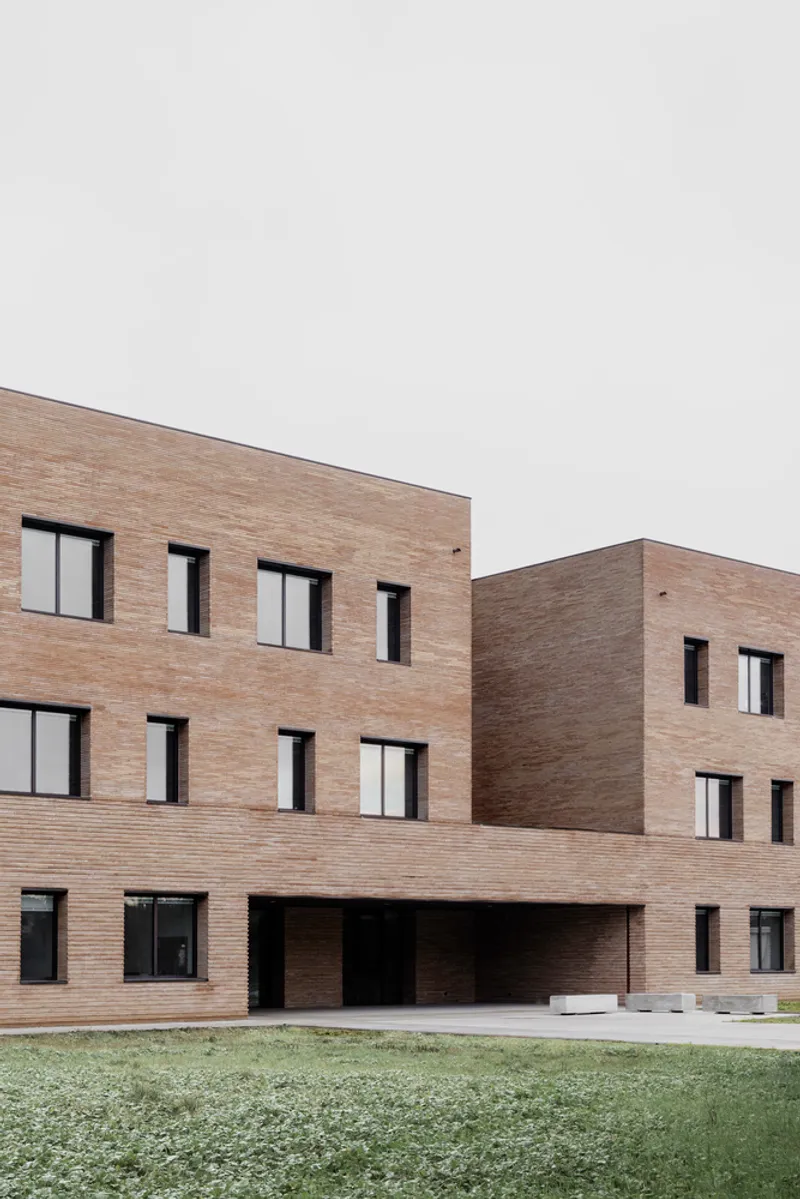
The Liceo Montale Pontedera School in Pontedera, Italy, designed by Colucci&Partners, represents a groundbreaking example of innovative school architecture. Completed in 2025, this 4,080 m² educational facility breaks away from the rigid, fragmented design of traditional schools, replacing corridors and classrooms with fluid, flexible spaces that foster learning, socialization, and a sense of belonging.
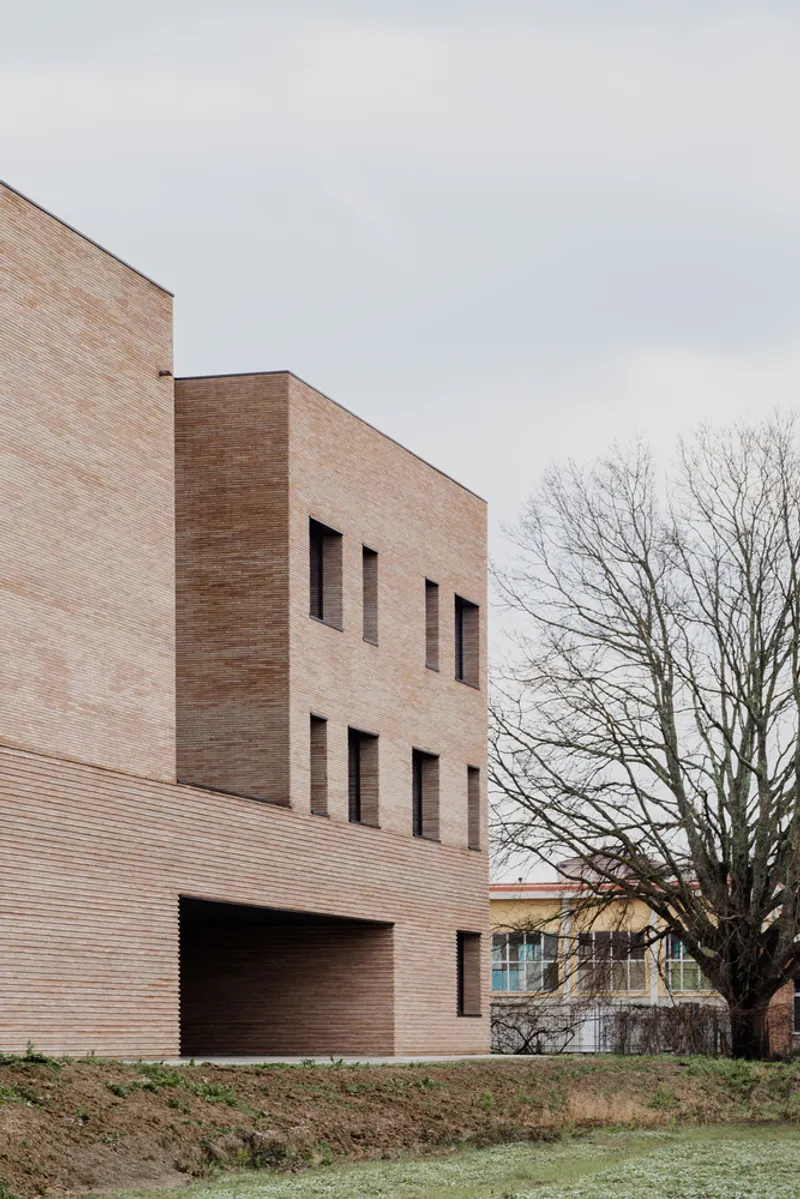
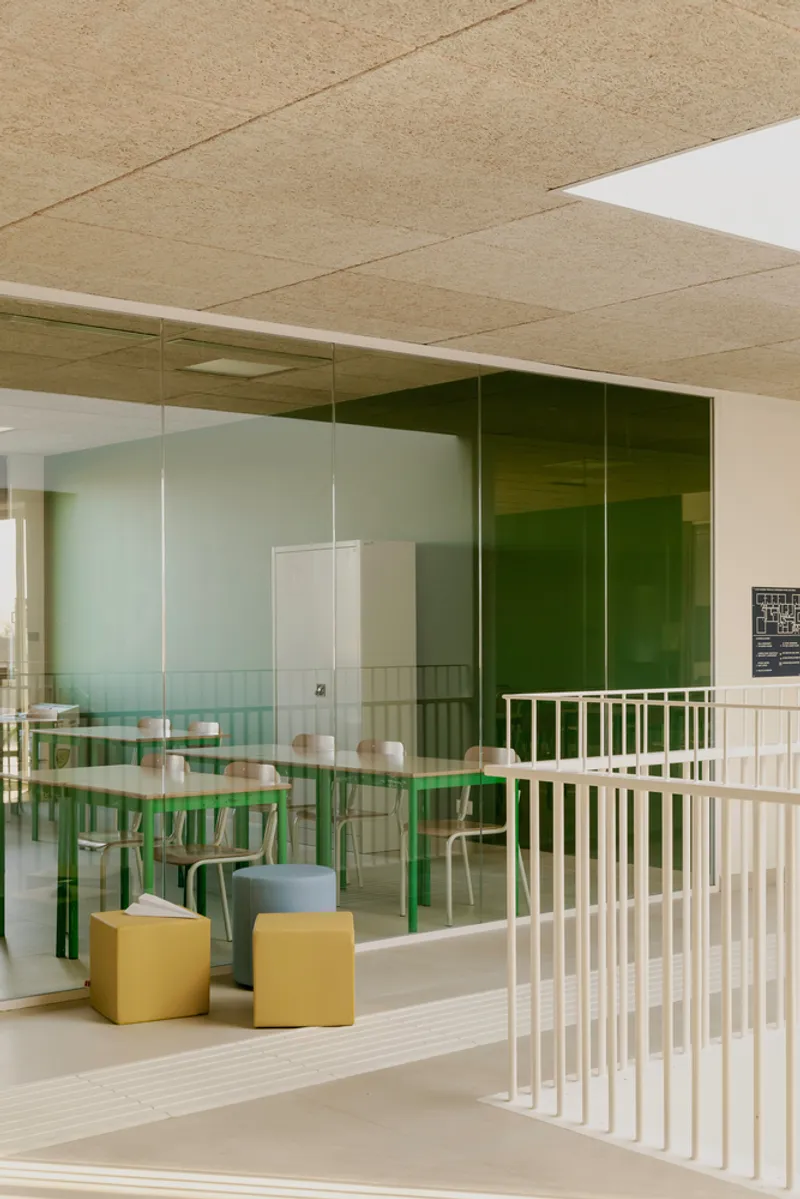
The project reimagines the school as a learning landscape, where every corner contributes to the educational experience. Architecture becomes more than a backdrop—it becomes an active participant in the students’ intellectual and personal growth.
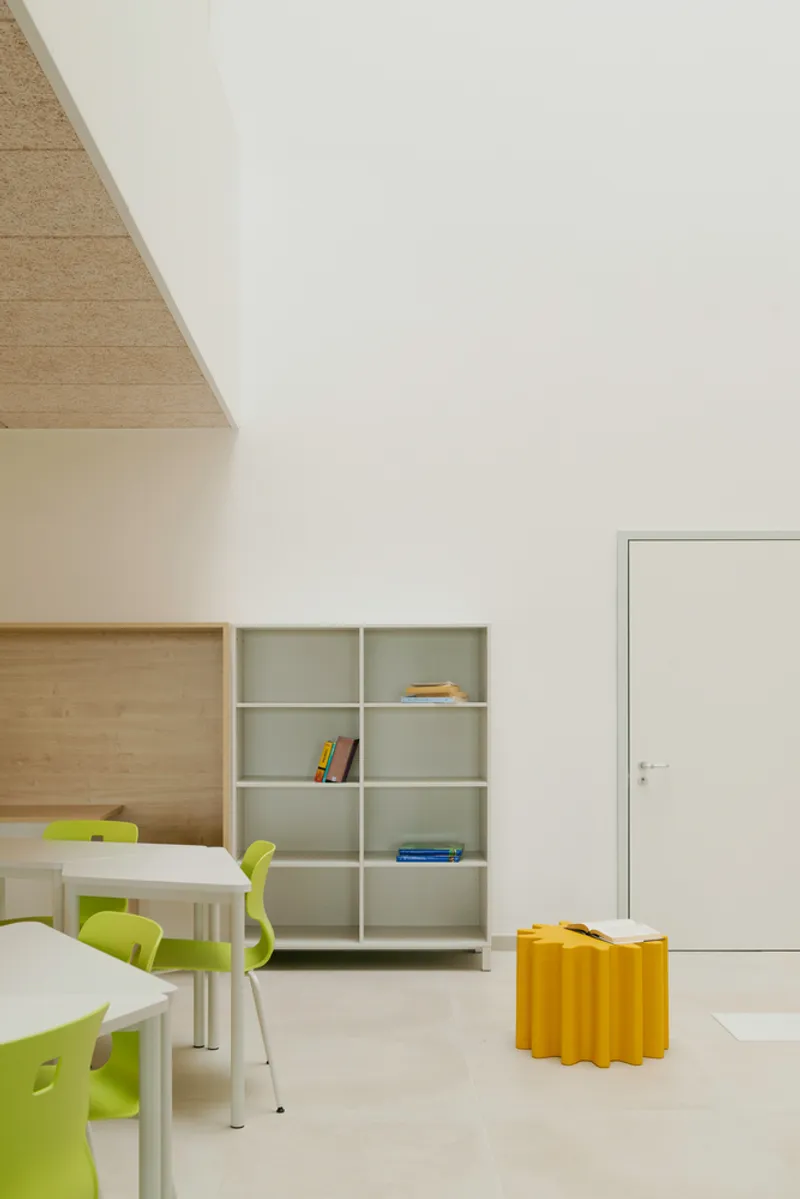
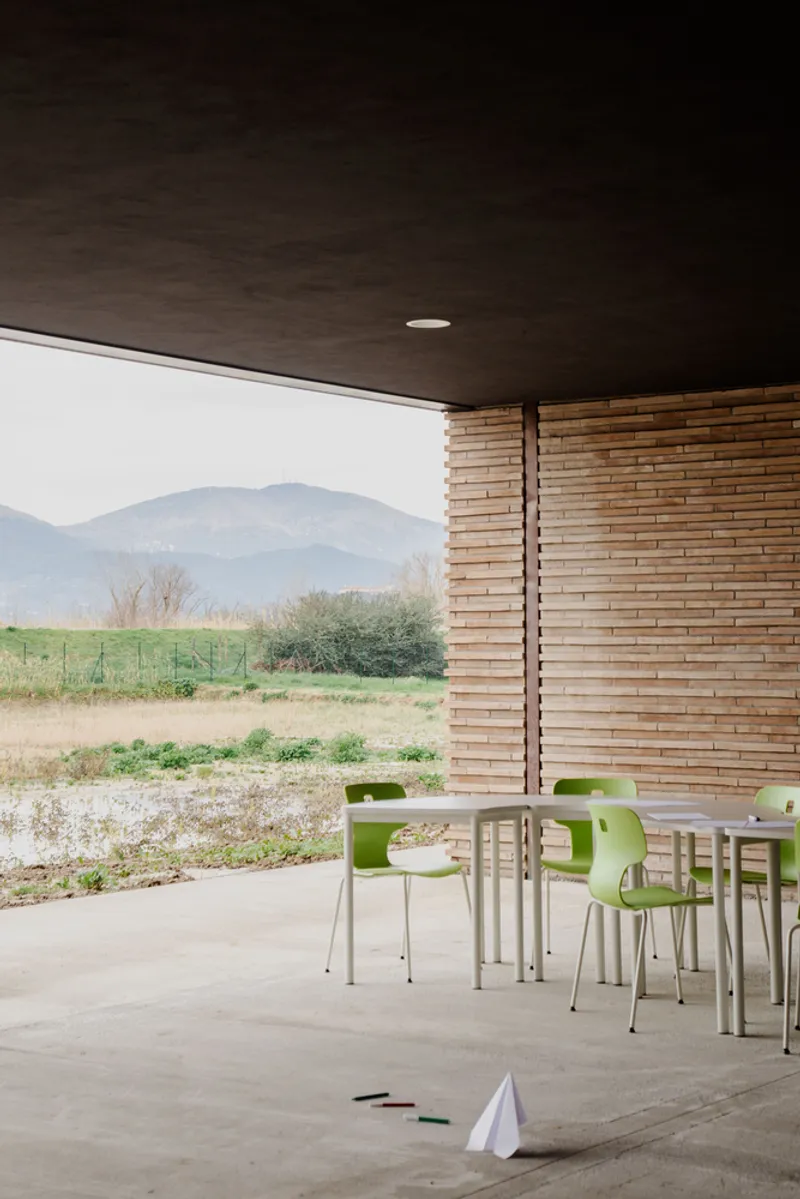
Cluster Design: A Dynamic Learning Environment
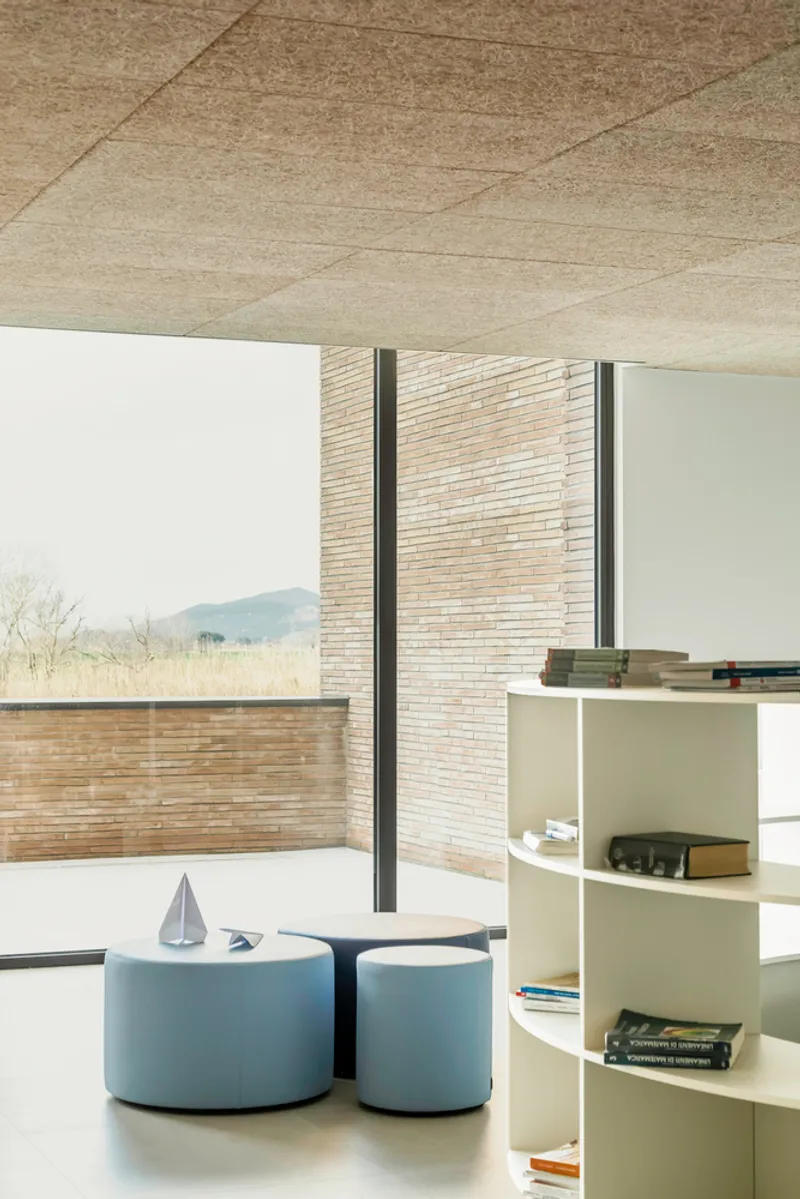
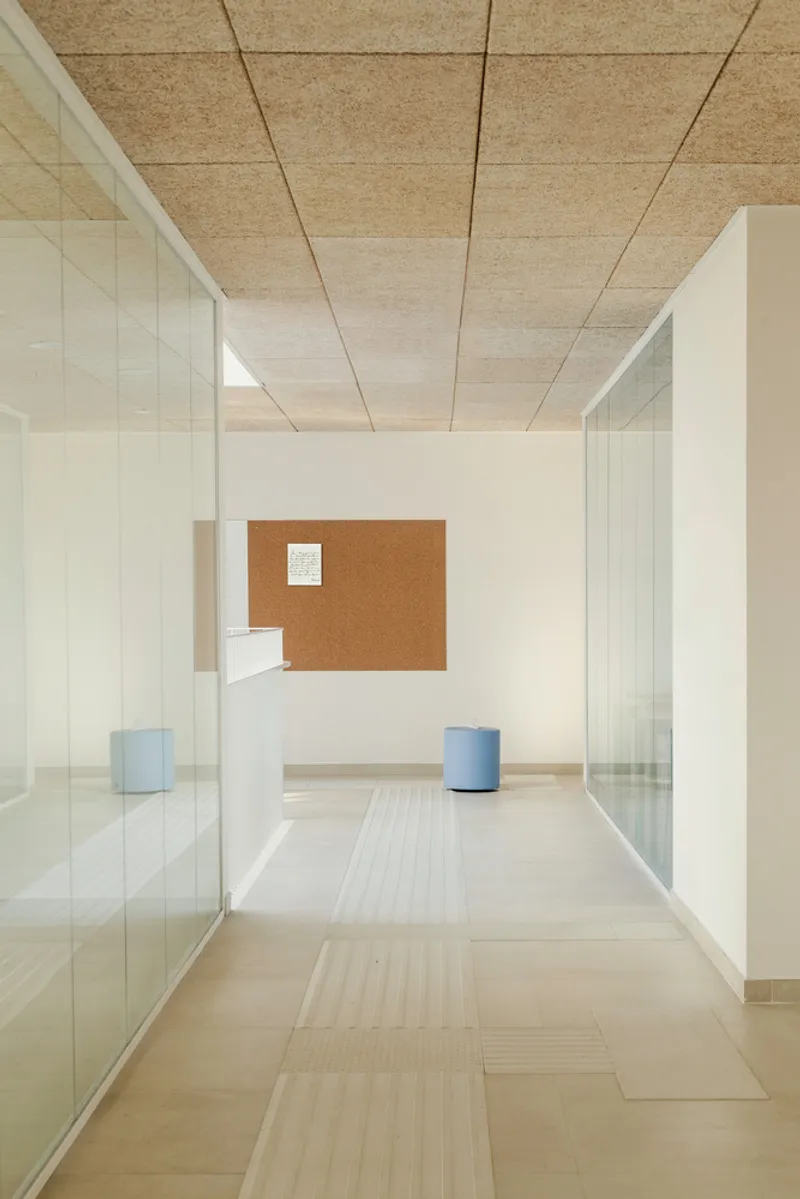
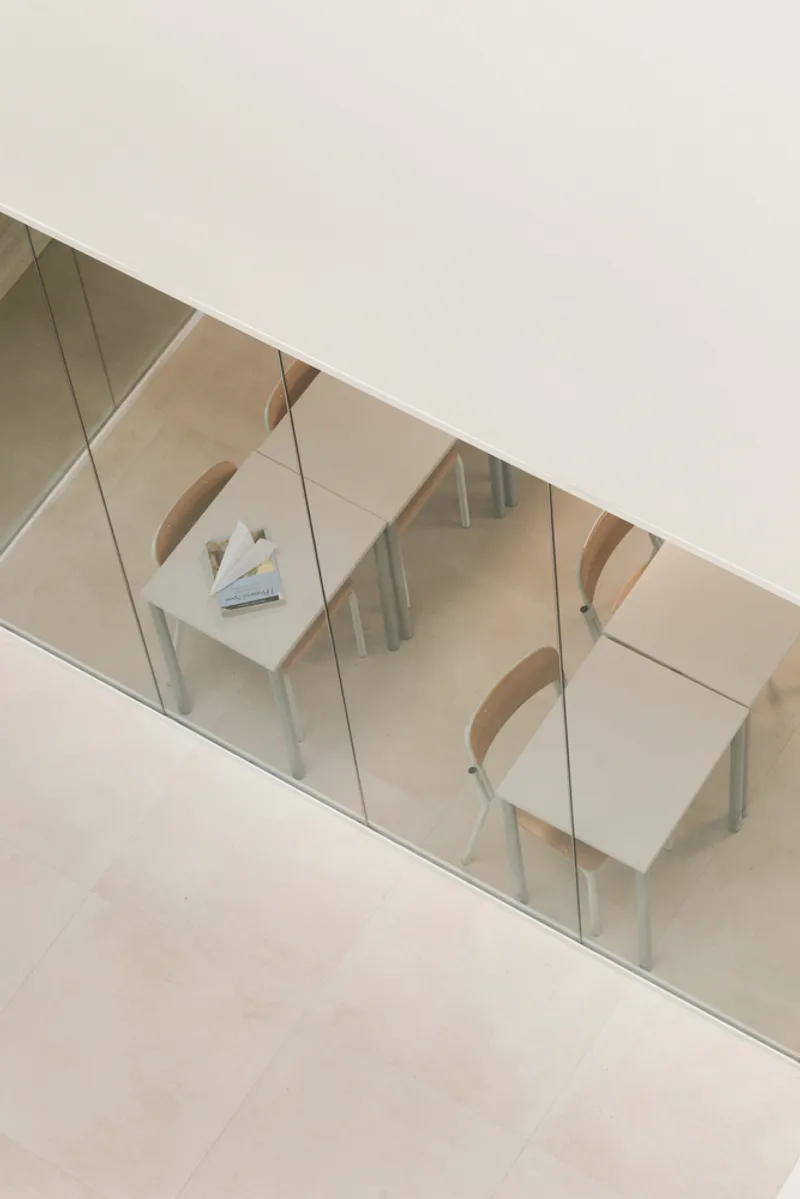
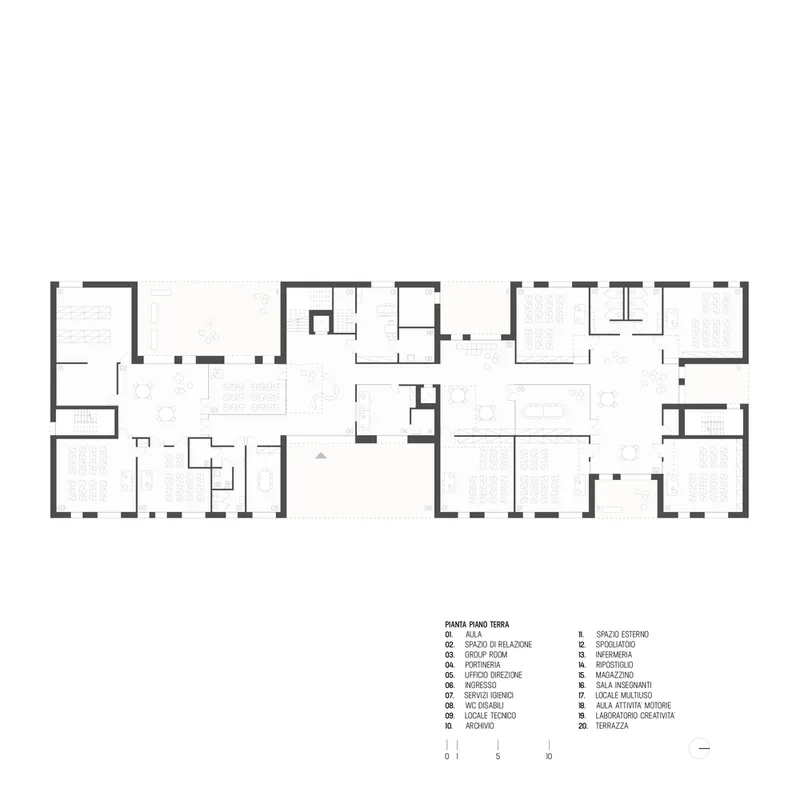
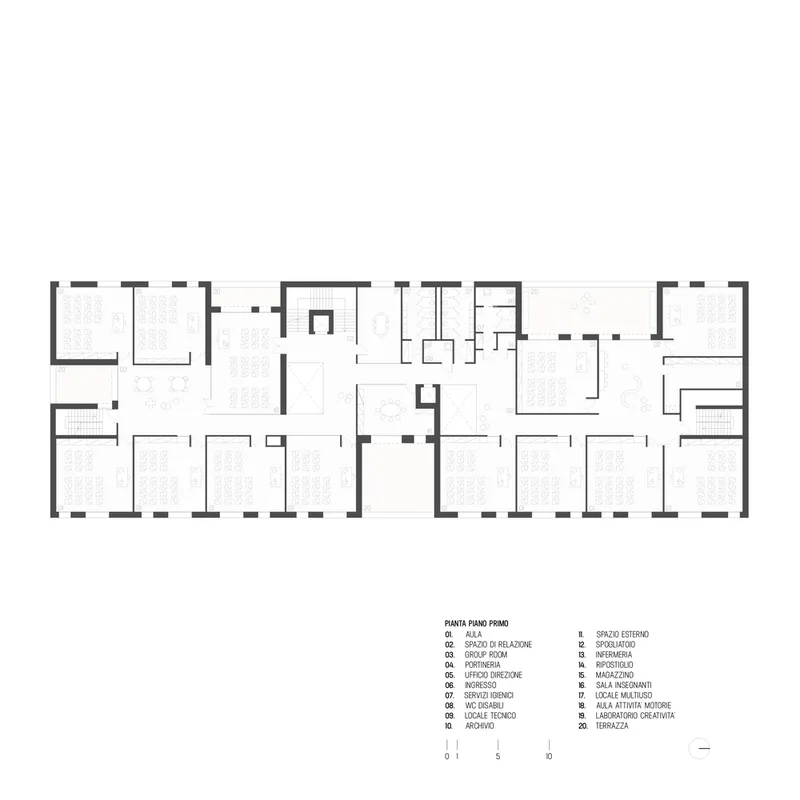
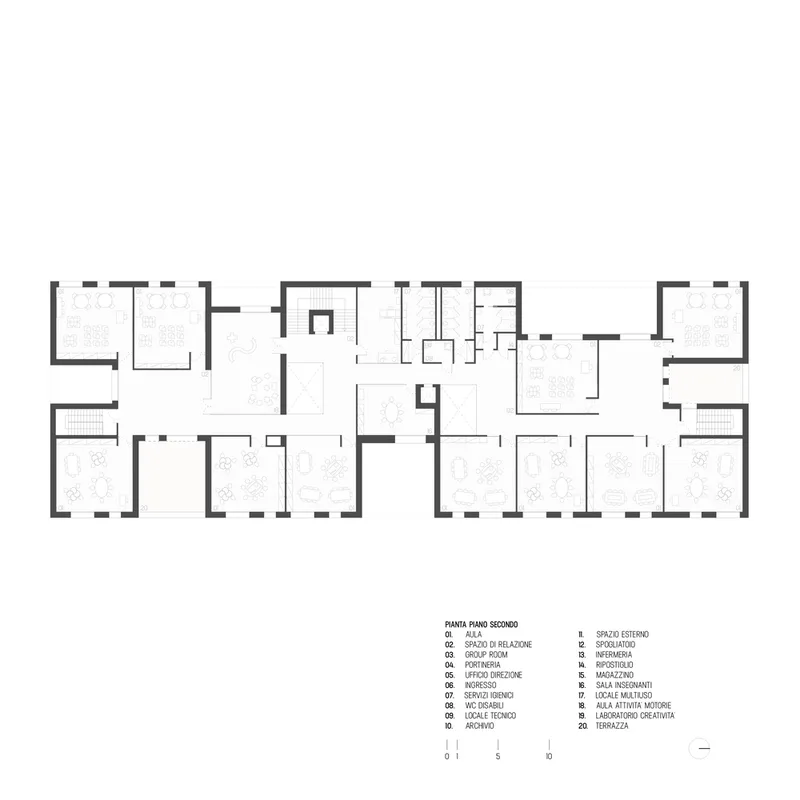
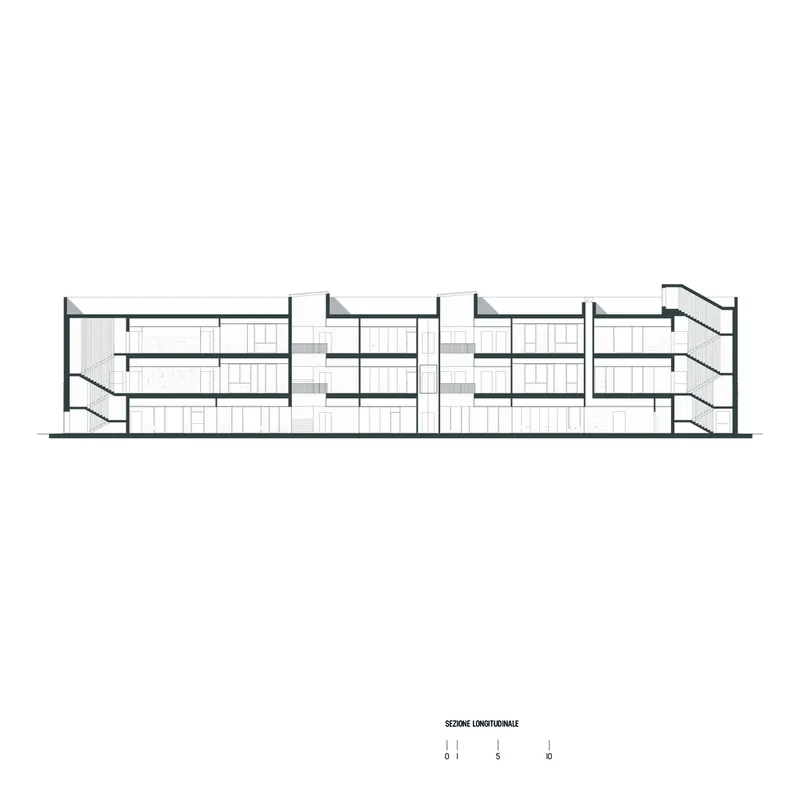
At the heart of the design lies the cluster system. Classrooms, laboratories, and communal areas are grouped by grade level, creating broad, dynamic environments that encourage collaboration and interaction. Large glass partitions connect these spaces visually and physically, breaking down barriers between students and teachers and fostering a sense of shared ownership over the learning process.
This approach transforms the school from a set of isolated rooms into an interconnected whole, where knowledge flows seamlessly across spaces.
Fluid Pathways and Visual Connectivity
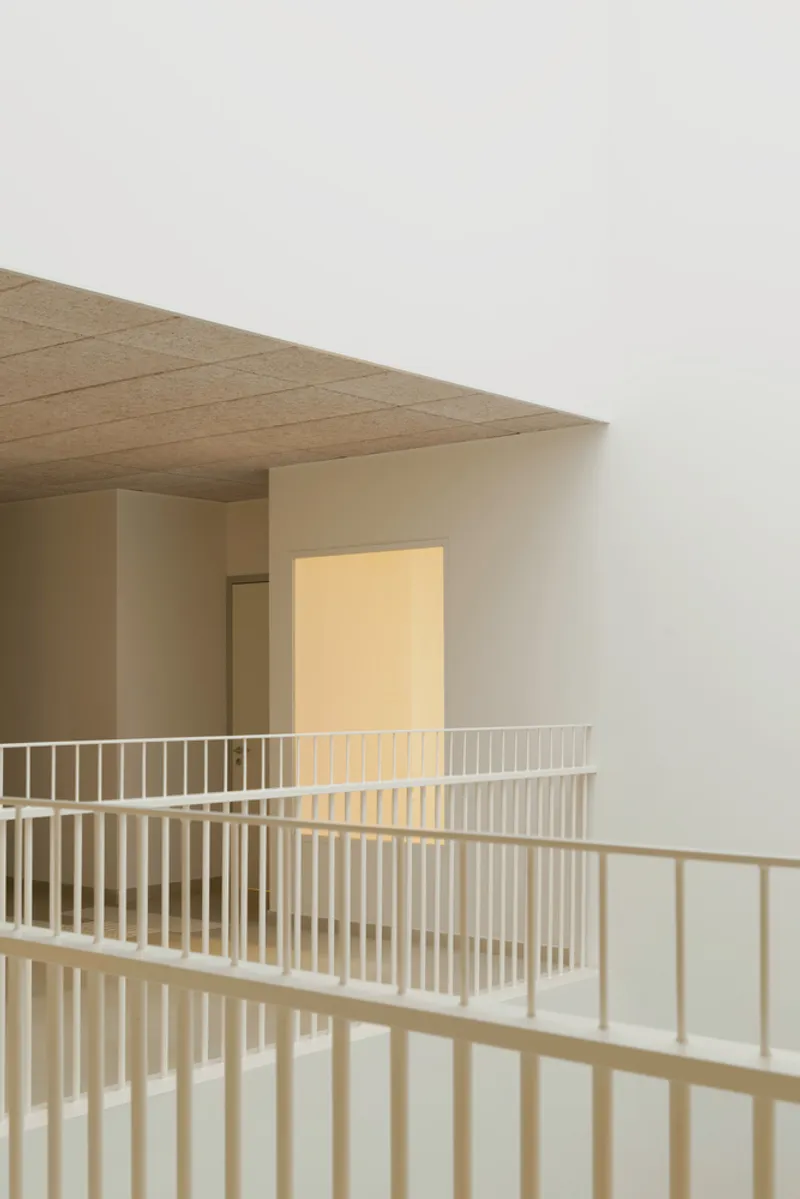
Rather than a conventional linear corridor, the school features an articulated pathway that winds fluidly through the building. This design stimulates curiosity and movement, drawing students into a continuous spatial journey. Glazed volumes positioned along this axis allow glimpses into adjacent activities, promoting openness and connection across grade levels and functions.
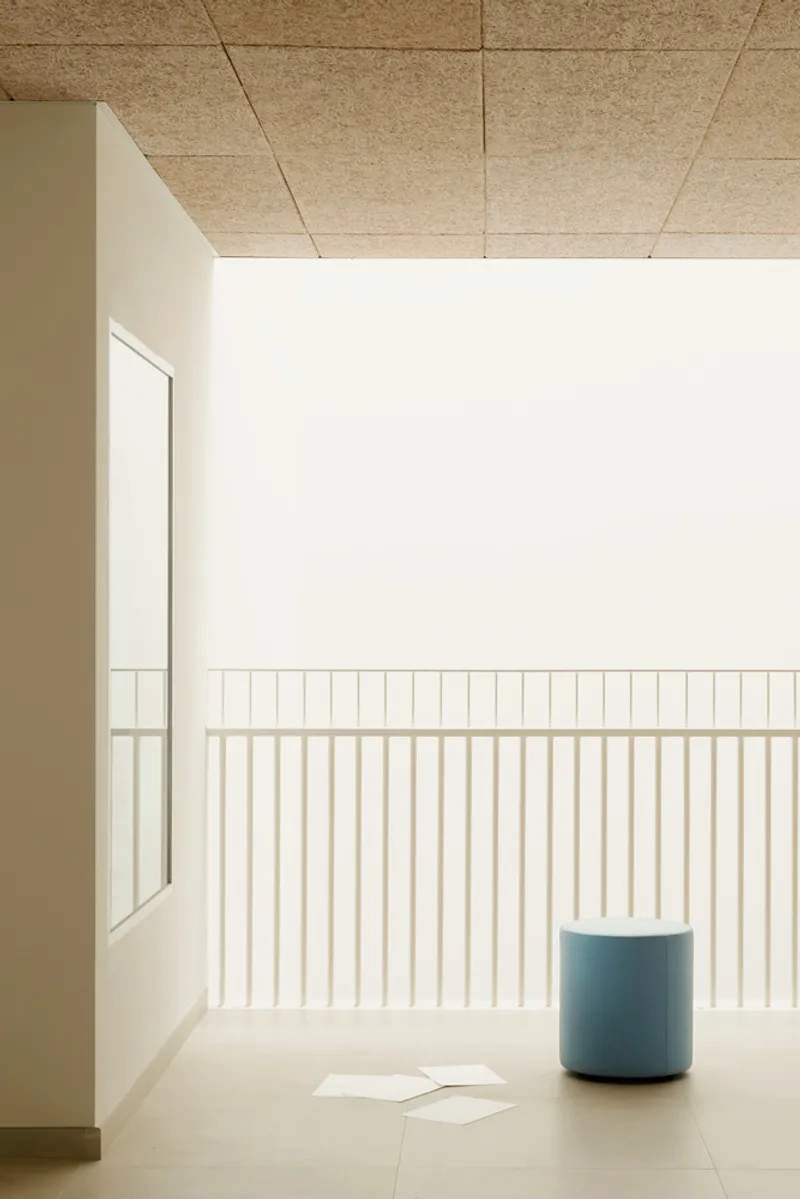
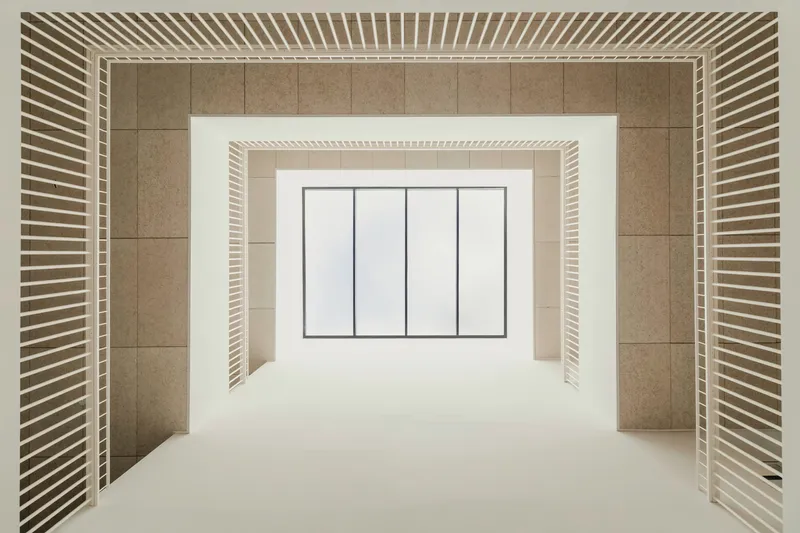
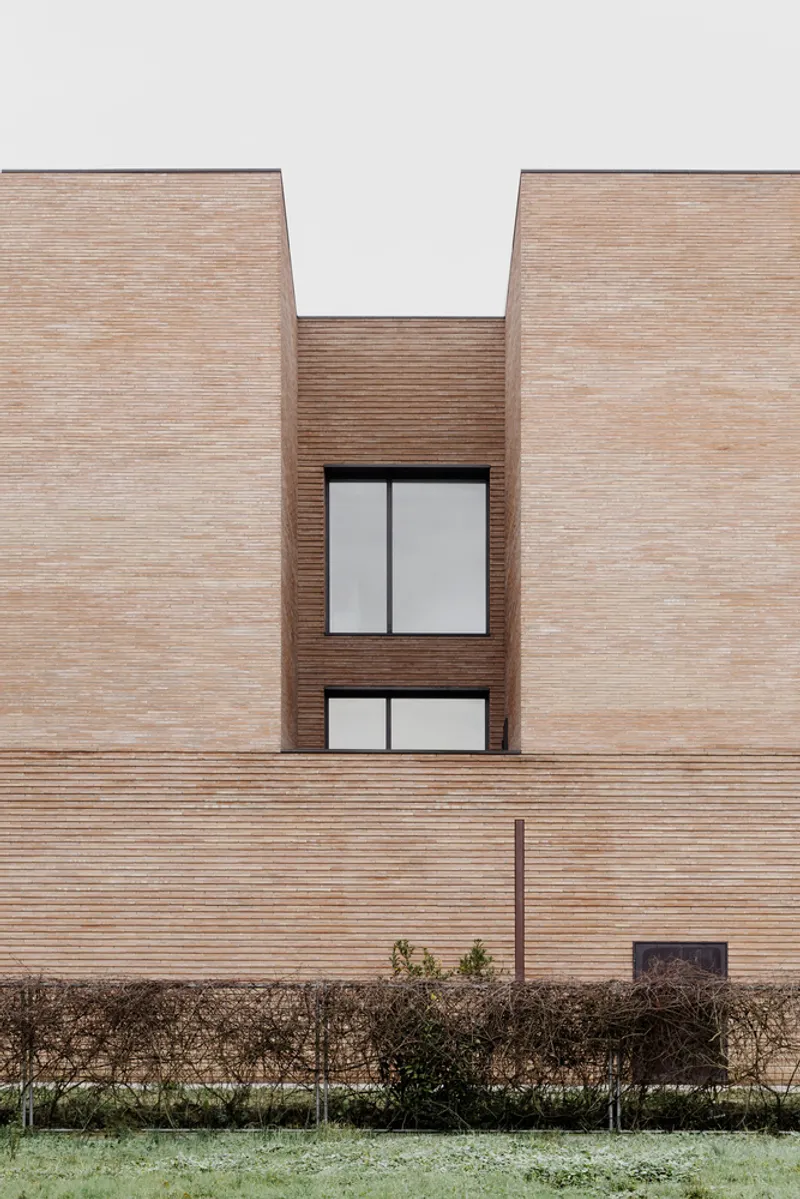
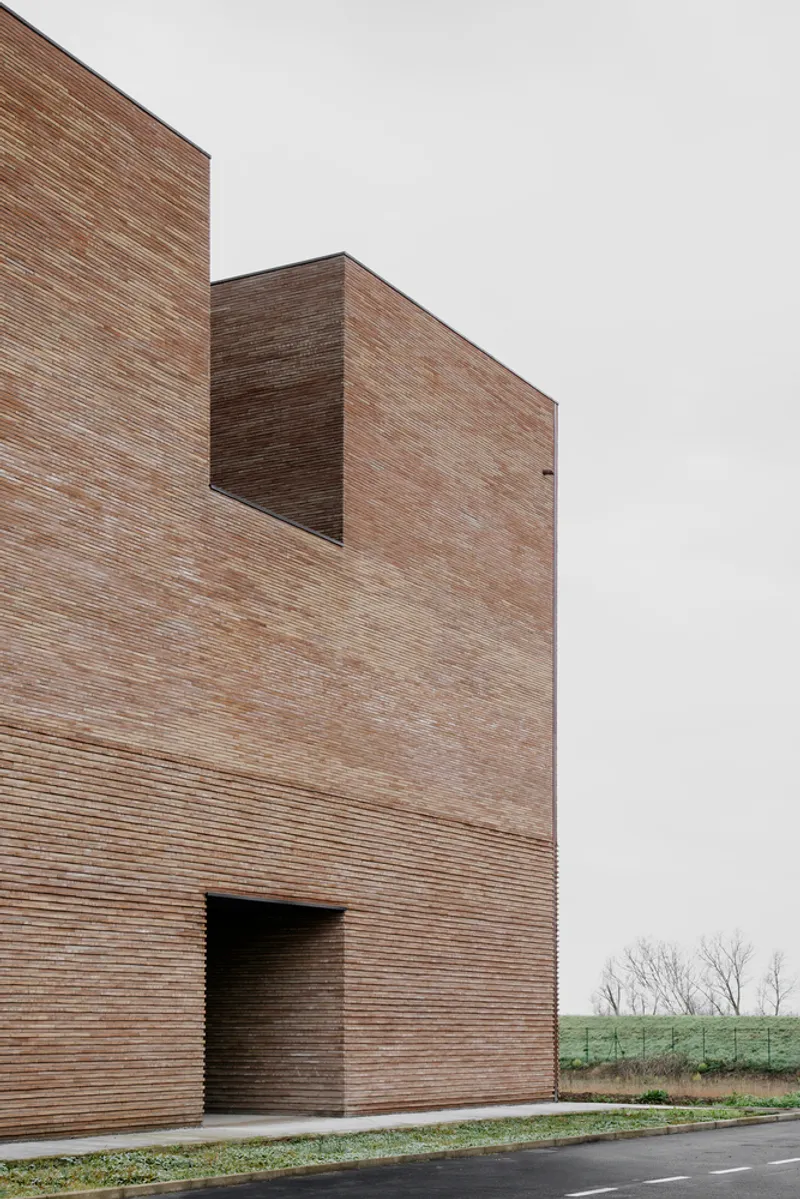
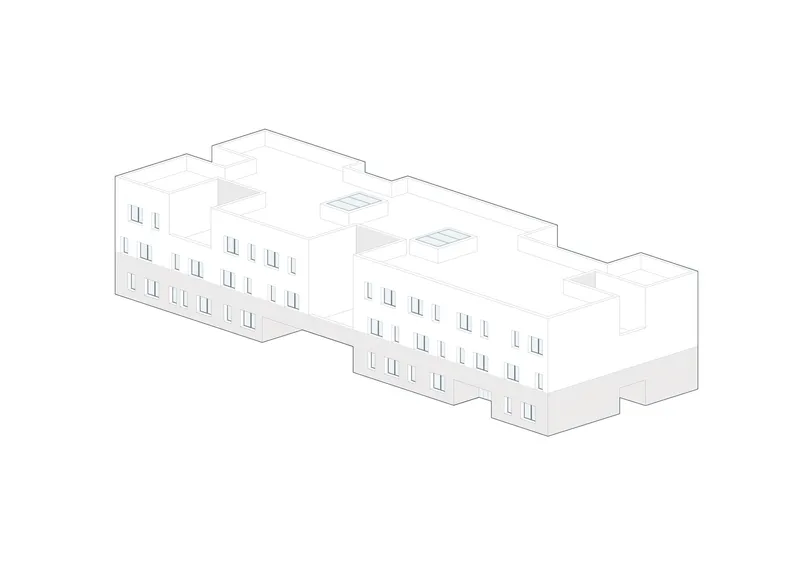
The architectural form evolves as a composition of volumes and voids, where unprogrammed spaces serve as relational zones. These informal areas invite students to pause, interact, and learn outside the confines of the classroom, transforming circulation space into vibrant social hubs.
Integrating Outdoor Spaces
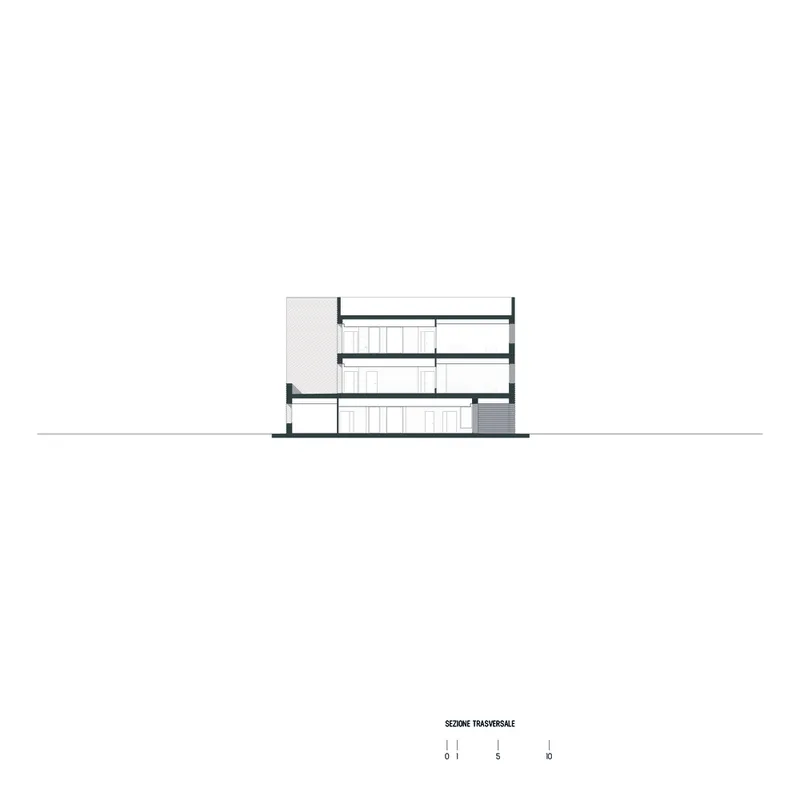
Outdoor terraces are not merely add-ons—they are fundamental to the school’s educational ecosystem. These terraces serve as spaces for socialization, outdoor study, and even technical functions like fire safety. Their integration reflects a holistic approach where function, aesthetics, and educational value intersect seamlessly.
The Power of Brick in Modern School Architecture
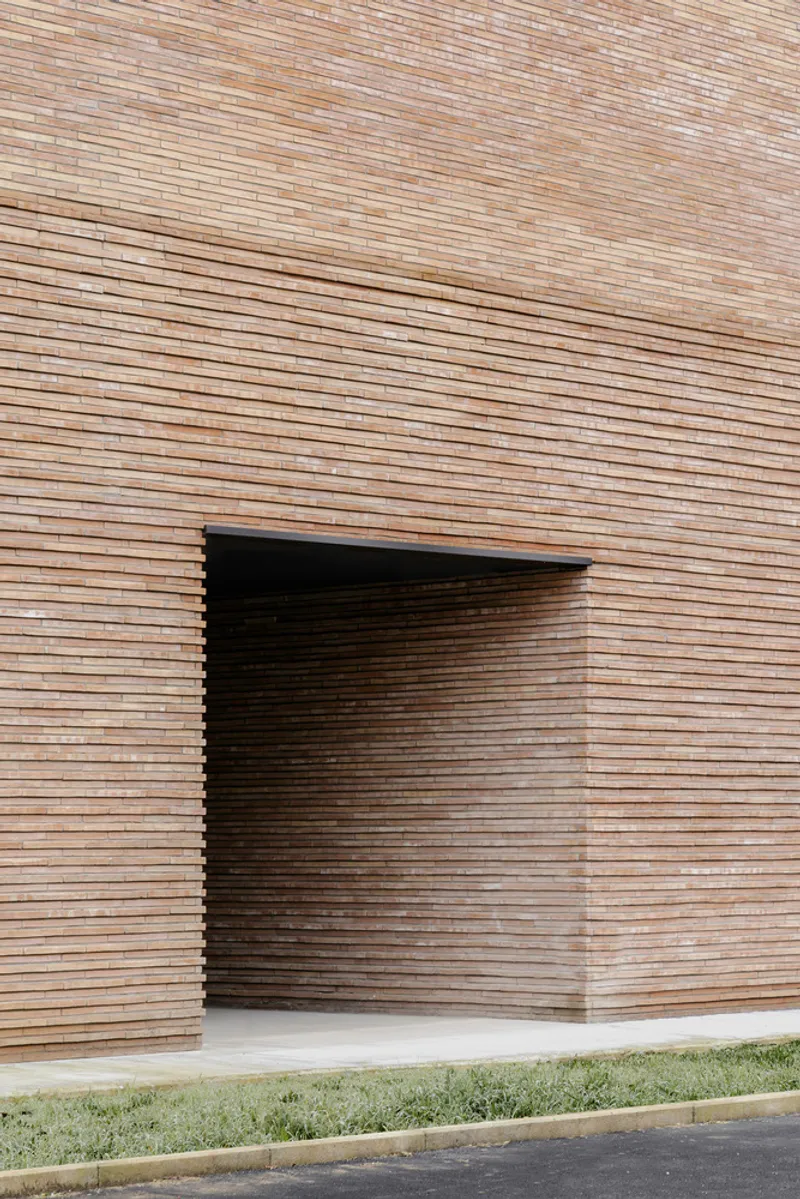
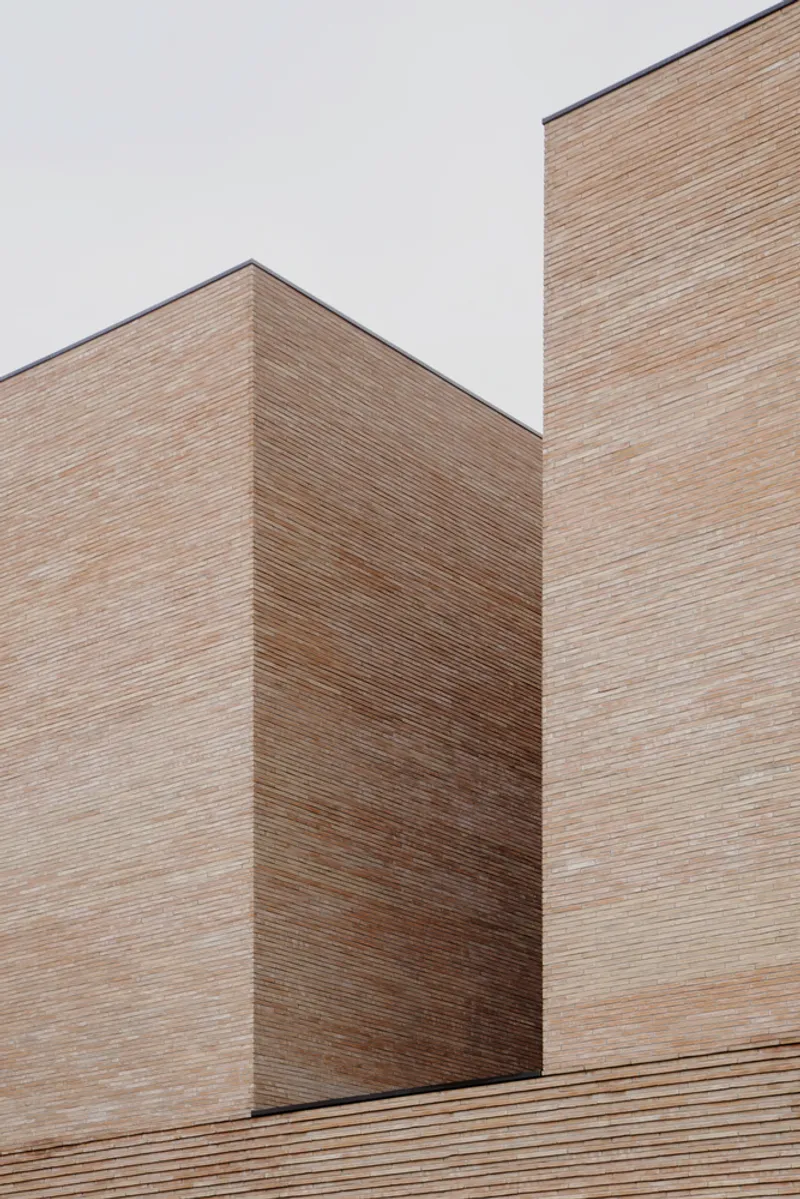
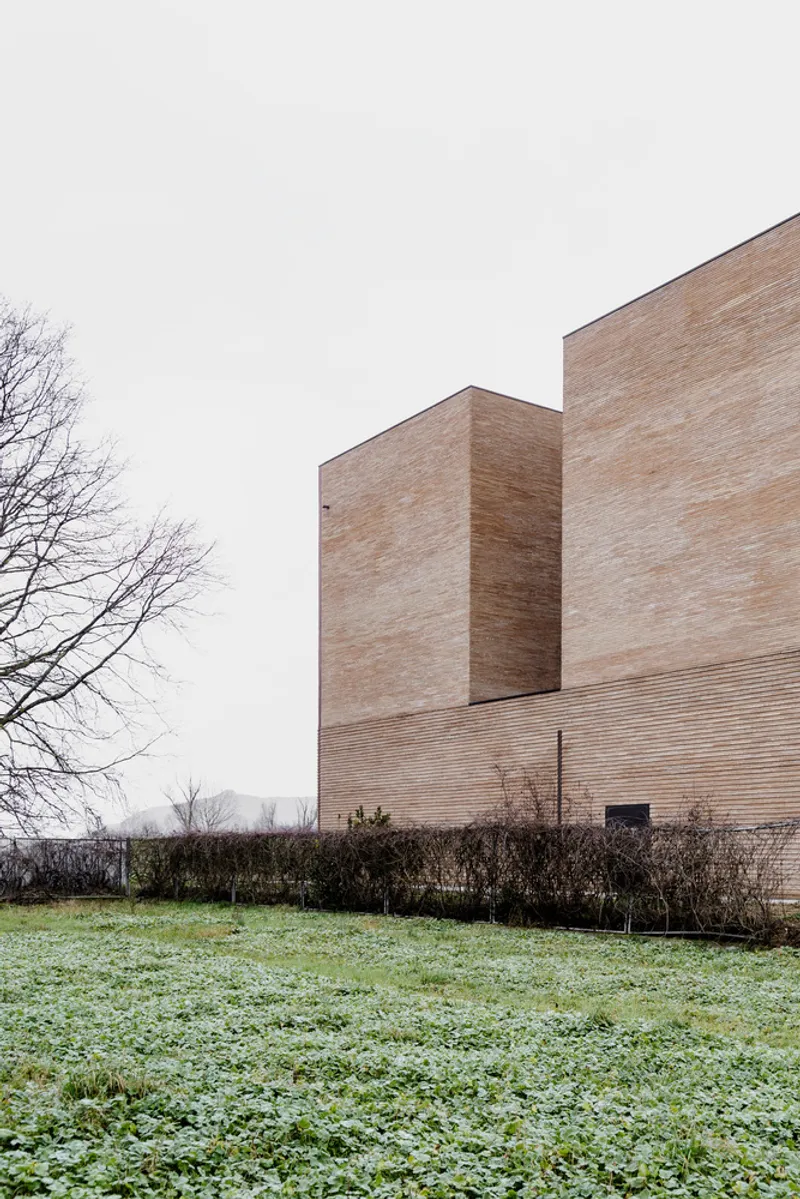
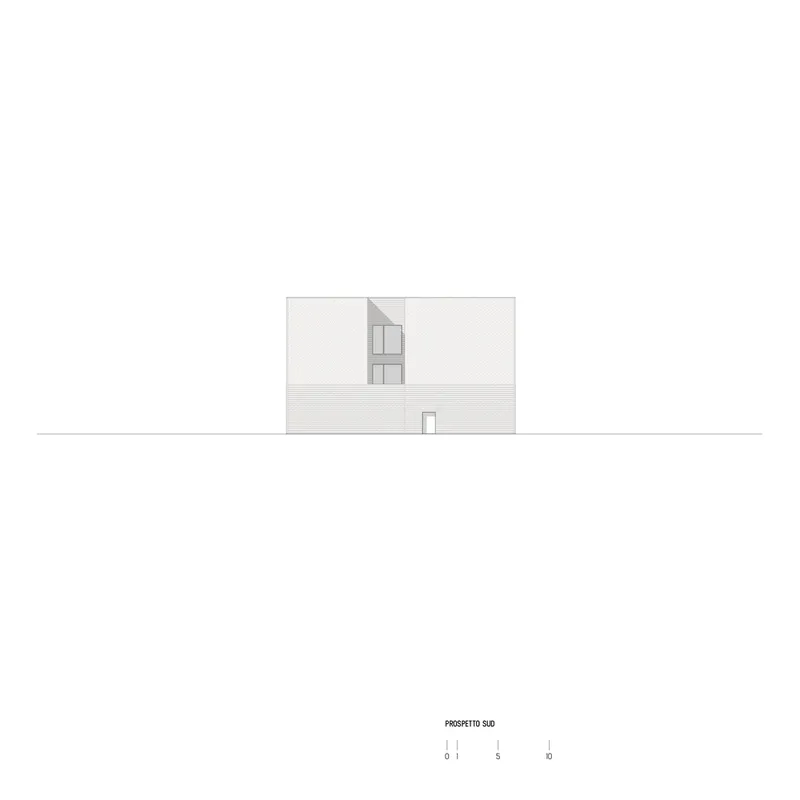
Materiality plays a central role in the design’s success. Brick was chosen for its tactile quality and contextual resonance, rooting the building within its surroundings. The brick’s artisanal character, with each unit unique and imperfect, softens the school’s mass and creates a lively play of shadows and textures.
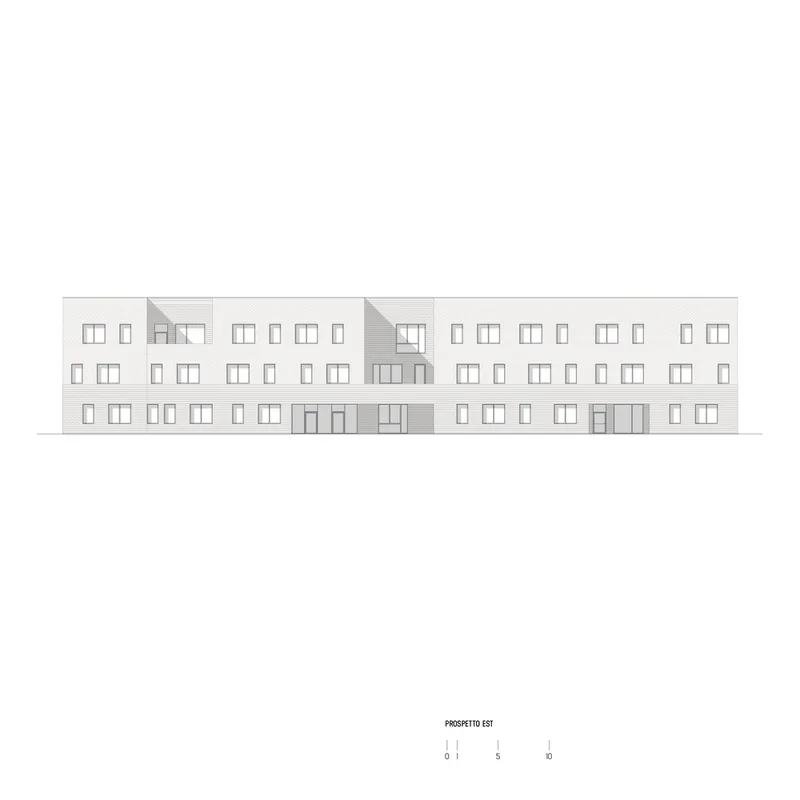
This material choice is deeply symbolic: it mirrors the journey of students, who are constantly growing, evolving, and transforming. From afar, the building’s brick façade appears monolithic and solid; up close, it reveals nuanced details that reflect the dynamic character of the learning environment within.
Architecture as an Educational Tool
The Liceo Montale Pontedera School embodies a clear and coherent design philosophy: to create a school environment that adapts to the needs of contemporary education. It offers flexible, inclusive, and stimulating spaces where architecture itself becomes a pedagogical instrument—supporting students not just academically, but personally and socially.
Through innovative school architecture, Colucci&Partners have delivered a building that is not only functional but inspirational, setting a new standard for educational design that embraces change, diversity, and community.
All the photographs are works of Carlotta Di Sandro


Popular Articles
Popular articles from the community


Architekt Andreas Gruber Scatters 23 Dark Timber Chalets Across a South Tyrolean Forest Edge
In Molini di Tures, Amonti Chalets breaks a resort into a hamlet of gabled timber houses, with parking, storage and services pushed into the slope.

David Macias Steps a Doorless Stone and Plaster House Down a Tropical Colombian Hillside
In the humid hills of Colombia, Threshold House replaces the front door with an open void and terraces its 850 m² down the slope instead of fighting it.

LT2A and OPEN Architectes Thread a Brick and Glass High School Through a Wooded Belgian Campus
In Braine-l'Alleud, a 3,000 m² wing for Collège Cardinal Mercier pairs pale brick with a glazed colonnade, deferring to a small chapel and a dense wood.

longwave studio Reorganizes a 112 m² Tainan Apartment Around the Daily Routines of a Family and Two Cats
In Tainan, Taiwan, birch plywood, rust-red furniture and a freestanding plaster wall link arrival, storage, work and family life in one apartment.

Similar Reads
You might also enjoy these articles


Hodi-Mandai Geram
Project Function: Preservation and revitalization of the Intangible heritage and socio-spatial identity of the Hodi by Housing, Cultural Memory Center, Sacred Grove, landscape, local tourism economy


Olio Towers: A Mid-Rise for Performers That Fuses Housing, Rehearsal, and Stage
Located blocks from Houston's Theater District, this modular tower stacks living units around a central performance atrium.

Oasis: Modular Green Housing Carved into Dhaka's Urban Fabric
A shortlisted Plugin Housing entry reclaims unauthorized settlements in Dhaka with stepped concrete volumes, green roofs, and ventilation-driven design.

Black Hole: A Floating Megastructure for the Post-Physical Era
Emiliano Mazzarotto envisions a spherical, self-scaling arena where e-sports, digital hotels, and holographic stadiums replace traditional public space.

Explore Educational Building Competitions
Discover active competitions in this discipline

Challenge to design public laboratory

Challenge to reimagine the Iron Throne

Photograph architecture without architects

Illustrate the lost glory of Angkor Wat - Render Challenge
Comments (0)
Please login or sign up to add comments
No comments yet. Be the first to comment!