
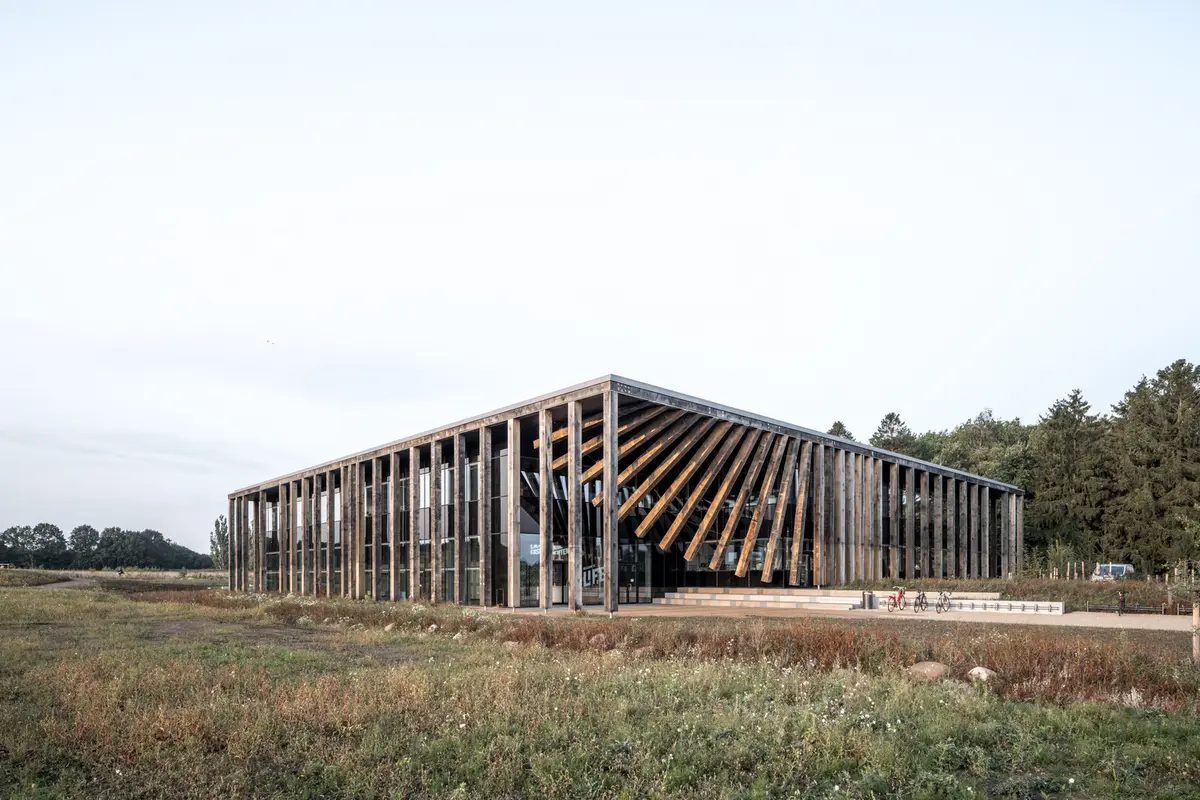
LIFE Campus by Vilhelm Lauritzen Architects and LYTT: A High-Tech Learning Hub Bridging Nature and Science
LIFE Campus is a STEM-focused learning center blending high-tech architecture with nature to inspire hands-on science education for youth.


Located on the historic hunting grounds of Kongens Lyngby, just outside Copenhagen, the LIFE Campus by Vilhelm Lauritzen Architects in collaboration with LYTT Architecture stands as a bold and inspiring architectural landmark dedicated to STEM education. Designed to engage and ignite young minds in the fields of science, technology, engineering, and mathematics (STEM), the 5,000 m² campus redefines the role of architecture in educational innovation.
An Immersive Science Education Environment
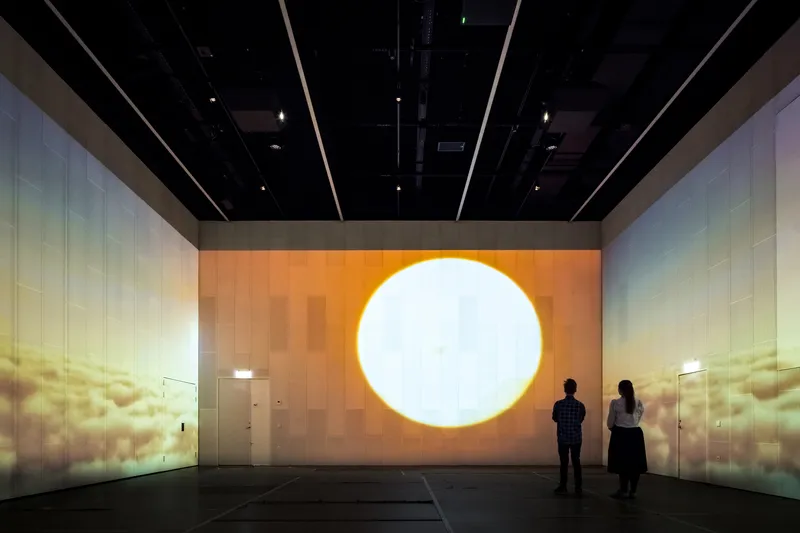
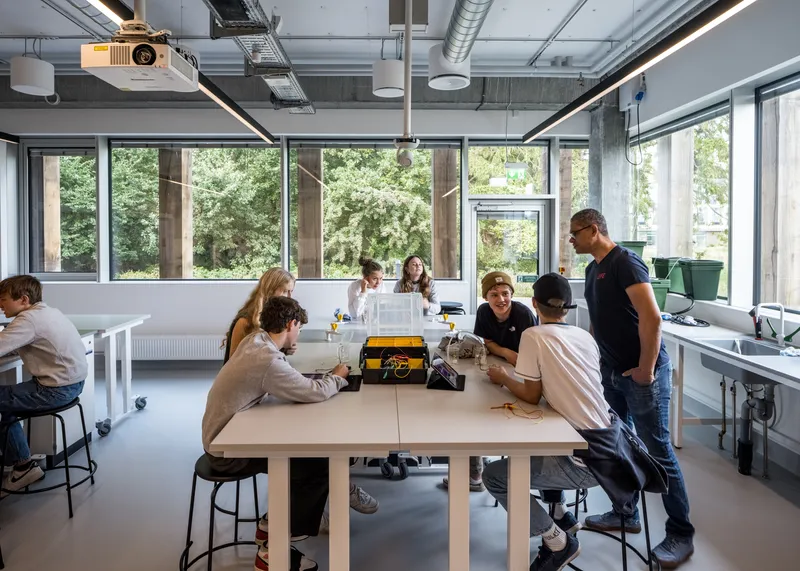
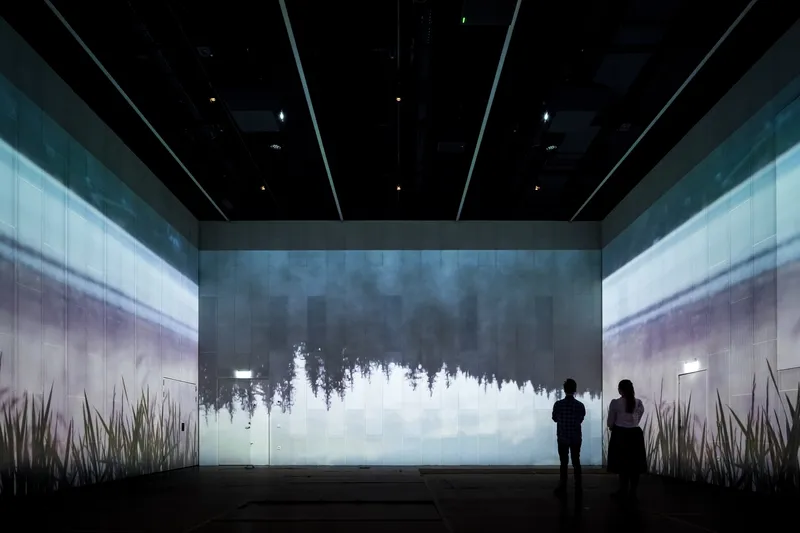
Completed in 2021, LIFE Campus is more than just a building—it's a sensorial universe that stimulates exploration. Within a single day, students can digitally journey from the surface of the moon to the core of an atom, thanks to the campus’s immersive learning environments. Central to the design is a 360-degree projection auditorium, equipped with cutting-edge AV and sound systems, creating a dynamic storytelling space for scientific discovery.
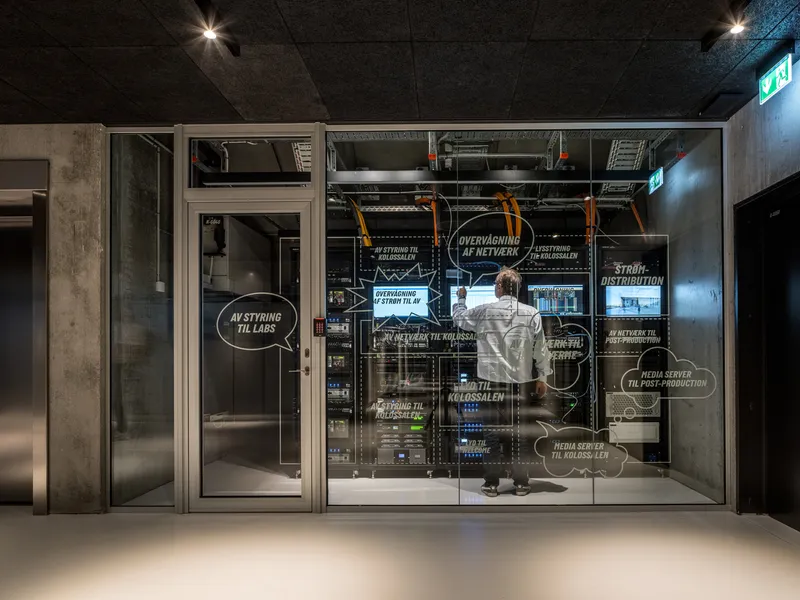
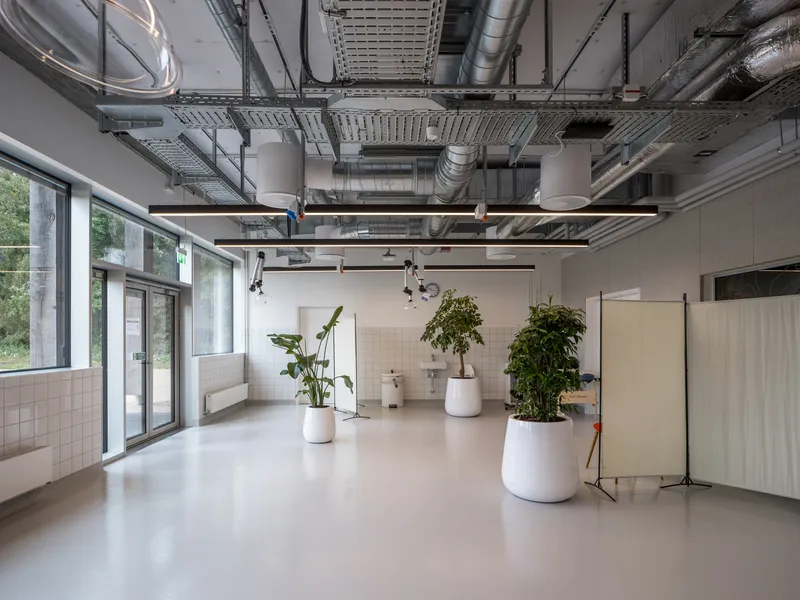
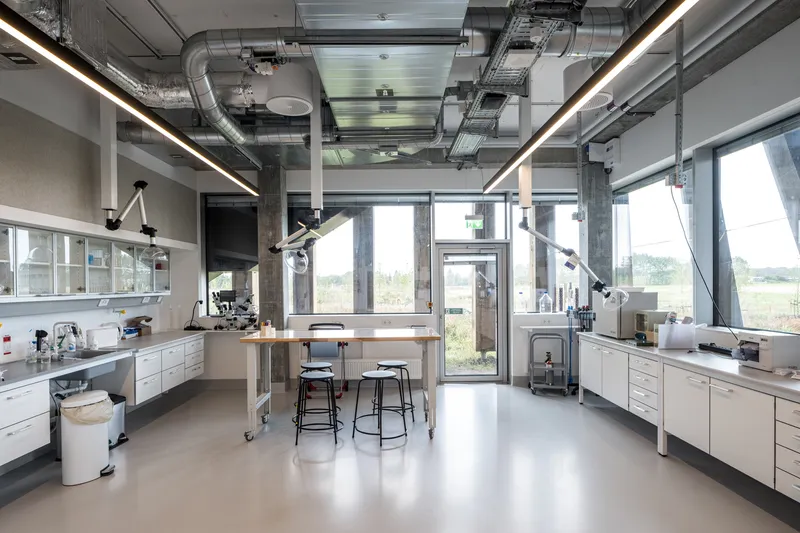
The building's architecture and interiors reflect a commitment to active learning through spatial experience. Exposed structural elements, raw materials, and visible technical installations serve as didactic tools themselves. The design intentionally reveals its infrastructure to encourage curiosity and transparency.
Architectural Symbolism and Sustainability
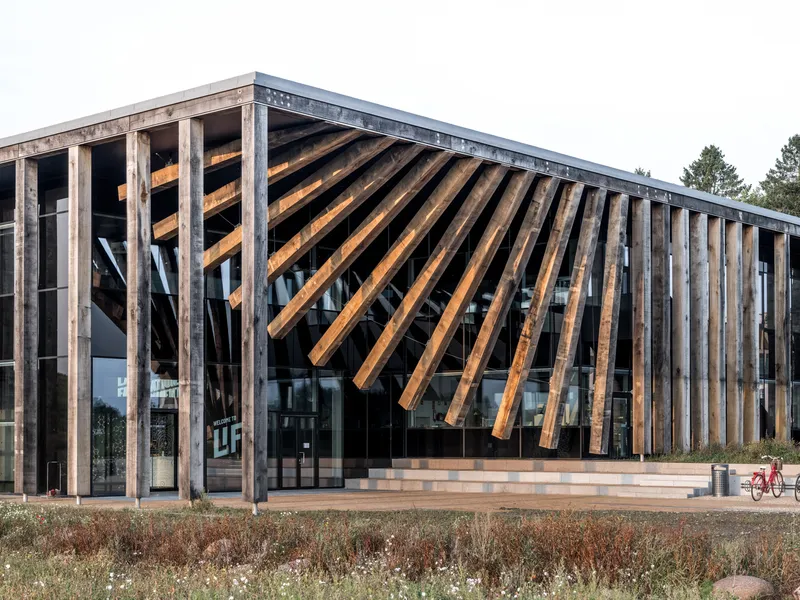
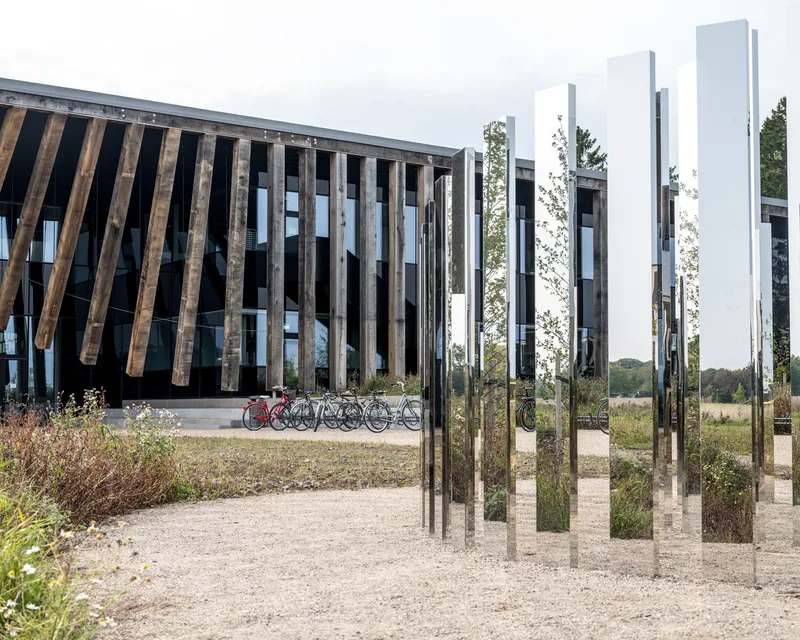
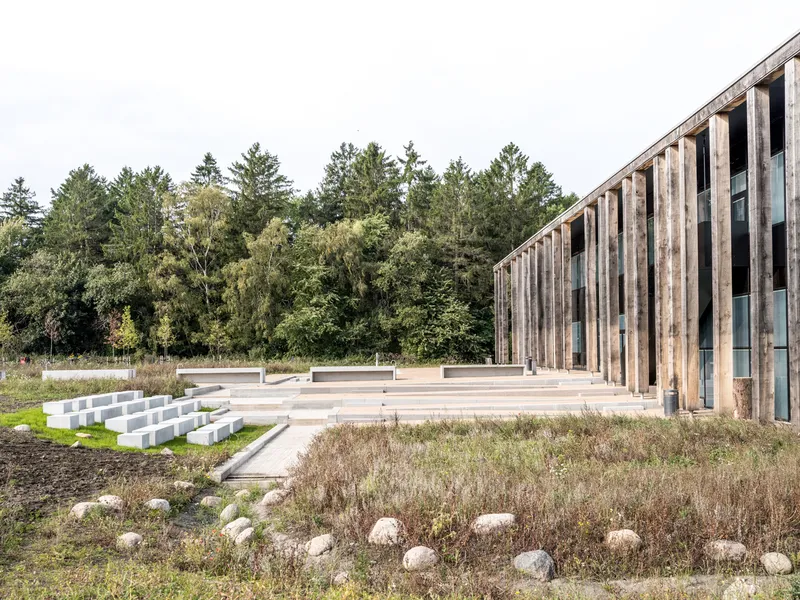
Upon arrival, visitors are welcomed by a striking forest of 96 raw oak columns—each standing nine meters tall and weighing over a ton. This sculptural entrance pays homage to both the Fibonacci sequence and DNA structure, symbolizing the connection between natural patterns and scientific logic. This interaction between natural forms and high-tech environments sets the tone for the entire campus.
Designed for longevity and adaptability, the LIFE Campus is a future-ready educational facility that can evolve alongside scientific advancements. It accommodates learners from primary through upper secondary school, offering hands-on courses that align with current global challenges and the UN Sustainable Development Goals.
Learning Spaces Designed with Purpose
The campus features three teaching laboratories, a research lab, and additional labs under development. These spaces simulate the environments of real-world scientific research found in universities and biotech companies. The design process involved direct collaboration with science educators, ensuring that the architecture supports pedagogical innovation and curriculum relevance.
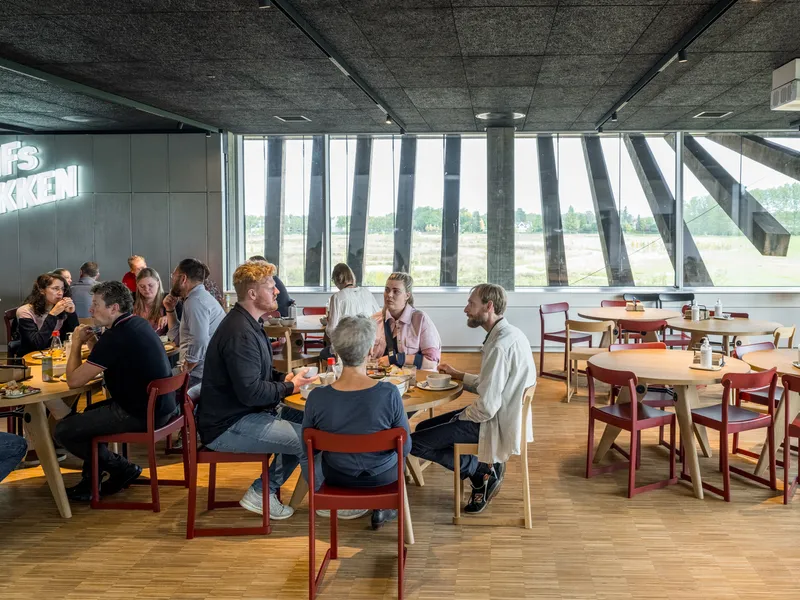
Every aspect of the campus—from spatial programming to furniture design—supports flexibility, collaboration, and inquiry-based learning. Students are not passive observers but active participants in their own education, engaging with real-world scientific challenges through experiments, problem-solving, and interdisciplinary learning.
A Landscape that Teaches
The integration of architecture and landscape is fundamental to the LIFE Campus philosophy. LYTT Architecture crafted a surrounding educational environment that extends learning into nature. The LIFE Arboretum and LIFE Orchard offer students access to diverse ecosystems, promoting environmental education through direct interaction. An experience trail guides visitors through outdoor installations and science-inspired artworks by Danish artist Jeppe Hein, turning every corner of the campus into a potential classroom.
Future expansions include overnight shelters, encouraging immersive, nature-based learning experiences. These outdoor classrooms reinforce the relationship between science and the environment, emphasizing sustainability in both content and context.
An Innovation Hub for Danish Science
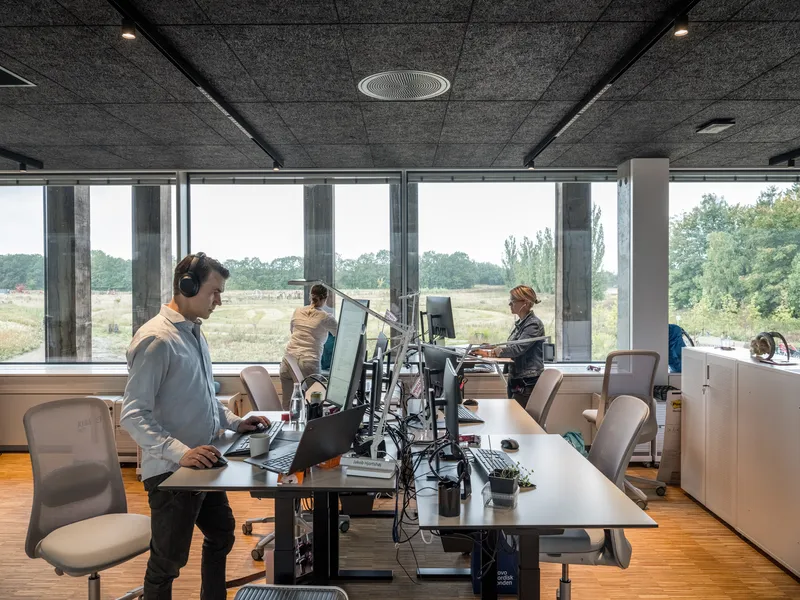
The LIFE Campus also serves as the headquarters of the LIFE Foundation, home to 80 employees working to expand access to science education across Denmark. The building houses multi-functional office spaces and flexible meeting areas, all bathed in natural light with panoramic views of the landscape. These workspaces foster collaboration, innovation, and interdisciplinary exchange.
Strategically positioned near the Innovation Campus of Novozymes—a global leader in biotechnology—and the Technical University of Denmark (DTU), the LIFE Campus sits at the heart of Denmark’s scientific innovation ecosystem. This proximity encourages synergy between education, research, and industry, creating a pipeline from early education to professional scientific careers.
All Photographs are works of Rasmus Hjortshøj


Popular Articles
Popular articles from the community


Little Red Riding Hood: Architectural Design as a Journey Through Fear, Light, and Storytelling
Little Red Riding Hood reimagines the fairy tale through architectural design shaped by fear, light, scale, memory, uncertainty, and choice.

Lunar Spiral: Space Architecture Shaped by the Mathematics of the Universe
Lunar Spiral reimagines space architecture through Fibonacci geometry, lunar regolith, levitating habitats, and self-sustaining Moon living.

ALGAL REALM: A Bio-Integrated Lunar Habitat Design for Life Beyond Earth
ALGAL REALM reimagines lunar habitat design with algae-powered life support, 3D-printed regolith, and vertical living for a lunar future.

Conexión: Biophilic Design Reimagines High-Rise Living in Hong Kong
Conexión reimagines high-rise living in Hong Kong through biophilic design, green facades, shared spaces, daylight, water and nature within.

Similar Reads
You might also enjoy these articles


Hodi-Mandai Geram
Project Function: Preservation and revitalization of the Intangible heritage and socio-spatial identity of the Hodi by Housing, Cultural Memory Center, Sacred Grove, landscape, local tourism economy


Olio Towers: A Mid-Rise for Performers That Fuses Housing, Rehearsal, and Stage
Located blocks from Houston's Theater District, this modular tower stacks living units around a central performance atrium.

Oasis: Modular Green Housing Carved into Dhaka's Urban Fabric
A shortlisted Plugin Housing entry reclaims unauthorized settlements in Dhaka with stepped concrete volumes, green roofs, and ventilation-driven design.

Black Hole: A Floating Megastructure for the Post-Physical Era
Emiliano Mazzarotto envisions a spherical, self-scaling arena where e-sports, digital hotels, and holographic stadiums replace traditional public space.

Explore Campus Competitions
Discover active competitions in this discipline

Challenge to design public laboratory

Challenge to reimagine the Iron Throne

Photograph architecture without architects

Illustrate the lost glory of Angkor Wat - Render Challenge
Comments (0)
Please login or sign up to add comments
No comments yet. Be the first to comment!