

Light Path Residence by Bohlin Cywinski Jackson: An Architecture of Care, Light, and Aging in Place
Light-filled single-level residence integrates universal design, natural materials, and forest views to support aging in place, wellbeing, and adaptive living.


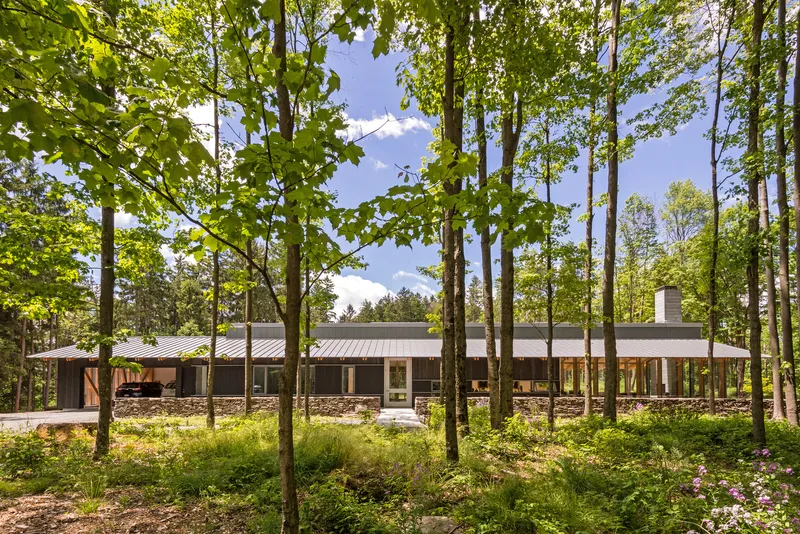
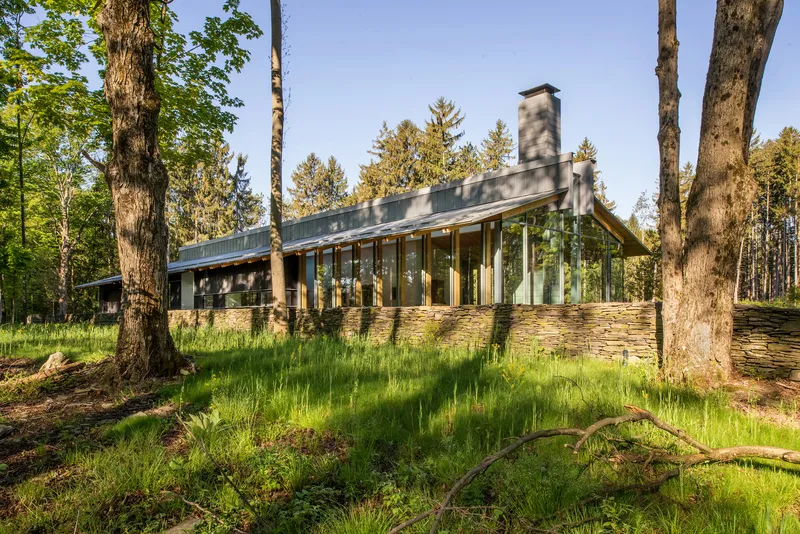
Located on historic nineteenth-century farmland in Waverly, Pennsylvania, Light Path Residence by Bohlin Cywinski Jackson represents a deeply thoughtful response to aging in place, wellness-centered design, and adaptive residential architecture. Completed in 2020, the 3,000-square-foot single-level home was designed for longtime clients seeking a new chapter of living: one that prioritizes safety, accessibility, and emotional comfort while maintaining a profound connection to light, landscape, and material authenticity.
The project emerges from a decades-long relationship between architect and client, beginning in the mid-1970s. Rather than starting from scratch, the design builds upon the qualities the clients valued most in their former home: abundant natural light, strong visual connections to nature, tactile natural materials, and finely crafted details. These elements are reinterpreted through a contemporary architectural lens, forming a home that is both forward-looking and deeply familiar.
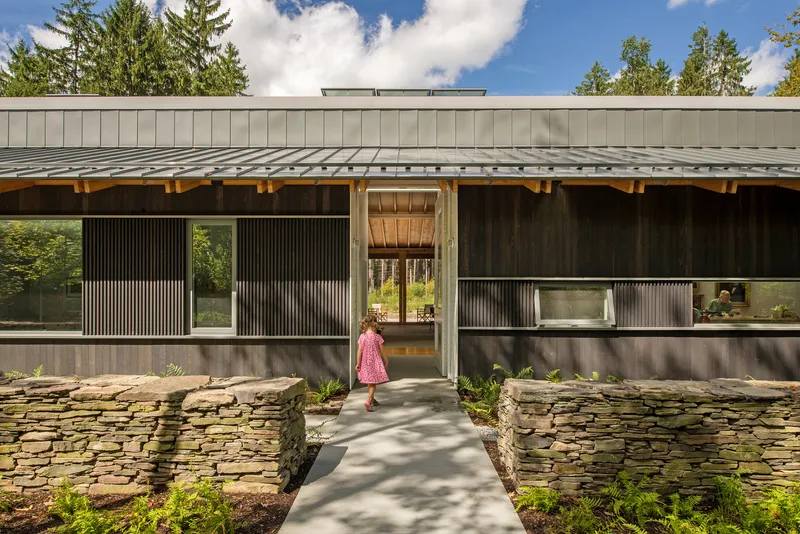
Planning for Alzheimer’s Care Through Architecture
At the heart of the design is a sensitive response to the client’s Alzheimer’s diagnosis, shaping the residence into a calm, intuitive, and supportive environment. The home is organized around a simple cross-shaped plan, allowing for clear wayfinding, direct circulation, and visual continuity between living, dining, and sleeping spaces. This clarity of movement is essential in reducing confusion while encouraging independence and daily activity.
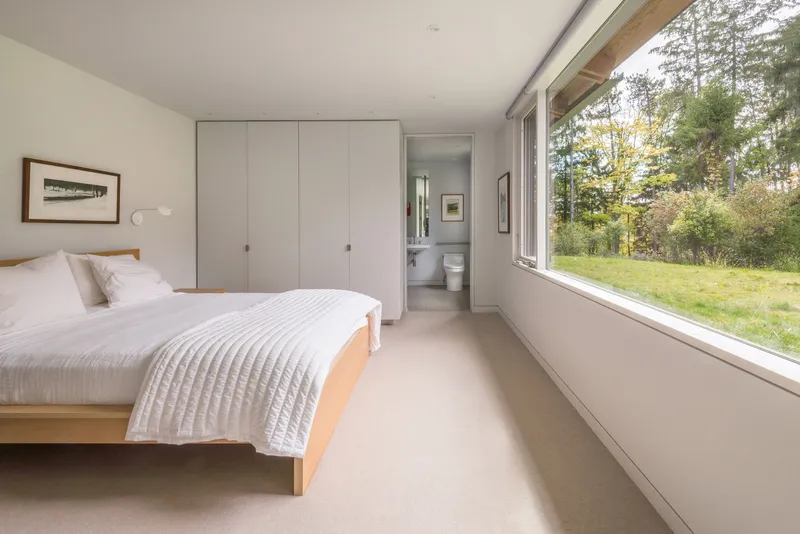
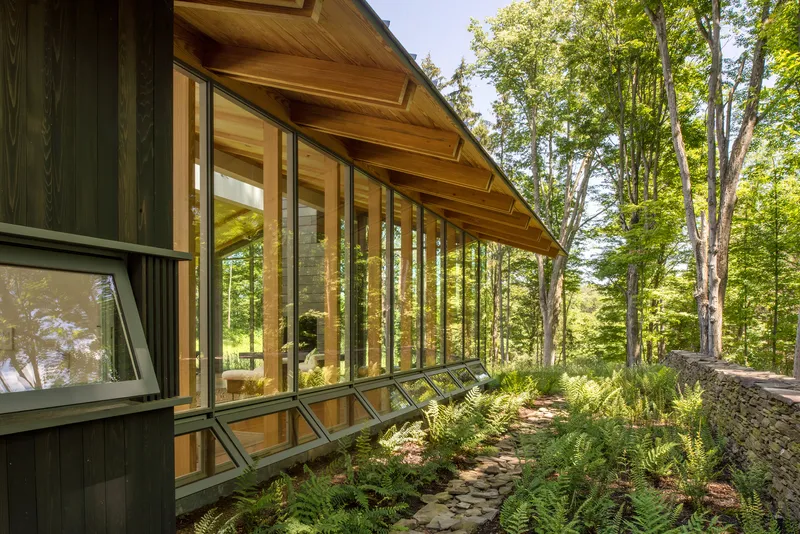
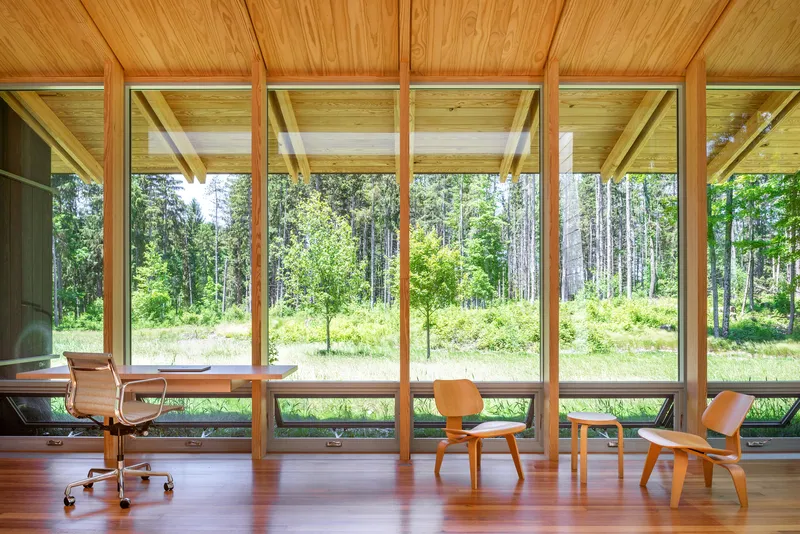
A 92-foot-long skylight runs along the home’s central axis, guiding movement with natural daylight while reinforcing orientation throughout the day. Expansive windows and sliding glass doors further dissolve the boundary between interior and exterior, offering consistent visual cues from the surrounding forest landscape. Together, these strategies create a luminous interior that supports both physical mobility and cognitive comfort.
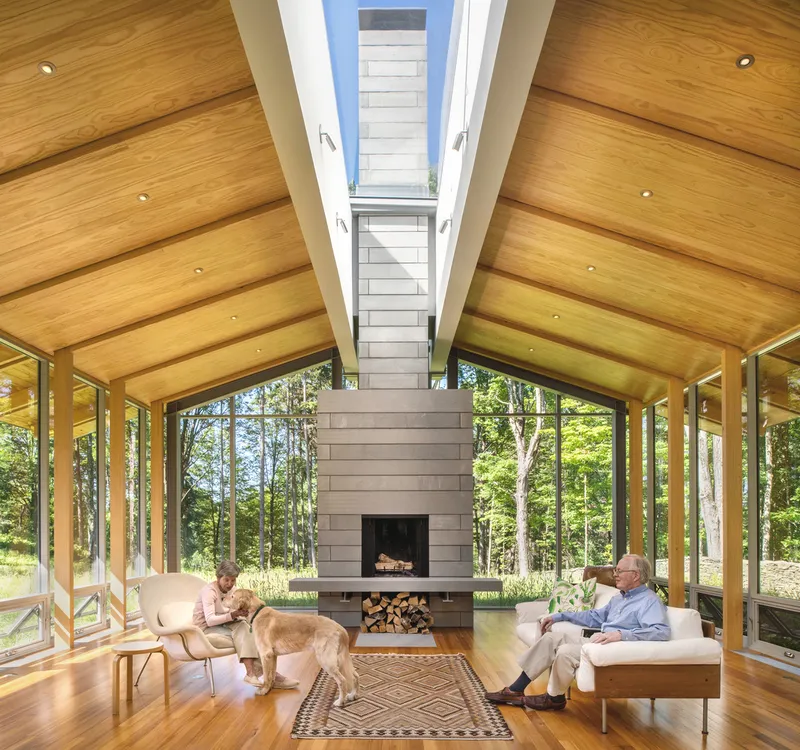
Single-Level Living and Universal Design Strategies
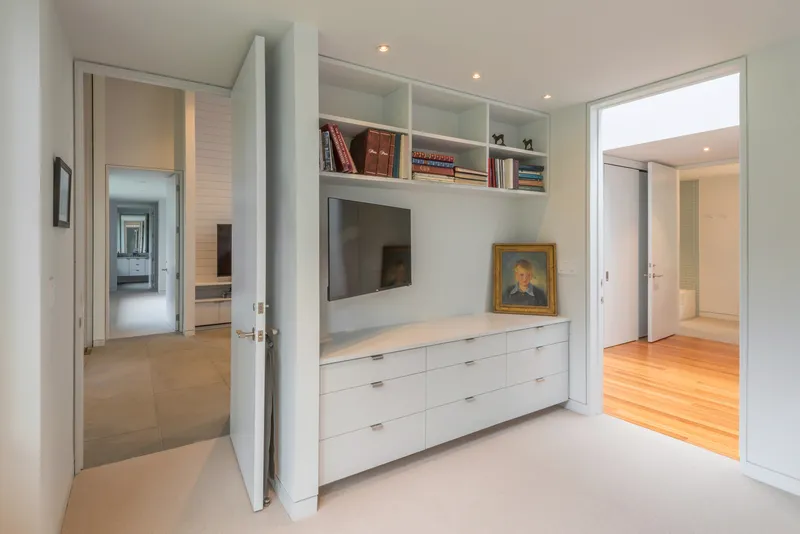
Designed entirely on one level, Light Path Residence embraces universal design principles to support present and future accessibility needs. Wide hallways, accessible bathrooms, and same-level garage entry allow seamless movement throughout the home. Workspaces with lowered countertops, easily graspable custom door handles, and thoughtfully detailed drawer pulls ensure ease of use without compromising design integrity.
Anticipating potential wheelchair use, the architects integrated generous clearances and unobstructed circulation routes from the outset. Guest rooms were designed with dual functionality, maximizing spatial efficiency while maintaining flexibility for caregivers or evolving household needs. Subtle planning decisions, such as a second door in a primary bedroom, enhance sightlines and responsiveness, critical for caregiving scenarios.
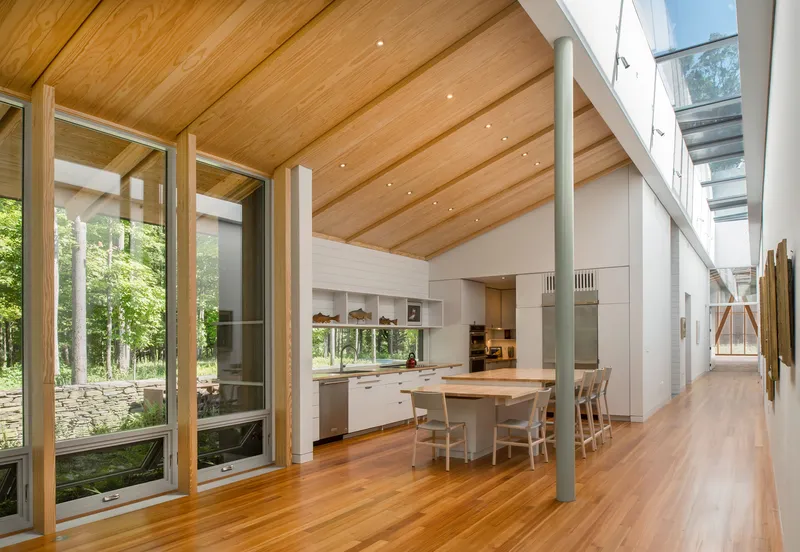
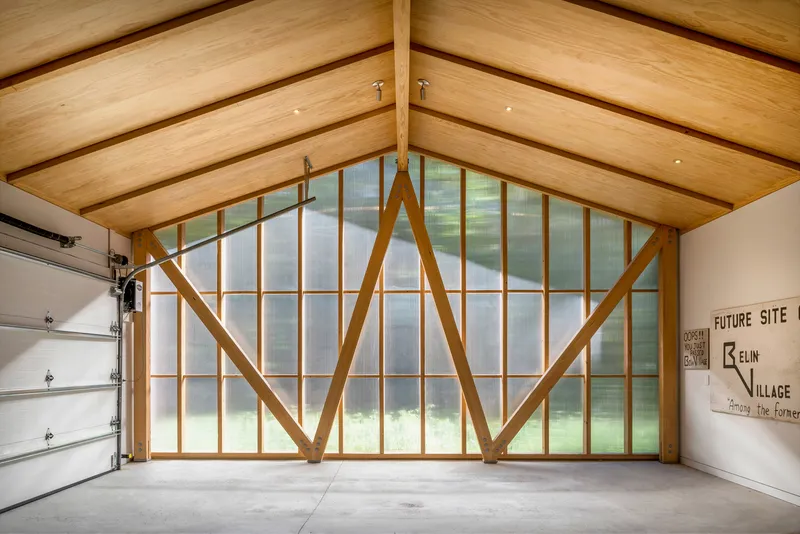
Daylight, Ventilation, and Indoor-Outdoor Living
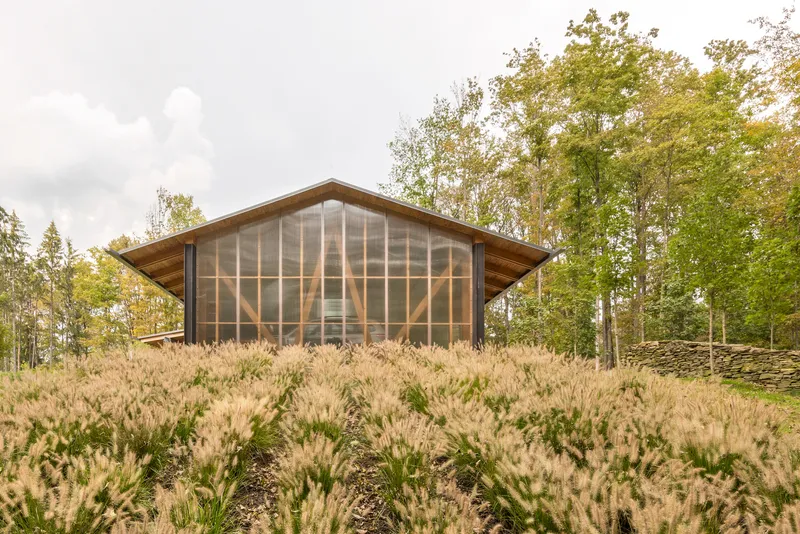
Natural light and ventilation are central to the home’s environmental strategy. Operable skylights and windows promote cross-ventilation, fresh air circulation, and passive climate control. The sheltered porch, directly connected to the den via sliding glass doors, expands the living area outward and encourages daily engagement with nature.
This seamless indoor-outdoor relationship not only improves thermal comfort and energy efficiency but also supports physical and mental wellbeing, an essential consideration in healthcare-informed residential design.
Natural Materials Rooted in Place
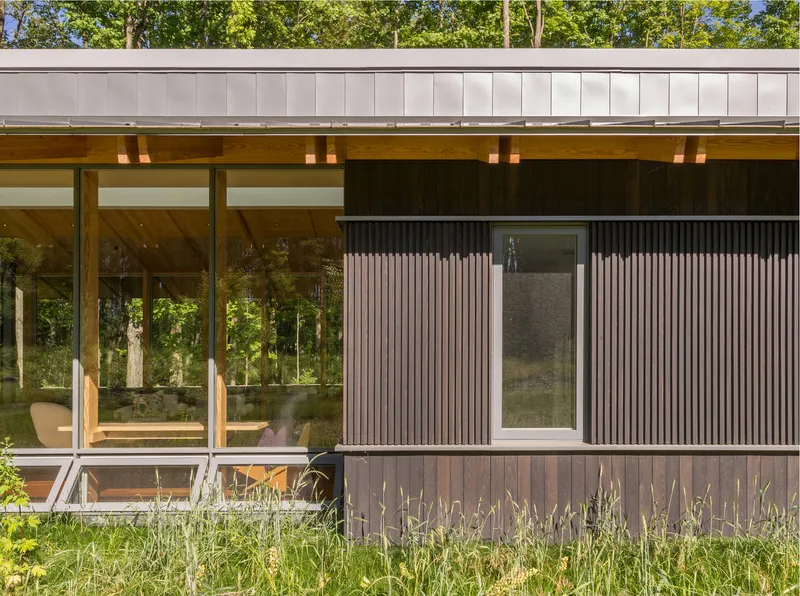
Material selection plays a crucial role in grounding the home within its forested context. Sustainably harvested cedar siding wraps the exterior, chosen for its durability and resistance to rot and insects. Inside, reclaimed heartwood pine flooring and locally sourced white pine ceilings introduce warmth, texture, and a sense of continuity with the landscape.
Regional bluestone anchors both interior and exterior spaces, flowing from the entry and den through to the covered porch to create an extended gathering zone. Bluestone planks rise vertically to form a striking fireplace, terminating the skylight axis and establishing a visual focal point within the living room.
These natural materials, combined with soft tonal contrasts and abundant daylight, create an interior environment that feels familiar and reassuring, an especially important factor for individuals living with Alzheimer’s.
Architecture That Encourages Movement and Daily Engagement
Despite being smaller than the clients’ previous home, Light Path Residence has resulted in a significant increase in daily movement, with the occupants using multiple spaces throughout the day. The clarity of planning, diversity of views, and inviting transitions between rooms encourage exploration rather than confinement.
By aligning architectural form, materiality, and function with human experience, the project demonstrates how residential design can actively enhance quality of life over time.
A Model for Health-Focused Residential Architecture
Balancing modern aesthetics with deeply human needs, Light Path Residence stands as a powerful example of architecture designed for care, dignity, and adaptability. Through light-filled spaces, intuitive planning, and material warmth, Bohlin Cywinski Jackson has crafted a home that evolves alongside its occupants: supporting wellbeing, independence, and connection to nature for years to come.
All photographs are works of Nicholas Snyder


Popular Articles
Popular articles from the community


The Amber Palace Opera: A Geological Fiction Surfaces on Tallinn's Baltic Waterfront
Pierre Brillard reimagines a Baltic legend as a public landscape, opera house, and waterfront promenade rooted in Tallinn's coastal identity.
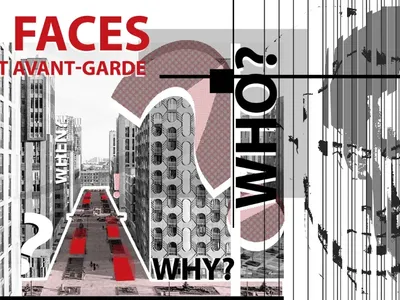
Faces of the Soviet Avant-Garde: Turning Moscow's Street Names into an Open-Air Museum
A network of sculptural installations across a Moscow residential district transforms forgotten architect names into spatial encounters with cultural memor
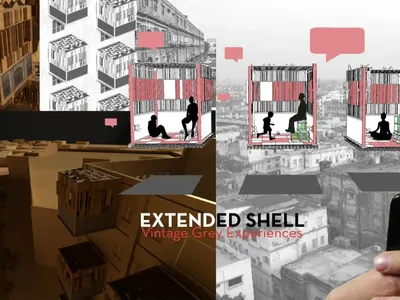
Extended Shell: Retrofitting Kolkata's Balconies as Living Urban Thresholds
A modular retrofit system recovers the social and environmental intelligence of Kolkata's historic verandas for contemporary Park Street residents.

Opera by the Sea Estonia: Three Shells Dissolving Architecture into Tallinn's Coastline
A winning opera house proposal replaces monumental form with interconnected shells that blur the boundary between building, park and Baltic Sea.

Similar Reads
You might also enjoy these articles


Hodi-Mandai Geram
Project Function: Preservation and revitalization of the Intangible heritage and socio-spatial identity of the Hodi by Housing, Cultural Memory Center, Sacred Grove, landscape, local tourism economy


Olio Towers: A Mid-Rise for Performers That Fuses Housing, Rehearsal, and Stage
Located blocks from Houston's Theater District, this modular tower stacks living units around a central performance atrium.

Oasis: Modular Green Housing Carved into Dhaka's Urban Fabric
A shortlisted Plugin Housing entry reclaims unauthorized settlements in Dhaka with stepped concrete volumes, green roofs, and ventilation-driven design.

Black Hole: A Floating Megastructure for the Post-Physical Era
Emiliano Mazzarotto envisions a spherical, self-scaling arena where e-sports, digital hotels, and holographic stadiums replace traditional public space.
Explore Ageing-Well Design Competitions
Discover active competitions in this discipline

Challenge to reimagine the Iron Throne

Photograph architecture without architects

Illustrate the lost glory of Angkor Wat - Render Challenge

Design challenge to reuse E-waste
Comments (0)
Please login or sign up to add comments
No comments yet. Be the first to comment!