
Listen to the Light: A Sustainable Residential Architecture Project by Aurora Chi
A sustainable residential architecture project where light wells, vertical gardens, and open interiors redefine family living in urban spaces.


In today’s dense cities, sustainable residential architecture is no longer optional, it is essential. "Listen to the Light," a project by Aurora Chi, reimagines the narrow urban home as a vertical sanctuary where daylight, greenery, and spatial openness shape everyday living. Designed for a family of six, the house transforms constraints of a tight footprint into opportunities for connection, communication, and environmental harmony.
This project explores how architecture can choreograph light as both a functional and emotional element, creating a home that listens, responds, and breathes with its inhabitants.
Designing with Light as the Primary Material
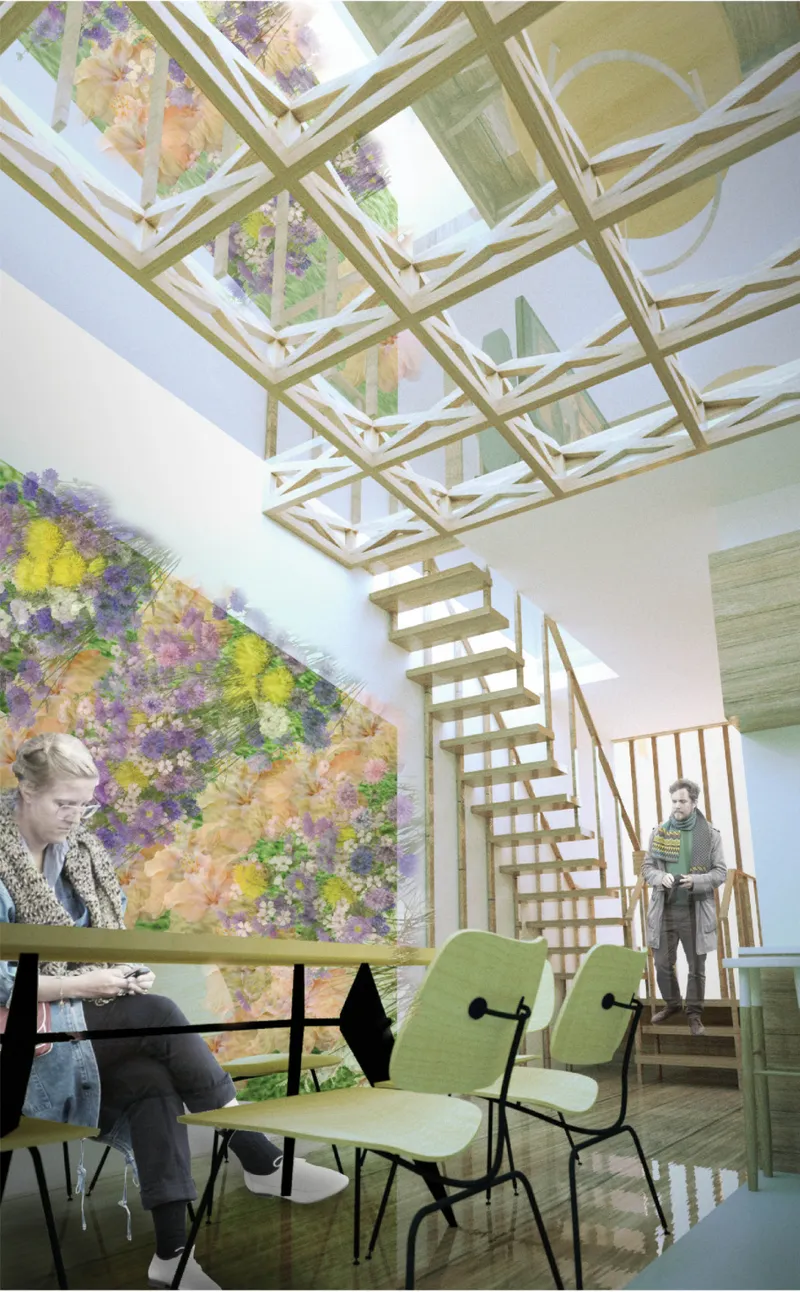
At the heart of this sustainable residential architecture concept is the idea that light is not merely illumination: it is structure, atmosphere, and narrative. Light wells cut through the vertical volume of the building, allowing daylight to penetrate deep into each floor. These voids create a continuous visual and spatial connection between levels, reinforcing openness in a compact urban form.
Translucent glazing on the second-floor living space filters natural light, ensuring privacy while maintaining brightness. This careful calibration of transparency prevents the home from feeling exposed, instead crafting a soft, diffused glow that shifts throughout the day.
The roof plane is subtly angled, guiding sunlight into the interior while enhancing the building’s contemporary silhouette within the urban fabric.
Vertical Living: A Compact Yet Expansive Home
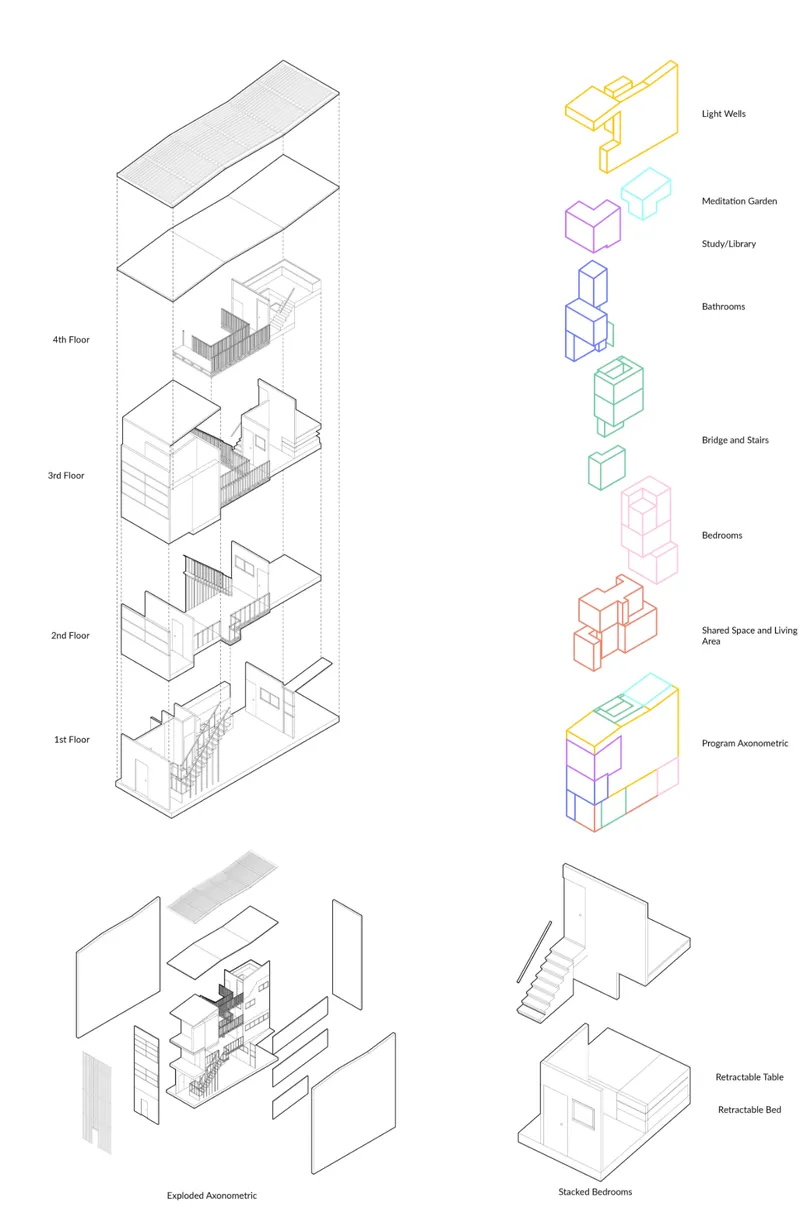
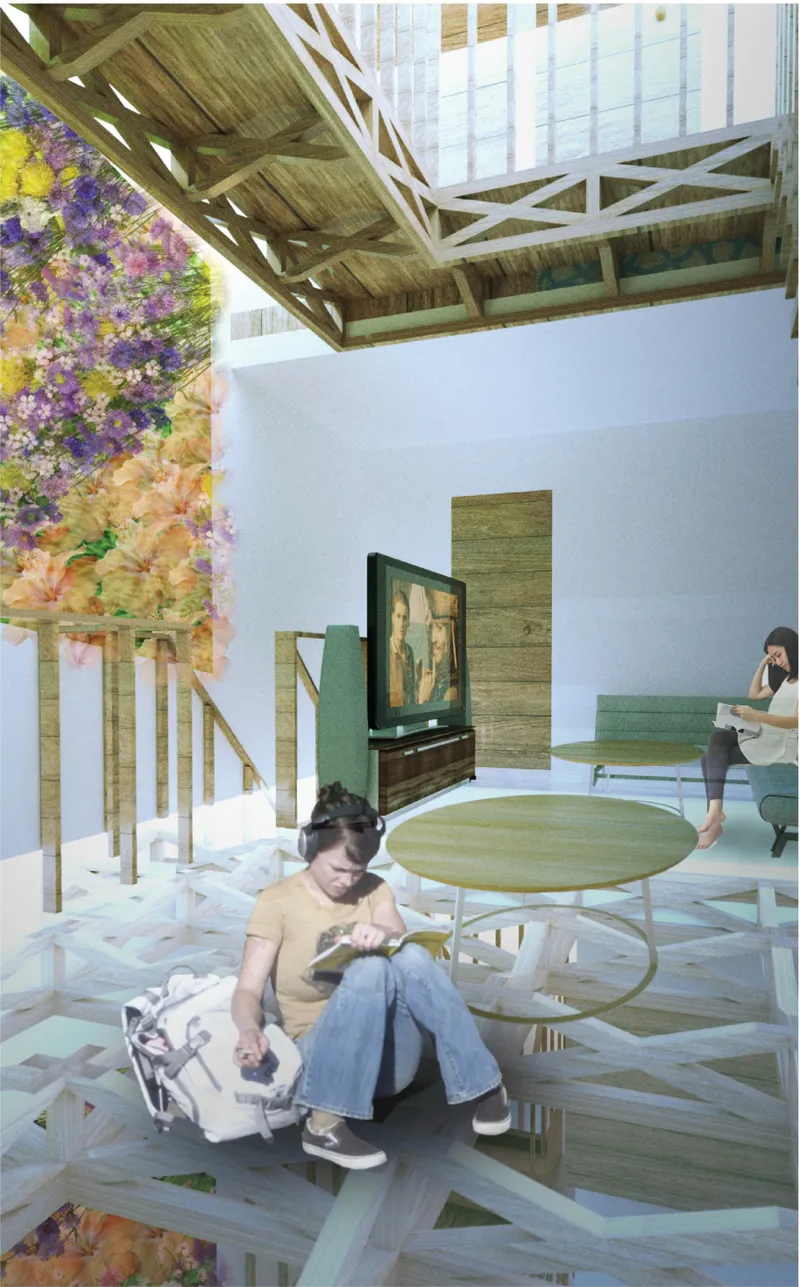
Built on a narrow site, the home rises across four levels. Rather than isolating each floor, Aurora Chi’s design uses bridges, open stairs, and layered platforms to maintain continuity. The staircase is not hidden away, it becomes a spatial spine connecting shared and private domains.
The program is distributed thoughtfully:
- Ground Floor: Shared living and communal areas
- Second Floor: Living room with partial translucent enclosure
- Third Floor: Bedrooms and private spaces
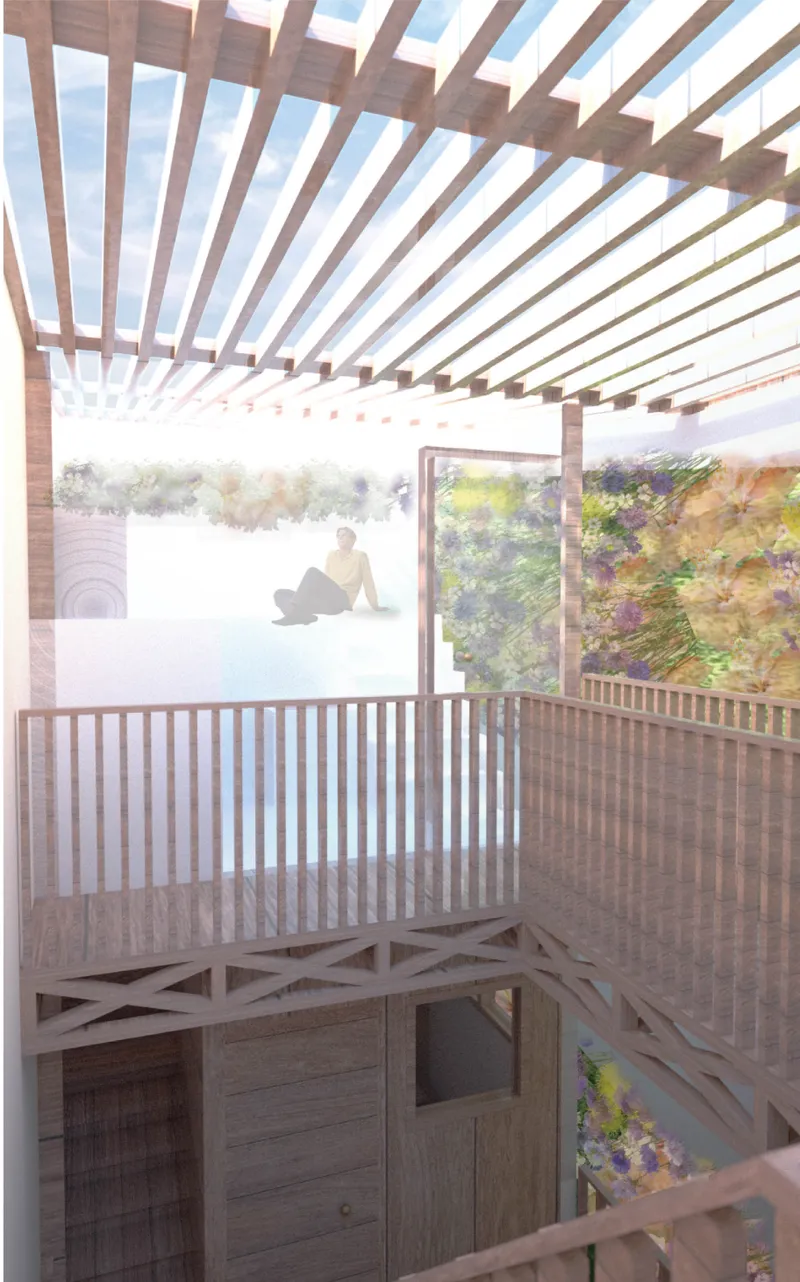
- Fourth Floor: Meditation garden and light-filled retreat
This vertical stacking ensures that every square meter contributes to family interaction while preserving moments of solitude.
Biophilic Design and Vertical Planters
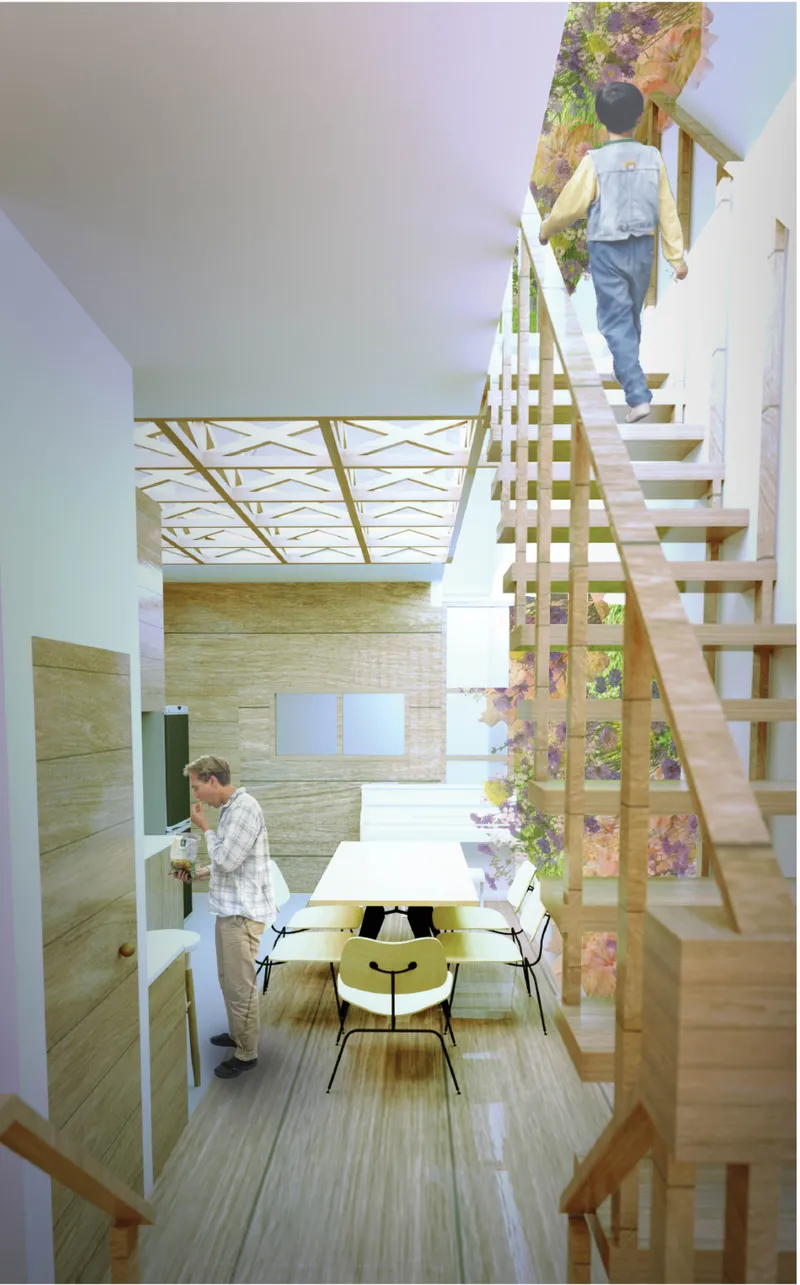
A defining feature of this sustainable residential architecture project is its integration of vertical planters along interior walls. These planted surfaces act as living filters: softening acoustics, improving air quality, and visually linking the family to nature.
The greenery is not decorative alone; it is experiential. As residents move through the home, they encounter shifting layers of plants, sunlight, and shadow. The interior becomes an extension of the outdoors, reducing the psychological boundary between built and natural environments.
This biophilic strategy reinforces well-being, especially important in high-density urban contexts.
Flexible Interiors for Modern Family Life
Flexibility defines the home’s micro-scale innovations. Retractable beds and tables optimize space efficiency, enabling rooms to transform depending on daily needs. Stacked bedrooms allow compact sleeping quarters without sacrificing comfort.
The shared spaces encourage communication and collective living. In a home designed for six individuals, openness becomes a social infrastructure. Visual connections across floors ensure that voices, light, and movement flow freely.
As the project narrative suggests: after shelter and utilities, communication and openness are what truly define a home.
Structural Clarity and Material Expression
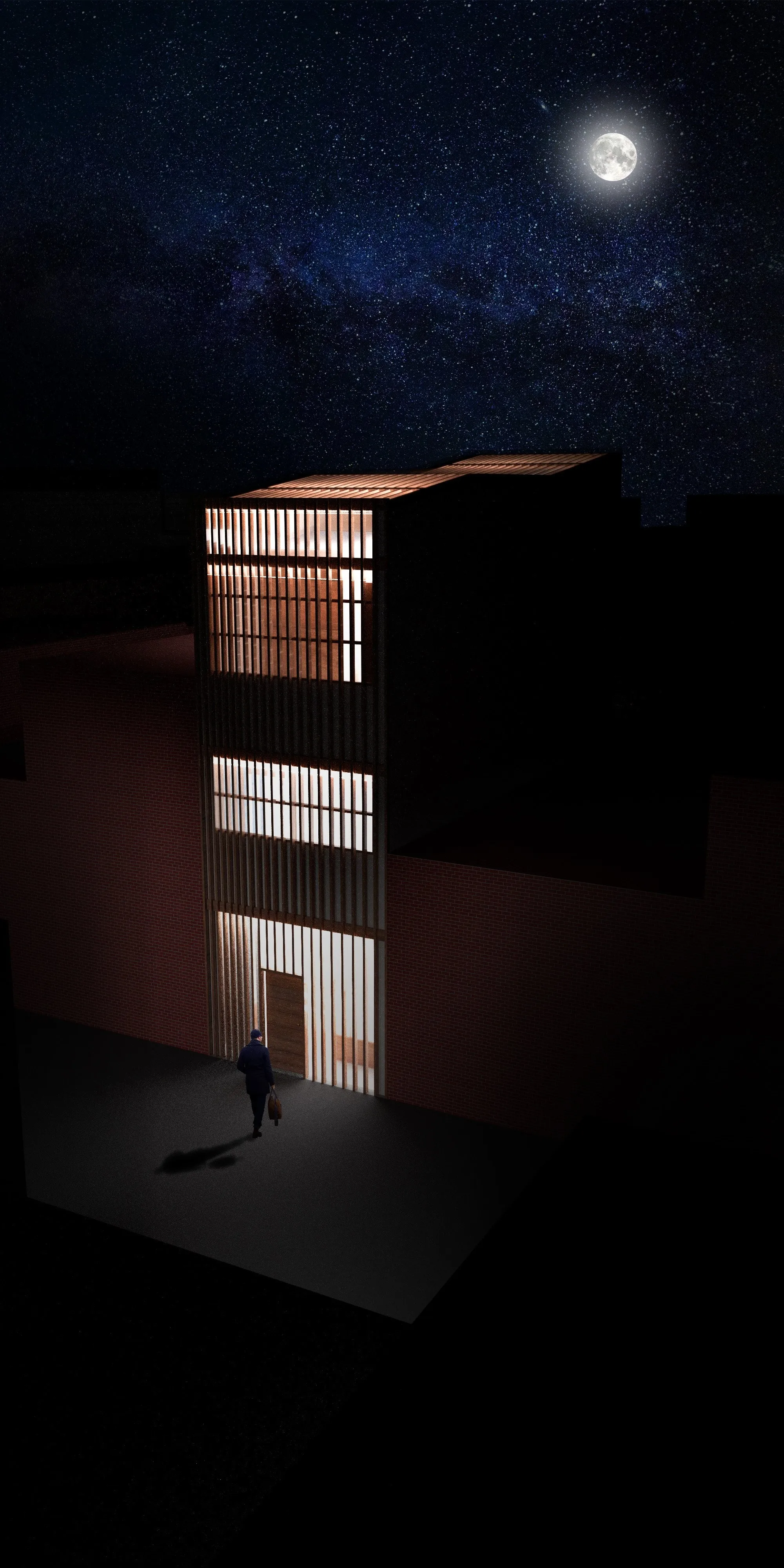
The architectural language remains restrained yet expressive. Vertical wooden louvers define the façade, offering passive shading and privacy while allowing glimpses of interior activity. At night, the house glows softly, like a lantern embedded within the urban block.
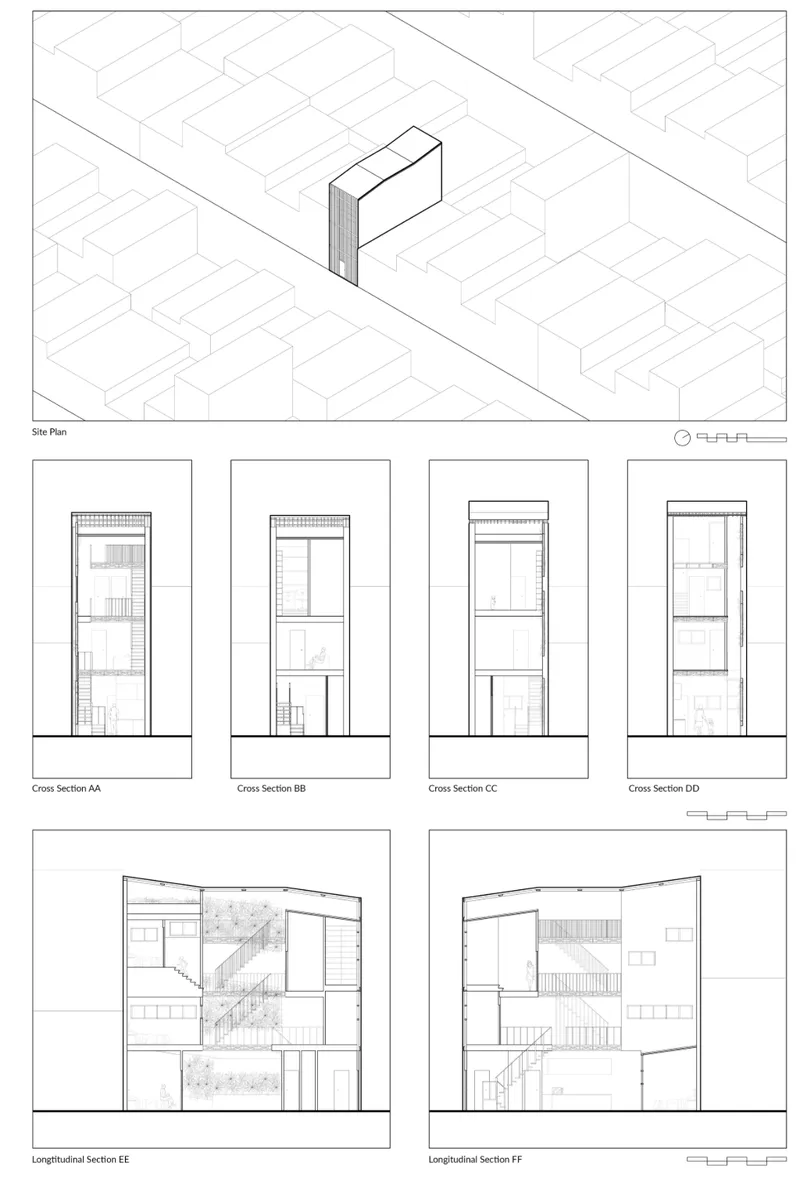
Cross-sections and axonometric diagrams reveal the project’s clarity: light wells, bridges, and service cores are articulated with precision. The exploded axonometric drawing further emphasizes the layered organization that enables spatial fluidity within a compact envelope.
The material palette: wood, translucent panels, and integrated planting, creates warmth while supporting sustainable performance strategies.
A Meditation on Openness
The fourth-floor meditation garden crowns the house, serving as a contemplative retreat. This elevated green space strengthens the dialogue between sky and interior, reinforcing the project’s conceptual foundation: listening to the light.
Here, architecture frames the moonlit sky, connecting the family to natural cycles beyond the city’s density.
"Listen to the Light" by Aurora Chi demonstrates how sustainable residential architecture can transcend technical sustainability to achieve emotional sustainability. Through strategic daylighting, vertical gardens, spatial transparency, and adaptable interiors, the project creates a home that nurtures relationships as much as it conserves energy.
In a world of increasing urban compression, this house offers a powerful lesson: when architecture listens to light, it learns how to bring people closer together.



Popular Articles
Popular articles from the community


Conexión: Biophilic Design Reimagines High-Rise Living in Hong Kong
Conexión reimagines high-rise living in Hong Kong through biophilic design, green facades, shared spaces, daylight, water and nature within.

Co-Life: Senior Housing Design That Reconnects Older Adults With the City
Co-Life reimagines senior housing design through healing gardens, shared streets, workshops, and a sustainable community across generations.

Lunar Spiral: Space Architecture Shaped by the Mathematics of the Universe
Lunar Spiral reimagines space architecture through Fibonacci geometry, lunar regolith, levitating habitats, and self-sustaining Moon living.

The Musturak Paradise: Senior Living Architecture for a Connected Future in Temara, Morocco
The Musturak Paradise reimagines senior living architecture in Temara via private homes, social spaces, culture, community, and shared care.

Similar Reads
You might also enjoy these articles

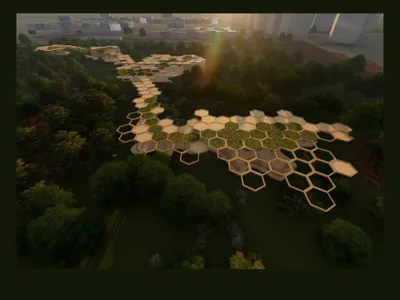
Eco Chapel: A Green Architecture Pavilion Designed in Symbiosis with the Forest
Eco Chapel uses green architecture to weave prayer, learning and reuse into a forest pavilion shaped by modular hexagonal canopies for life.
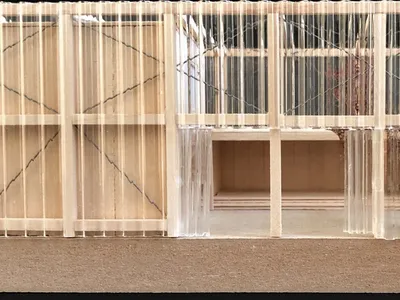
Kaffeebühnen: Coffee Shop Architecture Designed as a Civic Stage Between Vienna’s City and Park
Kaffeebühnen turns coffee shop architecture into a civic stage, linking Vienna’s park edge, urban life, warm timber yards, and coffee craft.
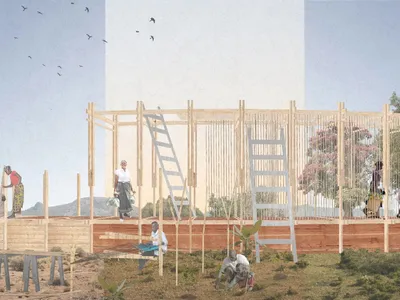
Healing Façade: Sustainable Architecture for Reforestation, Community, and Sacred Ecology in Ethiopia
Healing Façade reimagines sustainable architecture as a living wall that restores soil, catches water and renews Ethiopia's forest churches.


Urban Forest: A Vertical Ecosystem for 5,000 Workers in Singapore's Changi Business Park
Radially stacked pods and layered green decks turn a 7-acre plot into 47 acres of ecological workspace projected for 2040.


Explore Architecture Competitions
Discover active competitions in this discipline


Challenge to design luxury tourism on rails


Challenge to reimagine the Iron Throne


Photograph architecture without architects


VR headsets Storefront design competition
Comments (0)
Please login or sign up to add comments
No comments yet. Be the first to comment!