
Lloyd Eist House by Common Ground Workshop: A Sustainable Transformation in Camberwell, London
Lloyd Eist House transforms a mid-century warehouse into a sustainable, flexible three-story family home blending reclaimed materials and adaptive urban design.

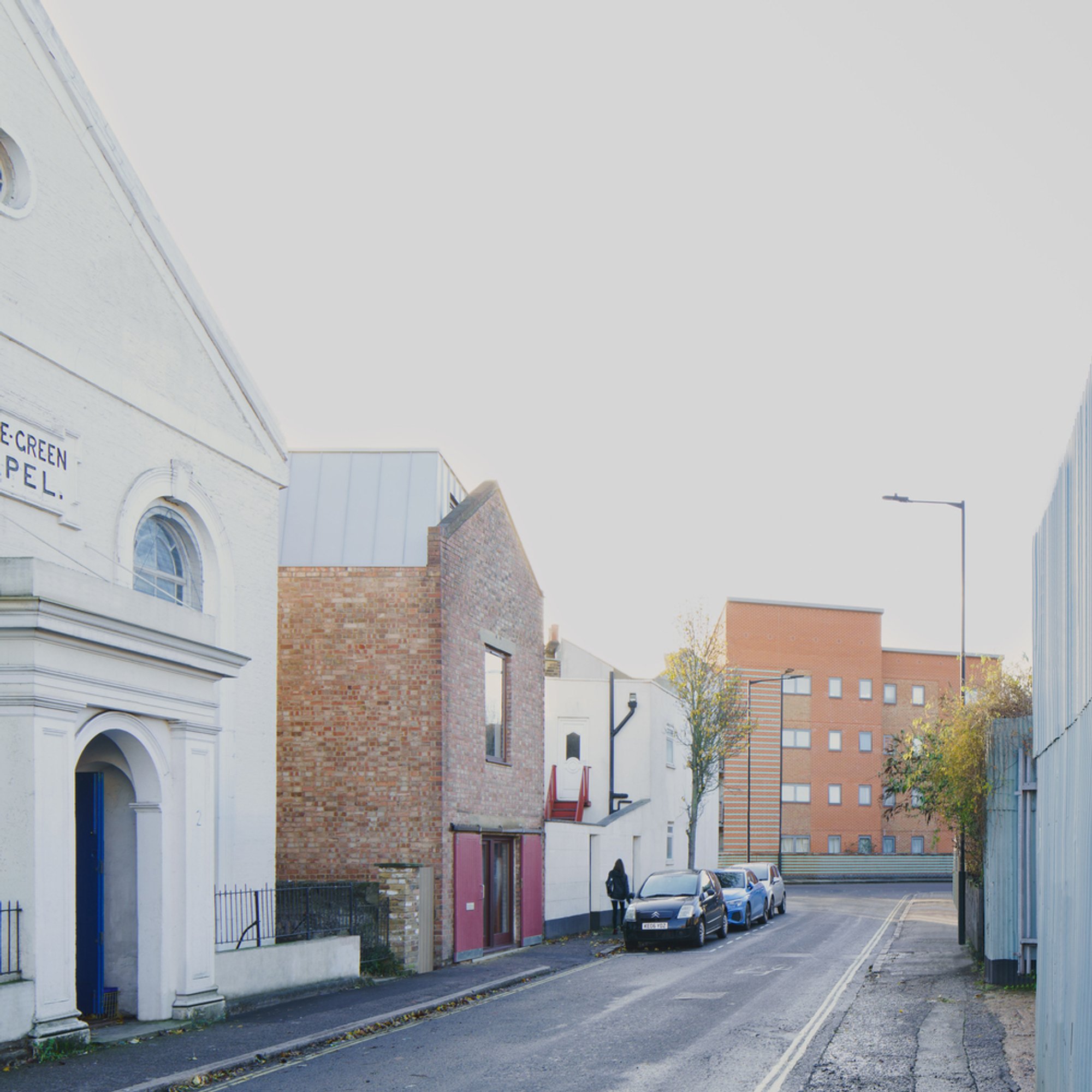
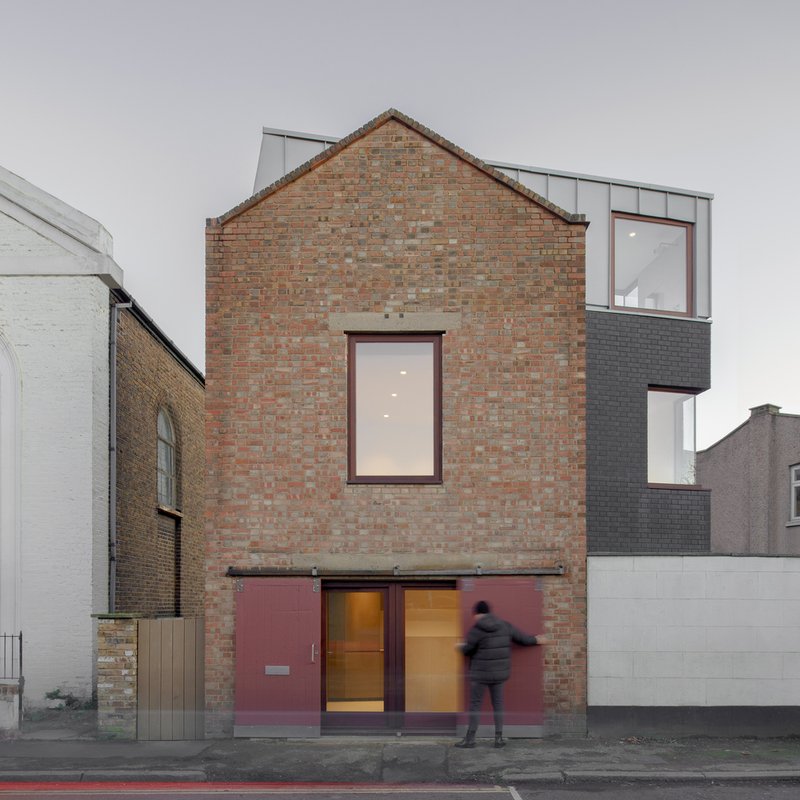
Located in the heart of Camberwell, South London, Lloyd Eist House by Common Ground Workshop represents a thoughtful reinvention of a mid-century warehouse into a sustainable, flexible three-story family home. Completed in 2022, the 63-square-meter project reimagines urban living through adaptive reuse, material honesty, and long-term environmental responsibility.
A Thoughtful Conversion Rooted in Community and Memory
Originally conceived as a live-work unit for the Lloyd Eist Foundation—a charitable organization honoring the late Lloyd Eist—the building’s transformation carries deep emotional and social meaning. When the original client was unable to complete the project, Common Ground Workshop acquired the site and established Common Ground Developments, an architect-led development company that extends the studio’s design ethos into responsible property creation.
In a gesture of respect and continuity, the architects retained the name Lloyd Eist House, a decision that reflects their sensitivity to the building’s human story while steering it toward a new future.
Reimagining the Mid-Century Fabric
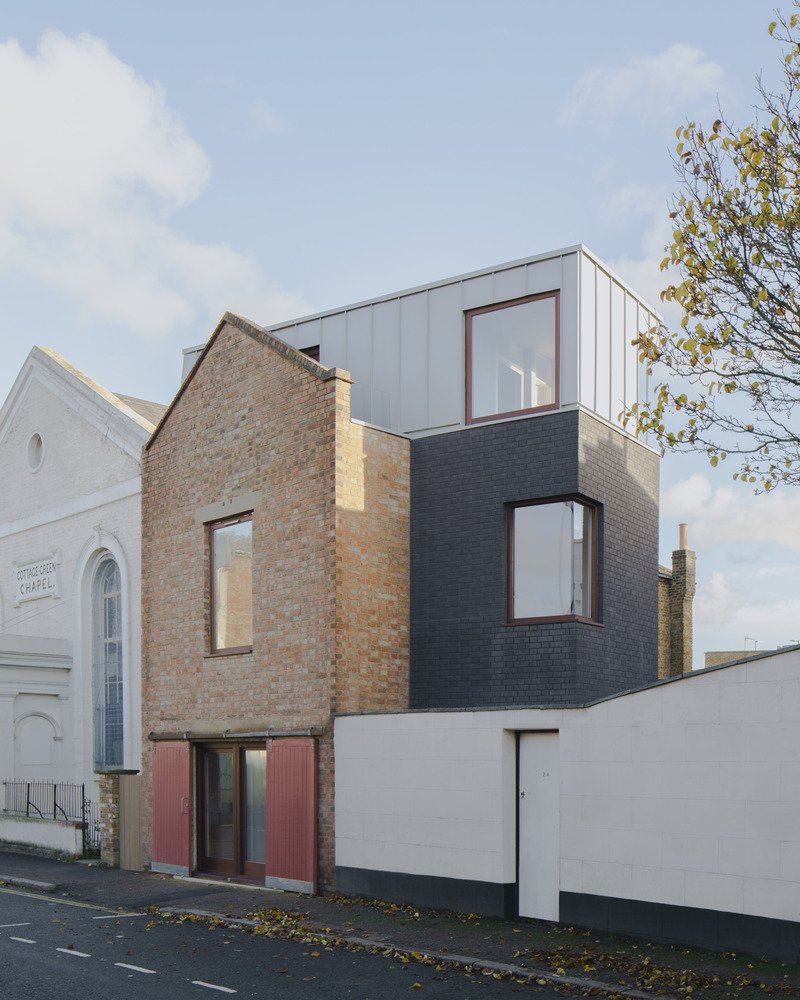
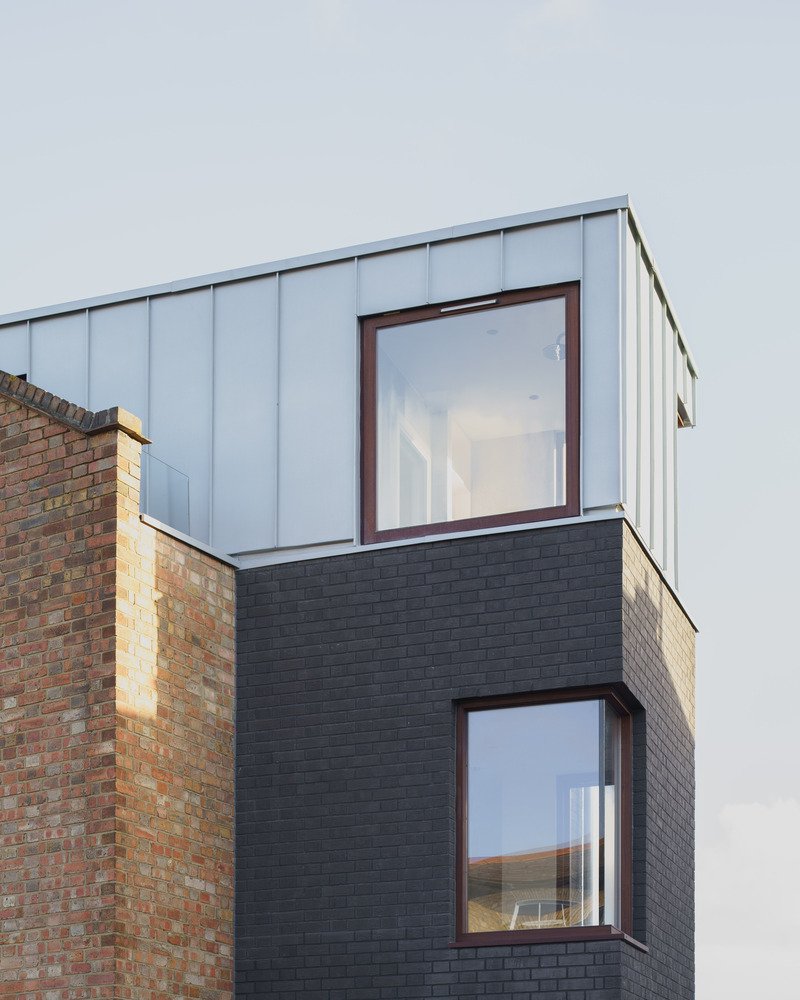
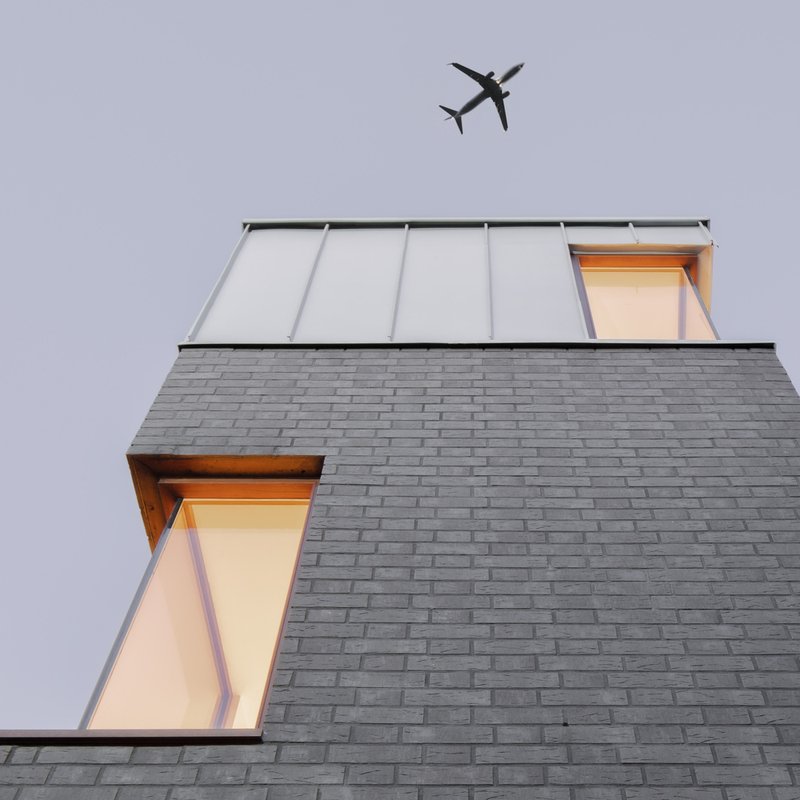
Set within a semi-industrial street known as Cottage Green, the design reconfigures the former warehouse into a three-level residence with a new second floor and side extension. The architecture balances modern urban living with a sense of material authenticity, preserving the building’s industrial character while infusing it with warmth and light.
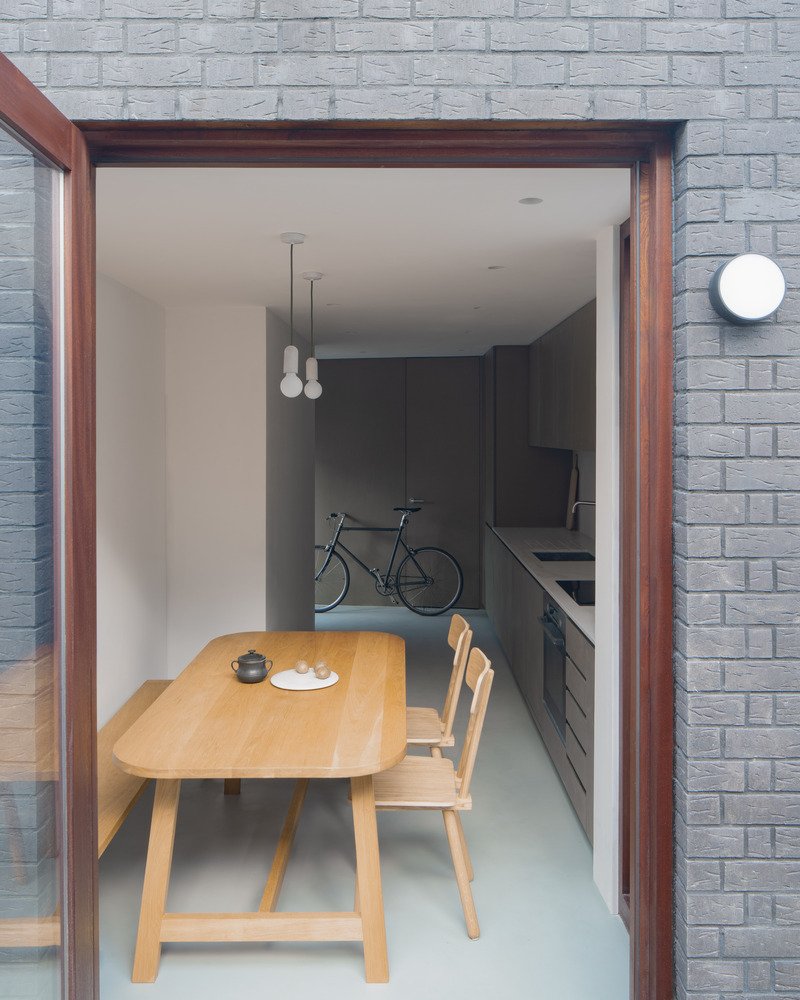
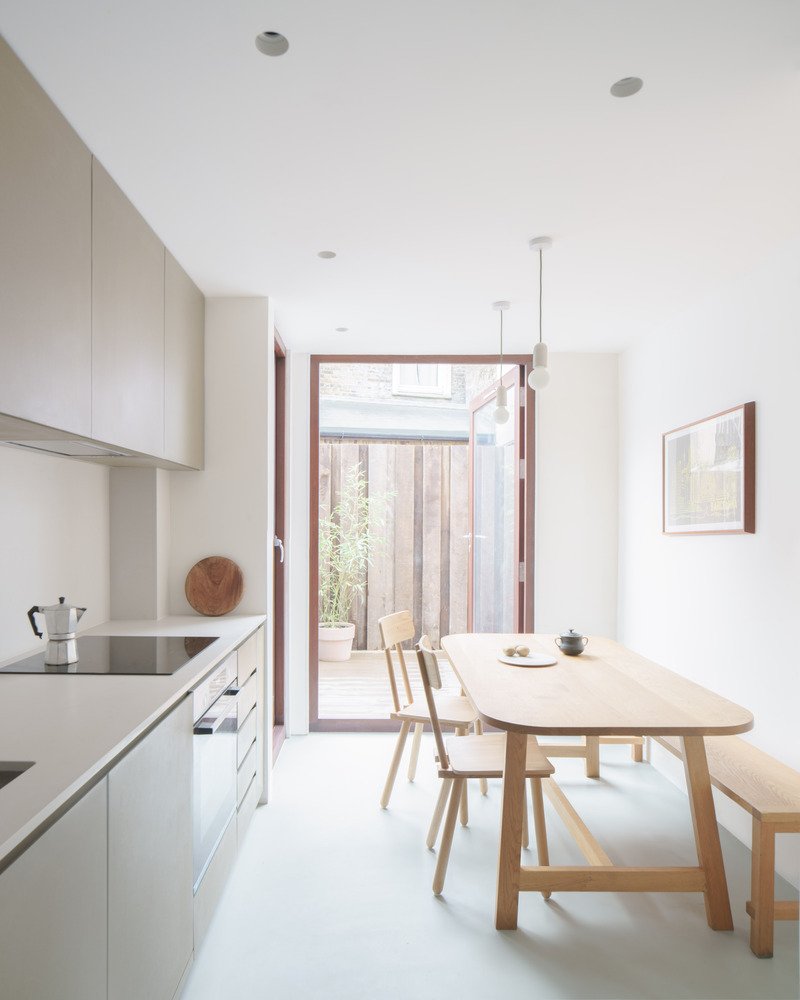
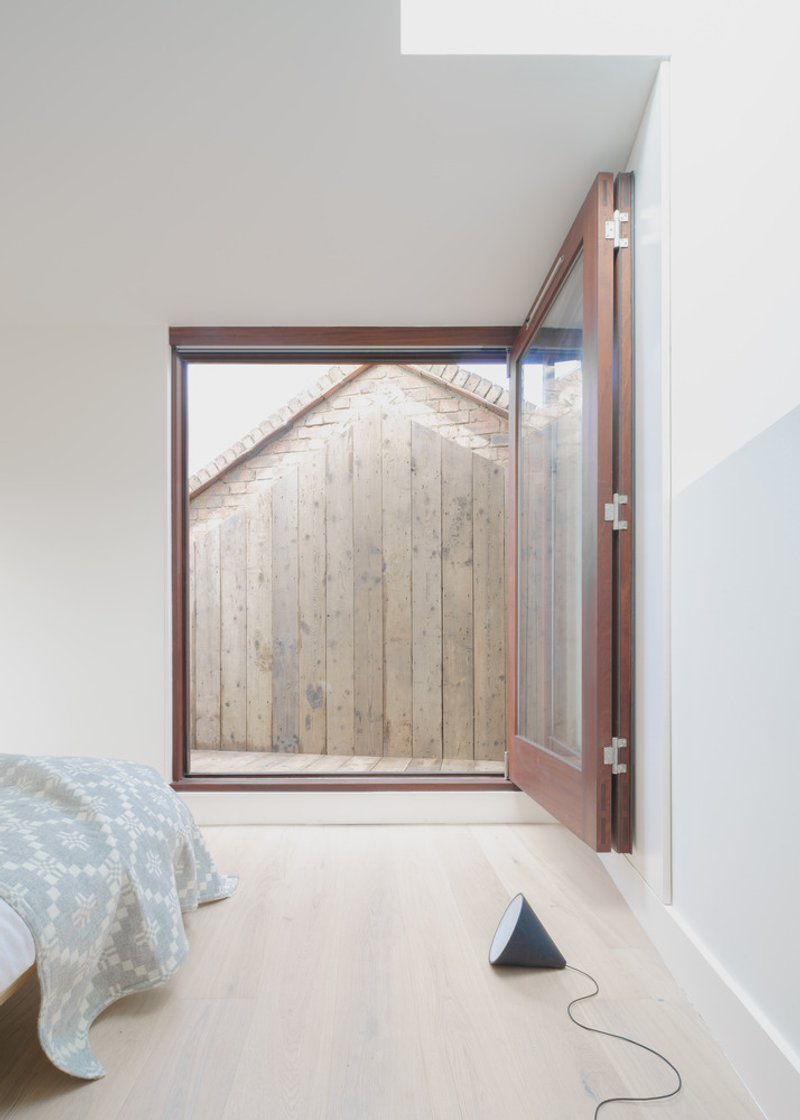
Inside, the layout offers two bedrooms, two flexible living spaces, and a ground-floor courtyard complemented by a top-floor terrace. Generous windows, locally fabricated in Bethnal Green, frame views and bathe interiors in natural light, enhancing the sense of openness within the compact footprint.
Sustainable Materials and Responsible Design
Sustainability forms the core of the Lloyd Eist House’s design philosophy. The material palette features reclaimed timber, sapele wood-framed windows, Valchromat linings, and quartz worktops, creating a rich, tactile environment that feels both contemporary and grounded in craftsmanship.
Timber salvaged from the original floor structures was reused for terrace fencing, flooring, and wall linings, while the original sliding entrance shutters were carefully restored. These elements form a dialogue between past and present, ensuring that the spirit of the original warehouse remains visible in every detail.
Energy performance was equally prioritized. The architects introduced internal wall insulation and integrated an air-source heat pump to provide efficient space heating and hot water. These interventions significantly improved the building’s energy footprint, aligning with Common Ground Workshop’s commitment to sustainable urban regeneration.
Adaptive Living for the Future
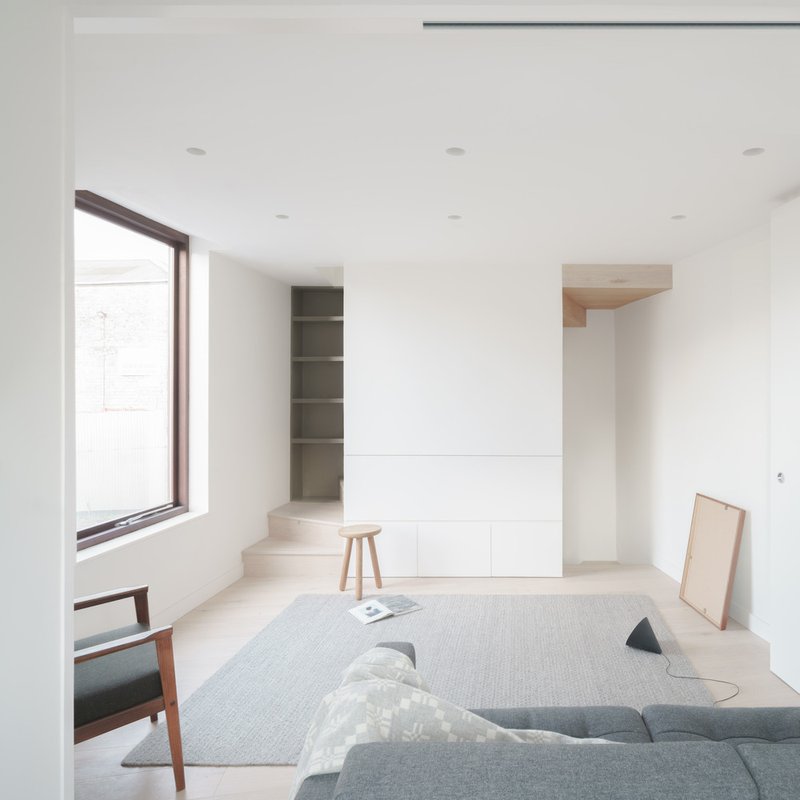
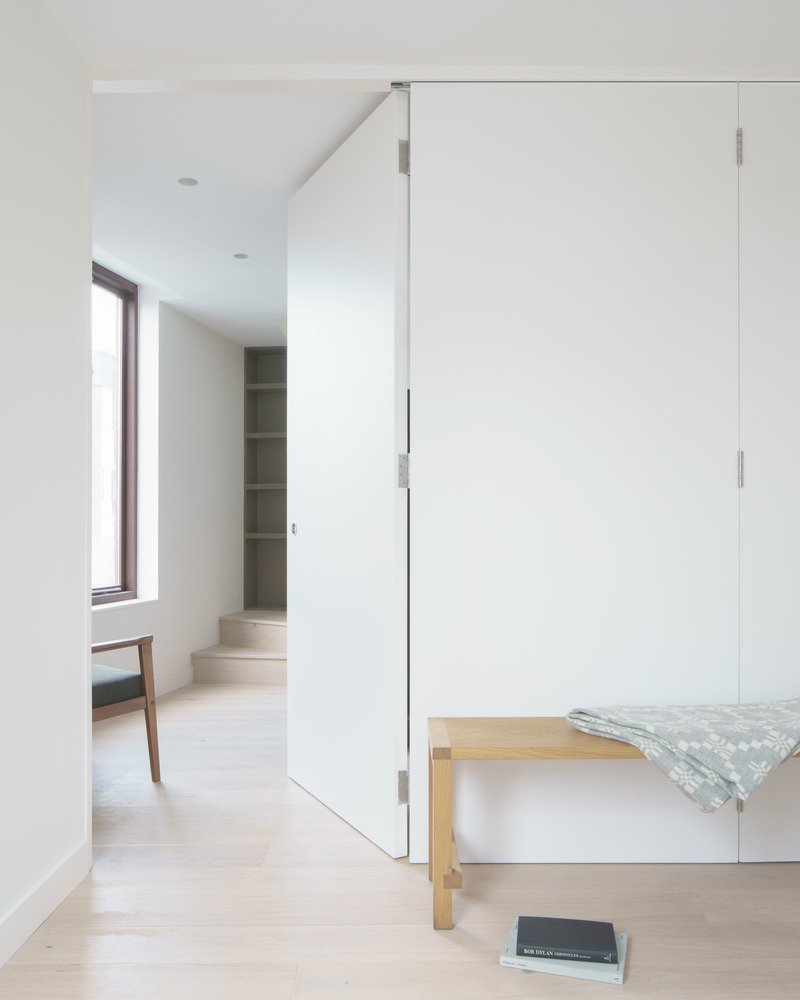
Flexibility underpins the design strategy. The inclusion of a bi-folding wall system on the first floor allows residents to reconfigure the space to suit changing needs—whether as a study, guest room, or expanded living area. This adaptability supports long-term usability and resonates with the architects’ broader mission to create future-proof, people-centered homes that evolve with their inhabitants.
A Model for Architect-Led Development
For Common Ground Workshop, Lloyd Eist House is more than a single project—it marks a pivotal move toward architect-led property development that prioritizes design integrity, sustainability, and social value over profit. The result is a refined, resilient urban home that demonstrates how small-scale architectural interventions can contribute meaningfully to London’s evolving housing landscape.
All Photographs are works of Nick Dearden




Popular Articles
Popular articles from the community

HCCH Studio Wraps a Shanghai High-Rise Office in Curved Walls of Translucent Glass
A 1,000 square meter fit-out in Lujiazui replaces the typical tech-office palette with layered glass, micro-cement, and quiet rigor.
Rojkind Arquitectos and Think Parametric Build a Glueless Pavilion from 67 Interlocking Panels
A serpentine fiber-cement installation in Chapultepec Park celebrates a decade of architectural media in Mexico City.
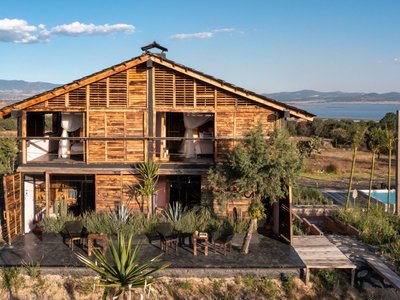
Fausto Terán and Toro Fuse Japanese Craft with Mexican Tradition in a Lakeside Retreat
Nakamura House pairs Shou-Sugi-Ban charred pine with handmade clay tile at the foot of Atlangatepec Lagoon in Mexico.
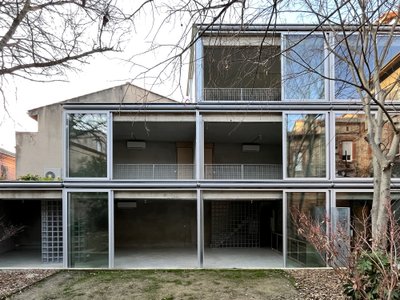
BAST Slots a Four-Story Glass House into a Narrow Gap Between Toulouse Townhouses
In the dense Bonnefoy district, a stepped infill building merges home and office while preserving a majestic hackberry tree.


Similar Reads
You might also enjoy these articles

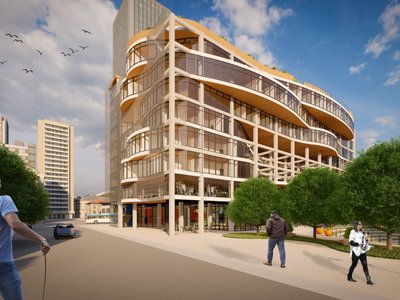
Olio Towers: A Mid-Rise for Performers That Fuses Housing, Rehearsal, and Stage
Located blocks from Houston's Theater District, this modular tower stacks living units around a central performance atrium.

Oasis: Modular Green Housing Carved into Dhaka's Urban Fabric
A shortlisted Plugin Housing entry reclaims unauthorized settlements in Dhaka with stepped concrete volumes, green roofs, and ventilation-driven design.

Black Hole: A Floating Megastructure for the Post-Physical Era
Emiliano Mazzarotto envisions a spherical, self-scaling arena where e-sports, digital hotels, and holographic stadiums replace traditional public space.
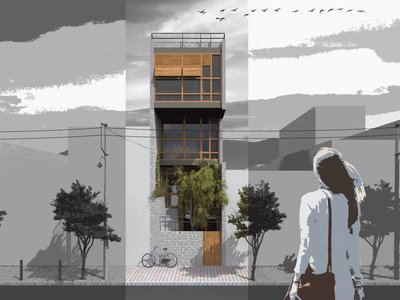
Compact & Sustainable Living in Piraeus: A Four-Level Family Home Built Around Light and Air
A narrow townhouse in one of Greece's densest port cities uses a central atrium and passive strategies to house three generations under one roof.


Explore Architecture Competitions
Discover active competitions in this discipline




The International Standard for Design Portfolios


The Global Benchmark for Architecture Dissertation Awards


The Global Benchmark for Graduation Excellence


Challenge to reimagine the Iron Throne
Comments (0)
Please login or sign up to add comments
No comments yet. Be the first to comment!