

Lupita Pizzaria by XXXI.studio
A compact Lisbon pizzeria where open kitchens, stainless steel interiors, and street-facing transparency turn pizza-making into an authentic architectural performance.


Located in Alvalade, Lisbon, Lupita Pizzaria is a compact yet highly performative hospitality project that redefines how food production, architecture, and public life intersect. Designed by XXXI.studio and completed in 2025, the 71-square-metre restaurant transforms the making of authentic Neapolitan pizza into a transparent, street-facing spectacle: where efficiency, honesty, and material restraint converge.
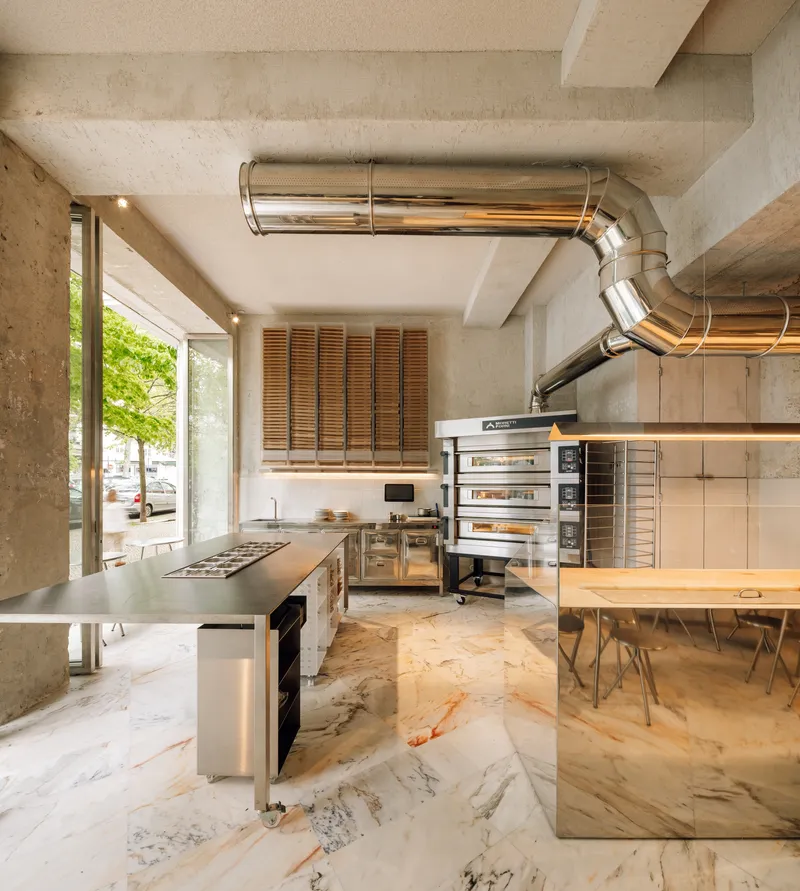
Building on the success of Lupita’s original Cais do Sodré location, also designed by XXXI.studio, the new space advances the studio’s ongoing exploration of adaptable, operationally driven architecture. Rather than prioritizing visual excess, the project foregrounds workflow, durability, and openness, allowing function itself to become the primary aesthetic.
Architecture as Culinary Performance
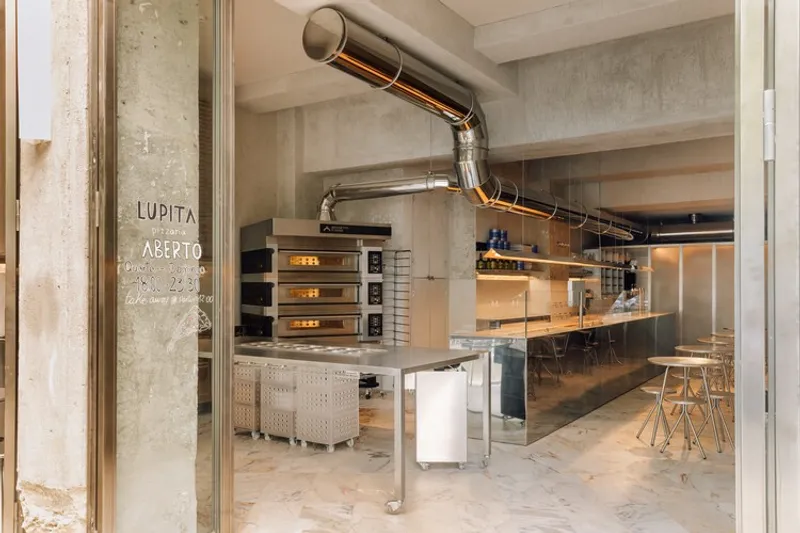
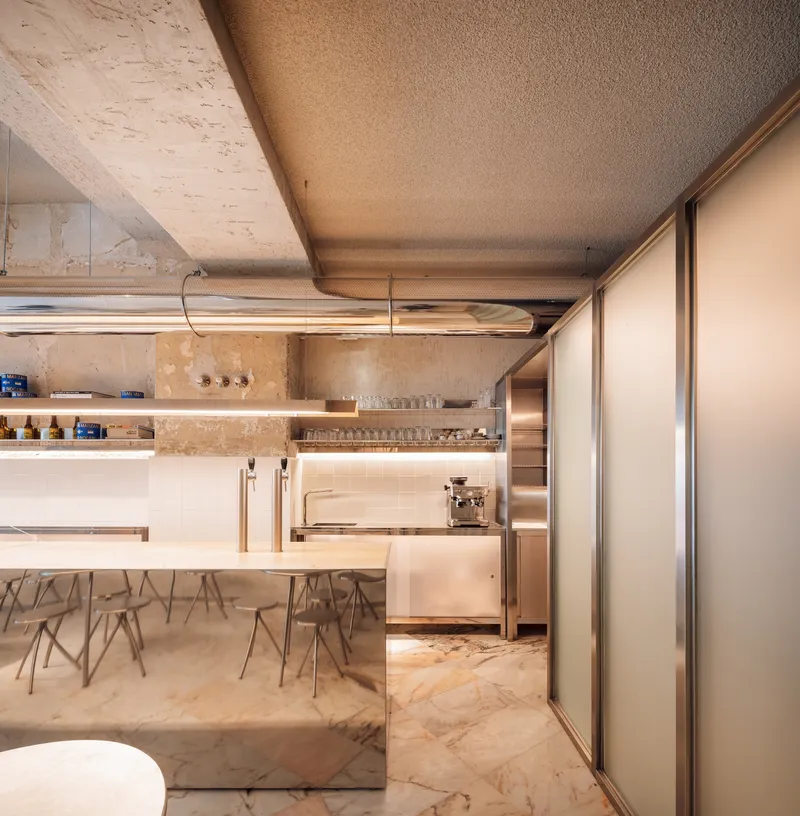
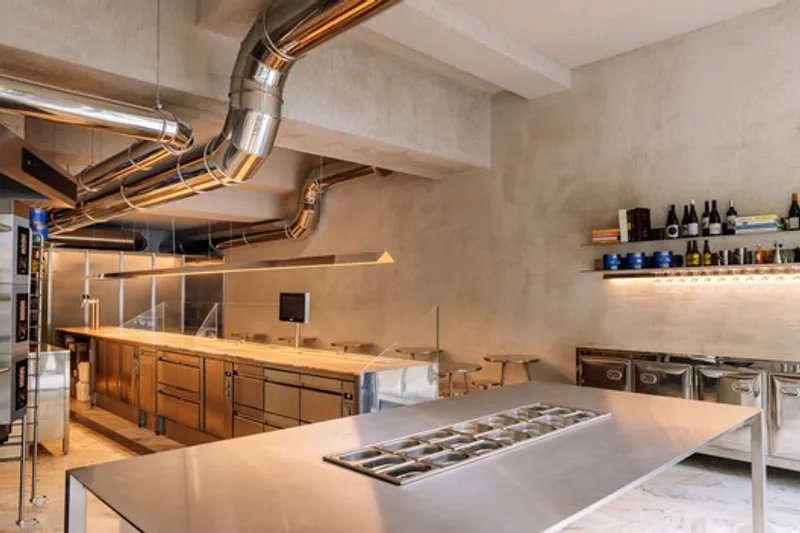
At the heart of Lupita’s design is the idea of pizza-making as performance. Every stage of production: preparation, shaping, baking, and serving, is fully visible to customers. The kitchen is not concealed behind walls but occupies the spatial center, turning labor into a shared experience.
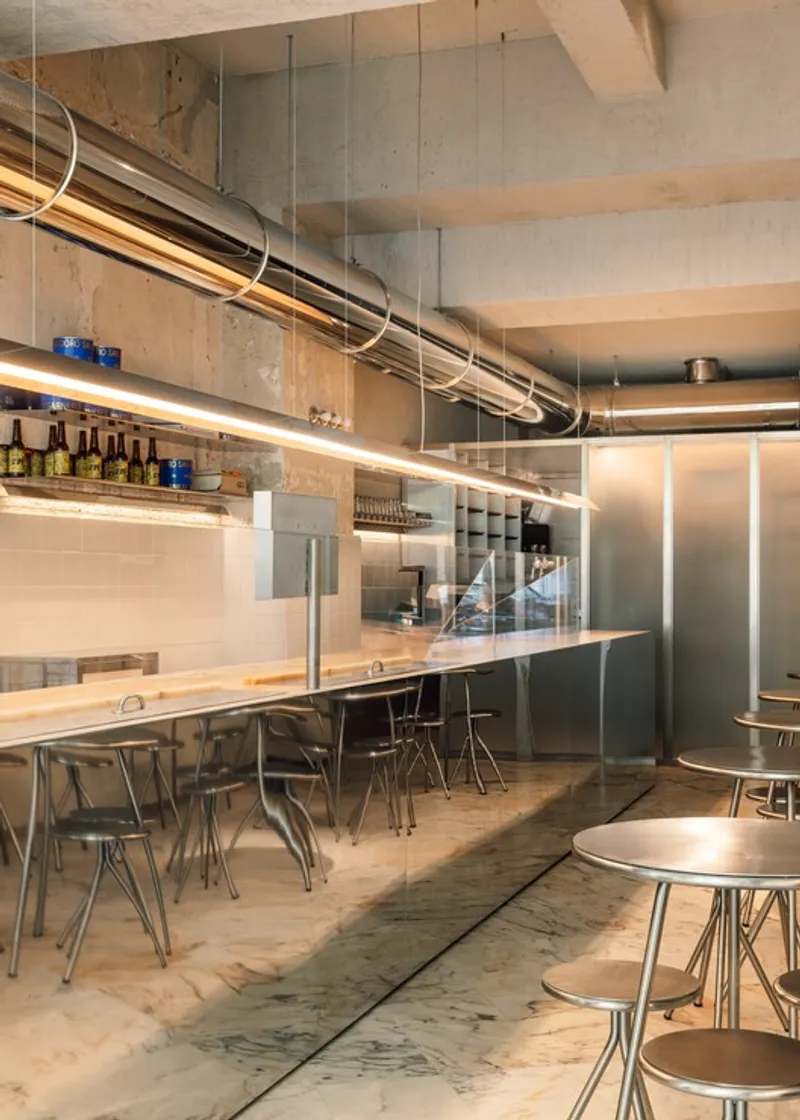
This transparency reinforces trust and authenticity. Customers witness ingredients, techniques, and rhythms firsthand, fostering a direct relationship between maker and consumer. Architecture, in this context, becomes a stage set for everyday craftsmanship.
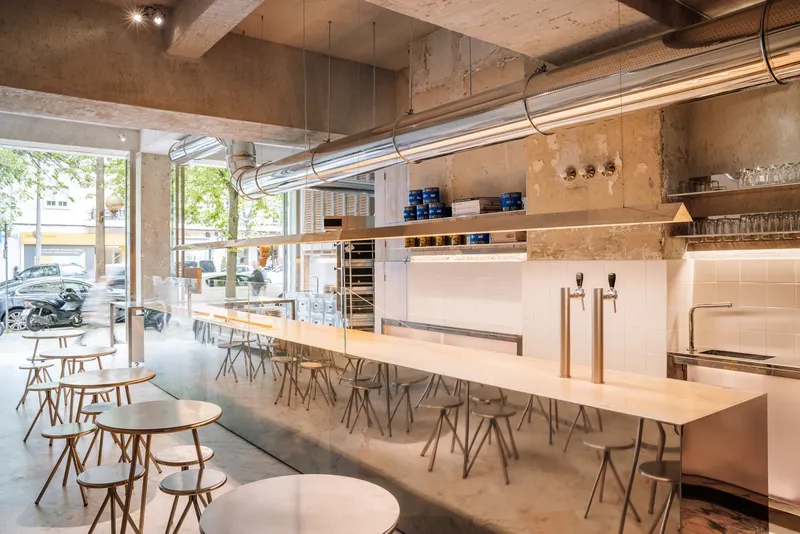
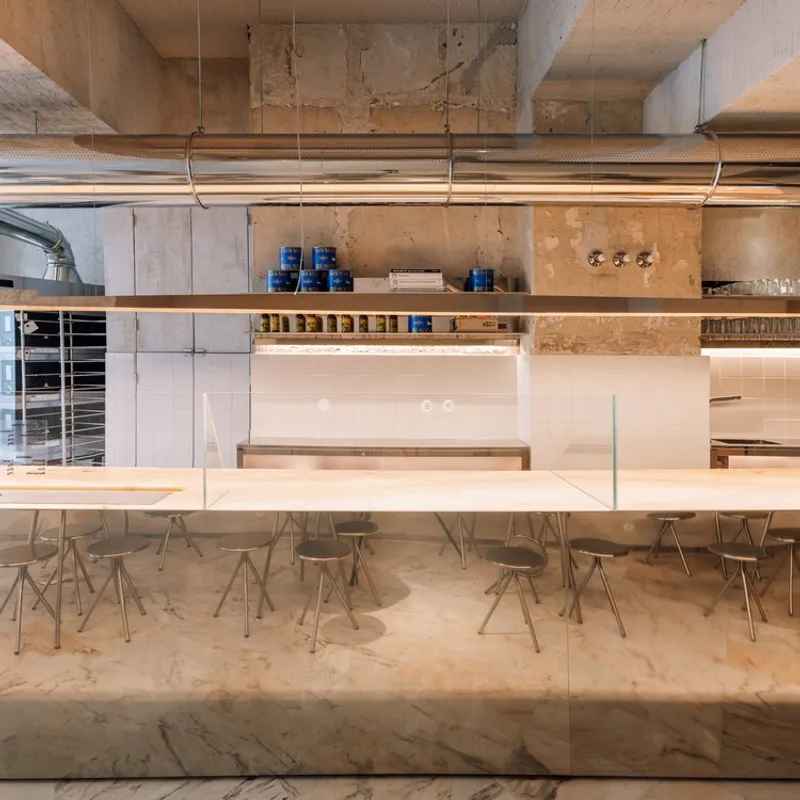
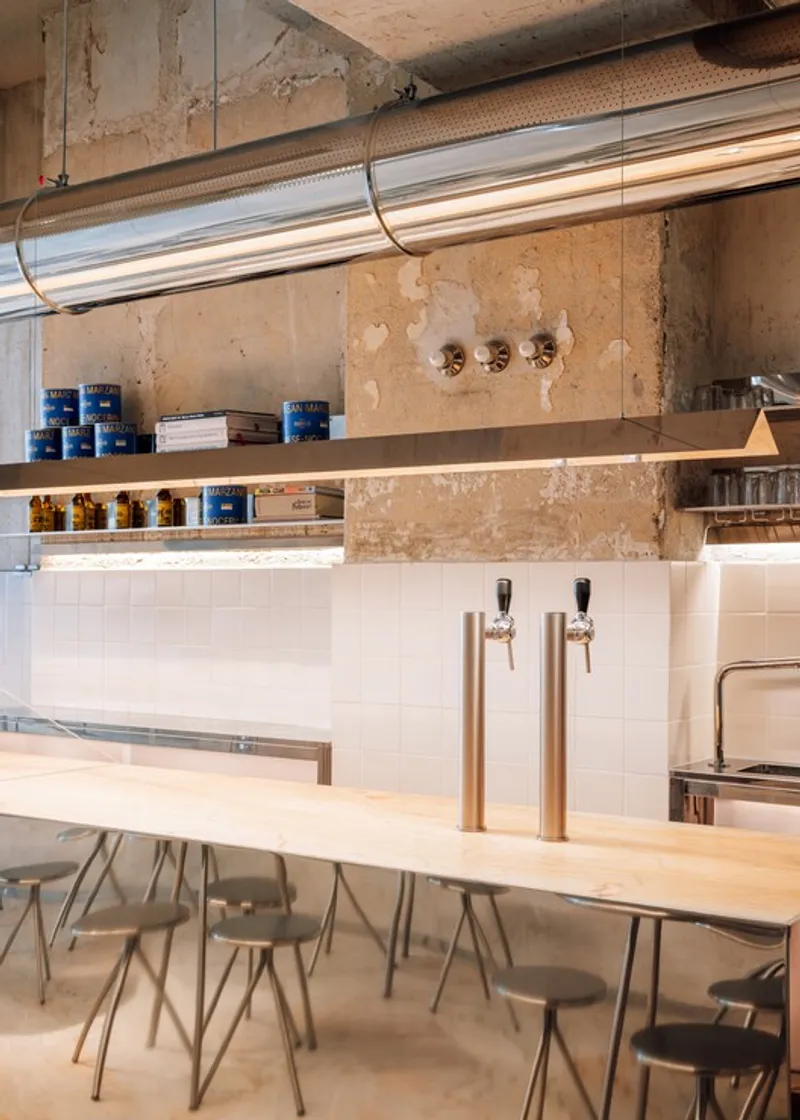
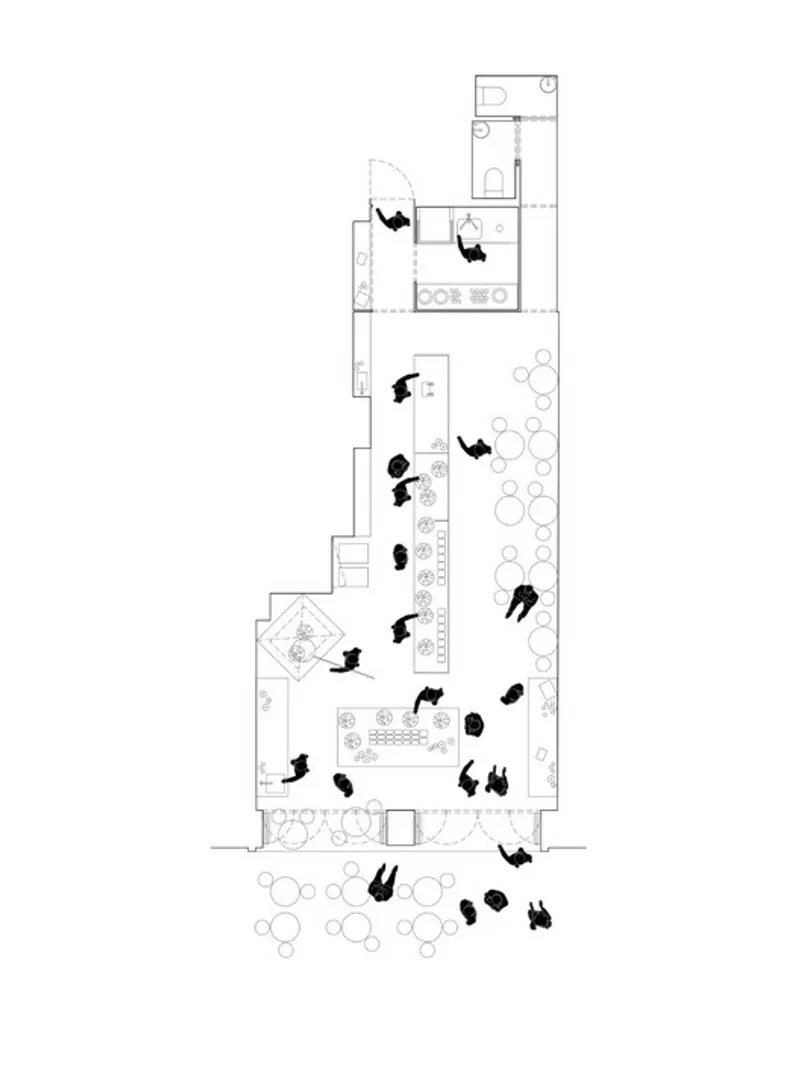
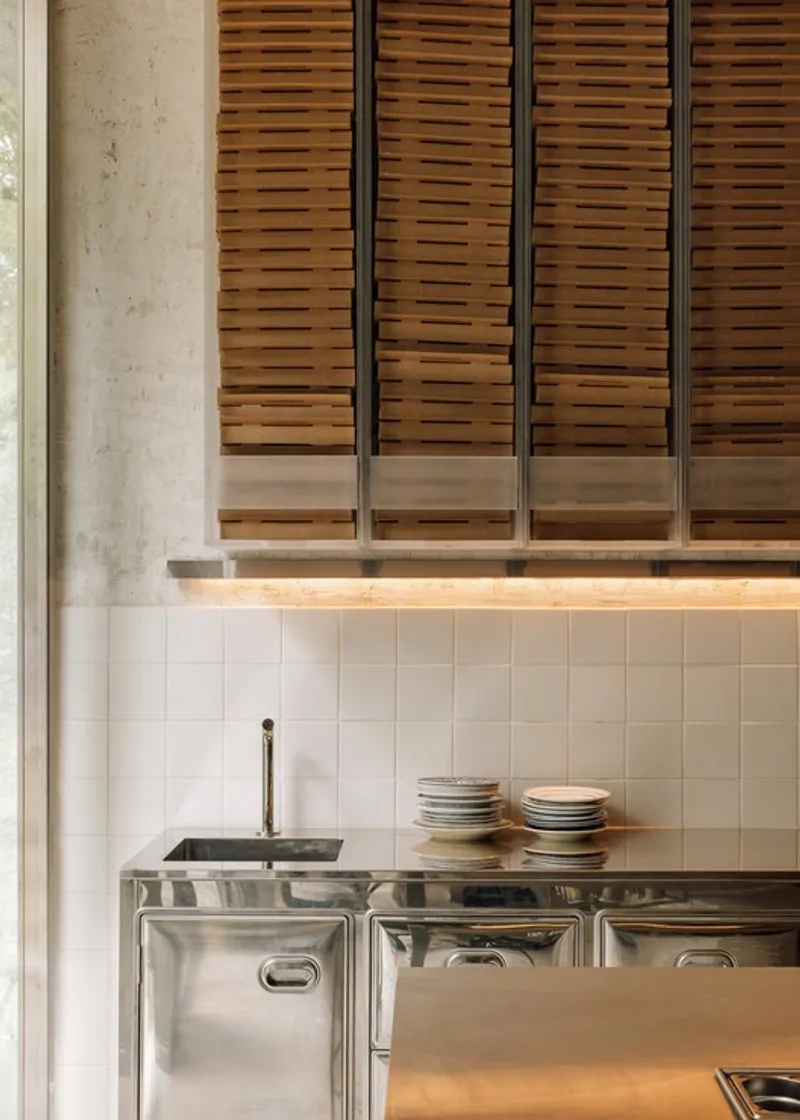
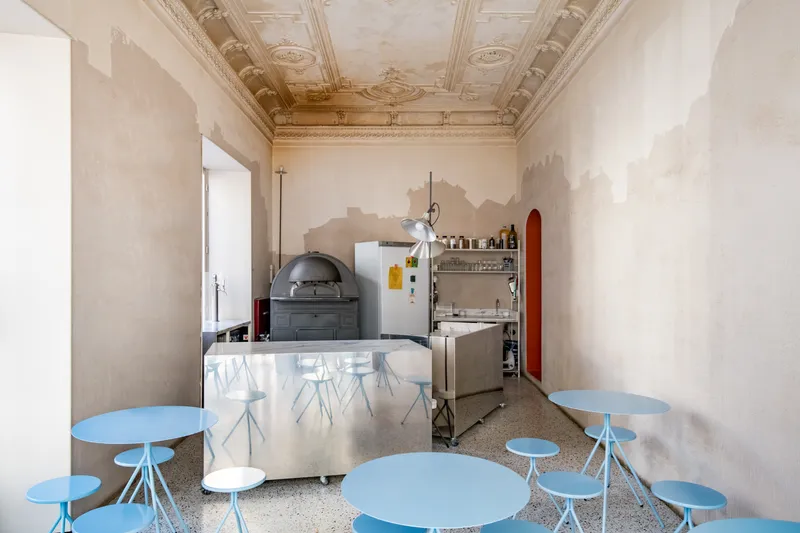
The long stainless-steel counter, seemingly placed “effortlessly,” is in fact carefully calibrated to accommodate the multiple phases of pizza production. It operates simultaneously as workspace, display, and social interface.
Operational Logic as Design Generator
The design brief was driven almost entirely by operational requirements. Lupita’s high-volume production, serving both dine-in and takeaway customers, demanded an environment capable of sustaining intense daily use without compromising clarity or comfort.
To support this, the client acquired an adjacent unit, which functions as a back-of-house “factory” for pre-production and storage. This strategic move liberated the main space from logistical clutter, allowing it to focus exclusively on customer engagement and live production.
Workflow efficiency dictated spatial organization, circulation paths, and equipment placement. Every square meter serves a functional purpose, demonstrating how operational rigor can generate architectural coherence.
Preservation, Adaptability, and Sustainability
XXXI.studio’s approach emphasizes conservation and long-term adaptability. Where original features existed, they were carefully preserved. Where they were absent, the studio introduced new elements that evoke the atmosphere of inherited character.
This philosophy supports ecological responsibility by minimizing demolition and structural intervention. The space is conceived as a flexible container capable of hosting future businesses without major reconstruction. Identity is expressed through movable elements rather than permanent alterations.
Such adaptability positions the project as a sustainable model for small-scale urban retail, where longevity and reuse are prioritized over short-term visual trends.
Deliberate Simplicity and Material Honesty
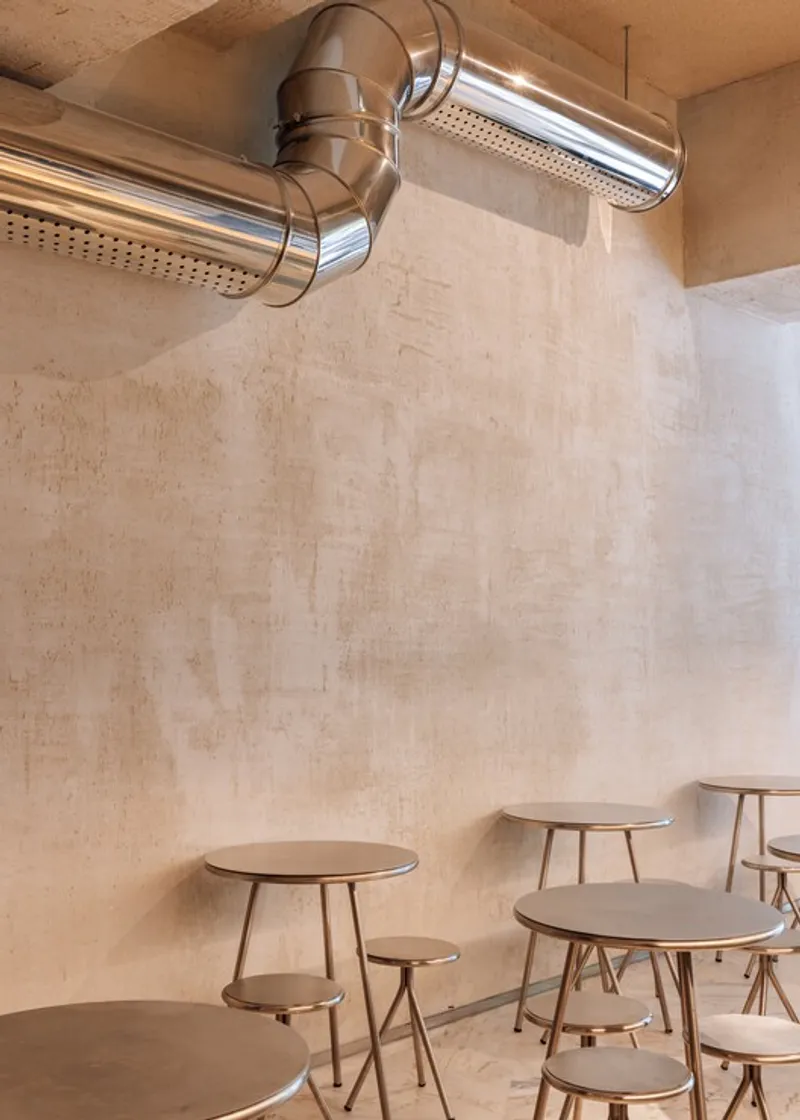
Internally, Lupita is defined by a strategy of radical simplicity. The space reads as a stripped-down room where raw materials and technical elements are left exposed.
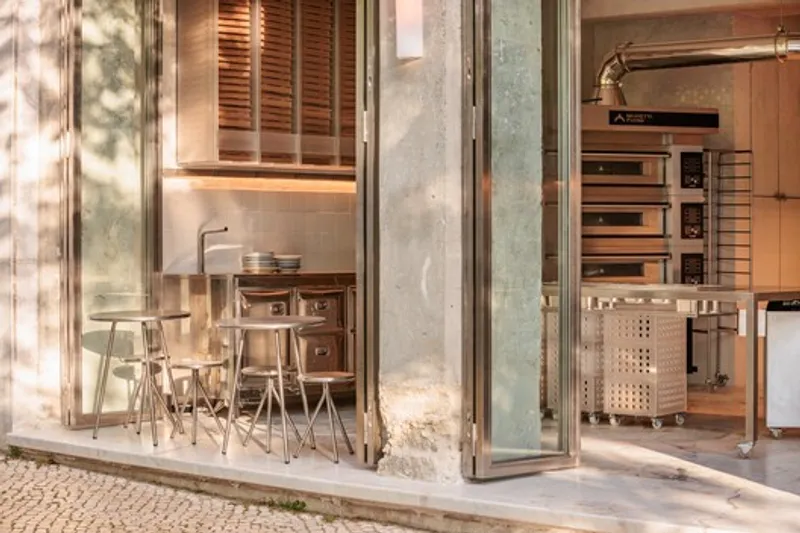
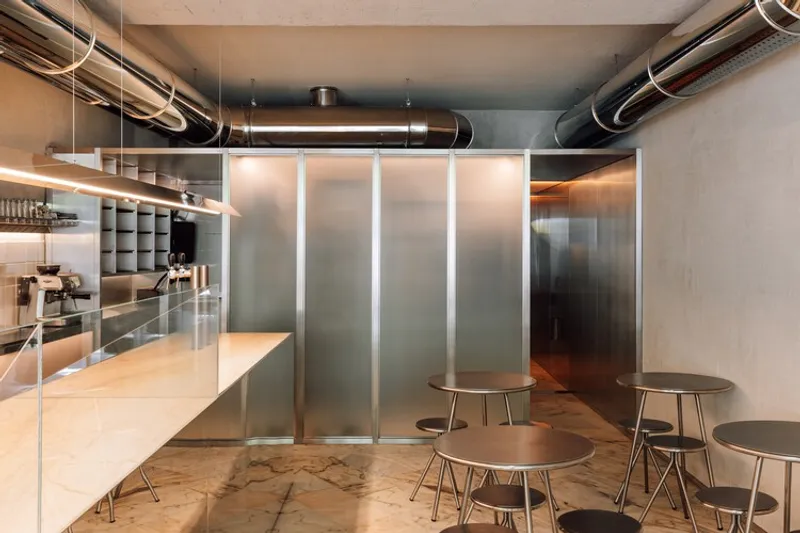
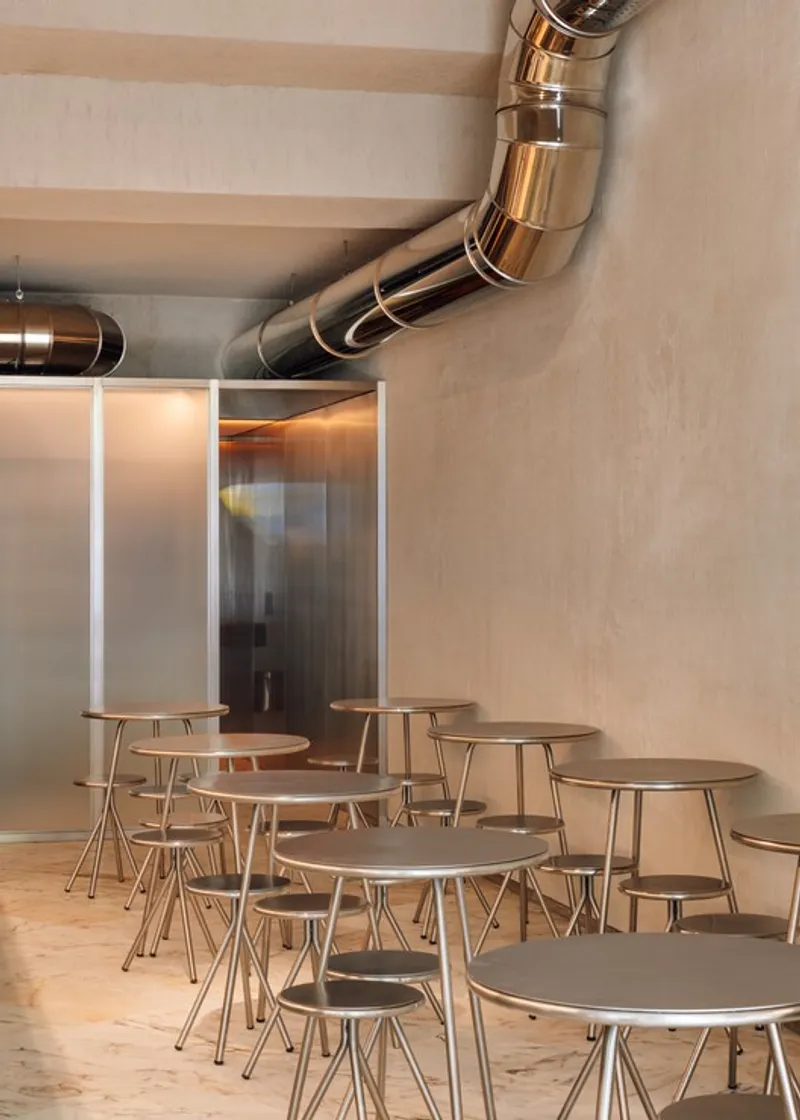
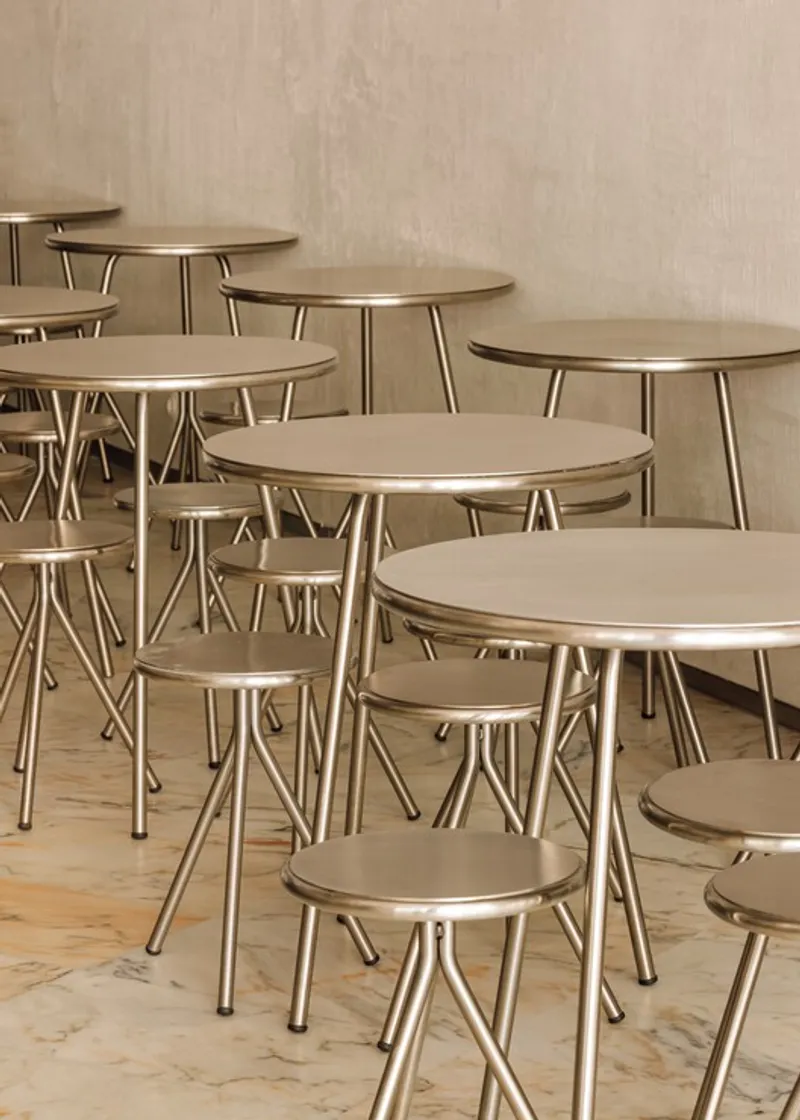
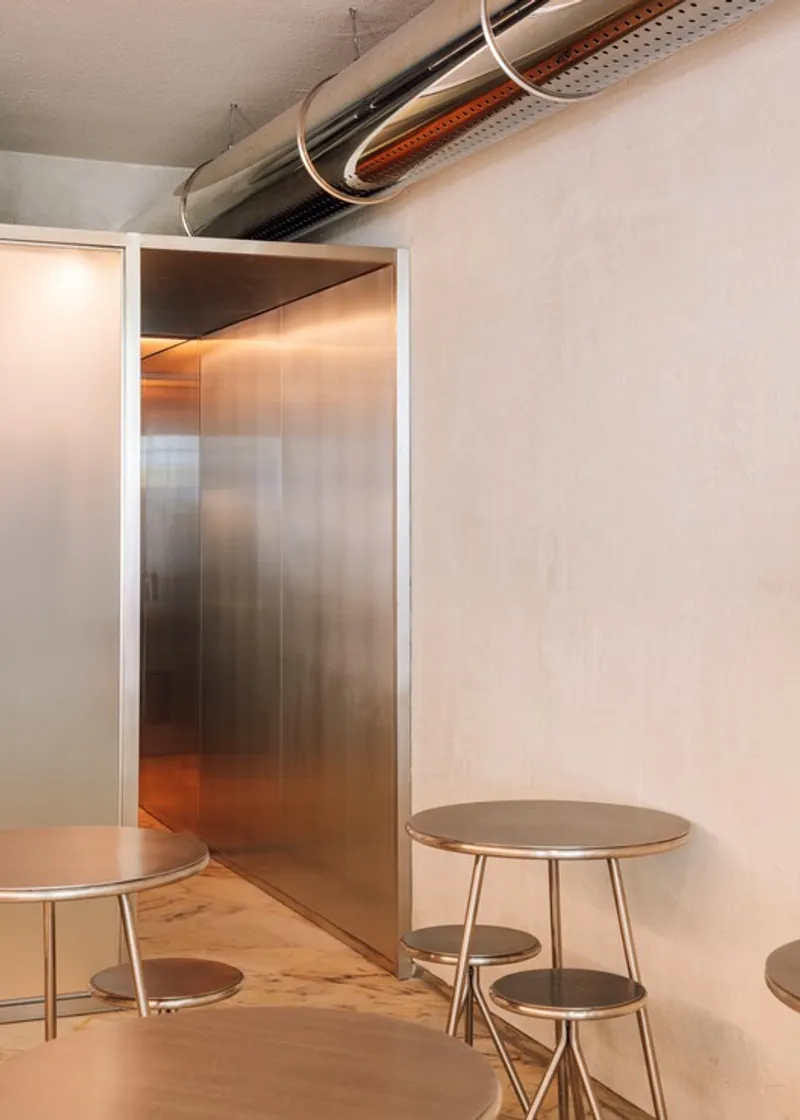
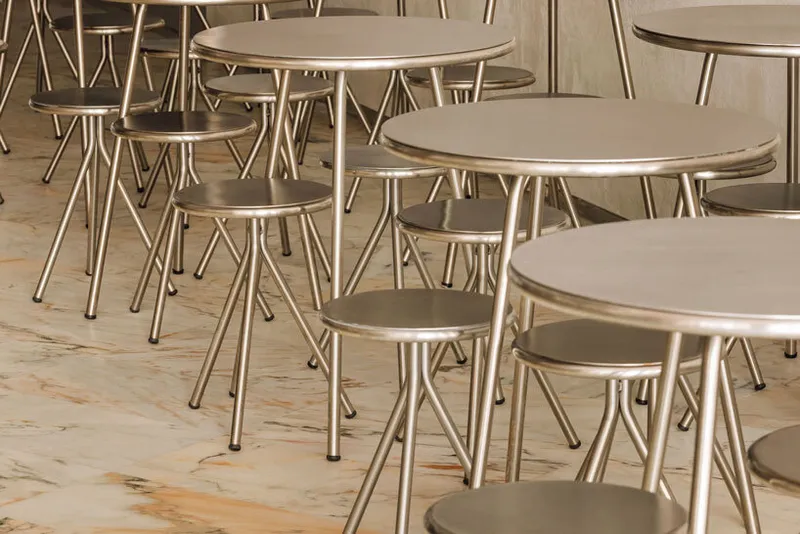
Stainless steel dominates the kitchen and service areas, selected for hygiene, durability, and visual clarity. Production counters, tables, and stools share the same material language, reinforcing unity and robustness.
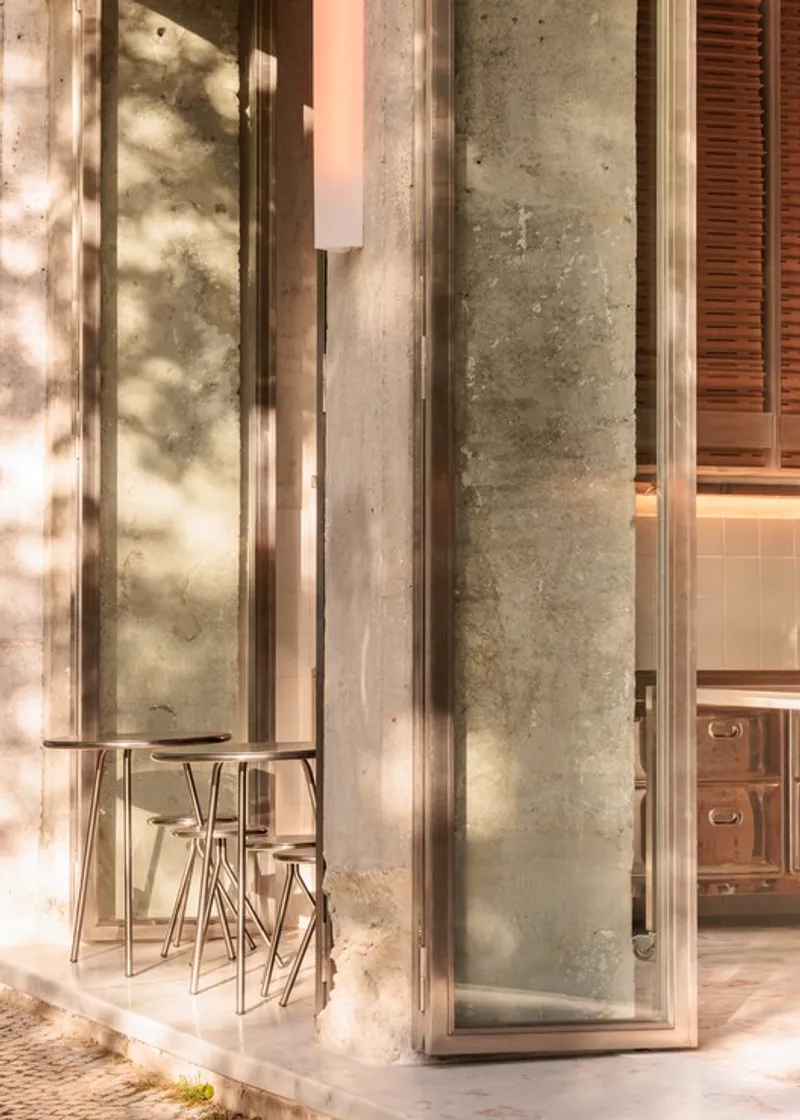
Behind the main counter, original walls were restored rather than concealed, preserving traces of time and use. Concrete, glass, steel, and marble remain unpainted and unadorned, allowing their inherent textures to shape the atmosphere.
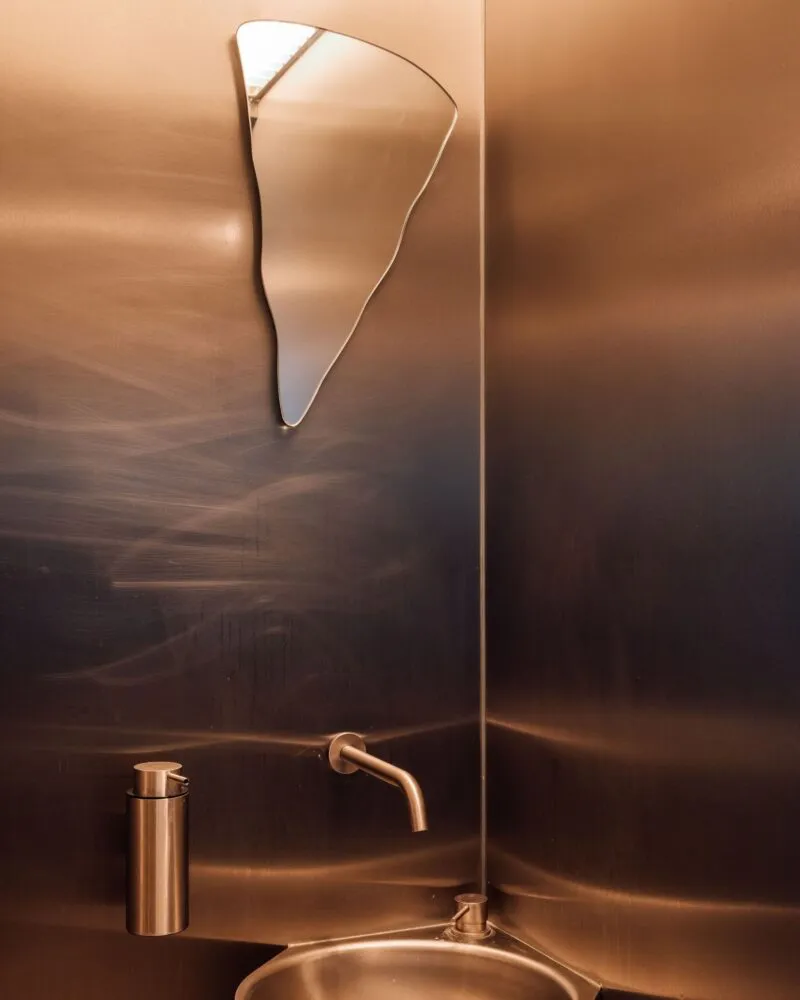
Even the bathroom is wrapped in stainless steel, producing an unexpected warmth through reflection and continuity. A custom-cut mirror subtly references food forms, adding a layer of quiet humor.
Light, Memory, and Atmosphere
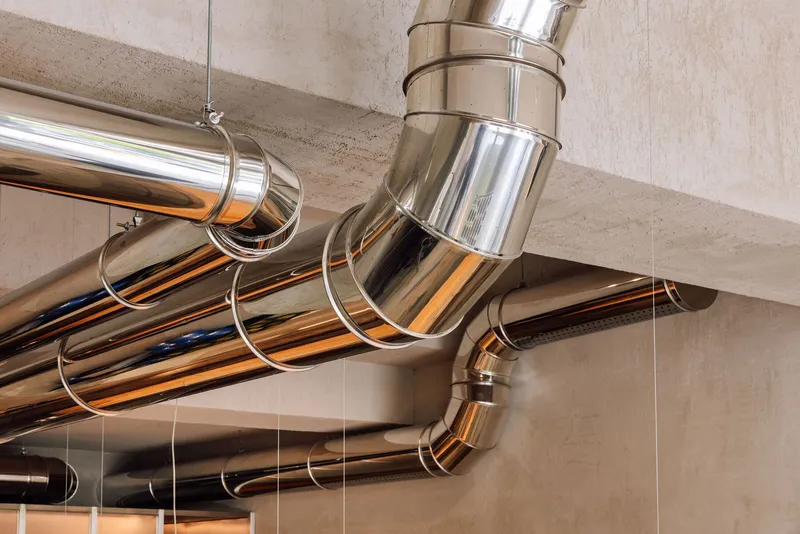
Overhead, a grid ceiling inspired by Alvalade’s 1960s architectural heritage organizes lighting and services. This historical reference introduces rhythm and familiarity into an otherwise contemporary environment.
Warm light filtered through the grid softens the industrial palette, preventing the space from feeling cold or overly technical. The contrast between modern stainless steel surfaces and mid-century-inspired geometry anchors the restaurant in its local context.
Despite its minimalism, the interior feels animated and welcoming: driven by movement, light, and human activity.
Minimal Seating, Maximum Engagement
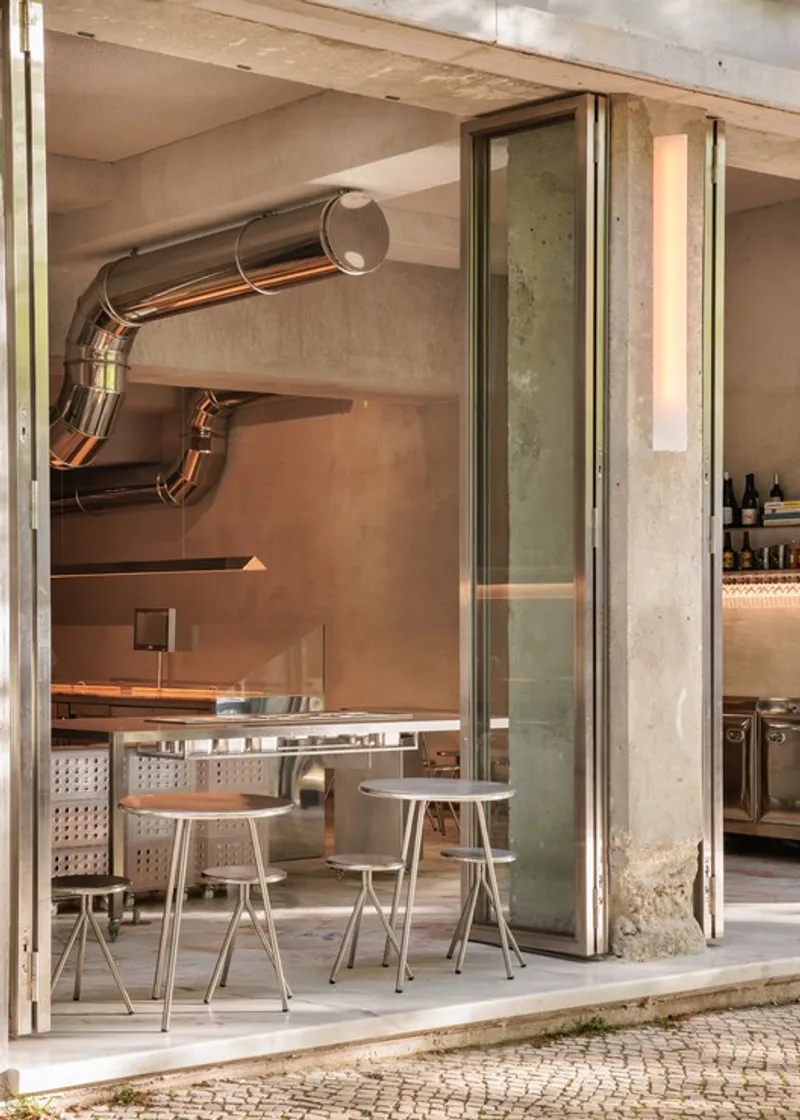
Seating inside Lupita is intentionally limited. Stainless steel tables and stools are arranged both indoors and on the sidewalk, encouraging fluid interaction between interior and street.
This strategy prioritizes turnover and accessibility while reinforcing the project’s social openness. Customers are not isolated at private tables; instead, they share proximity with cooks, staff, and passersby.
The result is a lively, informal atmosphere where dining becomes a collective urban experience.
The Street as Stage
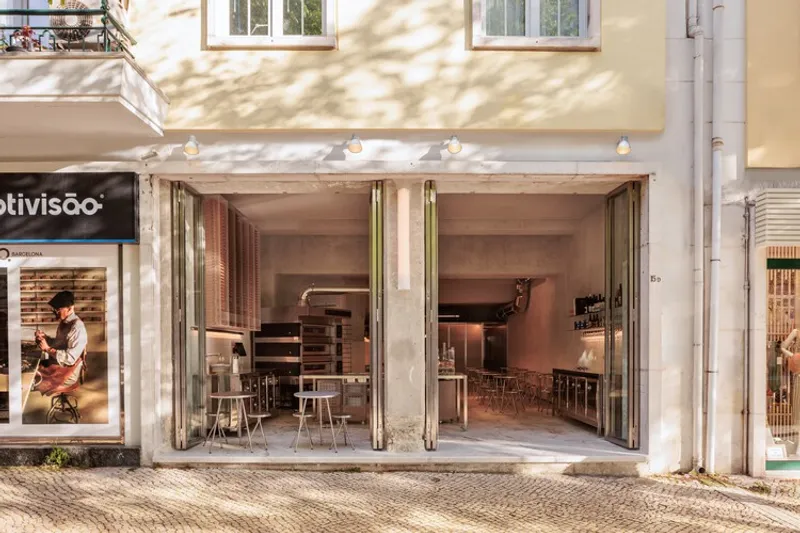
One of the project’s most distinctive features is its fully open façade. Rejecting conventional signage and enclosed shopfronts, XXXI.studio opted for maximum visual permeability.
From the street, passersby can immediately see raw materials, active kitchens, and moving bodies. The façade acts as an invitation, drawing people into the theatricality of production.
As co-founder Carlos Moniz de Aragão notes, Lupita becomes “a theatre” amid conventional commercial units. This openness dissolves boundaries between commerce and public space, embedding the restaurant within daily street life.
Branding Through Transparency
Rather than relying on graphic branding or decorative motifs, Lupita constructs its identity through spatial honesty. Materials, processes, and people become the brand.
This transparency strengthens customer loyalty and differentiates Lupita in Lisbon’s competitive food scene. Architecture here is not a backdrop, but a narrative device that communicates values of craftsmanship, efficiency, and authenticity.
All the Photographs are works of Francisco Nogueira




Popular Articles
Popular articles from the community


EW PARK: Sustainable Architecture Reimagines the Future of Urban Parking
EW PARK reimagines city parking as a modular wooden tower combining automation, solar energy, electric mobility, and adaptable urban design.

The Musturak Paradise: Senior Living Architecture for a Connected Future in Temara, Morocco
The Musturak Paradise reimagines senior living architecture in Temara via private homes, social spaces, culture, community, and shared care.

The Ocean Hive: Sustainable Architecture for a Self-Sufficient Civilization at Sea
The Ocean Hive imagines sustainable architecture at sea, where modular habitats, algae, wave power and ocean waste sustain a growing colony.

Co-Life: Senior Housing Design That Reconnects Older Adults With the City
Co-Life reimagines senior housing design through healing gardens, shared streets, workshops, and a sustainable community across generations.

Similar Reads
You might also enjoy these articles


Hodi-Mandai Geram
Project Function: Preservation and revitalization of the Intangible heritage and socio-spatial identity of the Hodi by Housing, Cultural Memory Center, Sacred Grove, landscape, local tourism economy


Olio Towers: A Mid-Rise for Performers That Fuses Housing, Rehearsal, and Stage
Located blocks from Houston's Theater District, this modular tower stacks living units around a central performance atrium.

Oasis: Modular Green Housing Carved into Dhaka's Urban Fabric
A shortlisted Plugin Housing entry reclaims unauthorized settlements in Dhaka with stepped concrete volumes, green roofs, and ventilation-driven design.

Black Hole: A Floating Megastructure for the Post-Physical Era
Emiliano Mazzarotto envisions a spherical, self-scaling arena where e-sports, digital hotels, and holographic stadiums replace traditional public space.

Explore Hospitality Building Competitions
Discover active competitions in this discipline



Challenge to reimagine the Iron Throne


Photograph architecture without architects


Illustrate the lost glory of Angkor Wat - Render Challenge


Design challenge to reuse E-waste
Comments (0)
Please login or sign up to add comments
No comments yet. Be the first to comment!