
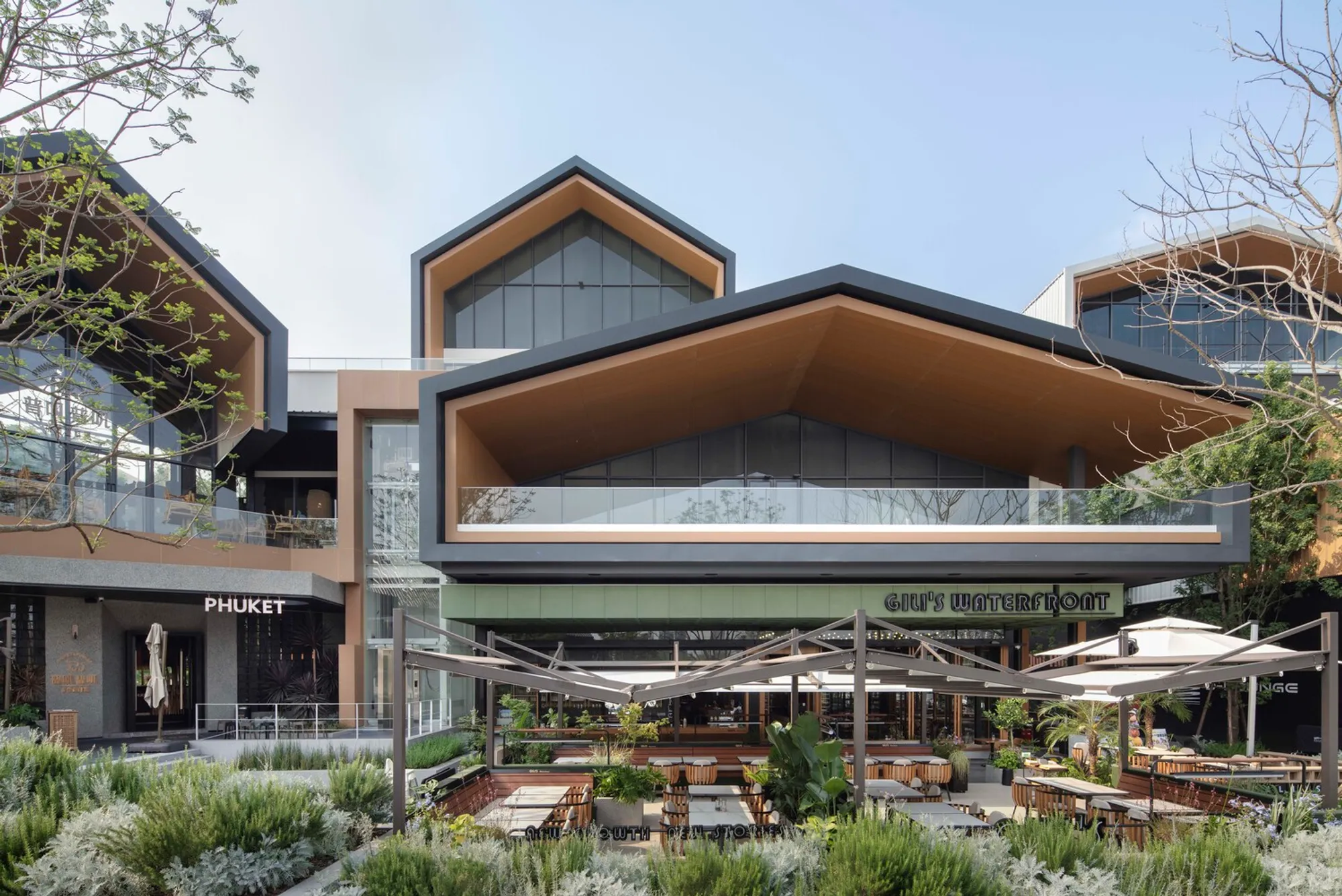
Luxelakes Tianfu Food Island Phase II: A Contemporary Lakeside Commercial Hub in Chengdu
Lakeside commercial complex in Chengdu featuring cascading terraces, sloped roofs, and public waterfront spaces, blending restaurants, retail, and community interaction.


Located in Chengdu, China, Luxelakes Tianfu Food Island Phase II is a contemporary lakeside commercial development designed byAtelier Sizhou.Completed in 2023, the project spans approximately 6,000 square meters and expands the vibrant public and culinary landscape of the Luxelakes district. Led by architects Xianshu Jin and Jia Liu, the development reimagines the relationship between architecture, commerce, and public waterfront spaces. Instead of prioritizing exclusive commercial access to the lake, the design strategy focuses on creating an inclusive public environment where visitors, diners, and pedestrians can all enjoy the scenic waterfront.
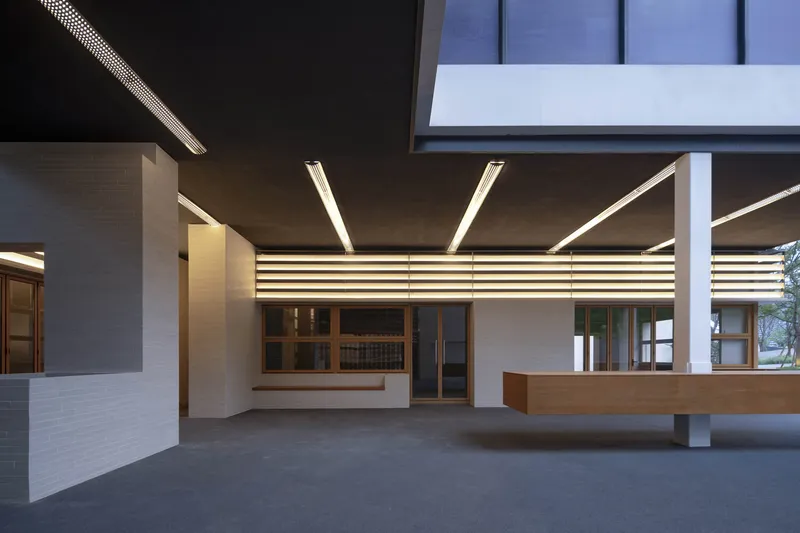
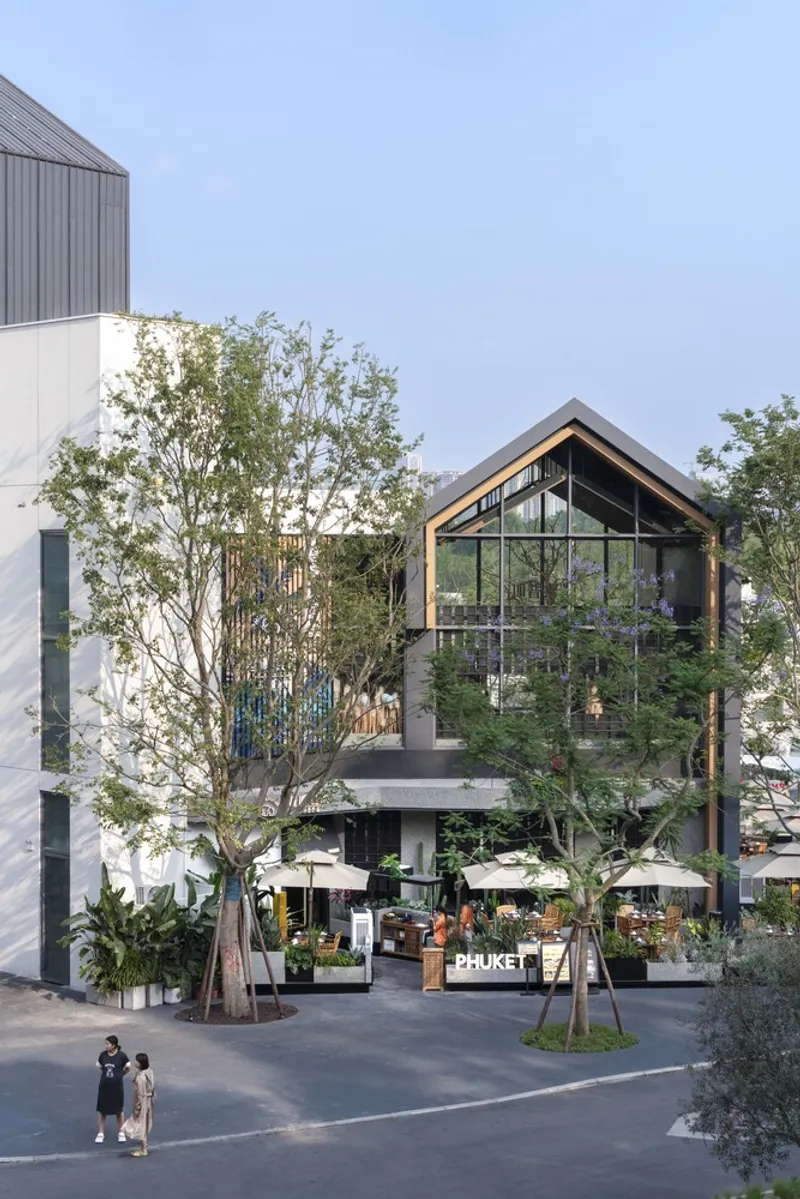
Photographed by Arch-exist, the project showcases a thoughtful architectural composition that balances community engagement, commercial activity, and landscape integration. Through its carefully planned spatial arrangement and distinctive architectural forms, Luxelakes Tianfu Food Island Phase II establishes a dynamic urban destination that merges restaurants, bars, retail spaces, and community gathering areas.
Project Background: Designing Around Water
The Luxelakes development is known for its strong connection to water. The master plan emphasizes the lake as its primary environmental and spatial resource, with a meandering shoreline that integrates architecture with the surrounding natural landscape. In Phase I of Tianfu Food Island, buildings were arranged directly along the waterfront, creating a commercial pedestrian street with several volumes positioned immediately beside the water.
However, while this arrangement maximized scenic views for businesses, it also limited the accessibility of the shoreline to those inside the buildings. Recognizing this issue during the planning of Phase II, the architects sought a more public-oriented design approach. Their goal was to ensure that the waterfront remained a shared space rather than becoming a private extension of commercial establishments.
This shift in strategy reflects a broader trend in contemporary urban design, prioritizing public accessibility and community engagement in waterfront developments.
Spatial Layout: Prioritizing Public Space
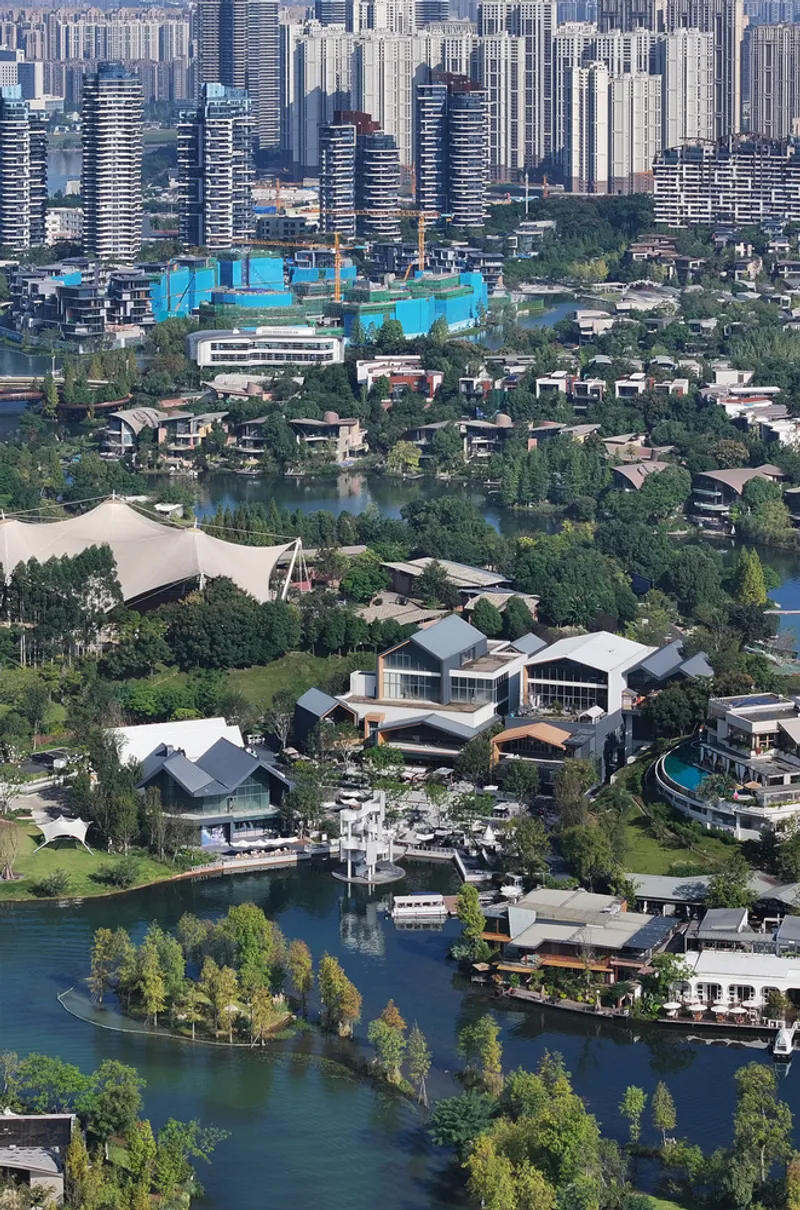
One of the most distinctive aspects of the project is its reversed spatial layout. Instead of placing buildings directly on the lakefront, Atelier Sizhou positioned the architectural volumes toward the back of the site, leaving the lake-facing area open for public use.
This planning decision offers several advantages:
- Uninterrupted public access to the lakeside
- Flexible outdoor spaces for restaurants and commercial activities
- Enhanced pedestrian circulation and social interaction
By allowing public flow in front of the buildings, the design transforms the waterfront into a shared urban terrace where visitors can relax, stroll, or enjoy the scenery regardless of whether they are customers of the surrounding businesses.
Each commercial unit benefits from extended outdoor spaces facing the lake, which can be used for dining terraces, events, or seasonal installations. In a vibrant city like Chengdu, these outdoor areas hold significant economic and social value, often rivaling indoor spaces in their importance for hospitality operations.
Cascading Architecture and Landscape Integration
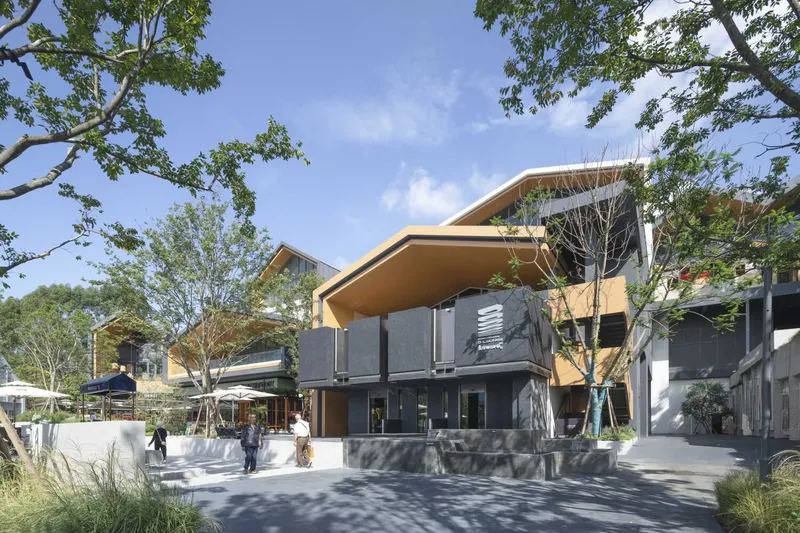
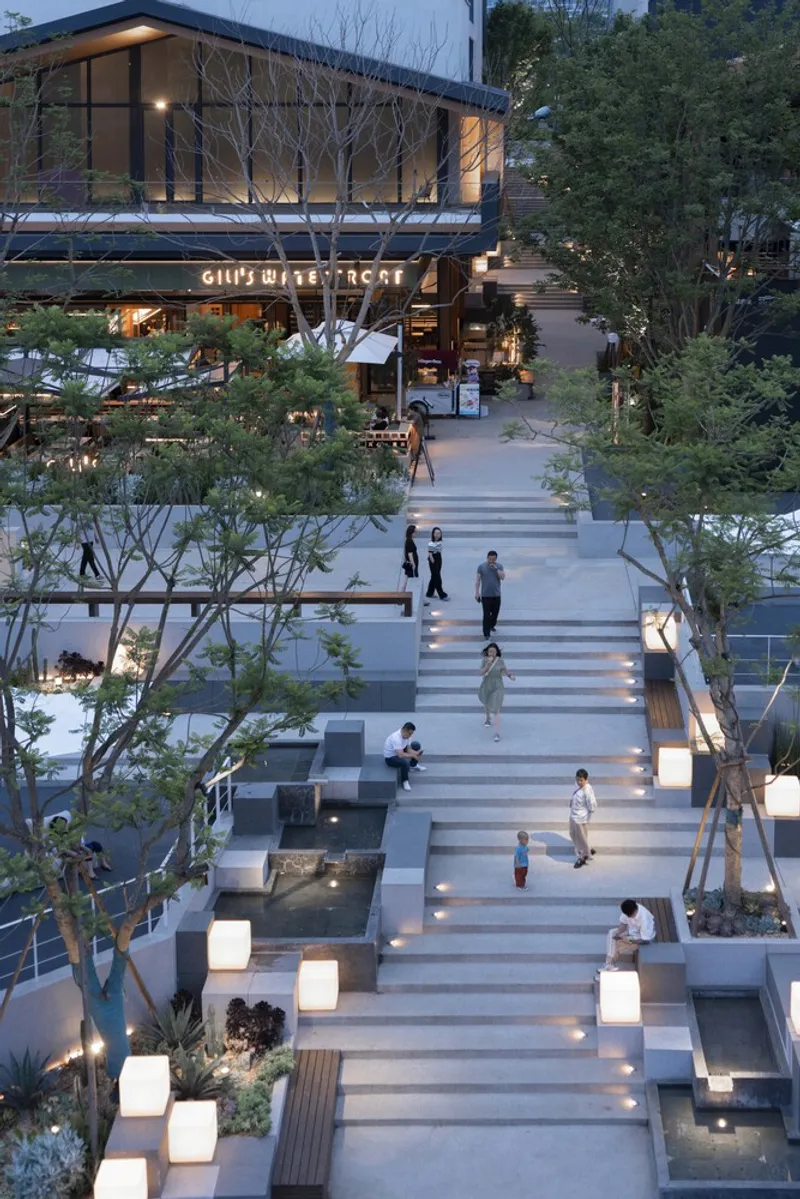
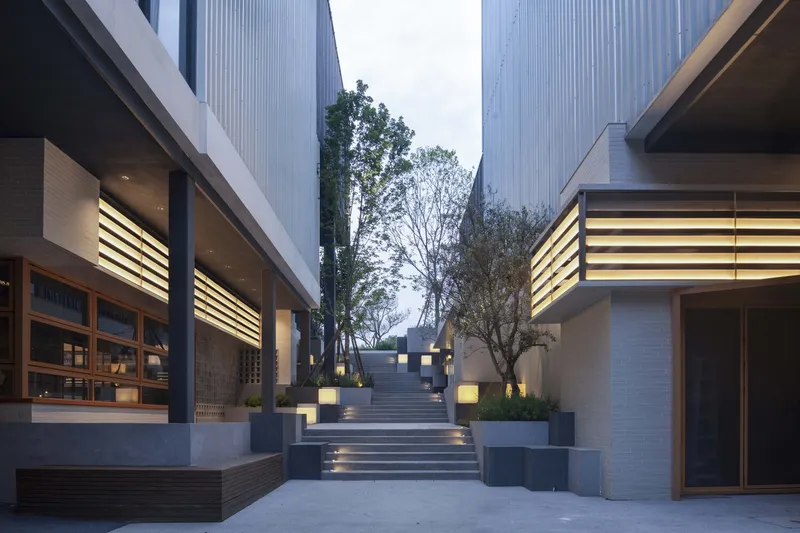
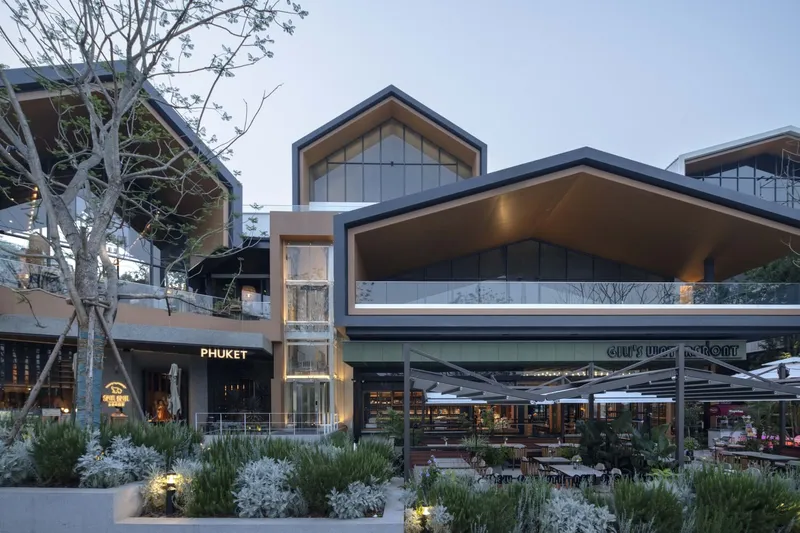
The site’s natural topography inspired the project’s cascading architectural composition. Buildings step down toward the lake, while landscape terraces follow the slope of the terrain, creating layered outdoor platforms that blur the boundary between architecture and nature.
This cascading arrangement achieves several key goals:
- Enhances visual connections with the lake
- Reflects the natural slope of the site
- Creates multiple levels of public terraces and seating areas
- Provides dynamic spatial experiences for visitors
The terraces also function as social gathering platforms, encouraging informal interactions between visitors and enhancing the lively atmosphere of the waterfront district.
Through this approach, the project successfully creates a completely public and shared environment, where people can participate in the lakeside experience whether they are dining, shopping, or simply exploring the area.
Human-Scale Spaces and Exploratory Design
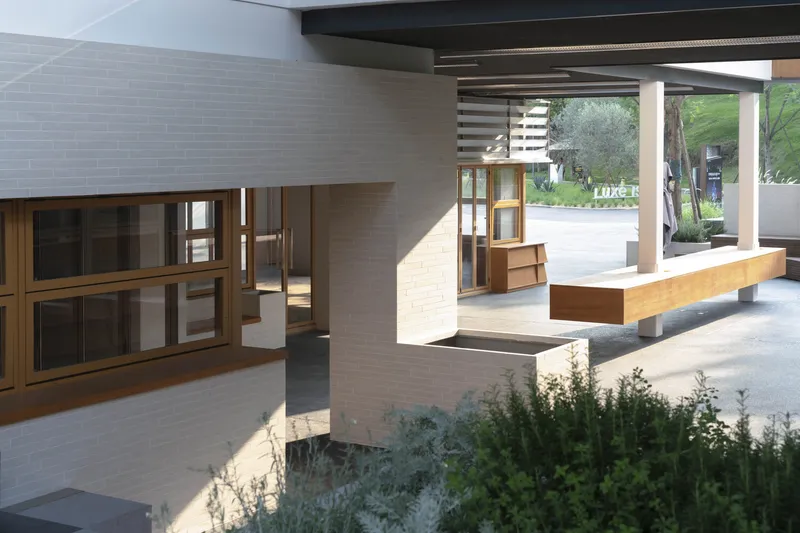
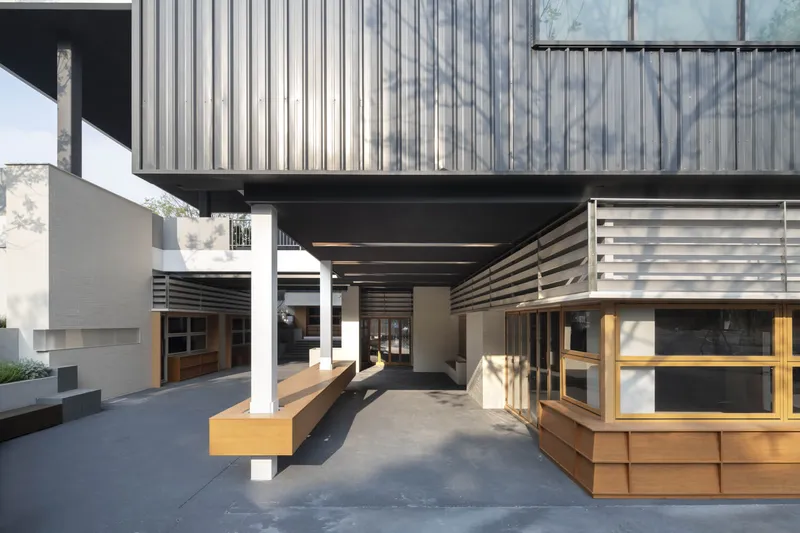
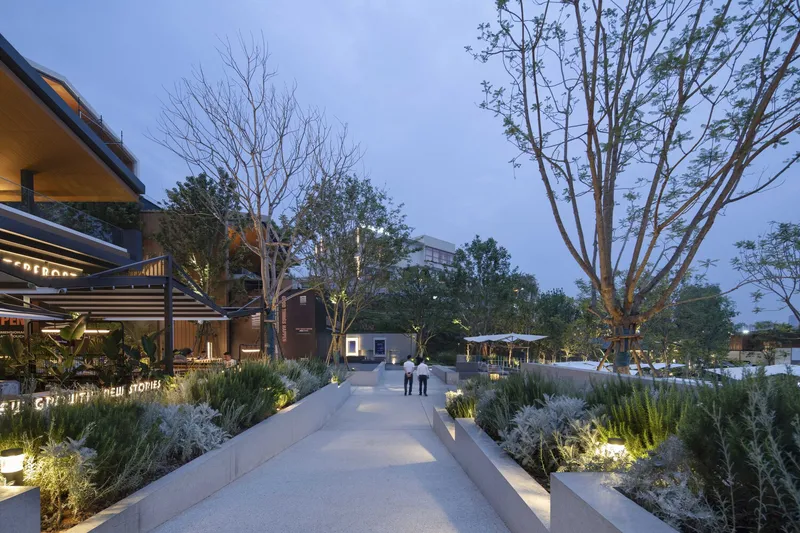
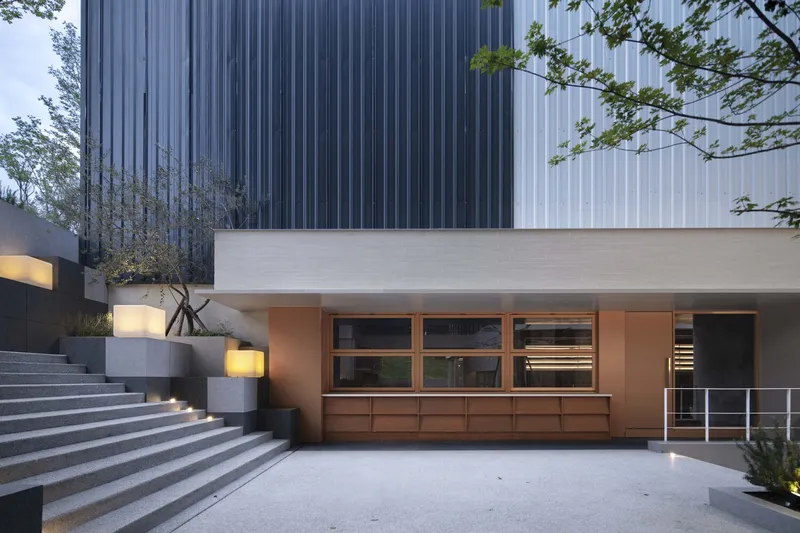
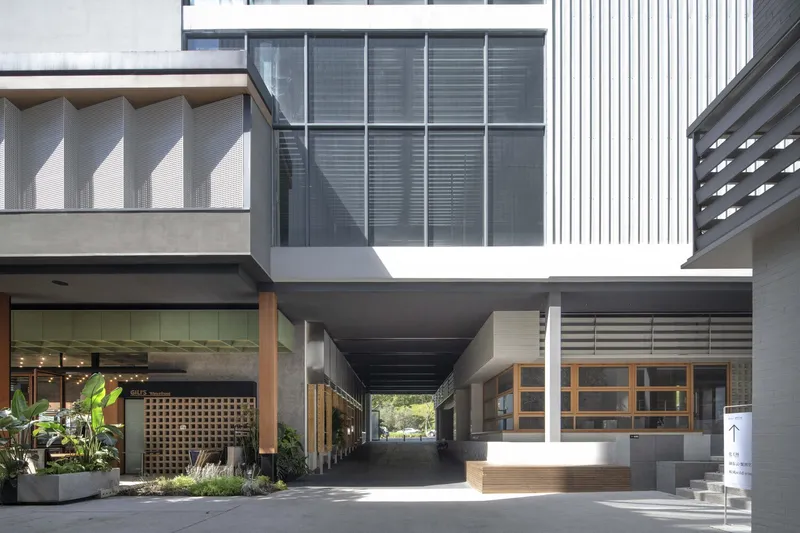
Within the buildings, the architects introduced a series of semi-open spaces beneath extended eaves. These areas create small, intimate environments that encourage visitors to explore the complex.
Rather than relying solely on large commercial tenants, the design intentionally accommodates smaller businesses with unique character and atmosphere. These spaces provide opportunities for boutique cafes, local food vendors, and creative retail concepts that may not require large indoor footprints but contribute significantly to the overall identity of the development.
This human-scale design strategy enhances the sense of discovery and diversity within the complex, making it more engaging for visitors and supporting a vibrant commercial ecosystem.
Architectural Form: A Clustered Lakeside Community
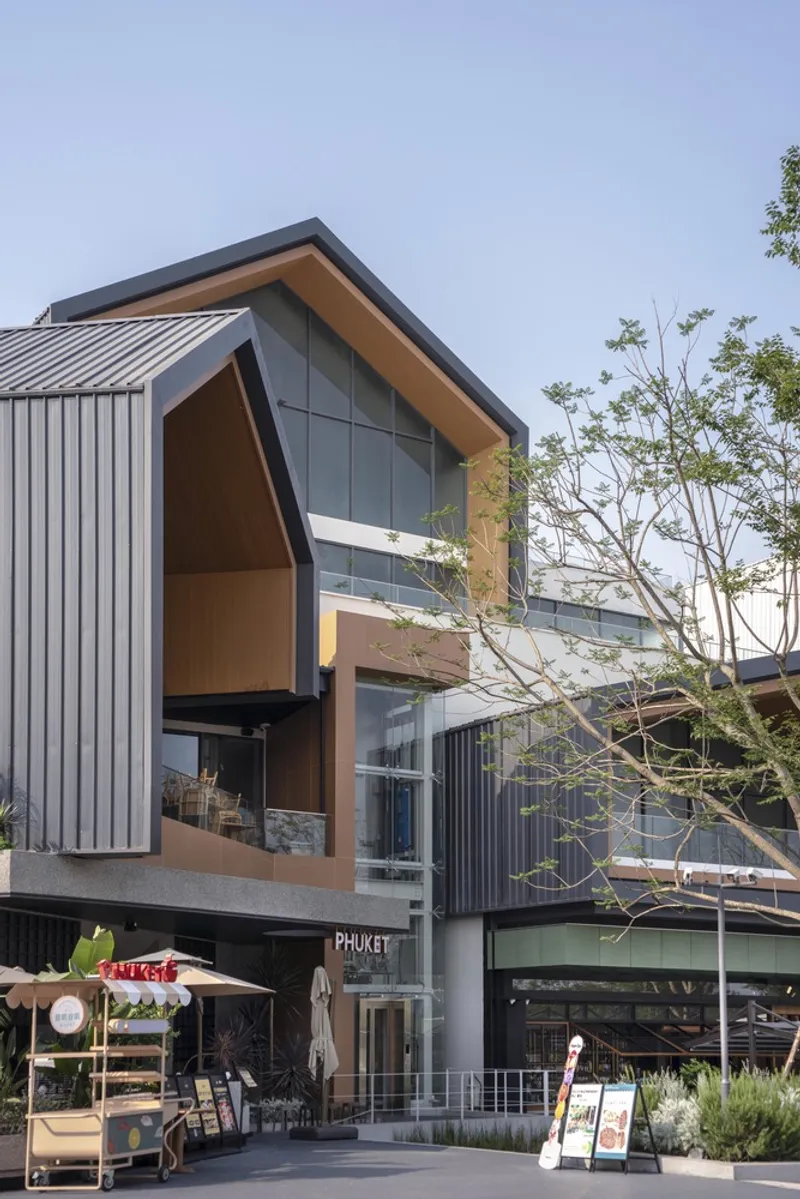
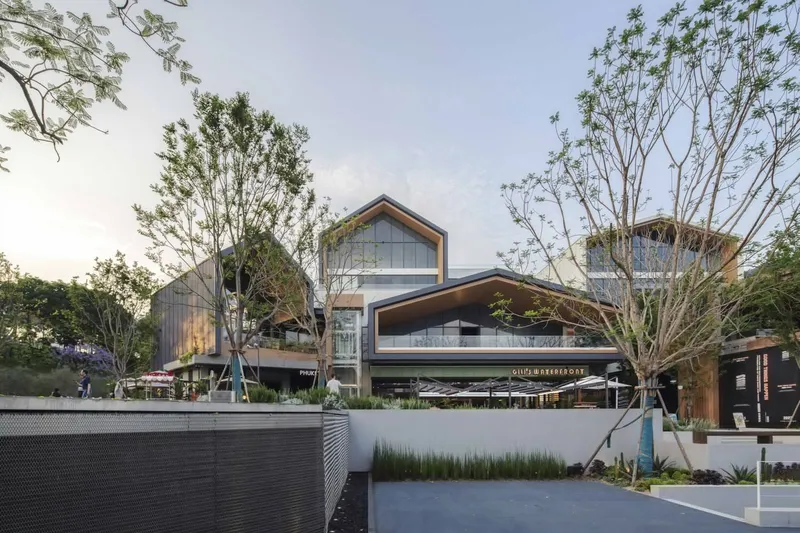
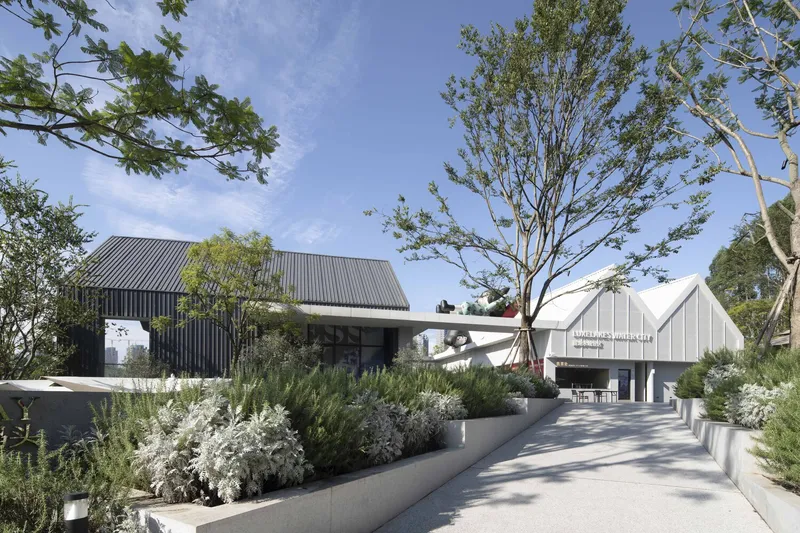
The architectural expression of Luxelakes Tianfu Food Island Phase II reflects the idea of a clustered lakeside community rather than a single monumental structure. Instead of a large commercial “box,” the buildings are composed as a collection of smaller volumes unified by sloping roofs and layered forms.
The slanted roof design plays a key role in defining the architecture. These roofs introduce variation and rhythm across the complex, while the extended eaves subtly indicate the different commercial units beneath them. This design strategy ensures that each business retains its own identity while still contributing to the cohesive architectural language of the overall project.
The result is an environment that feels warm, approachable, and human-centered, aligning with the relaxed lifestyle associated with Chengdu’s culinary culture.
A Shared Lakeside Destination
Through thoughtful planning and architectural design, Luxelakes Tianfu Food Island Phase II transforms a commercial development into a vibrant public destination. By prioritizing shared spaces, integrating landscape terraces, and embracing a clustered architectural form, the project fosters a welcoming atmosphere that invites both locals and visitors to participate in the lakeside experience.
Whether people come to enjoy a meal, meet friends, or simply take a walk by the water, the development ensures that the lakefront remains a collective urban asset. This inclusive approach reflects a broader vision of architecture that goes beyond commercial functionality to create meaningful social and spatial experiences.
Ultimately, the project captures the essence of a lively, elegant, and community-oriented waterfront environment, redefining how commercial architecture can engage with public space and natural landscapes.
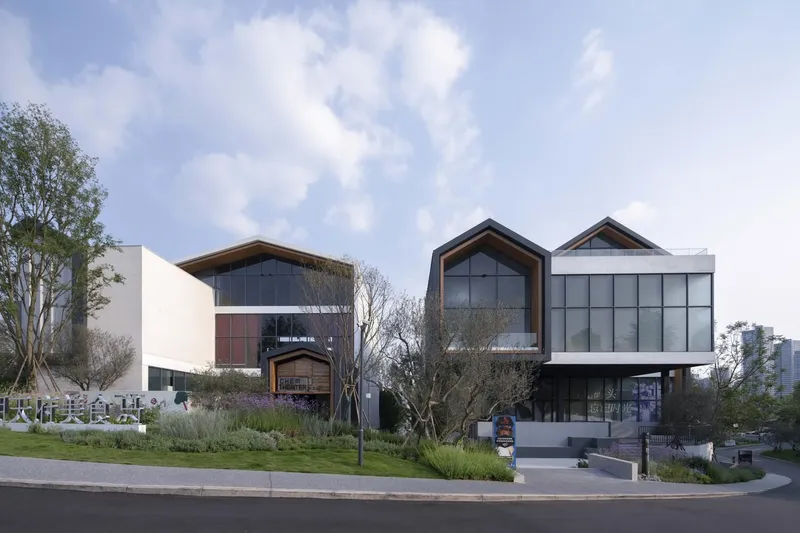
All photographs are works of
Arch-exist




Popular Articles
Popular articles from the community


The Musturak Paradise: Senior Living Architecture for a Connected Future in Temara, Morocco
The Musturak Paradise reimagines senior living architecture in Temara via private homes, social spaces, culture, community, and shared care.

Play: Fragments of Their World
Familiar architecture becomes modular playground design, creating safe spaces where displaced children can learn, connect, imagine and play.

Lunar Spiral: Space Architecture Shaped by the Mathematics of the Universe
Lunar Spiral reimagines space architecture through Fibonacci geometry, lunar regolith, levitating habitats, and self-sustaining Moon living.

Conexión: Biophilic Design Reimagines High-Rise Living in Hong Kong
Conexión reimagines high-rise living in Hong Kong through biophilic design, green facades, shared spaces, daylight, water and nature within.


Similar Reads
You might also enjoy these articles

FAMM Arquitectura Organizes Ten Villas Around Courtyards and Jungle in Nosara, Costa Rica
El Molino pairs two elongated volumes with deep overhangs and timber louvers to build a compact coastal community five minutes from the beach.
Oscar Niemeyer's Ibirapuera Park Pavilions Define São Paulo's Cultural Identity in Concrete and Curve
A constellation of modernist volumes set within São Paulo's most important urban park, conceived for the city's 400th anniversary in 1954.
How Henri Picq's 1889 Paris Pavilion Traveled 11,000 Kilometers to Become Santiago's Artequín Museum
A prefabricated iron and glass pavilion built for the Paris Universal Exposition found a second life as a children's art museum in Chile.
Sanjay Puri Architects Wraps a Jaipur Office Tower in Capsule-Shaped Green Buffers
A nine-level climate-responsive workplace near Jaipur Airport uses stacked planter terraces and aluminium screens to fight 40°C heat.

Explore Lake Front Development Competitions
Discover active competitions in this discipline



Challenge to reimagine the Iron Throne


Photograph architecture without architects


Illustrate the lost glory of Angkor Wat - Render Challenge


Design challenge to reuse E-waste
Comments (0)
Please login or sign up to add comments
No comments yet. Be the first to comment!