

Lyco House: A Sustainable Barn Conversion in Belgium by OYO Architects
Lyco House by OYO Architects transforms a Belgian barn into a sustainable home, blending heritage, modern design, and ecological innovation.


Transforming a Barn into a Contemporary Home
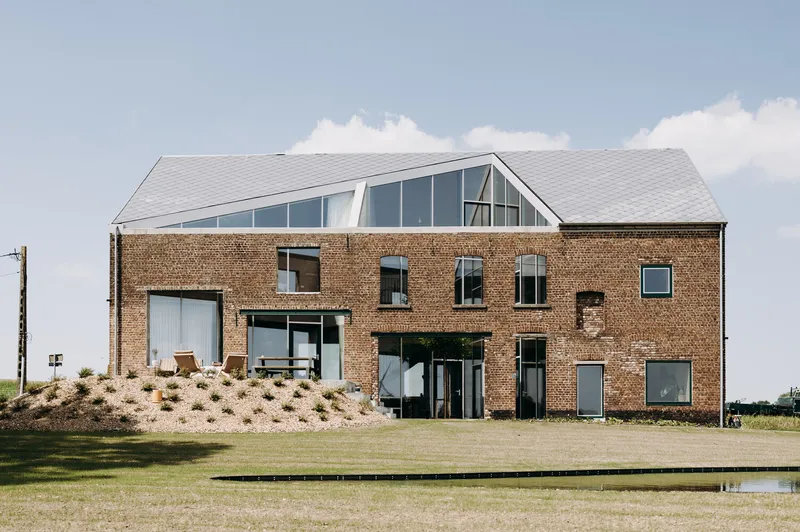
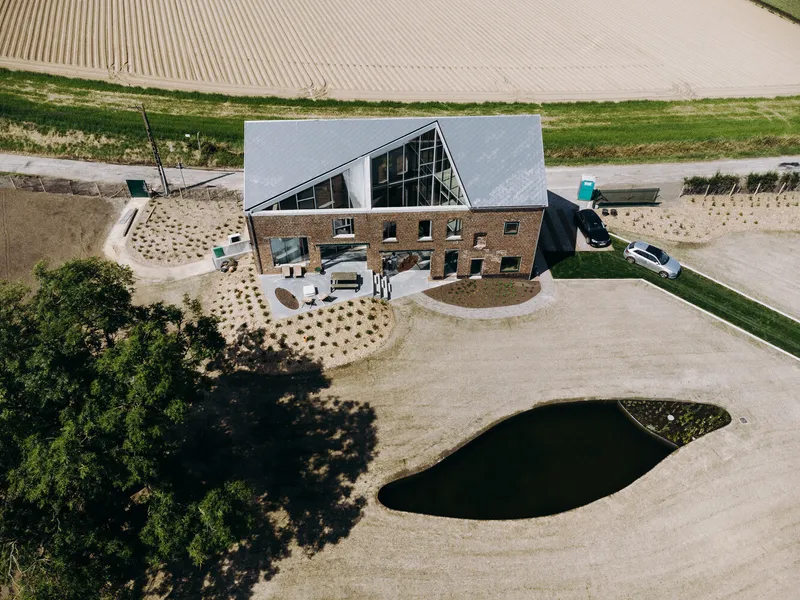
Lyco House by OYO Architects is a remarkable example of sustainable barn conversion architecture in Pepingen, Belgium. Situated less than 30 kilometers from Brussels, this 312 m² home redefines rural living by transforming a historic barn into a light-filled, modern residence. The project preserves the essence of the traditional agricultural structure while introducing innovative design strategies that enhance comfort, sustainability, and a strong connection with the surrounding countryside.
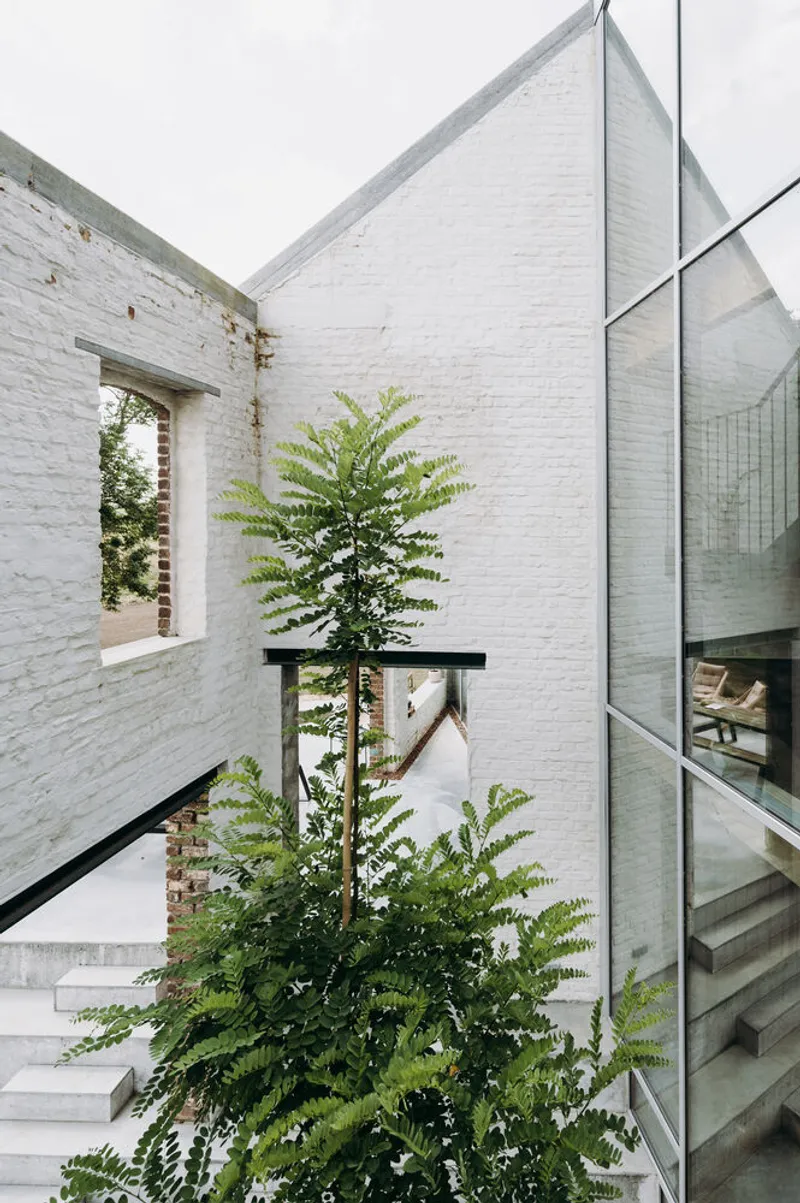
Architectural Concept and Design Intervention
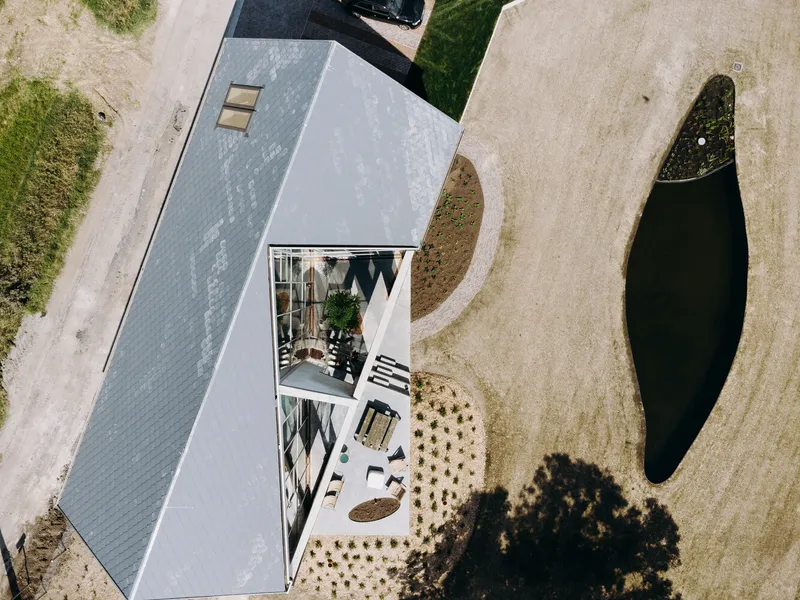
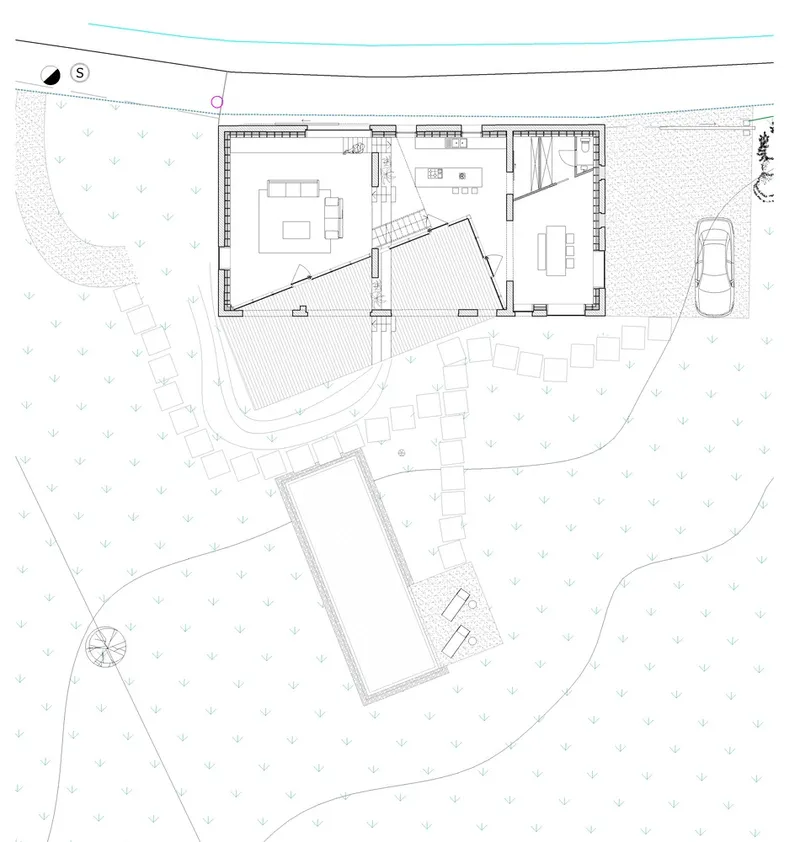
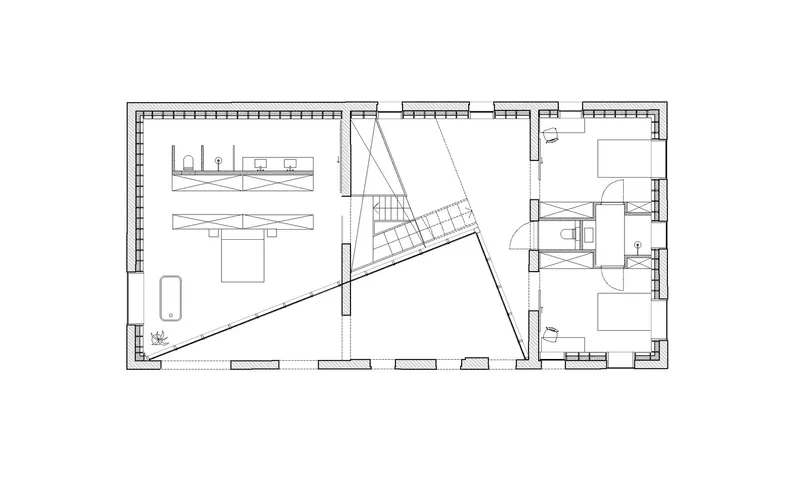
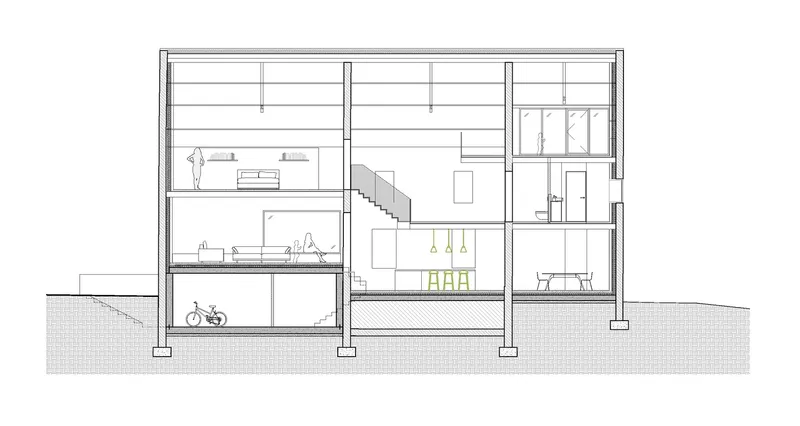
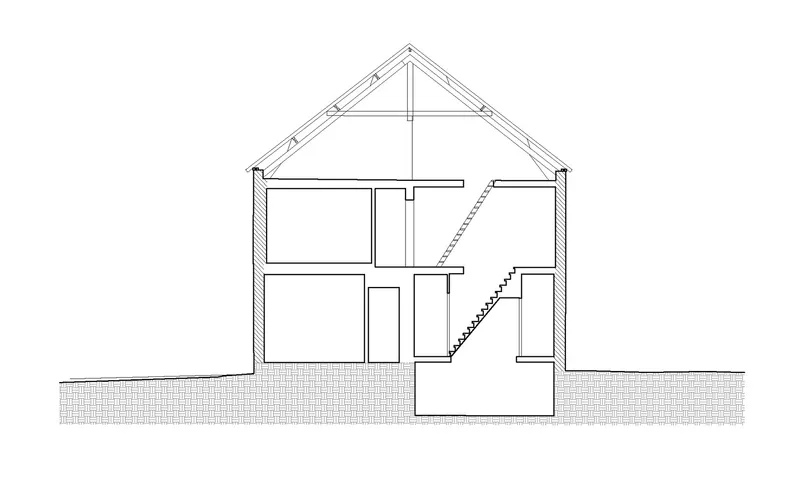
The central idea of Lyco House lies in a bold architectural move: a triangular cut made into the barn’s original volume. This intervention creates a private inner courtyard, allowing natural light to flood into the previously dark interiors while ensuring seamless integration between indoor and outdoor spaces.
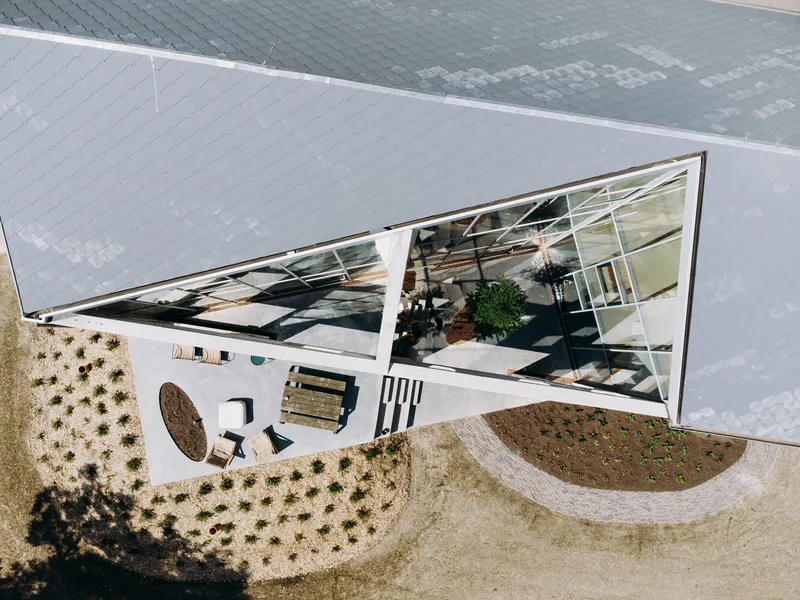
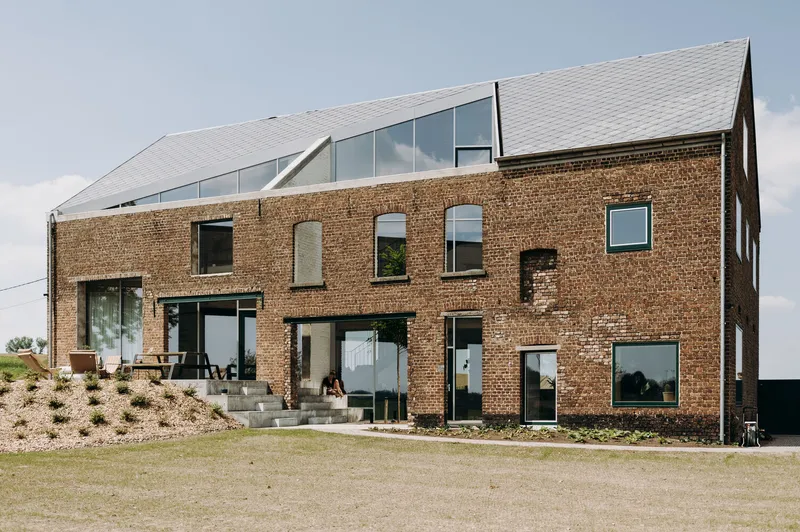
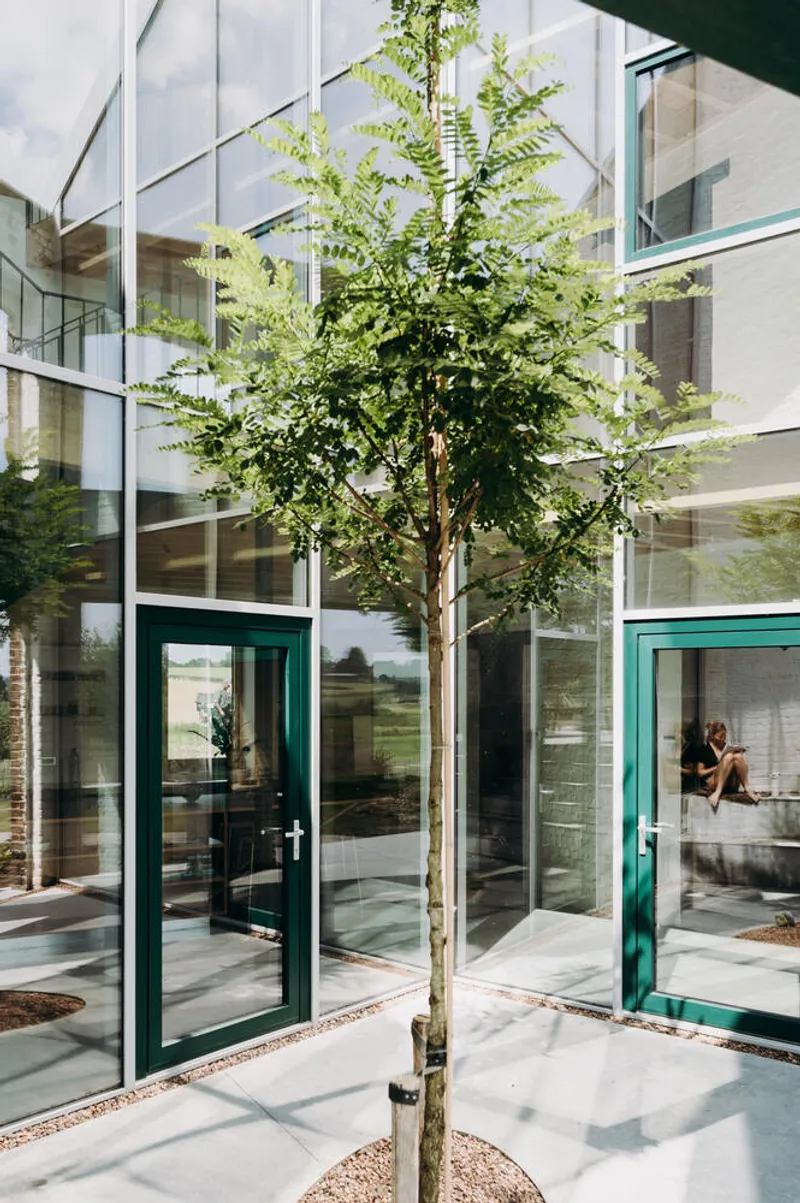
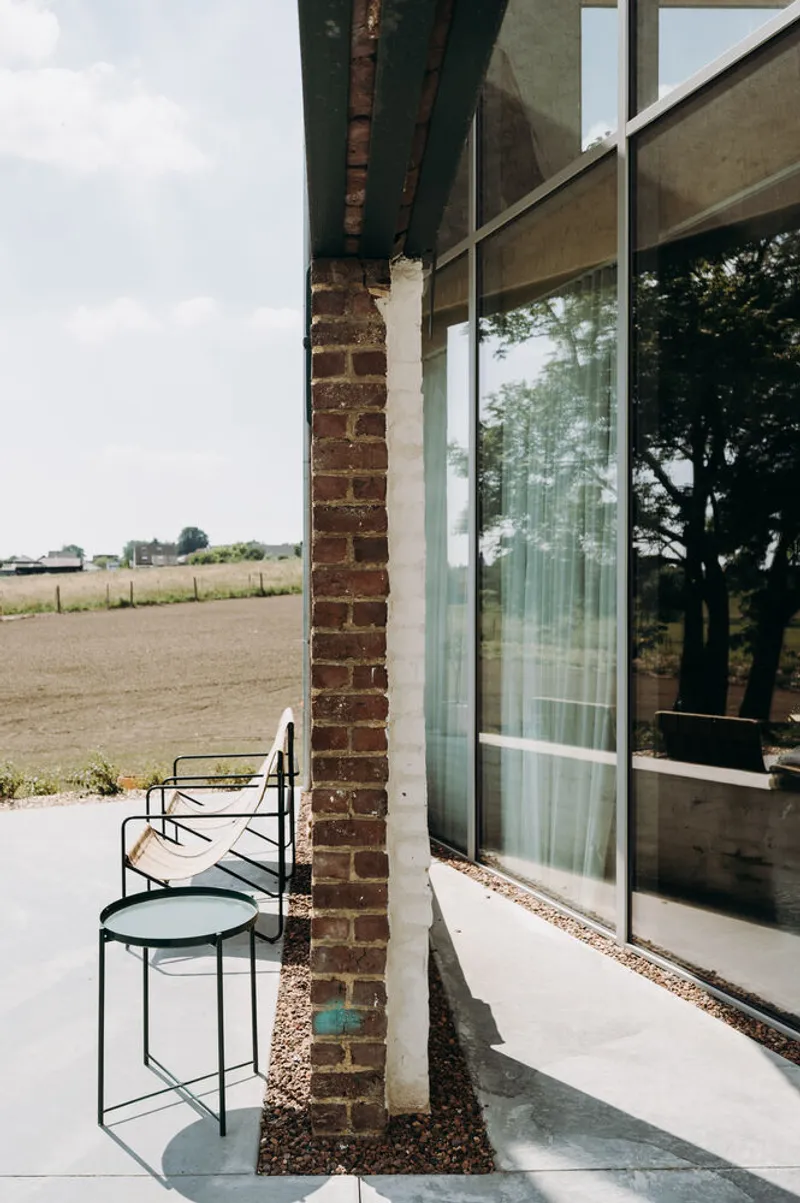
From the street, the house retains the character of a traditional barn, preserving the rural identity of Pepingen’s landscape. In contrast, the rear façade reveals a strikingly modern transformation, characterized by openness, transparency, and framed views of the surrounding fields.
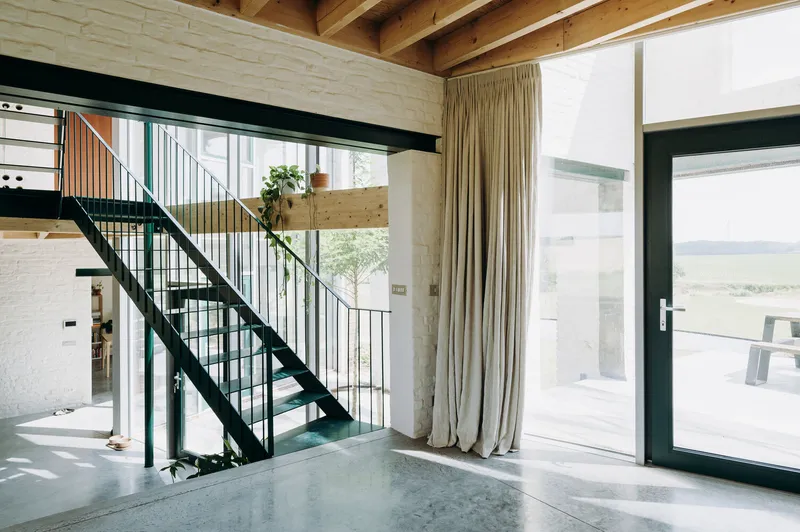
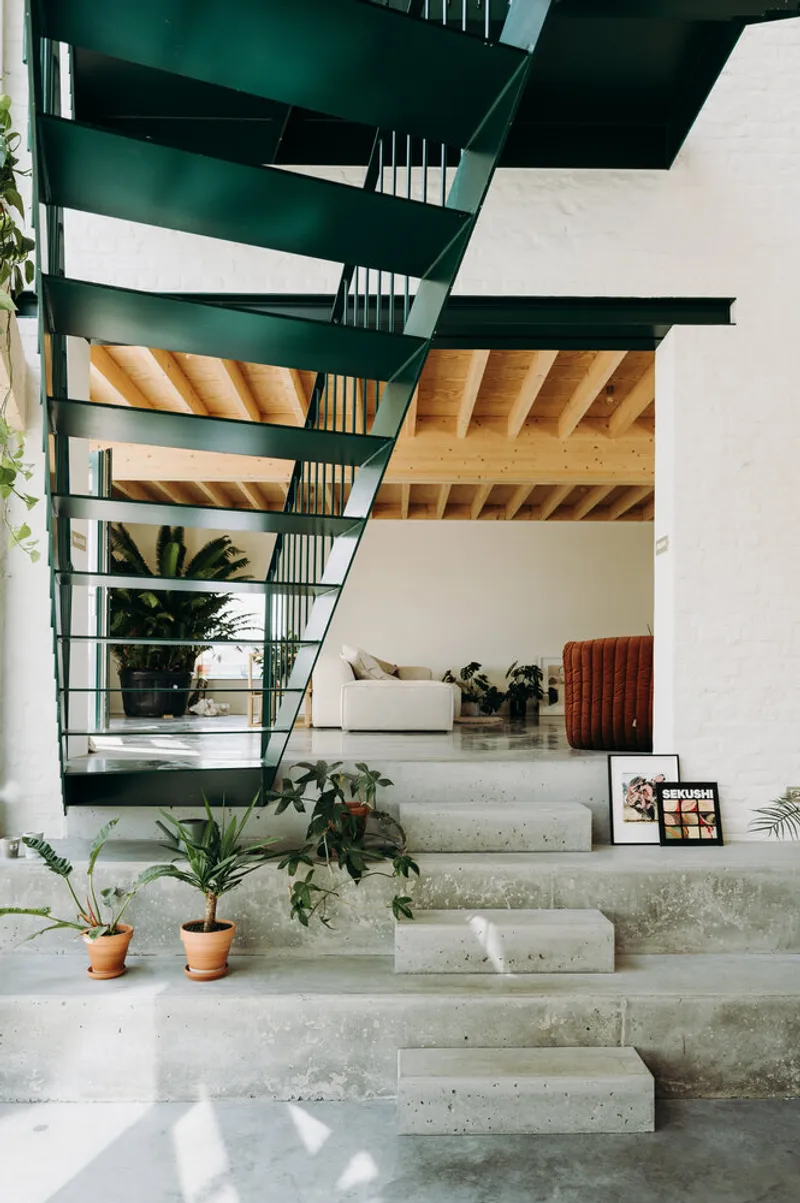
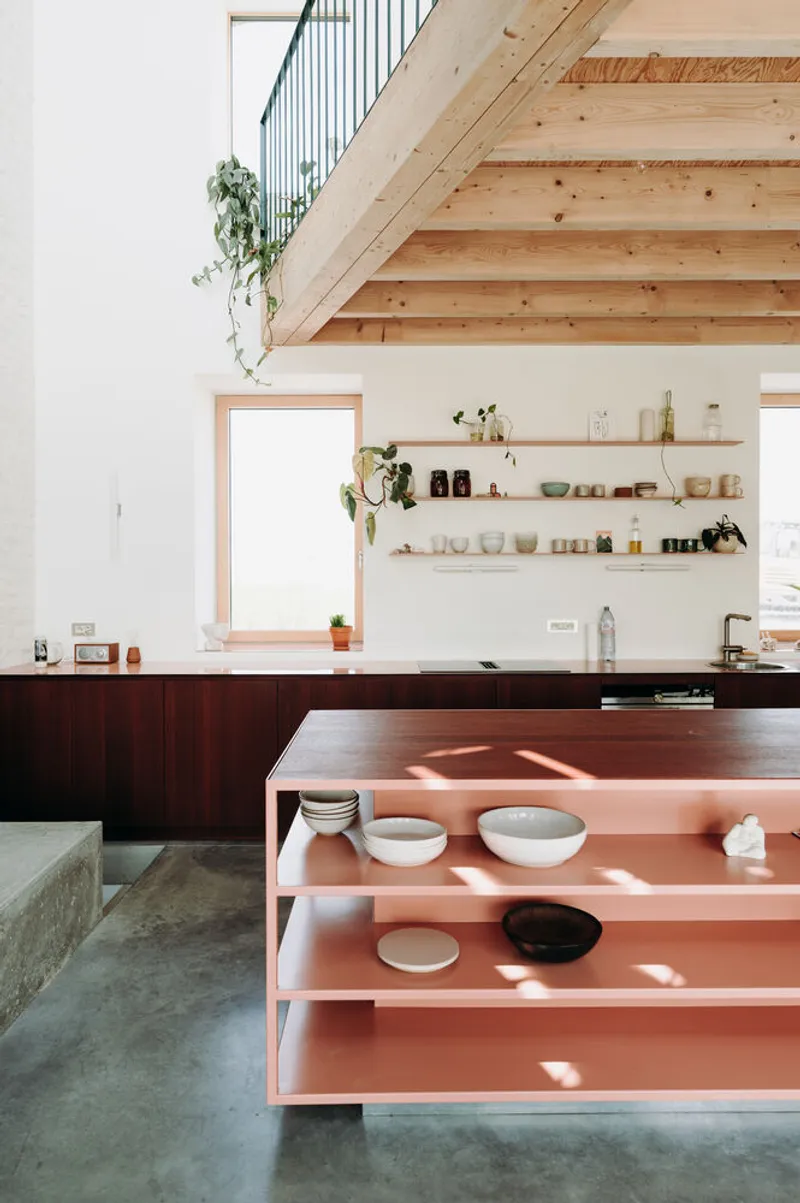
As the architects note, the design seeks to create “a secure and homely feeling inside while framing expansive views towards the rural landscape.”
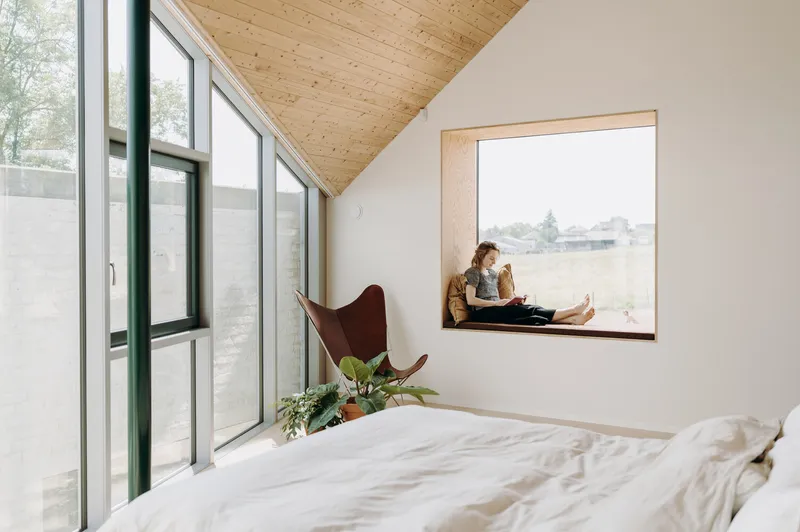
Spatial Organization and Interior Experience
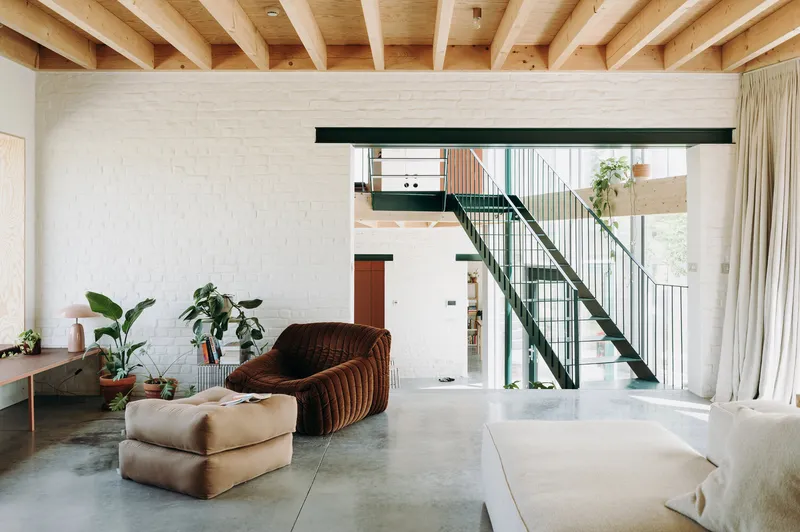
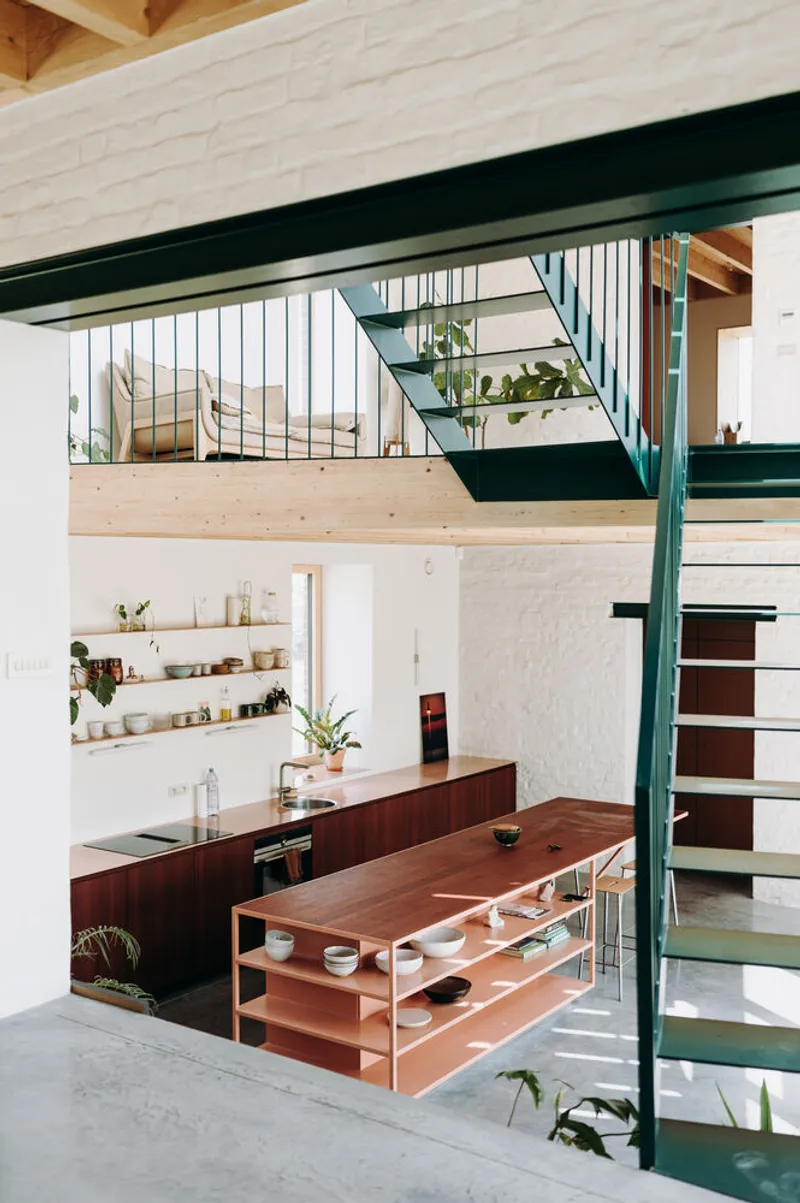
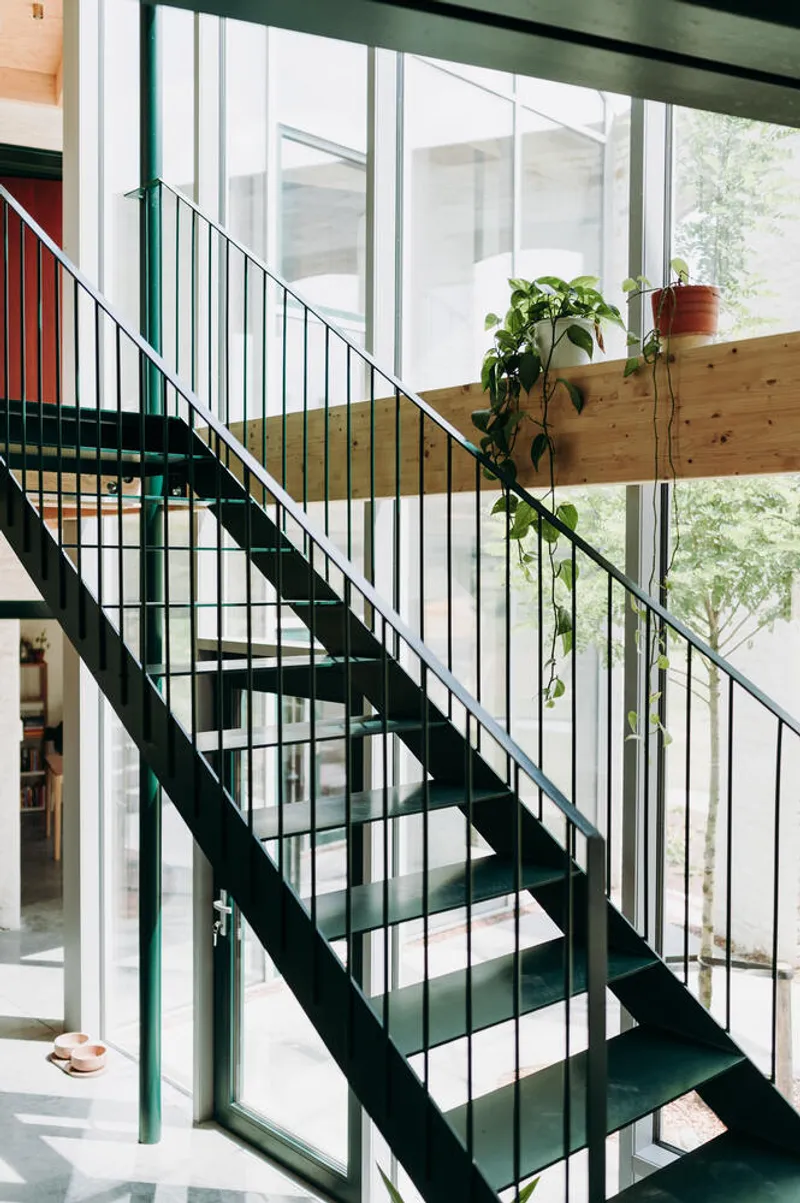
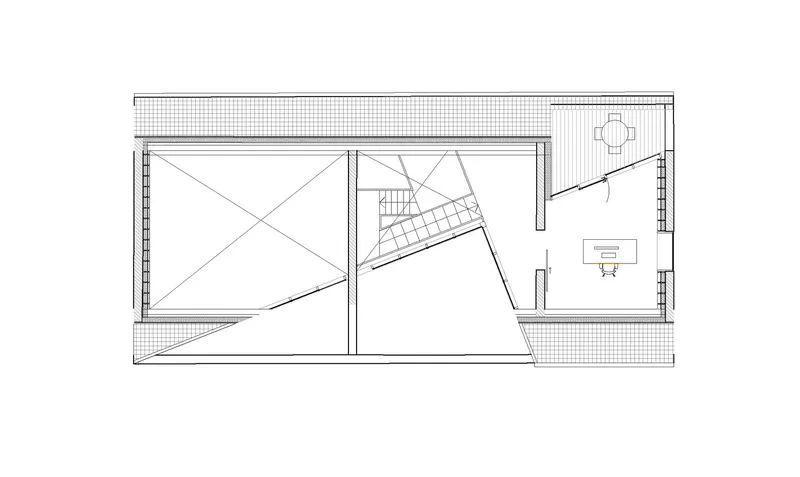
The interior of Lyco House is defined by dynamic spatial compositions, multiple levels, and double-height spaces that bring a sense of openness and movement. At the core of the design stands a custom-built green steel staircase designed by Atelier Manus. This sculptural element connects the various living spaces—linking bedrooms with the central living area, the kitchen with the garden, and the living room with the elevated terrace.
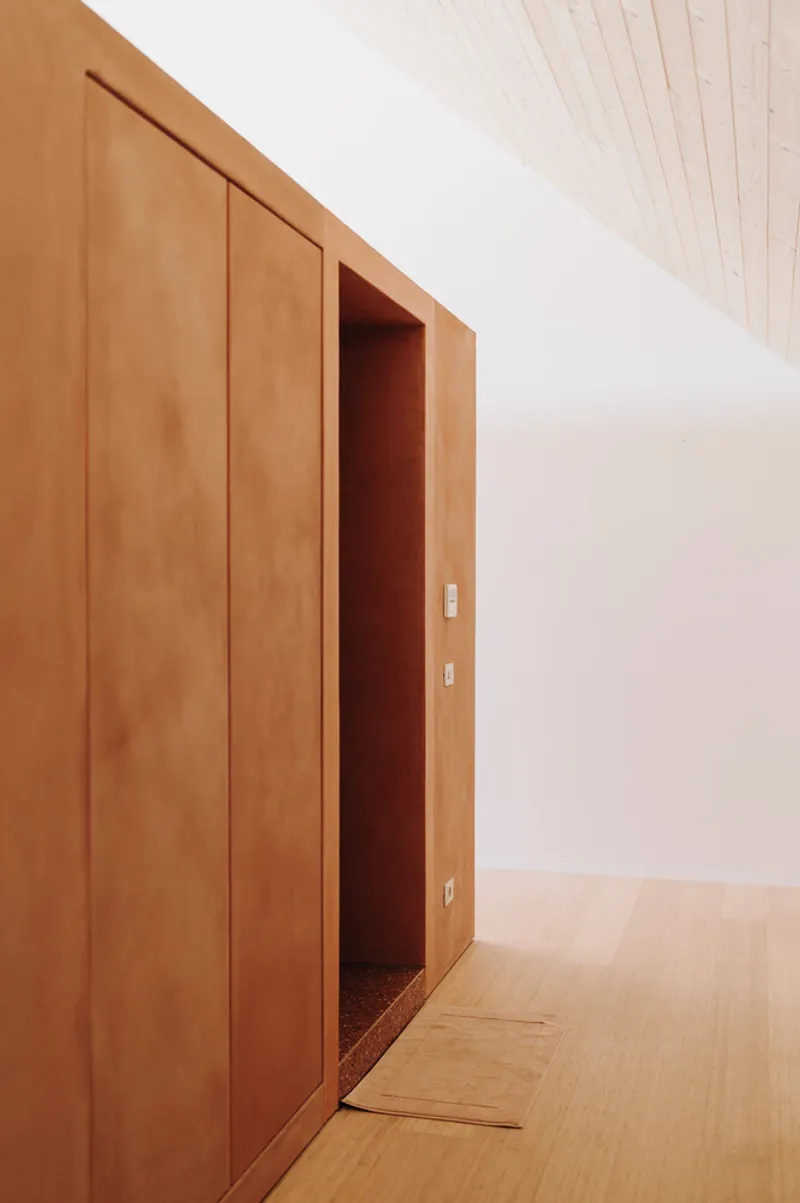
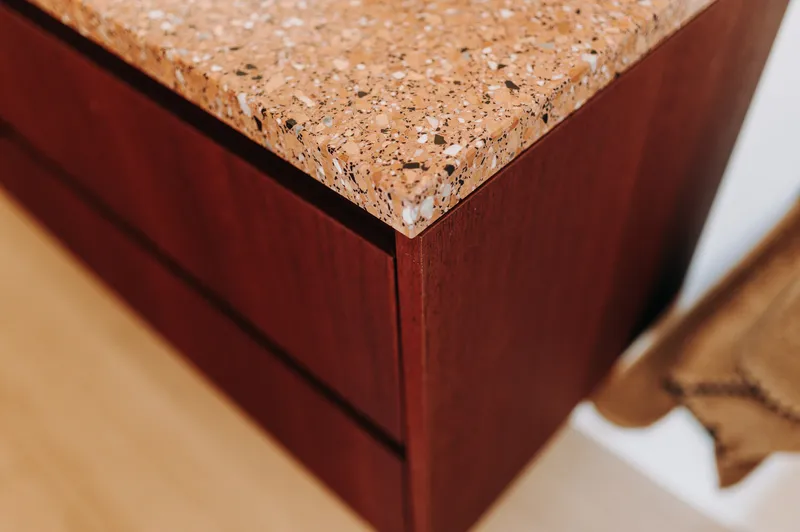
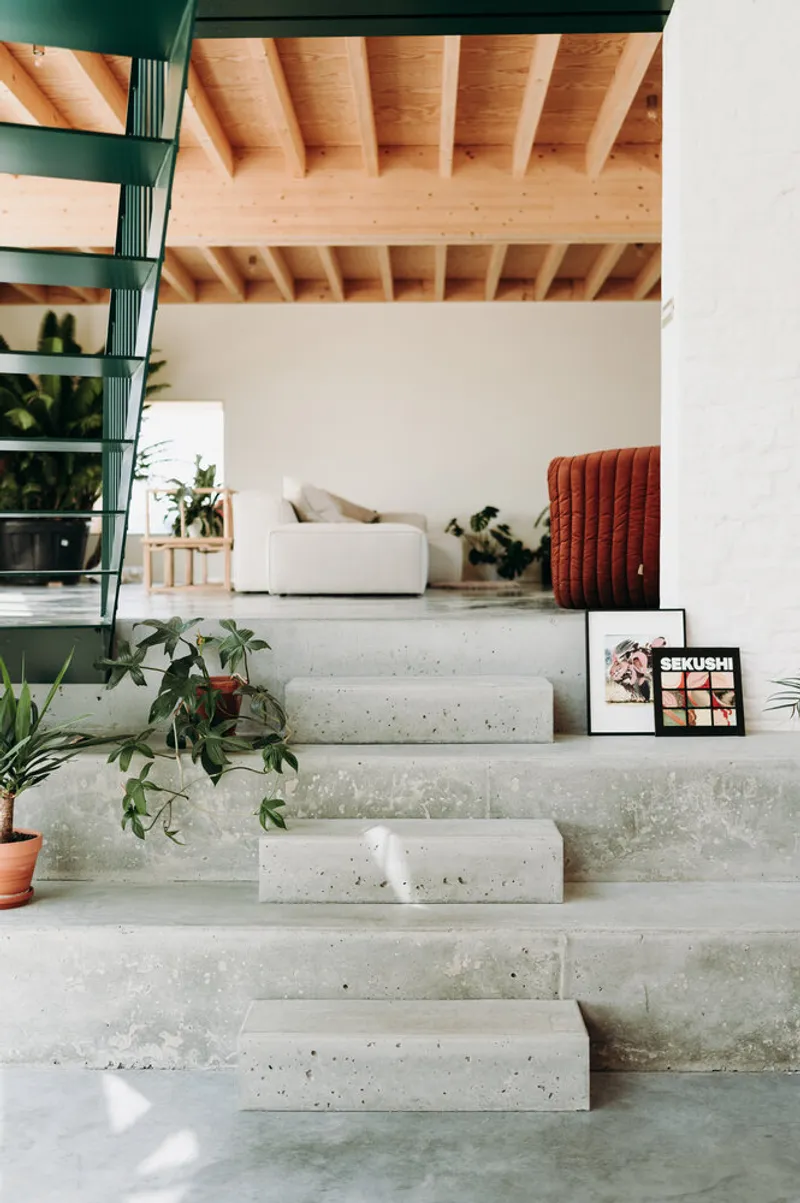
The heart of the house is the kitchen, anchored by a salmon-pink island that contrasts beautifully with light pine wood ceilings and polished grey cement flooring. Bespoke furniture in darker wood by Hout en Interieur adds depth and warmth to the interiors. A few steps above the kitchen, the living room opens onto a terrace with expansive glazing, offering uninterrupted views of the surrounding landscape.
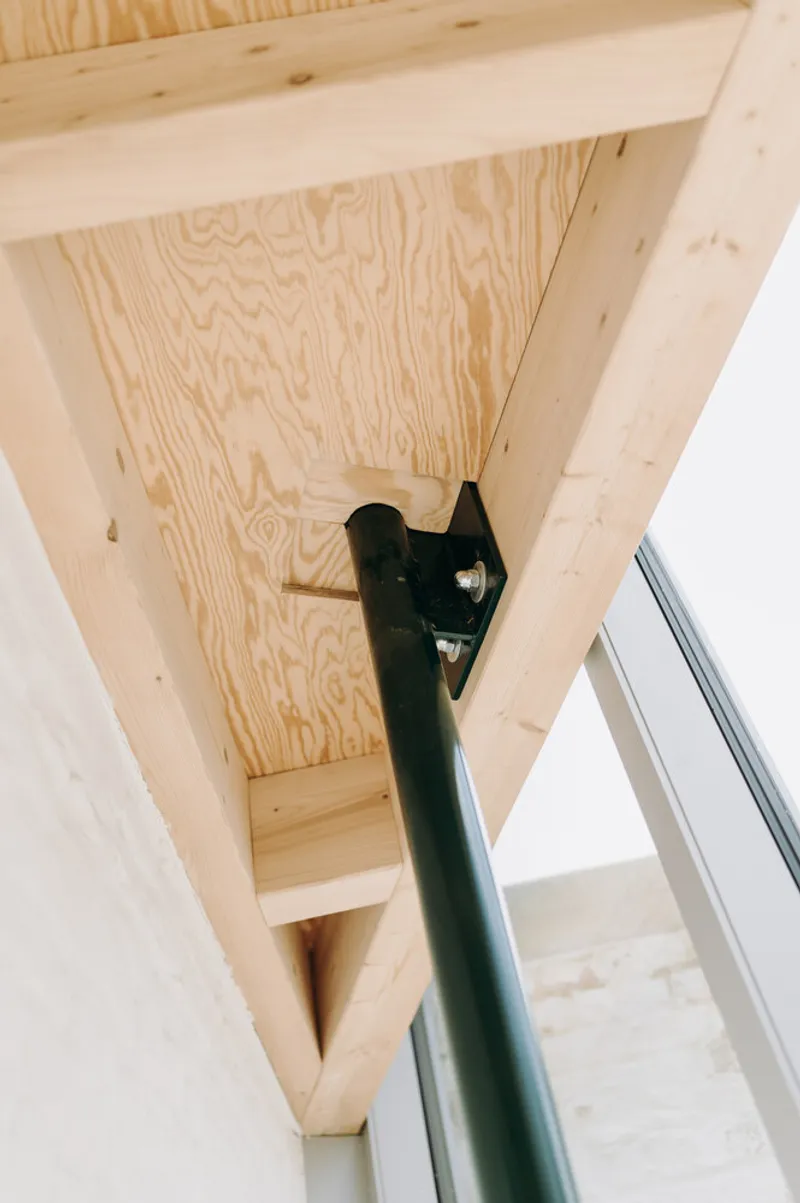
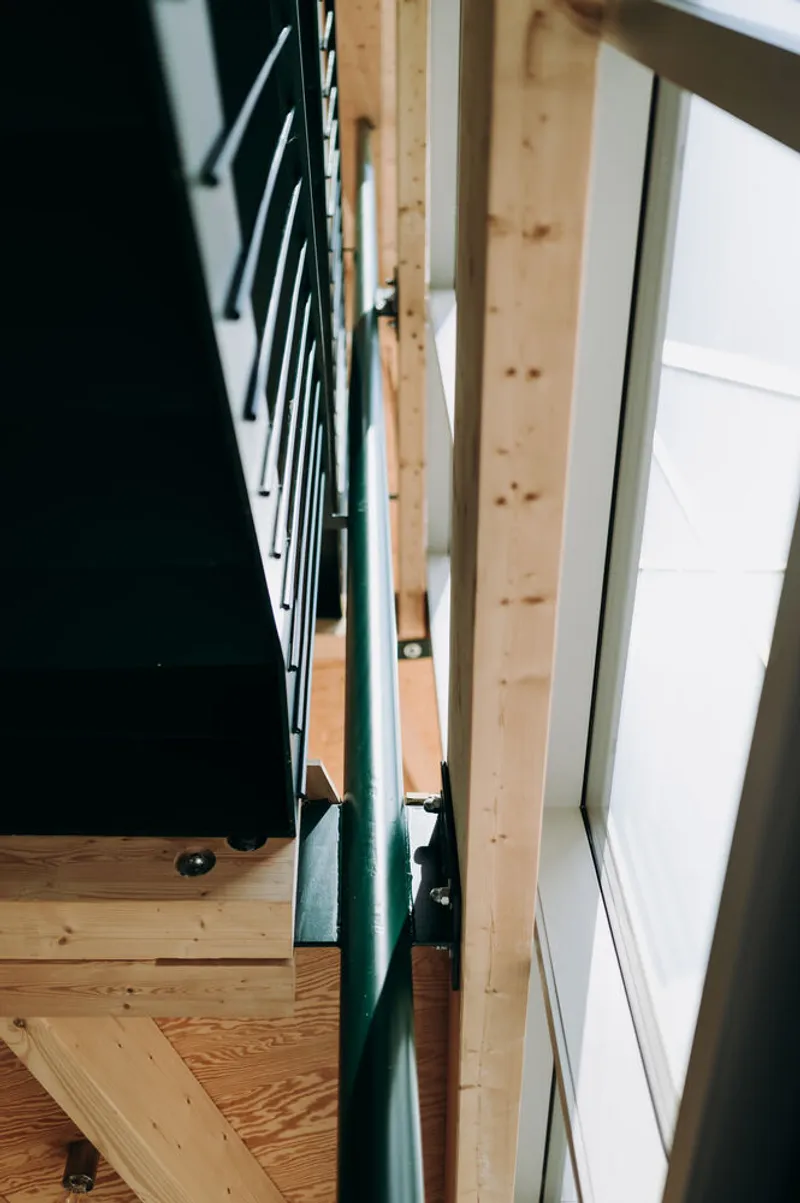
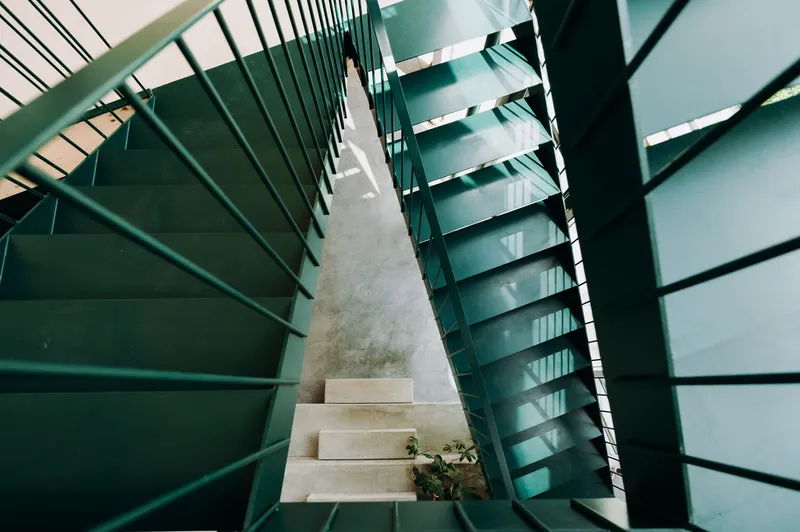
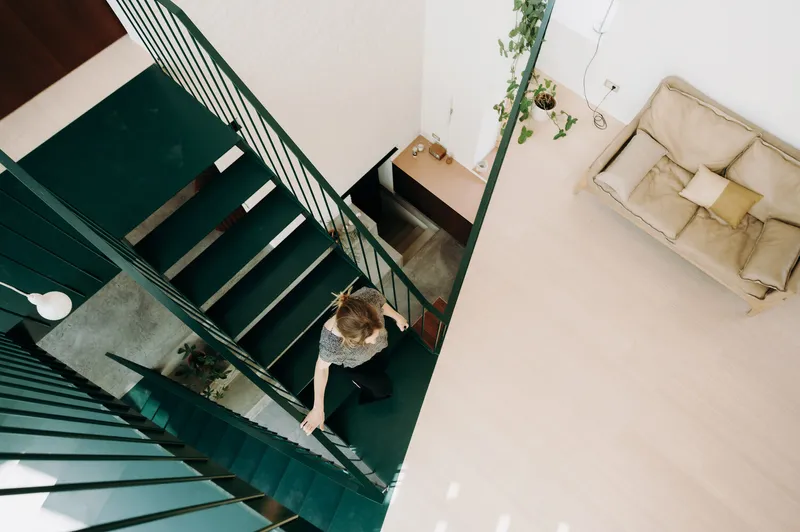
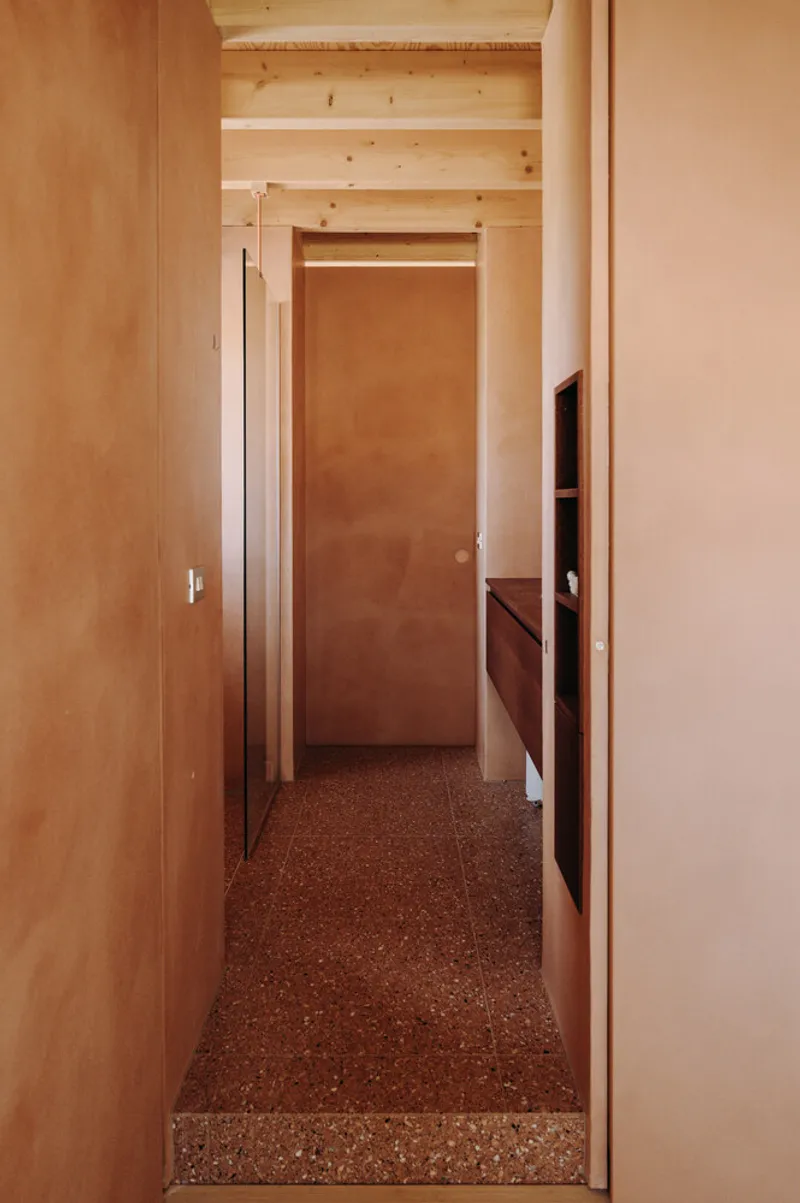
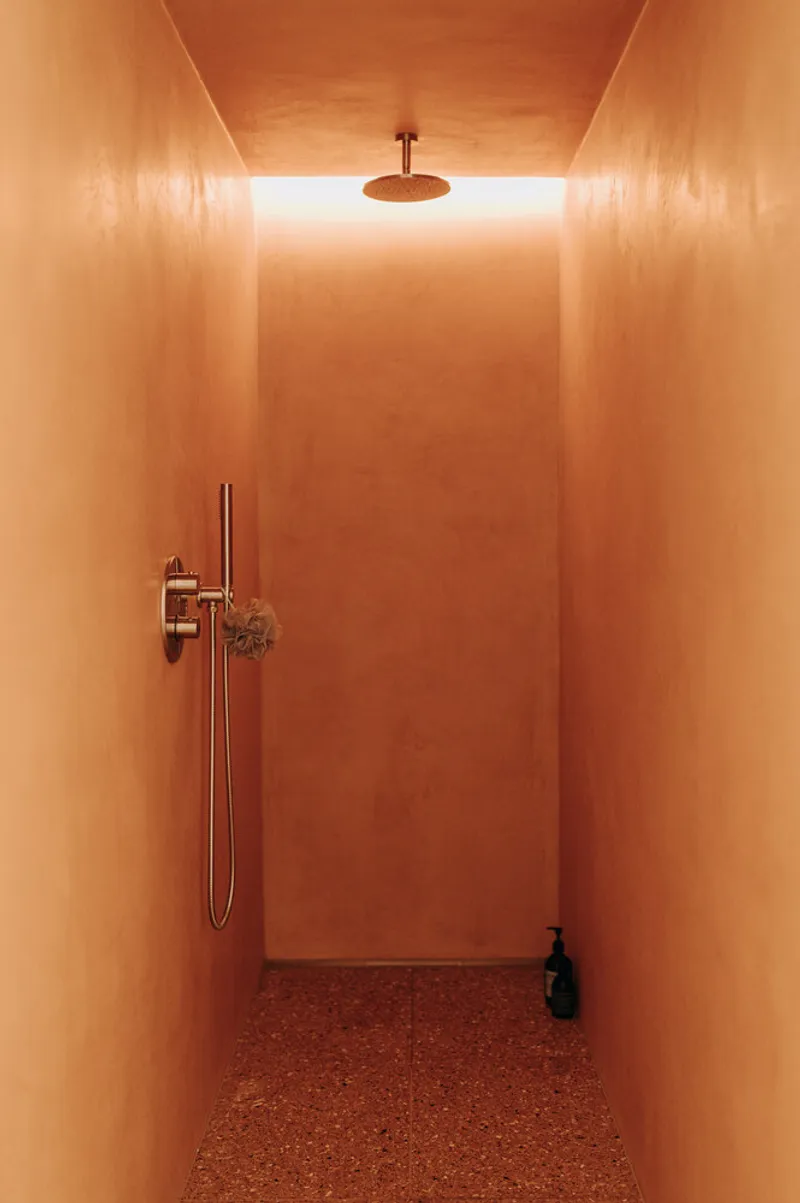
The interiors embrace a palette of soft neutral tones enhanced by subtle accents of terracotta and green, creating a serene and natural atmosphere.
Sustainability and Ecological Strategies
Sustainability is at the core of the Lyco House transformation. OYO Architects incorporated circular and ecological materials throughout the renovation process, ensuring minimal environmental impact. The old asbestos roof was replaced, and solar panels alongside advanced eco-technologies were integrated to enhance energy efficiency.
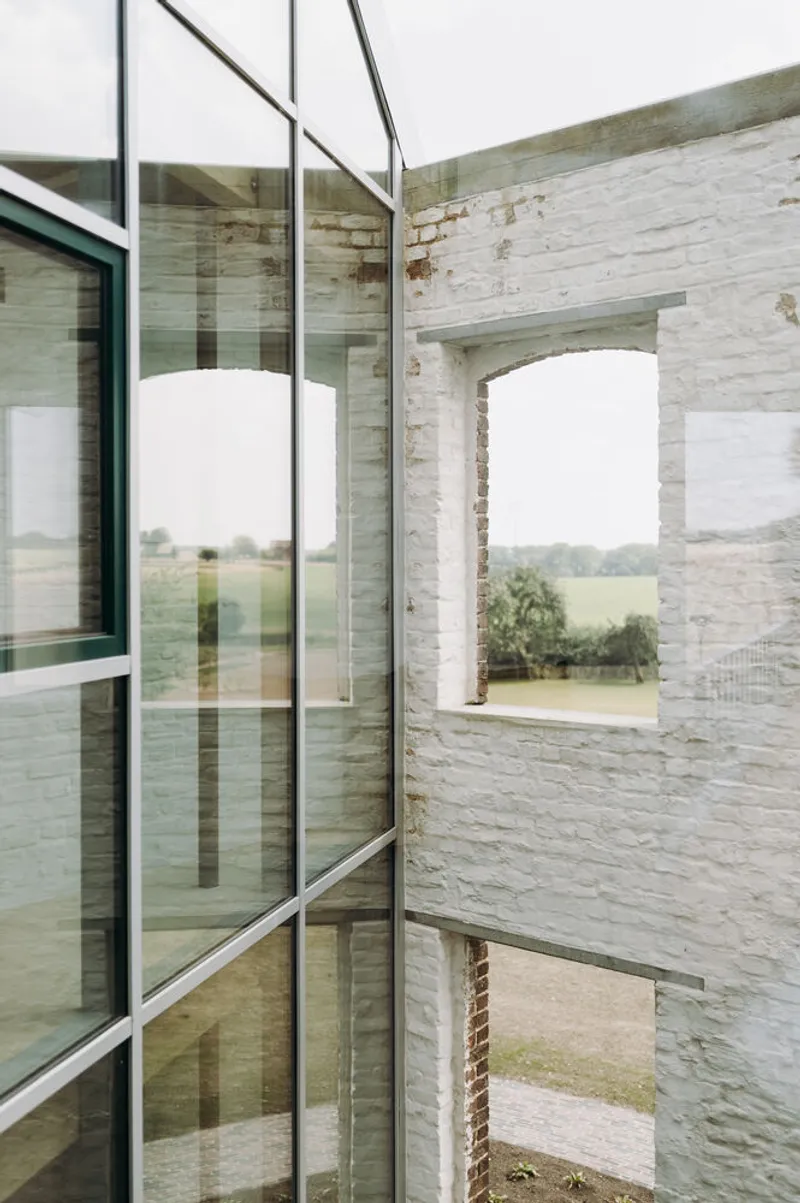
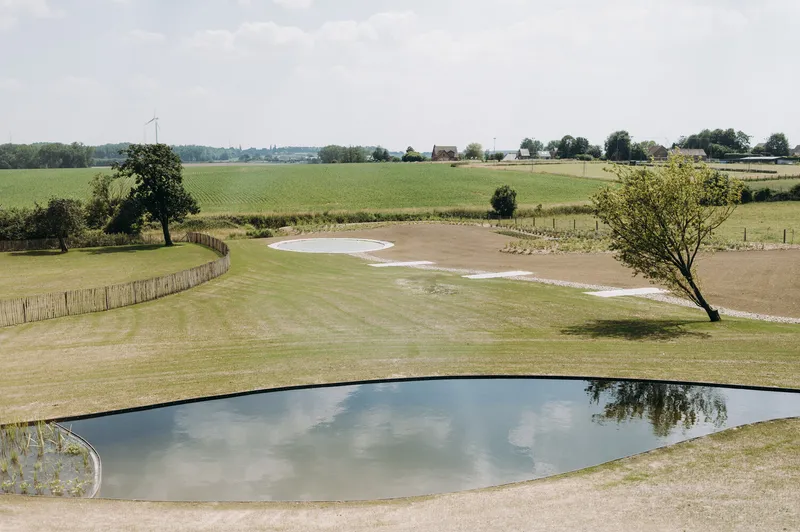
Water management was also carefully addressed. Excess rainwater is channeled into a natural pond where it is purified and slowly absorbed into the soil, creating a self-sustaining ecological system.
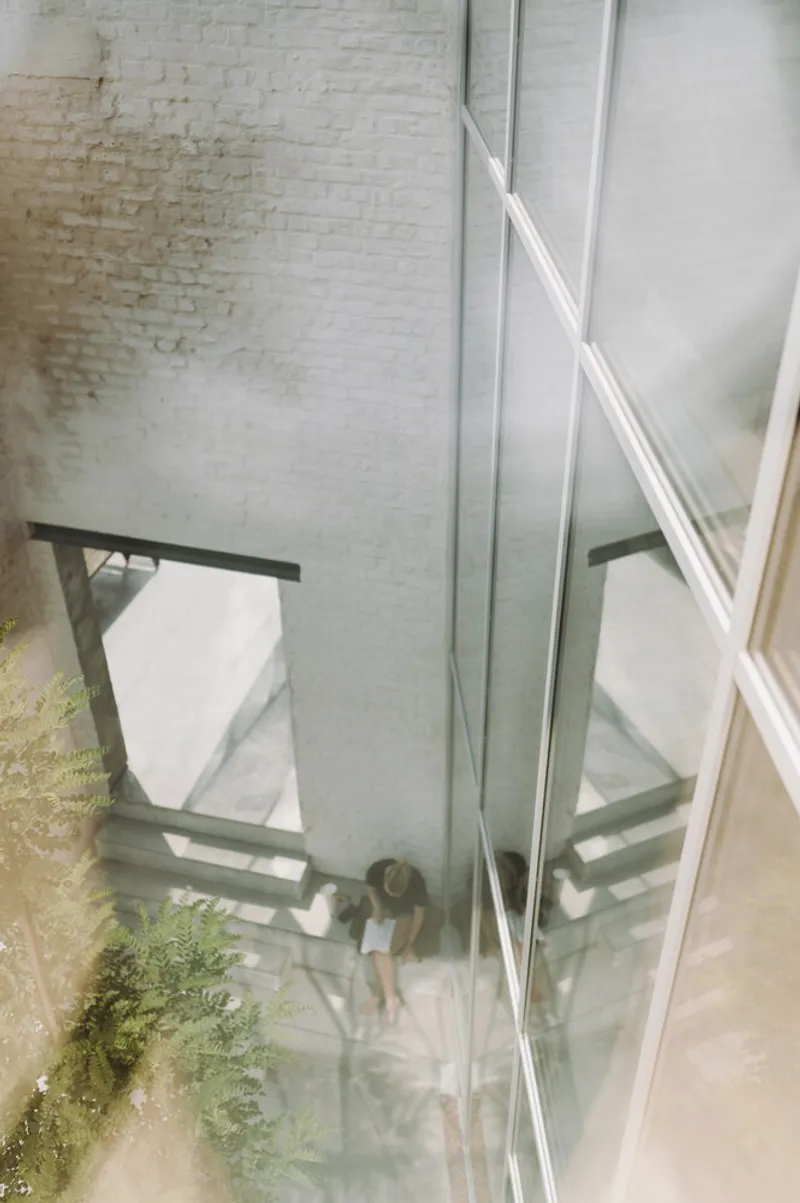
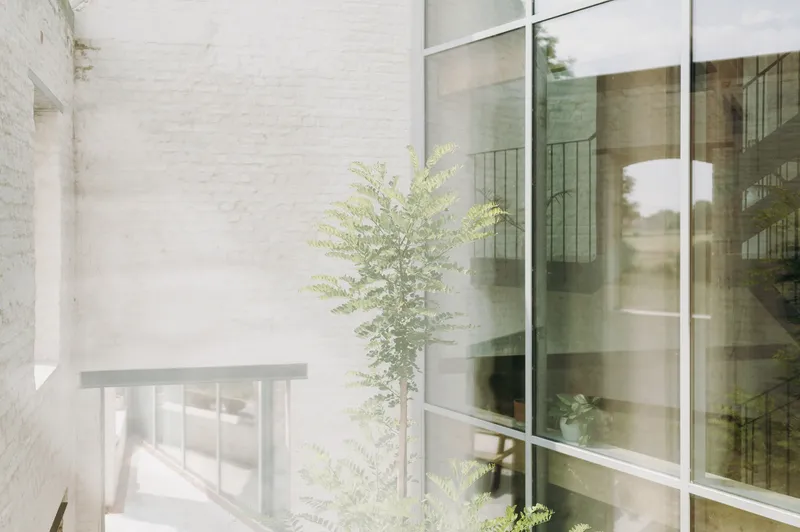
Landscape architect Denis Dujardin further enhanced the project with a planting scheme of local vegetation, blending the home seamlessly into its rural setting.
A New Definition of Rural Living
Lyco House exemplifies how barn conversion can successfully merge historical preservation with contemporary design and ecological responsibility. By respecting the original structure while introducing modern interventions, OYO Architects created a residence that is both sustainable and timeless.
This project stands as a model of sustainable barn conversion architecture, showcasing how adaptive reuse can preserve heritage, embrace innovation, and provide a forward-looking vision for modern rural living.
All Photographs are works of Karen Van der Biest


Popular Articles
Popular articles from the community


GROUP A Strips a 1969 Rotterdam Harbor Headquarters to Its Frame and Wraps It in Timber Louvers
In Rotterdam's M4H harbor district, Ferro Offices reuses a 1969 frame, adds one timber storey and reaches BREEAM-NL Outstanding.

Architekt Andreas Gruber Scatters 23 Dark Timber Chalets Across a South Tyrolean Forest Edge
In Molini di Tures, Amonti Chalets breaks a resort into a hamlet of gabled timber houses, with parking, storage and services pushed into the slope.

Cube Design Draws an Ecological Corridor Between Two Shenzhen Hills with the Nankai Building
Beside Shenzhen's container docks, the Nankai Building pairs stacked balconies with a climbing green screen to connect two hillsides across its height.

LT2A and OPEN Architectes Thread a Brick and Glass High School Through a Wooded Belgian Campus
In Braine-l'Alleud, a 3,000 m² wing for Collège Cardinal Mercier pairs pale brick with a glazed colonnade, deferring to a small chapel and a dense wood.

Similar Reads
You might also enjoy these articles

Gil Mello Arquitetura Tilts a Single Roof Toward the Waterfalls on a Plateau Above Aiuruoca, Brazil
In Aiuruoca, Minas Gerais, a 200 m² house of local labor and reclaimed poles pairs a low valley veranda with a tall mountain one.

U.GA Architects Wraps an Oval Rooftop Pool in Curved Board-Formed Concrete on Busan's Jeollidan-gil
In Busan's Jeonpo-dong, a 454 m² mixed-use block stacks a neighborhood facility, guest rooms and an oval rooftop pool inside spiraling concrete walls.

Felipe Hess Arquitetos Turns a Blind Stone Wall to the Street and Opens a Brazilian House onto a Courtyard and Canal
A canal-front house in Brazil hides behind painted stone and planting, then opens to an olive-tree courtyard, a reed-ceilinged porch and a curving pool.

David Macias Steps a Doorless Stone and Plaster House Down a Tropical Colombian Hillside
In the humid hills of Colombia, Threshold House replaces the front door with an open void and terraces its 850 m² down the slope instead of fighting it.

Explore Barn Conversion Competitions
Discover active competitions in this discipline

Challenge to reimagine the Iron Throne

Photograph architecture without architects

Illustrate the lost glory of Angkor Wat - Render Challenge

Design challenge to reuse E-waste
Comments (0)
Please login or sign up to add comments
No comments yet. Be the first to comment!