
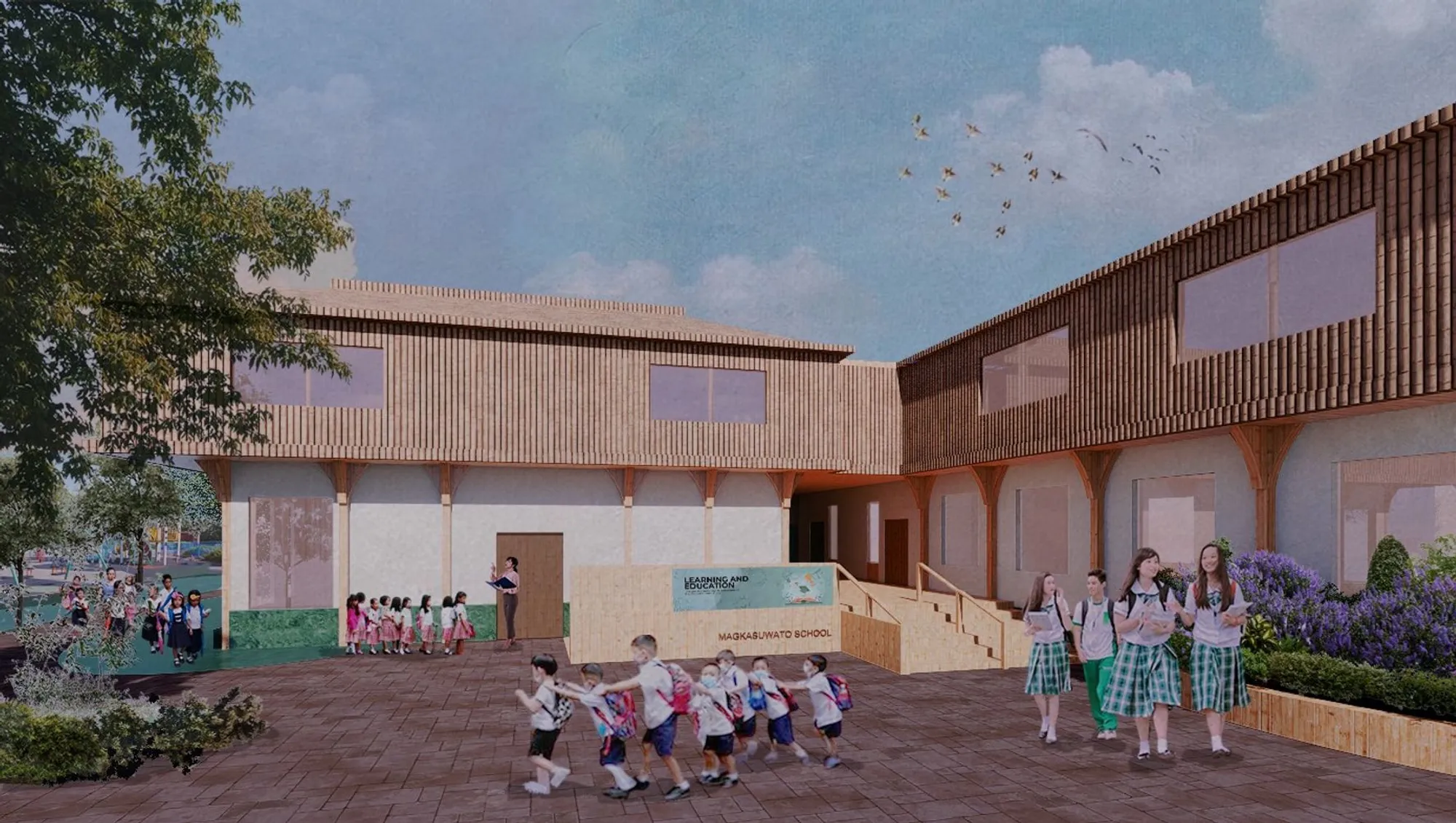
Magkasuwato School: Redefining Sustainable School Architecture
Blending tradition, sustainability, and innovation, Magkasuwato School redefines architecture where education and nature thrive together.


The Symbiosis of Nature and Education
In the heart of bustling Manila, the Magkasuwato School stands as a beacon of sustainable school architecture, bridging students with the natural world while addressing the urgent need for green spaces in urban environments. This project reimagines education through an intersectional lens, where tradition, ecology, and learning converge seamlessly. Project by Abeer Ali and Winner entry of Integrate
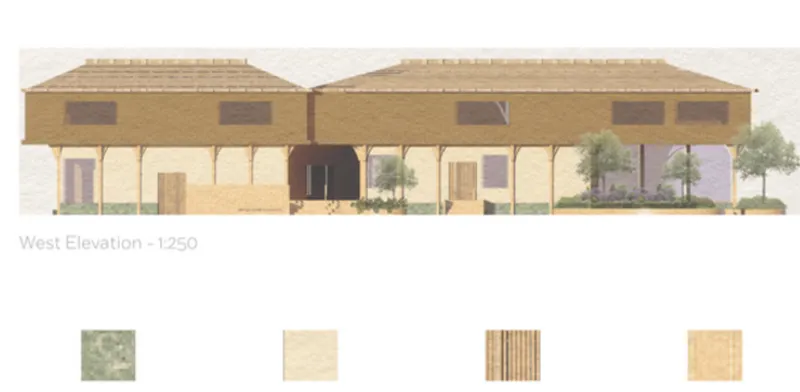
Inspired by the traditional bahay na bato, the school's design integrates vernacular architectural elements to combat challenges posed by Manila’s hot and humid climate. The elevated ground floor and shaded upper levels offer a flood-resilient and naturally ventilated learning environment, ensuring comfort and safety for students year-round.
Design That Breathes with Nature
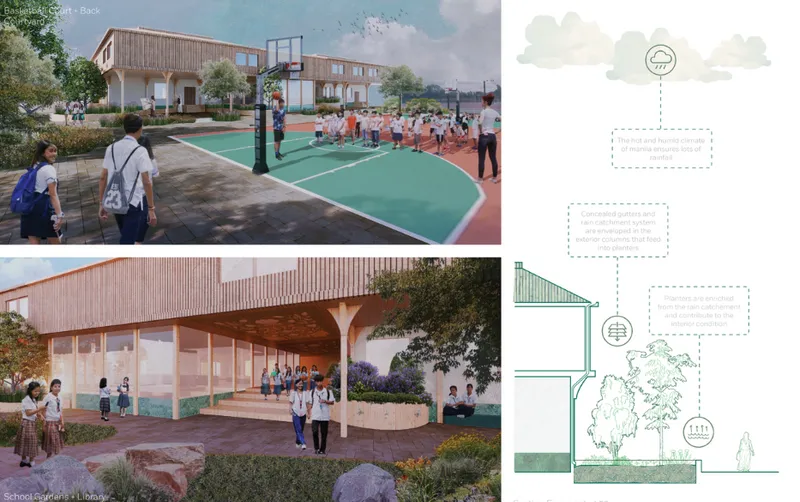
Magkasuwato School embodies "architecture that breathes" by embedding natural elements into every corner of its design. From bamboo-lined façades to rainwater-fed planters, the building mimics nature's rhythms, teaching students the importance of sustainability through immersive daily experiences.
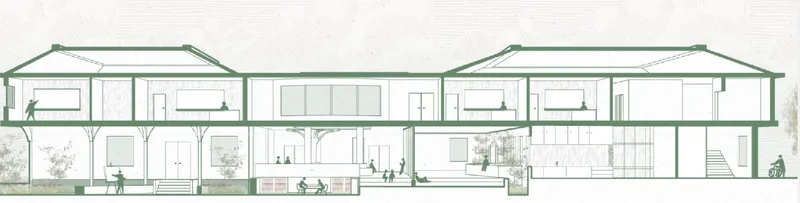
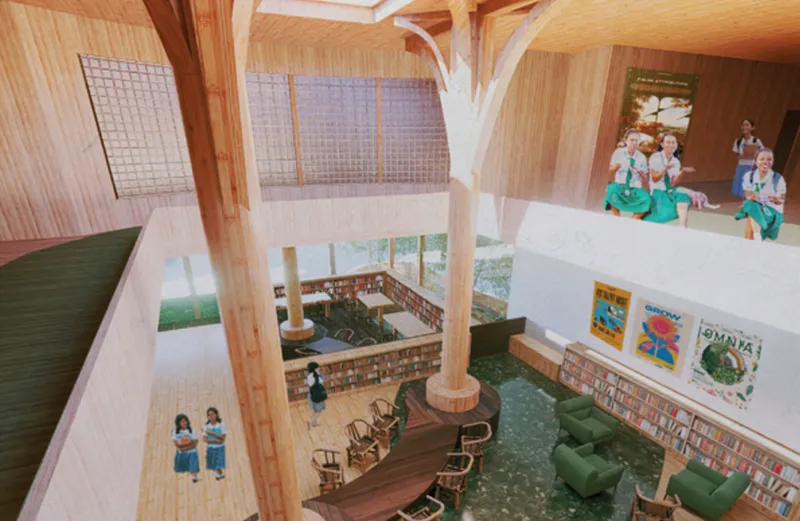
The site’s lush landscaping flows into the interiors, creating "wells of wonder"—dynamic communal spaces where students interact with greenery and light, fostering curiosity and connection with their environment. These spaces are more than aesthetic; they symbolize a deeper partnership between people and the planet.
Rainwater Management: A Green Innovation
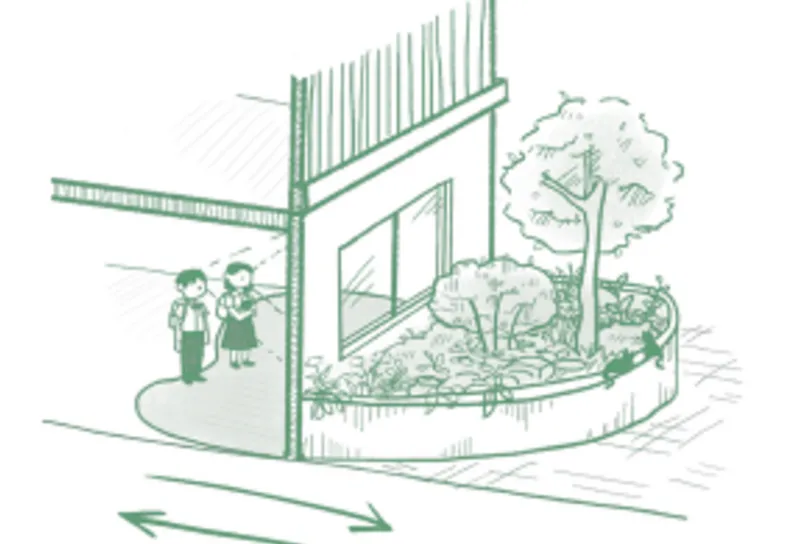
Rainfall is a natural resource at the heart of the school’s design. A sloped roof inspired by vernacular Filipino architecture captures and channels rainwater through concealed drainage columns into surrounding planters. This innovative system not only sustains the greenery but also reduces runoff, reinforcing the school’s role as an ecological steward.
Three Wings, One Vision
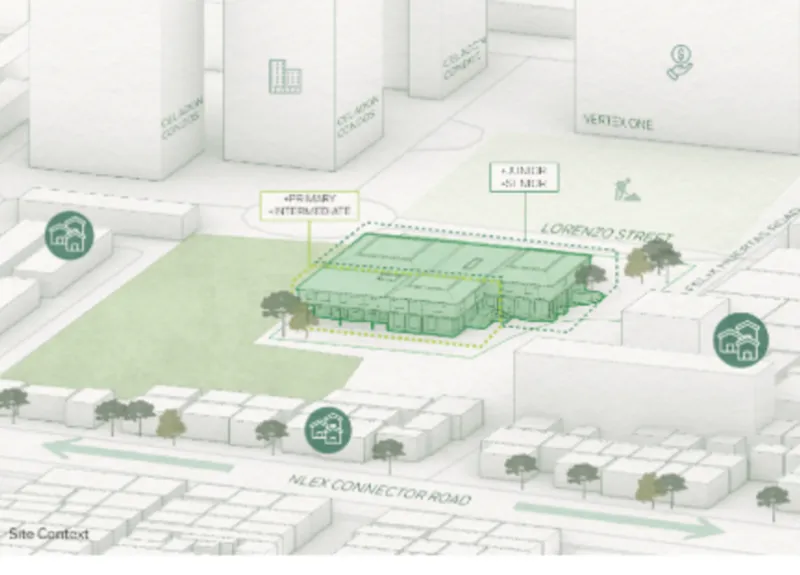
The school is divided into three wings—elementary, intermediate, and high school—each connected by multifunctional spaces that merge architecture with education. These "wells of wonder" serve as hubs of interaction, play, and learning, emphasizing the connection between indoor and outdoor environments.
A Palette of Sustainability
The material palette reflects the principles of sustainable school architecture. Bamboo, a staple in traditional Filipino construction, was chosen for its durability, flexibility, and eco-friendliness. Earthy tones dominate the interiors, providing a serene and welcoming atmosphere conducive to learning.
A School for the Future
The Magkasuwato School is more than a building; it’s a living system that nurtures both the land and the students who walk its halls. By integrating sustainable practices with innovative design, the school ensures that each student develops a lifelong appreciation for the environment and the role they play in its stewardship.
Through this thoughtful approach, the Magkasuwato School doesn’t just teach; it inspires—a testament to the transformative power of sustainable school architecture.




Popular Articles
Popular articles from the community


Play: Fragments of Their World
Familiar architecture becomes modular playground design, creating safe spaces where displaced children can learn, connect, imagine and play.

Hill & Cross Opera: Sculptural Opera House Architecture Shaped by Tallinn’s Landscape and Identity
Hill & Cross Opera reimagines opera house architecture in Tallinn through its sculptural hill, civic plaza, glass wave and a luminous cross.

The Earth Pod: 3D Printed Homes for Resilient Refugee Communities
The Earth Pod reimagines refugee housing through 3D printed homes made from clay, combining resilience, self-sufficiency, and rapid shelter.

Co-Life: Senior Housing Design That Reconnects Older Adults With the City
Co-Life reimagines senior housing design through healing gardens, shared streets, workshops, and a sustainable community across generations.

Similar Reads
You might also enjoy these articles

Eco Chapel: A Green Architecture Pavilion Designed in Symbiosis with the Forest
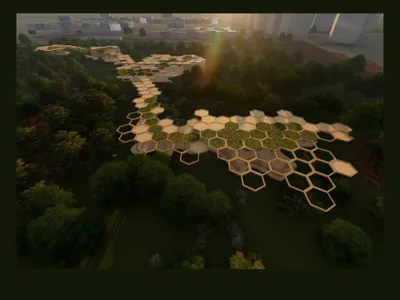
Eco Chapel uses green architecture to weave prayer, learning and reuse into a forest pavilion shaped by modular hexagonal canopies for life.
Kaffeebühnen: Coffee Shop Architecture Designed as a Civic Stage Between Vienna’s City and Park
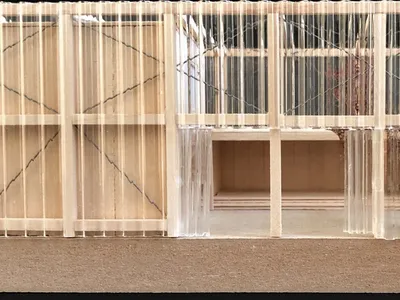
Kaffeebühnen turns coffee shop architecture into a civic stage, linking Vienna’s park edge, urban life, warm timber yards, and coffee craft.
Healing Façade: Sustainable Architecture for Reforestation, Community, and Sacred Ecology in Ethiopia
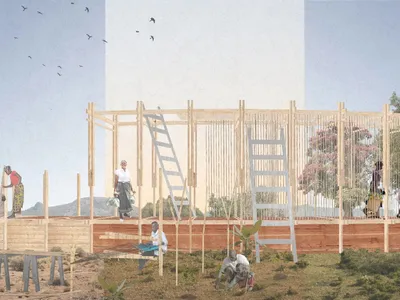
Healing Façade reimagines sustainable architecture as a living wall that restores soil, catches water and renews Ethiopia's forest churches.


Urban Forest: A Vertical Ecosystem for 5,000 Workers in Singapore's Changi Business Park
Radially stacked pods and layered green decks turn a 7-acre plot into 47 acres of ecological workspace projected for 2040.


Explore Mes School Of Architecture Competitions
Discover active competitions in this discipline



Challenge to design public laboratory


Challenge to reimagine the Iron Throne


Photograph architecture without architects


Illustrate the lost glory of Angkor Wat - Render Challenge
Comments (0)
Please login or sign up to add comments
No comments yet. Be the first to comment!