

Mangyeong Church Martyrs Memorial: Architecture of Light, Memory, and Reconciliation
Minimalist concrete memorial in Gimje using natural light and shadow to honor martyrs through atmospheric, intangible sacred architecture.


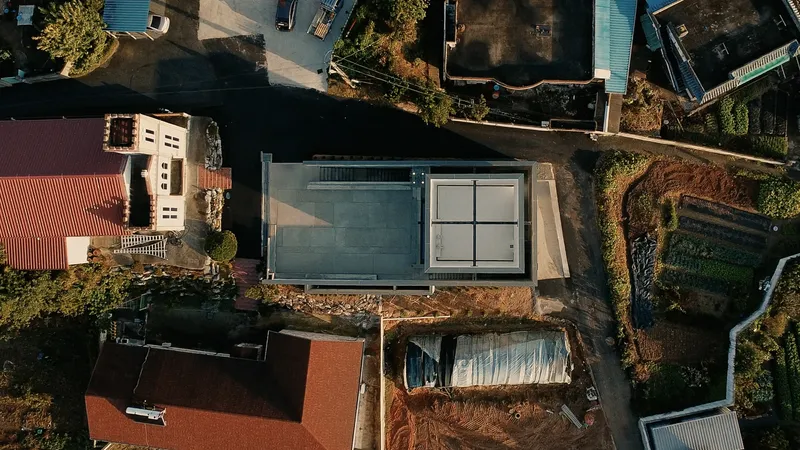
The Mangyeong Church Martyrs Memorial, designed byAEV Architectures and TONN architects, stands in Gimje as a contemplative space of remembrance and spiritual renewal. Completed in 2025, this 95-square-meter memorial honors Pastor Kim Jong-han and fifteen members of Mangyeong Church who were martyred during the Korean War in 1950.
Rather than creating a traditional monument defined by figurative sculpture or literal representation, the architects conceived an intangible memorial: one shaped by light, atmosphere, and silence. The result is a sacred architectural space that embodies memory, reconciliation, and hope for a rural community facing demographic decline and cultural erosion.
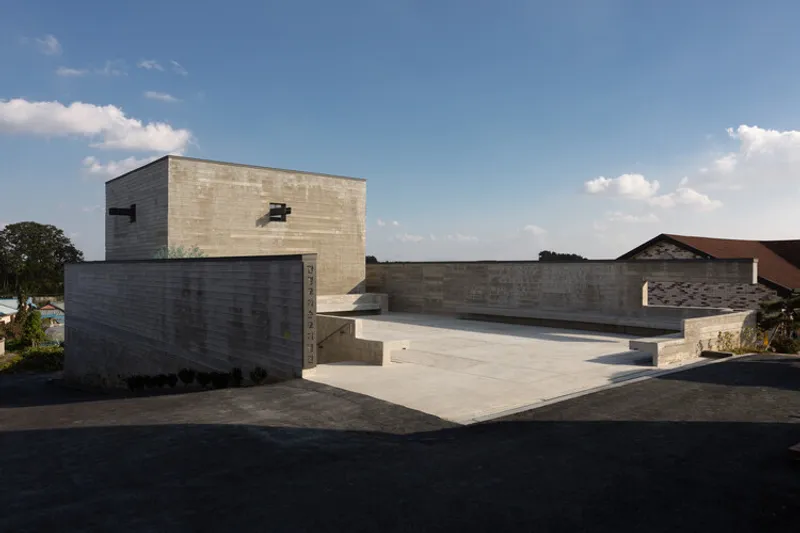
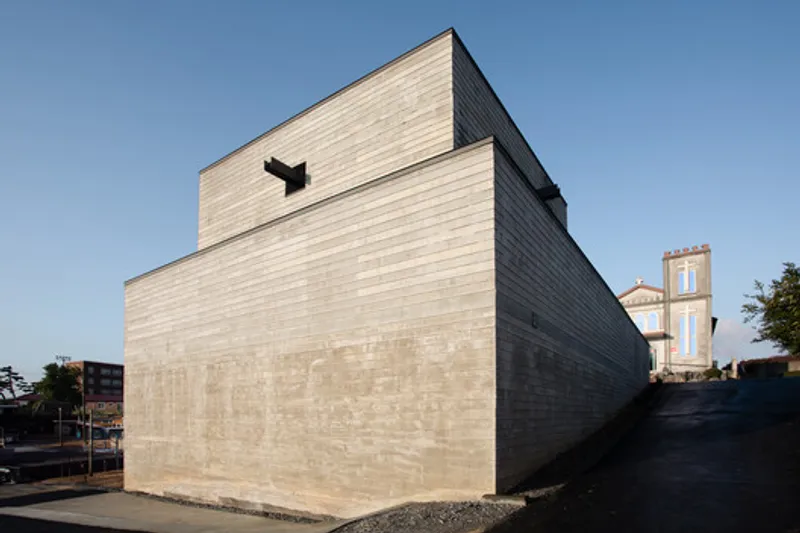
An Intangible Monument Defined by Light
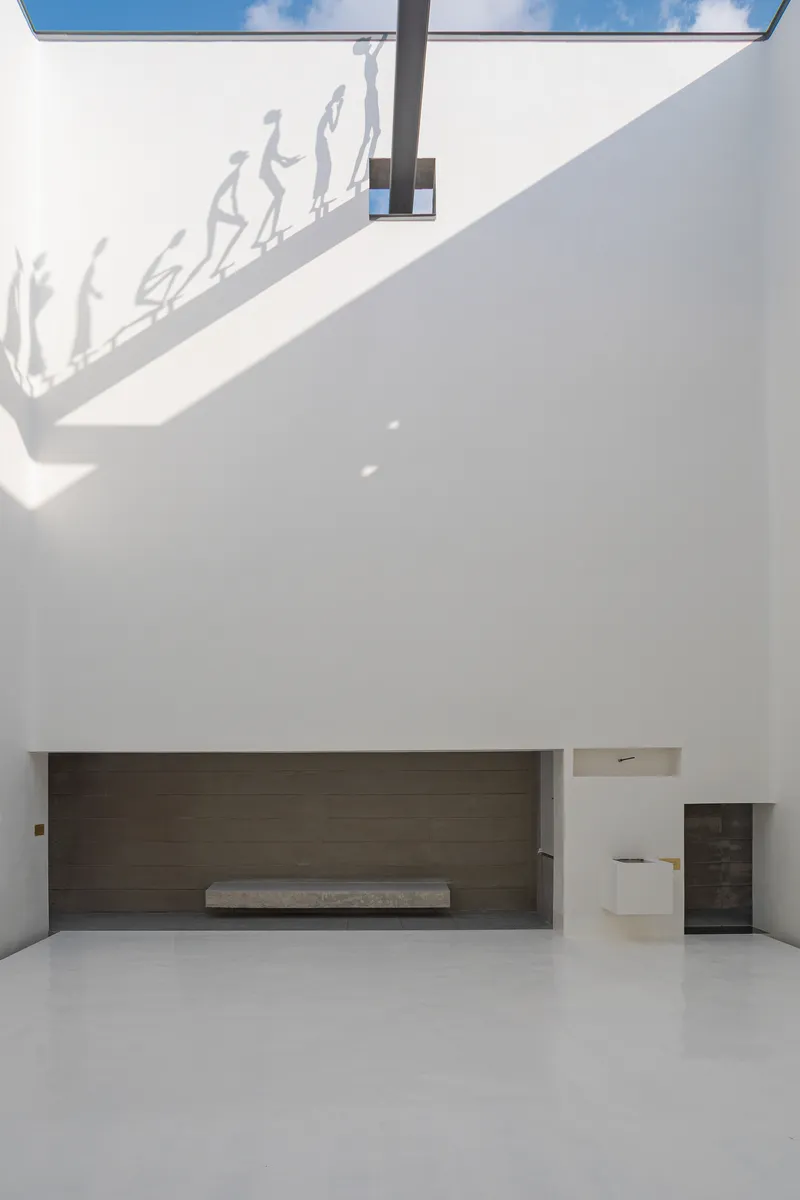
At the heart of the project lies a radical design decision: to reject physical statues and portraits. Instead, the memorial uses architectural voids and controlled openings to choreograph natural light as its primary expressive medium.
As the sun moves across the sky, light penetrates the concrete structure, casting ephemeral silhouettes within the interior. These symbolic presences appear and dissolve according to time of day and season, visible only “when the sky allows.” Through this poetic interplay of light and shadow, the martyrs are commemorated not as static figures, but as living memories activated by nature.
This approach positions the memorial as an example of atmospheric architecture, where meaning emerges through perception rather than objectification.

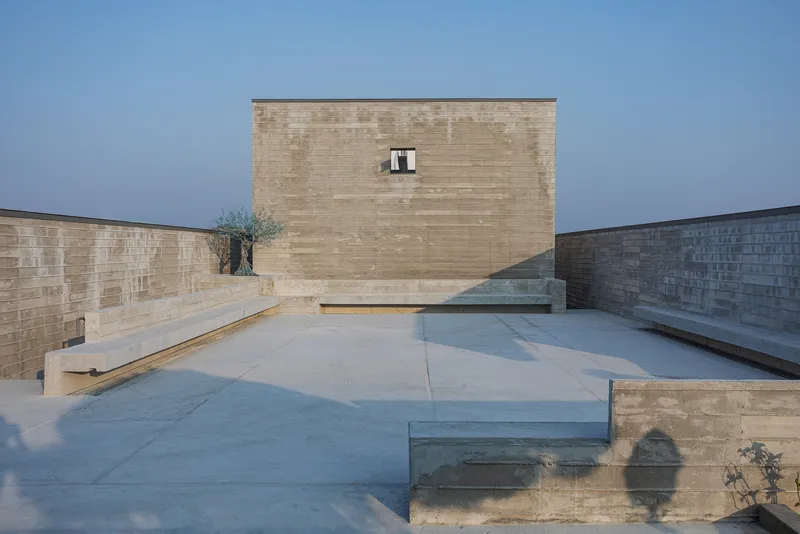
Sacred Space Through Minimal Form
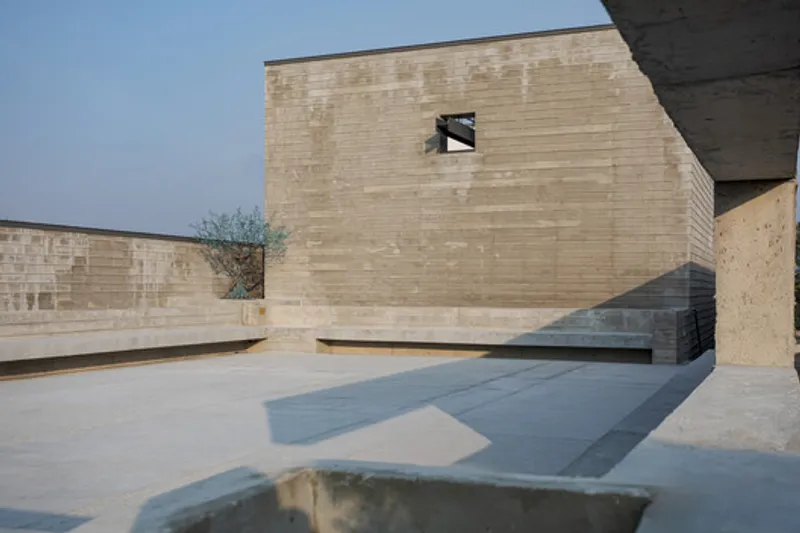
The building adopts a humble and introspective architectural language. Constructed from raw concrete with exposed timber formwork, the structure expresses material honesty and restraint. The limited material palette reinforces the solemn character of the space, allowing light to remain the primary narrative element.
Designed within the constraints of a modest public budget, the project demonstrates how small-scale religious architecture can achieve profound symbolic impact. The simplicity of form enhances the spiritual experience, encouraging visitors to engage in quiet reflection.
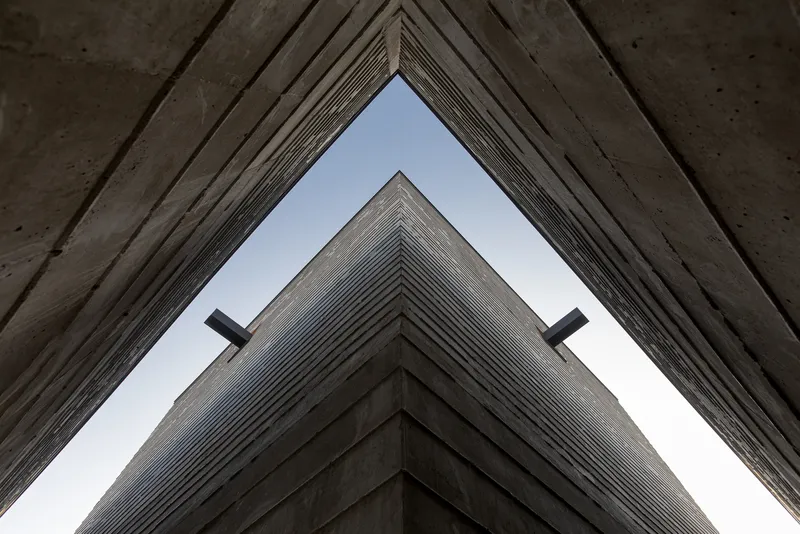

Collaboration Between Architecture and Contemporary Art
The memorial evolved into a collaborative cultural platform that bridges architecture and contemporary art. International artists, including Italian sculptor Andrea Roggi, contributed to the project, creating a dialogue between artistic interpretation and architectural atmosphere.
This interdisciplinary approach enriches the memorial’s meaning, transforming it into more than a commemorative structure. It becomes a space where art, faith, and history intersect.

Memory as a Catalyst for Rural Revitalization
Located in a tranquil village three hours south of Seoul, the Mangyeong Church Martyrs Memorial serves both spiritual and civic purposes. Beyond honoring the victims of wartime violence, the project aspires to strengthen cultural identity within a rural region experiencing depopulation.
The memorial embodies the belief that collective memory can become the foundation for future renewal. By creating a space for reflection, gathering, and contemplation, the architecture contributes to social cohesion and community resilience.


Contemporary Memorial Architecture in South Korea
The Mangyeong Church Martyrs Memorial exemplifies contemporary memorial design in South Korea: where minimalism, symbolism, and environmental responsiveness converge. Through the subtle orchestration of natural light, raw materiality, and spatial emptiness, AEV Architectures and TONN architects have created a sacred space that transcends physical form.
It stands as a reminder that architecture need not rely on monumentality to achieve significance. Sometimes, light itself becomes the most powerful memorial.
All the photographs are works of
WooJung Park


Popular Articles
Popular articles from the community


Conexión: Biophilic Design Reimagines High-Rise Living in Hong Kong
Conexión reimagines high-rise living in Hong Kong through biophilic design, green facades, shared spaces, daylight, water and nature within.

The Musturak Paradise: Senior Living Architecture for a Connected Future in Temara, Morocco
The Musturak Paradise reimagines senior living architecture in Temara via private homes, social spaces, culture, community, and shared care.

Co-life: Sustainable Architecture for Age-Friendly Community Living
Co-life reimagines sustainable architecture for seniors through courtyards, rammed earth, shared gardens, and spaces designed for belonging.

Riyadh For All: Intergenerational Urban Design for Active Aging in Rabat
Riyadh For All reimagines urban design in Rabat with intergenerational co-living, adaptive courtyards, and Moroccan cultural exchange today.


Similar Reads
You might also enjoy these articles

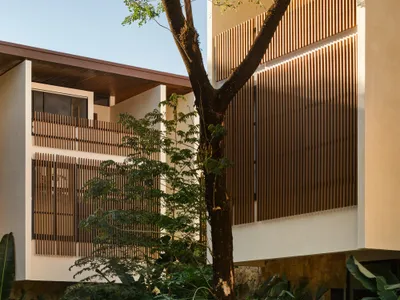
FAMM Arquitectura Organizes Ten Villas Around Courtyards and Jungle in Nosara, Costa Rica
El Molino pairs two elongated volumes with deep overhangs and timber louvers to build a compact coastal community five minutes from the beach.
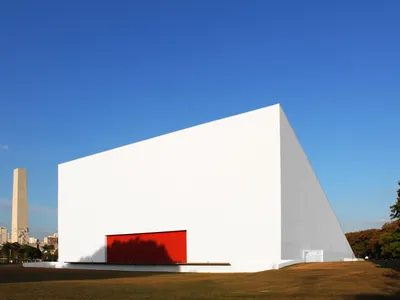
Oscar Niemeyer's Ibirapuera Park Pavilions Define São Paulo's Cultural Identity in Concrete and Curve
A constellation of modernist volumes set within São Paulo's most important urban park, conceived for the city's 400th anniversary in 1954.
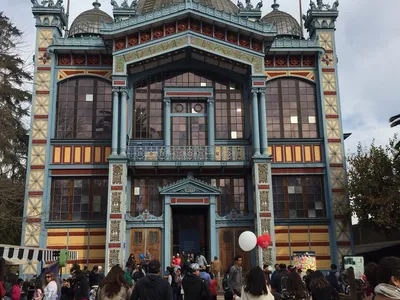
How Henri Picq's 1889 Paris Pavilion Traveled 11,000 Kilometers to Become Santiago's Artequín Museum
A prefabricated iron and glass pavilion built for the Paris Universal Exposition found a second life as a children's art museum in Chile.
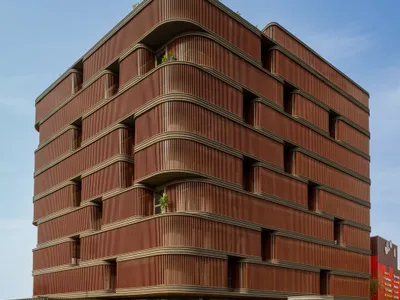
Sanjay Puri Architects Wraps a Jaipur Office Tower in Capsule-Shaped Green Buffers
A nine-level climate-responsive workplace near Jaipur Airport uses stacked planter terraces and aluminium screens to fight 40°C heat.


Explore Architecture Competitions
Discover active competitions in this discipline



Challenge to reimagine the Iron Throne


Photograph architecture without architects


Illustrate the lost glory of Angkor Wat - Render Challenge


Bring back Drive In's
Comments (0)
Please login or sign up to add comments
No comments yet. Be the first to comment!