
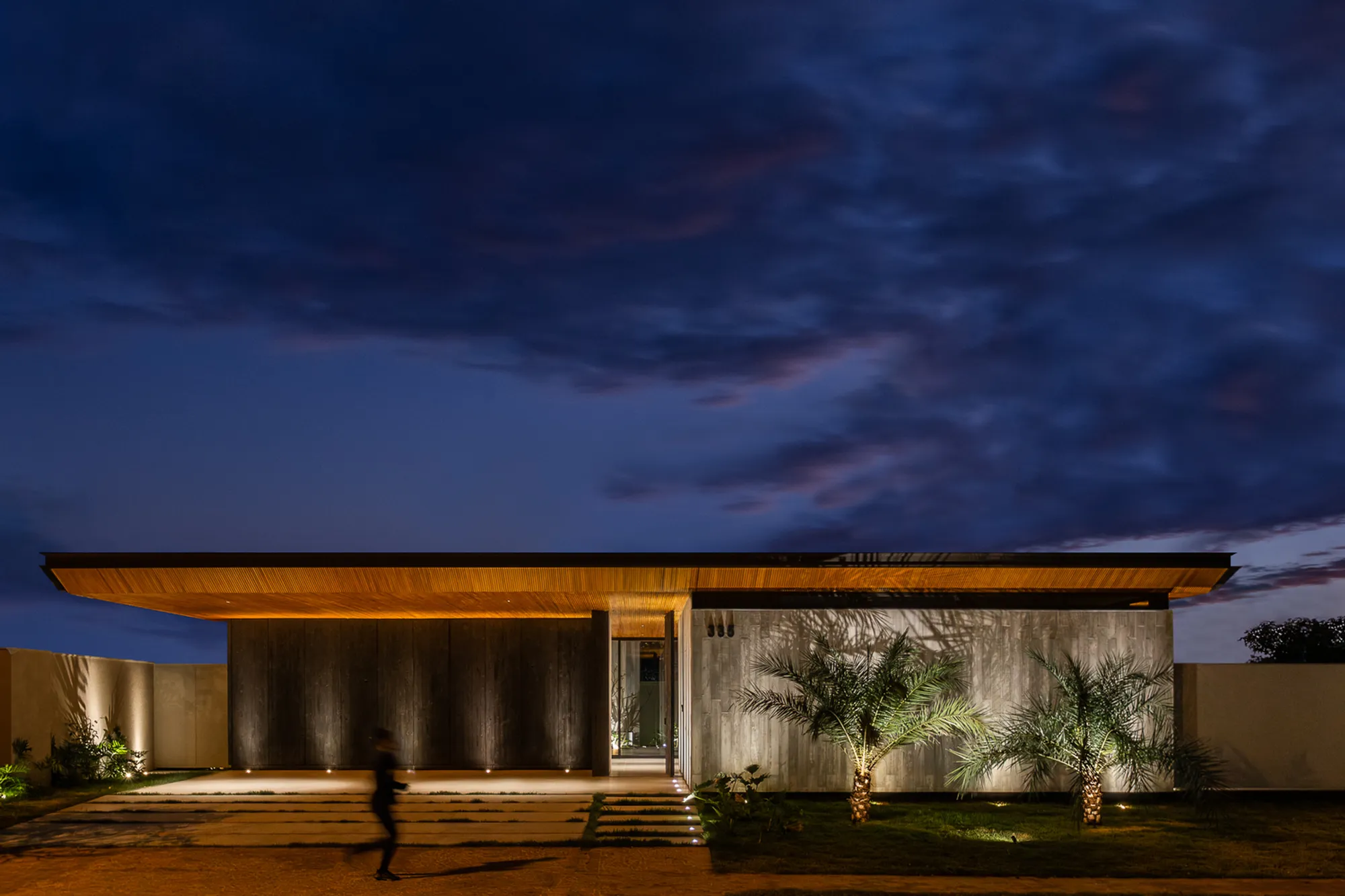
Minimalist Architecture in Brazil: A Deep Dive into AG House by Studio Porto Arquitetura
AG House, a minimalist architectural masterpiece in Brazil, highlighting its design, materials, and integration with nature.


Minimalist Architecture in Brazil
Minimalist architecture has become a global design trend, with its focus on simplicity, functionality, and integration with nature. In Brazil, minimalist architecture has taken on unique characteristics, blending modernism with natural elements, as seen in the AG House designed by Studio Porto Arquitetura. Located in Uberlândia, this stunning residence exemplifies the best of minimalist architecture in Brazil, combining seamless design with an organic connection to its surroundings.
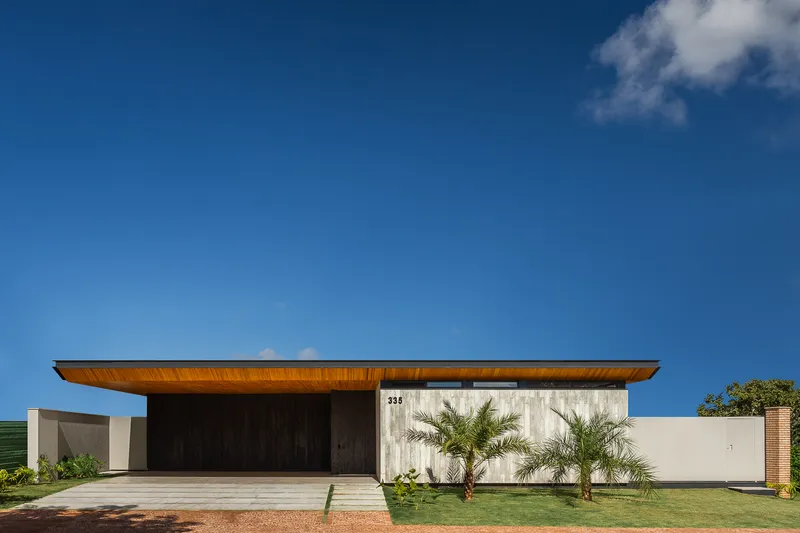
AG House: A Prime Example of Minimalist Architecture
The AG House, designed by architect Camila Porto, was completed in 2023 and covers 379 m². This single-story residence uses minimalist principles to create a harmonious living environment. The architecture prioritizes space integration, functionality, and natural light, while maintaining privacy and enhancing the residents’ connection with the surrounding landscape. Positioned on a trapezoidal plot with a slight slope, this house incorporates minimalism and modernism to offer a sophisticated living experience.

The L-Shaped Layout: Maximizing Space and Solar Incidence
The L-shaped layout of the AG House is a strategic decision that enhances both functionality and aesthetics. This design maximizes solar exposure while providing an efficient connection with the external environment. The house is not only a functional living space but also a visual experience, where every corner offers a view of the beautifully landscaped garden. The layout ensures that natural light floods the interiors, creating a bright and airy atmosphere.
Integration with Nature: A Core Principle of Minimalist Architecture
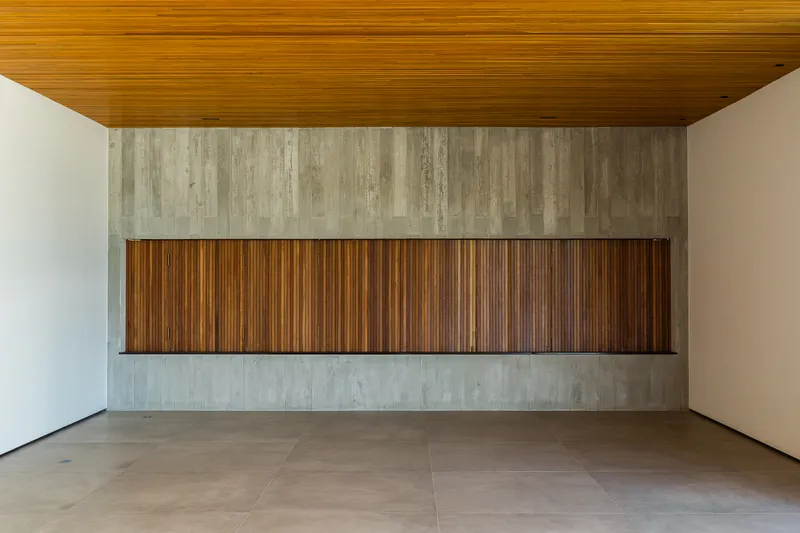
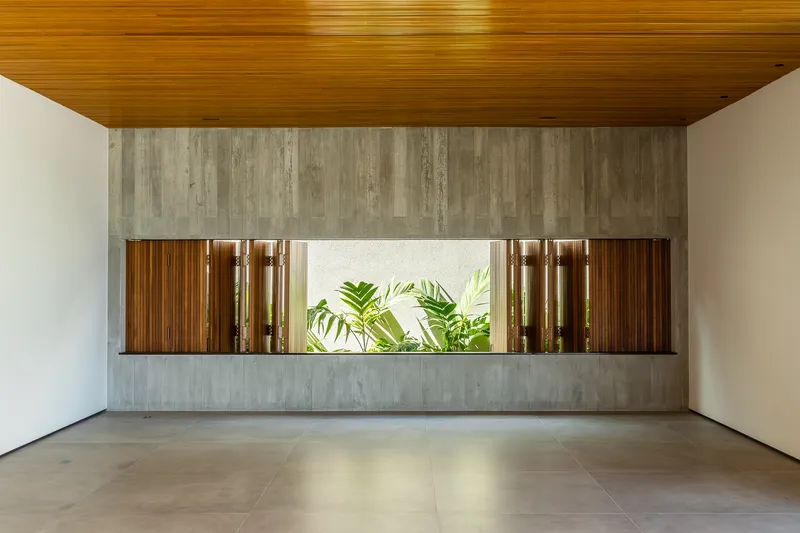
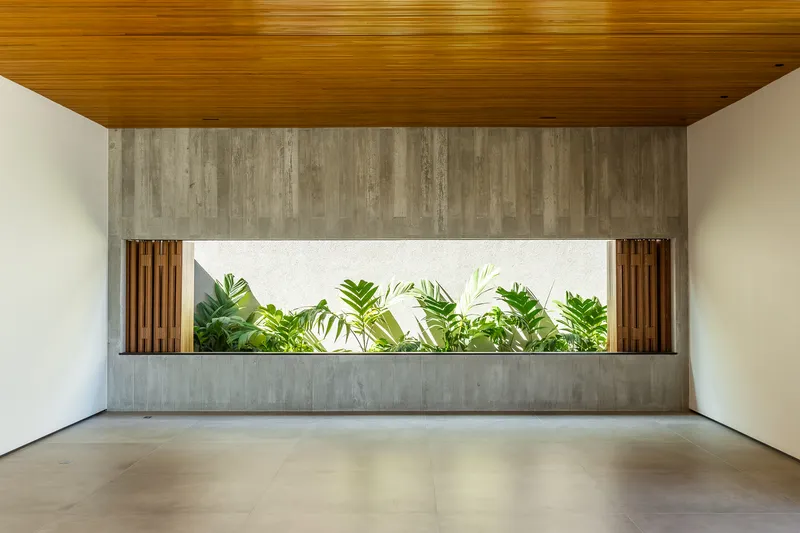
Incorporating nature into the design was a key goal for the architects. The large cumaru wood window that opens to the garden is a standout feature, offering a seamless connection between the interior spaces and the natural world. The emphasis on greenery and outdoor spaces brings a sense of tranquility and relaxation to the home, reinforcing the minimalist philosophy of creating a peaceful environment.

The Material Palette: Natural Elements for Authenticity
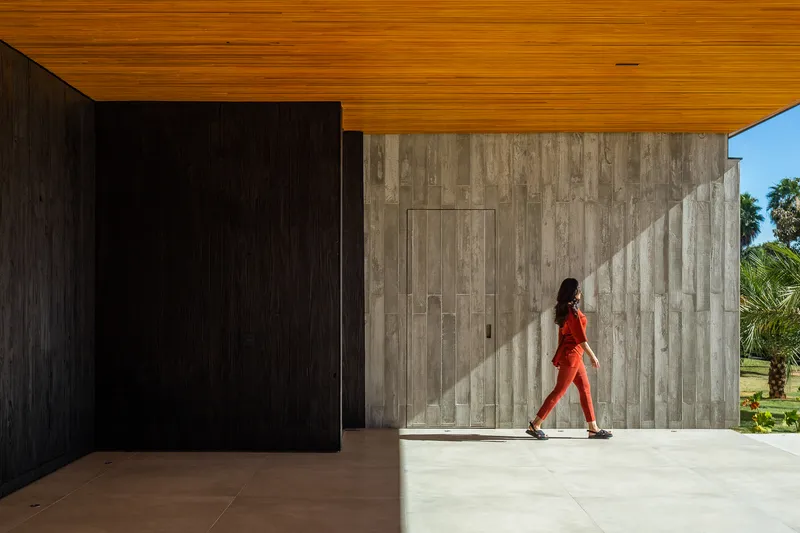
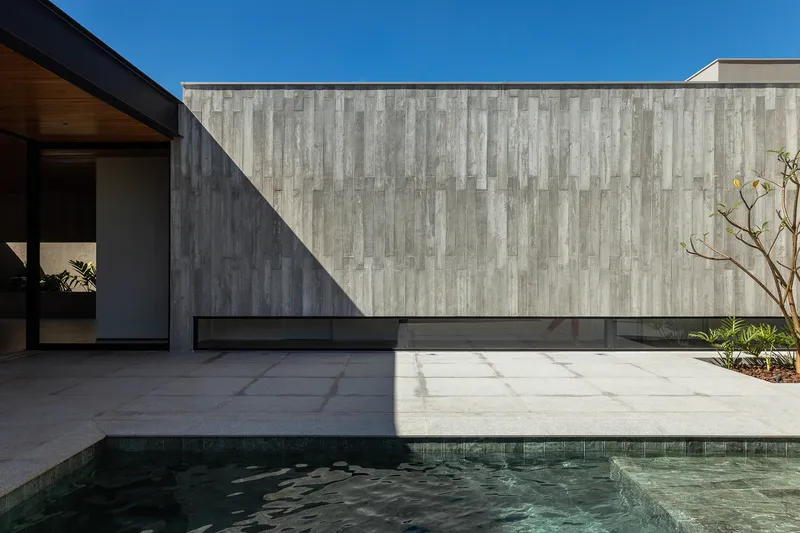
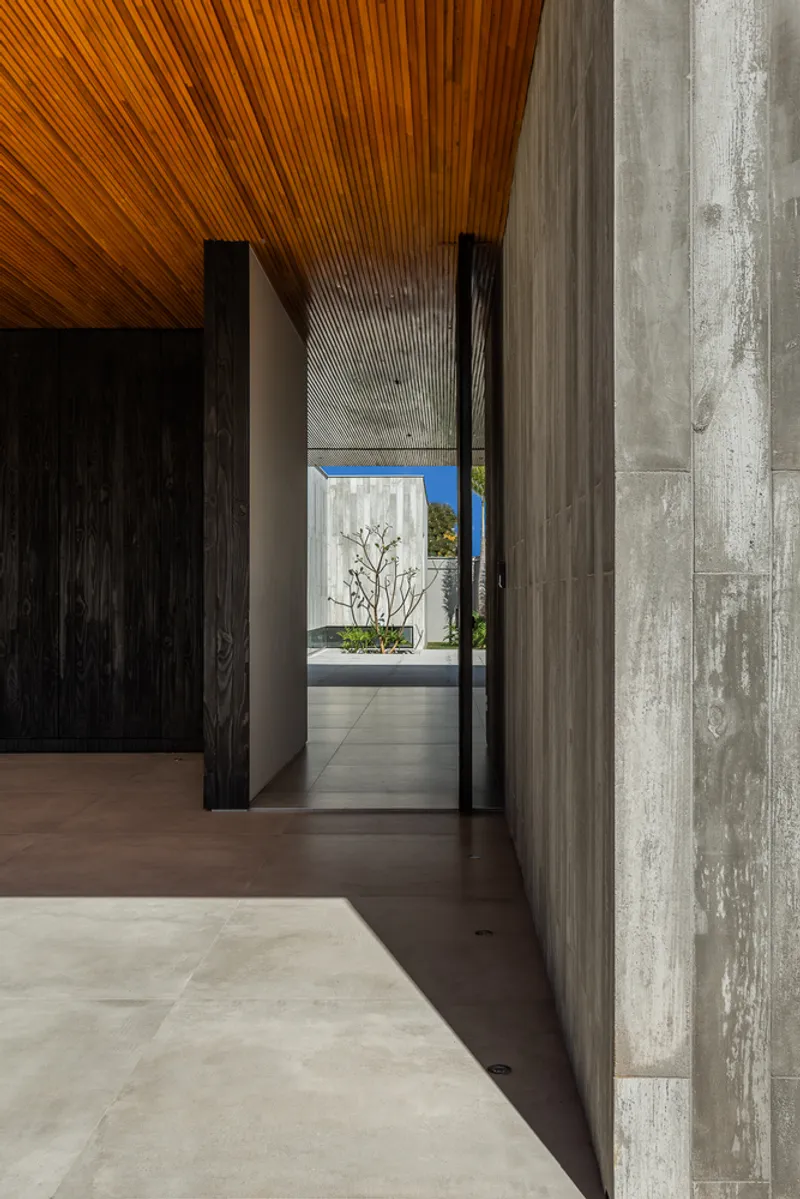
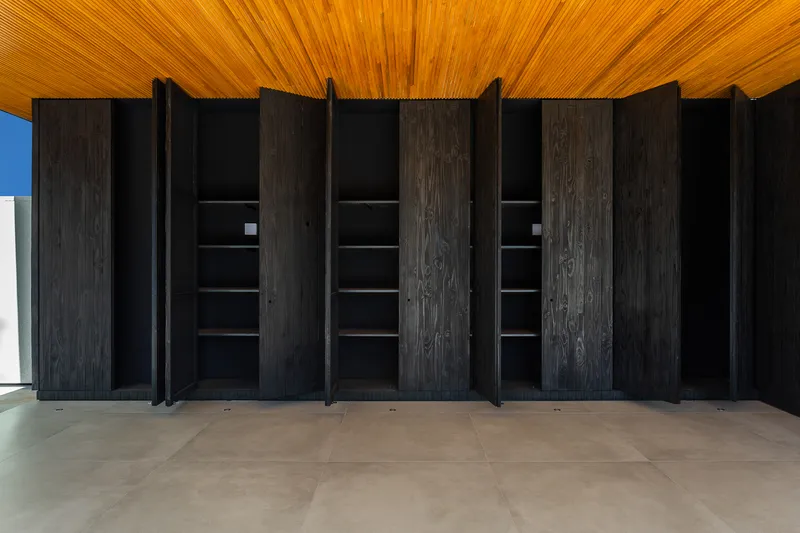
One of the most striking features of the AG House is its use of raw, natural materials. The combination of shou sugi ban (charred wood), granite, marble, and other local materials enhances the home’s aesthetic appeal while ensuring functionality and comfort. The use of these materials not only contributes to the house’s beauty but also strengthens its connection to the Brazilian landscape.
- Shou sugi ban wood is used for both external and internal applications, creating a timeless, artistic finish that gives the home character and durability.
- Ribbed concrete and natural granite provide a sense of permanence and warmth to the structure.
- Tauari wood is incorporated to bring natural textures that echo the surroundings.
These carefully selected materials are not just visually appealing but also sustainable and functional, reflecting the growing commitment to sustainable minimalist architecture in Brazil.
Sustainability and Functionality: Key Features of the AG House
Minimalist architecture in Brazil isn’t just about aesthetic appeal—it’s about creating functional, sustainable spaces. The AG House was designed with efficiency and sustainability in mind. The integration of green spaces and natural elements ensures that the house remains cool and well-ventilated, minimizing the need for artificial climate control. The use of locally sourced materials also reduces the environmental footprint of the project, aligning with the global movement toward eco-friendly architecture.
Privacy and Connection to Nature: Balancing the Best of Both Worlds
One of the unique aspects of the AG House is its ability to balance privacy with openness. While the house integrates expansive glass walls and windows that offer views of the surrounding nature, the design ensures that the private areas are shielded from the outside world. This careful attention to privacy and visual connection is a hallmark of the minimalist approach—where simplicity and functionality coexist with a deep respect for the natural world.
The Future of Minimalist Architecture in Brazil
The AG House is a prime example of how minimalist architecture is shaping contemporary living in Brazil. As cities grow and space becomes more valuable, minimalist homes like the AG House offer a solution that maximizes both the functionality of the space and the beauty of the environment. The use of natural materials, open layouts, and integration with the landscape will continue to influence Brazilian architecture for years to come.

Why Minimalist Architecture Is Gaining Popularity in Brazil
Minimalist architecture resonates with the Brazilian desire for simplicity and clarity. In an increasingly chaotic world, the minimalist style offers a retreat—a way to reconnect with nature and find peace in the simplicity of design. The emphasis on raw materials, natural light, and openness helps homeowners cultivate a serene living environment that reflects their values of sustainability, functionality, and aesthetic beauty.
The AG House by Studio Porto Arquitetura stands as a testament to the power of minimalist architecture in Brazil. Through a careful selection of materials, a thoughtful layout, and an unwavering commitment to integrating the house with its natural surroundings, this project showcases the potential of minimalist design to create functional, sustainable, and beautiful homes. As more architects and homeowners embrace minimalist principles, we can expect to see more stunning examples of minimalist architecture in Brazil that redefine modern living.




Popular Articles
Popular articles from the community


AL-JANNAH: Sustainable Architecture and Permaculture for Afghan Widows
AL-JANNAH uses sustainable architecture and permaculture to create resilient oasis of housing, learning, work and renewal for Afghan widows.

Riyadh For All: Intergenerational Urban Design for Active Aging in Rabat
Riyadh For All reimagines urban design in Rabat with intergenerational co-living, adaptive courtyards, and Moroccan cultural exchange today.

The Musturak Paradise: Senior Living Architecture for a Connected Future in Temara, Morocco
The Musturak Paradise reimagines senior living architecture in Temara via private homes, social spaces, culture, community, and shared care.

Hill & Cross Opera: Sculptural Opera House Architecture Shaped by Tallinn’s Landscape and Identity
Hill & Cross Opera reimagines opera house architecture in Tallinn through its sculptural hill, civic plaza, glass wave and a luminous cross.

Similar Reads
You might also enjoy these articles


Hodi-Mandai Geram
Project Function: Preservation and revitalization of the Intangible heritage and socio-spatial identity of the Hodi by Housing, Cultural Memory Center, Sacred Grove, landscape, local tourism economy


Olio Towers: A Mid-Rise for Performers That Fuses Housing, Rehearsal, and Stage
Located blocks from Houston's Theater District, this modular tower stacks living units around a central performance atrium.

Oasis: Modular Green Housing Carved into Dhaka's Urban Fabric
A shortlisted Plugin Housing entry reclaims unauthorized settlements in Dhaka with stepped concrete volumes, green roofs, and ventilation-driven design.

Black Hole: A Floating Megastructure for the Post-Physical Era
Emiliano Mazzarotto envisions a spherical, self-scaling arena where e-sports, digital hotels, and holographic stadiums replace traditional public space.


Explore Brazilian Architecture Competitions
Discover active competitions in this discipline



Challenge to reimagine the Iron Throne


Photograph architecture without architects


Illustrate the lost glory of Angkor Wat - Render Challenge


Design challenge to reuse E-waste
Comments (0)
Please login or sign up to add comments
No comments yet. Be the first to comment!