

Mitsubishi Pavilion at Expo 2025: A Vision of Circular and Sustainable Architecture
The Mitsubishi Pavilion at Expo 2025 showcases sustainable architecture through circular design, repurposed materials, and energy-efficient climate strategies.


A Futuristic Pavilion Rooted in Sustainability
The Mitsubishi Pavilion at Expo 2025 in Osaka is an architectural marvel that embodies a forward-thinking approach to sustainability and circular design. Designed by Mitsubishi Jisho Design, the 3,476-square-meter structure is a temporary yet innovative space that redefines the possibilities of environmentally conscious architecture. With an emphasis on resource efficiency, repurposed materials, and minimal environmental impact, the pavilion aligns with the Expo’s broader theme of creating a sustainable future.

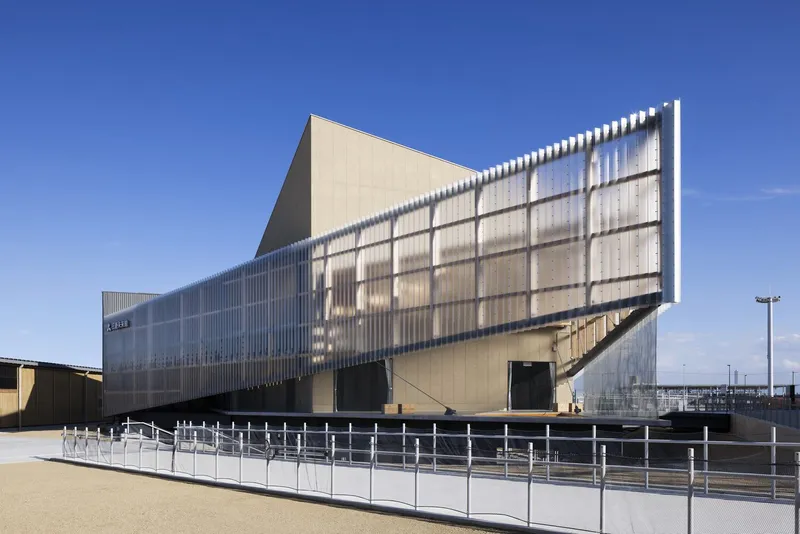
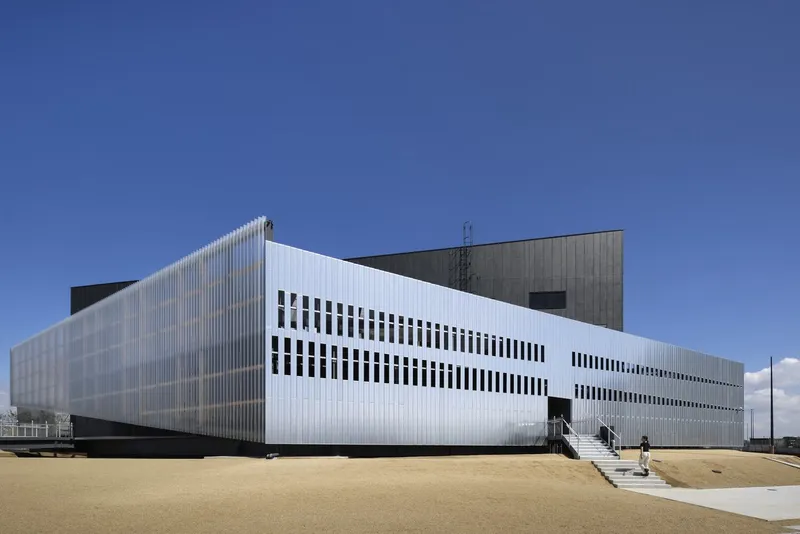
A "Mother Ship" Hovering Above the Ground
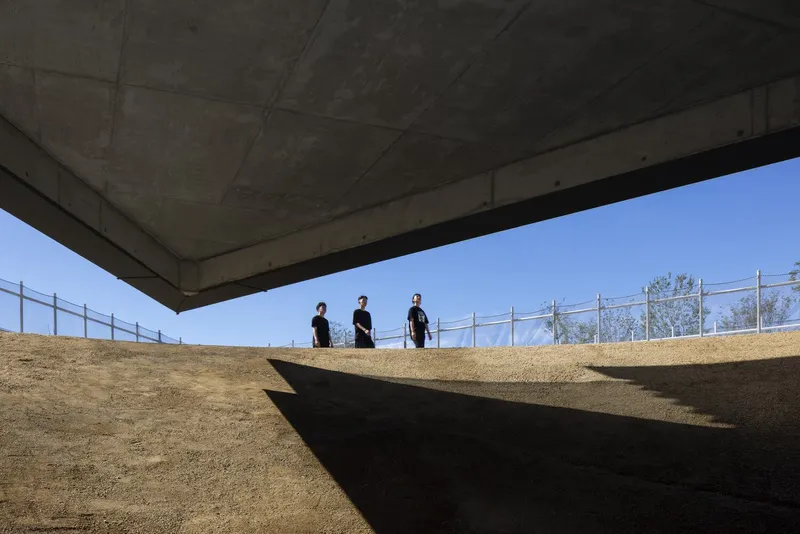
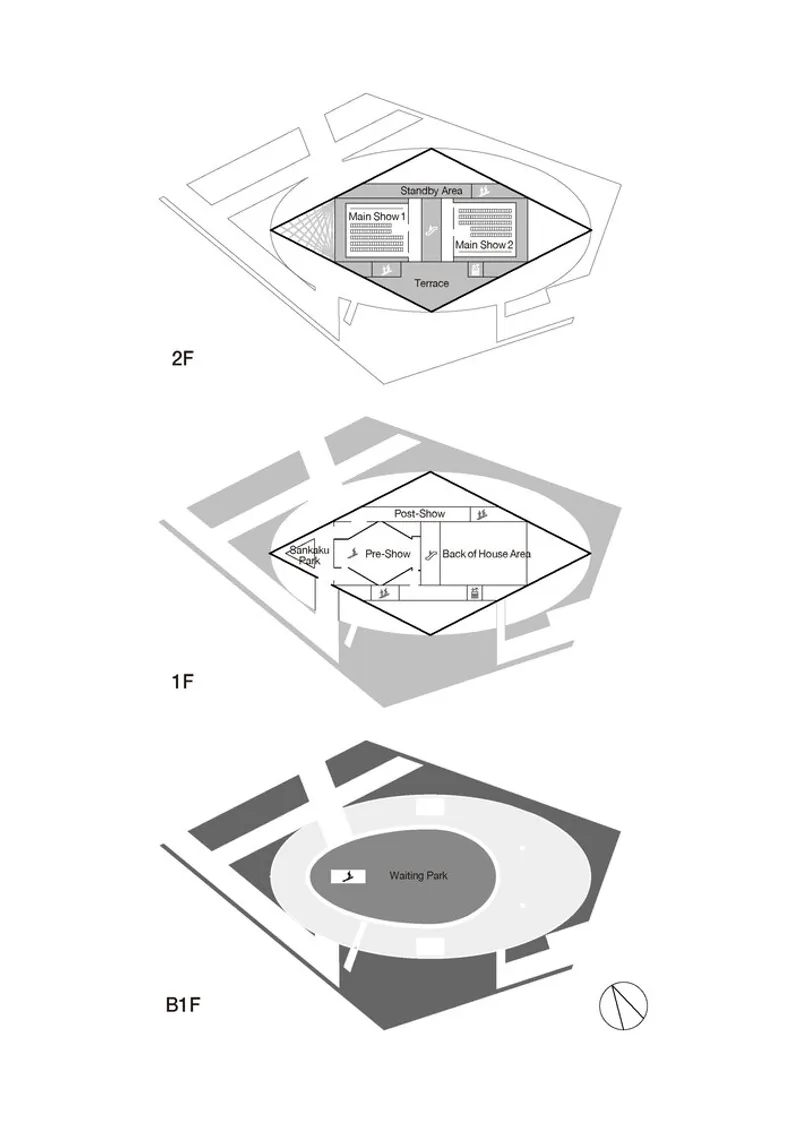
The architectural form of the pavilion is inspired by the interconnectedness of life, nature, and society. The design comprises three layered geometric shapes: an elliptical base symbolizing life, a rhombus representing nature, and a rectangle embodying society. These overlapping geometries create a multidimensional space that allows visitors to navigate seamlessly through the structure. The absence of a traditional façade ensures a visually engaging experience from all angles, making the pavilion an integral part of the Expo landscape.

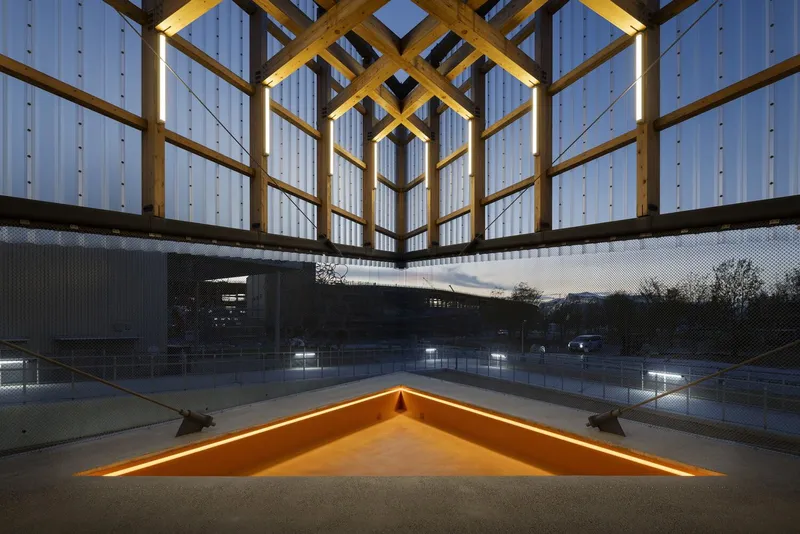

The entrance experience is carefully choreographed, guiding visitors from the shaded Waiting Park in the semi-underground level to the immersive exhibition spaces above. The journey through the pavilion culminates in Sankaku Park, a triangular platform that appears to float above the ground, reinforcing the sense of weightlessness and futuristic vision behind the design.


Circular Design and Temporary Architecture
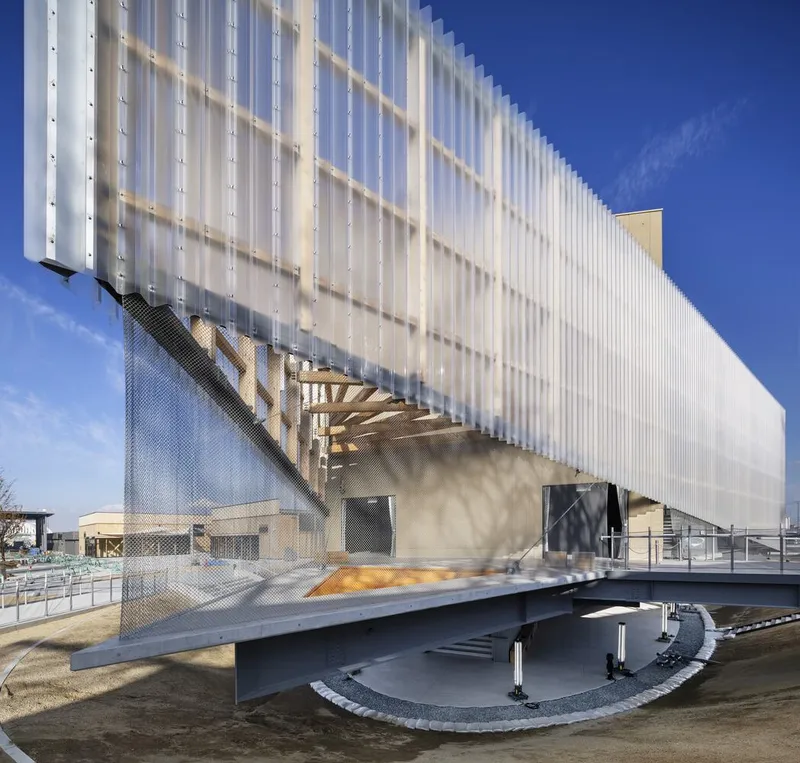
One of the defining aspects of the Mitsubishi Pavilion at Expo 2025 is its commitment to circular architecture. As a temporary structure, the pavilion is designed to be dismantled after the six-month duration of the Expo, with the site restored to its original state. The minimal ground contact ensures that the soil remains undisturbed and can be rehabilitated with minimal impact. Excavated soil is repurposed for site reclamation, further emphasizing the project's dedication to sustainability.
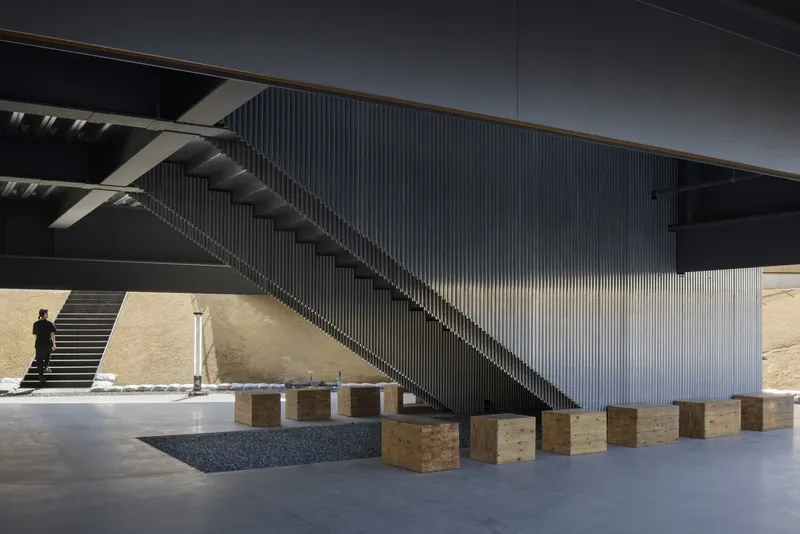
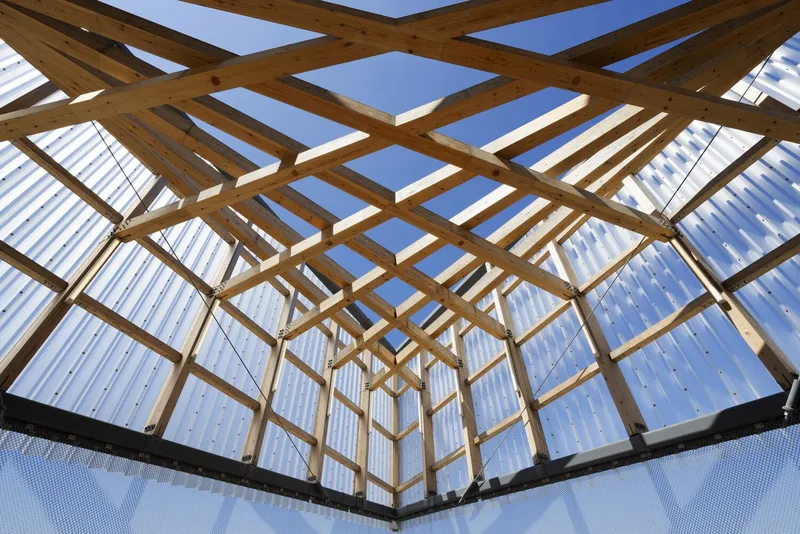
To reduce construction waste, the pavilion incorporates materials that can be repurposed after the Expo. Temporary construction materials such as polycarbonate panels, scaffolding, sandbags, and steel pipes are creatively integrated into the design. These elements are not only functional but also contribute to the aesthetic identity of the pavilion, showcasing the beauty of repurposed materials.
Innovative Climate Control and Lighting
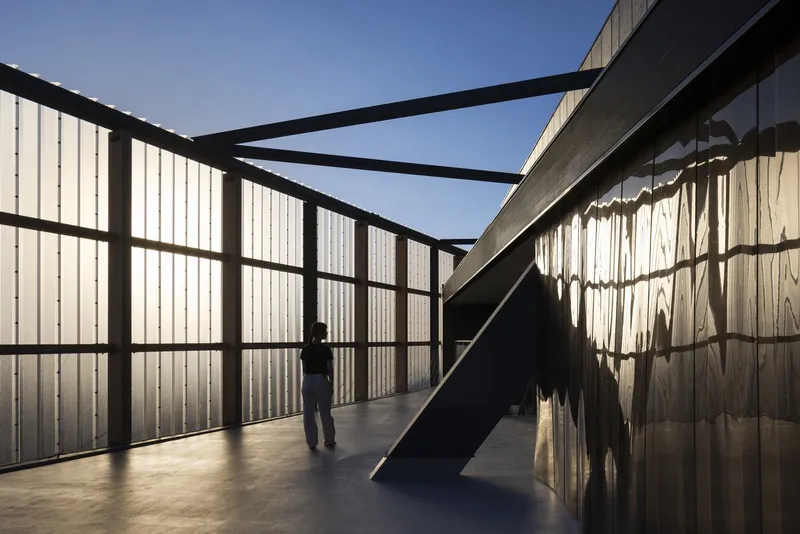
The pavilion minimizes reliance on energy-intensive cooling systems by incorporating passive climate control strategies. The design echoes traditional Japanese engawa spaces, where semi-outdoor areas provide natural ventilation and reduce cooling loads. By limiting air-conditioned zones and optimizing airflow, the pavilion significantly reduces its environmental footprint.


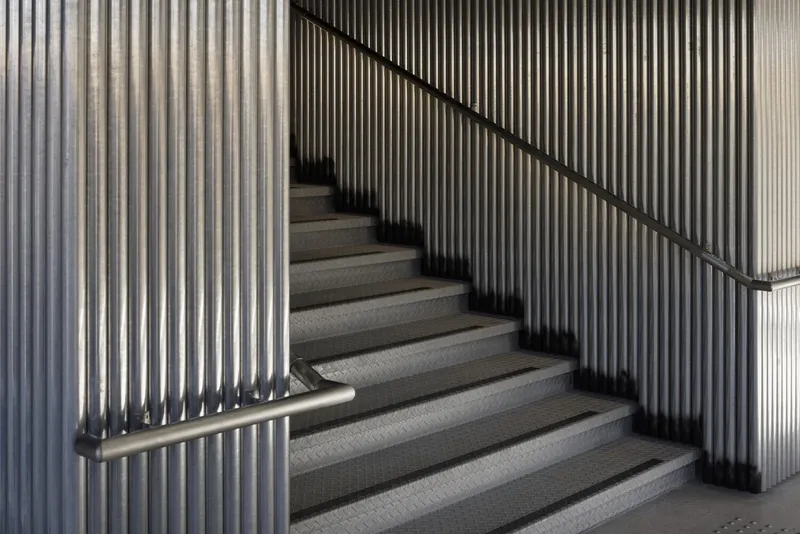
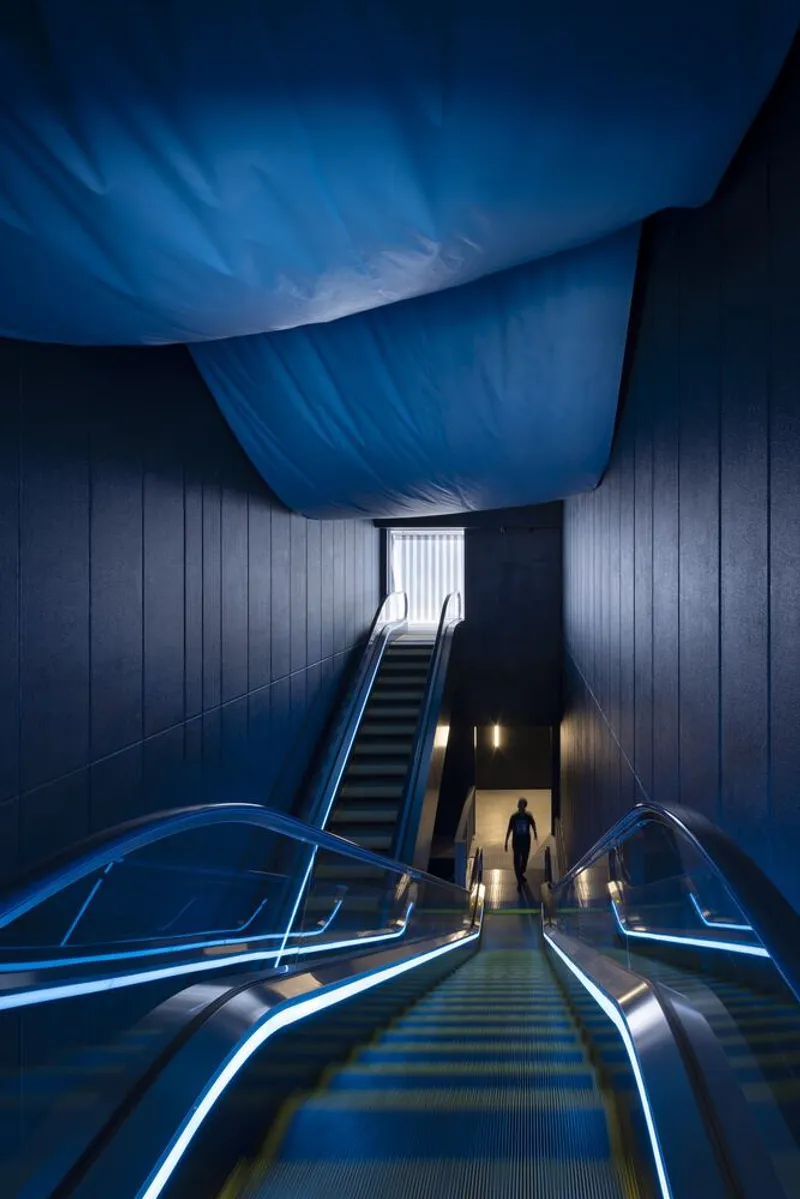
Lighting is another key element of the design, balancing functionality with cultural aesthetics. Instead of theatrical illumination, the pavilion features soft, diffused lighting that spills outward, creating a gentle gradient of light and shadow. This subtle lighting approach draws inspiration from traditional Japanese concepts of darkness, adding depth and richness to the spatial experience.


A Model for Future Sustainable Architecture
The Mitsubishi Pavilion at Expo 2025 is more than an exhibition space; it is a statement on the future of sustainable architecture. By embracing circular resource use, innovative material repurposing, and energy-efficient design, the pavilion serves as a blueprint for responsible temporary architecture. It demonstrates how large-scale events can integrate sustainability without compromising on visual impact or user experience.


All photographs are works of Nacasa & Partners Inc



Popular Articles
Popular articles from the community


Conexión: Biophilic Design Reimagines High-Rise Living in Hong Kong
Conexión reimagines high-rise living in Hong Kong through biophilic design, green facades, shared spaces, daylight, water and nature within.

Hill & Cross Opera: Sculptural Opera House Architecture Shaped by Tallinn’s Landscape and Identity
Hill & Cross Opera reimagines opera house architecture in Tallinn through its sculptural hill, civic plaza, glass wave and a luminous cross.

The Earth Pod: 3D Printed Homes for Resilient Refugee Communities
The Earth Pod reimagines refugee housing through 3D printed homes made from clay, combining resilience, self-sufficiency, and rapid shelter.

Riyadh For All: Intergenerational Urban Design for Active Aging in Rabat
Riyadh For All reimagines urban design in Rabat with intergenerational co-living, adaptive courtyards, and Moroccan cultural exchange today.


Similar Reads
You might also enjoy these articles

Bamboo Housing Challenge 2026: Design Affordable, Sustainable Homes Using Bamboo
An international design competition by Bamboo U and IBUKU inviting architects and designers to reimagine affordable housing using bamboo — with the winning design built full-scale in Bali.

Computational Design & Education: Beegraphy Design Awards Introduces 7th Category (Featuring Jiyun's Innovative Approach)
Dive into Beegraphy’s 7th Design Awards category, where computational design meets education to create immersive, interactive learning tools, inspired by Jiyun’s work.
From Parametric Lighting to Urban Furniture: Join the 2nd Workshop in Beegraphy’s Computational Design Series
Dive into Cutting-Edge Design Techniques and Practical Applications with Industry Experts

Last Call: Unleash Your Architectural Genius in SHAK's Kindergarten Design Competition
Urgent call for architects to join SHAK's kindergarten design competition before the looming deadline


Explore Architecture Competitions
Discover active competitions in this discipline



Challenge to reimagine the Iron Throne


Photograph architecture without architects


Illustrate the lost glory of Angkor Wat - Render Challenge


Design challenge to reuse E-waste
Comments (0)
Please login or sign up to add comments
No comments yet. Be the first to comment!