
Mixed-Use Commercial Architecture in Shenzhen: MXTR Park by Within-Beyond Studio
MXTR Park in Shenzhen blends mixed-use commercial architecture with public spaces, revitalizing urban life through innovative design and strategy.

Introduction to MXTR Park and Mixed-Use Commercial Architecture
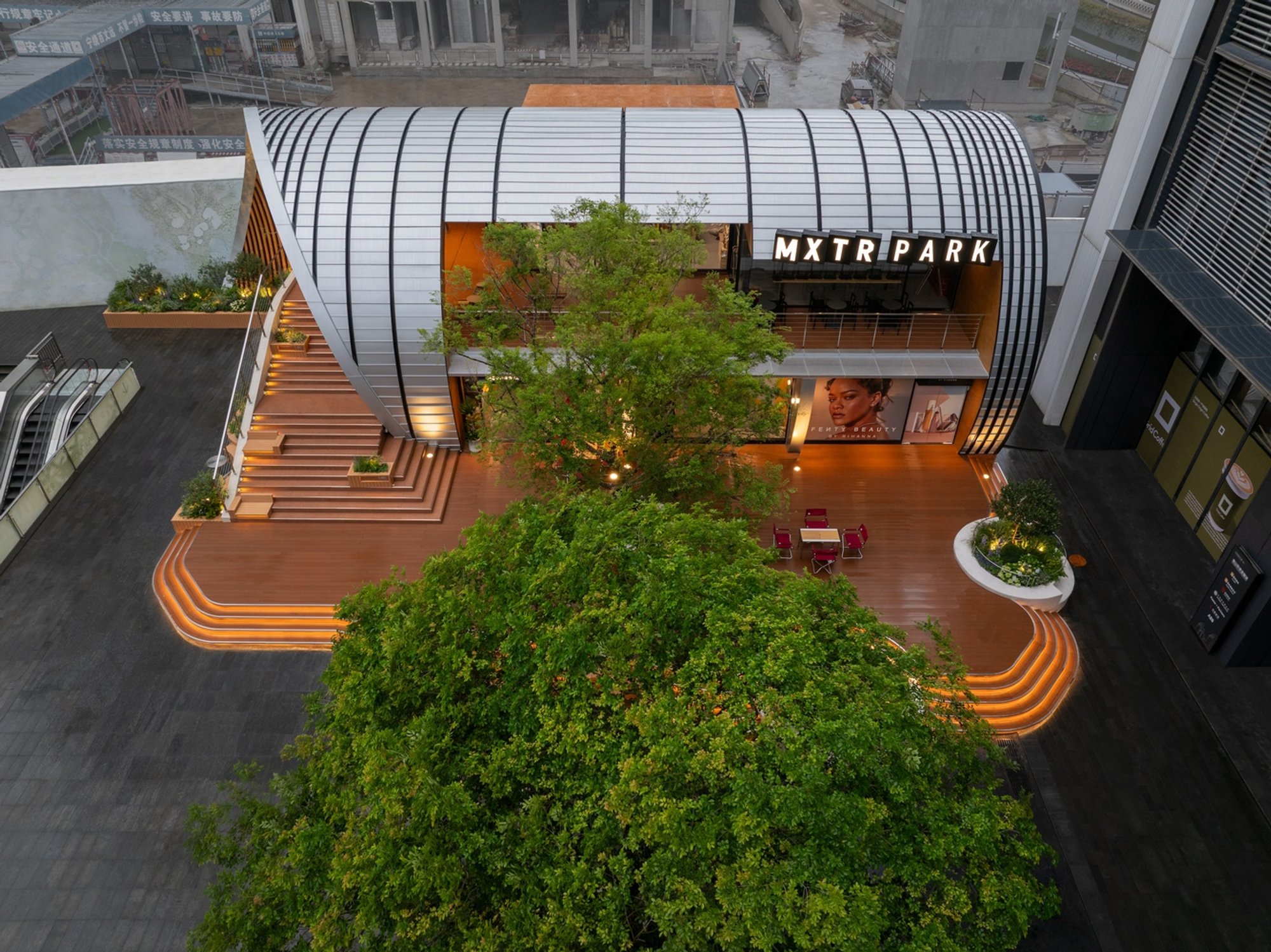
MXTR Park, designed by Within-Beyond Studio and located in Shenzhen, China, is a striking example of modern mixed-use commercial architecture. Completed in 2025, this 350 m² project redefines urban engagement by integrating commercial vitality with public social spaces. It transforms a critical urban junction at Water Plaza into a dynamic landmark where retail and community life intersect seamlessly.
Challenges of the Site and Urban Context
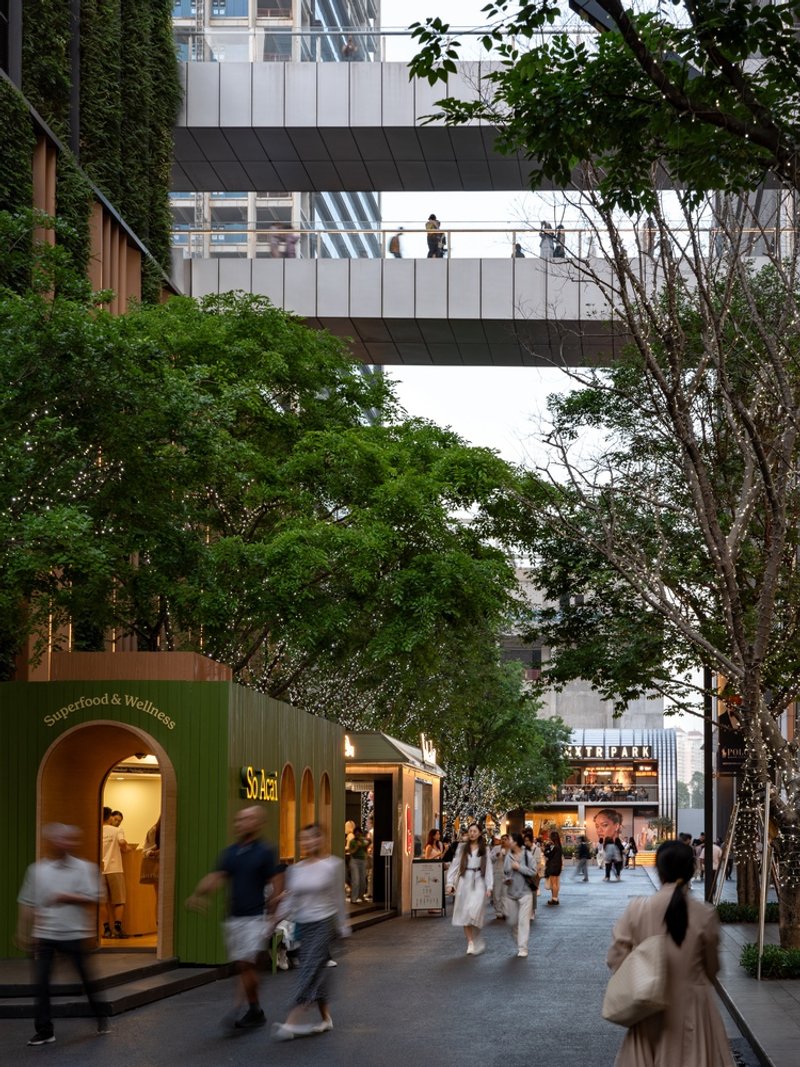
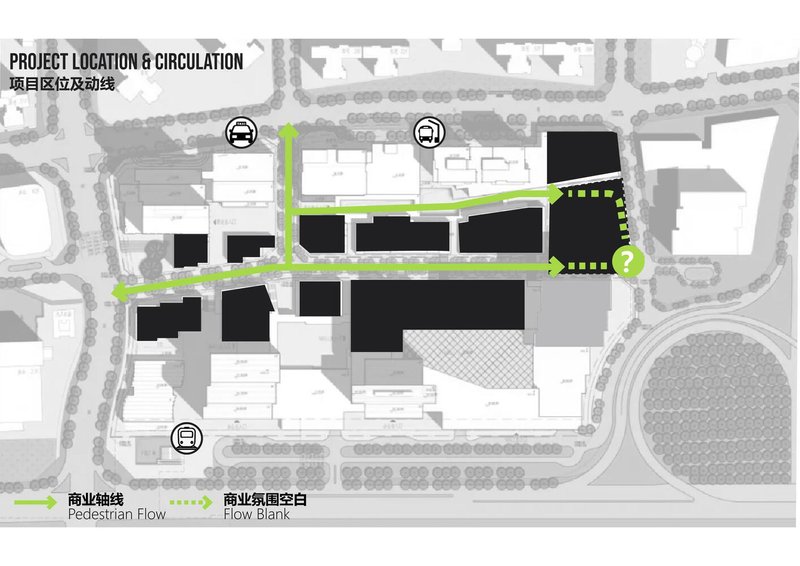
The project addresses two significant urban challenges. The first is the disconnection between the inner alley and the high street at Water Plaza, resulting in a weak commercial atmosphere and disrupting the retail continuity. The second challenge is the site's lack of visual identity as it sits at the terminal point of the high street, diminishing its impact as a focal urban node. MXTR Park responds to these issues through a thoughtful architectural and operational strategy.
Architectural Concept and Form
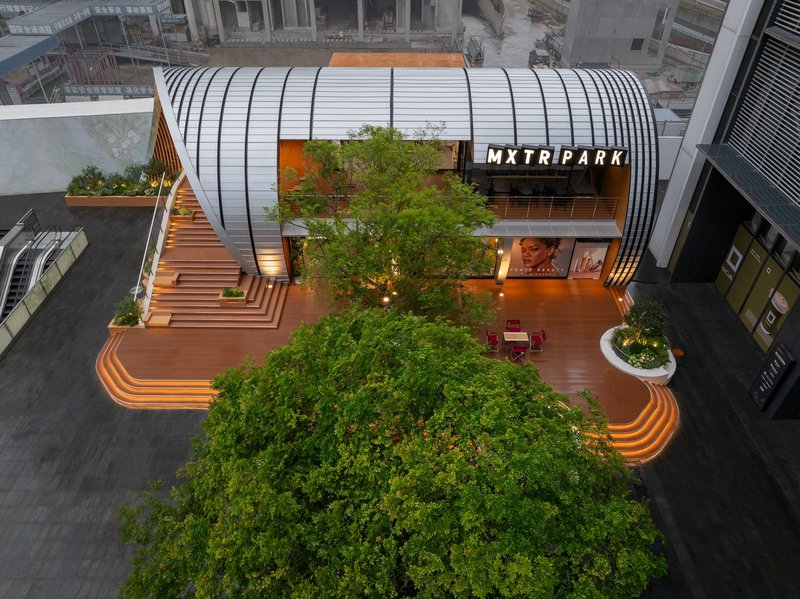
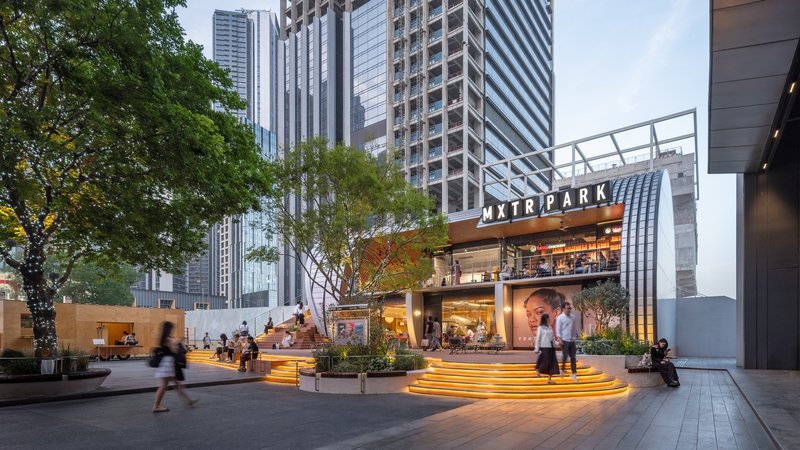
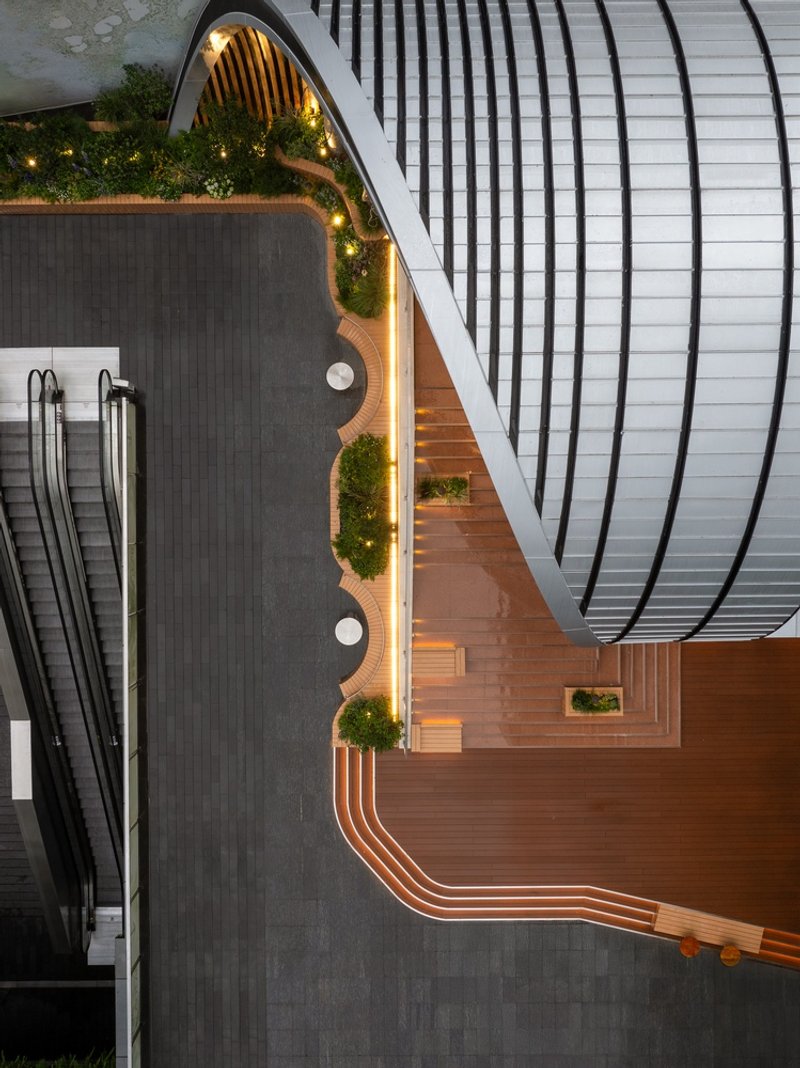
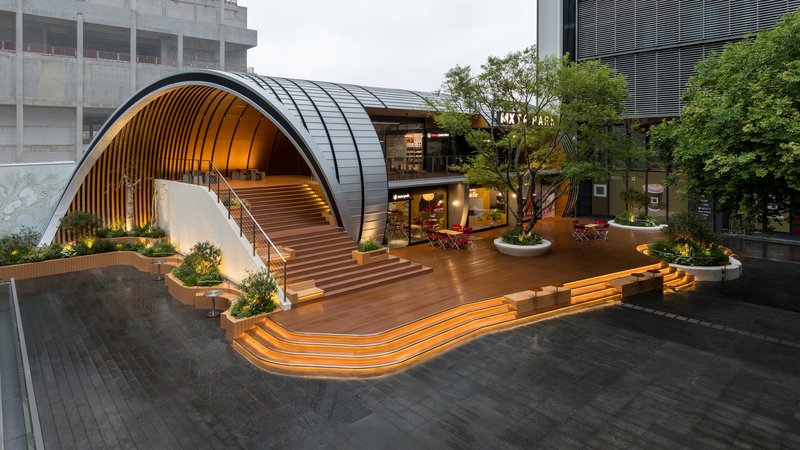
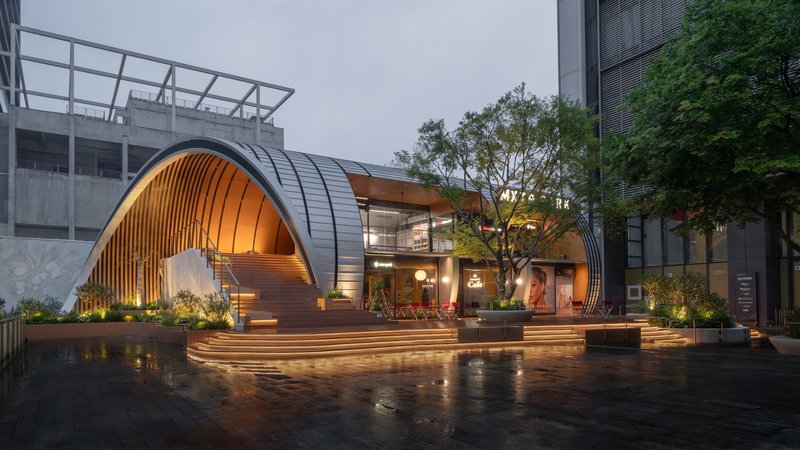
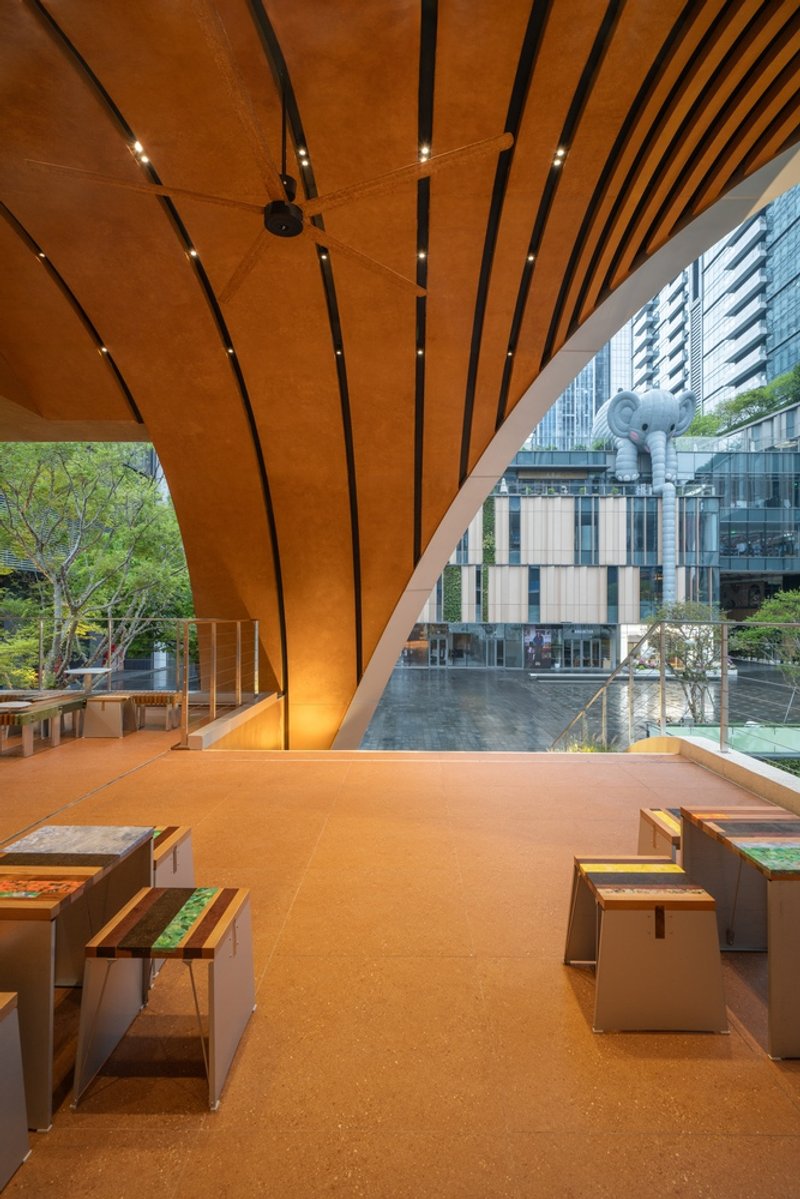
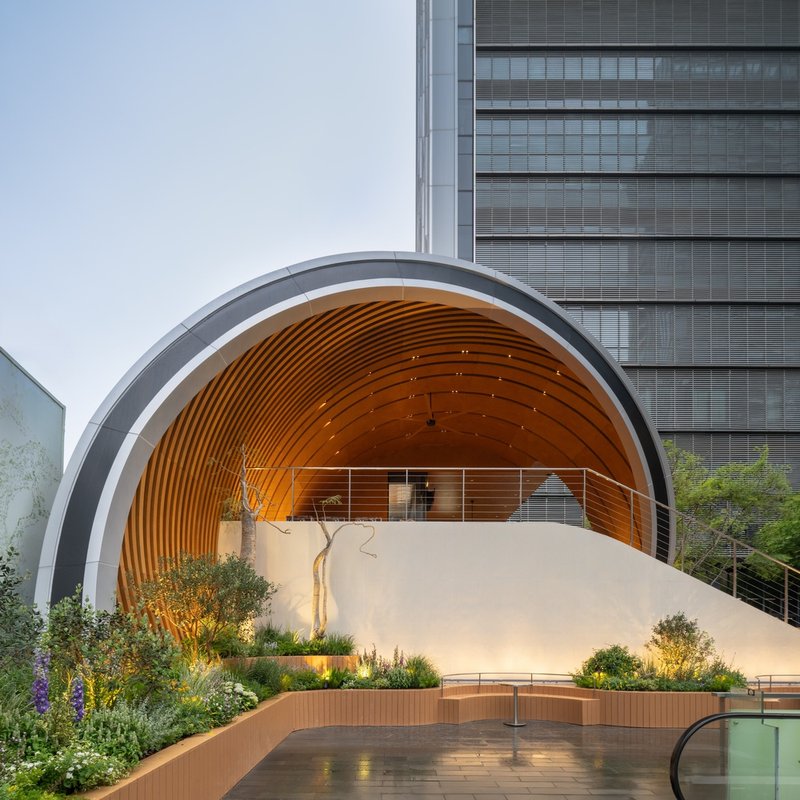
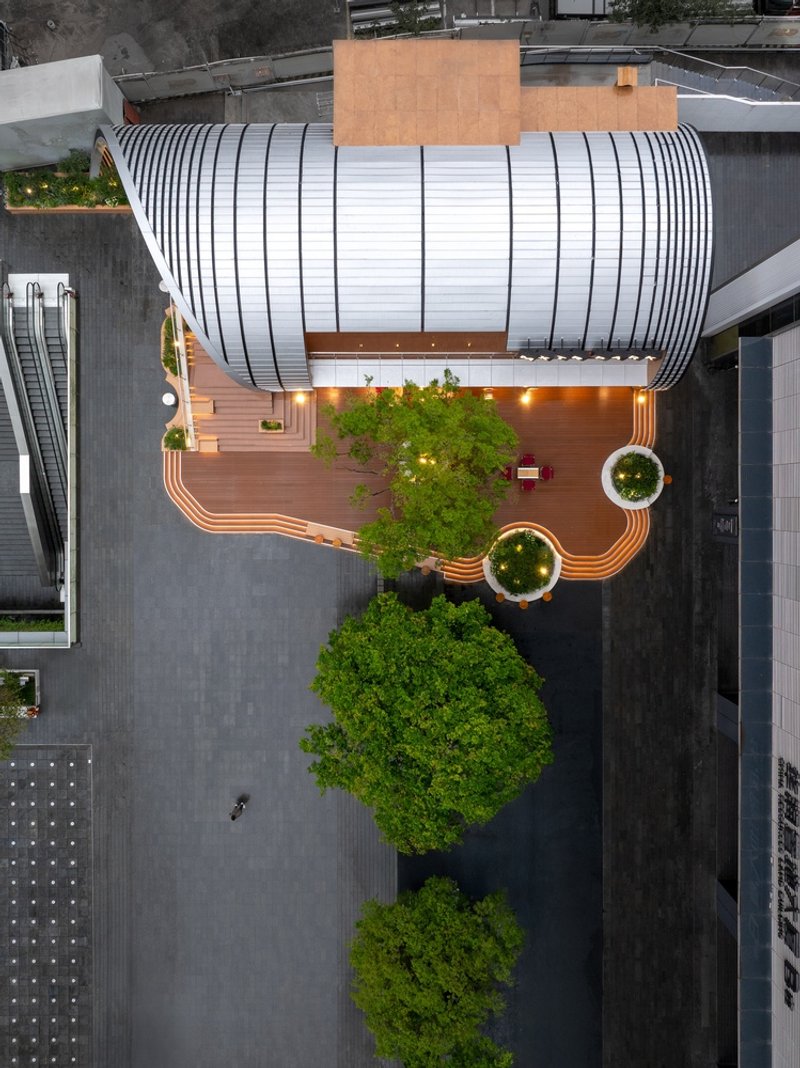
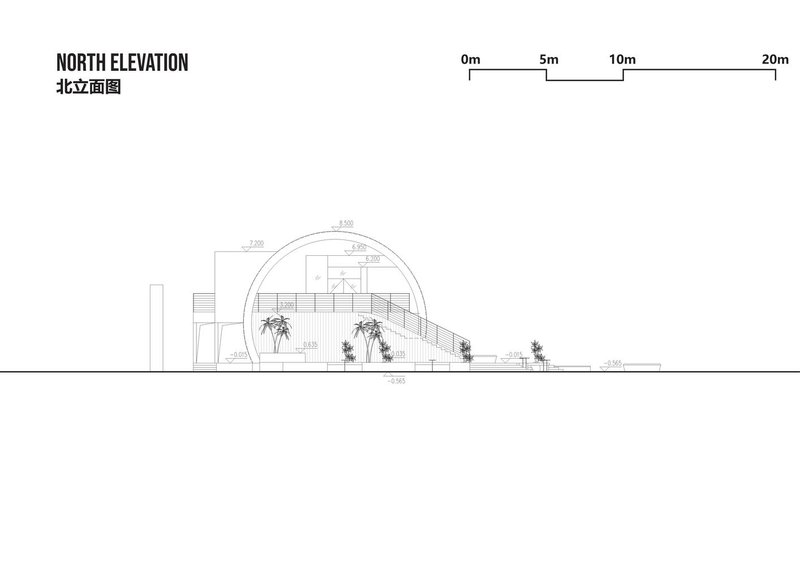
The core design philosophy is rooted in the concept of a "Mixture Park," expressed through bold geometric forms and three-dimensional open spaces. The design team selected a cylindrical form to symbolize rationality and humility while harmonizing with surrounding architectural landmarks, such as the nearby "hugging elephant" sculpture. This simple yet powerful shape respects the scale of adjacent large buildings and serves as a visual anchor within the urban fabric.
Planning Strategy: One Arch, Two Terraces, Three Stages
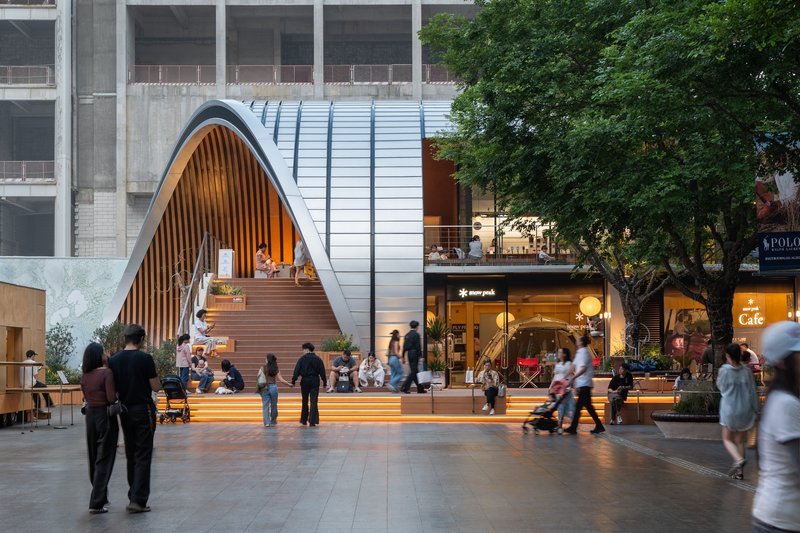
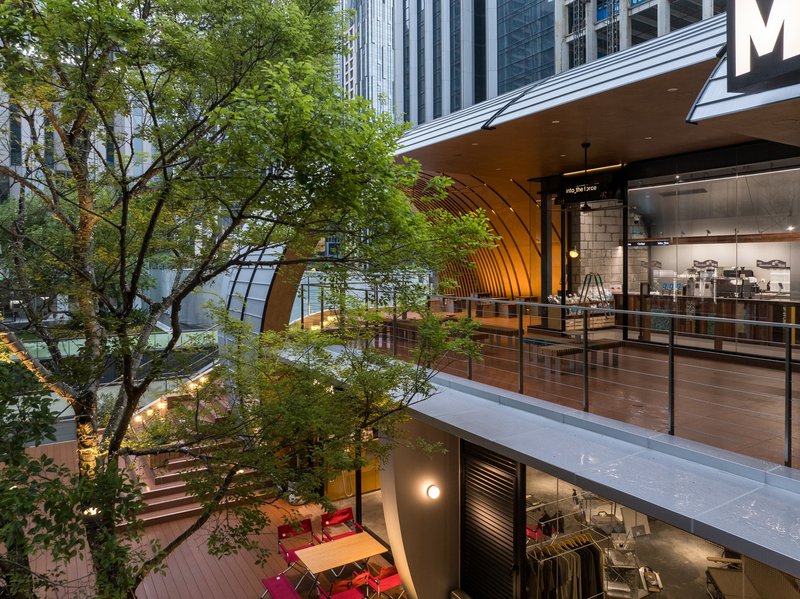
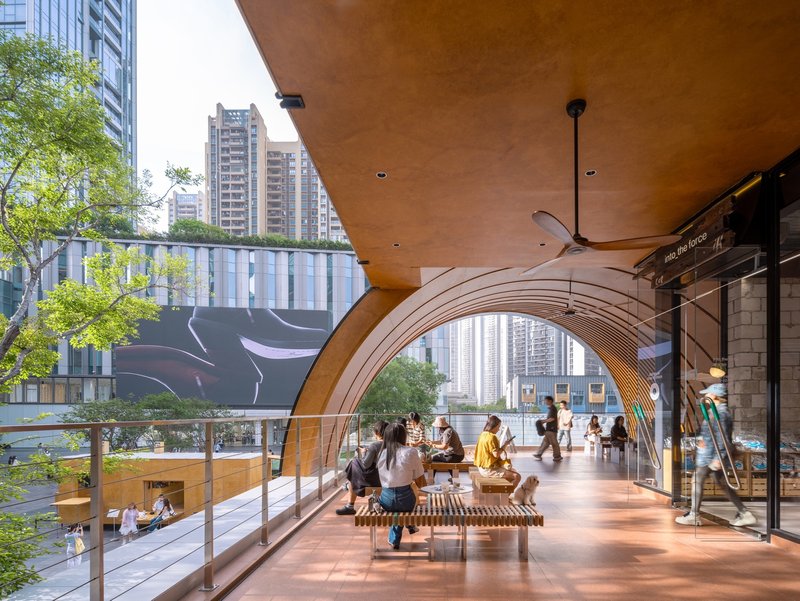
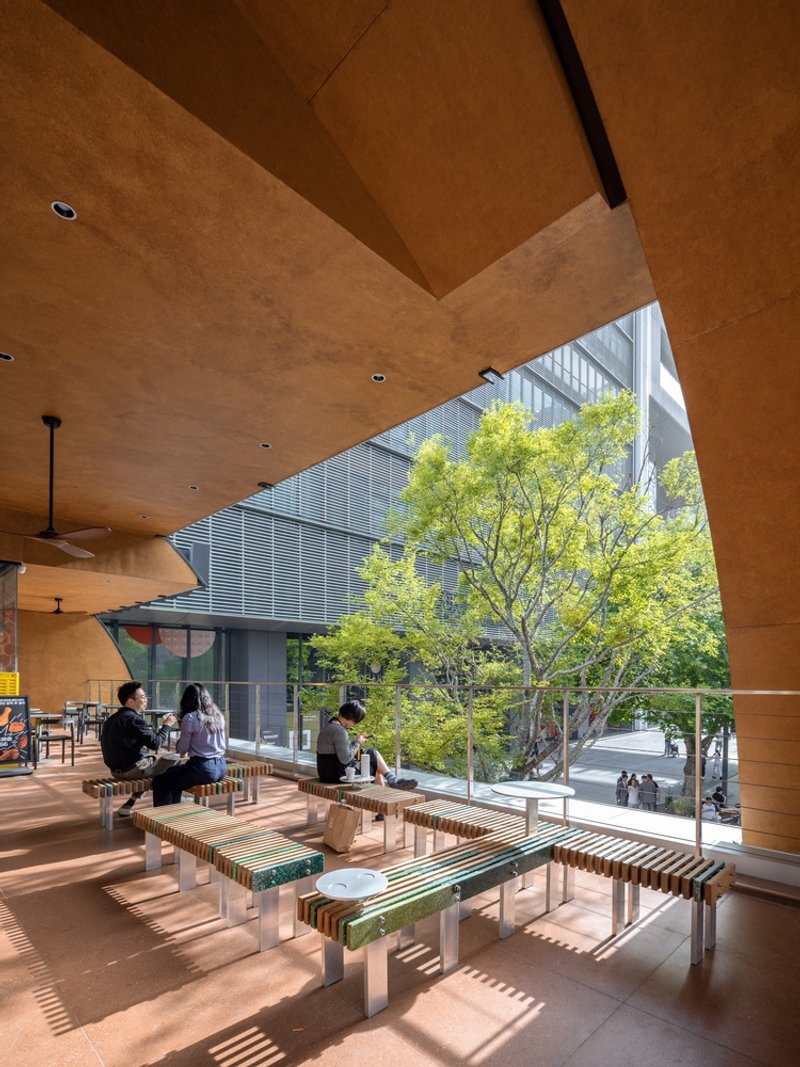
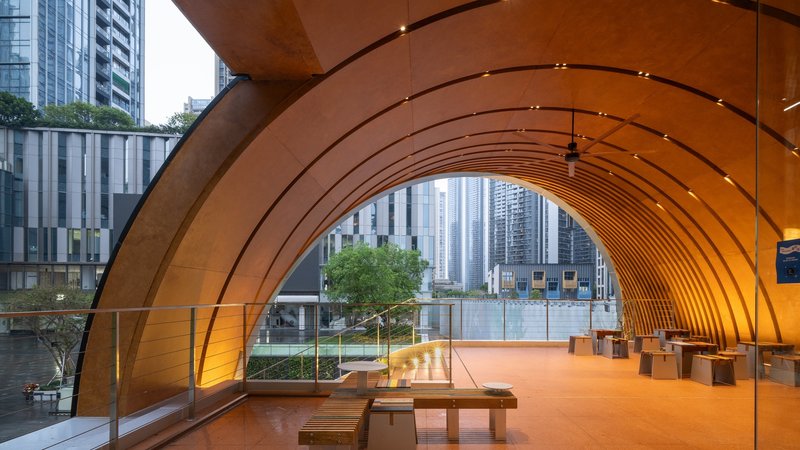
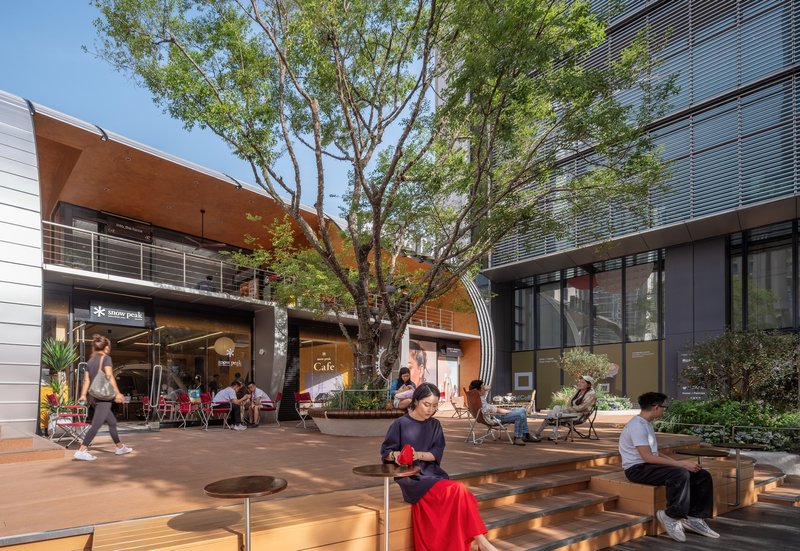
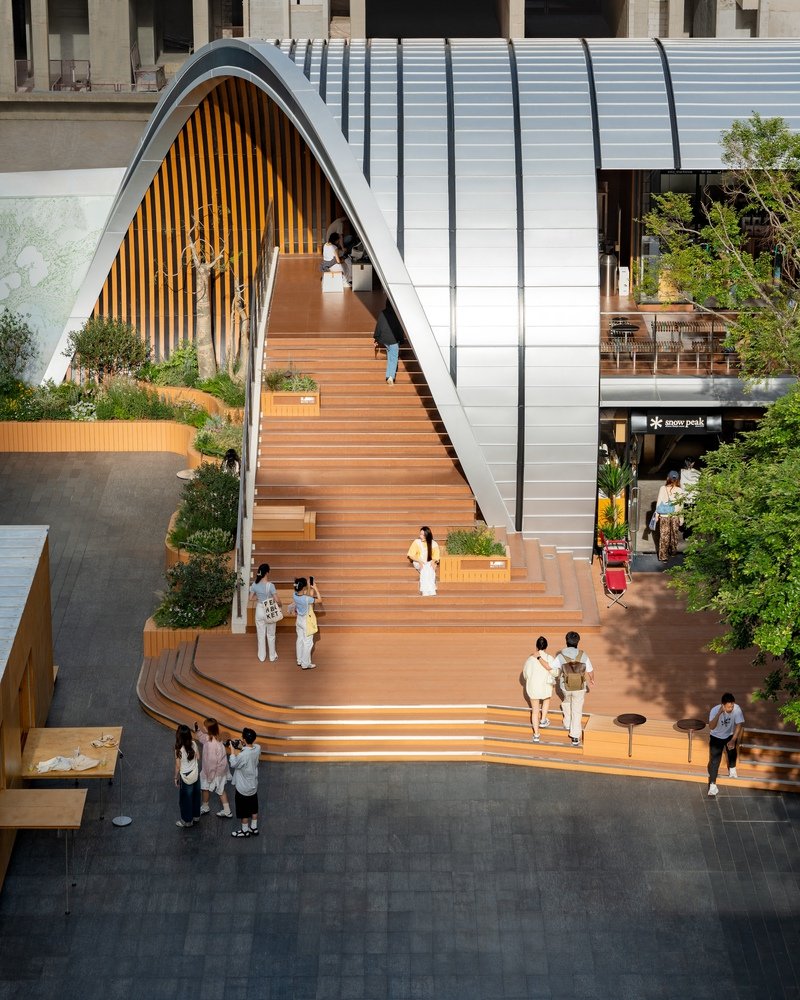
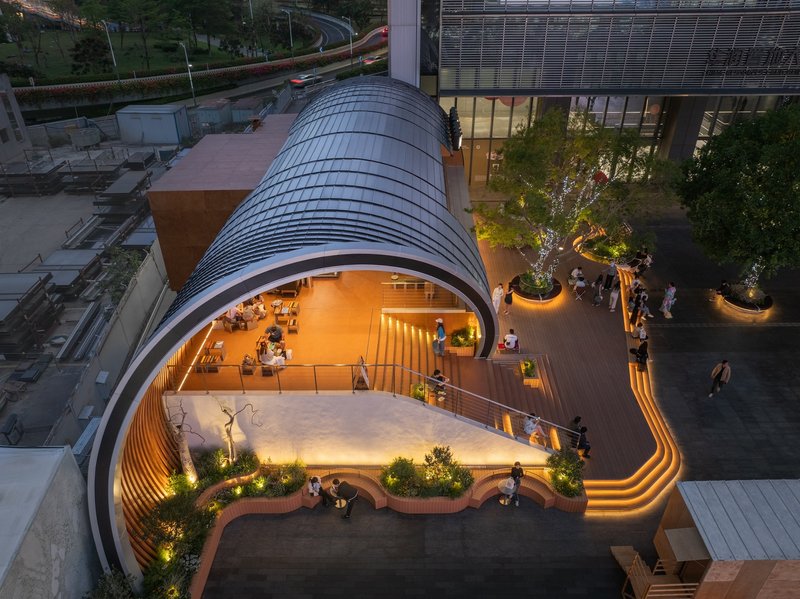
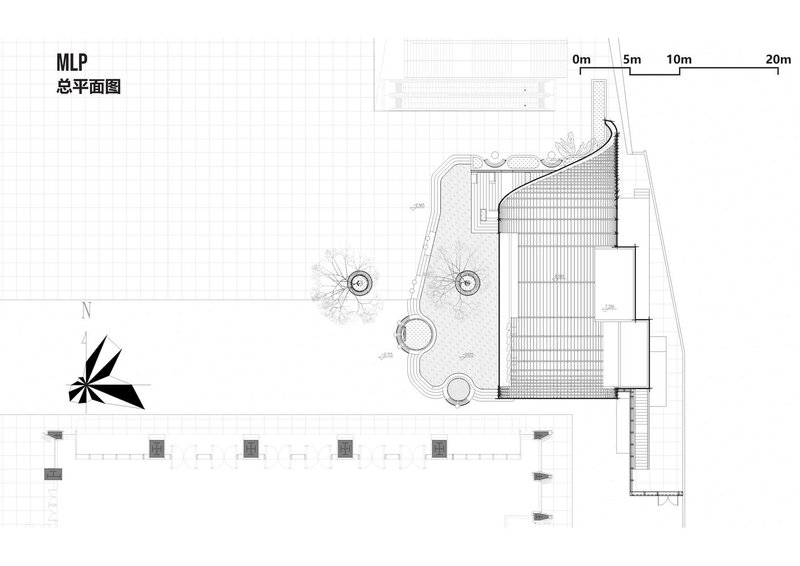
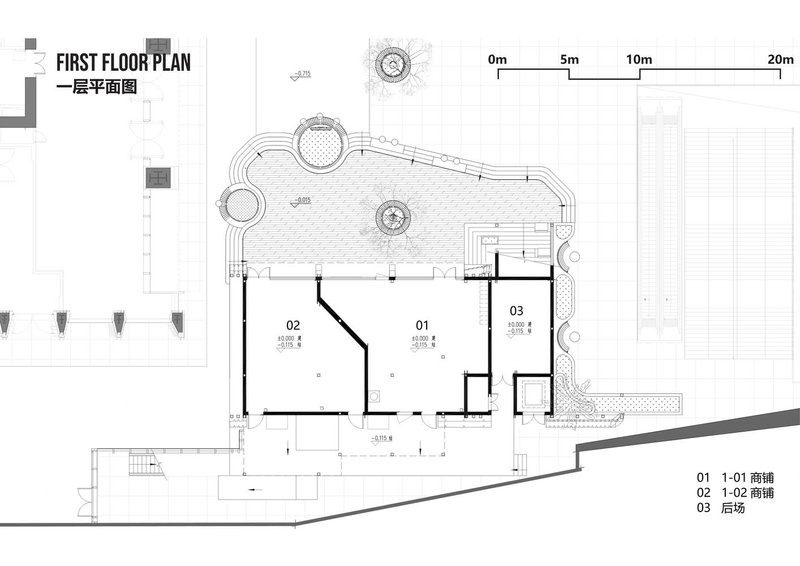
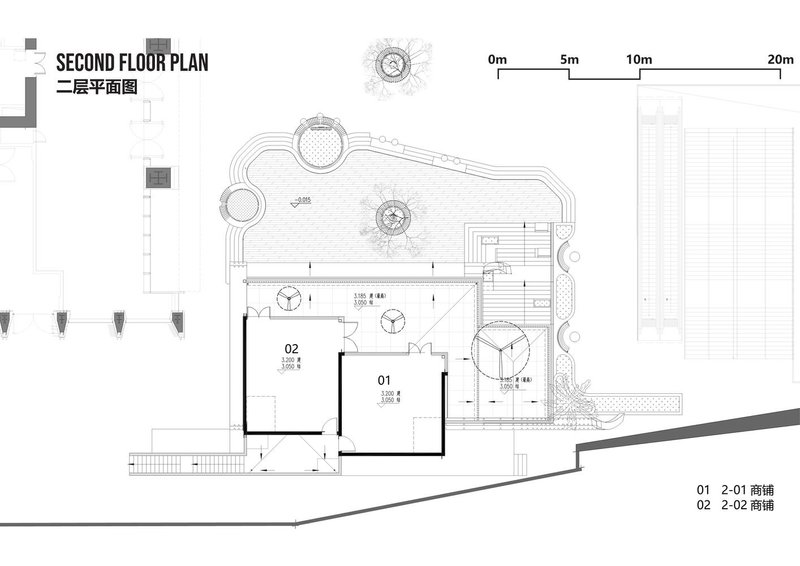
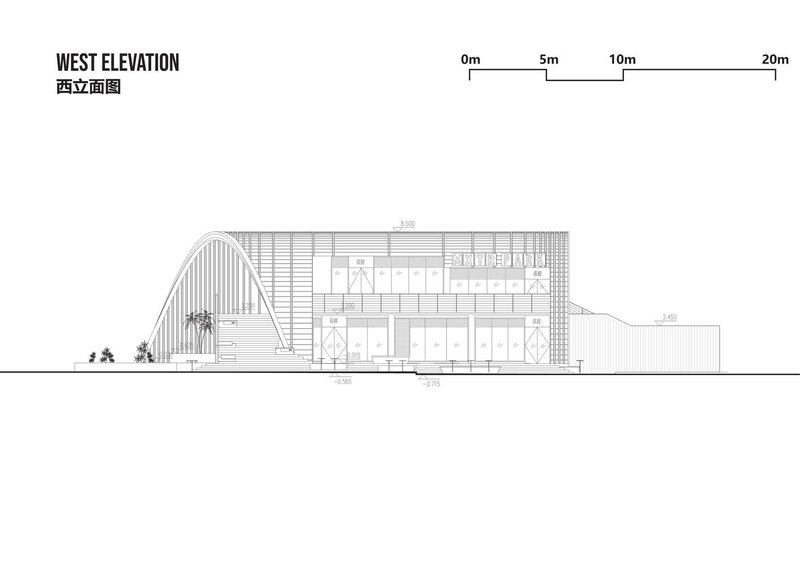
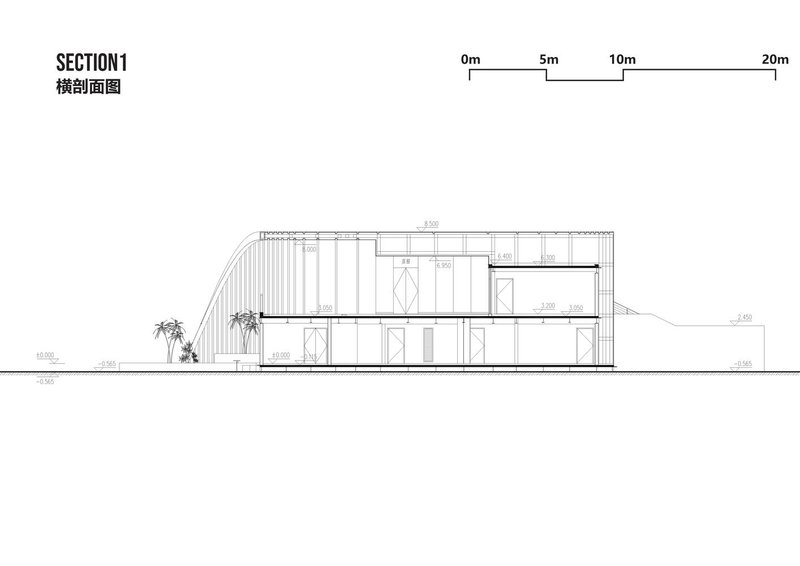
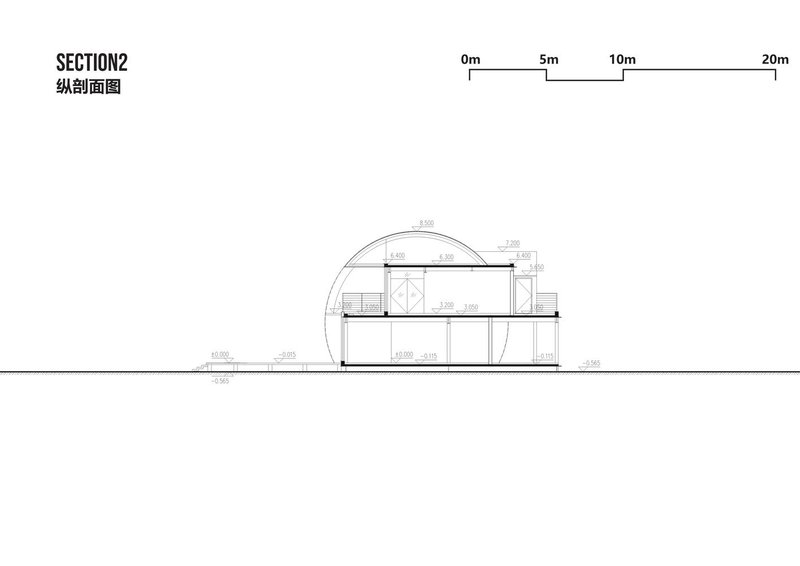
MXTR Park’s design is organized around the planning principle of "one arch, two terraces, three stages." The cylindrical volume is sculpted using Boolean operations to carve open circulation routes, resulting in a welcoming, open façade. The plaza-facing side features a stepped platform activating three distinct levels: a ground-floor flexible market space, a second-floor ceremonial seating area, and a rooftop sky garden designed as an elevated event venue. This tiered spatial arrangement encourages diverse uses and social interactions.
Structural and Material Innovation
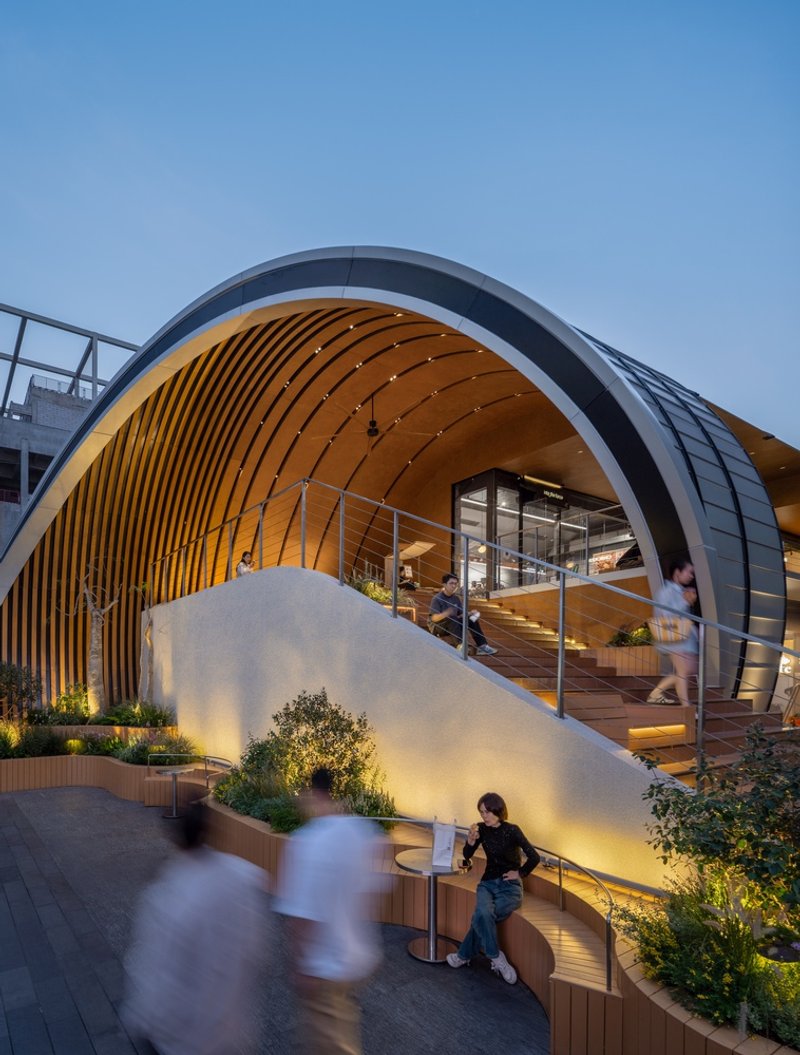
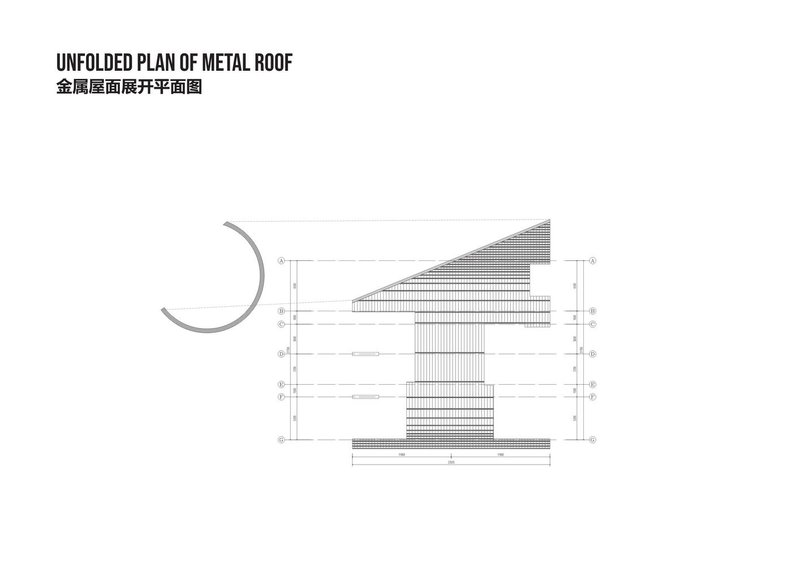
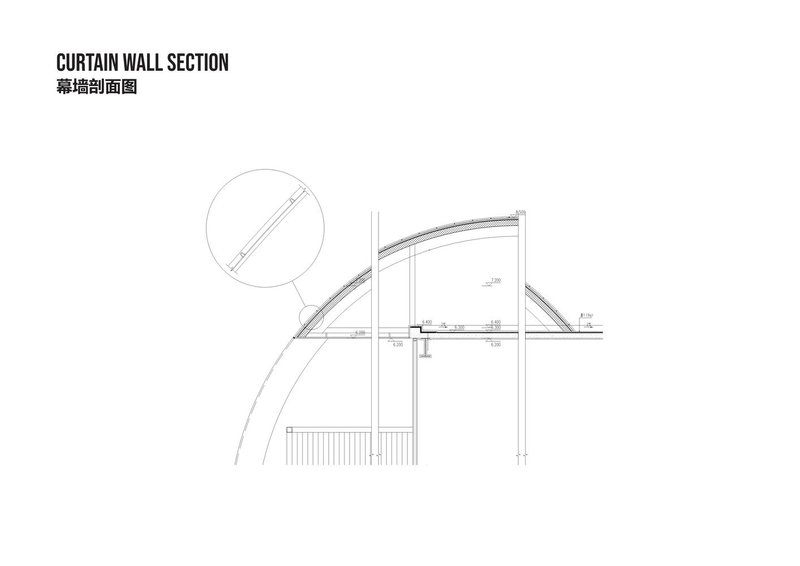
A minimalist steel arch spanning 18 meters is the architectural centerpiece, defining the composition while supporting an expansive open south façade. This open front maximizes visibility and invites pedestrian interaction, enhancing commercial appeal. The roof’s silver aluminum finish reflects nearby architecture, creating a cohesive cityscape dialogue. At pedestrian level, warm wood and wood-toned aluminum panels introduce a tactile quality that softens the building’s appearance and invites approachability.
Landscape and Public Space Integration
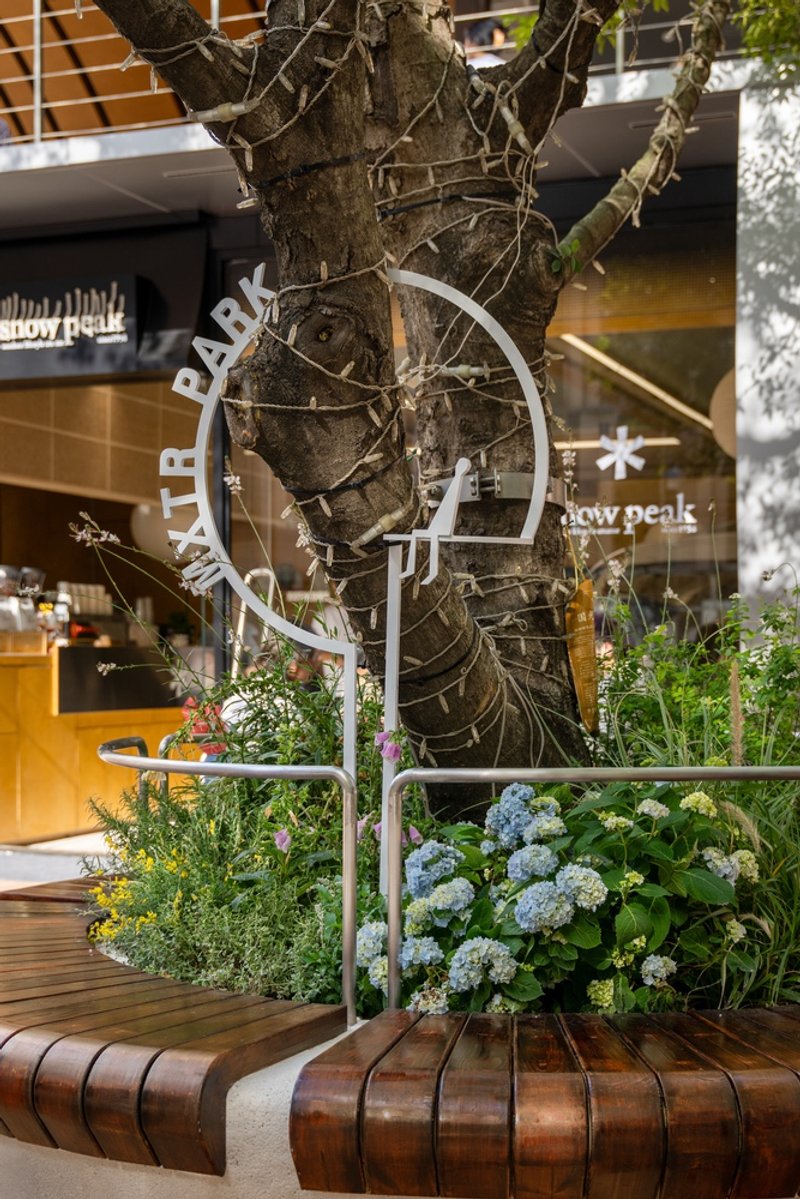
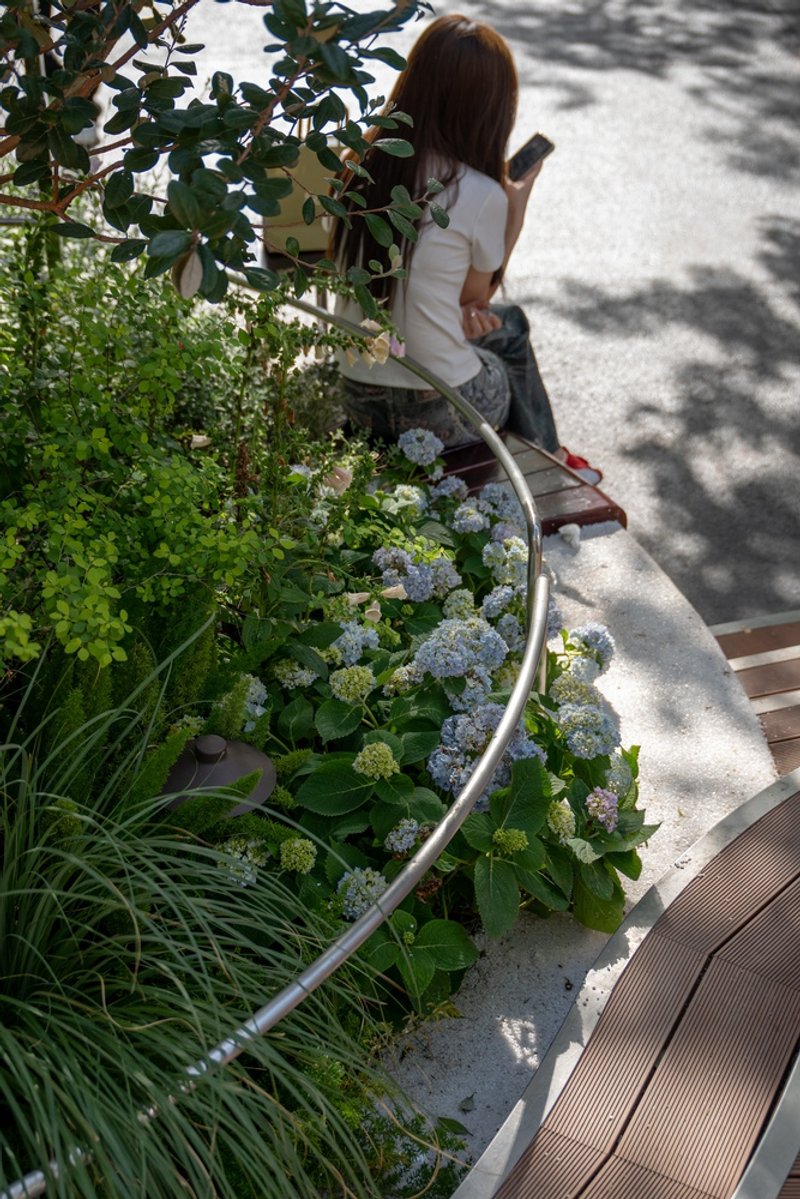
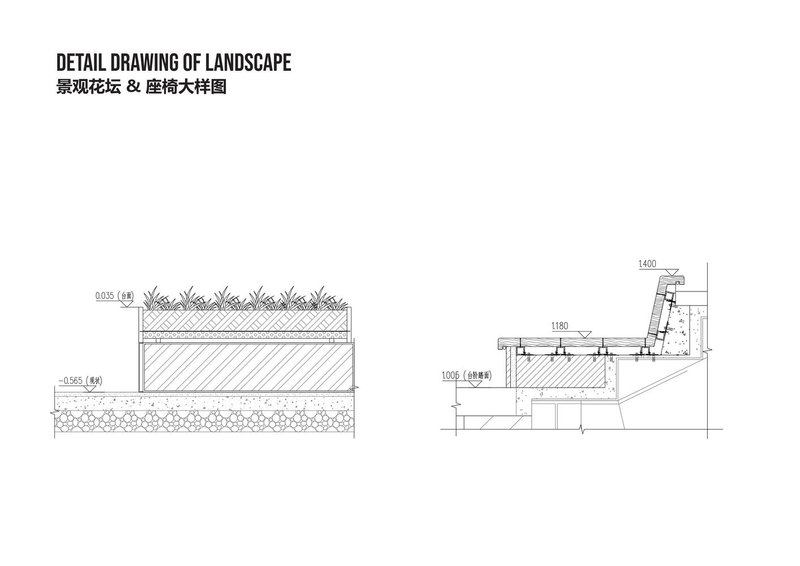
The landscape design embraces the idea of "blurred boundaries," allowing commercial activities to flow organically into public leisure and gathering zones. This seamless transition fosters a lively urban atmosphere where shopping, socializing, and relaxation coexist. The building becomes more than a retail venue; it evolves into an integral public node within Shenzhen’s dense urban environment.
Operational Strategy for Sustainability and Engagement
MXTR Park’s long-term success relies on a triadic operational model that balances public space quality with commercial functionality. High-quality public areas encourage visitors to linger, converting foot traffic into economic value naturally. The spatial design promotes “see and be seen” scenarios, fostering interaction between architecture and people while supporting flexible retail and event formats on the ground floor. This adaptability ensures the project remains vibrant and resilient over time.
A Model for Compact Mixed-Use Architecture in Dense Cities
MXTR Park exemplifies innovative mixed-use commercial architecture by merging design, utility, and public engagement. Its carefully crafted form, spatial logic, and operational strategies create a landmark that revitalizes an underperforming urban node in Shenzhen. This project sets a new benchmark for compact architectural interventions that successfully blend commercial vitality with civic life in contemporary dense city contexts.
All the photographs are works of ZC Architectural Photography Studio




Popular Articles
Popular articles from the community

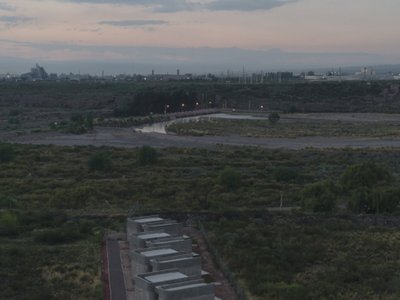
ONA Threads Four Board-Formed Concrete Cabins Along a 260-Meter-Deep Site in Mendoza
At the edge of Argentina's wine country, a set of curved concrete lodges negotiate a razor-thin parcel between city and mountain.
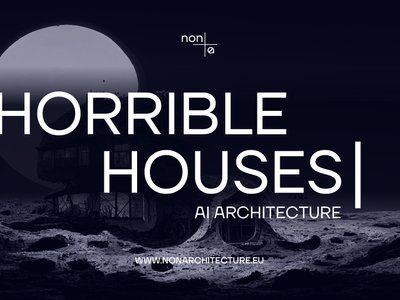
Non Architecture's Horrible Houses Competition Asks AI to Design the Ugliest Home Possible
A free global competition invited participants to use AI image generators to produce the most hideous house they could imagine.
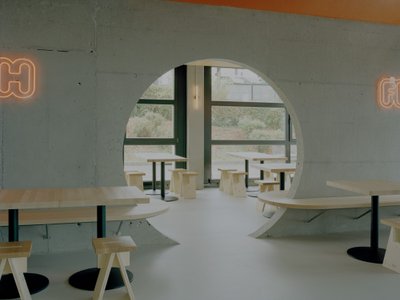
Noue Studio Organizes a Swiss Restaurant Around a Single Concrete Wall
In Granges-Paccot, Switzerland, a 216-square-meter renovation turns raw materials and a central spine into a legible dining experience.
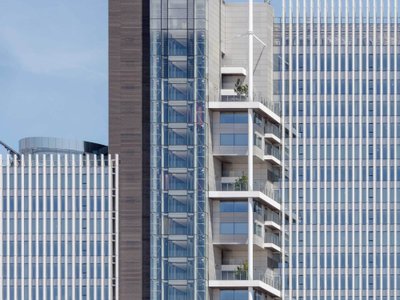
Cro&Co Architecture Builds a 150-Meter Tower on Top of a Seven-Lane Highway in La Défense
Trinity Tower reimagines the office high-rise as a bioclimatic organism threaded with terraces, trees, and public ground in Paris's business district.

Similar Reads
You might also enjoy these articles
Noue Studio Organizes a Swiss Restaurant Around a Single Concrete Wall
In Granges-Paccot, Switzerland, a 216-square-meter renovation turns raw materials and a central spine into a legible dining experience.
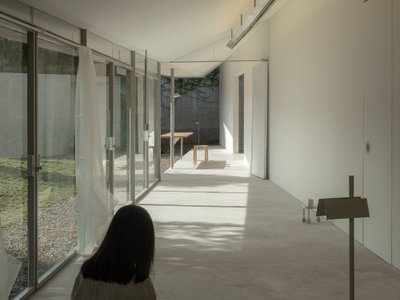
dua studio Stretches a 3.6-Meter-Wide House Across 24 Meters of Indonesian Garden
In Pesanggrahan, a single diagonal wall organizes an entire domestic program into two slender bands flanked by courtyards and trees.
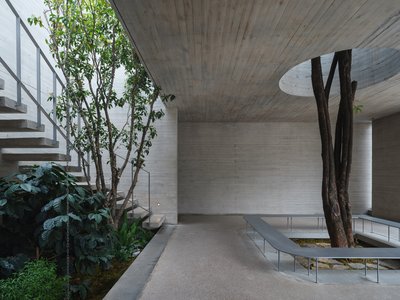
No10-Architects Builds a Multi-Sensory Coffee Lab Around Preserved Trees in Yunnan
Voiceless Coffee in Baoshan wraps board-formed concrete, timber pavilions, and courtyards around a full-chain coffee experience in 260 square meters.
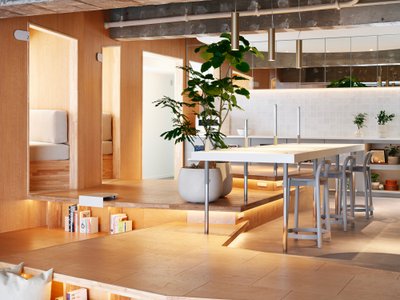
R/URBAN DESIGN OFFICE Carves a Communal Living Room from a Tokyo Corporate Dormitory
In Shinagawa's Oi district, a 35-year-old reinforced concrete tower becomes a 49-unit rental residence with shared spaces that redefine cohabitation.


Explore Architecture Competitions
Discover active competitions in this discipline




The International Standard for Design Portfolios


The Global Benchmark for Architecture Dissertation Awards


The Global Benchmark for Graduation Excellence


Challenge to reimagine the Iron Throne
Comments (0)
Please login or sign up to add comments
No comments yet. Be the first to comment!