
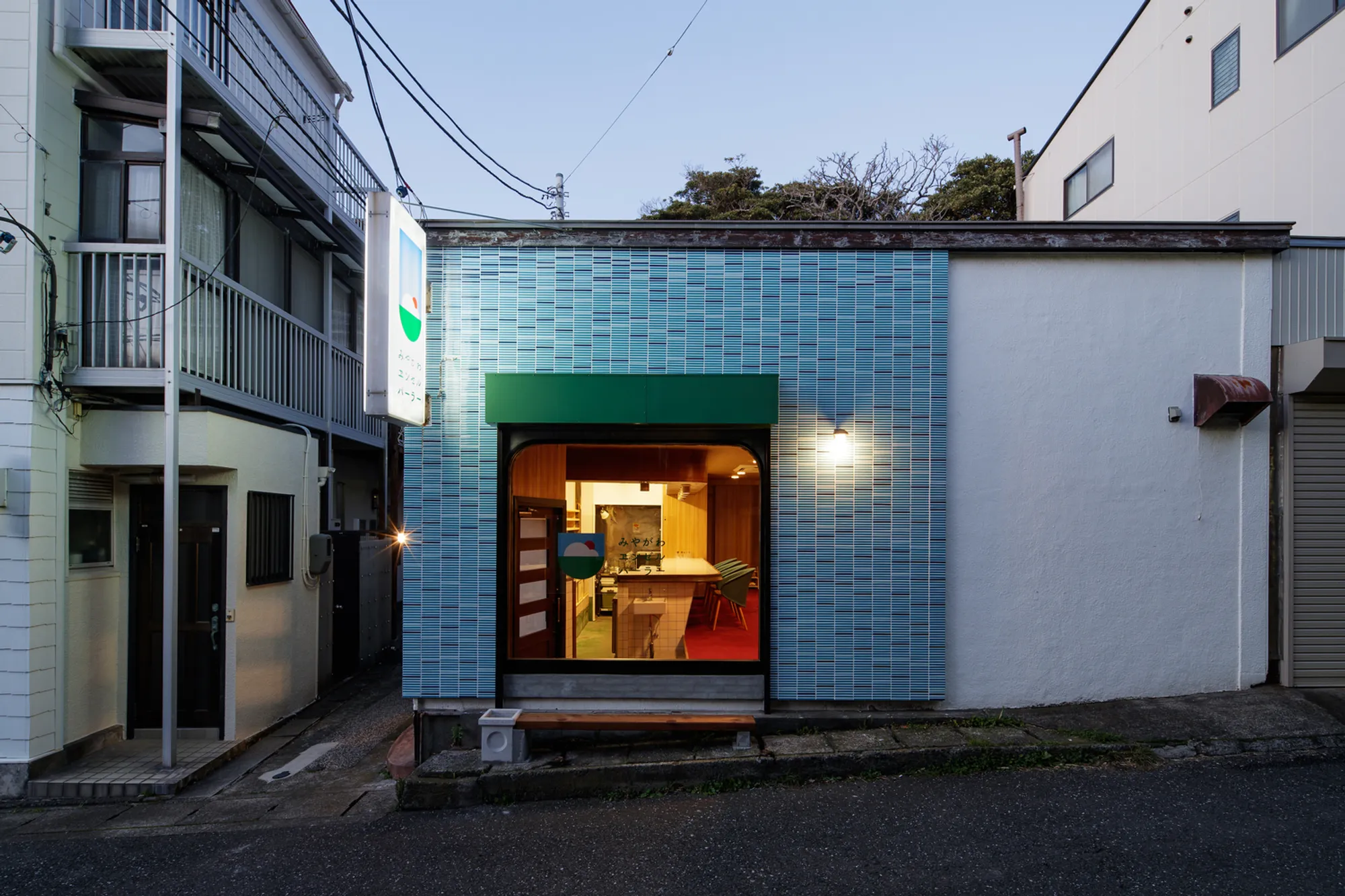
Miyagawa Angel Parlor by ROOVICE
Miyagawa Angel Parlor by ROOVICE transforms a former tuna restaurant into a warm, community-centered café in coastal Miura, Japan.


A Thoughtful Renovation Revives a Beloved Community Hub in Miura, Japan
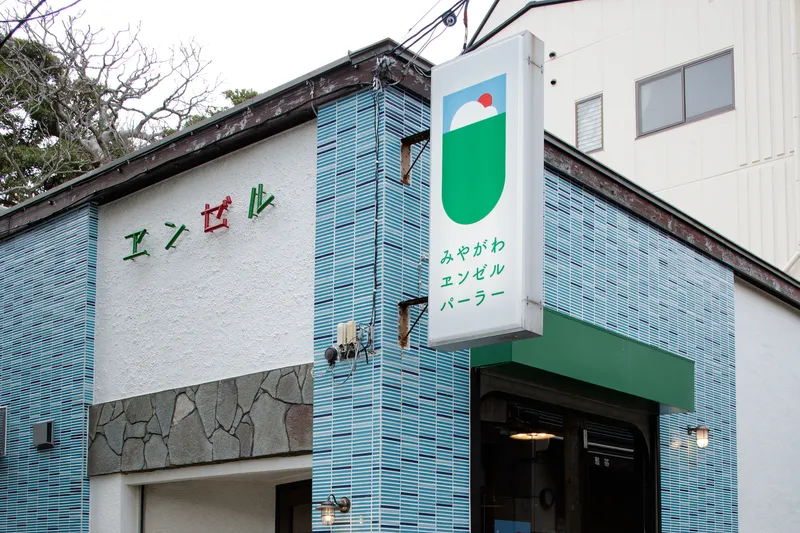
In 2020, Tokyo-based architecture studio ROOVICE completed the sensitive renovation of a long-shuttered tuna restaurant in Miura, Kanagawa Prefecture, transforming it into the Miyagawa Angel Parlor, a cozy coffee shop that revives the spirit of its predecessor while reshaping the role of community space in this coastal town.
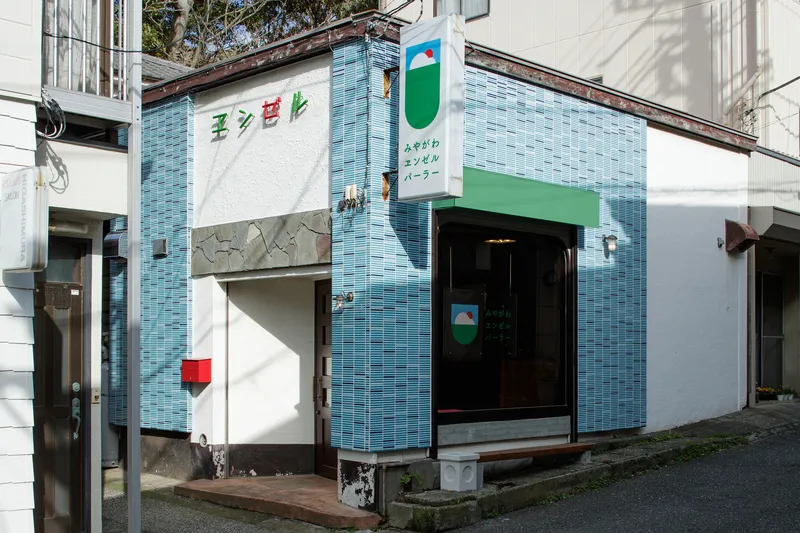
Once known as “Angel,” the original restaurant was more than just a dining destination. Nestled beside Misaki Harbor, it was a cherished gathering point for locals of all generations—a place intertwined with the town’s identity. When it closed, the community lost not just a seafood restaurant, but a cultural anchor.
Drawing inspiration from their earlier Miyagawa Bagel project—another adaptive reuse venture in Miura—ROOVICE approached the redesign as a social architecture initiative. Their goal was to preserve the emotional legacy of the original space while introducing a new, accessible public program focused on community interaction and café culture.
Renovating with Respect: Preserving Layout and Legacy
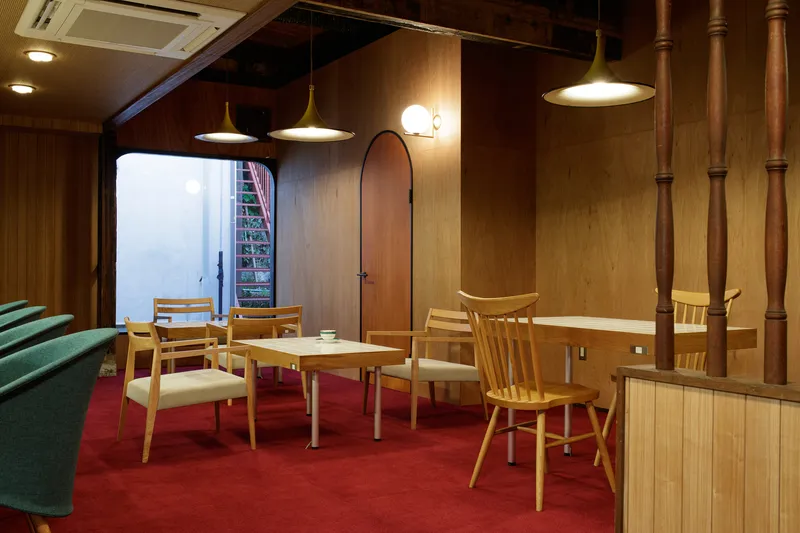
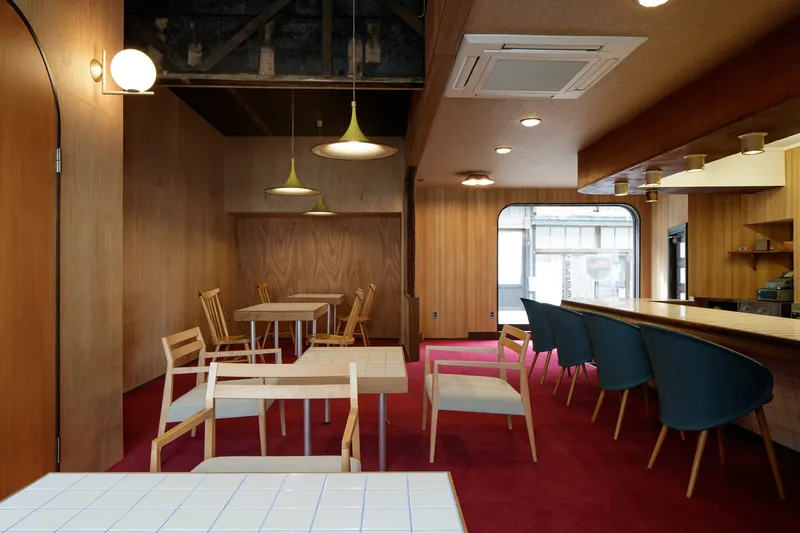
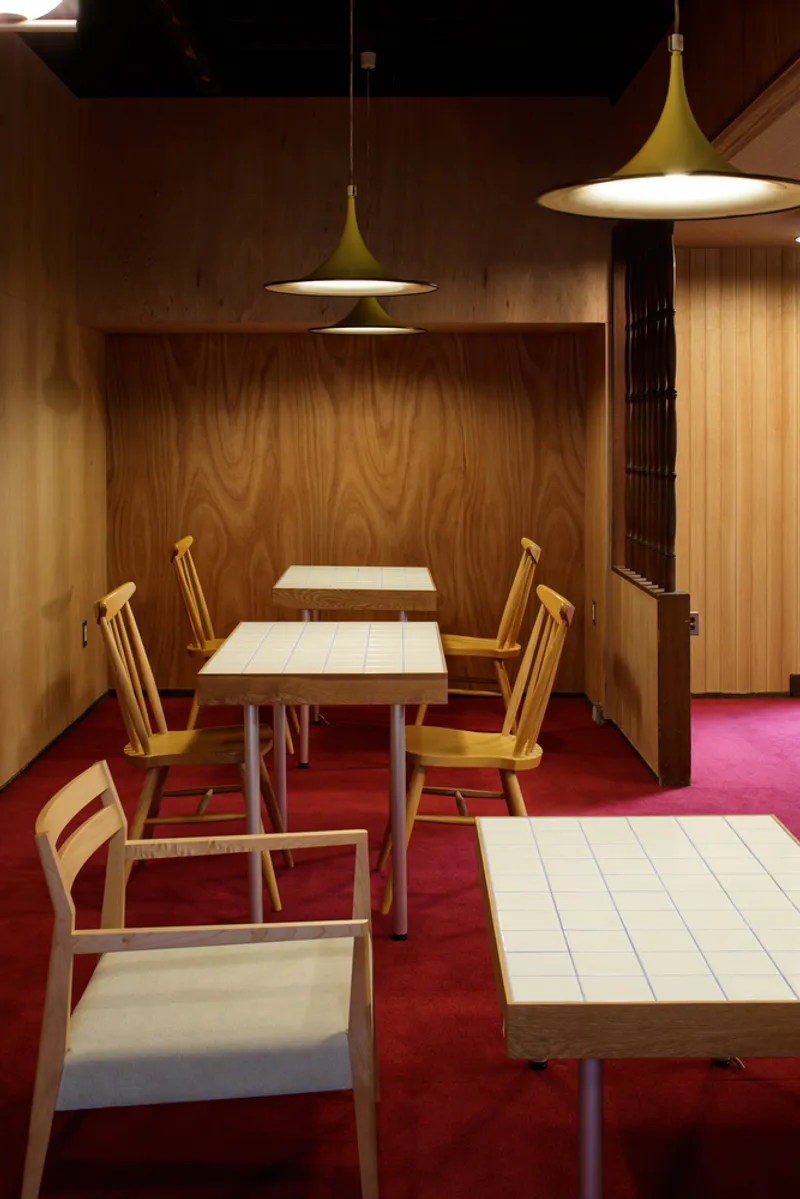
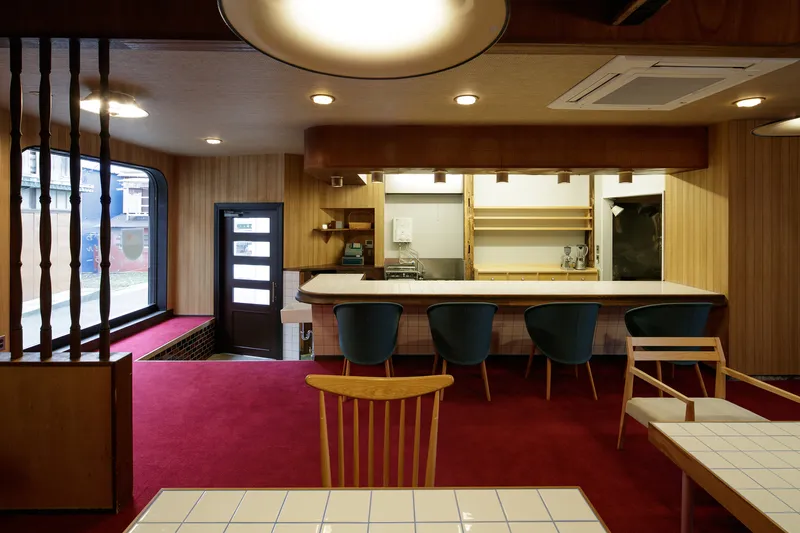
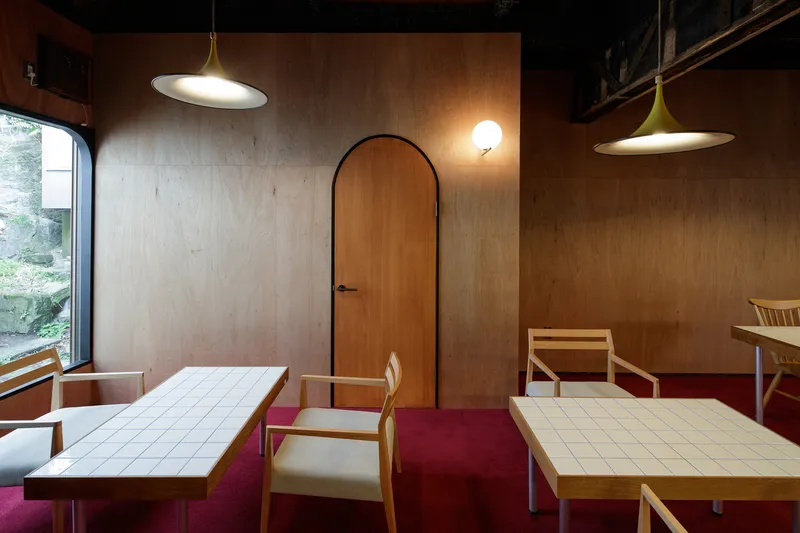
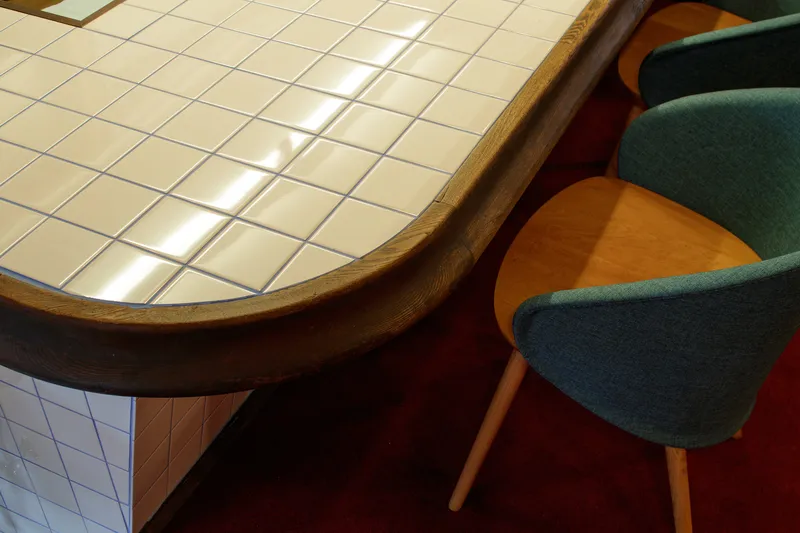
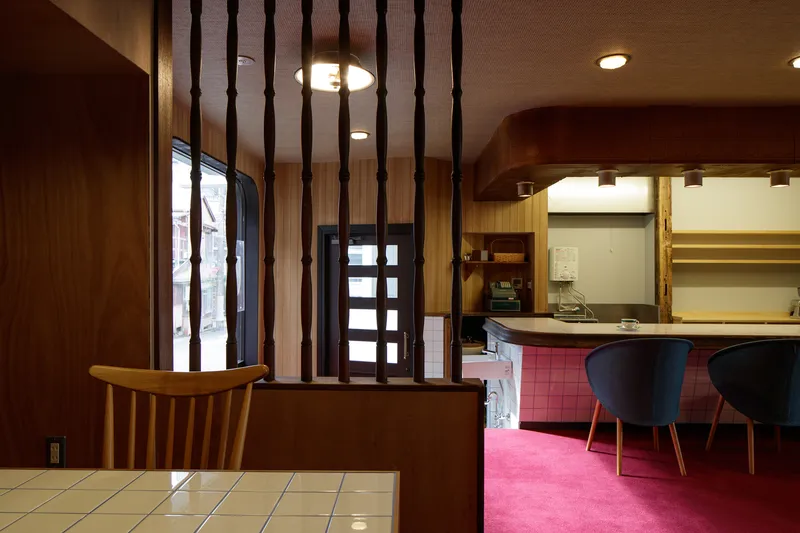
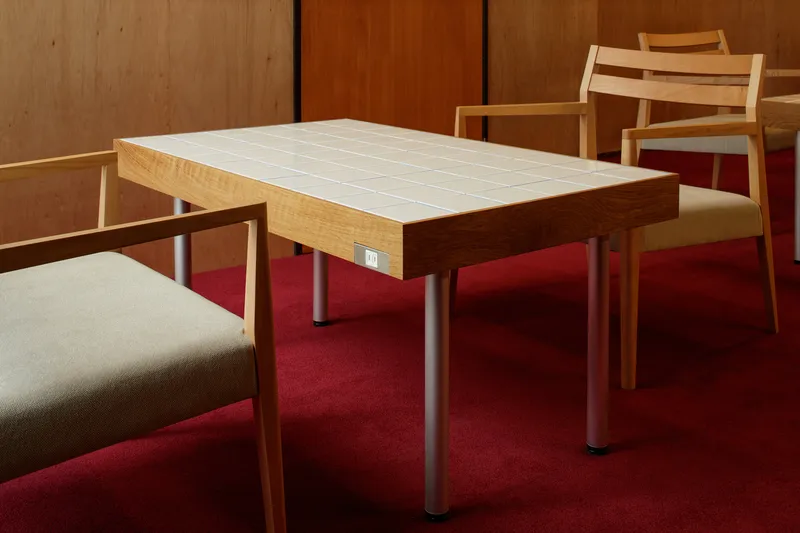
The new Miyagawa Angel Parlor retains much of the spatial arrangement of the former restaurant. The design team deliberately preserved the layout to maintain its nostalgic character. Original kitchen counters and serving tables remain intact, now topped with clean white 10cm tiles—an affordable and aesthetic link to the nearby Miyagawa Bagel shop.
ROOVICE added only minimal architectural interventions: a new restroom tucked behind the kitchen and a small storage room replacing the rear alley access. Dividers once used to separate tables were removed in favor of an open-plan layout that fosters fluid social exchange.
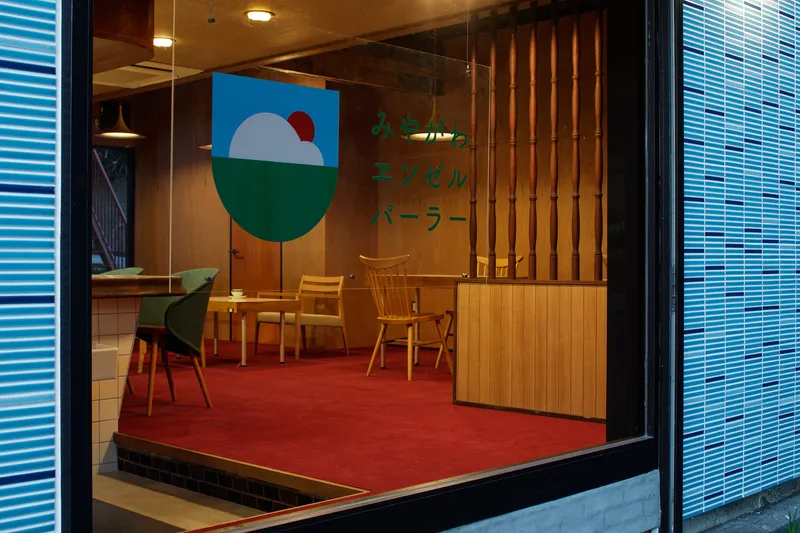
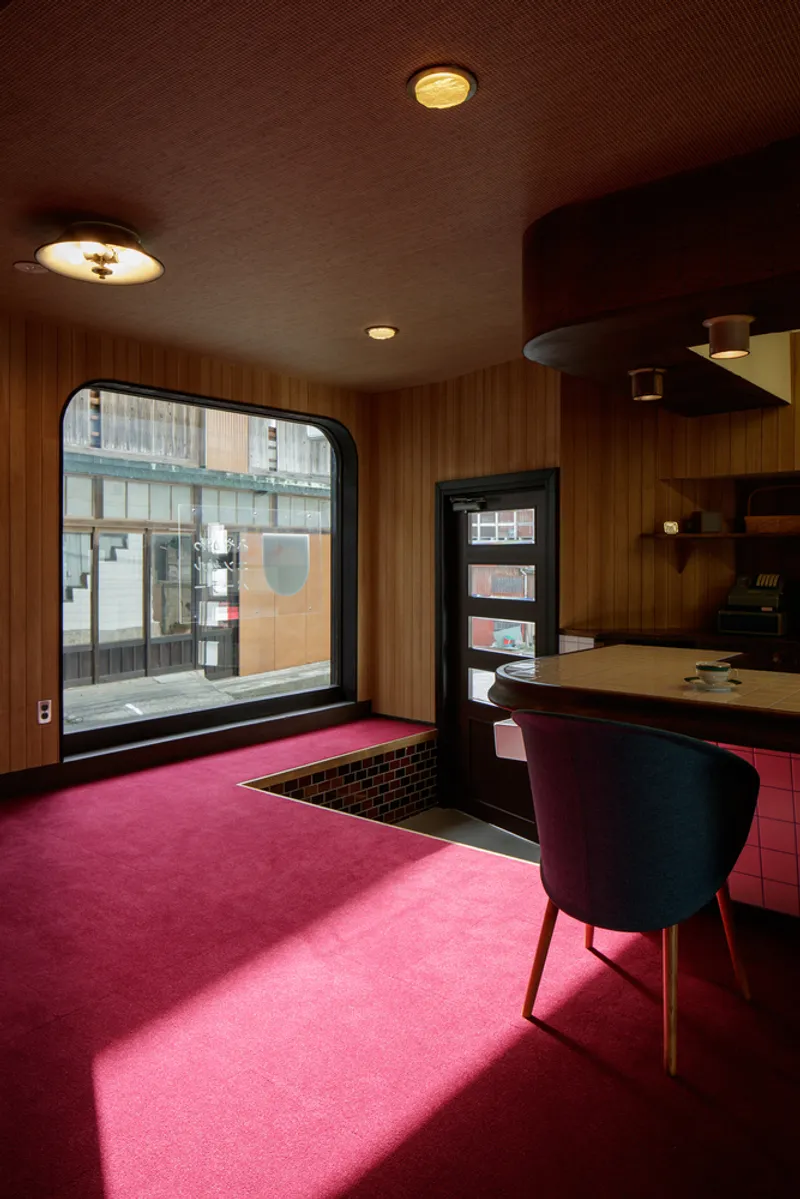
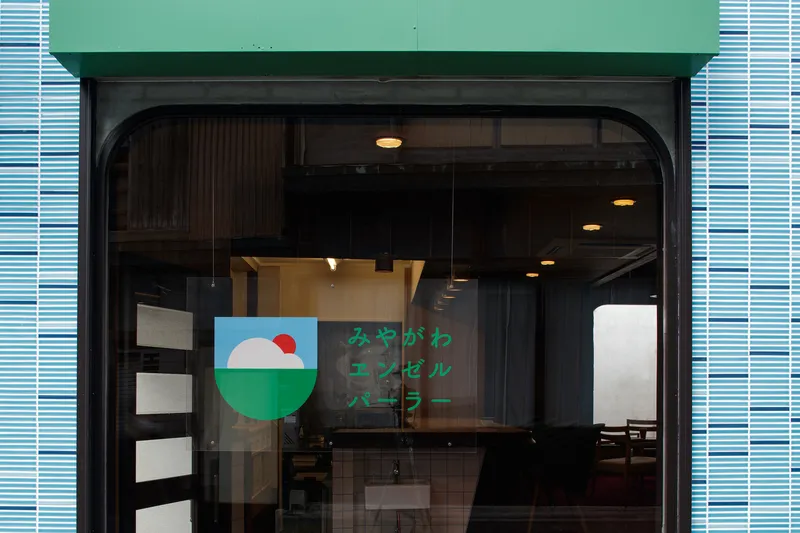
Upon entry, visitors encounter twin benches flanking a large street-facing window—one inside and one outside. Inside, the bench acts as a shelf, subtly merging form and function. The red carpet flooring adds warmth and contrast to the wooden interior, subtly referencing traditional Japanese aesthetics while making the space feel inviting.
Illuminating the Neighborhood—Inside and Out
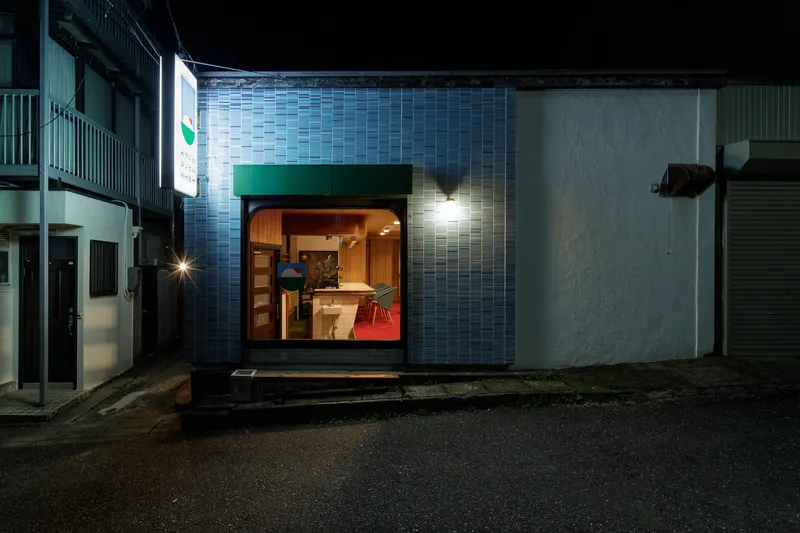
A defining feature of the renovated café is its glowing presence at night. The expansive window opening onto the street facade turns the café into a kind of urban lantern, echoing the strategy used at Miyagawa Bagel. This architectural gesture is more than just visual—it acts as a beacon for passersby and encourages spontaneous interaction between the interior space and the street life outside.
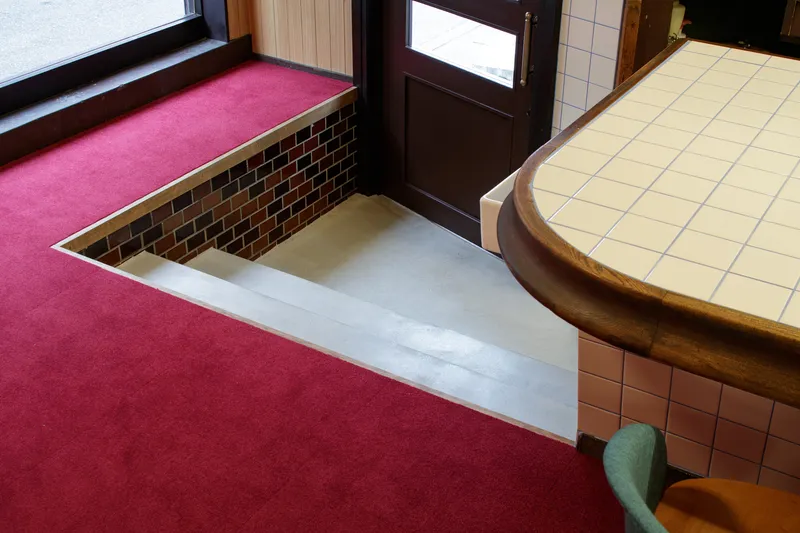
This transparency reflects the project’s broader ethos: reconnecting people through thoughtful, modest design. The glowing café draws attention without spectacle, providing a subtle yet powerful presence in its quiet neighborhood.
Social Sustainability Through Architecture
The Miyagawa Angel Parlor is a compelling example of small-scale architectural reuse with large social impact. Instead of demolishing and rebuilding, ROOVICE’s approach emphasizes restoration, memory, and cultural continuity. The coffee shop acts as both a local landmark and a platform for everyday social gathering, aligning seamlessly with Japan’s growing interest in community-driven spaces and adaptive reuse architecture.
By reactivating a disused building with minimal intervention and a clear programmatic shift, this project highlights the power of architecture to regenerate local identity and promote social sustainability.
All the photographs are works of Akira Nakamura




Popular Articles
Popular articles from the community


The Earth Pod: 3D Printed Homes for Resilient Refugee Communities
The Earth Pod reimagines refugee housing through 3D printed homes made from clay, combining resilience, self-sufficiency, and rapid shelter.

Co-Life: Senior Housing Design That Reconnects Older Adults With the City
Co-Life reimagines senior housing design through healing gardens, shared streets, workshops, and a sustainable community across generations.

Co-life: Sustainable Architecture for Age-Friendly Community Living
Co-life reimagines sustainable architecture for seniors through courtyards, rammed earth, shared gardens, and spaces designed for belonging.

The Musturak Paradise: Senior Living Architecture for a Connected Future in Temara, Morocco
The Musturak Paradise reimagines senior living architecture in Temara via private homes, social spaces, culture, community, and shared care.


Similar Reads
You might also enjoy these articles


Hodi-Mandai Geram
Project Function: Preservation and revitalization of the Intangible heritage and socio-spatial identity of the Hodi by Housing, Cultural Memory Center, Sacred Grove, landscape, local tourism economy


Olio Towers: A Mid-Rise for Performers That Fuses Housing, Rehearsal, and Stage
Located blocks from Houston's Theater District, this modular tower stacks living units around a central performance atrium.

Oasis: Modular Green Housing Carved into Dhaka's Urban Fabric
A shortlisted Plugin Housing entry reclaims unauthorized settlements in Dhaka with stepped concrete volumes, green roofs, and ventilation-driven design.

Black Hole: A Floating Megastructure for the Post-Physical Era
Emiliano Mazzarotto envisions a spherical, self-scaling arena where e-sports, digital hotels, and holographic stadiums replace traditional public space.


Explore Architecture Competitions
Discover active competitions in this discipline



Challenge to reimagine the Iron Throne


Photograph architecture without architects


Illustrate the lost glory of Angkor Wat - Render Challenge


Design challenge to reuse E-waste
Comments (0)
Please login or sign up to add comments
No comments yet. Be the first to comment!