

Miyan Residential Building by Pi Architects: A New Approach to Multi-Level Urban Residential Architecture
A bold reimagining of urban housing, Miyan Building explores multi-level living through terraces, spatial variety, and facade articulation.


Redefining Vertical Living in Mashhad
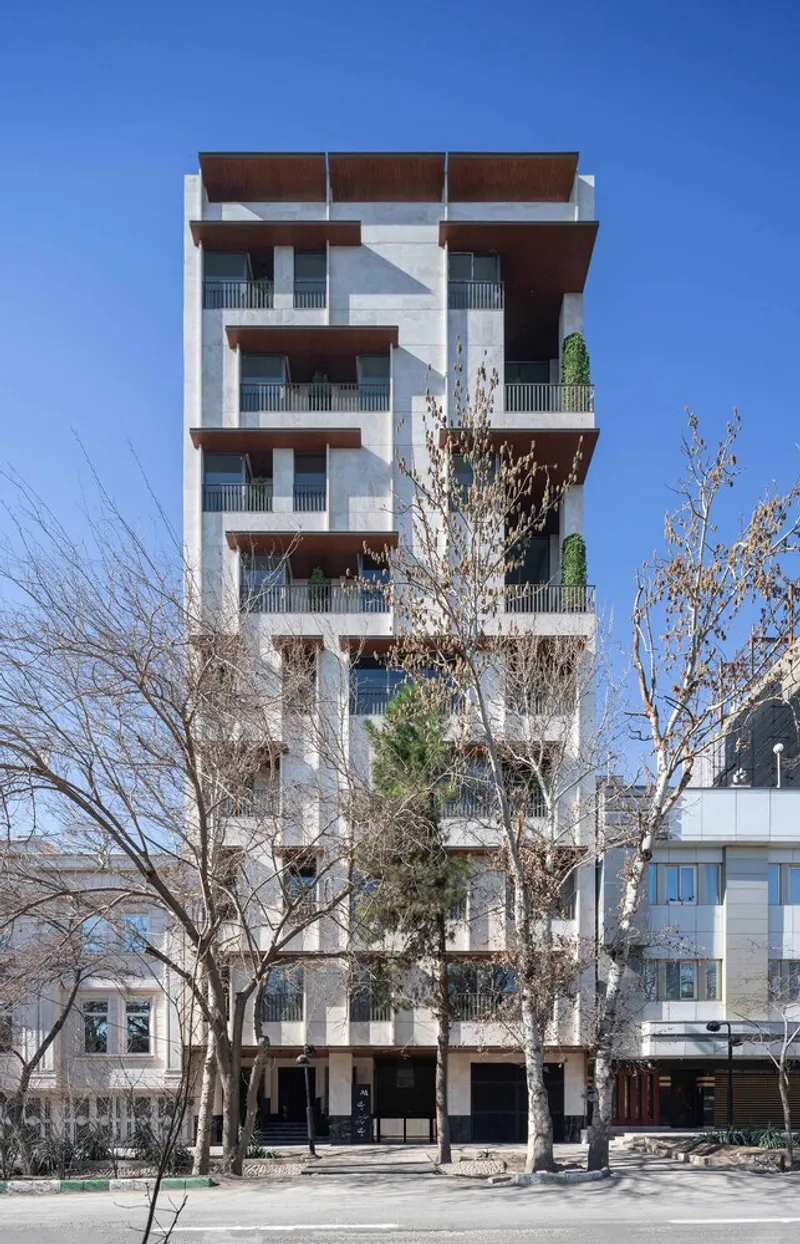
Located along the bustling Kalantari Highway in Mashhad, Iran, the Miyan Residential Building by Pi Architects is a bold and thoughtful exploration of multi-level urban residential architecture. Completed in 2024, the 3,400-square-meter structure stands as a reinterpretation of dense city living, using architectural variety and volumetric innovation to address privacy, outdoor connection, and energy efficiency in a high-density environment.


Challenging Conventional Urban Housing
The nine-unit project departs from traditional housing typologies by offering five unique floor plans tailored to different spatial experiences and user preferences. Rather than focusing solely on square footage, the design prioritizes livability, spatial diversity, and the dynamic relationship between public and private life. Each unit is crafted as a distinct architectural experience, allowing residents to choose based on their lifestyle and the kind of space they wish to inhabit.


Volumetric Breaks and Spatial Innovation
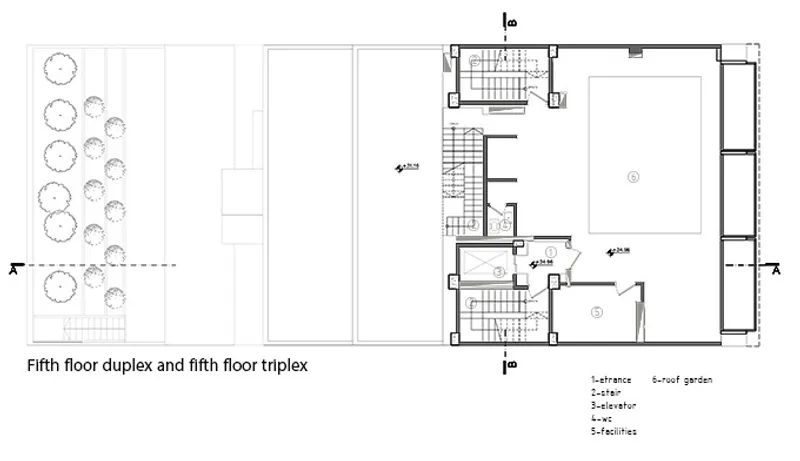
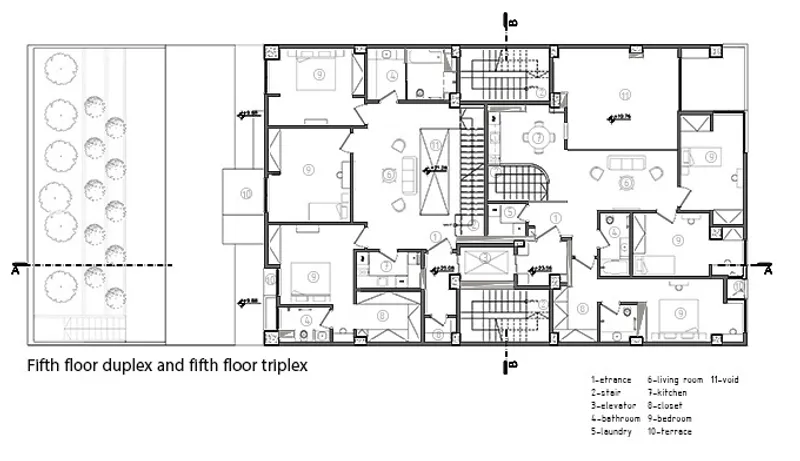
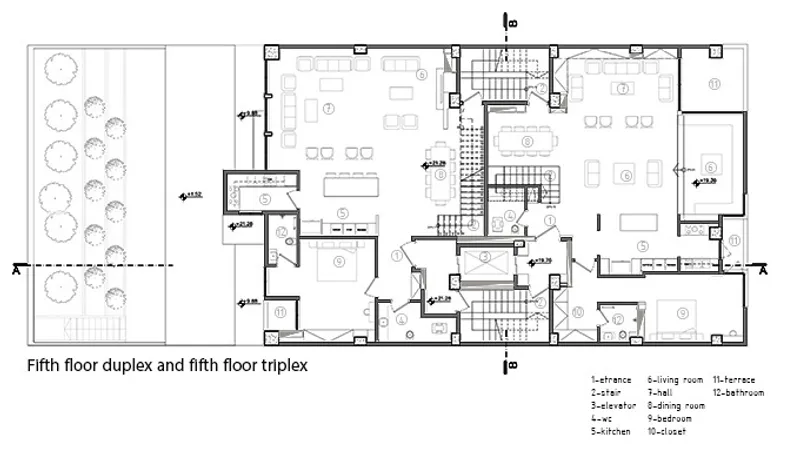
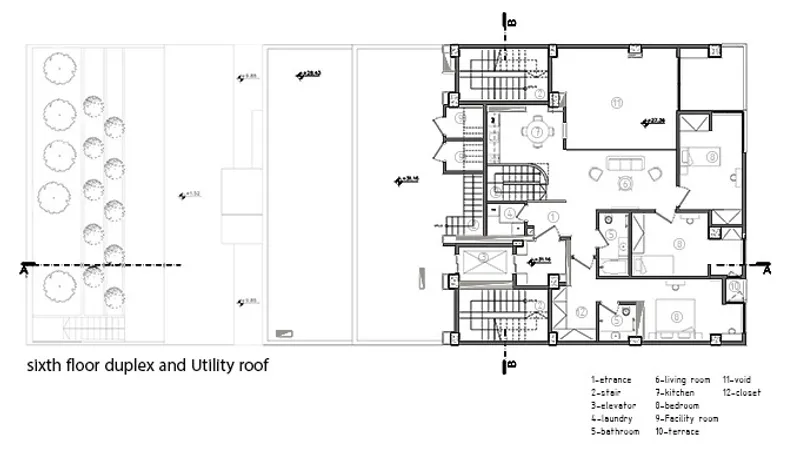
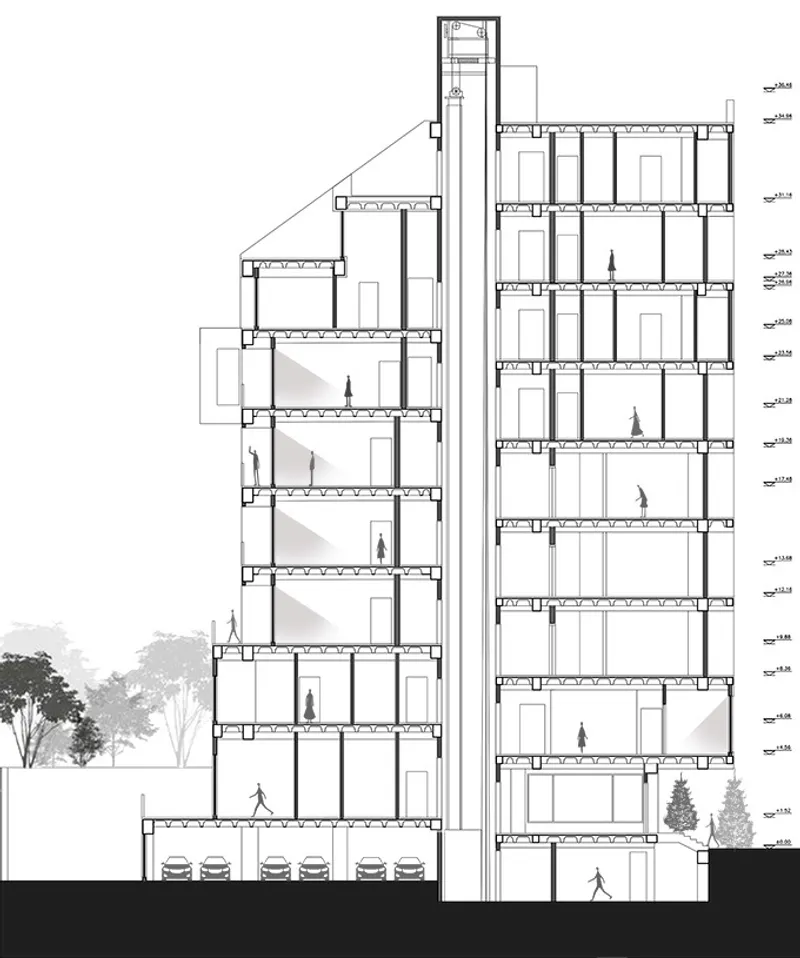
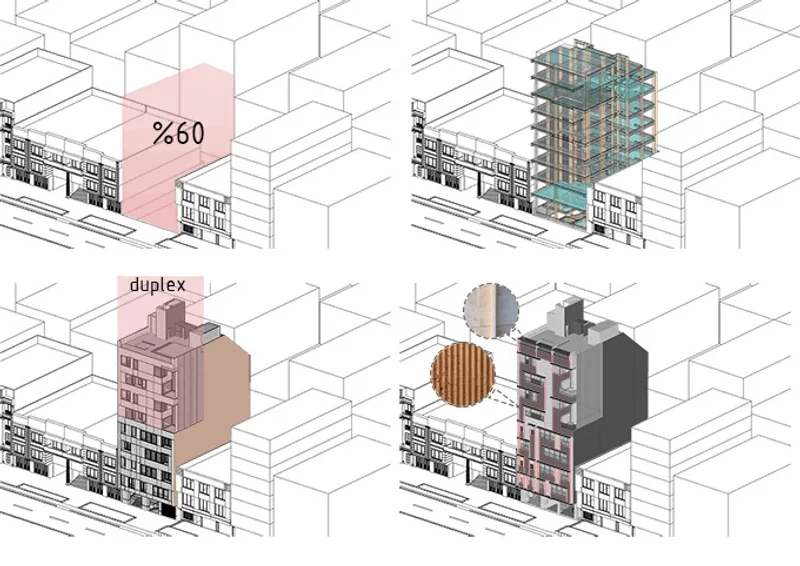
A key design element of the Miyan Residential Building is its intentional volumetric break at the building’s midpoint. This architectural gesture separates the structure both visually and spatially, resulting in a compelling mix of unit types including two duplexes, one triplex, and three units with fragmented, split-level layouts. This approach brings complexity and depth to the building's form, fostering a more intimate and multi-dimensional residential experience.

Functional Terraces as Urban Relief
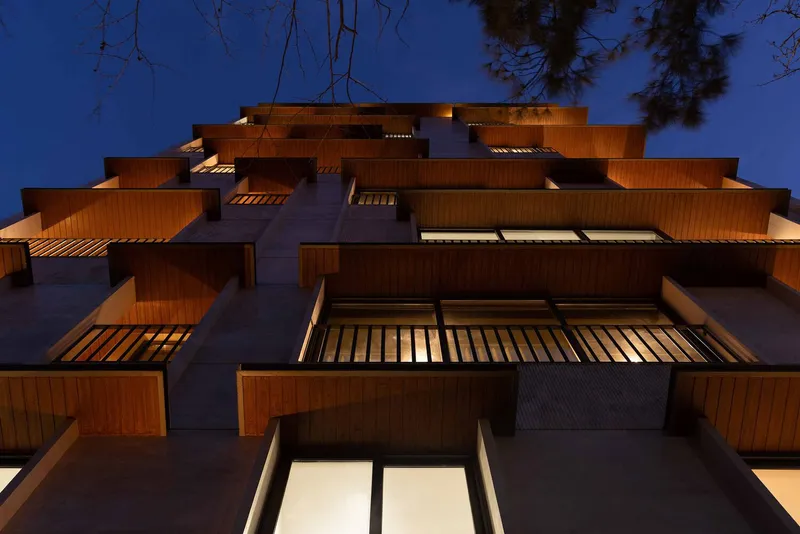
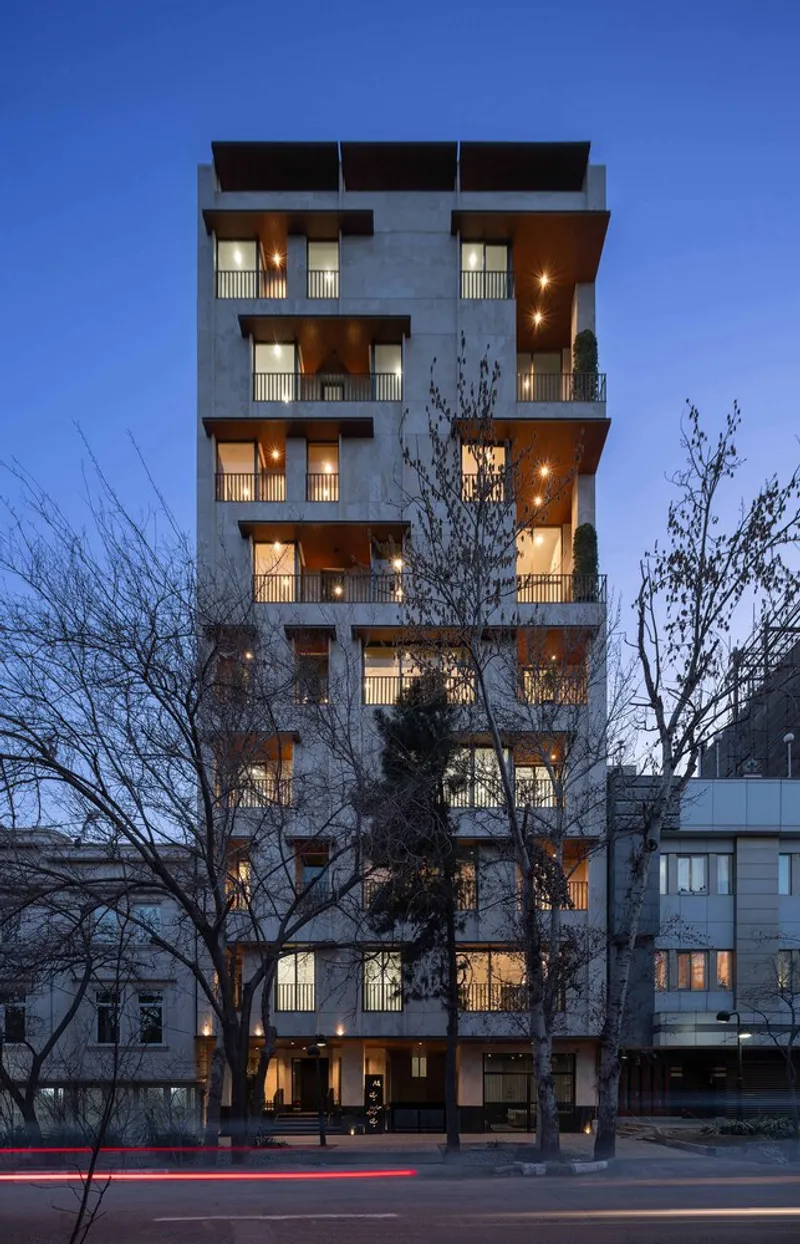
On the southern façade, deeply recessed terraces have been integrated into the building mass. These semi-open spaces provide a rare connection to nature in an urban context, offering both usability and privacy. The design frames views of the southern mountains and the lush greenery of Malekabad Garden to the north, establishing a strong indoor-outdoor dialogue that enhances well-being and natural ventilation. These terraces function as transitional buffers between the interior and exterior, amplifying the residents’ sensory engagement with the environment.

Layered Public and Private Zones
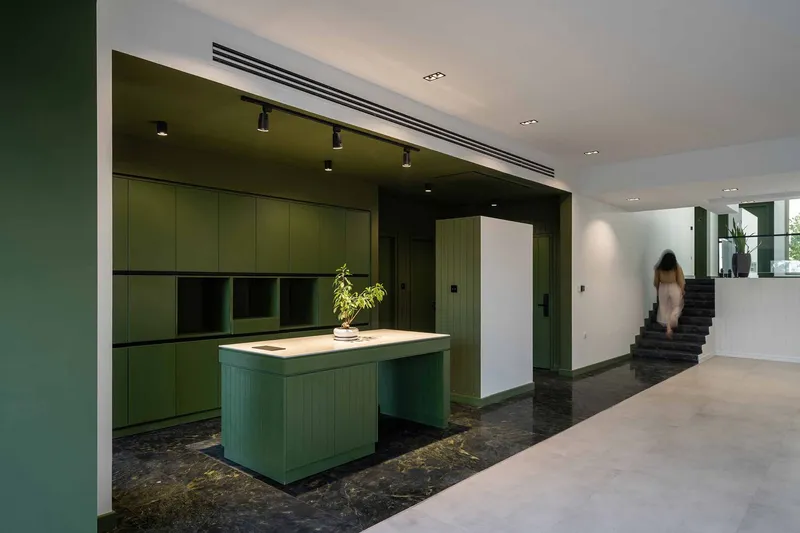
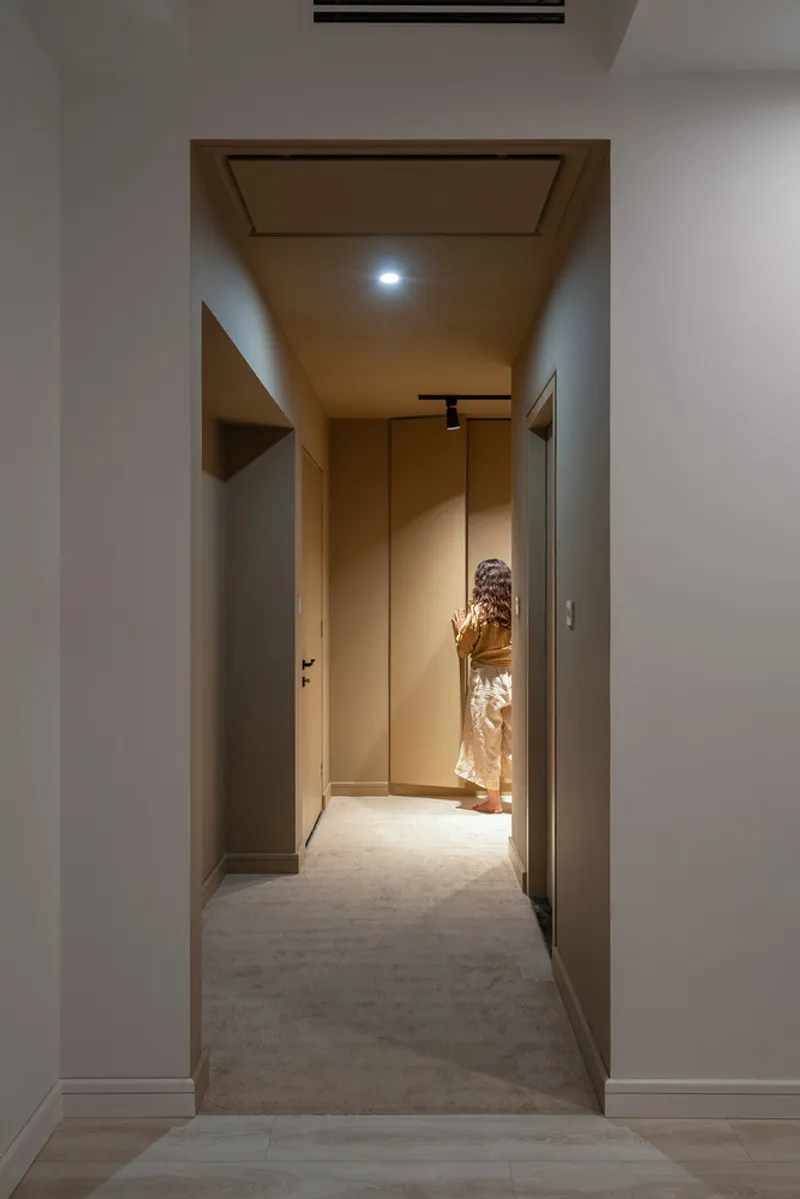
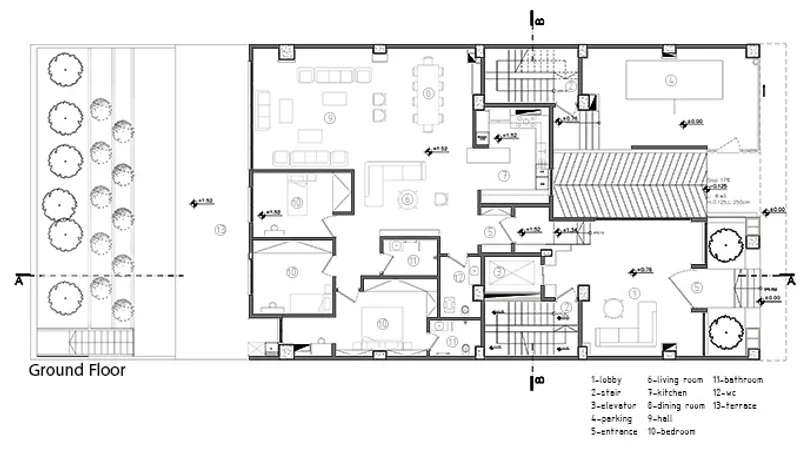
The internal layout is organized to create a clear separation between public and private spaces. This subtle zoning allows residents to preserve their privacy within personal spaces while engaging with communal areas only when necessary, such as hosting visitors. By reducing circulation through public areas, the design supports both energy efficiency and a more peaceful daily routine.
Architectural Identity Through Façade and Entrance
The building’s façade departs from the norm with a carefully articulated three-dimensional treatment. This design decision highlights the differences between duplex, triplex, and standard units while rejecting the flatness of typical residential exteriors. At the entrance, two sunken gardens linked to the main lobby through a suspended staircase offer an expressive, welcoming gesture. This entry experience forms a visual and spatial transition from the urban street to the serene interior, reinforcing the building’s distinct identity.


Responding to Urban Density with Design Clarity
Miyan Residential Building is not just a response to the challenges of urban housing; it is a vision of what future city living can be. By reimagining the building block through multi-level units, integrated terraces, and volumetric breaks, Pi Architects have introduced a dynamic and human-centered alternative to conventional apartment buildings. The project emphasizes architectural quality, energy-conscious living, and the nuanced needs of contemporary residents in dense metropolitan areas.

A Model for Multi-Level Urban Residential Architecture
Through its innovative spatial logic, material articulation, and strong connection to context, the Miyan Residential Building sets a new benchmark in multi-level urban residential architecture. It demonstrates how architectural diversity and three-dimensional design can enhance livability, sustainability, and user experience in high-density urban settings.
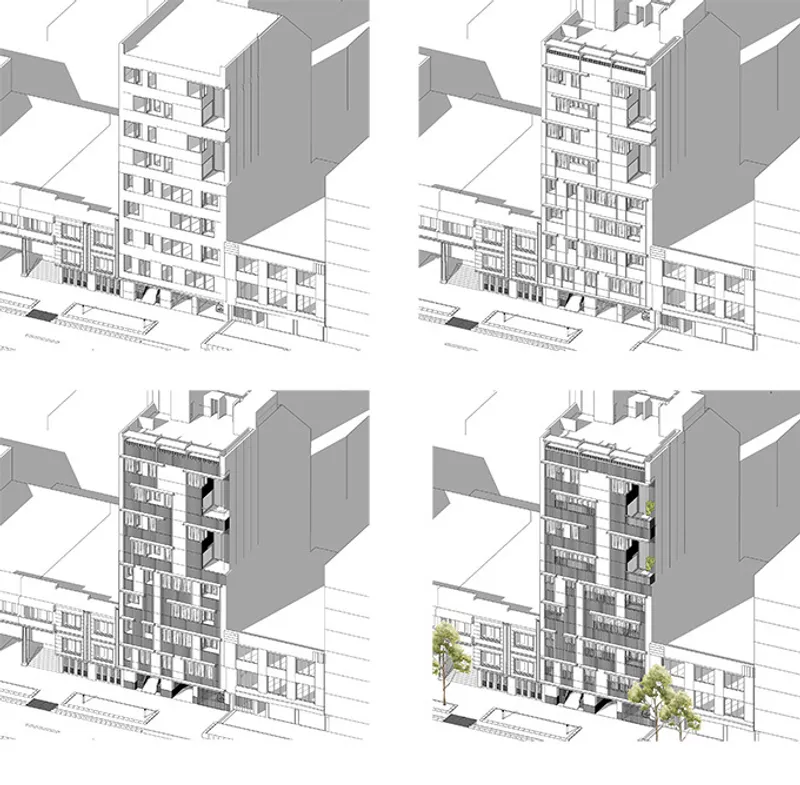
All Photographs are works of diman studio



Popular Articles
Popular articles from the community


Play: Fragments of Their World
Familiar architecture becomes modular playground design, creating safe spaces where displaced children can learn, connect, imagine and play.

The Musturak Paradise: Senior Living Architecture for a Connected Future in Temara, Morocco
The Musturak Paradise reimagines senior living architecture in Temara via private homes, social spaces, culture, community, and shared care.

Conexión: Biophilic Design Reimagines High-Rise Living in Hong Kong
Conexión reimagines high-rise living in Hong Kong through biophilic design, green facades, shared spaces, daylight, water and nature within.

Co-Life: Senior Housing Design That Reconnects Older Adults With the City
Co-Life reimagines senior housing design through healing gardens, shared streets, workshops, and a sustainable community across generations.
Similar Reads
You might also enjoy these articles

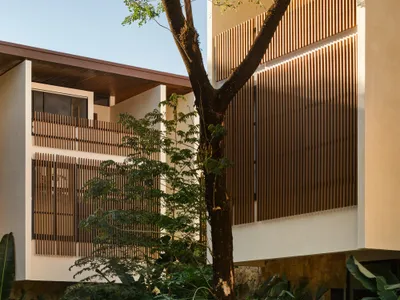
FAMM Arquitectura Organizes Ten Villas Around Courtyards and Jungle in Nosara, Costa Rica
El Molino pairs two elongated volumes with deep overhangs and timber louvers to build a compact coastal community five minutes from the beach.
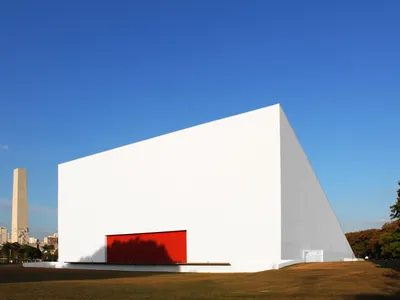
Oscar Niemeyer's Ibirapuera Park Pavilions Define São Paulo's Cultural Identity in Concrete and Curve
A constellation of modernist volumes set within São Paulo's most important urban park, conceived for the city's 400th anniversary in 1954.
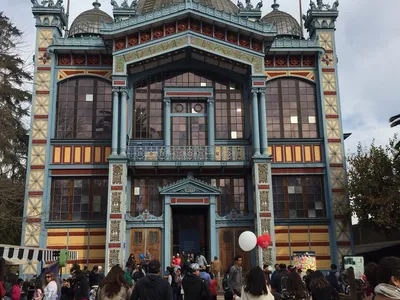
How Henri Picq's 1889 Paris Pavilion Traveled 11,000 Kilometers to Become Santiago's Artequín Museum
A prefabricated iron and glass pavilion built for the Paris Universal Exposition found a second life as a children's art museum in Chile.
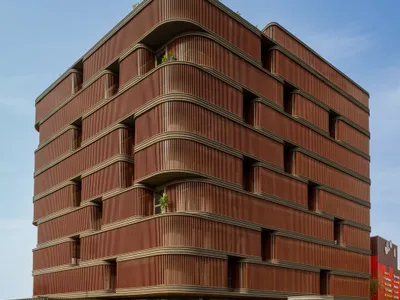
Sanjay Puri Architects Wraps a Jaipur Office Tower in Capsule-Shaped Green Buffers
A nine-level climate-responsive workplace near Jaipur Airport uses stacked planter terraces and aluminium screens to fight 40°C heat.


Explore Architecture Competitions
Discover active competitions in this discipline



Challenge to reimagine the Iron Throne


Photograph architecture without architects


Illustrate the lost glory of Angkor Wat - Render Challenge


Design challenge to reuse E-waste
Comments (0)
Please login or sign up to add comments
No comments yet. Be the first to comment!