
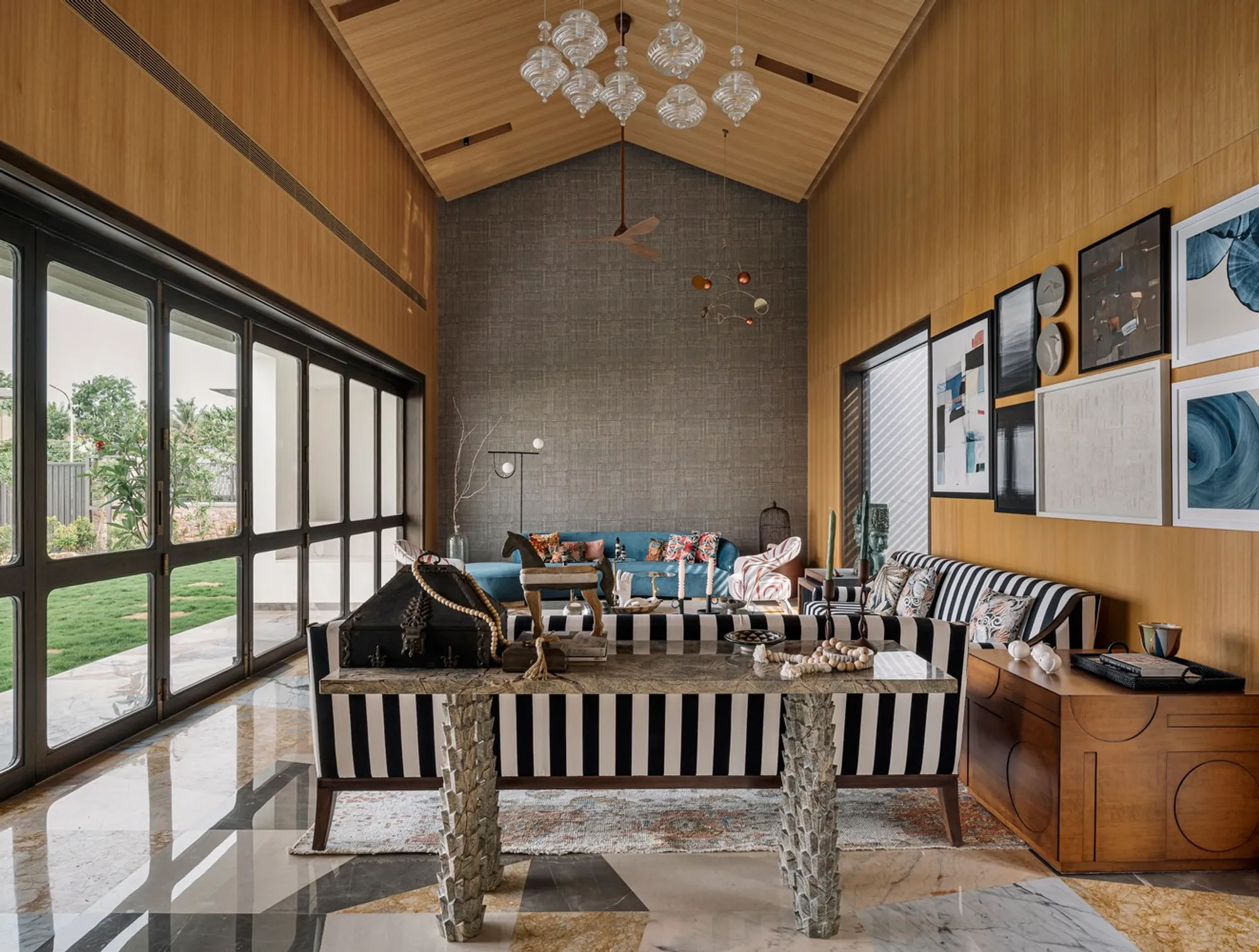
Modern Hacienda Architecture in India: A Case Study of MuseLAB's Innovative Design in Coimbatore
This article explores MuseLAB's innovative hacienda-style home in Coimbatore, blending Spanish and Indian architecture with modern sustainable practices.


In the vibrant city of Coimbatore, a remarkable example of Modern Hacienda Architecture in India has come to life through the visionary efforts of MuseLAB. This project not only represents the largest endeavor undertaken by the architectural duo Jasem Pirani and Huzefa Rangwala but also a unique fusion of traditional Spanish elements with Indian cultural motifs. This blend serves as a profound tribute to both Spanish and Chettinad architectural heritage, tailored to suit the tropical climate of Southern India.


The Inspiration Behind the Design
Spanish Influence and Chettinad Traditions
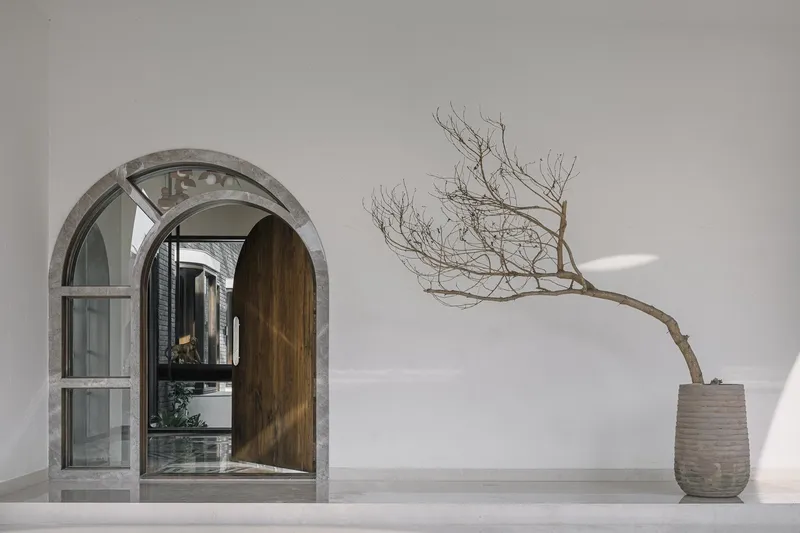
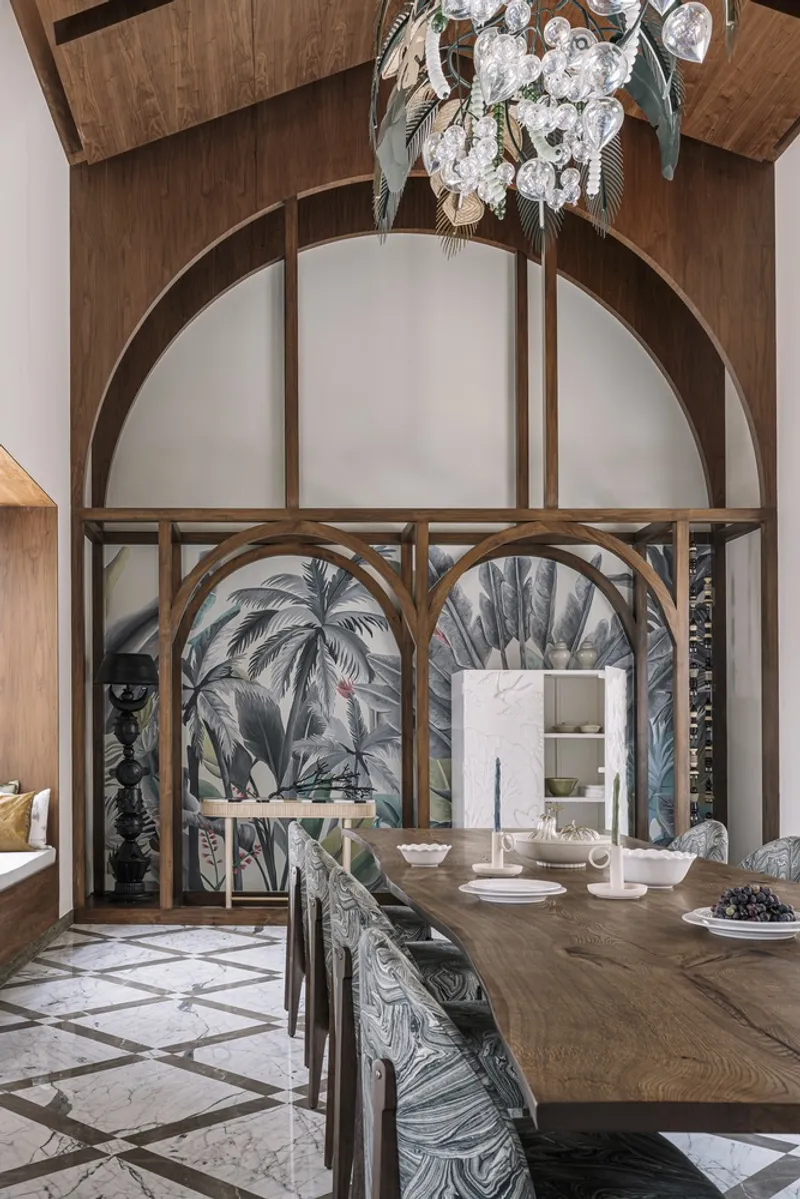
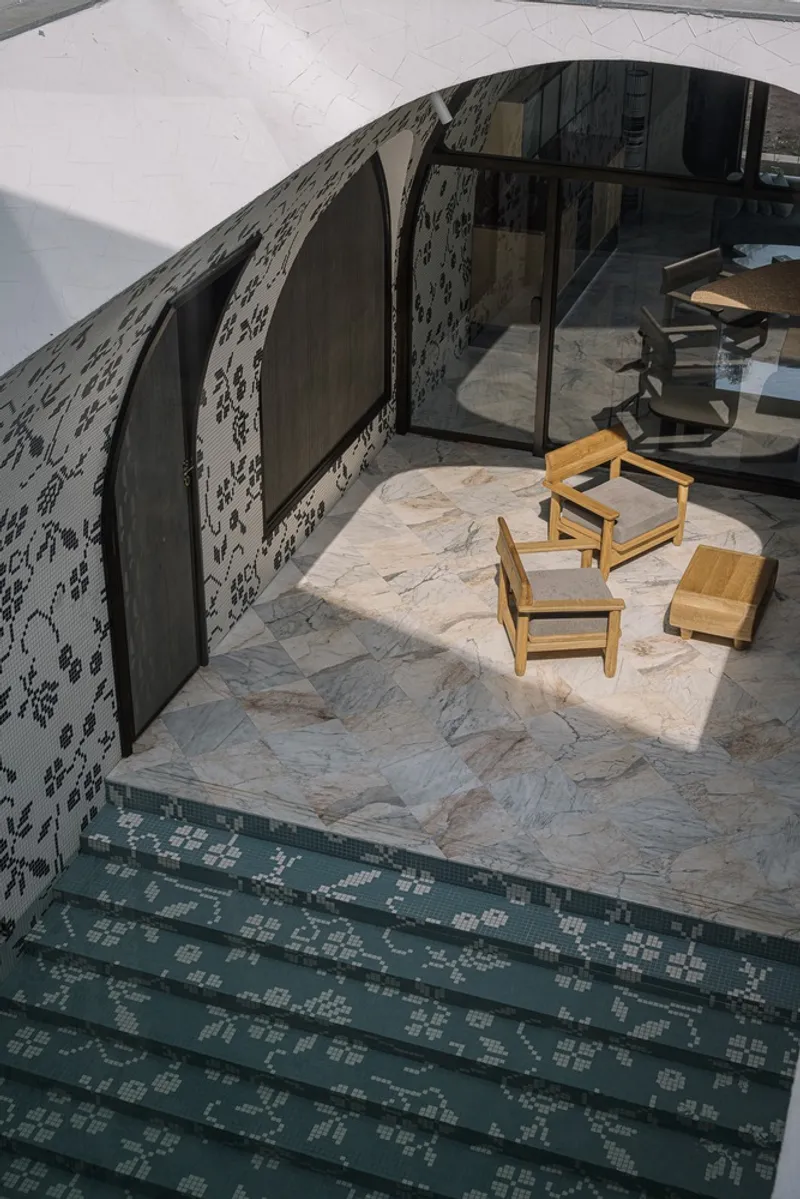
The hacienda-style home in Coimbatore draws significant inspiration from the grand Spanish estates, characterized by spacious courtyards, lofty arches, and an open, flowing layout. However, MuseLAB has skillfully woven in aspects of Chettinad architecture, renowned in Southern India for its intricate detailing and robust cultural heritage. This synthesis not only honors the aesthetic and functional aspects of both styles but also introduces a new narrative in modern hacienda architecture in India.


Adhering to Manaiyadi Shastram
Incorporating ancient wisdom, the design strictly follows Manaiyadi Shastram—an age-old science dictating specific dimensions and orientations that ensure prosperity and well-being. This adherence further roots the project in its local context, enhancing its cultural authenticity and relevance.

Core Design Features
The Central Courtyard
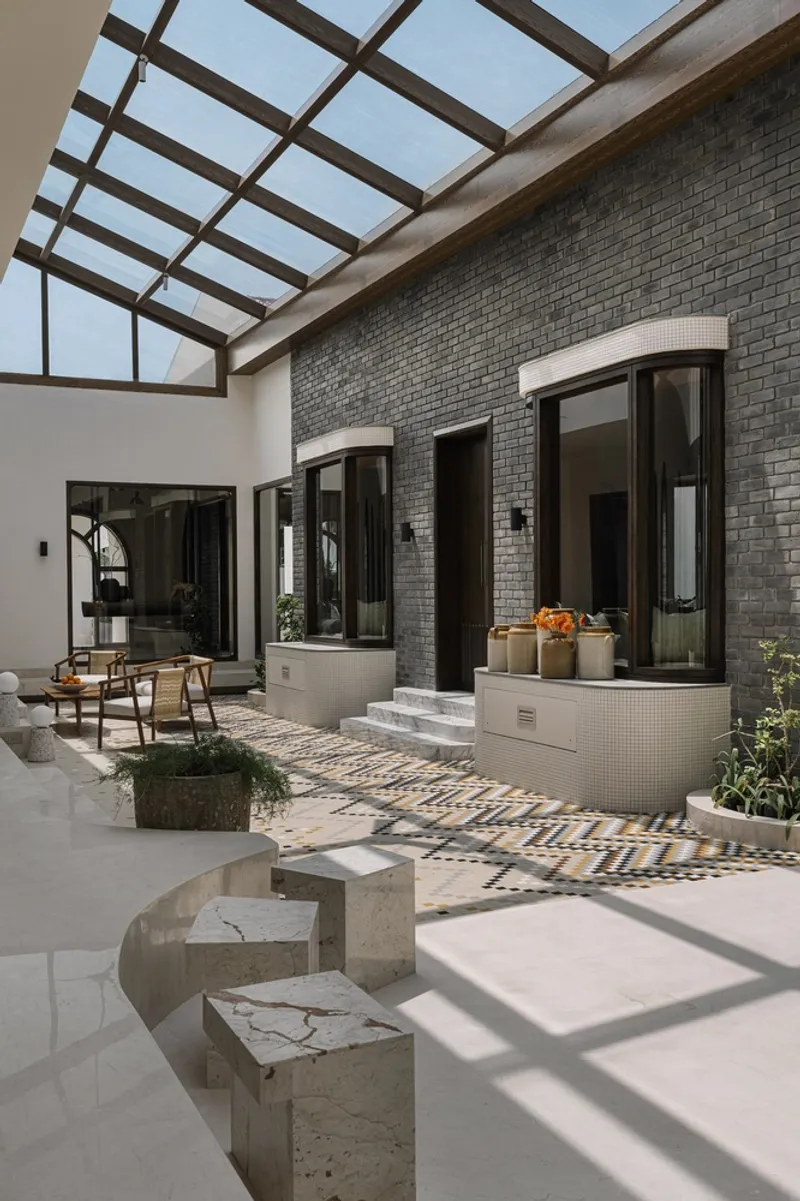
At the heart of this 12,000-square-foot residence is a central courtyard, around which all social areas of the house revolve. This feature not only reinforces the traditional hacienda layout but also acts as a climatic and social nucleus of the home, promoting natural ventilation and serving as a communal gathering space.


Innovative Use of Materials and Light
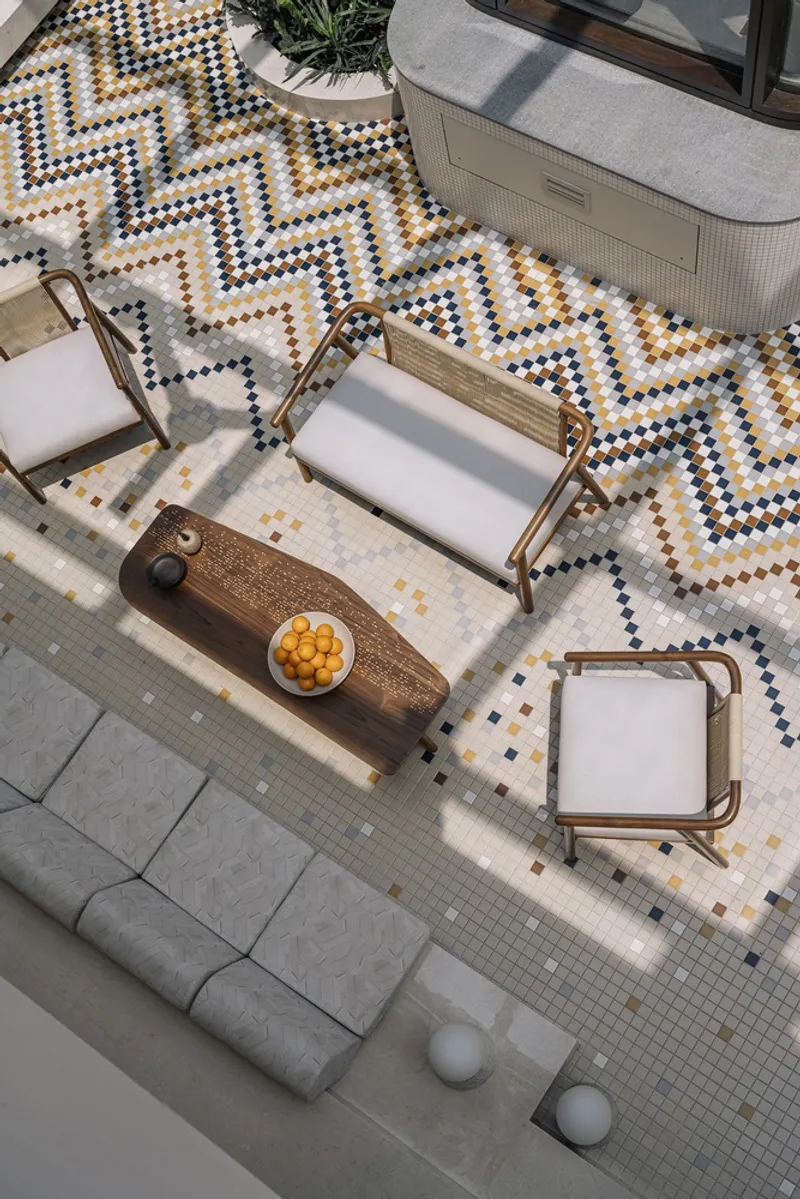
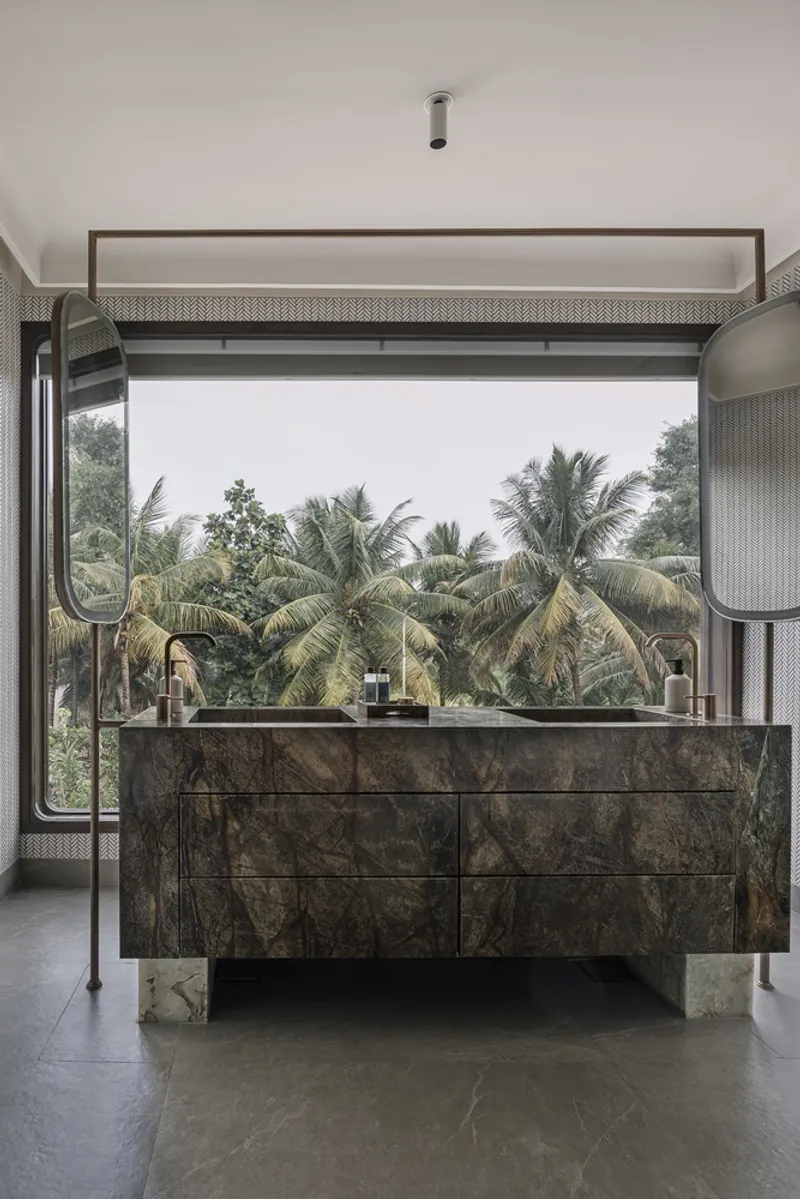
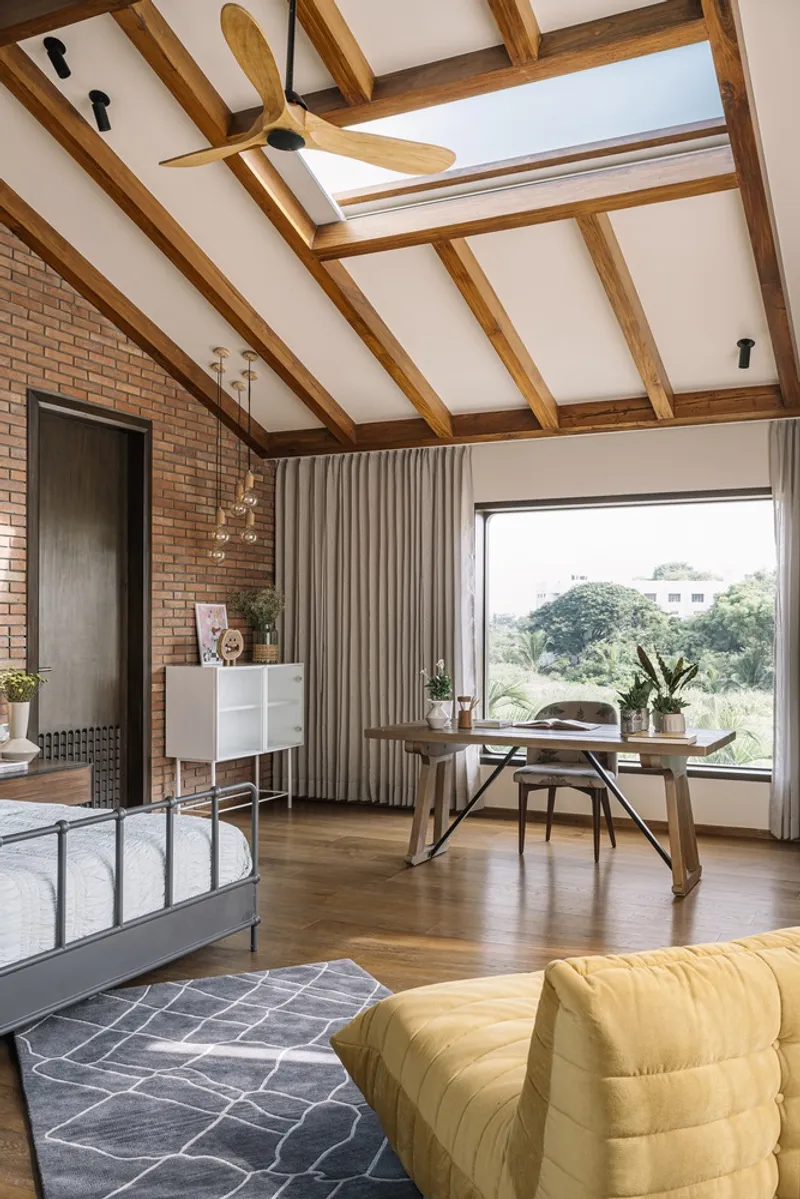
MuseLAB’s commitment to innovation shines through in their choice of materials and lighting design. The extensive use of locally sourced materials and collaboration with local craftsmen adds a layer of authenticity and sustainability to the project. Strategic placement of skylights and thoughtful orientation of windows ensure that the interplay of light and shadow continually transforms the internal spaces, bringing the architecture to life.

Sustainable Practices and Local Collaboration
Energy Efficiency and Artisanal Craftsmanship
The design integrates energy-efficient solutions, including natural cooling and the use of sustainable materials. MuseLAB’s collaboration with local artists and craftsmen not only supports the local economy but also ensures that each element of the home has a story and a connection to the broader cultural fabric.
The Impact of Modern Hacienda Architecture in India
MuseLAB's project in Coimbatore stands as a testament to the potential of modern hacienda architecture in India to blend traditional aesthetics with contemporary needs and environmental consciousness. It's a model that offers insights into how modern architecture can respect and revive traditional forms while providing functional, sustainable living spaces.


All photographs are work of MuseLAB




Popular Articles
Popular articles from the community


The Ocean Hive: Sustainable Architecture for a Self-Sufficient Civilization at Sea
The Ocean Hive imagines sustainable architecture at sea, where modular habitats, algae, wave power and ocean waste sustain a growing colony.

The Earth Pod: 3D Printed Homes for Resilient Refugee Communities
The Earth Pod reimagines refugee housing through 3D printed homes made from clay, combining resilience, self-sufficiency, and rapid shelter.

Co-Life: Senior Housing Design That Reconnects Older Adults With the City
Co-Life reimagines senior housing design through healing gardens, shared streets, workshops, and a sustainable community across generations.
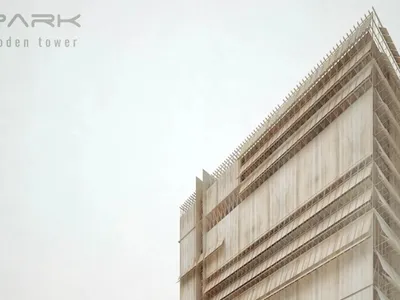
EW PARK: Sustainable Architecture Reimagines the Future of Urban Parking
EW PARK reimagines city parking as a modular wooden tower combining automation, solar energy, electric mobility, and adaptable urban design.


Similar Reads
You might also enjoy these articles


Hodi-Mandai Geram
Project Function: Preservation and revitalization of the Intangible heritage and socio-spatial identity of the Hodi by Housing, Cultural Memory Center, Sacred Grove, landscape, local tourism economy


Olio Towers: A Mid-Rise for Performers That Fuses Housing, Rehearsal, and Stage
Located blocks from Houston's Theater District, this modular tower stacks living units around a central performance atrium.

Oasis: Modular Green Housing Carved into Dhaka's Urban Fabric
A shortlisted Plugin Housing entry reclaims unauthorized settlements in Dhaka with stepped concrete volumes, green roofs, and ventilation-driven design.

Black Hole: A Floating Megastructure for the Post-Physical Era
Emiliano Mazzarotto envisions a spherical, self-scaling arena where e-sports, digital hotels, and holographic stadiums replace traditional public space.


Explore Architecture Competitions
Discover active competitions in this discipline



Challenge to reimagine the Iron Throne


Photograph architecture without architects


Illustrate the lost glory of Angkor Wat - Render Challenge


Design challenge to reuse E-waste
Comments (0)
Please login or sign up to add comments
No comments yet. Be the first to comment!