
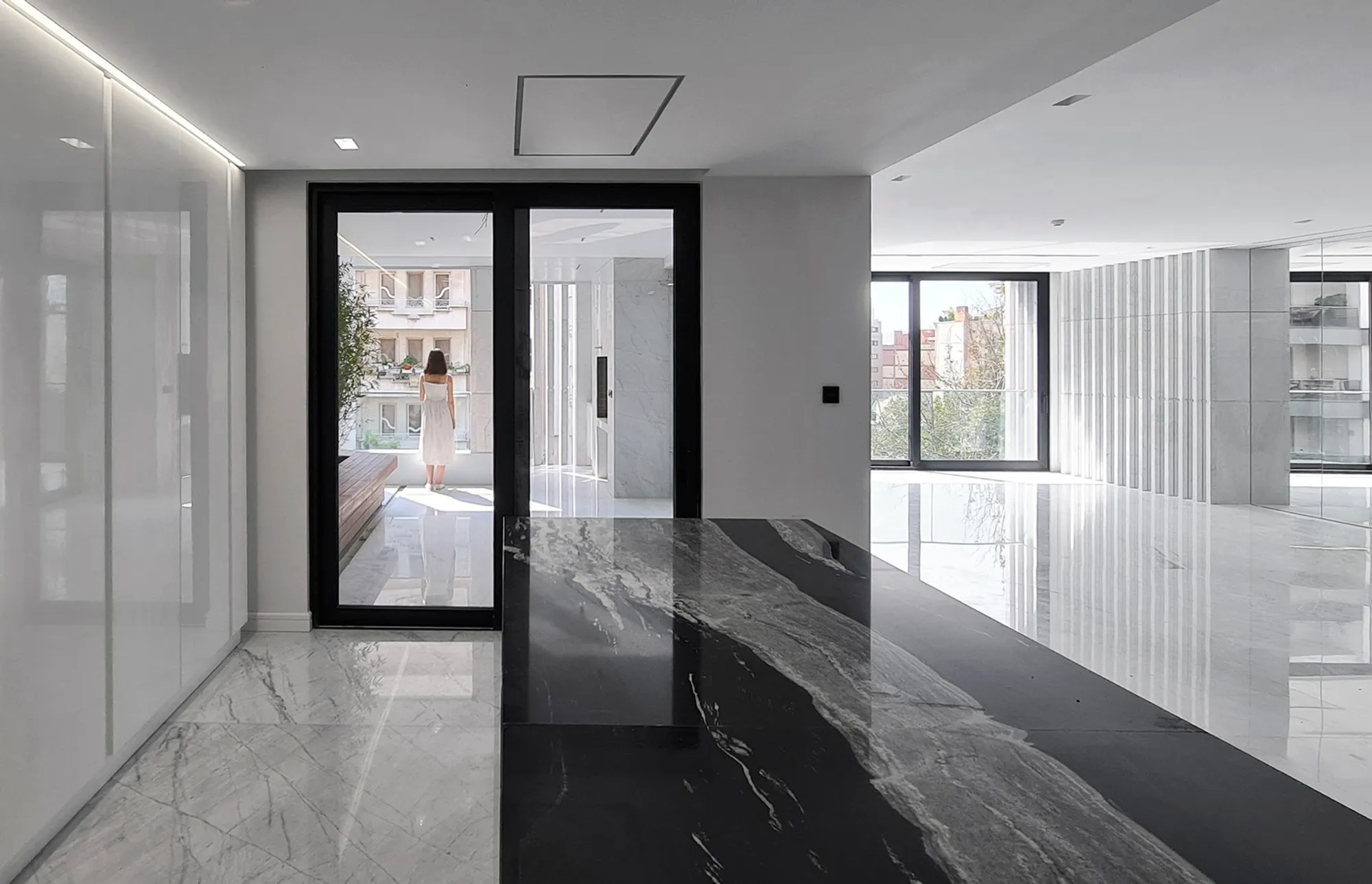
Modern Residential Architecture in Tehran: Sayeh Residential Building by Ali Haghighi Architects
Explore the Sayeh Residential Building by Ali Haghighi Architects, showcasing modern residential architecture and innovative design in Tehran.


The Sayeh Residential Building, designed by Ali Haghighi Architects, is a striking example of modern residential architecture in Tehran. This project showcases a transition from a neoclassical structure to a contemporary design, reflecting the evolving architectural landscape of Iran's capital.


Project Overview
Client's Vision and Project Scope
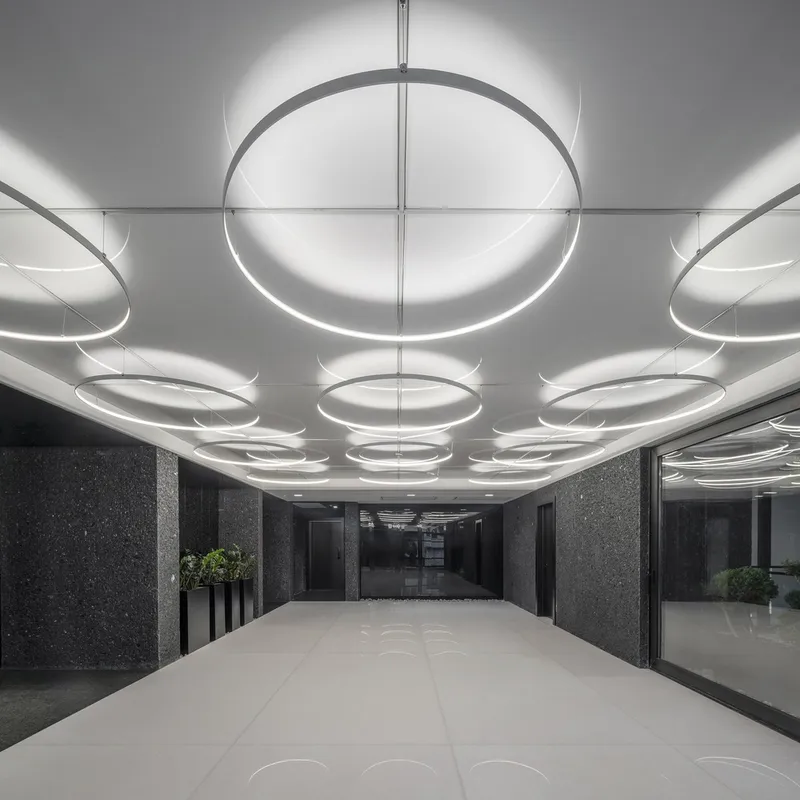
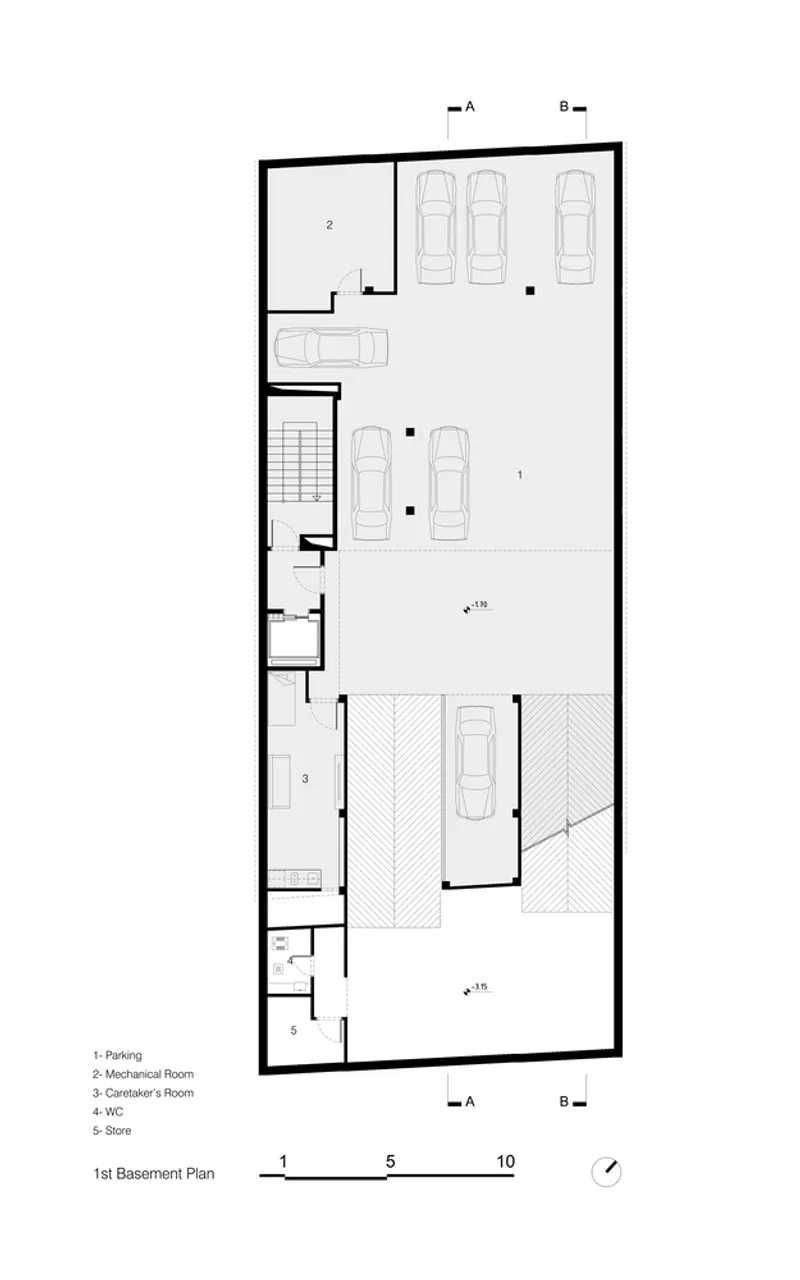
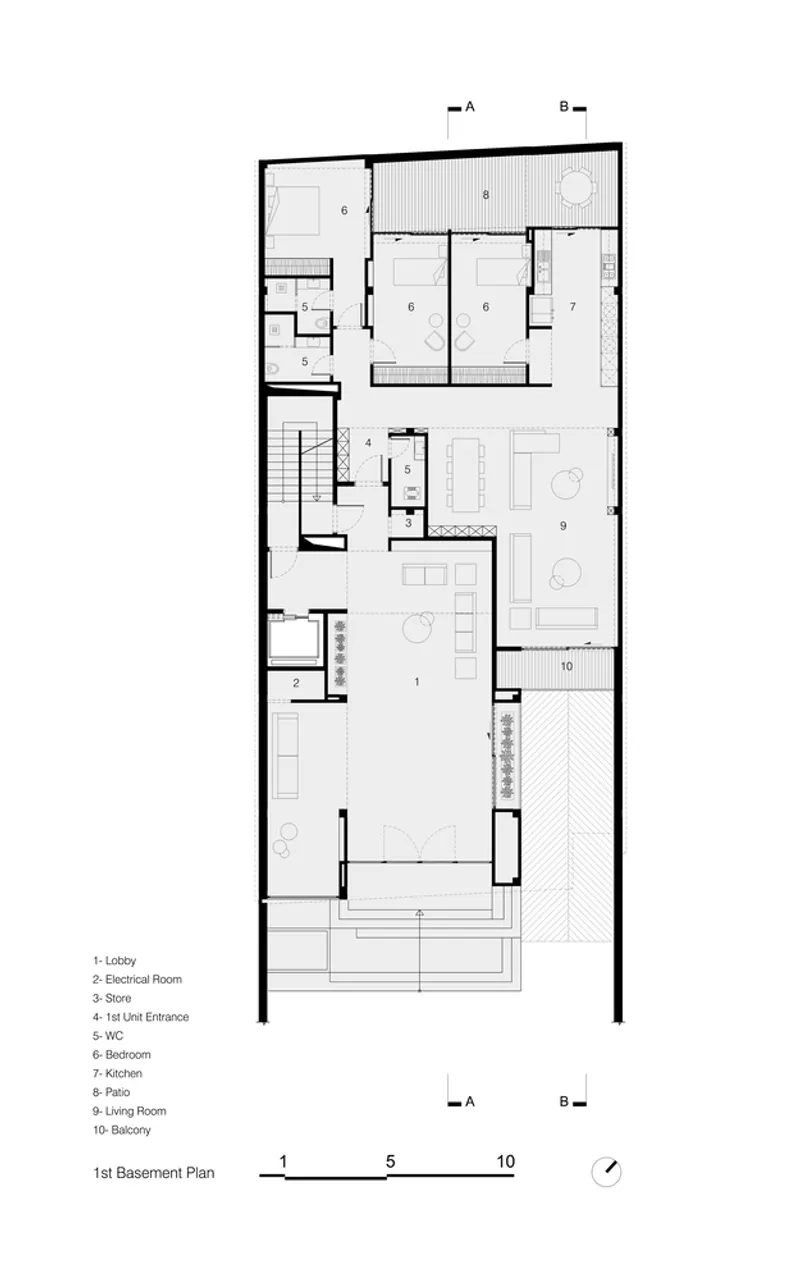
Originally designed with a neoclassical structure, the project was re-envisioned to embrace a modern aesthetic at the client's request. The building comprises five residential units, each occupying 330 square meters per floor, a ground-floor unit near the lobby, and three underground floors. The common areas include a sports space and a communal area with a movable roof adjacent to the roof garden.


Design Challenges and Solutions
Structural Constraints
The existing structure imposed several restrictions, including fixed columns, low floor heights, and a 45° bevel on the facade. Despite these limitations, the redesign aimed to achieve a better spatial order and a modern facade that stands out in Tehran's diverse urban landscape.


Facade Design
Simplicity and Aesthetics
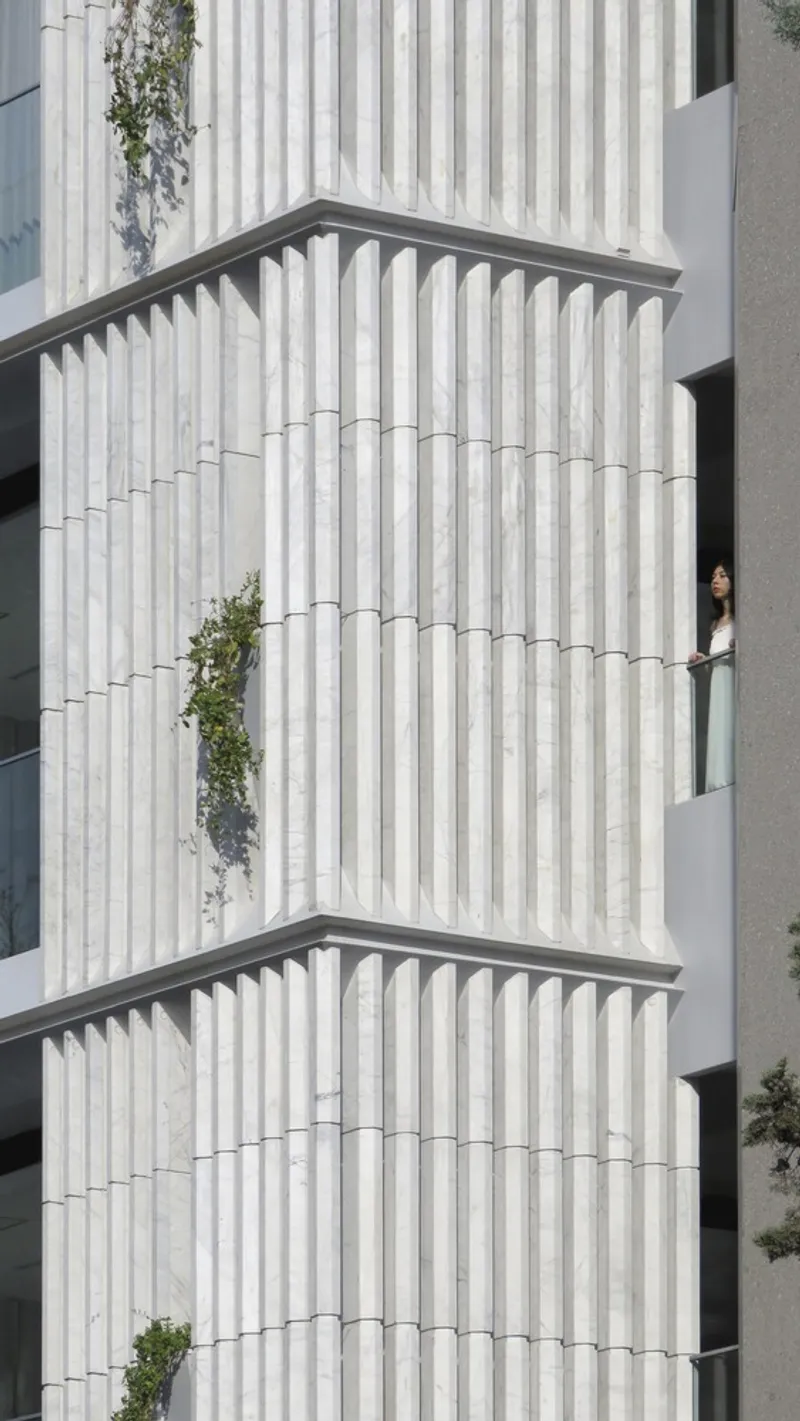
In a cityscape marked by a variety of colors, materials, and redundant details, the design team focused on simplicity. The facade design adheres to principles of aesthetics such as proportions, scale, rhythm, and balance of vertical and horizontal lines. This approach creates a static yet dynamic composition that enhances the building's visual appeal.

Innovative Use of Materials
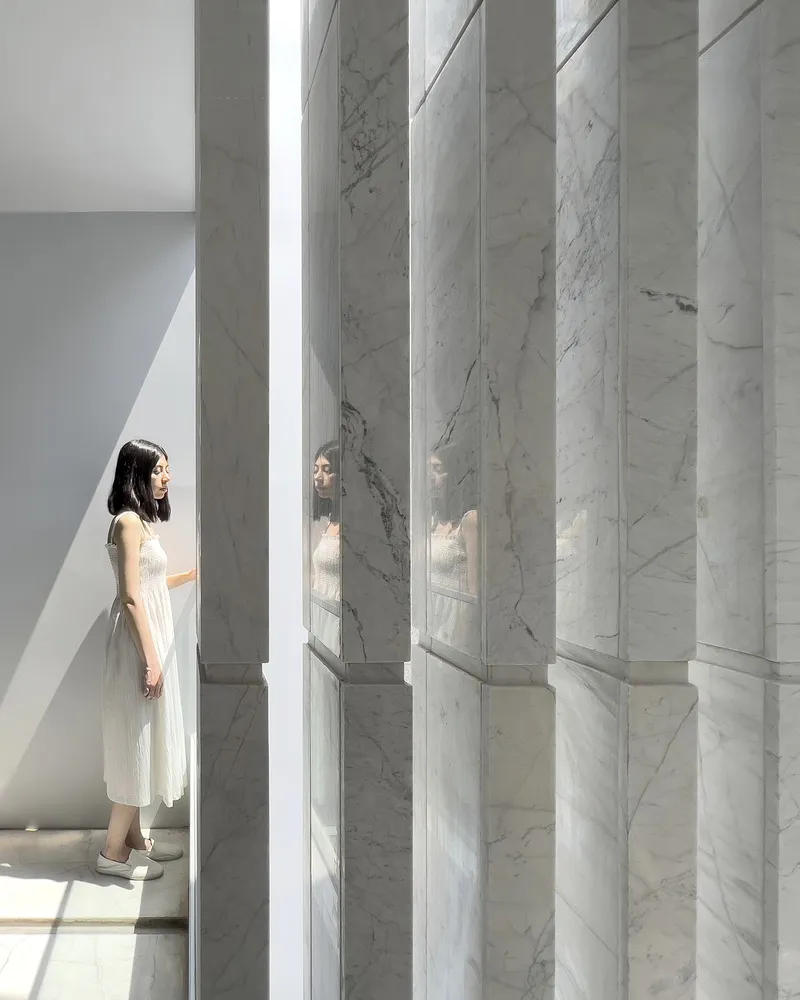
The facade features polished carved stone ingots that serve as vertical louvers with a trapezoidal cross-section. These elements not only provide partial enclosure for private spaces like guest rooms and terraces but also reflect sunlight, enhancing both privacy and light management.


Interior Design and Functionality
Spatial Organization
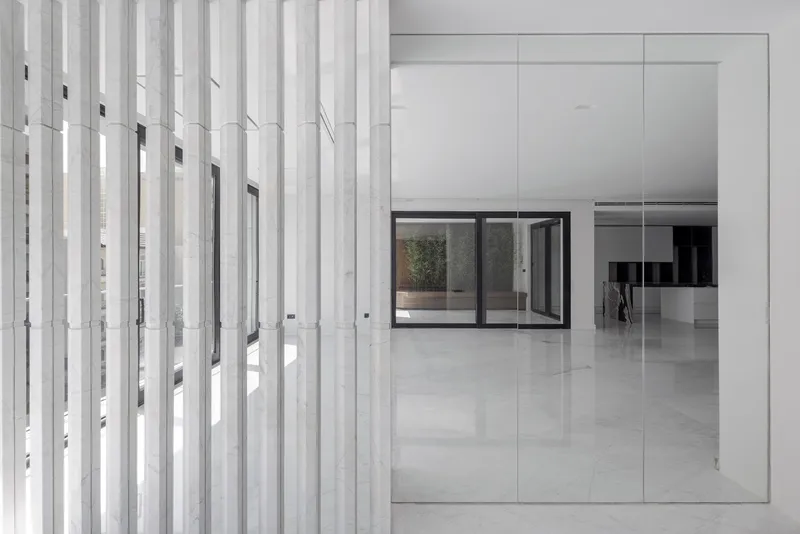
The interior design focuses on creating harmonious and functional living spaces. The extension of stone ingots into the interior spaces, combined with vertical mirrors, creates a play of light, shadow, and reflection. This design choice deepens the facade and adds a poetic perception to the interior spaces.


Light and Privacy
The facade design addresses the need for both light and privacy. The eastern-facing section is compact to prevent direct views, while the southern-facing section opens up to provide connectivity with the city. Fixed stone elements create a boundary that balances light and privacy without relying on common solutions like movable screens.


Environmental and Aesthetic Impact
Shadows and Reflections
The arrangement of the carved stone ingots creates various shadows and half-shadows throughout the day. Their polished surfaces reflect sunlight inside, enhancing the natural lighting and contributing to the building's energy efficiency.


Integration with Urban Context
The Sayeh Residential Building integrates seamlessly into Tehran's urban fabric while standing out due to its modern design. The building's simplicity and elegance offer a fresh perspective on residential architecture in the city.

The Sayeh Residential Building by Ali Haghighi Architects exemplifies modern residential architecture in Tehran. Through innovative design solutions and a commitment to aesthetics and functionality, the project redefines urban living in Iran's capital. This transformation from a neoclassical to a contemporary structure showcases the dynamic evolution of Tehran's architectural landscape.


All photographs are work of Deed Studio – Ali Haghighi




Popular Articles
Popular articles from the community


Riyadh For All: Intergenerational Urban Design for Active Aging in Rabat
Riyadh For All reimagines urban design in Rabat with intergenerational co-living, adaptive courtyards, and Moroccan cultural exchange today.

Co-Life: Senior Housing Design That Reconnects Older Adults With the City
Co-Life reimagines senior housing design through healing gardens, shared streets, workshops, and a sustainable community across generations.

The Ocean Hive: Sustainable Architecture for a Self-Sufficient Civilization at Sea
The Ocean Hive imagines sustainable architecture at sea, where modular habitats, algae, wave power and ocean waste sustain a growing colony.

Hill & Cross Opera: Sculptural Opera House Architecture Shaped by Tallinn’s Landscape and Identity
Hill & Cross Opera reimagines opera house architecture in Tallinn through its sculptural hill, civic plaza, glass wave and a luminous cross.


Similar Reads
You might also enjoy these articles

FAMM Arquitectura Organizes Ten Villas Around Courtyards and Jungle in Nosara, Costa Rica
El Molino pairs two elongated volumes with deep overhangs and timber louvers to build a compact coastal community five minutes from the beach.
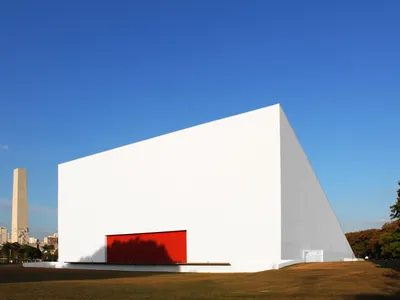
Oscar Niemeyer's Ibirapuera Park Pavilions Define São Paulo's Cultural Identity in Concrete and Curve
A constellation of modernist volumes set within São Paulo's most important urban park, conceived for the city's 400th anniversary in 1954.
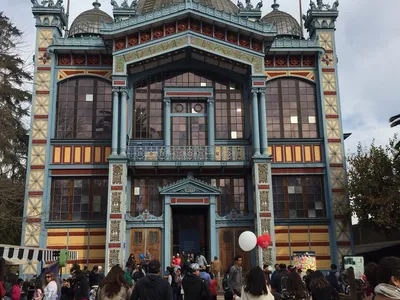
How Henri Picq's 1889 Paris Pavilion Traveled 11,000 Kilometers to Become Santiago's Artequín Museum
A prefabricated iron and glass pavilion built for the Paris Universal Exposition found a second life as a children's art museum in Chile.
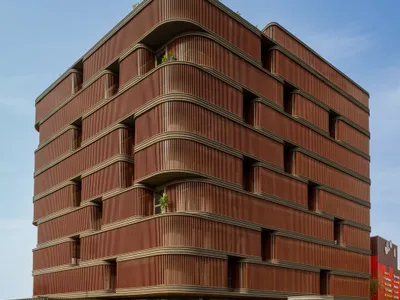
Sanjay Puri Architects Wraps a Jaipur Office Tower in Capsule-Shaped Green Buffers
A nine-level climate-responsive workplace near Jaipur Airport uses stacked planter terraces and aluminium screens to fight 40°C heat.


Explore Persian Architecture Competitions
Discover active competitions in this discipline



Challenge to reimagine the Iron Throne


Photograph architecture without architects


Illustrate the lost glory of Angkor Wat - Render Challenge


Design challenge to reuse E-waste
Comments (0)
Please login or sign up to add comments
No comments yet. Be the first to comment!