

Modern Restaurant Architecture Design in Hangzhou: Gui Yu Shan Fang Landscape by July Design Group
Explore Gui Yu Shan Fang Landscape, a modern Hangzhou restaurant harmonizing architecture, nature, and cultural elegance by July Design Group.


Gui Yu Shan Fang Landscape
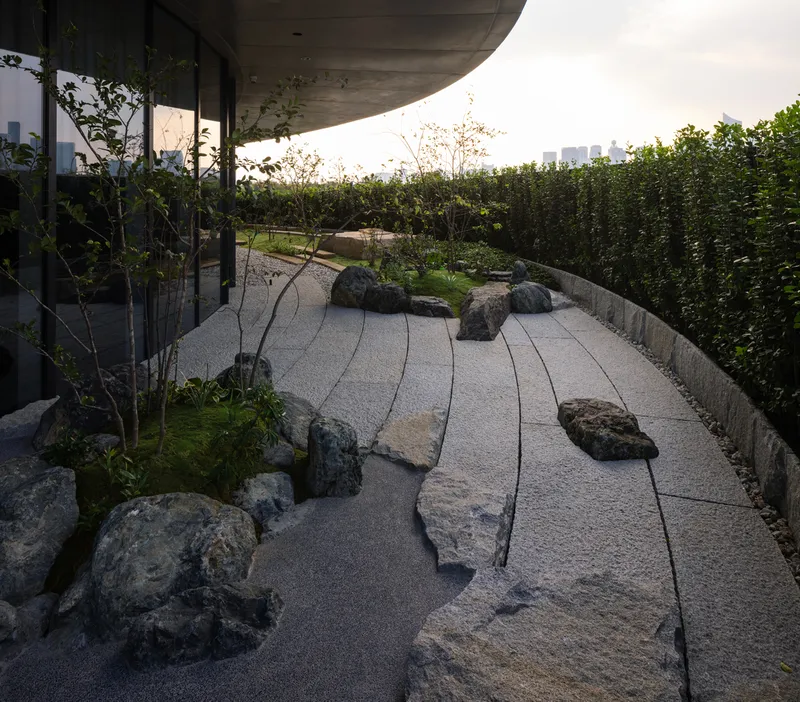
Hangzhou, known for its breathtaking natural beauty and architectural innovation, recently welcomed the Gui Yu Shan Fang Landscape Project by July Design Group. Located within the Guanyun Qiantang complex, part of the Hangzhou Olympic Sports Center, this project showcases the harmony between modern design and traditional aesthetics. Occupying 915 m² on the third floor, the restaurant redefines dining experiences by integrating architecture with landscape art.
A Landmark of Modern Restaurant Architecture Design
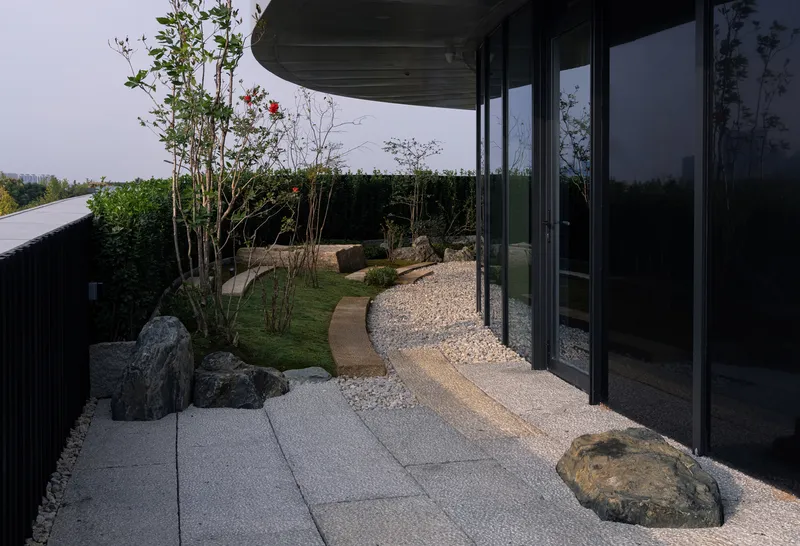
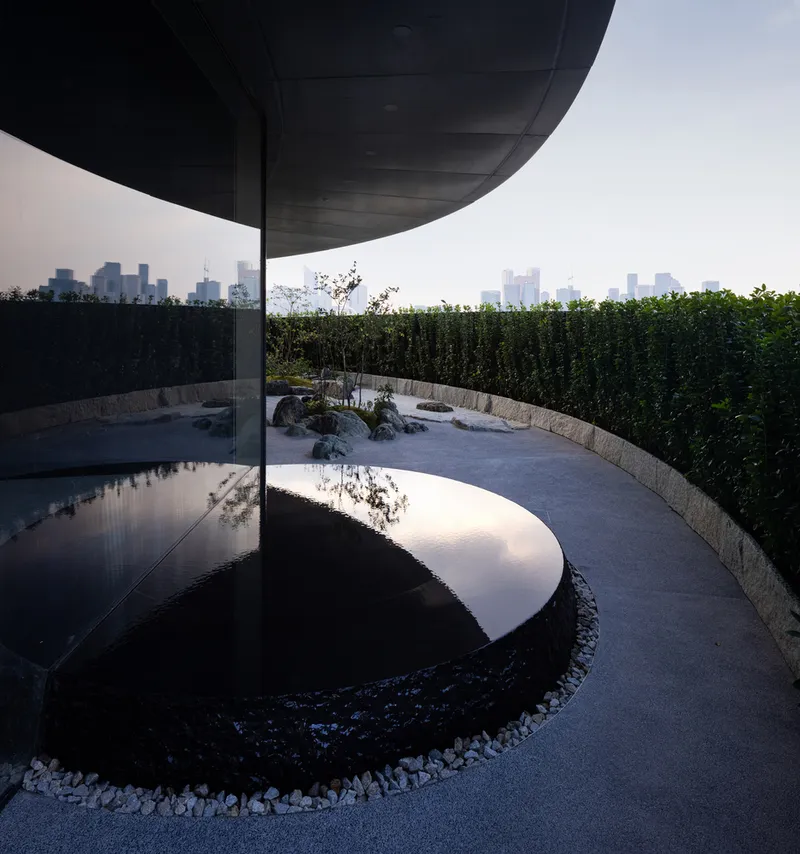
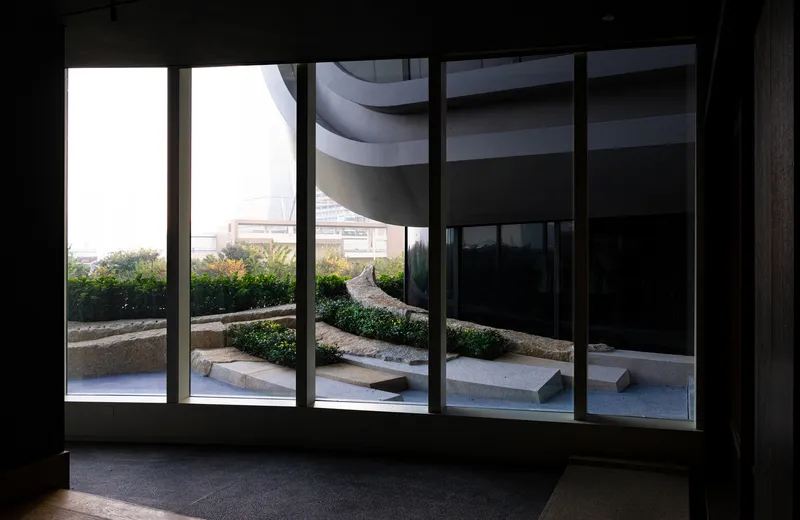
The Gui Yu Shan Fang project capitalizes on its position in one of Hangzhou's premier landmarks, creating a dialogue between built spaces and the surrounding environment. With its unique curved structure, the outdoor patio offers expansive views of the Qiantang River, forming a key element of its architectural identity.
Key Features of the Design
1. Entrance: A Gateway to Elegance
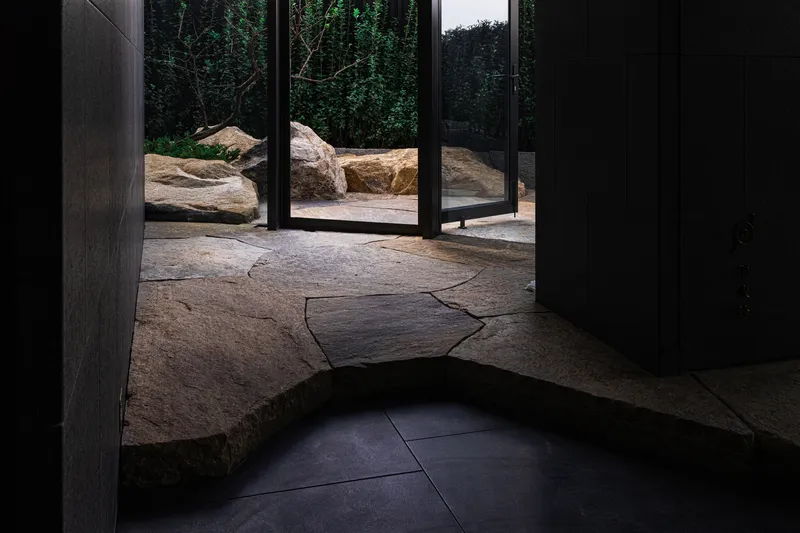
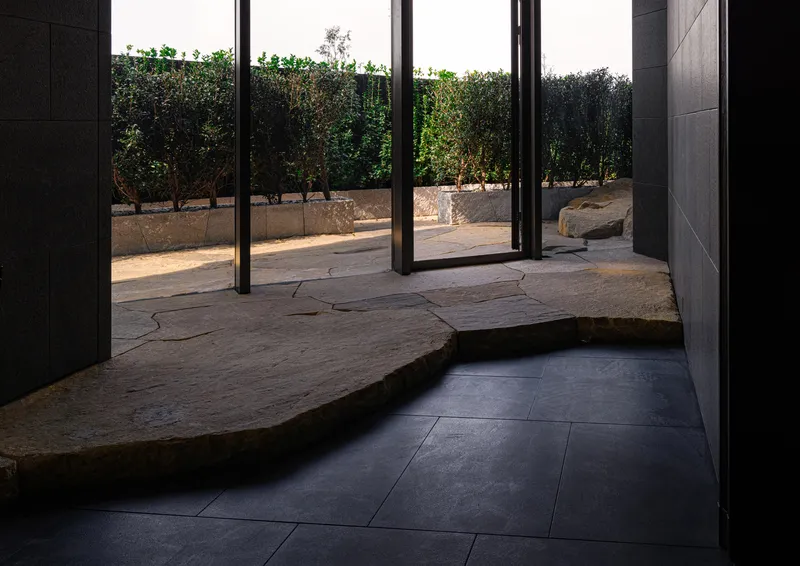
The entrance is thoughtfully designed with Shanxi black paving, leading visitors into a serene space adorned with rockeries and flowing springs. This initial impression sets the tone for the journey through the restaurant, merging luxury with tranquility.

2. Private Dining Spaces
The restaurant boasts private rooms catering to diverse preferences, offering varying levels of intimacy and scenic connection:
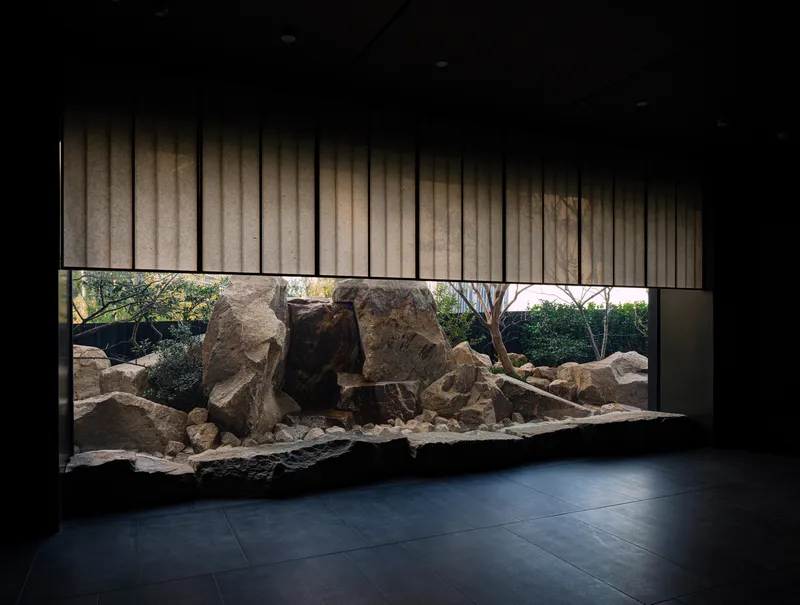
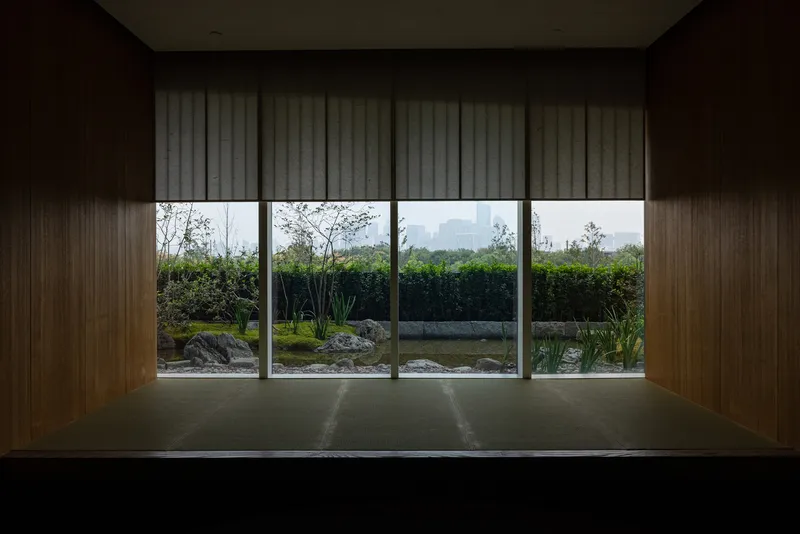
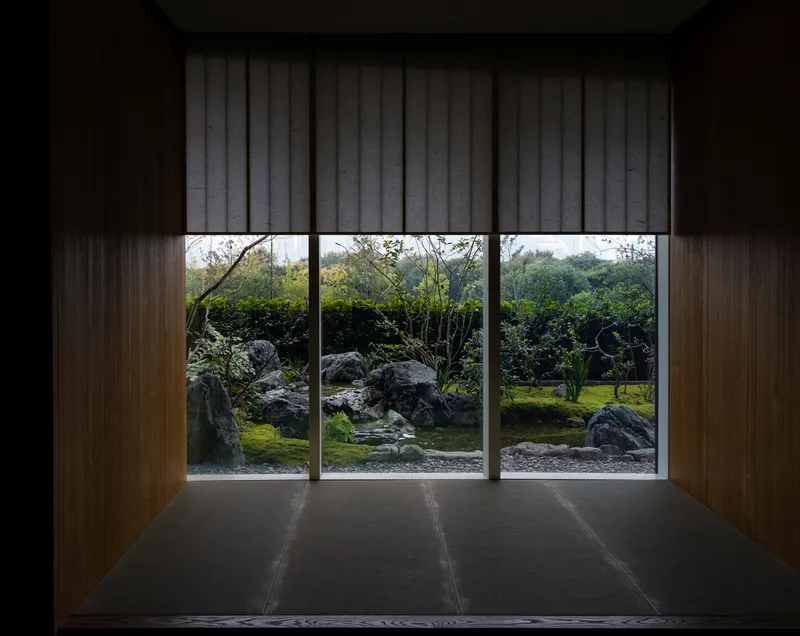
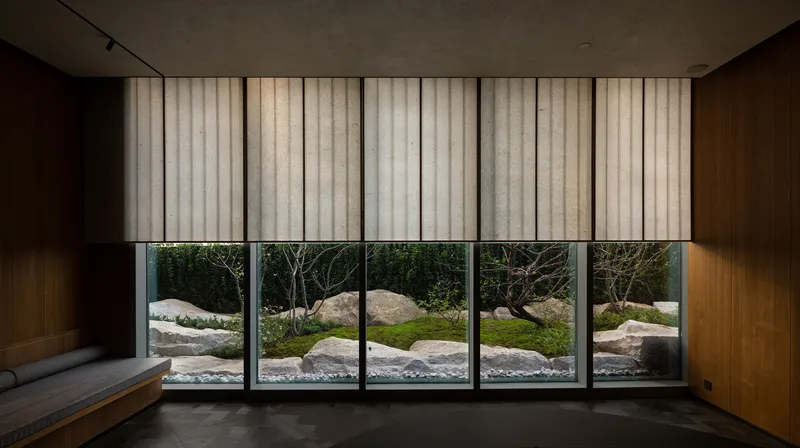
- Small Private Rooms: Incorporating raised tatami mats and window-side sofas, these spaces feature framed views that highlight the surrounding garden and skyline.
- Medium Private Rooms: Facing the Qiantang River, these rooms immerse guests in panoramic city views, combining nature with urban vibrancy.
- Large Private Rooms: Designed to evoke a sense of wilderness, these spaces intertwine woods, rocks, and sculptures, creating a naturalistic dining ambiance.
3. Corner Aisle: Pause and Reflect
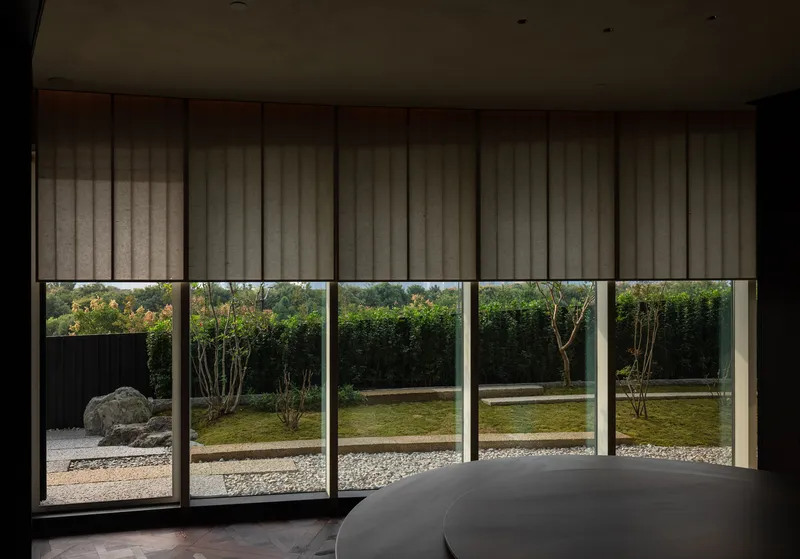
The spacious corner aisle is more than a passage—it’s a place for guests to pause and take in curated views of the garden and skyline, inviting contemplation and appreciation.
4. Tea House: A Sanctuary of Privacy
The tea house offers a quiet retreat compared to other lively spaces in the restaurant. Its design focuses on fostering a meditative environment, perfect for intimate gatherings.
Blurring Boundaries Between Indoors and Outdoors
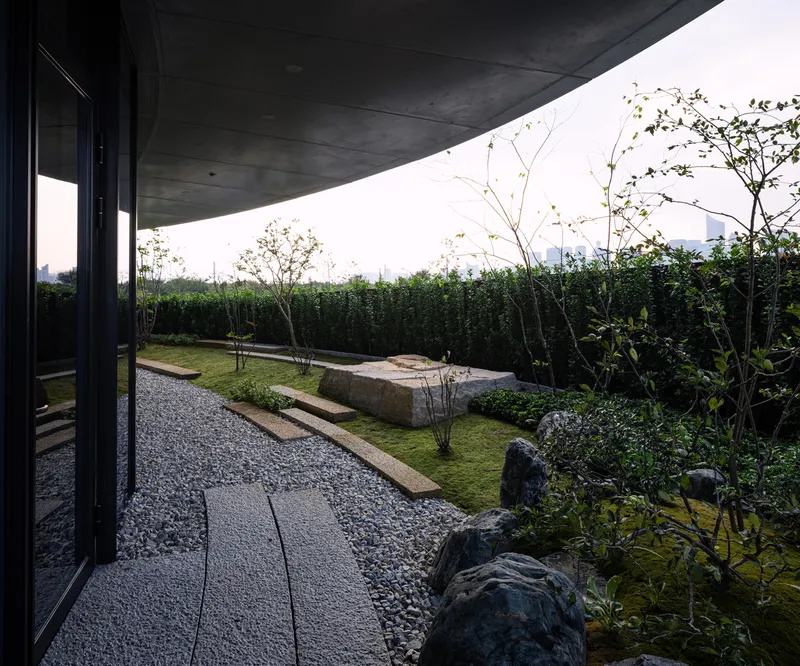
A standout feature of Gui Yu Shan Fang Landscape is its ability to blend interior and exterior spaces seamlessly. Through large, curved windows and open-air patios, the restaurant maximizes the natural light and scenery, enhancing the dining experience. Each view—from framed cityscapes to garden vignettes—reinforces the design’s central theme of connectedness.
Innovative Use of Materials
The project uses materials like Shanxi black stone, wood, and glass to create textural contrasts that echo Hangzhou’s cultural heritage while embracing contemporary minimalism. These materials also enhance the sensory experience, providing tactile warmth and visual sophistication.
The Role of Landscape in Modern Restaurant Architecture
Landscape design plays a pivotal role in Gui Yu Shan Fang’s success. The integration of natural elements, such as rockeries, springs, and lush greenery, reflects the traditional Chinese aesthetic while aligning with global trends in sustainable design.
A Benchmark in Modern Restaurant Architecture Design
Gui Yu Shan Fang Landscape by July Design Group stands as a testament to the future of modern restaurant architecture design in Hangzhou. By prioritizing harmony between structure, landscape, and cultural identity, the project redefines how architecture can elevate dining experiences. For architects, designers, and restaurateurs, it serves as an inspiring model of innovation and thoughtful execution.
All Photographs are work ofShengliang Su




Popular Articles
Popular articles from the community


Co-life: Sustainable Architecture for Age-Friendly Community Living
Co-life reimagines sustainable architecture for seniors through courtyards, rammed earth, shared gardens, and spaces designed for belonging.
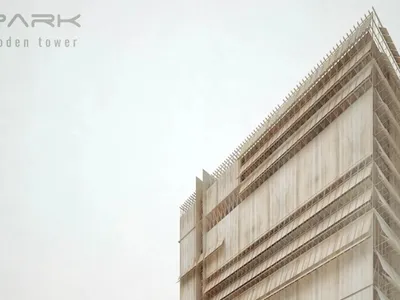
EW PARK: Sustainable Architecture Reimagines the Future of Urban Parking
EW PARK reimagines city parking as a modular wooden tower combining automation, solar energy, electric mobility, and adaptable urban design.

Co-Life: Senior Housing Design That Reconnects Older Adults With the City
Co-Life reimagines senior housing design through healing gardens, shared streets, workshops, and a sustainable community across generations.

Riyadh For All: Intergenerational Urban Design for Active Aging in Rabat
Riyadh For All reimagines urban design in Rabat with intergenerational co-living, adaptive courtyards, and Moroccan cultural exchange today.

Similar Reads
You might also enjoy these articles


Hodi-Mandai Geram
Project Function: Preservation and revitalization of the Intangible heritage and socio-spatial identity of the Hodi by Housing, Cultural Memory Center, Sacred Grove, landscape, local tourism economy


Olio Towers: A Mid-Rise for Performers That Fuses Housing, Rehearsal, and Stage
Located blocks from Houston's Theater District, this modular tower stacks living units around a central performance atrium.

Oasis: Modular Green Housing Carved into Dhaka's Urban Fabric
A shortlisted Plugin Housing entry reclaims unauthorized settlements in Dhaka with stepped concrete volumes, green roofs, and ventilation-driven design.

Black Hole: A Floating Megastructure for the Post-Physical Era
Emiliano Mazzarotto envisions a spherical, self-scaling arena where e-sports, digital hotels, and holographic stadiums replace traditional public space.

Explore Architecture Competitions
Discover active competitions in this discipline



Challenge to reimagine the Iron Throne


Photograph architecture without architects


Illustrate the lost glory of Angkor Wat - Render Challenge


Design challenge to reuse E-waste
Comments (0)
Please login or sign up to add comments
No comments yet. Be the first to comment!