
Modern Sustainable Home Design in Argentina: A Case Study of Vivienda DISA
An in-depth exploration of Vivienda DISA, showcasing modern sustainable home design in Argentina with innovative, eco-friendly architectural solutions.

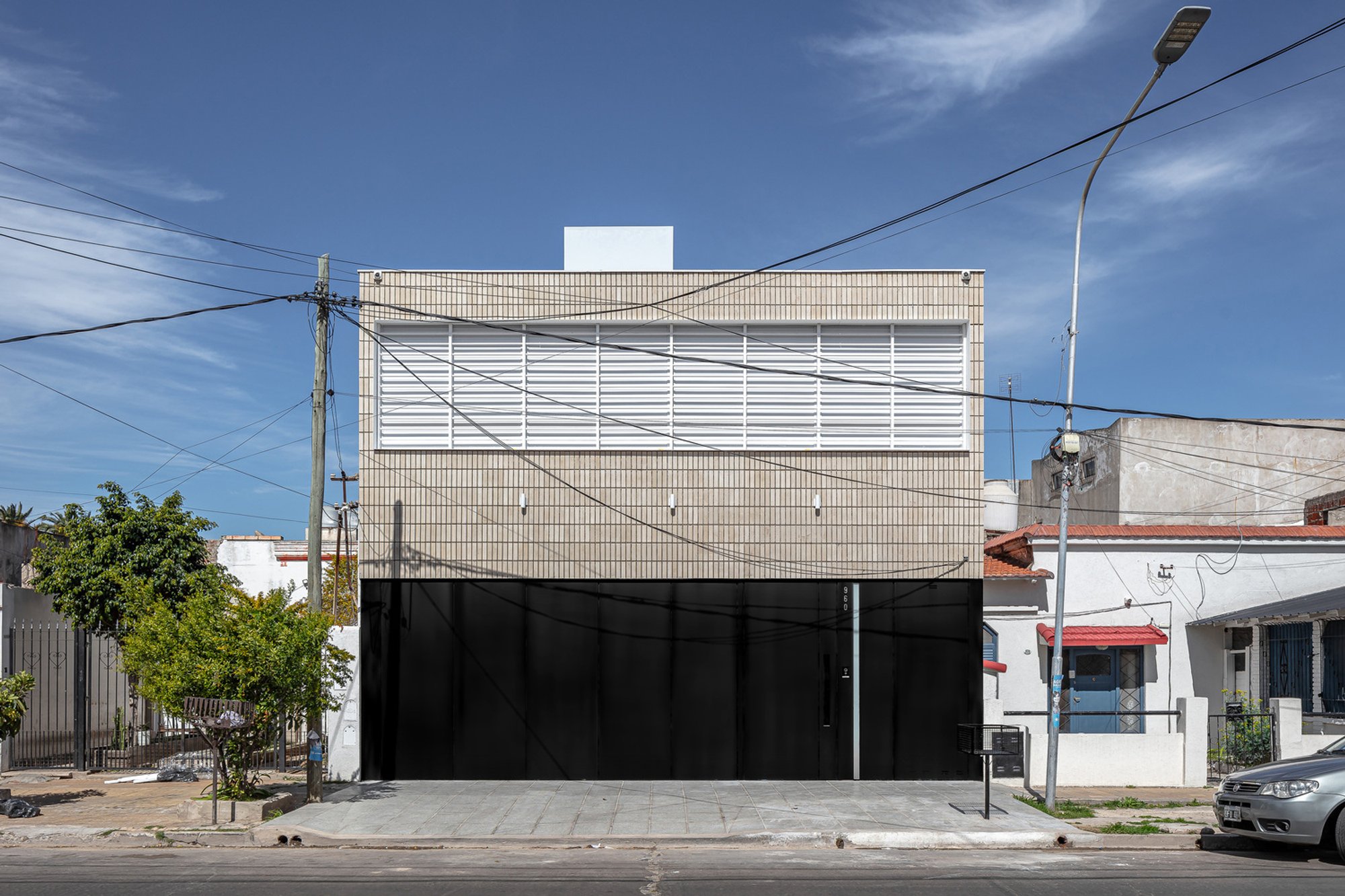
Modern sustainable home design is transforming residential architecture worldwide, and Vivienda DISA by architect Tomás Mielnikowicz exemplifies this trend. Located in Valentín Alsina, Lanús, Argentina, this innovative project is a masterclass in balancing functionality, aesthetic appeal, and environmental mindfulness. Completed in 2023, this 240 m² residence offers a blend of flexibility, sustainability, and comfort for a family of four.
Context and Design Objectives
The house occupies a narrow urban lot measuring 8.66 x 29 meters. The design optimizes the northwest orientation, ensuring maximum natural light and ventilation. The client's primary requirements included:
- A master bedroom, two children’s bedrooms, and ample living areas.
- A kitchen-dining space and a spacious living room for family gatherings.
- A covered garage for two vehicles.
- A large, functional backyard for daily outdoor use.
To achieve these goals, the architect employed innovative strategies to maximize spatial quality while ensuring a strong connection between indoor and outdoor environments.
Groundbreaking Features of Vivienda DISA
1. Compact Design with Functional Zoning
The layout strategically divides the residence into two levels:
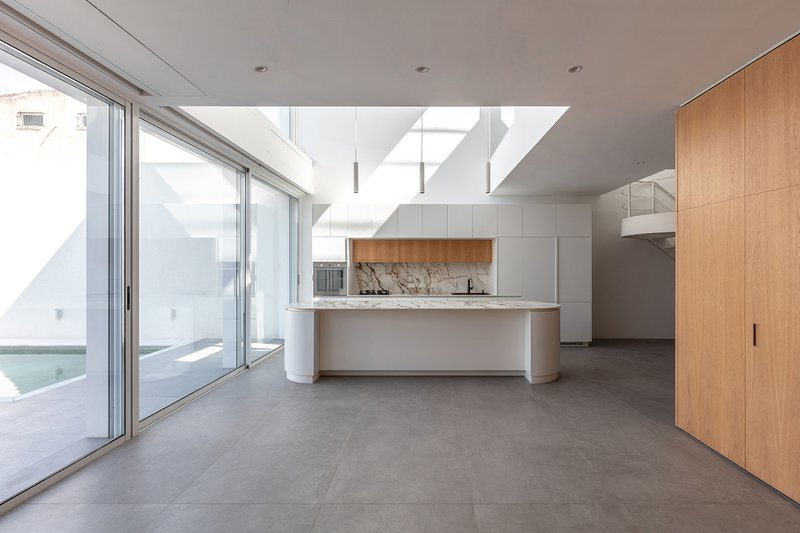
- Ground Floor: Public spaces such as the living room, kitchen, dining area, and parking.
- Upper Floor: Private areas, including the bedrooms, to ensure a quiet, serene environment.
This zoning maintains privacy while allowing seamless interaction between communal areas.
2. Maximized Outdoor Space
The house is shifted towards the front of the lot to create an expansive backyard. This uncovered space acts as a natural extension of the home, enhancing daily living experiences. The design fosters a harmonious link between the interior and exterior, allowing the family to use the backyard as a functional, versatile space.
3. Sustainable Indoor-Outdoor Integration
The connection between indoor and outdoor spaces is emphasized through:
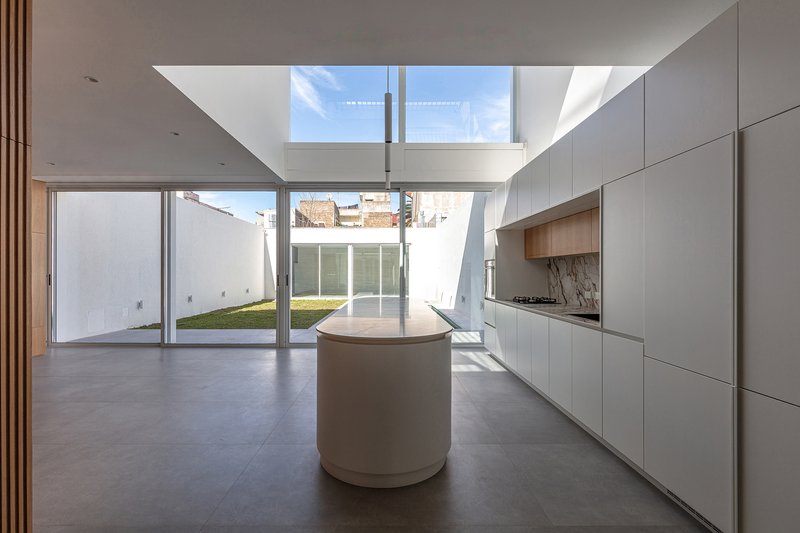
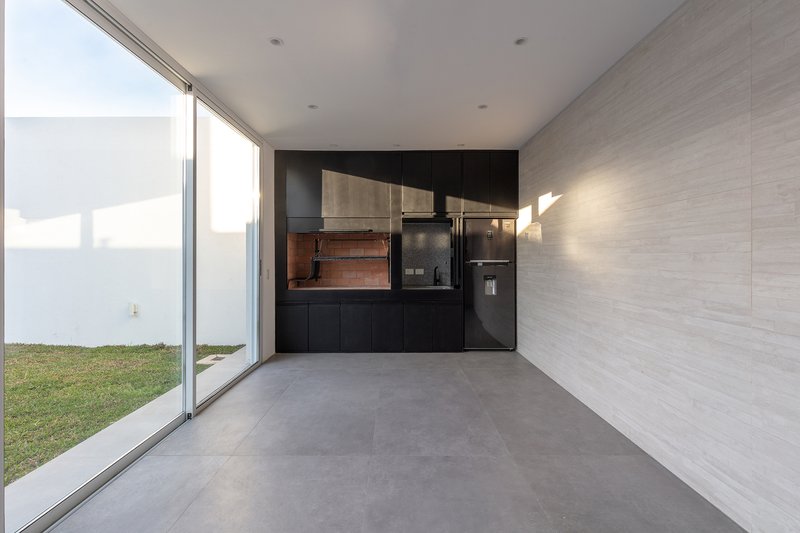
- Large sliding glass windows for natural lighting and ventilation.
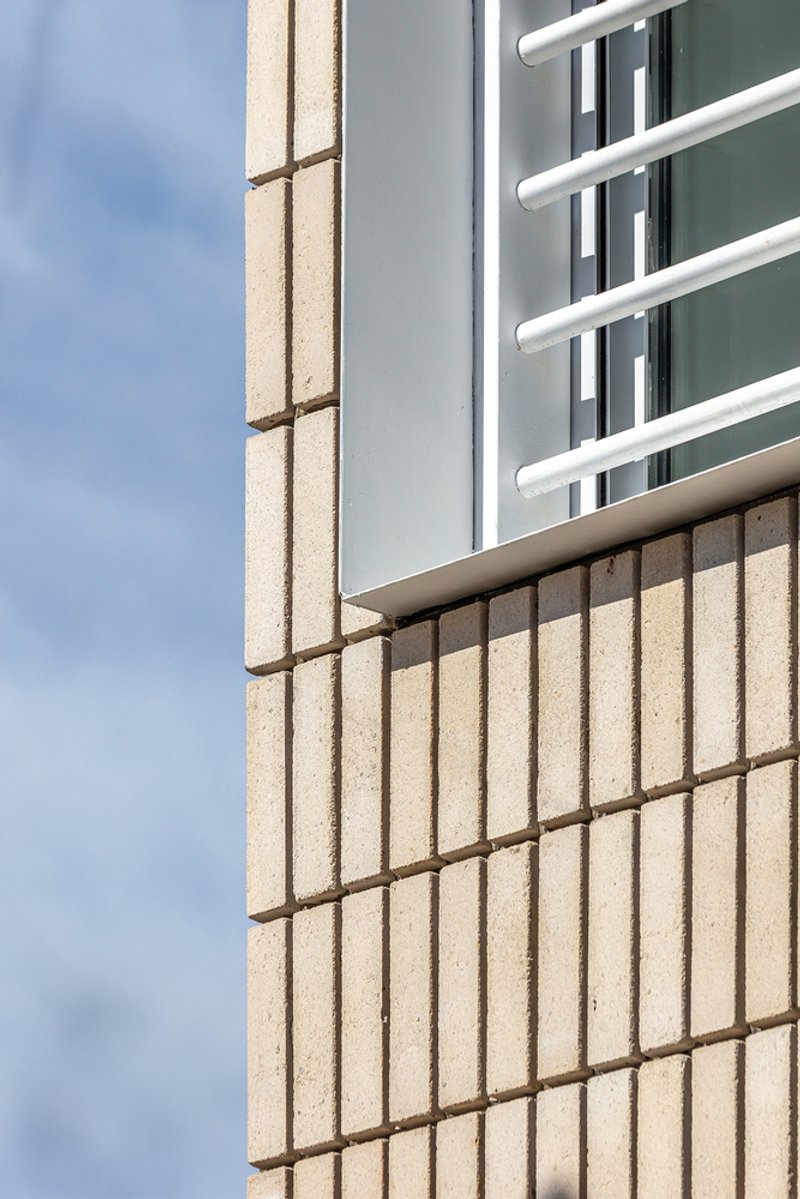
- Automated blinds that ensure privacy, security, and climate control.
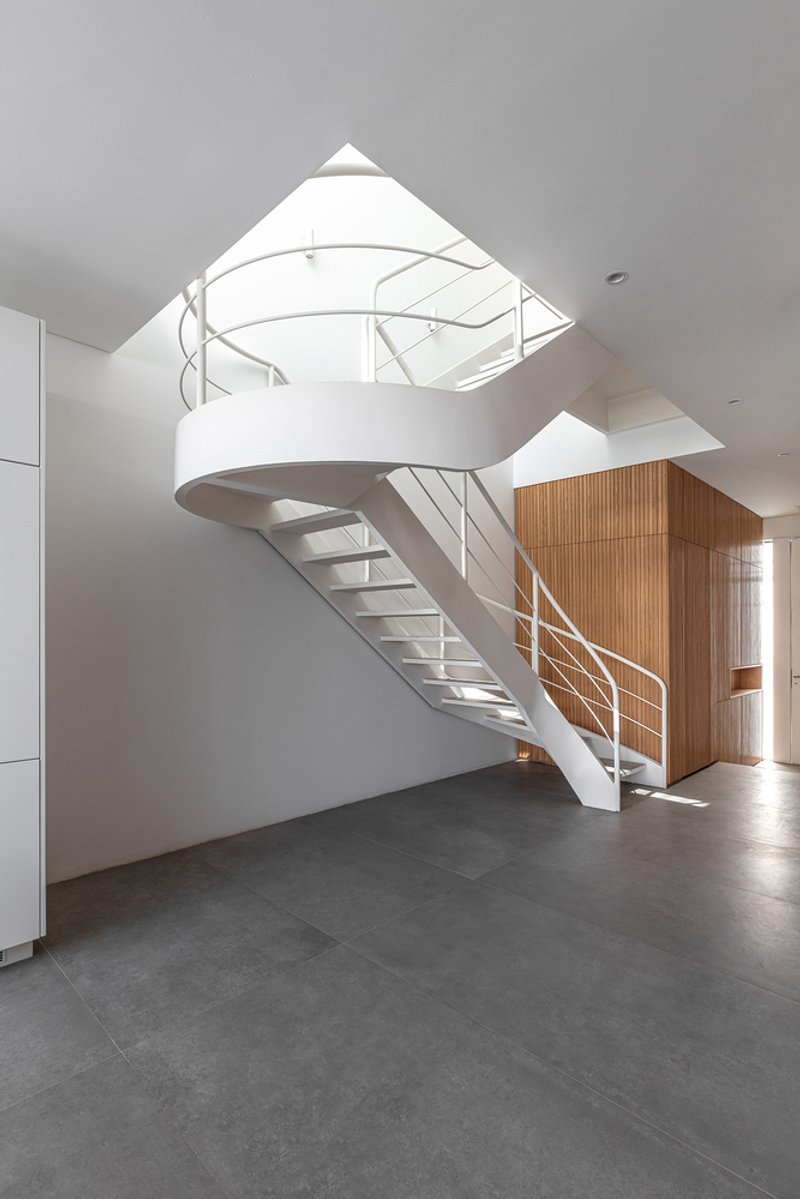
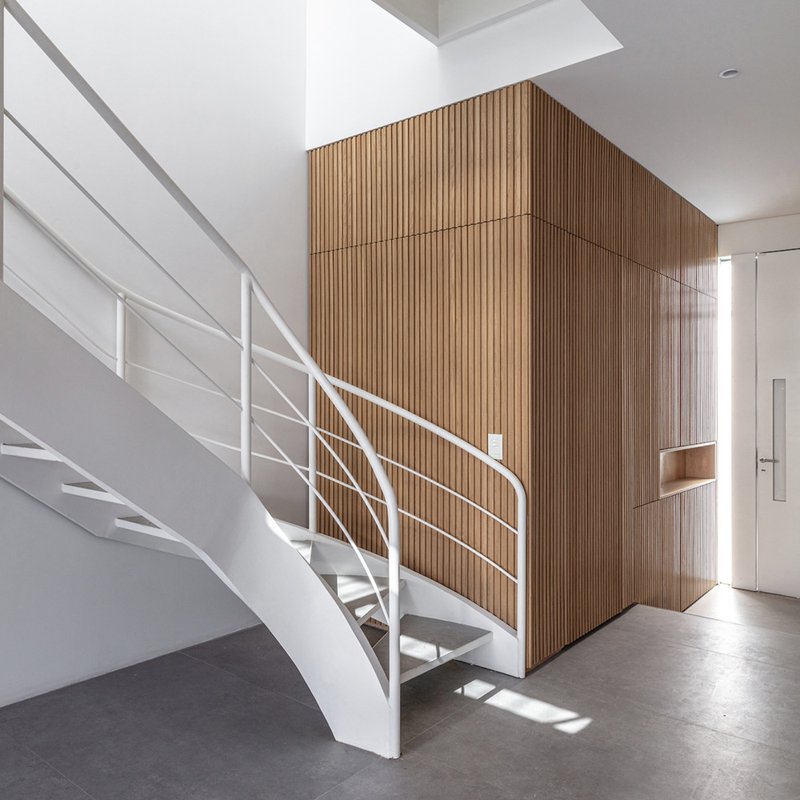
- Minimal structural elements like metal columns, creating a lightweight and airy aesthetic.
Sustainability and Efficiency in Design
1. Climate-Responsive Architecture
The rear facade integrates modern solutions for adapting to the environment:
- Automated roller blinds provide sunlight control, reducing dependency on artificial lighting.
- The facade's modular design ensures optimal insulation and minimizes energy consumption.
2. Proportional Modularity
The residence is designed using a modular system, dividing the width of the lot into quarters (1/4) and eighths (1/8). This modularity:
- Defines the dimensions of spaces, ensuring proportional harmony.
- Influences facade compositions, balancing openness and privacy.
- Optimizes material use and reduces waste, aligning with sustainable practices.
3. Innovative Material Selection
High-performance materials such as Neolith surfaces, self-locking blinds, and sustainable lighting solutions enhance the home's durability and efficiency. These materials contribute to energy efficiency and low-maintenance living.
Key Design Highlights
A. Front Facade: Privacy and Elegance
The front facade prioritizes privacy with smaller openings, shielding the home from public view while maintaining aesthetic appeal.
B. Rear Facade: Transparency and Openness
The rear facade is characterized by:
- Floor-to-ceiling glass panels that blur the boundaries between indoors and outdoors.
- Flexible systems that allow complete or partial enclosure depending on user preferences.
C. Interior Spaces: Flexibility and Functionality
The interiors are designed with modular principles:
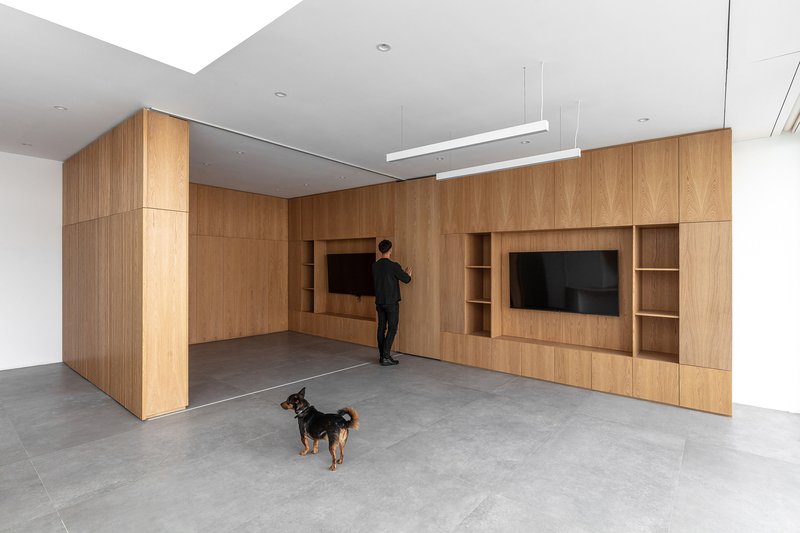
- The living-dining-kitchen area spans the full lot width, creating an open, cohesive space.
- Bedrooms and utility areas follow sub-modulations for functional optimization.
The Role of Technology in Enhancing Livability
1. Automation and Smart Design
The home incorporates smart blinds and automated systems, offering:
- Easy control of sunlight, temperature, and ventilation.
- Enhanced security through self-locking mechanisms.
2. Energy Efficiency
By integrating natural lighting and ventilation systems, Vivienda DISA minimizes energy usage, aligning with modern sustainable home design principles.
Why Vivienda DISA is a Benchmark in Modern Sustainable Design
This residence sets a precedent for modern sustainable home design in Argentina by showcasing:
- A thoughtful approach to spatial planning and privacy.
- Seamless integration of sustainability without compromising aesthetics.
- Smart use of innovative materials and technology.
Vivienda DISA by Tomás Mielnikowicz is a stellar example of how modern sustainable home design can transform urban living. By maximizing outdoor spaces, embracing modularity, and incorporating advanced technologies, this residence offers a blueprint for architects and homeowners seeking to create eco-friendly, functional homes. As urban spaces continue to evolve, projects like Vivienda DISA illuminate the path toward a sustainable architectural future.
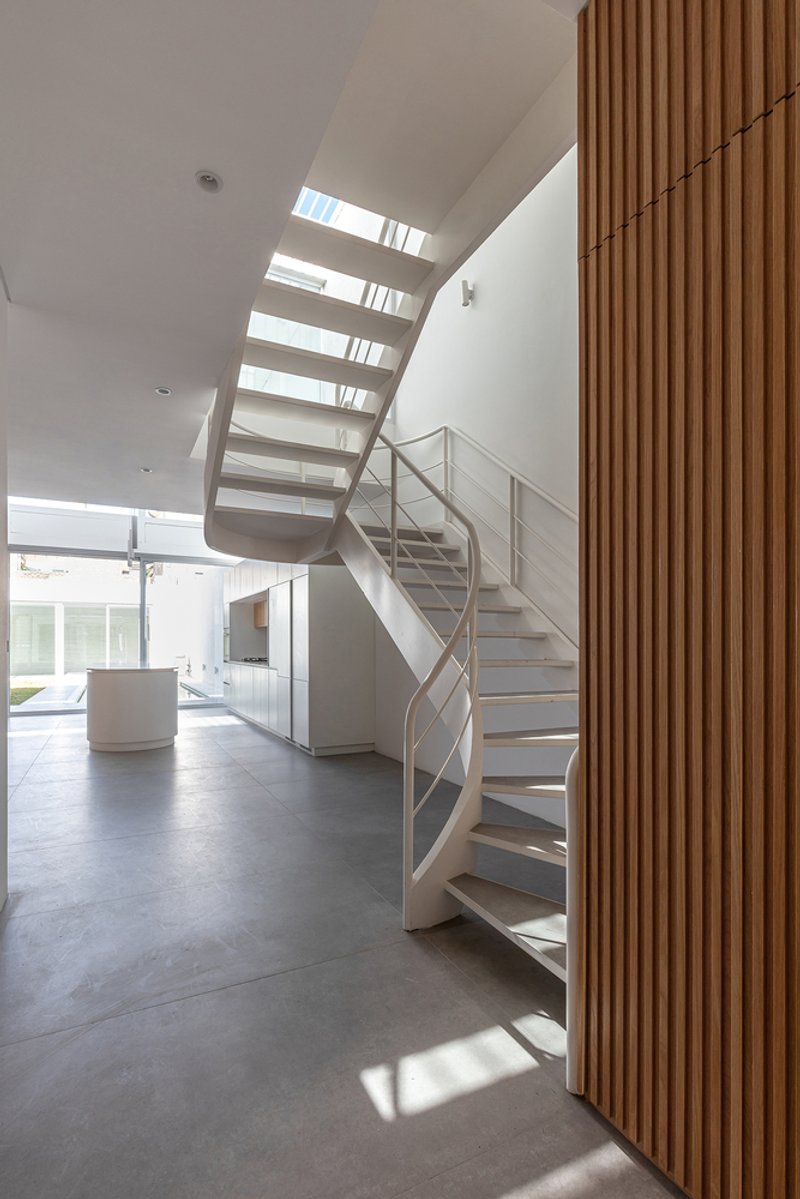
All Photographs are work of Federico Kulekdjian




Popular Articles
Popular articles from the community

Bood Design Bureau Splits a Gilan Residence in Two to Let the Forest In
Double Side House negotiates privacy and openness through interlocking concrete volumes and planted courtyards in northern Iran's humid Caspian lowlands.

Filtering Space: A Gradual Spatial Experience
From urban intensity to spatial calm.
MAKER architecten Rewire a 1972 Brutalist Dormitory on the VUB Campus as a Living Lab
A modular renovation strategy in Belgium breathes new life into Willy Van Der Meeren's modernist student housing without erasing its concrete bones.
Cafe MADA: A Chiang Rai Pavilion in a Mango Orchard
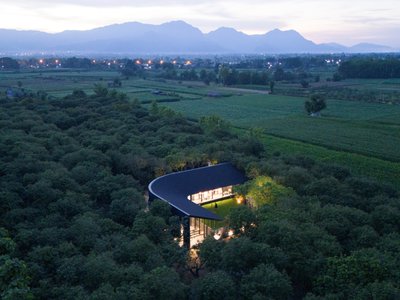
BodinChapa Architects threaded a 254 m² black-roofed cafe through an existing mango orchard in Chiang Rai, Thailand, built around mature trees.


Similar Reads
You might also enjoy these articles
Filtering Space: A Gradual Spatial Experience
From urban intensity to spatial calm.


The Ken Roberts Memorial Delineation Competition (Krob)
As the most senior architectural drawing competition currently in operation anywhere in the world, it draws hundreds of entries each year, awarding the very best submissions in a series of medium-based categories.


Waterfront Redevelopment and Urban Revitalization in Mumbai: Forging a New Dawn for Darukhana
A transformative waterfront redevelopment project reimagining Darukhana’s shipbreaking heritage into an inclusive urban future.

OUT-OF-MAP: A Call for Postcards on Feminist Narratives of Public Space
Rhizoma Design and Research Lab invites artists, designers, architects, researchers, and students to reflect on how feminist perspectives can reshape public space. Selected works will be exhibited in Barcelona, October 2026. Submissions open until 15 April 2026.


Explore Architecture Competitions
Discover active competitions in this discipline




The International Standard for Design Portfolios


The Global Benchmark for Architecture Dissertation Awards


The Global Benchmark for Graduation Excellence


Challenge to reimagine the Iron Throne
Comments (0)
Please login or sign up to add comments
No comments yet. Be the first to comment!