
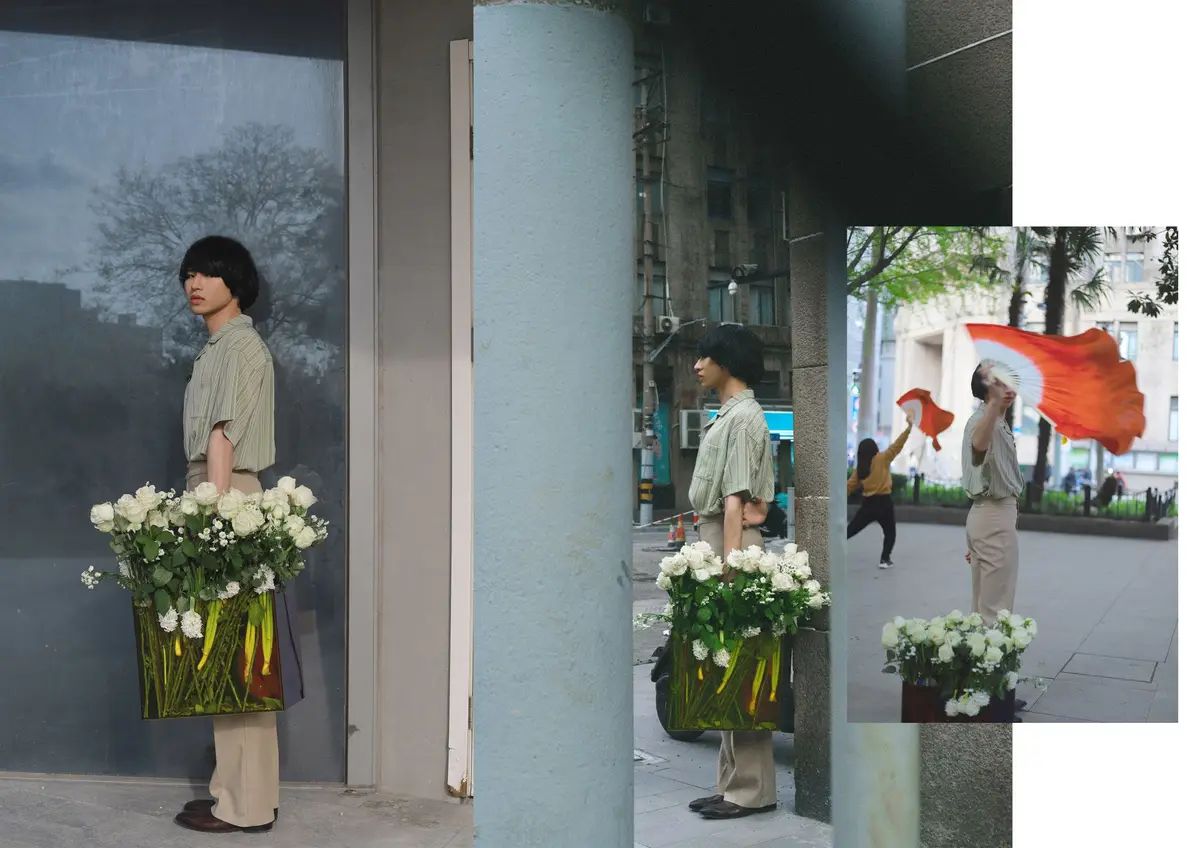
Modular Architecture Design: The Catalyst for Community Acceptance and Cultural Dialogue
JUMPER: Architectural fusion of cultural acceptance, modular design, and discotheque-inspired emotional communal spaces.


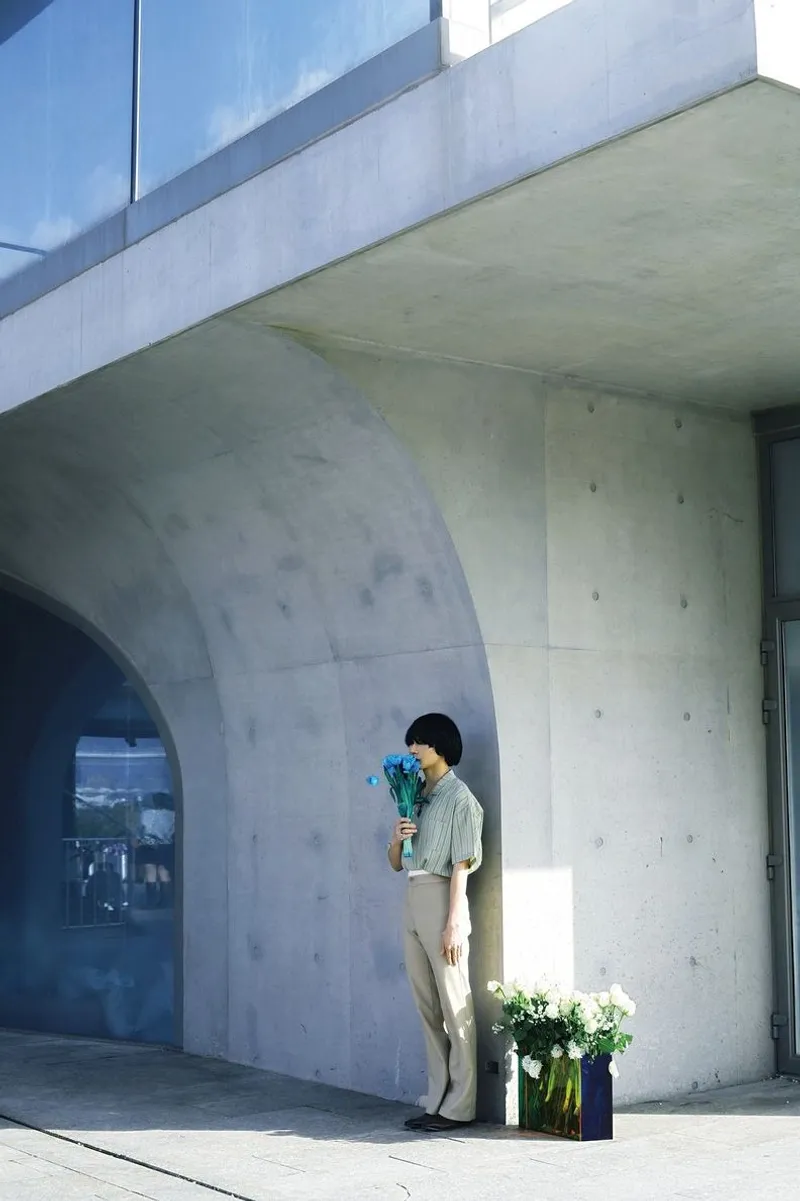
In the realm of architecture, the concept of modularity is not just a design approach; it has evolved into a statement of flexibility, adaptability, and responsiveness to societal needs. Modular architecture design has gained traction for its ability to create spaces that are transportable, transformable, and transcendent. One such pioneering project that embodies these principles is "JUMP," created by Youshan Hong, the Winner entry of Transfigure.
Breaking Boundaries with JUMPER
At its core, JUMPER is not just a physical structure; it is a bold statement on cultural inclusion and emotional expression. Conceived as an extension of Discotheque, it serves as a portable installation that encapsulates the spatial experience of disco culture. It acts as a bridge, connecting the marginalized gay community in China with the broader society, fostering communication and acceptance through shared emotional release.
The Philosophy Behind JUMPER
JUMPER, inspired by record players, is a testament to individuality and the power of design as a transformative force. The project confronts the harsh reality that the gay community in China faces — a reality marked by repression and a lack of acceptance. Through the language of modular architecture design, JUMPER poses a poignant question: can architecture be a catalyst to release the feelings of marginalized groups and let their true identities shine?
Designing for Emotion and Memory
The installation compresses the vibrant, energetic Discotheque atmosphere into a simplified, mobile form. It enables spontaneous interactions and the sharing of spatial memory, effectively breaking down inherent societal boundaries. By doing so, JUMPER discusses the diversity of space and the existing states of acceptance within them.
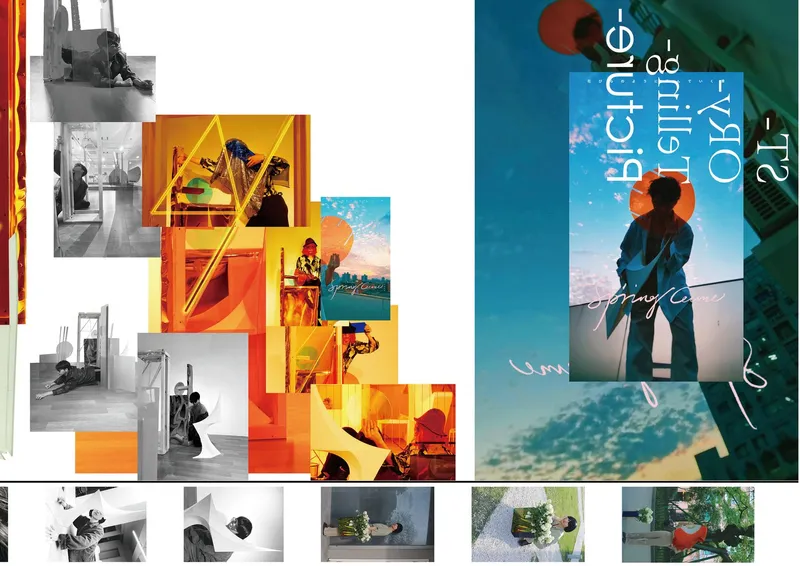
Modular Design Elements in JUMPER
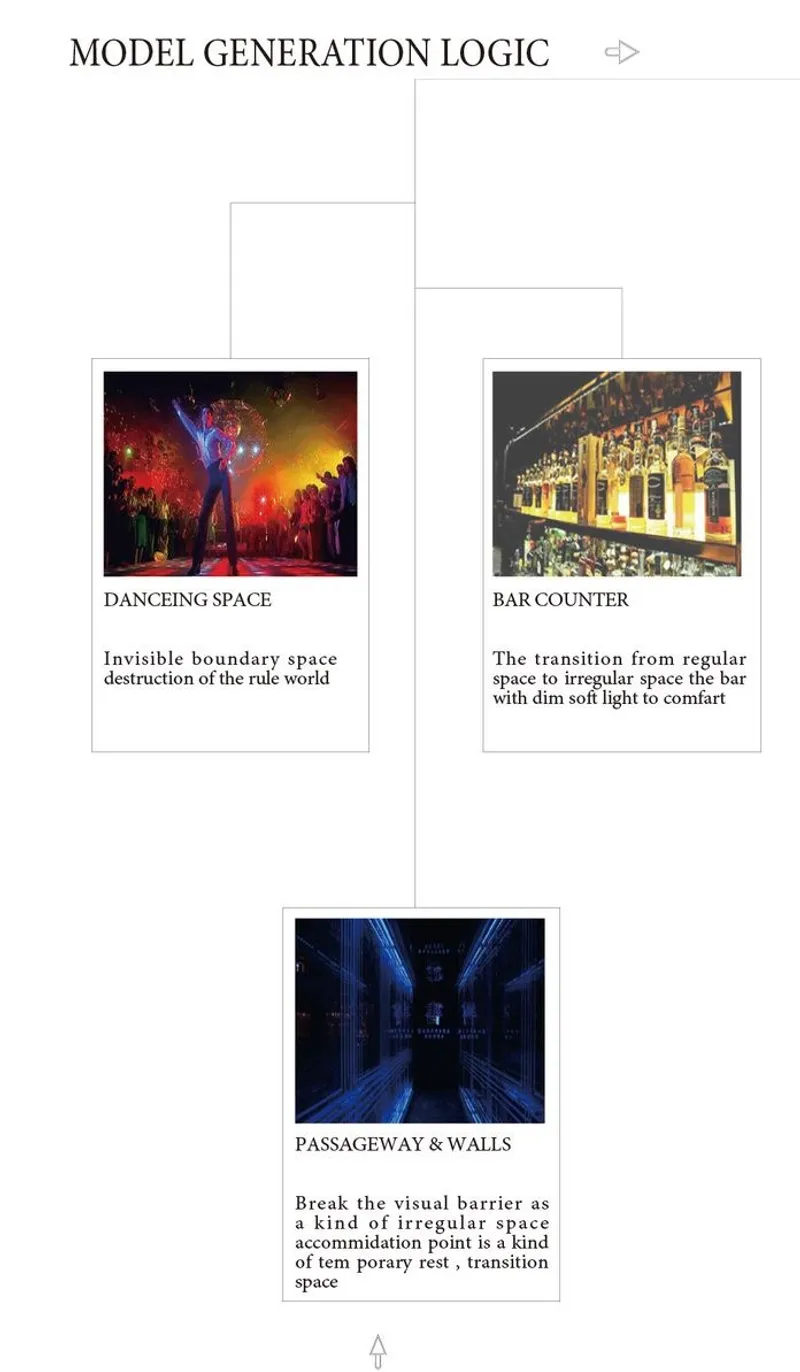
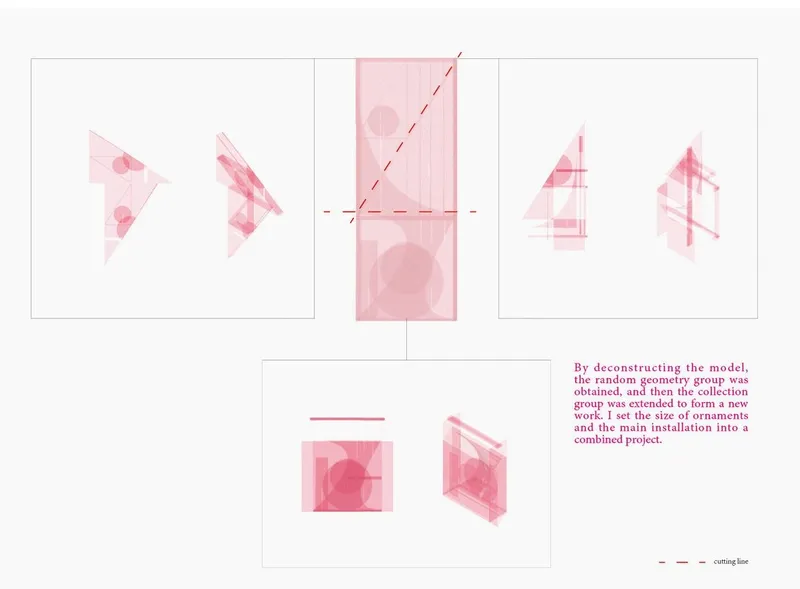
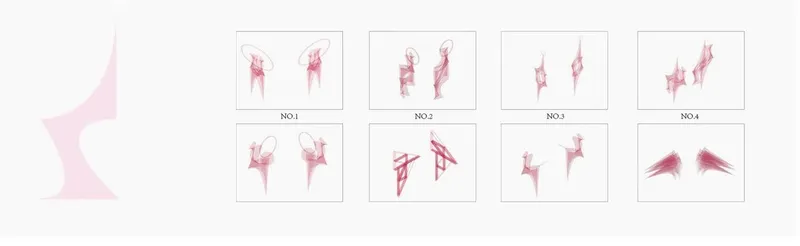
The creation of JUMPER is a symphony of modular design elements, each harmonizing to challenge the normative perceptions of space. From "DANCING SPACE," representing an invisible boundary and the destruction of conventional rule, to the "BAR COUNTER" that transitions from regular space to a comforting area of respite, each module contributes to the overarching narrative of JUMPER.
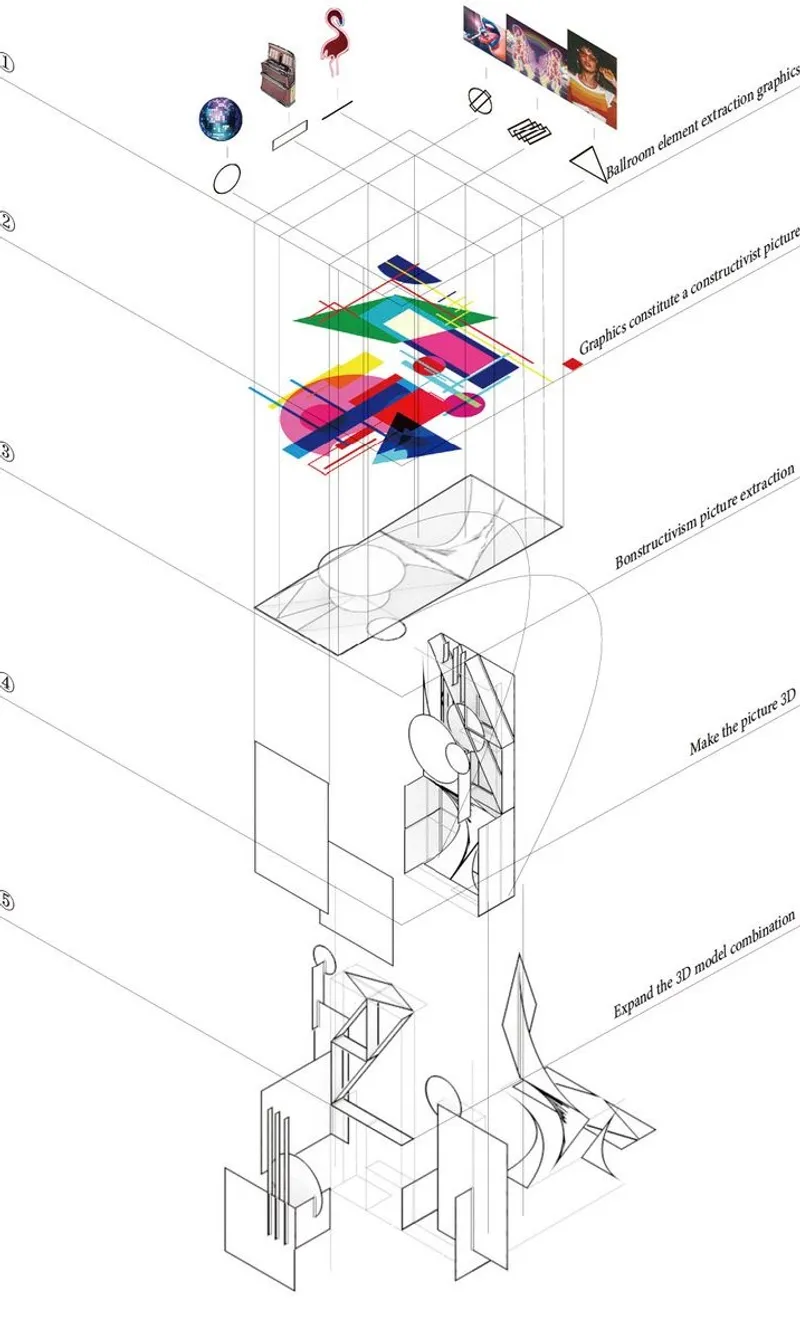
The "PASSAGEWAY & WALLS" break visual barriers, offering a place of temporary rest and transitioning, while the random combination of extracted graphics and color collisions produces a dynamic spatial state.
The Role of Modularity in Social Understanding
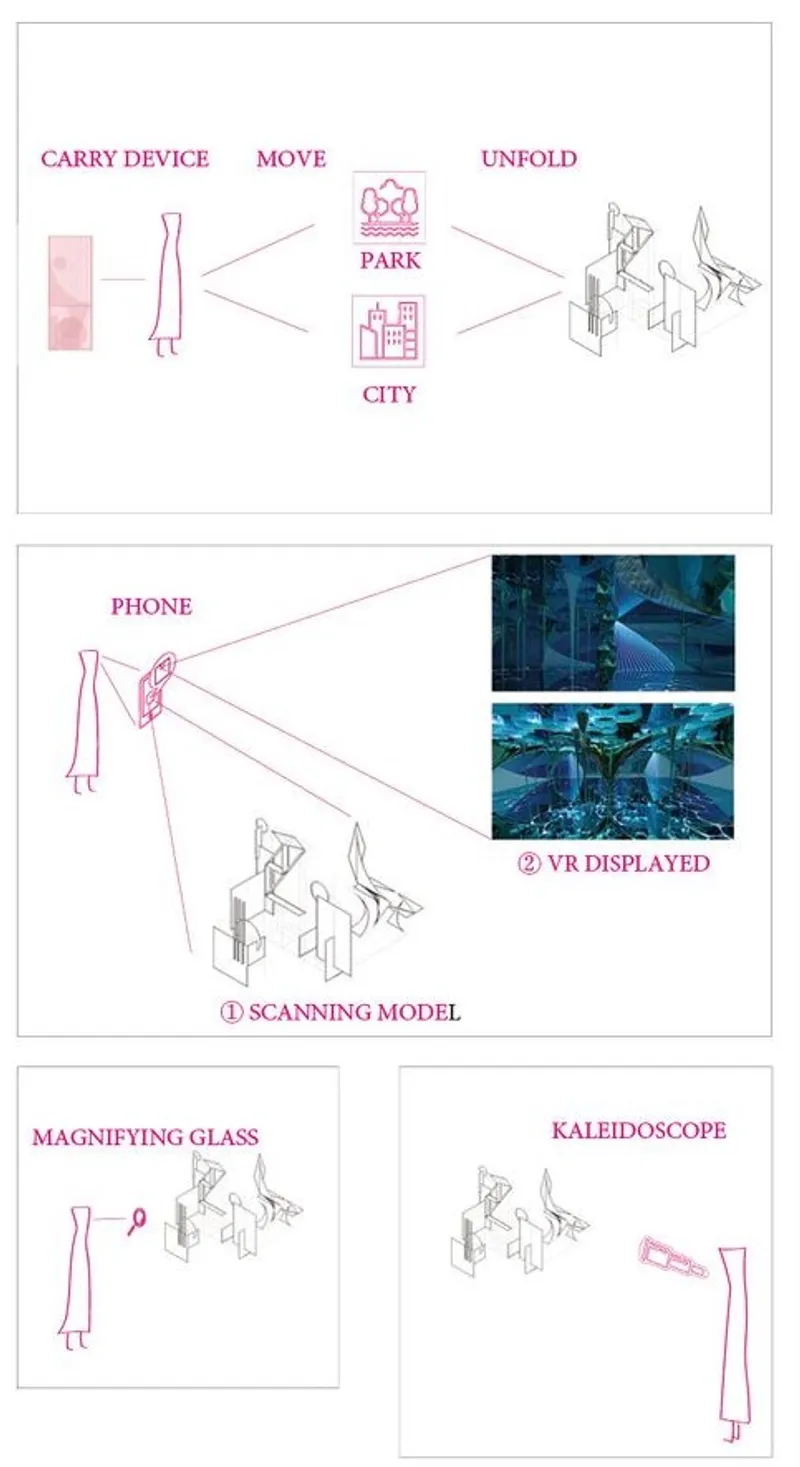
JUMPER's design philosophy advocates for modularity not merely in physical forms but also as a vehicle for social commentary and interaction. The installation morphs from a dance space into a nomadic structure that shuttles through the city, symbolizing the journey of the gay community toward mainstream acceptance.
The project defies the traditional, singular daily space vision and brings a multiplicity of perspectives into the public realm. It leverages modularity to transform visual effects typically confined to ballroom spaces into a mobile, public display of diversity and openness.
Modular architecture design, as exemplified by JUMPER, goes beyond mere construction. It is about creating spaces that are not just physically adaptive but also emotionally resonant and socially proactive. Through projects like JUMPER, modular design proves its worth as a medium for dialogue, understanding, and, ultimately, acceptance in the tapestry of urban life.


Popular Articles
Popular articles from the community


Juan García Correa, John González and Claudia Rueda Sink a Circular Amphitheater into a Manizales Engineering Building
On the La Nubia campus in Manizales, Colombia, the S1 Building folds labs and offices into a hillside of ramped lawns that double as a campus route.

David Macias Steps a Doorless Stone and Plaster House Down a Tropical Colombian Hillside
In the humid hills of Colombia, Threshold House replaces the front door with an open void and terraces its 850 m² down the slope instead of fighting it.

longwave studio Reorganizes a 112 m² Tainan Apartment Around the Daily Routines of a Family and Two Cats
In Tainan, Taiwan, birch plywood, rust-red furniture and a freestanding plaster wall link arrival, storage, work and family life in one apartment.

U.GA Architects Wraps an Oval Rooftop Pool in Curved Board-Formed Concrete on Busan's Jeollidan-gil
In Busan's Jeonpo-dong, a 454 m² mixed-use block stacks a neighborhood facility, guest rooms and an oval rooftop pool inside spiraling concrete walls.

Similar Reads
You might also enjoy these articles


Vereda Arquitetos Renovates a 40-Square-Meter Apartment Inside Niemeyer's Copan Building
A compact unit in São Paulo's most iconic residential tower gets a material overhaul that pairs exposed concrete with bold blue Formica.

Shakur's House: Exposed Brick as an Interior Organiser in a 168 m² Mashhad Residence
Brick moves indoors in this Mashhad residence, where masonry walls, glass partitions and teal planes sequence a compact home without closing it off.

Day and Night Park: A Time-Based Urban Newsstand in Beijing
A temporary urban newsstand in Beijing blending travel, light, and reading through poetic colors, compact form, and community-focused design.

Modernist Patio Renovation in El Masnou, Barcelona by Oliver Segura Arquitectura + Cebrià Arquitectura
Modernist patio renovation blending tradition and innovation with a movable pool, leveled floors, and Catalan materials in El Masnou.

Explore Modular Design Competitions
Discover active competitions in this discipline

Challenge to reimagine the Iron Throne

Photograph architecture without architects

Illustrate the lost glory of Angkor Wat - Render Challenge

Bring back Drive In's
Comments (0)
Please login or sign up to add comments
No comments yet. Be the first to comment!