
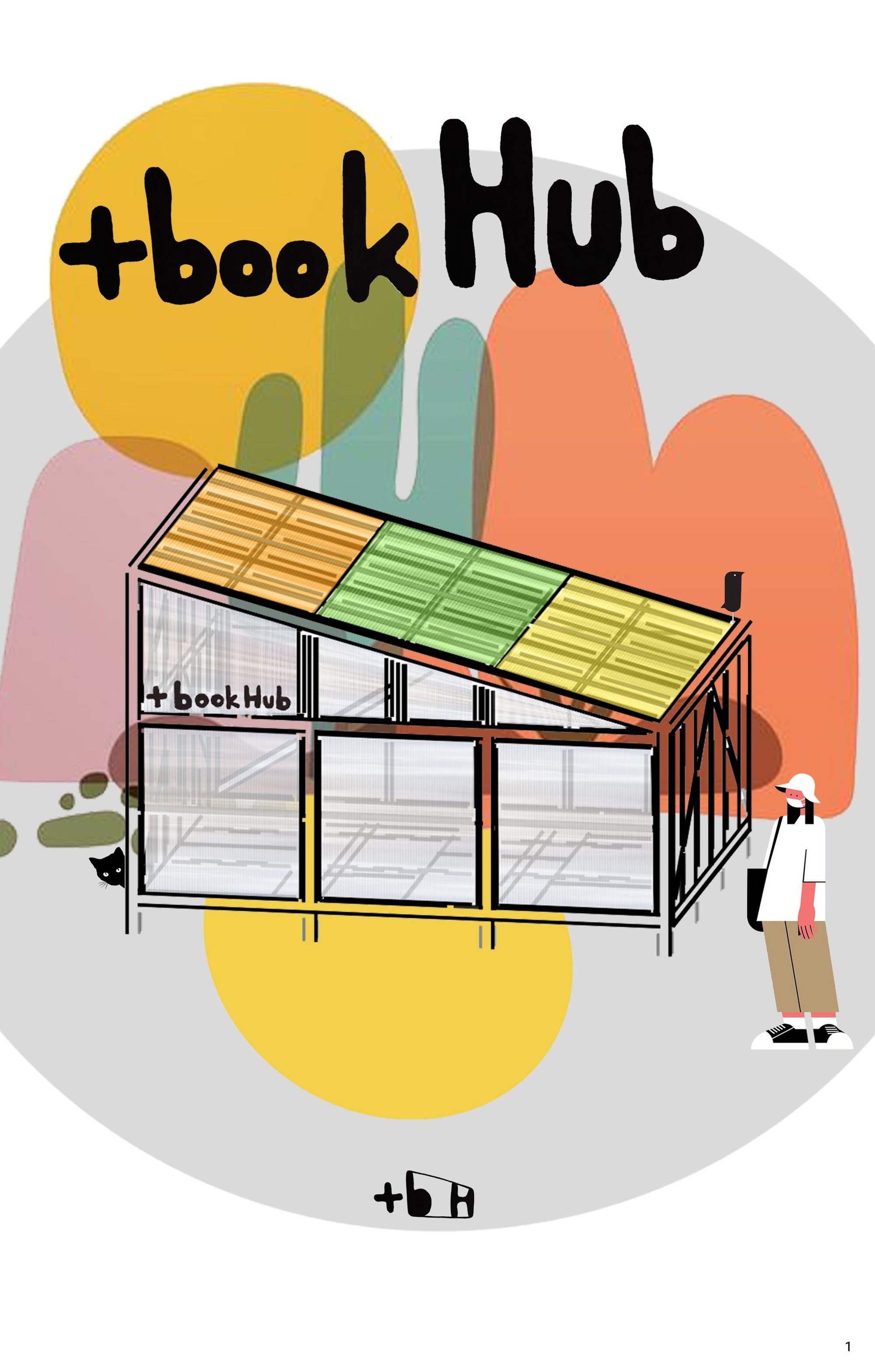
Modular Architecture for Community Spaces: The BookHub by Elif Turgut
A modular, eco-friendly community hub that merges reading, social interaction, and adaptable design into a flexible architectural system for urban engagement.

In the evolving landscape of contemporary architecture, adaptability and community engagement have become central design drivers. The + BookHub project by Elif Turgut emerges as a compelling response to this shift, presenting a modular architecture system that redefines how public spaces can function, evolve, and serve diverse user groups. Positioned as a flexible, pop-up architectural intervention, BookHub integrates reading, learning, and social interaction into a cohesive spatial experience.
Editor's Choice entry of BookMark 2020
Concept: Architecture Inspired by Enlightenment
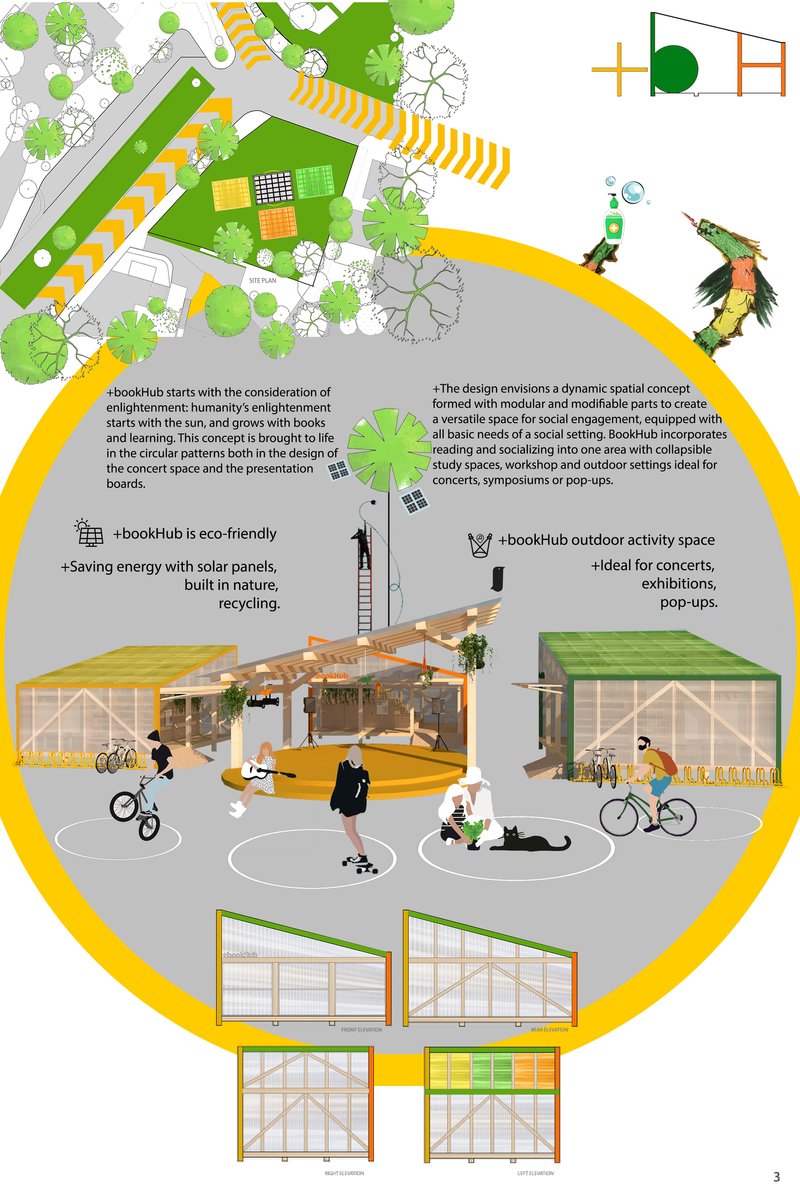
The conceptual foundation of BookHub draws from the idea of enlightenment. Just as knowledge grows and expands over time, the architectural form begins from a central point and radiates outward, creating a spatial language defined by circular patterns and growth. This metaphor is translated into both the site planning and interior organization, reinforcing the project’s core idea of knowledge dissemination and communal interaction.
The design prioritizes inclusivity and accessibility, ensuring that users of all ages can engage with the space. By structuring the project around a shared cultural activity such as reading, the architecture becomes a catalyst for social cohesion.
Modular Architecture Strategy
At its core, BookHub is a modular and reconfigurable system. The structure is composed of adaptable components that can be assembled, disassembled, and modified according to site conditions and programmatic needs. This approach aligns with current trends in modular architecture, where flexibility and scalability are essential.
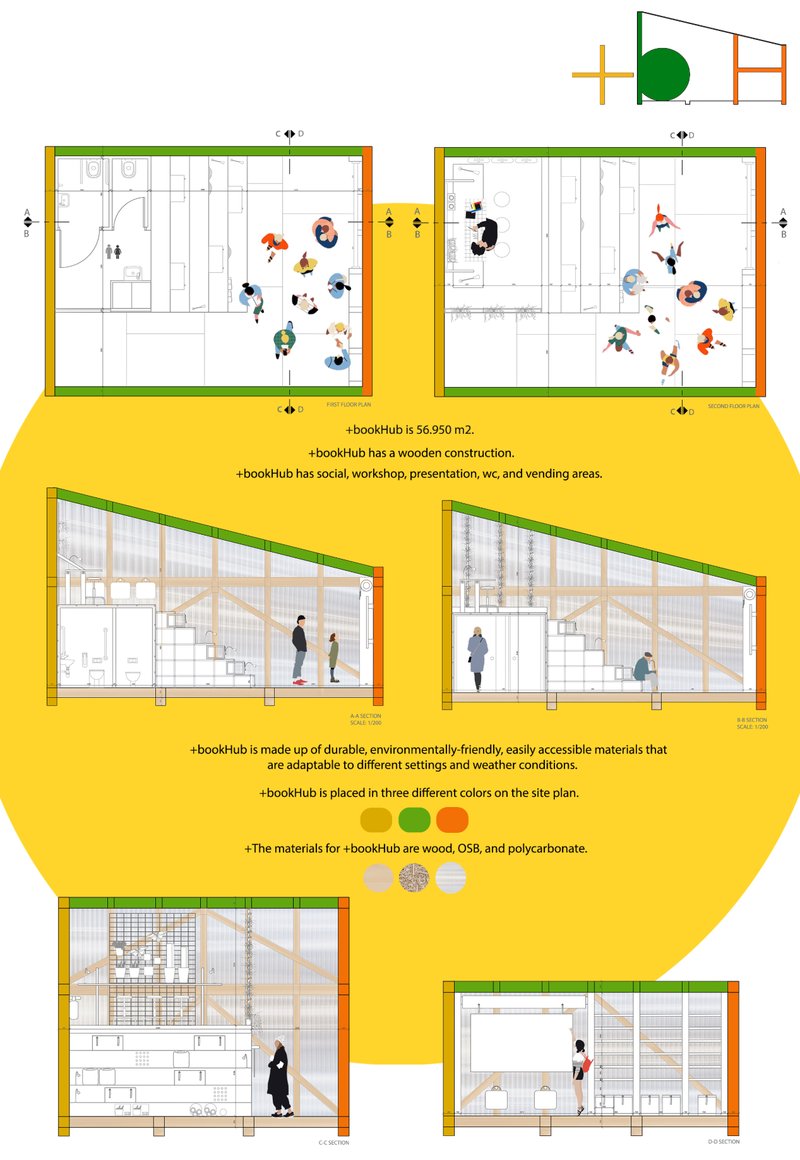
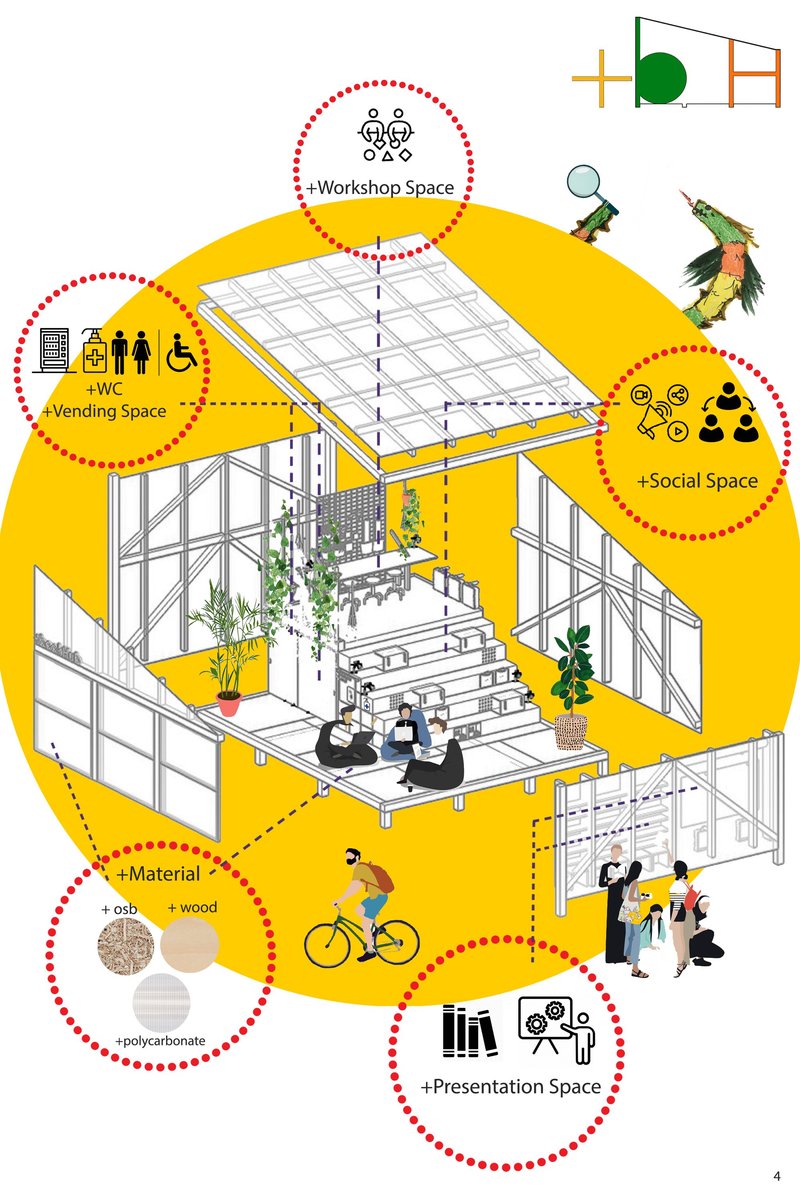
The project spans approximately 56.95 square meters and incorporates multiple functional zones within a compact footprint. These include:
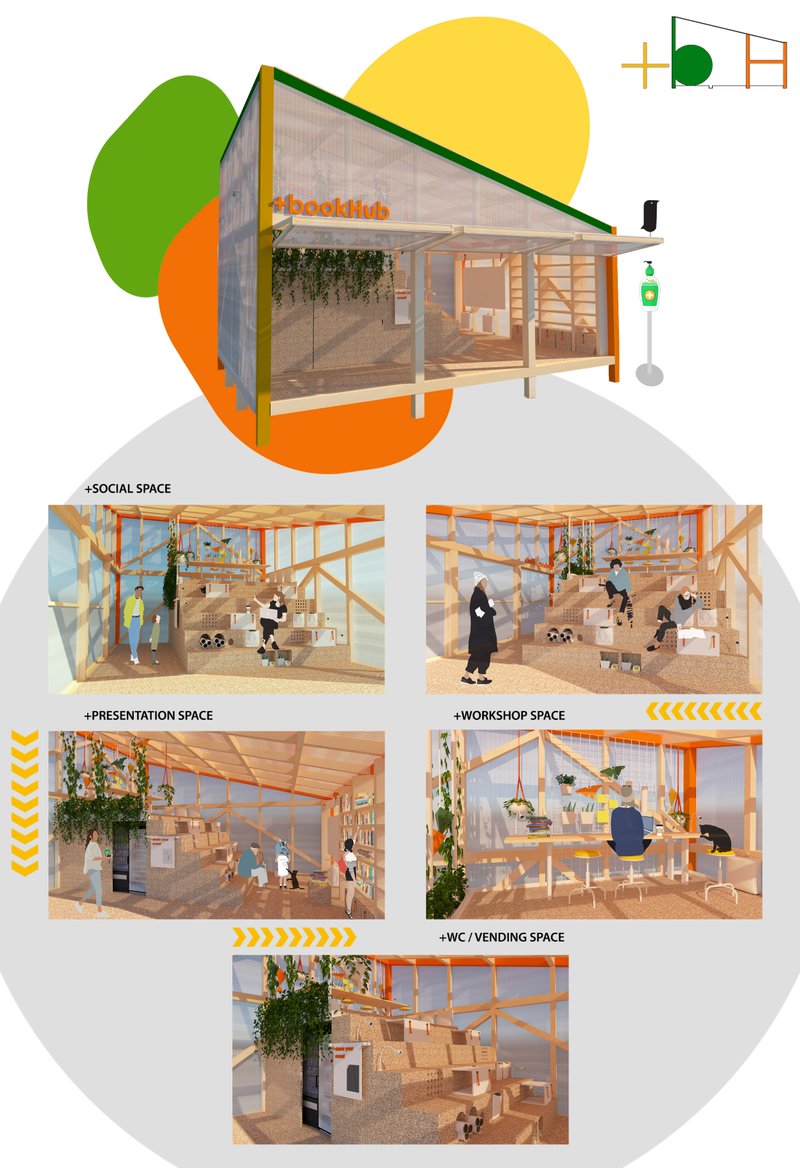
- Social spaces for gathering and interaction
- Workshop areas for learning and collaboration
- Presentation zones for talks and exhibitions
- Essential facilities such as WC and vending areas
The modular configuration allows these functions to coexist seamlessly, with collapsible and transformable elements enabling dynamic spatial transitions.
Spatial Experience and Program
BookHub is designed as a hybrid environment that blurs the boundaries between interior and exterior. The inclusion of outdoor activity zones extends the usability of the structure beyond its physical envelope, making it suitable for concerts, exhibitions, symposiums, and pop-up events.
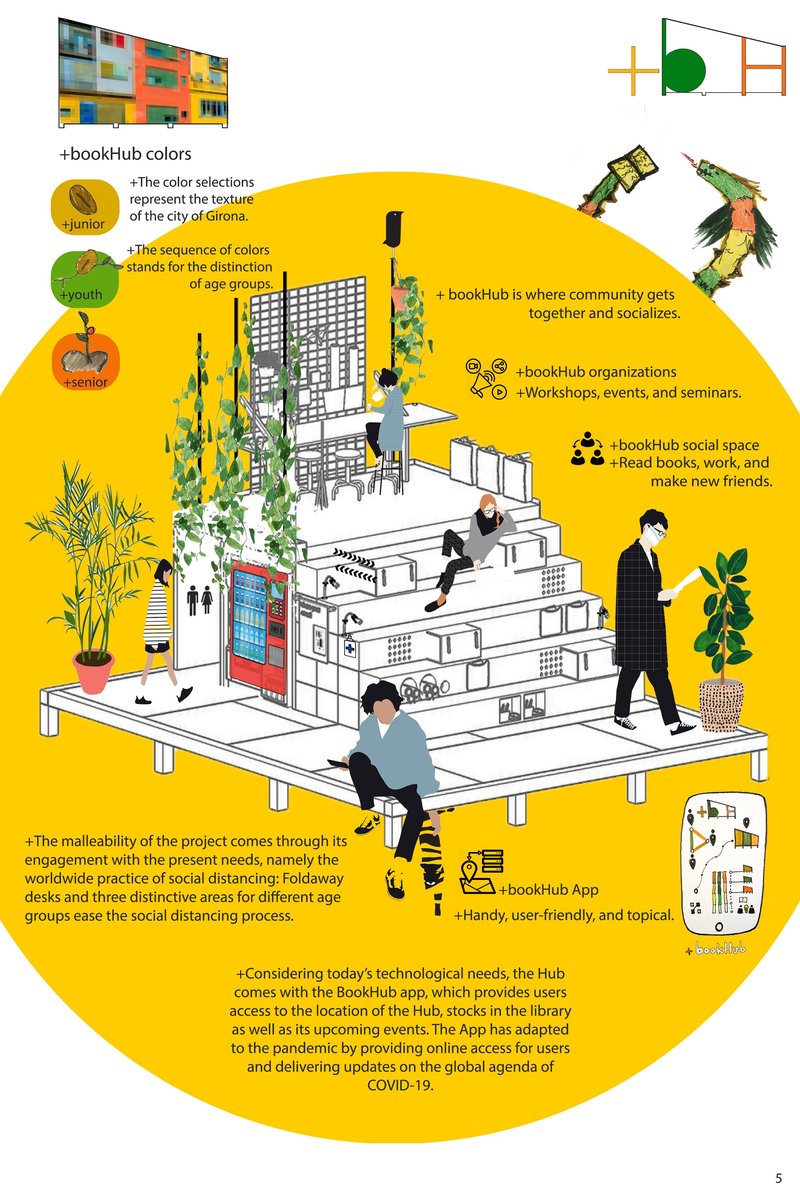
Inside, stepped seating and integrated furniture systems create an informal learning environment. Users can read, work, or engage in discussions within a flexible spatial hierarchy. The integration of workshop and presentation areas ensures that the space remains active and multifunctional throughout the day.
Materiality and Construction
The project emphasizes sustainability through its material choices and construction logic. The primary materials include wood, OSB (Oriented Strand Board), and polycarbonate. These materials are selected for their durability, affordability, and environmental performance.
The wooden structural system provides a lightweight yet robust framework, while polycarbonate panels allow natural light to permeate the interior, reducing reliance on artificial lighting. OSB contributes to the modular construction, enabling ease of assembly and adaptability.
This combination results in a structure that is not only environmentally responsible but also easily deployable across different contexts.
Environmental Strategy
Sustainability is embedded in the design through multiple strategies. The incorporation of solar panels supports energy efficiency, while the use of recyclable materials minimizes environmental impact. The project’s adaptability further enhances its sustainability by allowing it to respond to changing climatic and social conditions.
BookHub is conceived as an eco-friendly architectural prototype that can be replicated and adapted globally, addressing the need for low-impact, high-performance community infrastructure.
Social Impact and User Engagement
A key strength of the BookHub lies in its ability to foster social interaction. The design encourages users to gather, share knowledge, and participate in collective activities. The inclusion of distinct zones for different age groups ensures inclusivity, while the open and flexible layout promotes spontaneous engagement.
The project also integrates digital connectivity through the BookHub app, which provides information on events, library resources, and spatial availability. This digital layer enhances user experience and extends the reach of the physical space.
Architectural Identity and Aesthetics
Visually, BookHub is defined by its clean geometric form and vibrant color palette. The use of three distinct colors reflects different user groups and adds a layer of visual communication to the design. The sloped roof and transparent facade create a dynamic architectural expression that is both functional and inviting.
The interplay of structure, transparency, and greenery results in a space that feels open, breathable, and connected to its surroundings.
Jury Insight
As noted by juror Eduardo Aizenman:
"One of the few proposals to address the task at hand by making a buildable, reproducible, functional, sustainable pop up object."
This observation highlights the project’s practicality and its potential for real-world application, distinguishing it from purely conceptual proposals.
BookHub represents a forward-thinking approach to modular architecture, where flexibility, sustainability, and community engagement converge. By transforming a simple program into a dynamic spatial system, the project demonstrates how architecture can adapt to contemporary challenges while fostering meaningful human connections.
As cities continue to evolve, projects like BookHub offer a scalable and impactful model for creating inclusive, adaptable, and environmentally conscious public spaces.



Popular Articles
Popular articles from the community

The Flow: Coffee Shop Interior Design Where Time, People, and Process Intertwine
The Flow reimagines Viennese coffee culture through arched forms, warm interiors, music, reading, work, and social gathering.

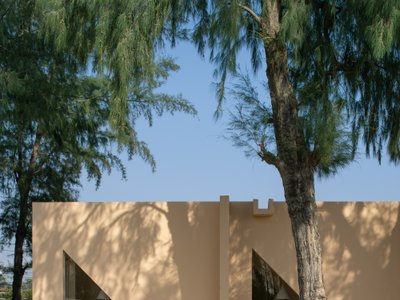
Pinto Builds a Faceless Pavilion Beneath Casuarina Trees on Thailand's Rayong Coast
SON Restaurant refuses a front door or a back wall, treating all four facades equally in a 260-square-meter brick and stucco grid.
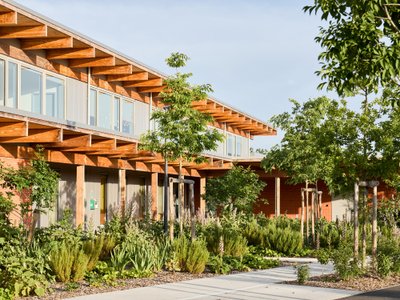
GGR Architectes Anchors a New Neighborhood in Frouzins with a Brick and Timber School Complex
A cruciform plan of terracotta brick and exposed wood frames four courtyards for 140 students outside Toulouse, France.
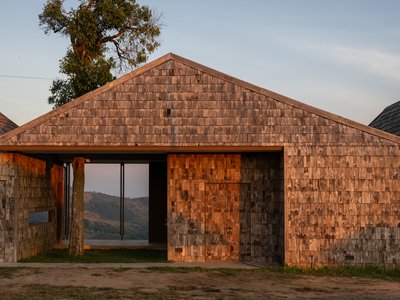
S.O.S Architects Scatters a Cluster of Timber Pavilions Across a Chiang Rai Hillside
The Wood Cabin arranges shingled gabled volumes along the slopes of Doi Chang, framing mountain vistas from every room and courtyard.


Similar Reads
You might also enjoy these articles


Urban Forest: A Vertical Ecosystem for 5,000 Workers in Singapore's Changi Business Park
Radially stacked pods and layered green decks turn a 7-acre plot into 47 acres of ecological workspace projected for 2040.
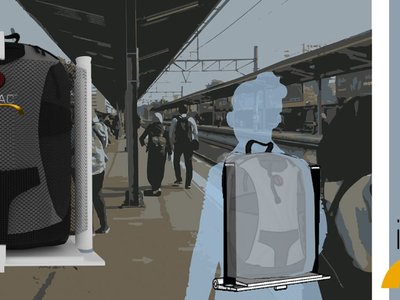
interACT: A Wearable Transit Object That Turns Commuting Into Social Infrastructure
A backpack-mounted foldable device transforms walking, waiting, and riding into moments of shared comfort across Jakarta's transit network.
Lean On Barrier System: Where Traffic Safety Meets Chai Culture in Ahmedabad
A modular steel barrier doubles as informal seating and lean-on furniture at one of Ahmedabad's busiest intersections, keeping vendors in place.

The Black Bagh: A Living Monument Built from Water, Light, and Memory
On the banks of the Yamuna, two designers replace the myth of a marble mausoleum with a regenerative landscape of reflection and ritual.


Explore Interior Design Competitions
Discover active competitions in this discipline




The International Standard for Design Portfolios


The Global Benchmark for Architecture Dissertation Awards


The Global Benchmark for Graduation Excellence


Challenge to design luxury tourism on rails
Comments (0)
Please login or sign up to add comments
No comments yet. Be the first to comment!