
Modular Terminal Architecture in Tarragona: A New Vision by Hombre de Piedra Arquitectos
A modular terminal in Tarragona redefines sustainable coastal infrastructure with off-site construction, sculptural geometry, and Mediterranean design inspiration.

Embracing Change through Modular Terminal Architecture
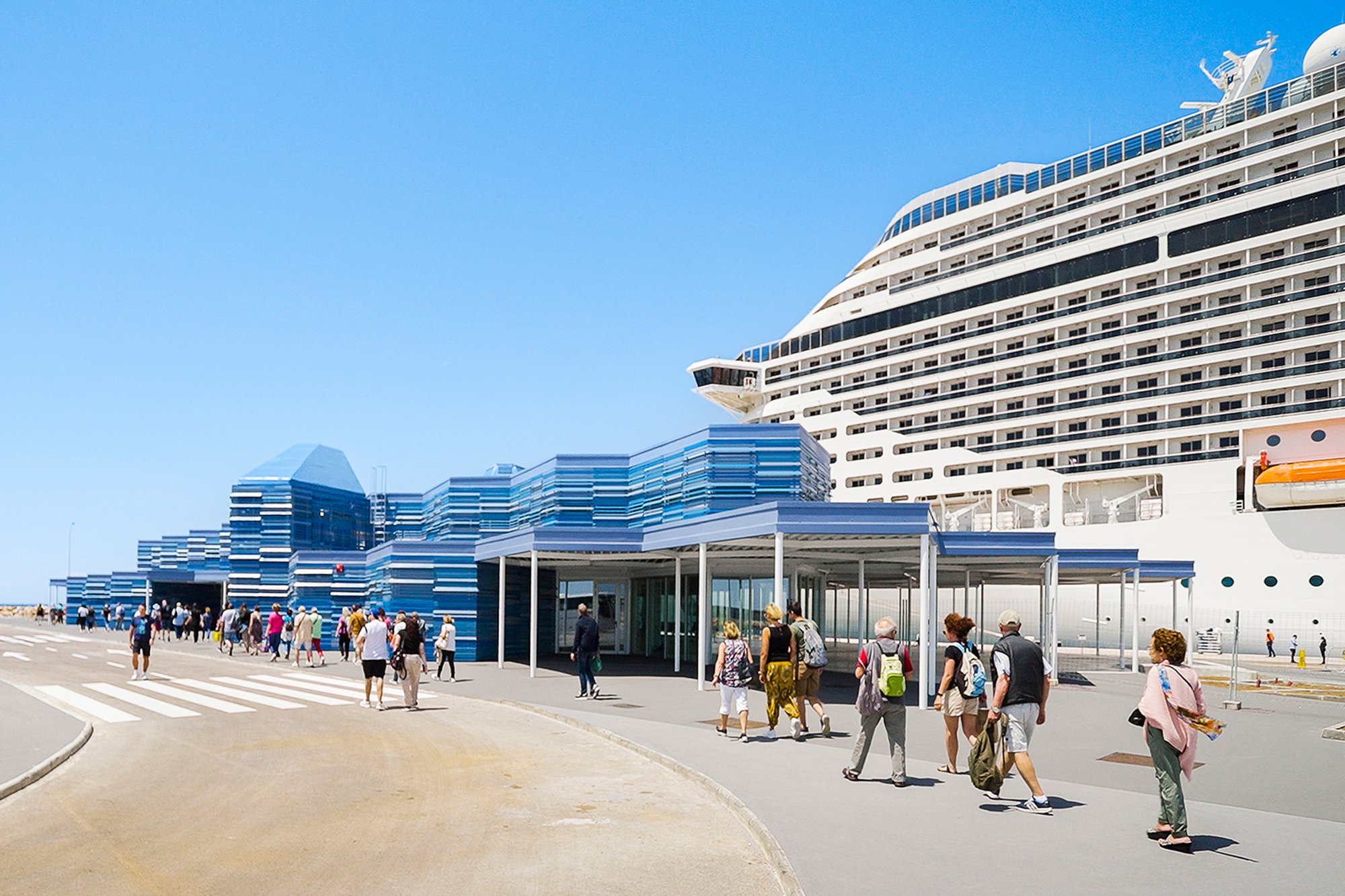
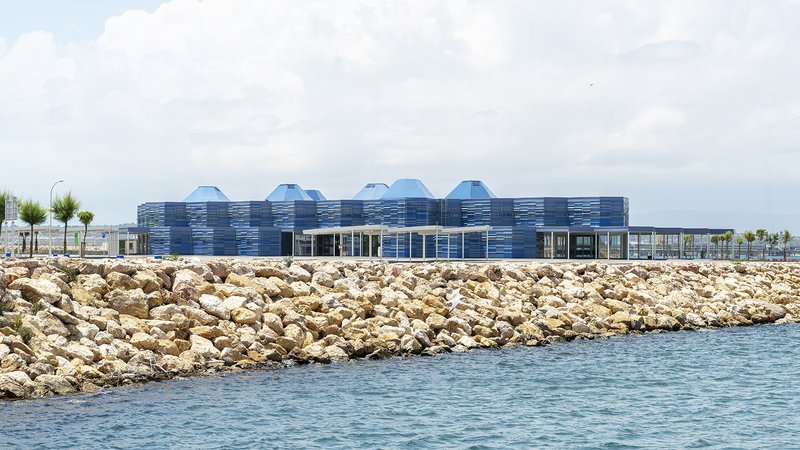
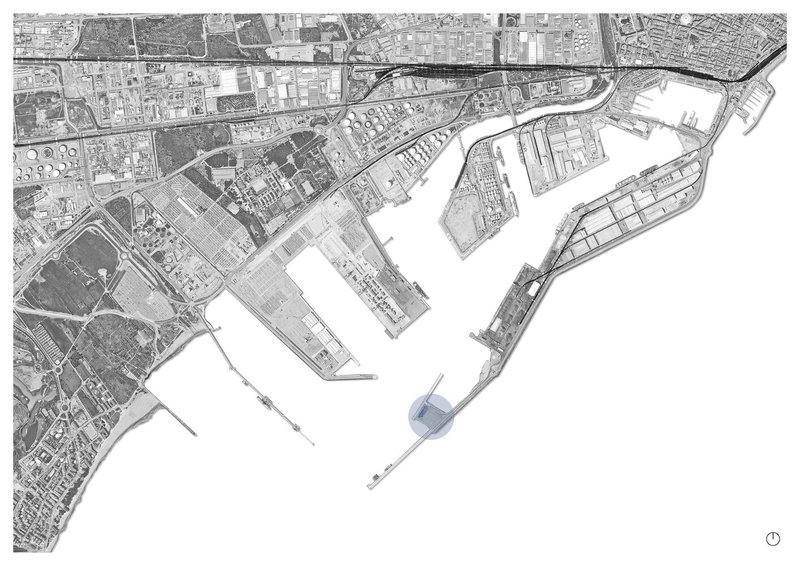
The Tarragona Public Passenger Terminal, designed by Hombre de Piedra Arquitectos, is a striking example of adaptive, modular terminal architecture. Situated along the Mediterranean waterfront in Spain, this 2,851-square-meter terminal redefines the future of transit architecture through lightweight construction, sustainable materials, and industrialized processes. Built in just under ten months, the terminal embodies architectural evolution in the face of rapid urban and environmental change.
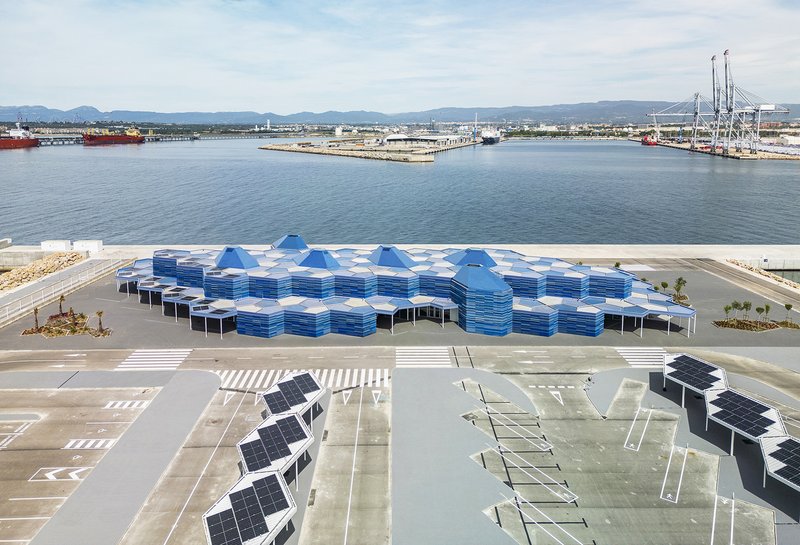
Responding to the shifting needs of global travel and coastal infrastructure, the project rejects traditional, static forms in favor of an architecture capable of transformation. Its design prioritizes modularity and disassembly, enabling expansion, relocation, or even full dismantlement—while preserving its architectural integrity. This future-proof approach represents a departure from heavy, permanent port structures and embraces the flexibility required for contemporary public infrastructure.
Industrialized Construction Meets Mediterranean Craft
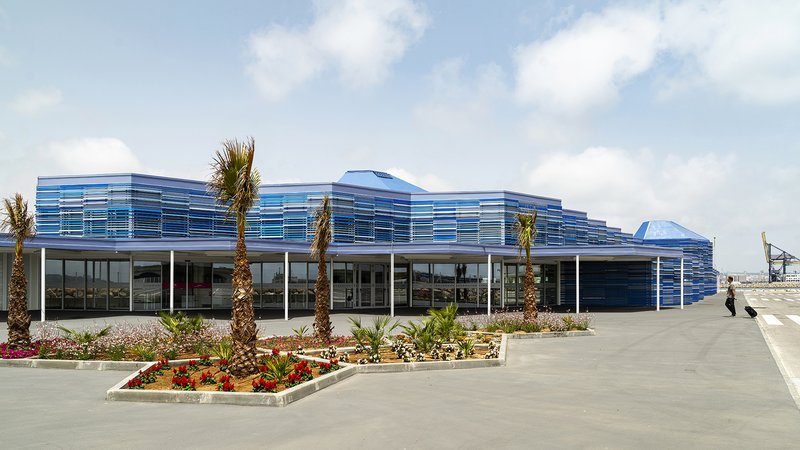
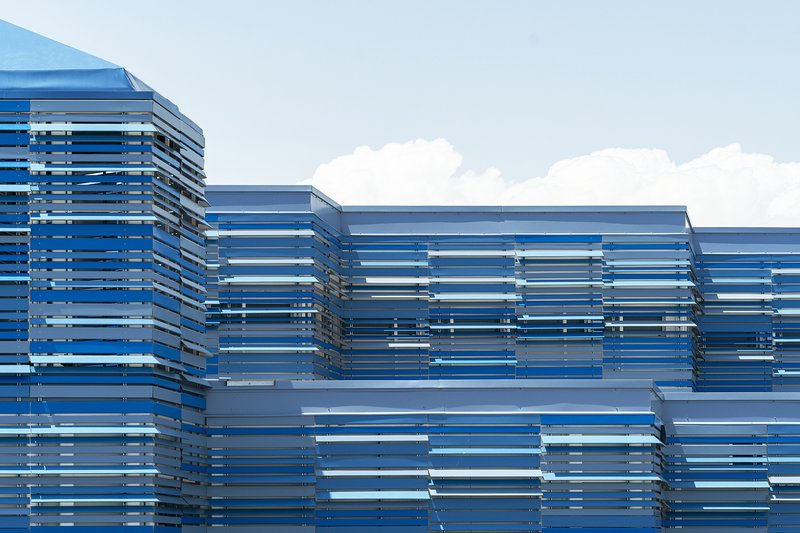
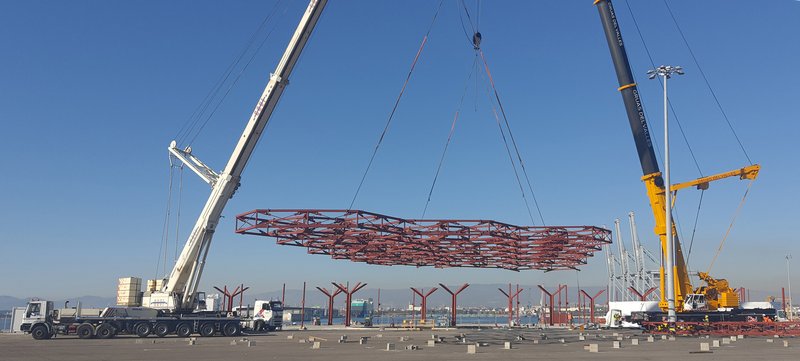
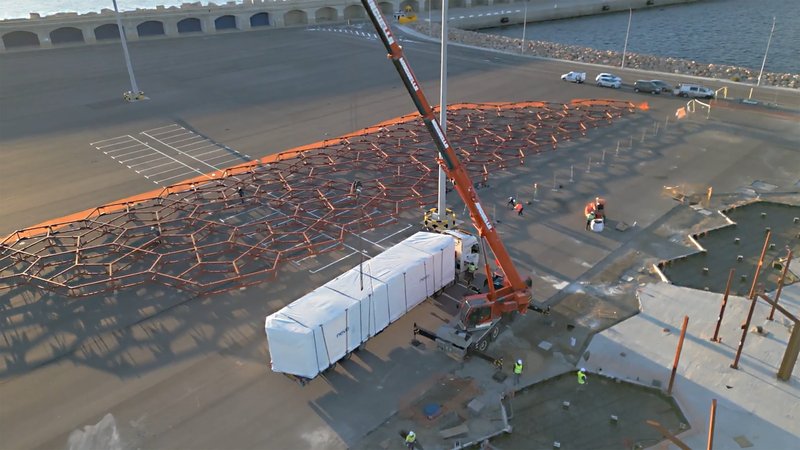
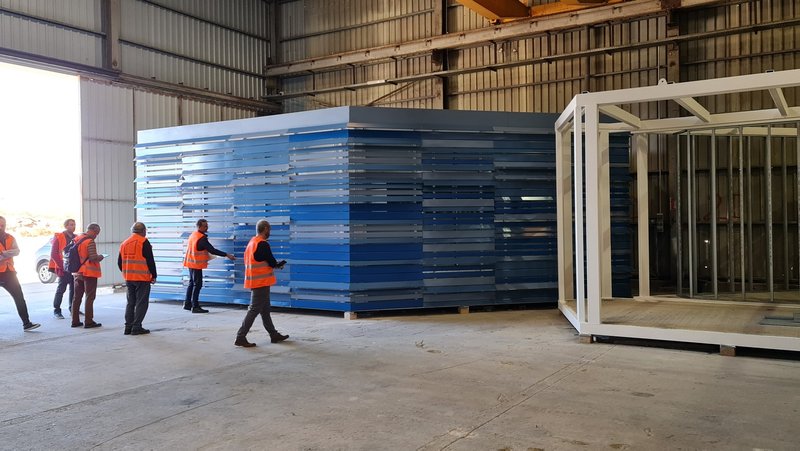
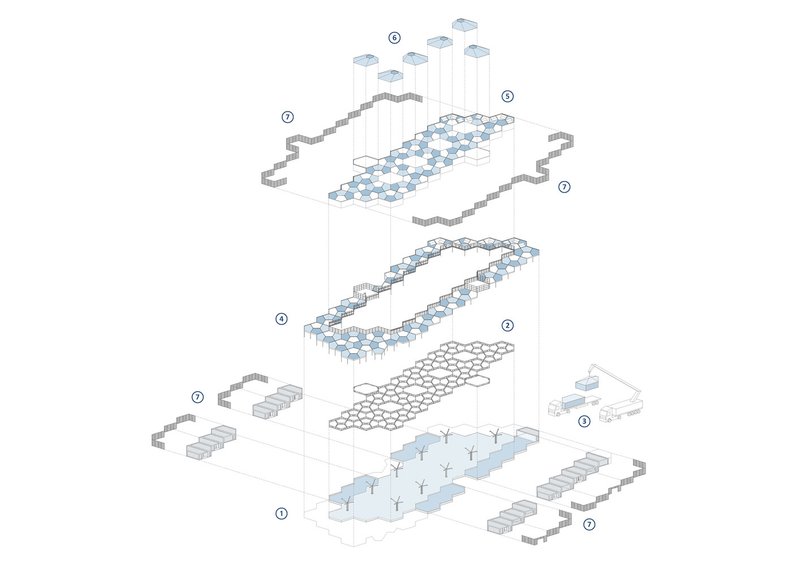
The building is conceived as a modular system manufactured off-site in Almería, utilizing industrialized production to reduce time, waste, and environmental footprint. Yet, the structure is far from the conventional boxy modular form. Instead, it draws inspiration from Mediterranean architectural motifs—Roman mosaics, Modernist trencadís, and marine geometries.
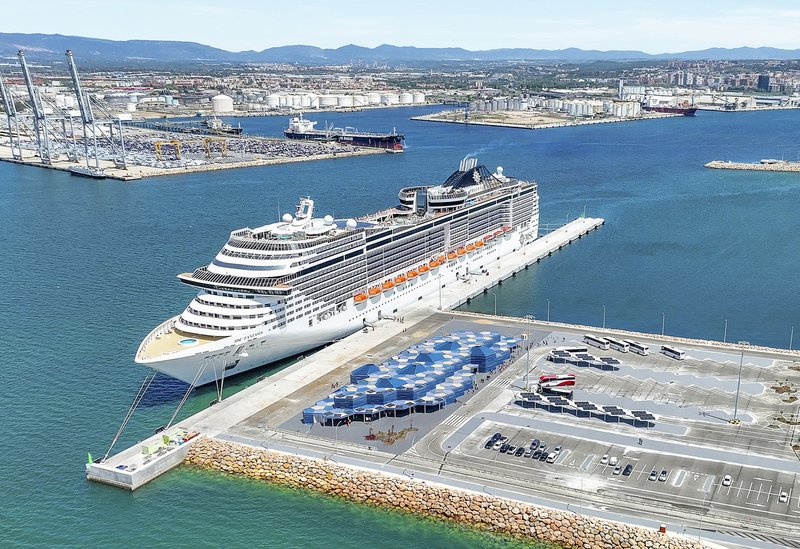
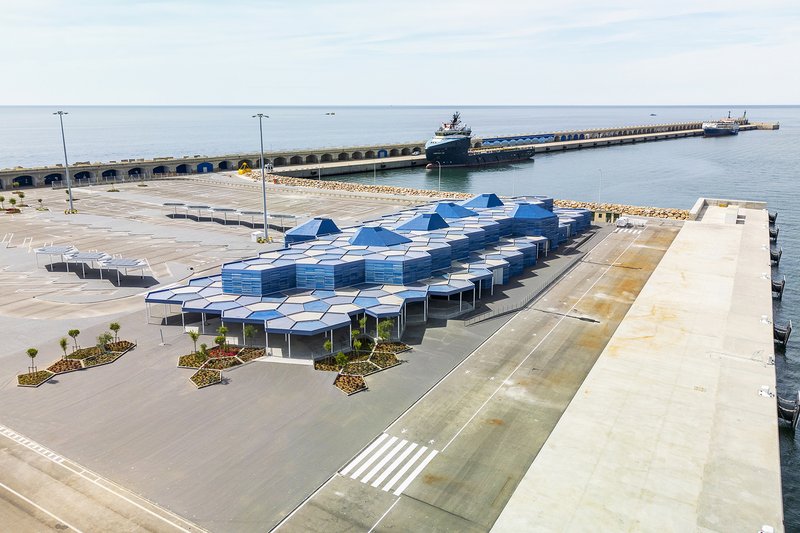
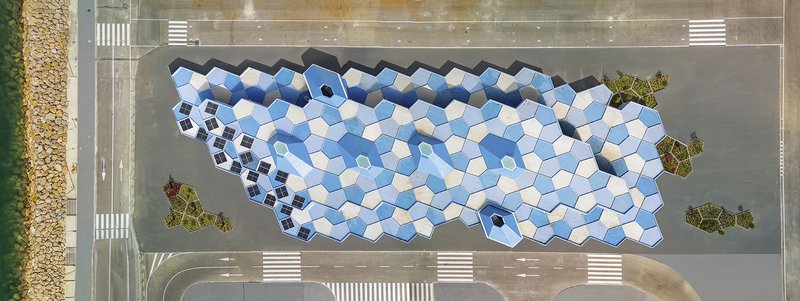
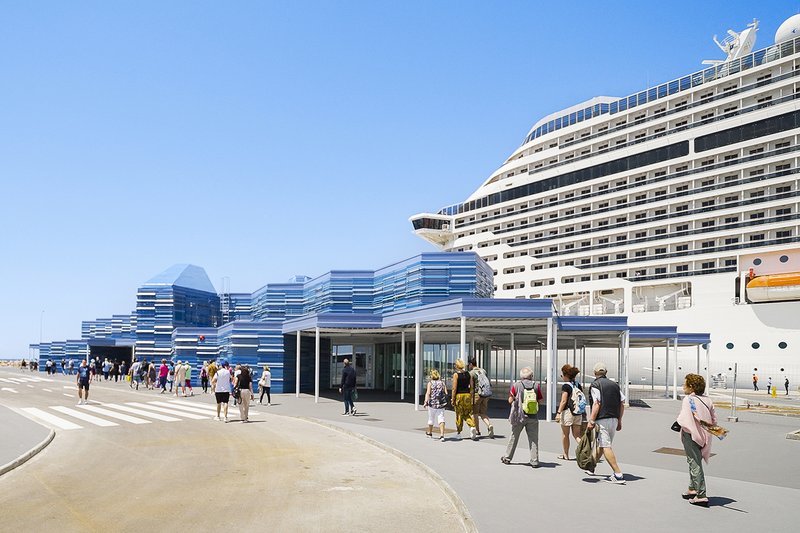
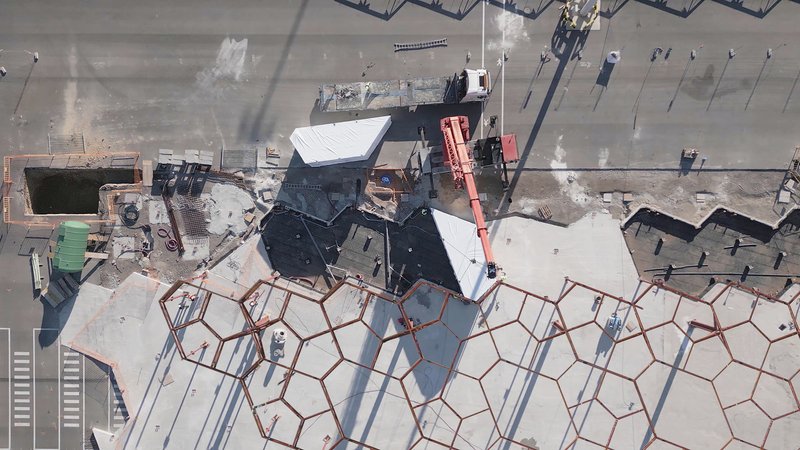
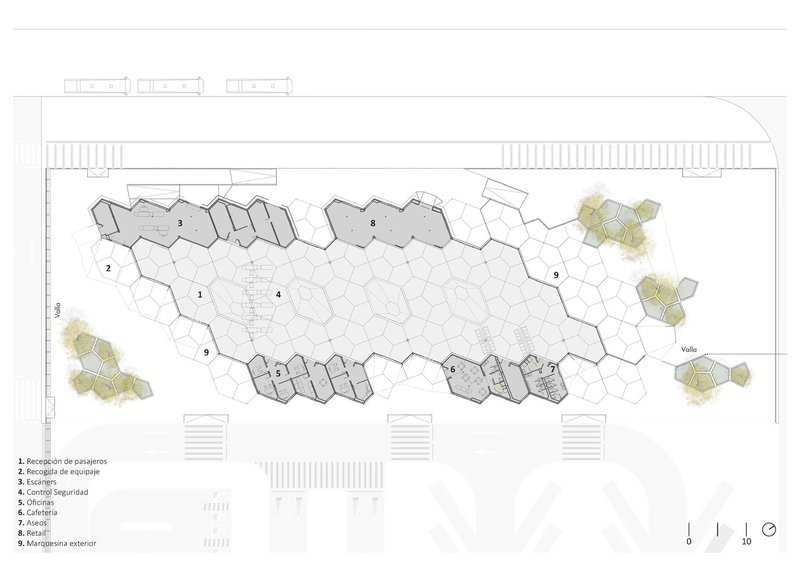
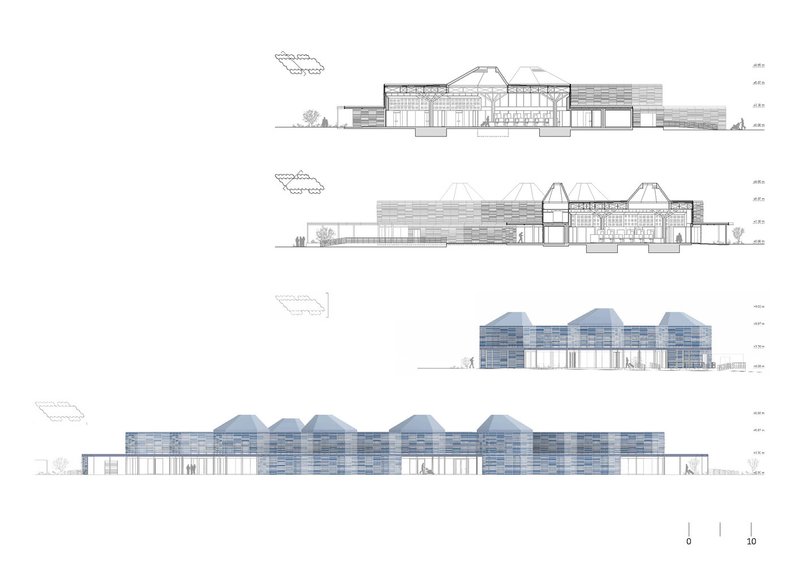
The resulting form is composed of tessellated irregular pentagons, crowned by skylights that evoke the curves of mollusk shells. This sculptural geometry not only enhances passenger flow but also transforms the terminal into a landmark visible from the elevated decks of cruise ships. The roof becomes the terminal’s visual identity, a contemporary architectural façade visible from land, sea, and air.
Sustainable Engineering at the Edge of the Sea
A key challenge of the project was its location atop a reclaimed dock with limited load-bearing capacity. Conventional construction methods would have required deep foundations extending over 25 meters to reach stable seabed layers. Instead, the architects opted for a lightweight system that allowed shallow foundations, significantly reducing environmental and economic costs.
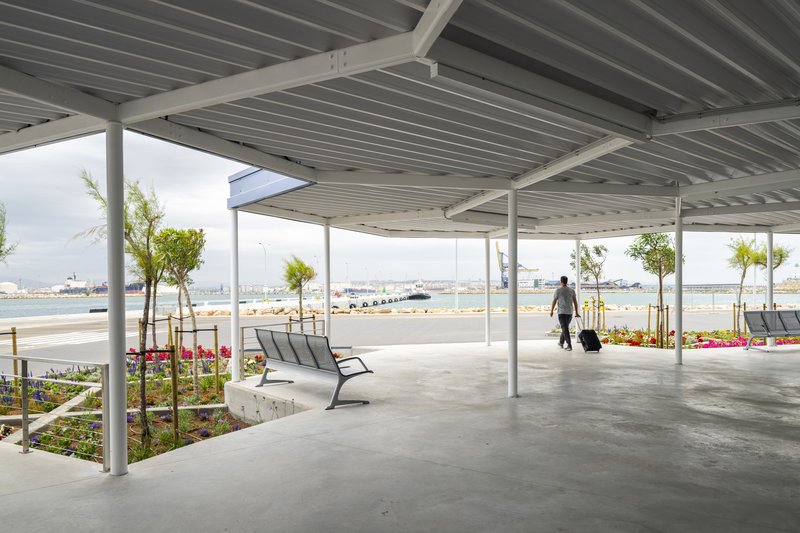
This strategy led to a 55% reduction in waste generation, 60% reduction in CO₂ emissions, and 80% less water consumption compared to traditional methods. These environmental gains were achieved without sacrificing the terminal’s structural resilience or functionality. The result is an energy-efficient building with an “A” rating, designed to serve the community while preserving the delicate coastal ecosystem.
Form, Function, and Experience
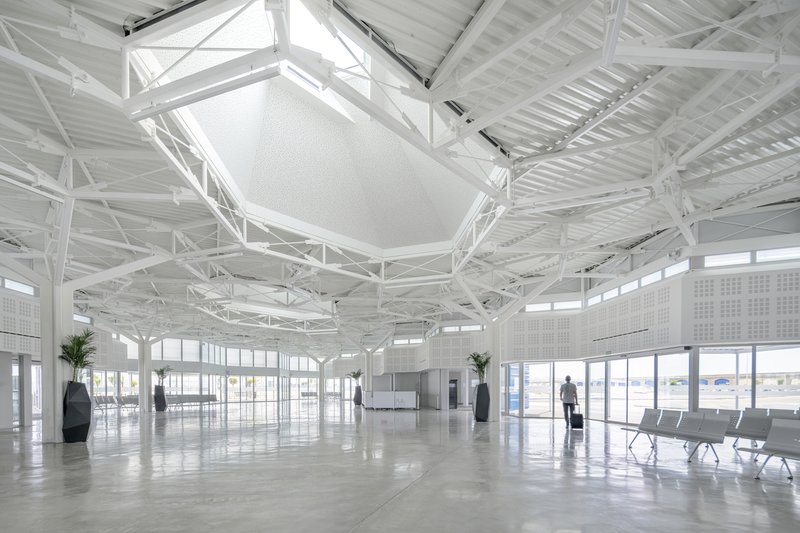
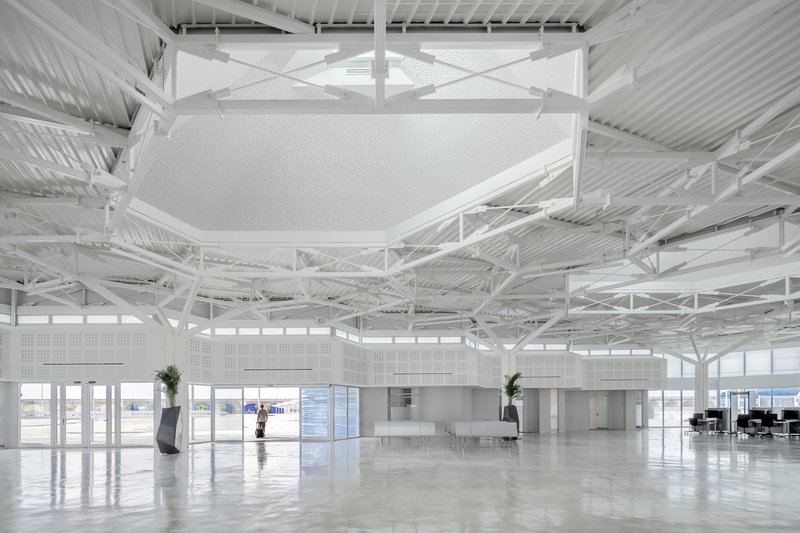
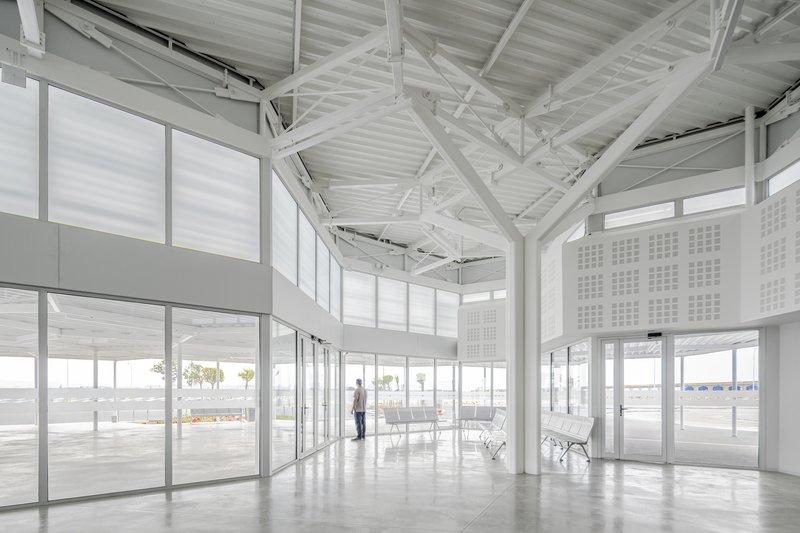
Inside, the terminal echoes the complexity of its external geometry. Exposed metal ceiling structures recall the ironwork of historic Catalan markets, while natural light filters through sculpted skylights, casting patterns reminiscent of underwater landscapes. The interplay of form and light softens the industrial nature of the building, offering passengers a calm, welcoming environment for transit.
The design transforms a place of passage into a memorable architectural experience. It acknowledges the temporary nature of travel while grounding visitors in the coastal identity of Tarragona through material references and spatial composition. The terminal becomes more than infrastructure—it is a public landmark, an environmental model, and a modular blueprint for future ports around the world.
A Blueprint for Future Terminal Design
The Tarragona Public Passenger Terminal sets a new benchmark in modular terminal architecture, showcasing how off-site construction and sculptural design can coexist within a sustainable framework. Hombre de Piedra Arquitectos have created an adaptive, beautiful, and efficient space that meets present-day needs and anticipates future ones.
By merging tradition with technology and lightness with permanence, this project is not only an achievement in design but a statement about how we build in a time of transition. As urban coastlines and global travel continue to evolve, Tarragona’s new terminal offers a visionary response—one rooted in place, yet built for change.
All Photographs are works of Simón García




Popular Articles
Popular articles from the community

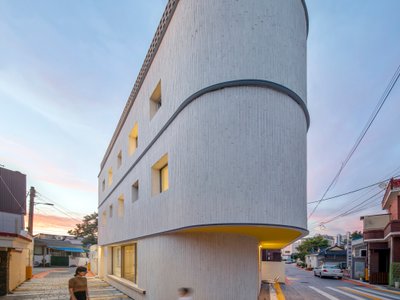
YOAP Architects Round a Corner in Yeongcheon with a Cylindrical Community Hub
A 197-square-meter brick and ribbed-clad tower turns a forgotten alley corner in South Korea into a public garden with a low threshold.
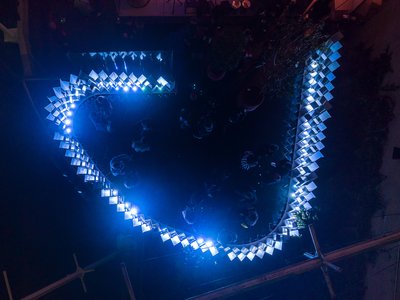
Rojkind Arquitectos and Think Parametric Build a Glueless Pavilion from 67 Interlocking Panels
A serpentine fiber-cement installation in Chapultepec Park celebrates a decade of architectural media in Mexico City.
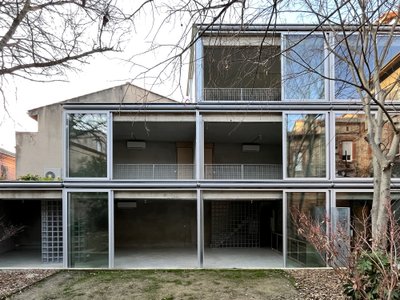
BAST Slots a Four-Story Glass House into a Narrow Gap Between Toulouse Townhouses
In the dense Bonnefoy district, a stepped infill building merges home and office while preserving a majestic hackberry tree.
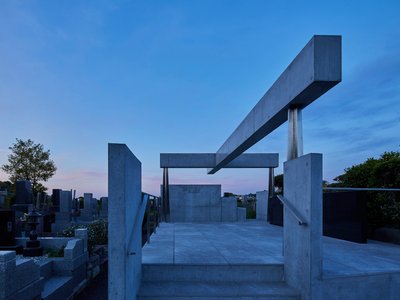
Takeshi Hosaka Architects Suspends a Concrete Cross Above a Yokohama Cemetery
A 28-square-meter burial renovation in Yokohama lifts the symbol of resurrection into the sky so mourners see it against heaven.


Similar Reads
You might also enjoy these articles

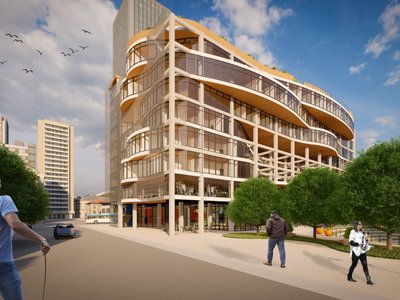
Olio Towers: A Mid-Rise for Performers That Fuses Housing, Rehearsal, and Stage
Located blocks from Houston's Theater District, this modular tower stacks living units around a central performance atrium.
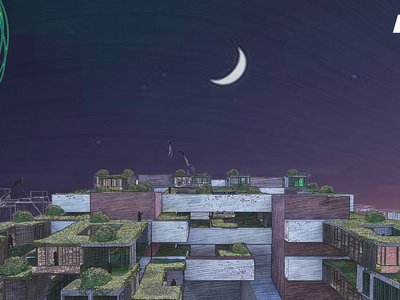
Oasis: Modular Green Housing Carved into Dhaka's Urban Fabric
A shortlisted Plugin Housing entry reclaims unauthorized settlements in Dhaka with stepped concrete volumes, green roofs, and ventilation-driven design.

Black Hole: A Floating Megastructure for the Post-Physical Era
Emiliano Mazzarotto envisions a spherical, self-scaling arena where e-sports, digital hotels, and holographic stadiums replace traditional public space.
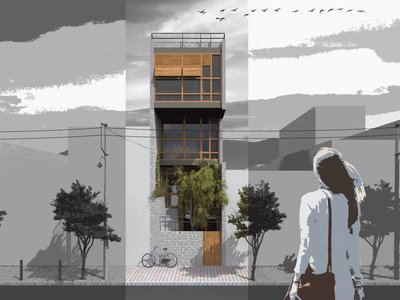
Compact & Sustainable Living in Piraeus: A Four-Level Family Home Built Around Light and Air
A narrow townhouse in one of Greece's densest port cities uses a central atrium and passive strategies to house three generations under one roof.


Explore Architecture Competitions
Discover active competitions in this discipline




The International Standard for Design Portfolios


The Global Benchmark for Architecture Dissertation Awards


The Global Benchmark for Graduation Excellence


Challenge to reimagine the Iron Throne
Comments (0)
Please login or sign up to add comments
No comments yet. Be the first to comment!