

Modular Timber Residential Quarter Am Rathausplatz: Redefining Sustainable Urban Living in Neubiberg
Sustainable modular timber housing in Neubiberg combining eco-friendly design, community-oriented living, and efficient prefabrication for modern urban development.


Completed in 2025, the Modular Timber Residential Quarter Am Rathausplatz in Neubiberg, Germany, is a pioneering project that exemplifies the future of sustainable and community-centered housing. Designed through a collaboration between kontektum architektur and Boschmann + Feth Architekten, the development merges advanced modular timber construction techniques with ecological and social innovation.
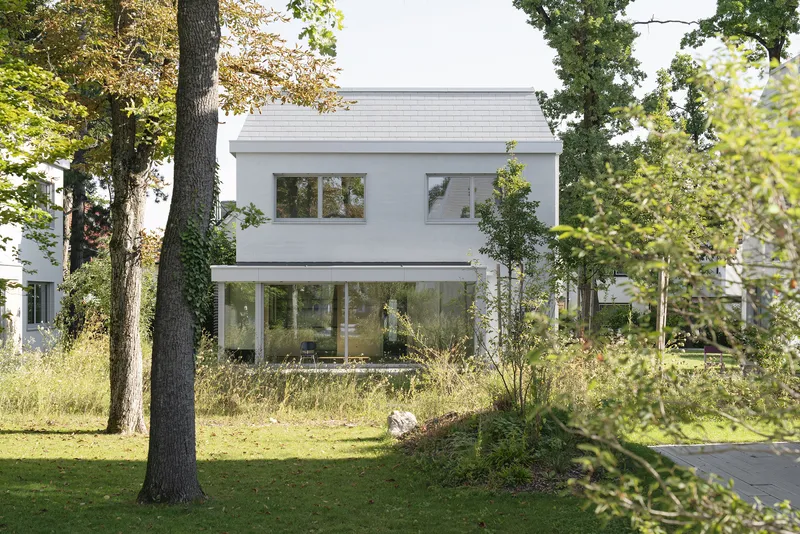
Covering an area of approximately 8,600 square meters, this residential quarter demonstrates how urban densification, environmental responsibility, and architectural quality can harmoniously coexist. Through thoughtful planning and material efficiency, the project establishes a blueprint for modern neighborhood living that prioritizes both people and planet.
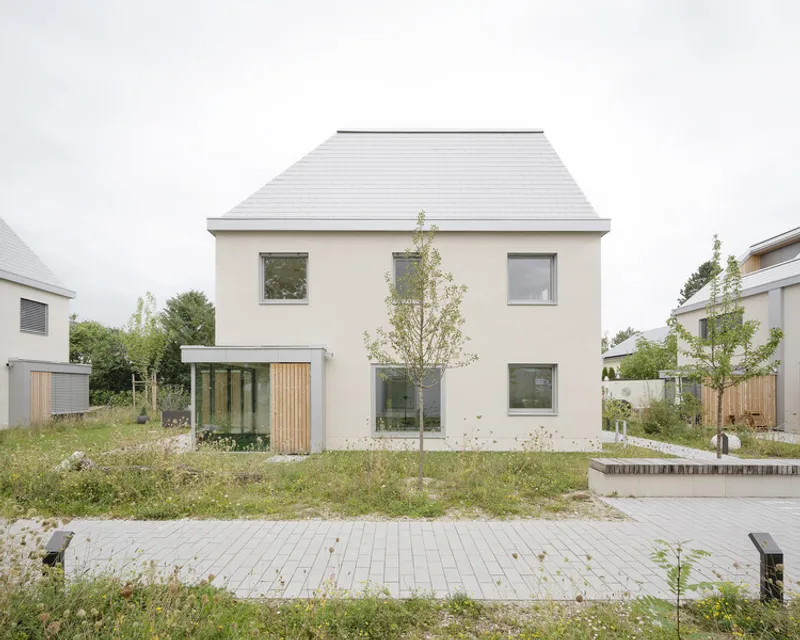
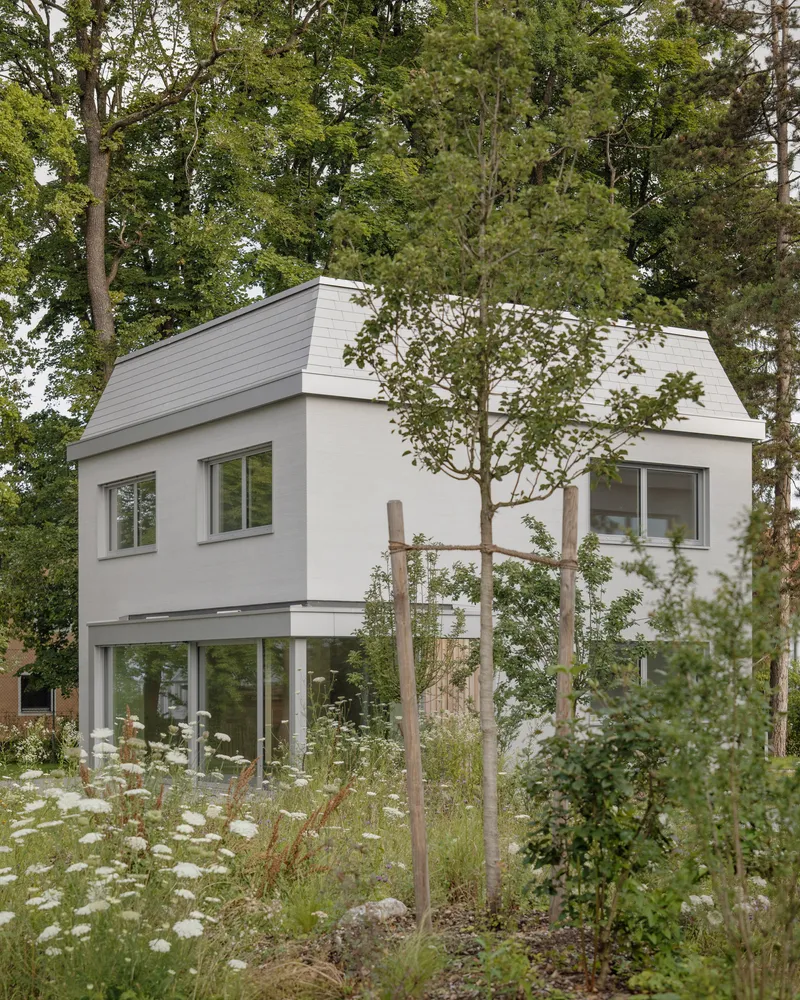
Integrating Nature with Architecture
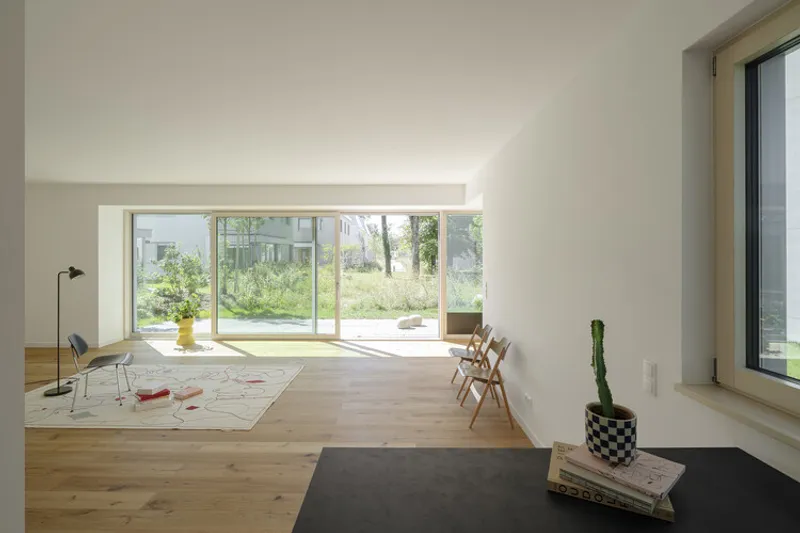
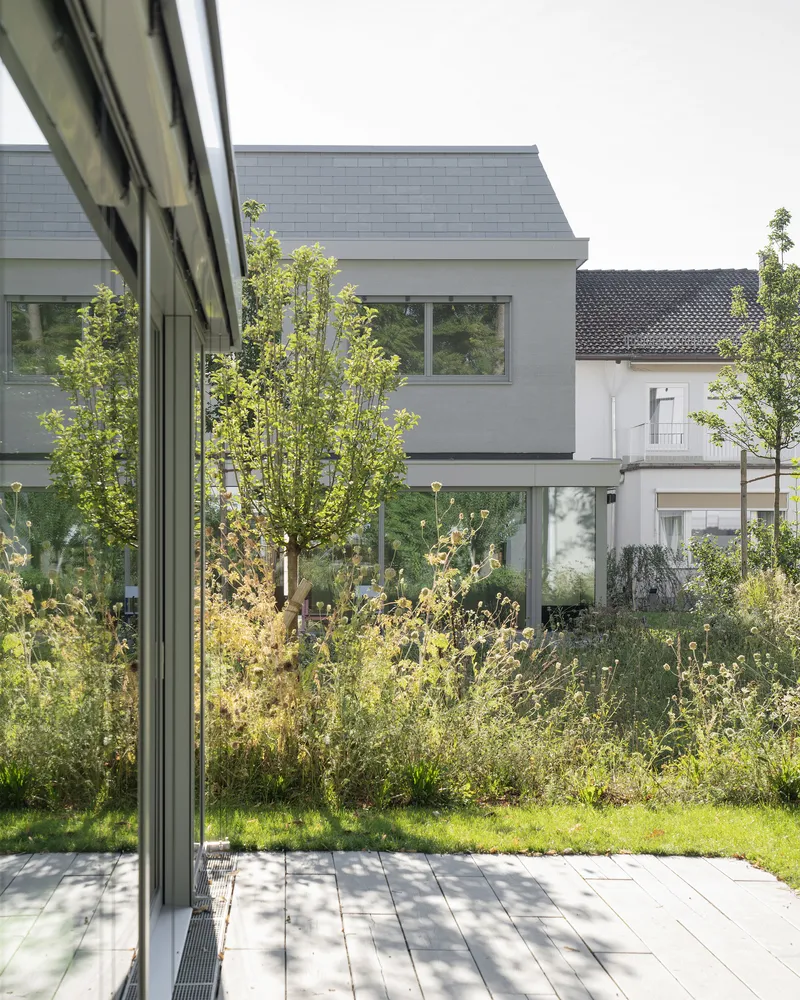
From the outset, the guiding principle of the design was to interweave nature with urban life. The architects respected and preserved mature existing trees, embedding them within the site’s layout to maintain the area’s natural identity. Vehicular traffic was directed below ground to car-free concrete garages, freeing the surface for lush green spaces, communal gardens, and pedestrian paths.

The result is a calm, breathable urban oasis—an environment that fosters interaction among residents while enhancing biodiversity. The green corridors and open plazas encourage outdoor activities, reinforcing a sense of belonging and ecological awareness.
Modular Timber Construction: Efficiency Meets Sustainability
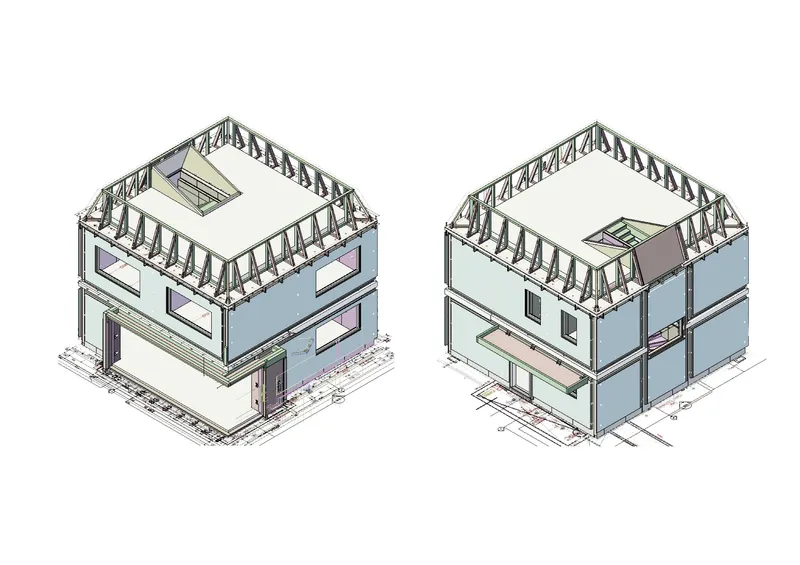
At the heart of the project lies its modular timber construction system, implemented by Rubner Haus. Prefabricated timber modules ensure high-quality precision and reduce on-site construction time, minimizing disruption to the surrounding community. Timber’s renewable nature and low carbon footprint make it an essential component of contemporary eco-conscious architecture.
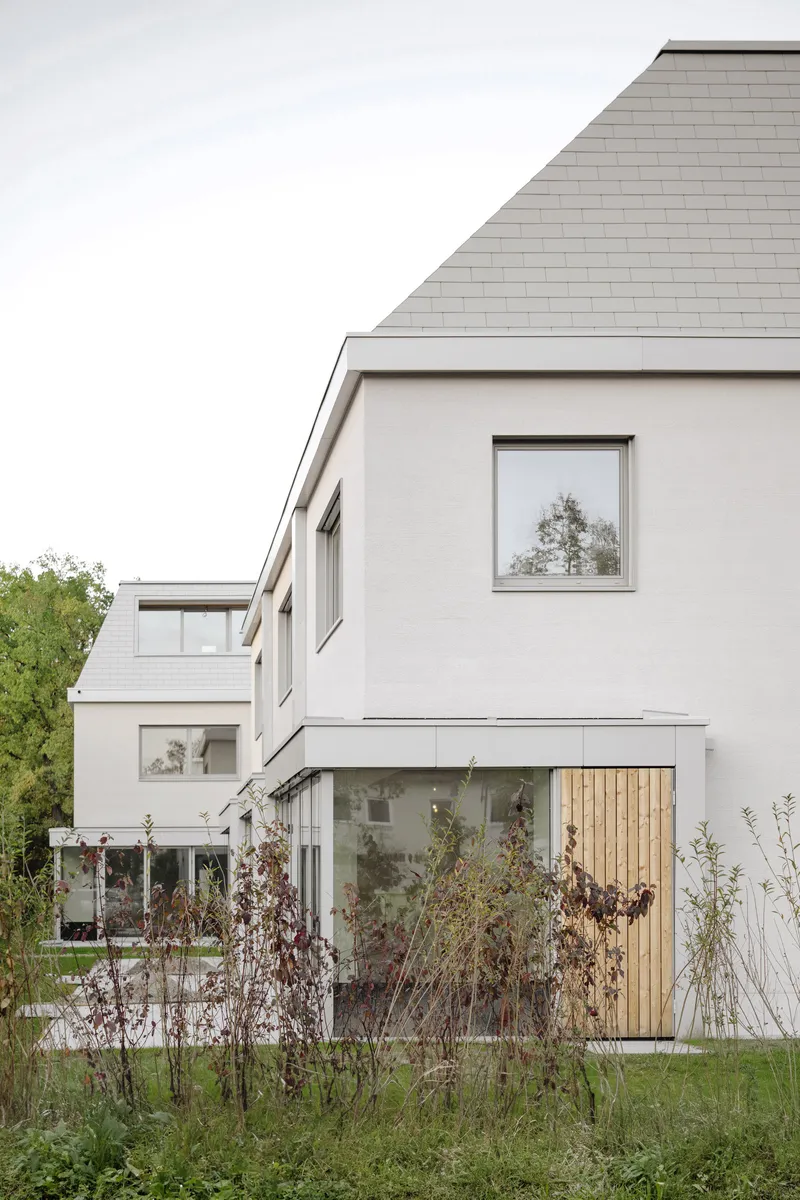
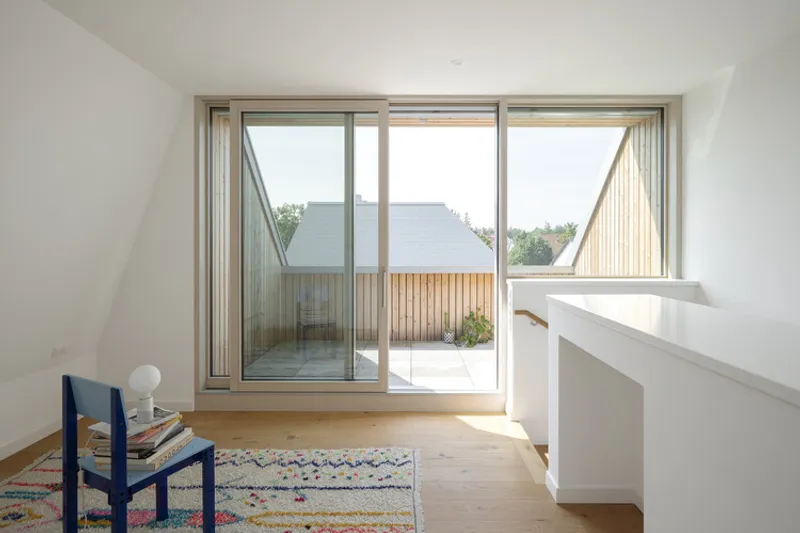
The modules’ adaptability allows for varied configurations—terraced houses, semi-detached homes, and single-family residences—responding to different lifestyle and social needs. This flexibility supports the creation of a socially diverse neighborhood, from young professionals to families and seniors.

Spatial Planning and Social Design
The masterplan carefully transitions from the bustling public square to tranquil residential enclaves. Facing Rathausplatz, terraced houses create an active urban edge that engages with the town center. Moving inward, semi-detached houses offer a quieter living rhythm, while single-family homes at the rear cluster around a central grove of trees, reinforcing privacy and an intimate connection with nature.

This spatial logic brings a natural gradient from public to private space, enriching the residents’ daily experience and establishing a strong sense of place. Each cluster encourages community while respecting individual spaces, embodying the project’s social sustainability ethos.
Collaborative Urban Vision
Realizing the project required close coordination between the municipality of Neubiberg, the client, and a team of engineers, planners, and sustainability consultants. Together, they aligned design regulations, ecological goals, and community aspirations. This collective approach ensured the project’s success as both an urban development model and a sustainable housing prototype.
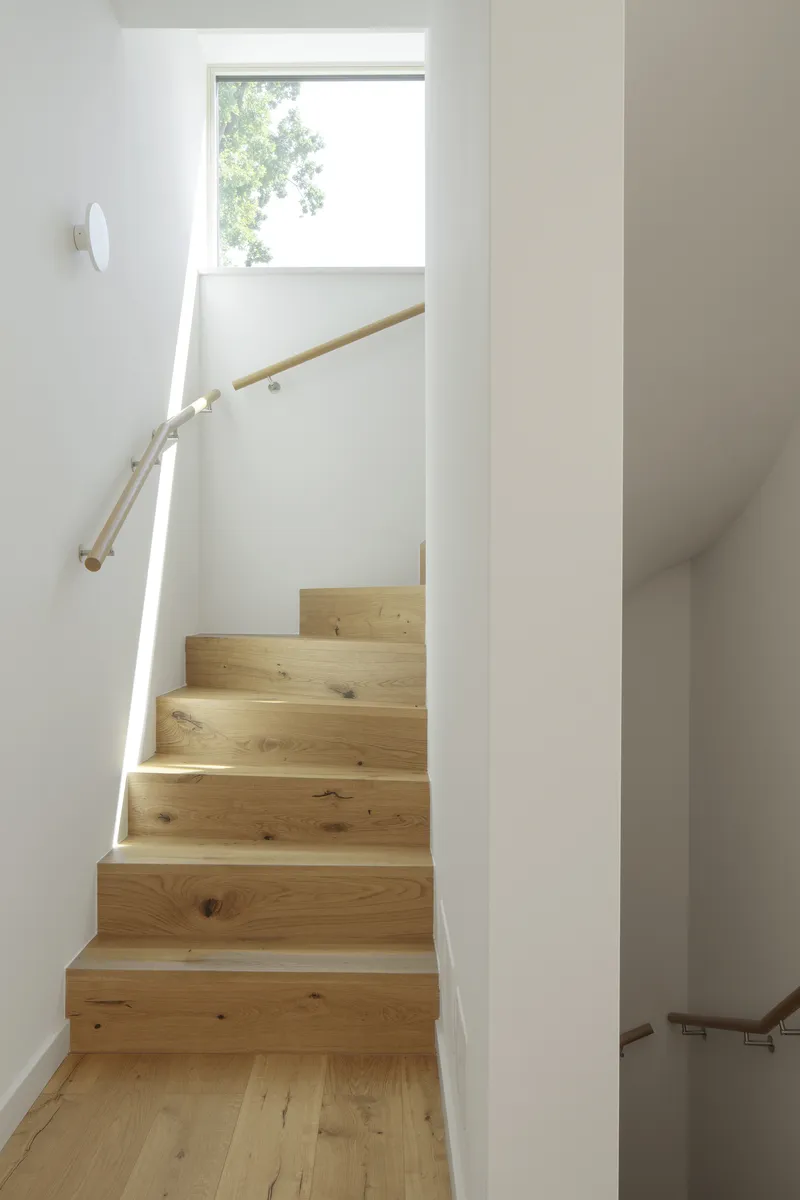
The innovative zoning concept developed specifically for this project balanced density with livability, merging urban and environmental design disciplines in a seamless blueprint for future developments.
A Prototype for Sustainable Neighborhoods
The Modular Timber Residential Quarter Am Rathausplatz stands as a testament to the evolving relationship between architecture and ecology. Through meticulous design, efficient construction, and rich social planning, the architects have crafted a vibrant, inclusive, and environmentally forward neighborhood.
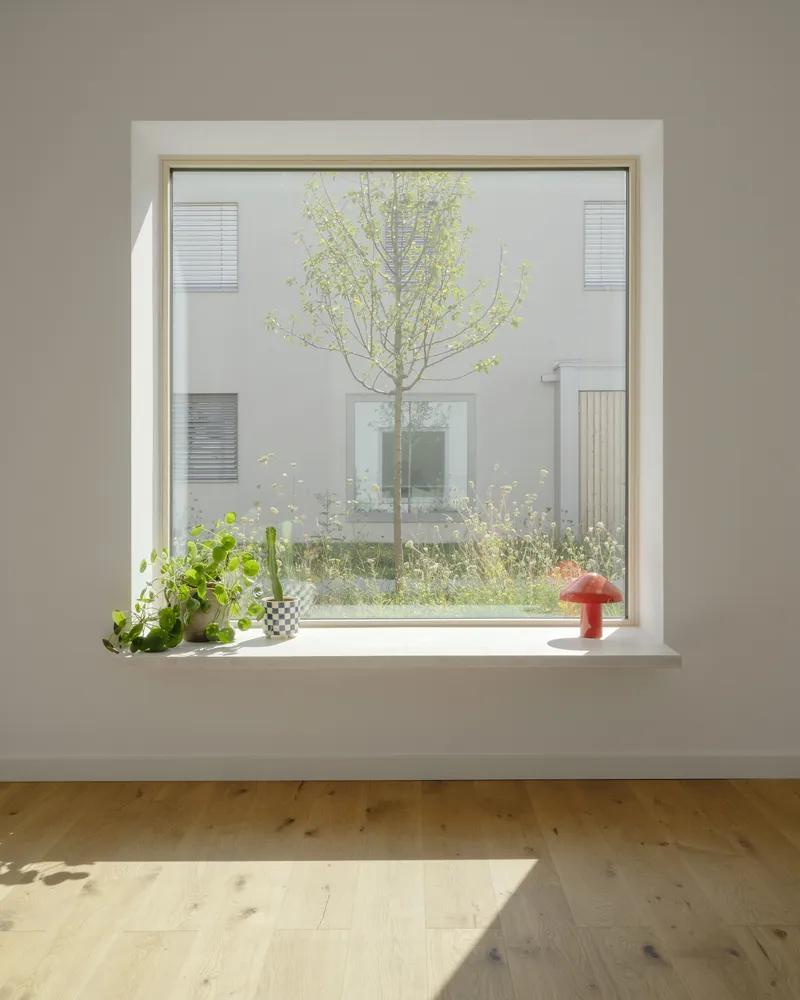
This project illustrates how carbon-conscious materials, prefabricated building technologies, and community-oriented design principles can redefine contemporary housing in European cities and beyond. Neubiberg’s timber quarter sets a precedent for how densification can enhance—not compromise—the quality of living.
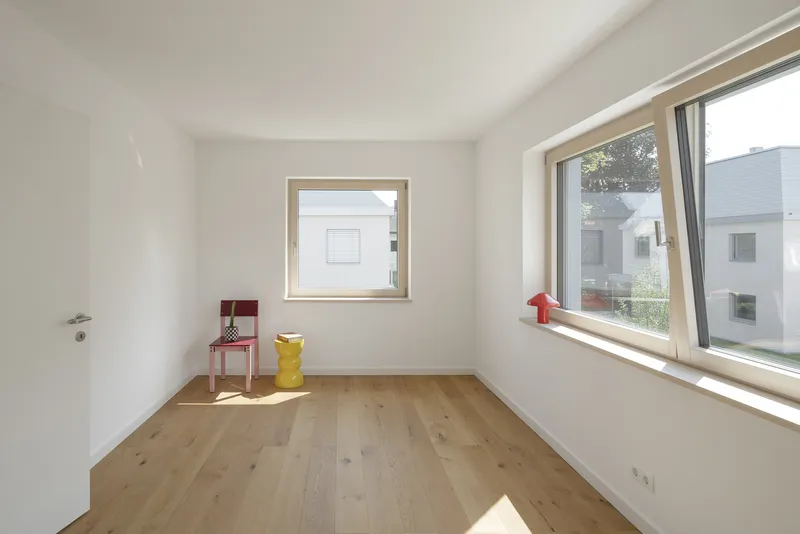
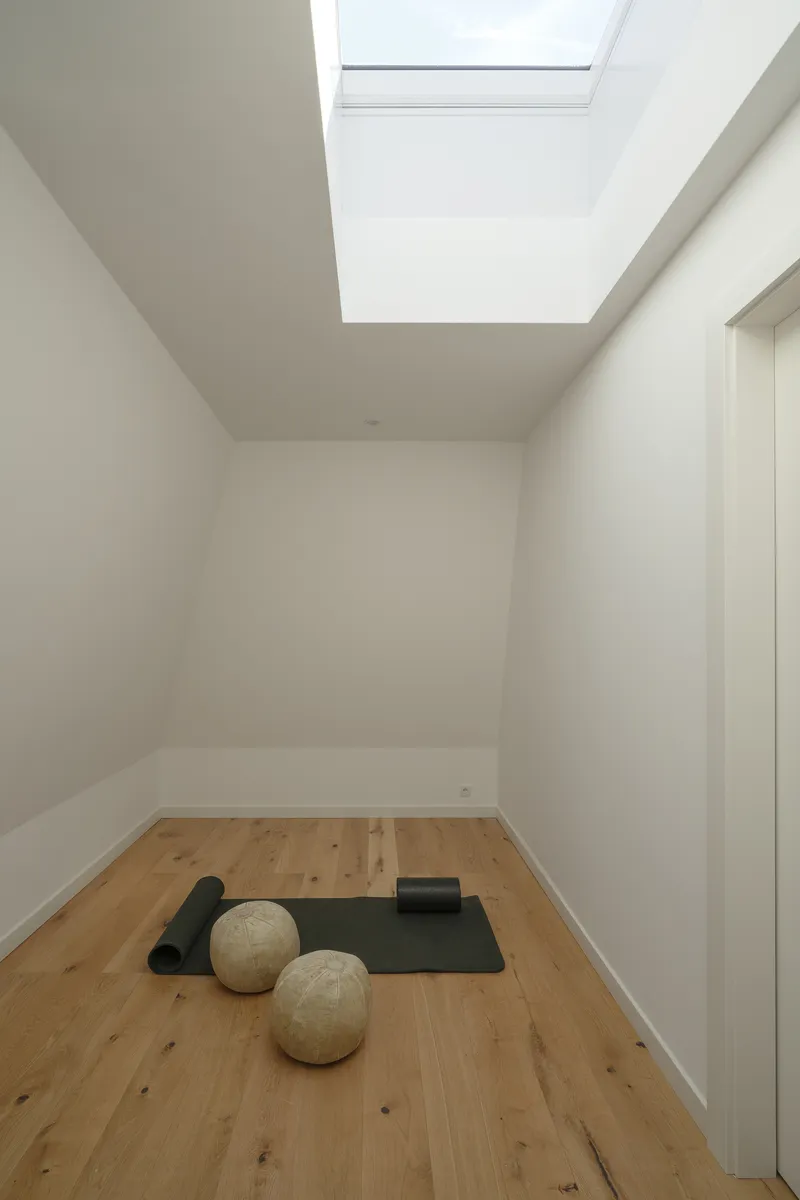
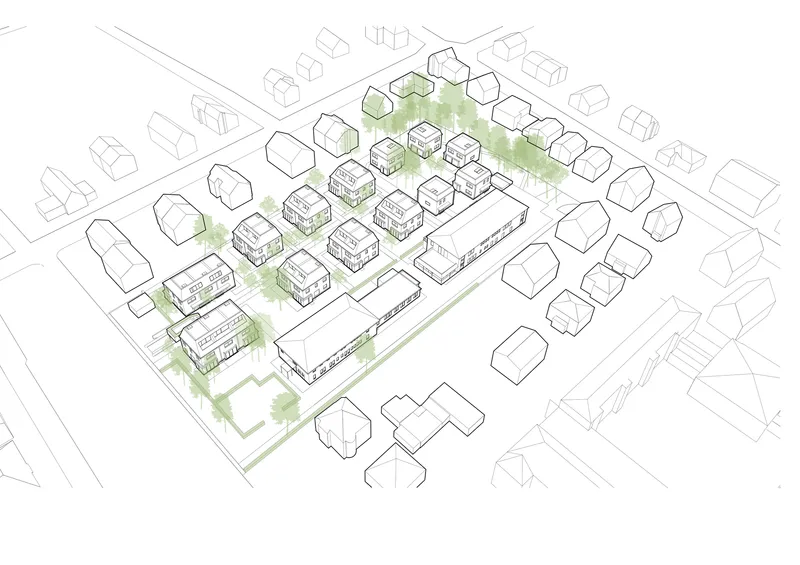
All the photographs are works of Jonas Bloch




Popular Articles
Popular articles from the community


Co-life: Sustainable Architecture for Age-Friendly Community Living
Co-life reimagines sustainable architecture for seniors through courtyards, rammed earth, shared gardens, and spaces designed for belonging.

Riyadh For All: Intergenerational Urban Design for Active Aging in Rabat
Riyadh For All reimagines urban design in Rabat with intergenerational co-living, adaptive courtyards, and Moroccan cultural exchange today.

Play: Fragments of Their World
Familiar architecture becomes modular playground design, creating safe spaces where displaced children can learn, connect, imagine and play.

The Musturak Paradise: Senior Living Architecture for a Connected Future in Temara, Morocco
The Musturak Paradise reimagines senior living architecture in Temara via private homes, social spaces, culture, community, and shared care.


Similar Reads
You might also enjoy these articles


Hodi-Mandai Geram
Project Function: Preservation and revitalization of the Intangible heritage and socio-spatial identity of the Hodi by Housing, Cultural Memory Center, Sacred Grove, landscape, local tourism economy


Olio Towers: A Mid-Rise for Performers That Fuses Housing, Rehearsal, and Stage
Located blocks from Houston's Theater District, this modular tower stacks living units around a central performance atrium.

Oasis: Modular Green Housing Carved into Dhaka's Urban Fabric
A shortlisted Plugin Housing entry reclaims unauthorized settlements in Dhaka with stepped concrete volumes, green roofs, and ventilation-driven design.

Black Hole: A Floating Megastructure for the Post-Physical Era
Emiliano Mazzarotto envisions a spherical, self-scaling arena where e-sports, digital hotels, and holographic stadiums replace traditional public space.

Explore Housing Competitions
Discover active competitions in this discipline



Challenge to reimagine the Iron Throne


Photograph architecture without architects


Illustrate the lost glory of Angkor Wat - Render Challenge


Design challenge to reuse E-waste
Comments (0)
Please login or sign up to add comments
No comments yet. Be the first to comment!