
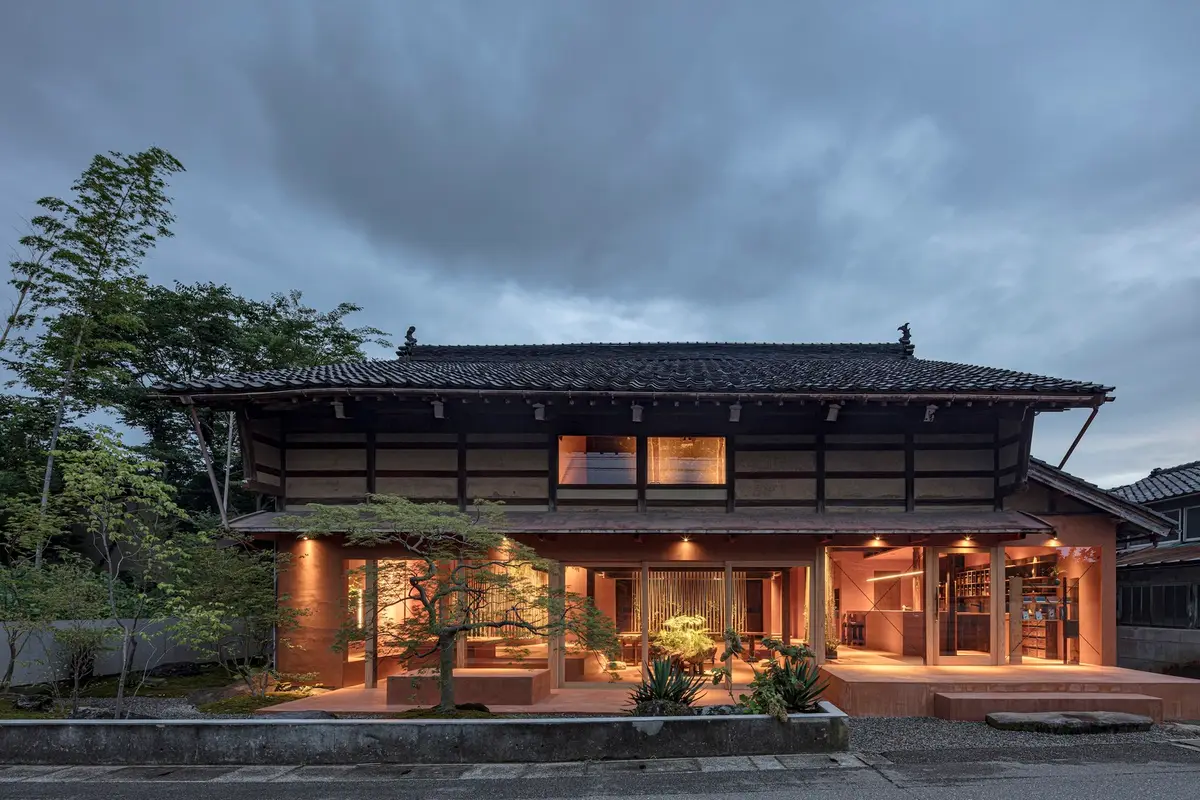
Mokkado Café by MUKU Design Studio: Reviving Heritage Through Architecture and Wellness
Mokkado Café renovates a 100-year-old Japanese house into a cozy, wellness-focused café blending heritage architecture, herbal drinks, and community spaces.


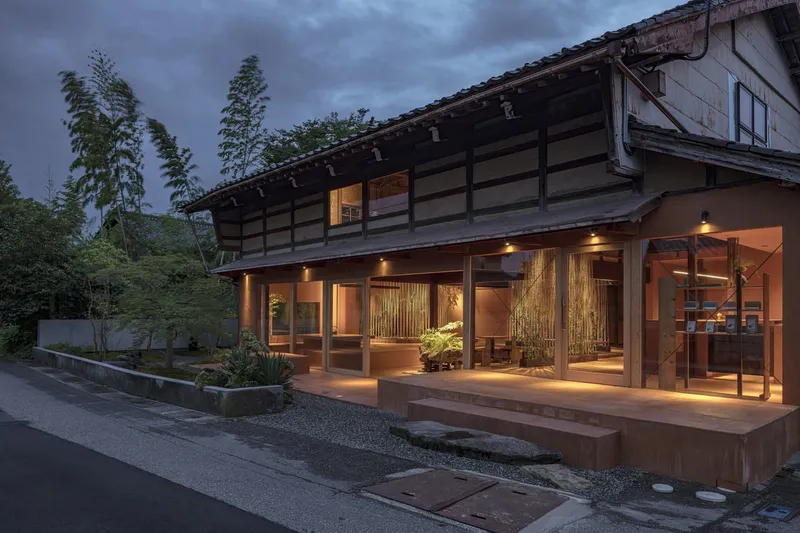
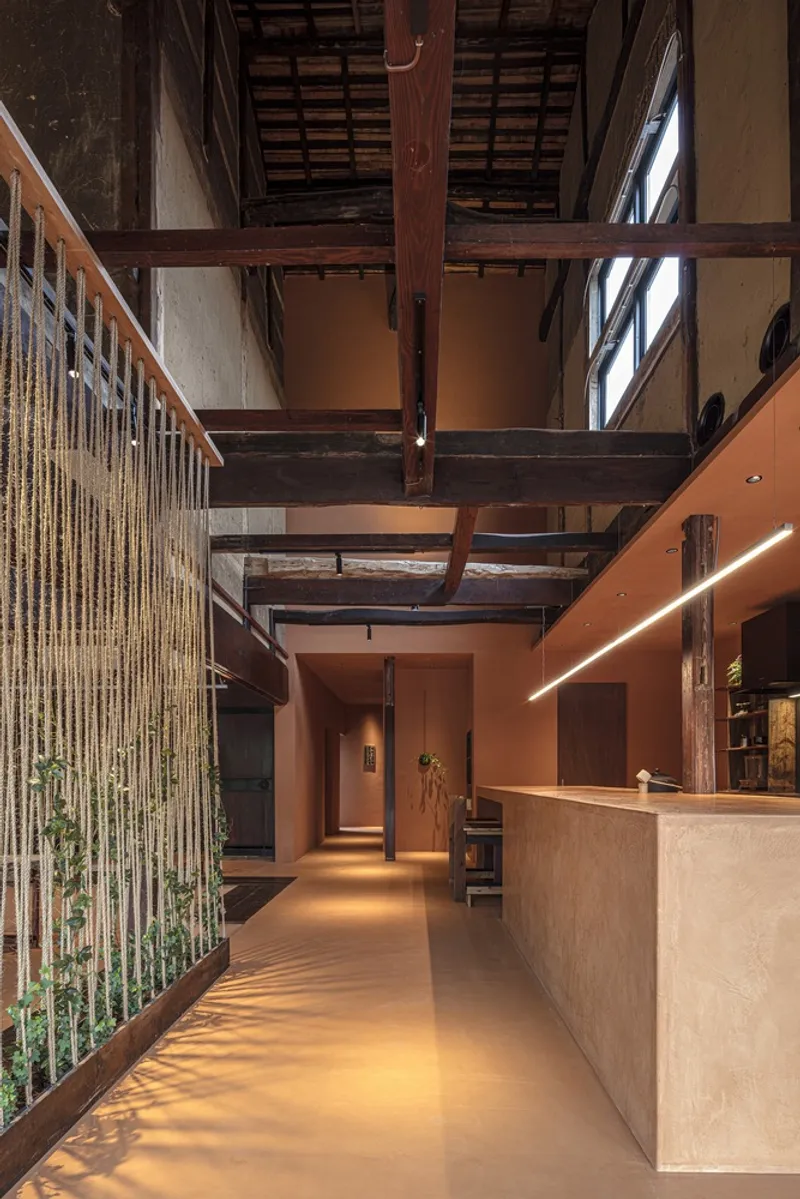
Mokkado Café, designed by MUKU Design Studio, is a unique blend of heritage, wellness, and modern café culture. Located in Imizu City, Toyama Prefecture, this café is a renovation of a 100-year-old house, the birthplace of the founder of a 75-year-old pharmaceutical company. Originally a factory producing traditional Toyama-style medicine, the building now houses a café that bridges the past and present.
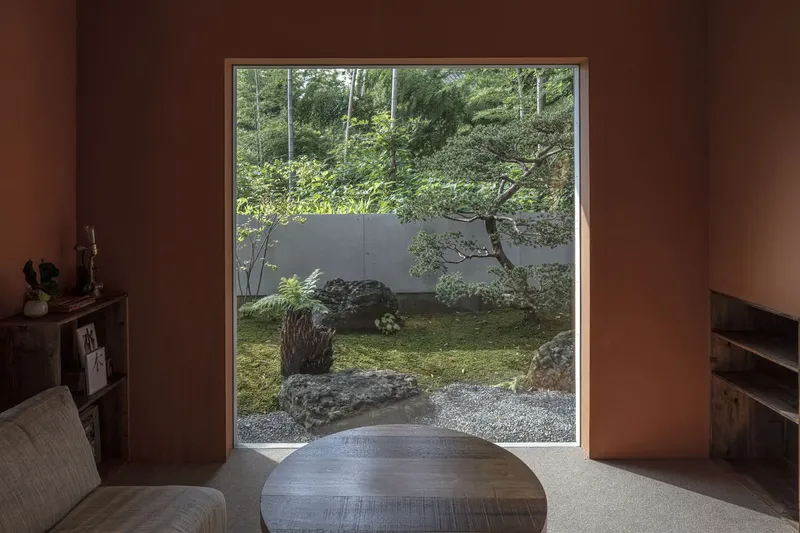
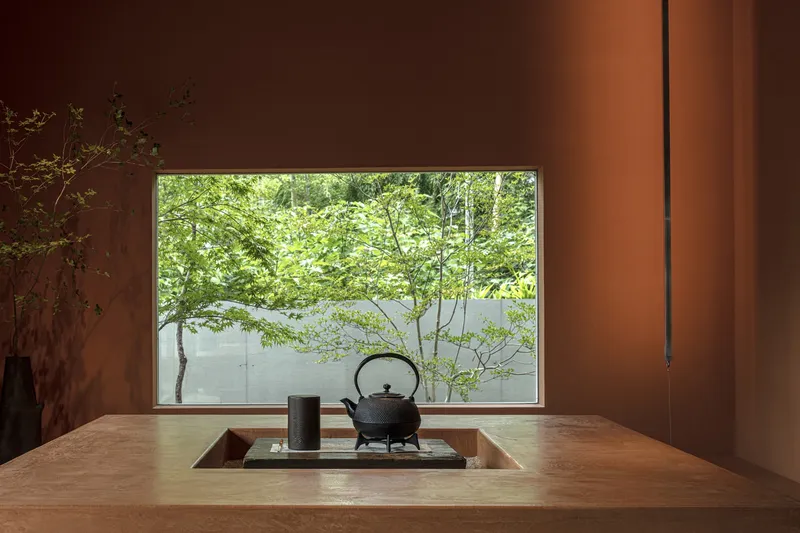
The café operates on the principles of Chinese herbalism, offering beverages like chai and herbal shaved ice, alongside a small retail corner where visitors can purchase medicinal products. By integrating the history of the company and local culture, Mokkado Café creates a holistic experience for guests interested in wellness, tradition, and community.
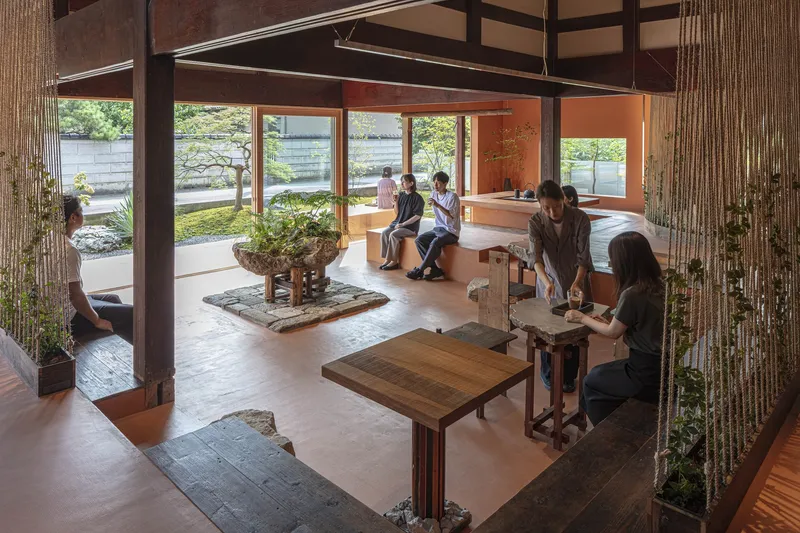
Architectural Concept: Preserving History, Embracing Openness
The interior design of Mokkado Café emphasizes:
- Open, welcoming spaces that encourage interaction and community
- Material reuse, carefully dismantling and reconstructing original elements of the old house
- Highlighting the charm of heritage architecture, preserving the memories embedded in the structure
The result is a cozy, inviting environment where visitors feel both connected to the land and the story of the building. Every architectural detail has been curated to balance the old and the new, creating a seamless narrative that connects history, wellness, and social gathering.
Spatial Experience: Doma, Steps, and Fluid Interiors
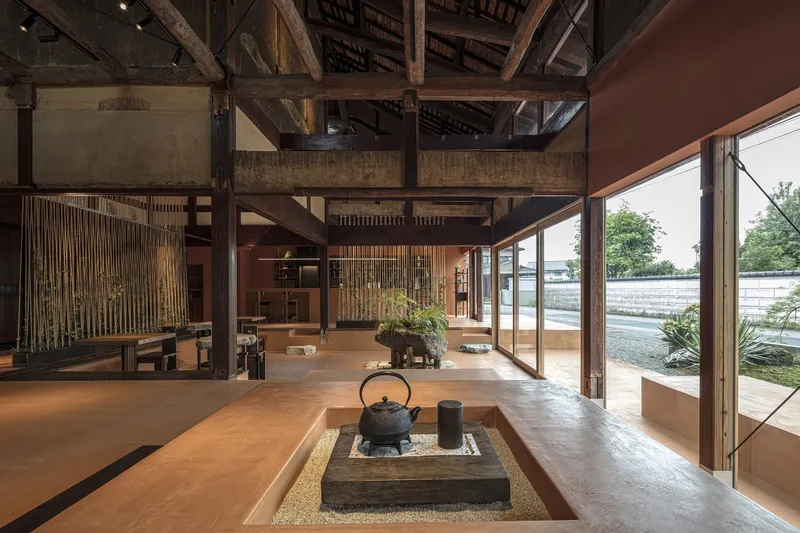
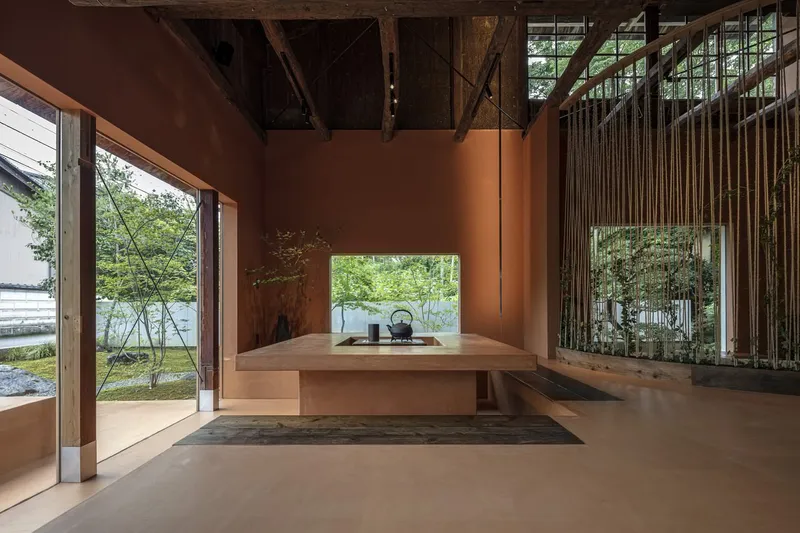
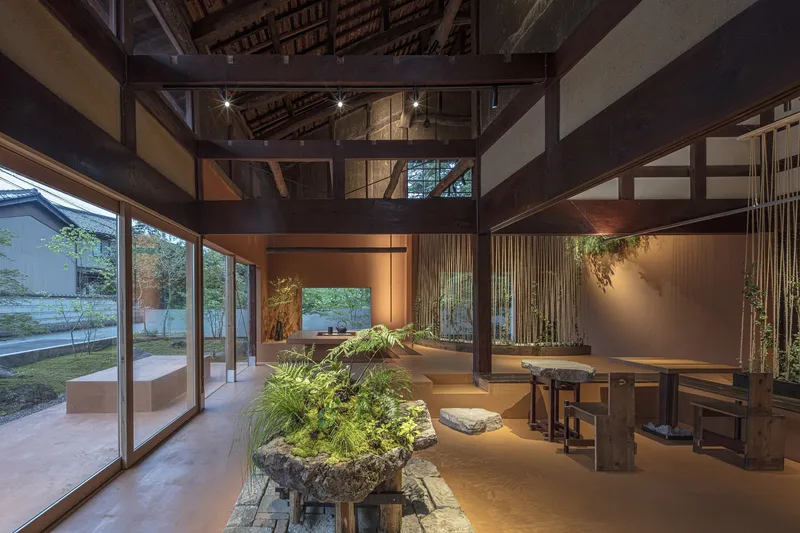
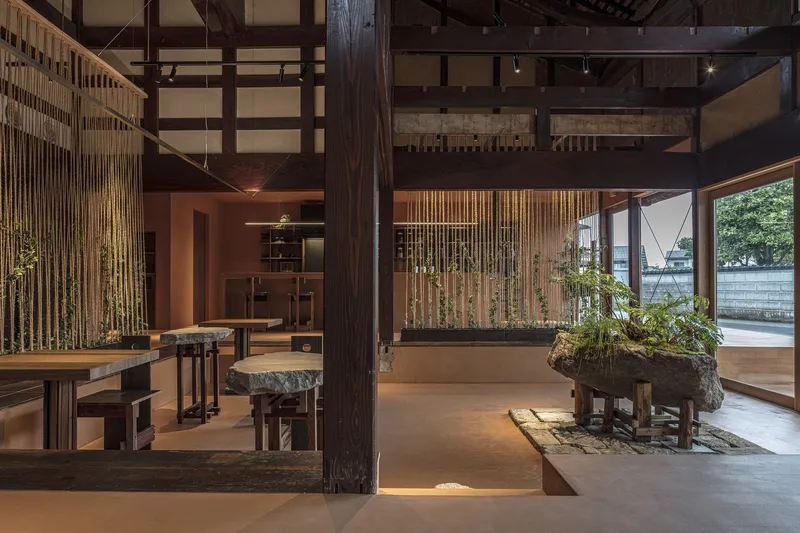
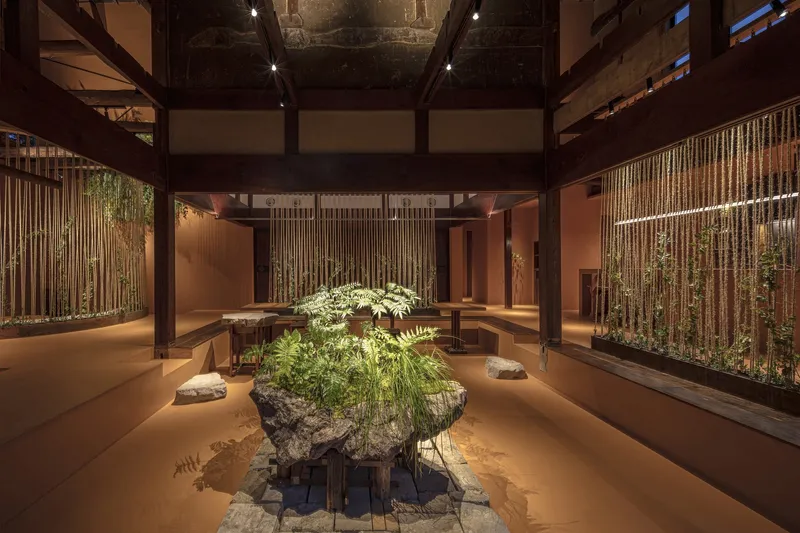
At the heart of the café lies a doma-inspired central space, reminiscent of traditional Japanese houses where guests can walk in their shoes on an earthen floor. The interior zoning, combined with varying floor levels, steps, and built-in benches, allows for flexible use of space, accommodating different visitor experiences.
This open layout encourages natural movement and interaction, enhancing both comfort and social engagement. The café design masterfully blends indoor and outdoor experiences, connecting the heritage building to its surrounding landscape.
Symbolism and Sustainability
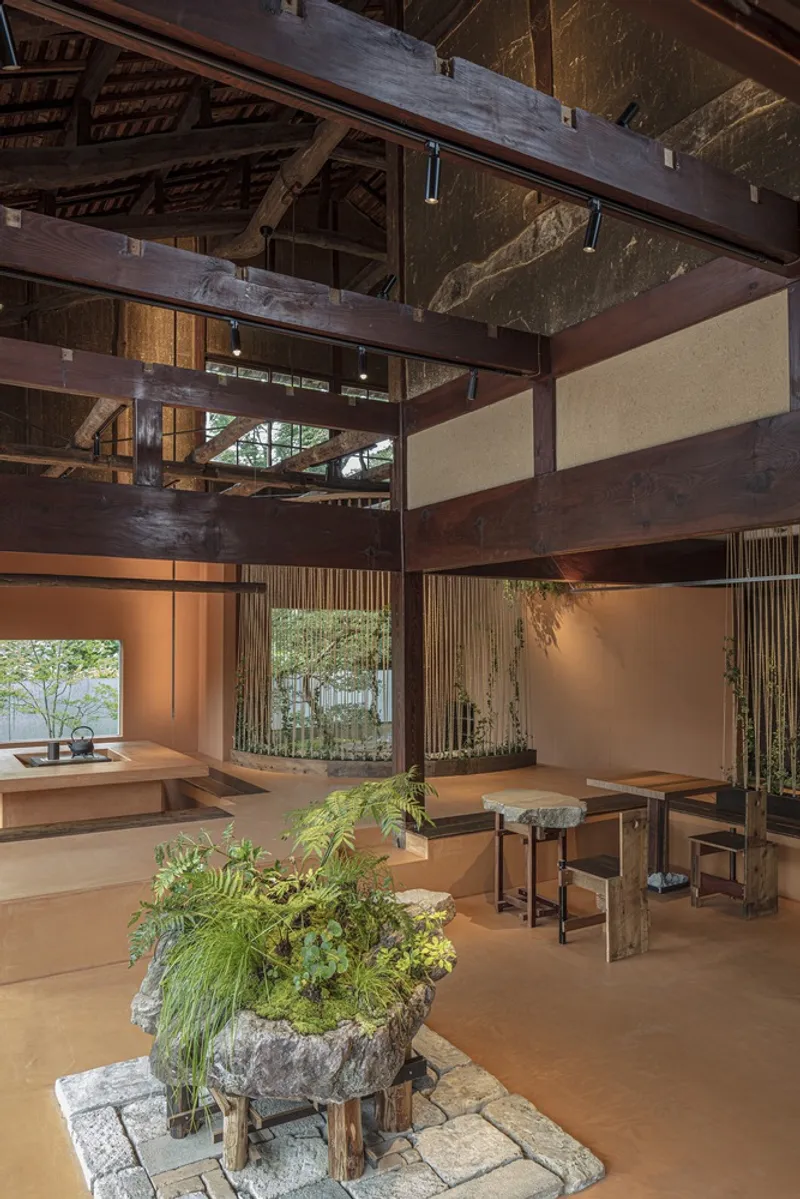
A key feature of Mokkado Café is an art installation crafted from stones and timber salvaged from the original house. Planted with medicinal herbs, this artwork functions as a symbol of continuity, linking the café’s wellness-focused offerings with the nostalgic memory of the historic building.
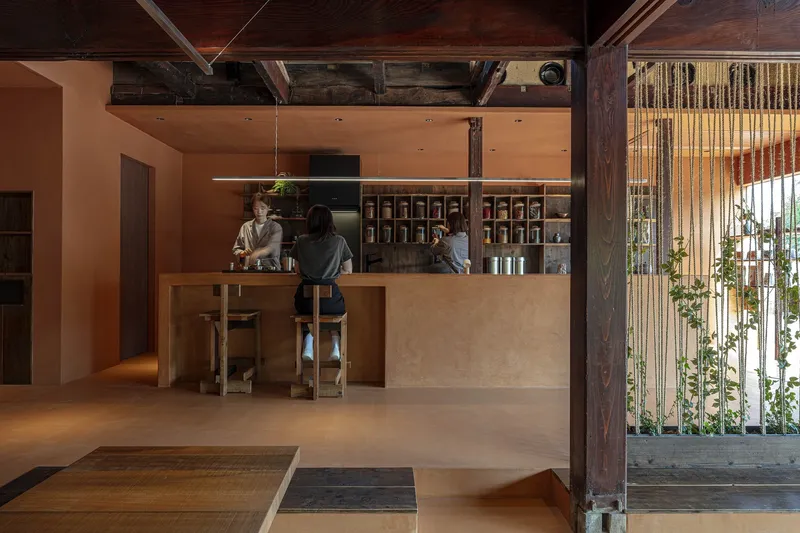
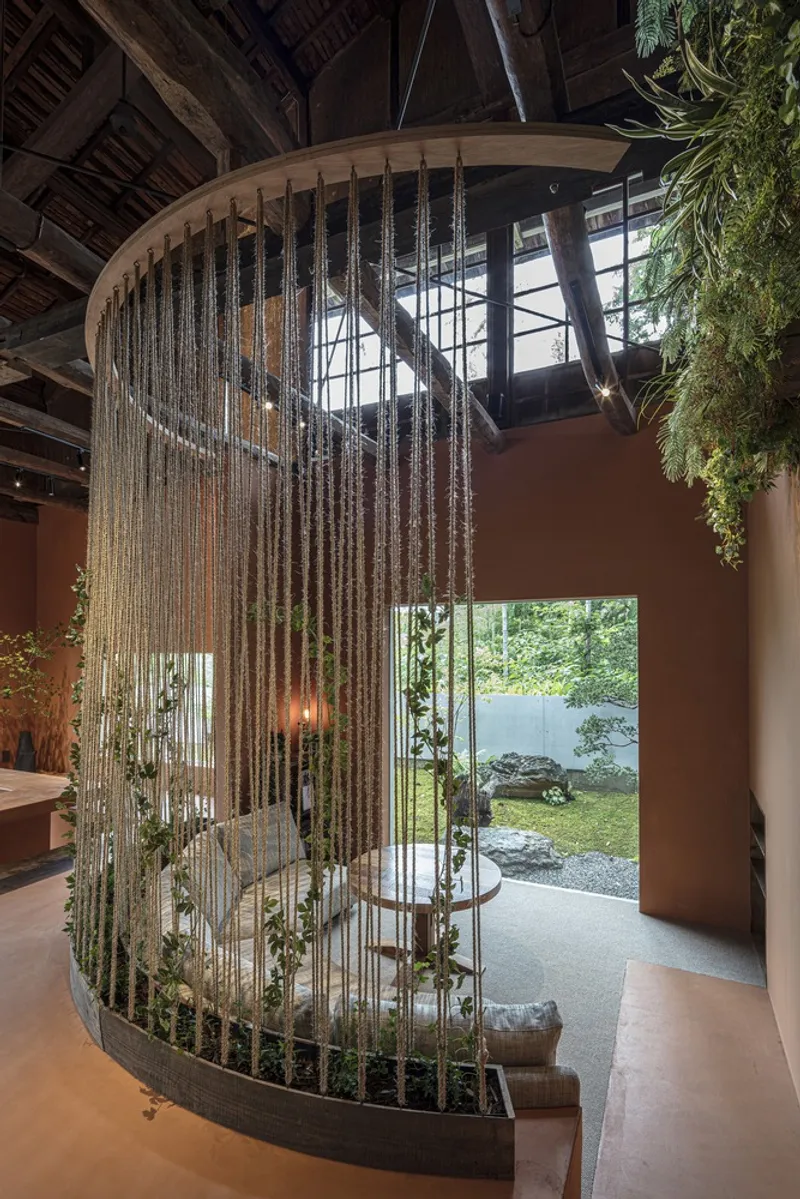
Additionally, ivy planted at the base of rope partitions surrounding the doma creates a living, evolving landscape, allowing visitors to witness the growth and transformation of the café space. These natural elements provide a subtle invitation for guests to pause, reflect, and reconnect with their body and mind.
A Place for Wellness and Community
Mokkado Café is more than just a coffee shop. It embodies the integration of heritage preservation, sustainable design, and wellness architecture. By thoughtfully combining materials, natural elements, and interactive spatial experiences, MUKU Design Studio has created a café that encourages guests to slow down, appreciate history, and engage with both nature and community.
All photographs are works of
Satoshi Asakawa


Popular Articles
Popular articles from the community


David Ortega Stacks a Two-Story Mexico City Penthouse Around a Steel Stair and a Pergola-Shaded Roof Terrace
In Colonia Roma, a 300 m² penthouse uses oak joinery, a planted steel stair and a slatted roof pergola to make a new-build apartment feel like a house.

U.GA Architects Wraps an Oval Rooftop Pool in Curved Board-Formed Concrete on Busan's Jeollidan-gil
In Busan's Jeonpo-dong, a 454 m² mixed-use block stacks a neighborhood facility, guest rooms and an oval rooftop pool inside spiraling concrete walls.

longwave studio Reorganizes a 112 m² Tainan Apartment Around the Daily Routines of a Family and Two Cats
In Tainan, Taiwan, birch plywood, rust-red furniture and a freestanding plaster wall link arrival, storage, work and family life in one apartment.

Architekt Andreas Gruber Scatters 23 Dark Timber Chalets Across a South Tyrolean Forest Edge
In Molini di Tures, Amonti Chalets breaks a resort into a hamlet of gabled timber houses, with parking, storage and services pushed into the slope.

Similar Reads
You might also enjoy these articles


Hodi-Mandai Geram
Project Function: Preservation and revitalization of the Intangible heritage and socio-spatial identity of the Hodi by Housing, Cultural Memory Center, Sacred Grove, landscape, local tourism economy


Olio Towers: A Mid-Rise for Performers That Fuses Housing, Rehearsal, and Stage
Located blocks from Houston's Theater District, this modular tower stacks living units around a central performance atrium.

Oasis: Modular Green Housing Carved into Dhaka's Urban Fabric
A shortlisted Plugin Housing entry reclaims unauthorized settlements in Dhaka with stepped concrete volumes, green roofs, and ventilation-driven design.

Black Hole: A Floating Megastructure for the Post-Physical Era
Emiliano Mazzarotto envisions a spherical, self-scaling arena where e-sports, digital hotels, and holographic stadiums replace traditional public space.

Explore Sustainable Design Competitions
Discover active competitions in this discipline

Challenge to reimagine the Iron Throne

Photograph architecture without architects

Illustrate the lost glory of Angkor Wat - Render Challenge

Design challenge to reuse E-waste
Comments (0)
Please login or sign up to add comments
No comments yet. Be the first to comment!