
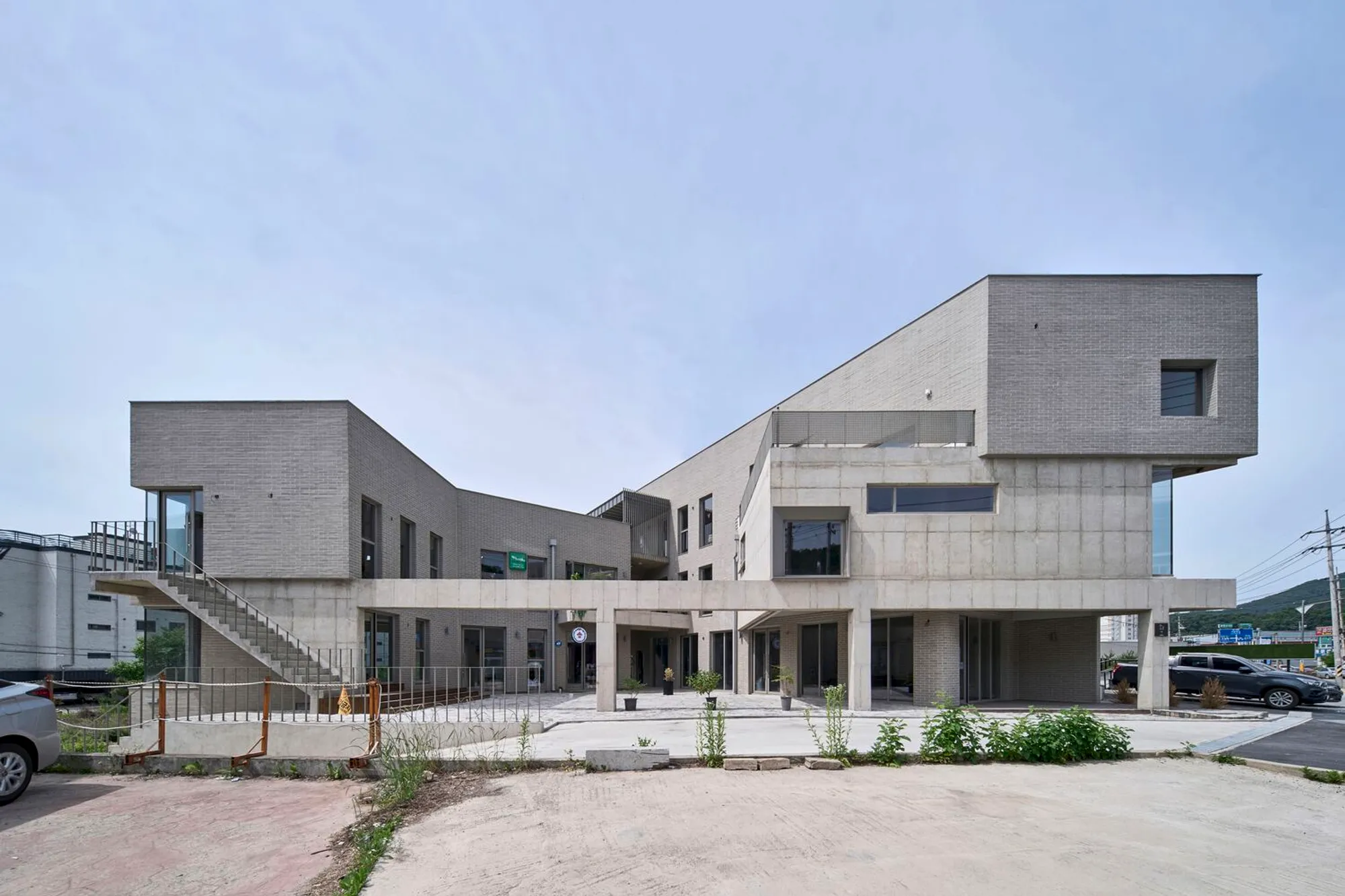
Mom’s Garden Center by Todot Architects and Partners: A Community Courtyard in the Suburbs of Yangpyeong
Mom’s Garden Center blends community and commerce through a welcoming courtyard, fostering social connection, local identity, and shared suburban space.


In the expanding suburban belt of Yangpyeong-gun, South Korea, Mom’s Garden Center by Todot Architects and Partners reimagines the idea of a community space. Sitting on the fringe of a more densely populated area—surrounded by schools, apartments, and transit connections—the project presents a gentle intervention that blends commercial vitality with public belonging.
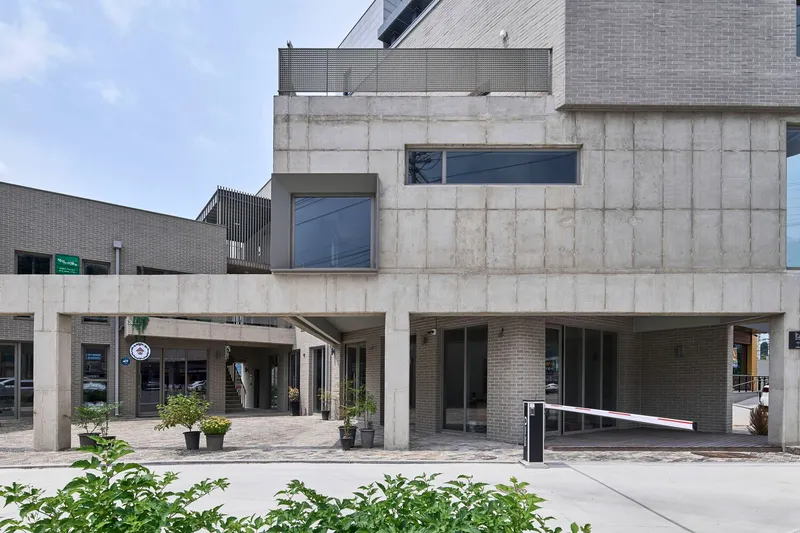
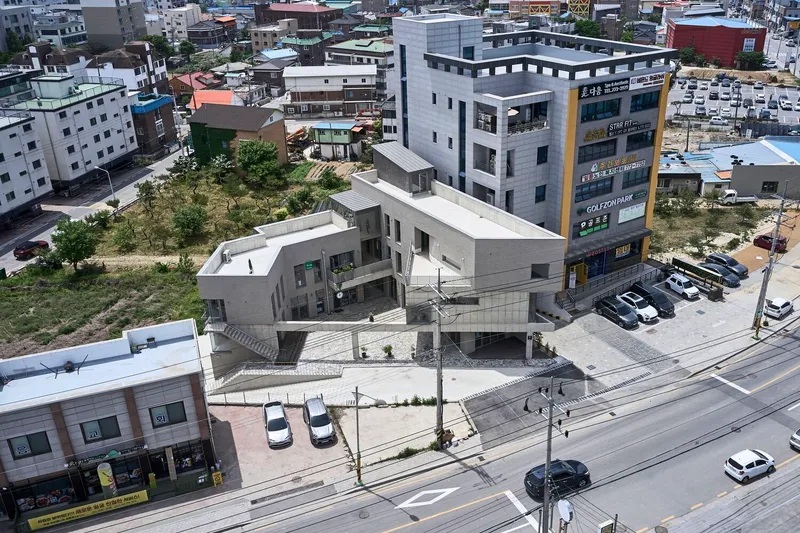
More than just a mixed-use building, the structure is a social anchor. With its welcoming courtyard, layered terraces, and transparent design, it invites people to linger, interact, and build shared memories.
Rooted in Local Memory, Designed for Future Connection
The project’s client, raised in the neighborhood, inherited the land from his father with a vision: to create something lasting and meaningful for the community. Rather than maximizing floor space as is typical in high-density Seoul developments, the architects embraced the suburban potential of the site, focusing instead on porosity, openness, and interaction.


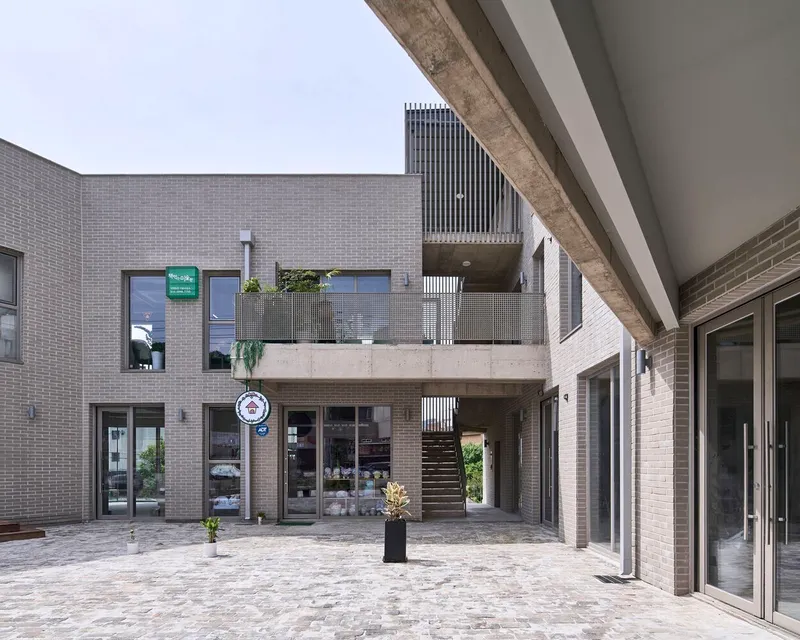
The resulting design is a three-story community facility that centers around a sunken courtyard—a space that blurs the lines between private commerce and public realm. Inspired by the informal seating areas in front of local shops, the courtyard allows both residents and passersby to stop, rest, and connect.
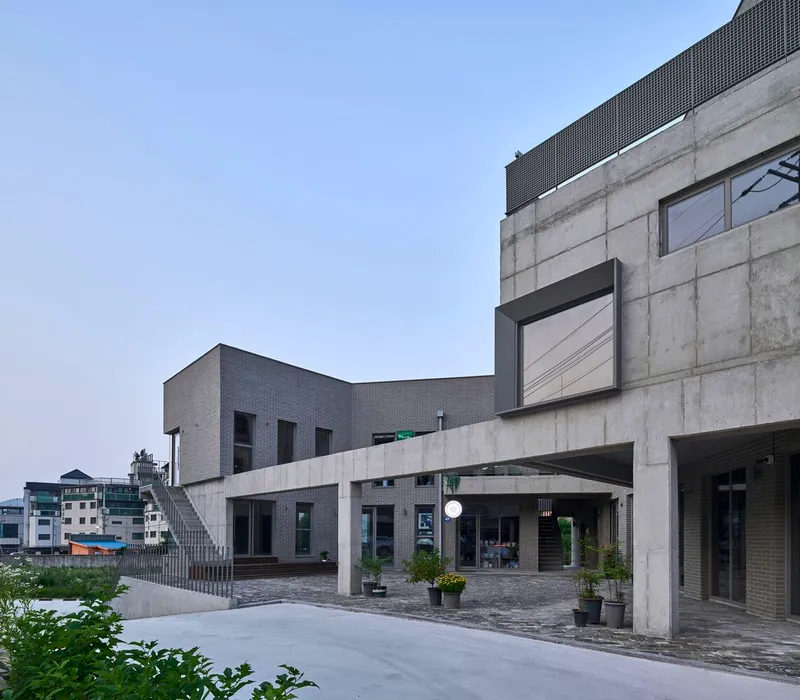
Architecture as a Hug: The Concept of “Mom’s Garden”
The name Mom’s Garden conveys more than aesthetics—it’s an emotional and symbolic gesture. The project is designed to embrace people like a mother would—offering warmth, inclusion, and shelter. Though the garden was left physically unprogrammed, it is meant to be filled over time with the energy of human presence, acting as a canvas for community life.
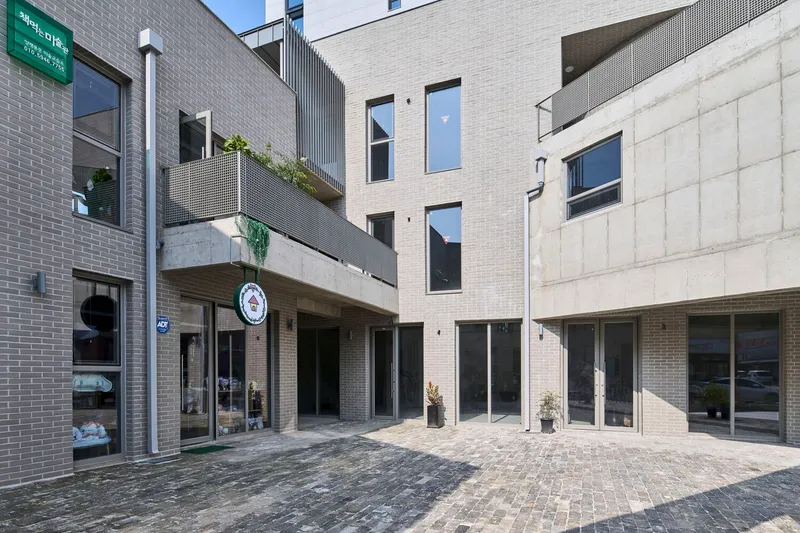
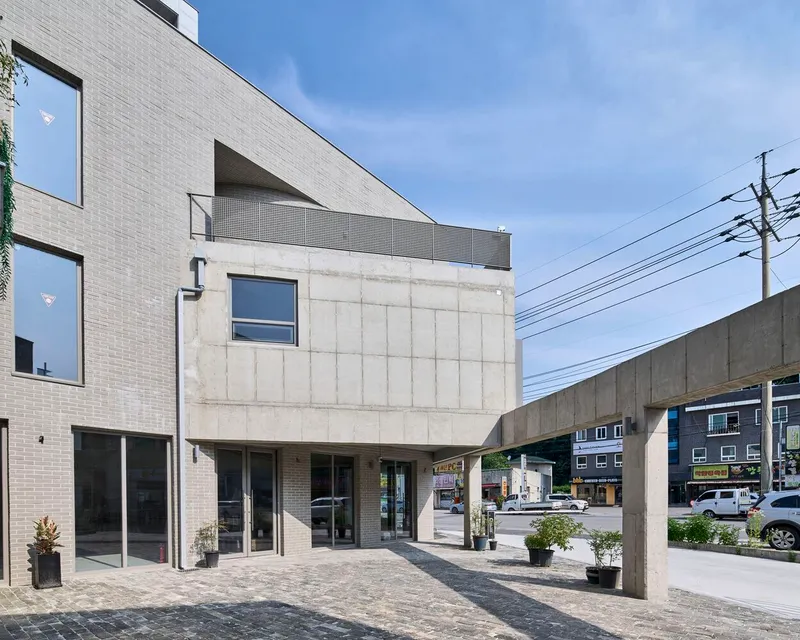
The design features verandas, open terraces, and transparent storefronts, creating visual and spatial connections across all three levels. This gentle layering builds relationships not just between floors and tenants, but among neighbors, visitors, and strangers. In this way, architecture becomes a social facilitator.
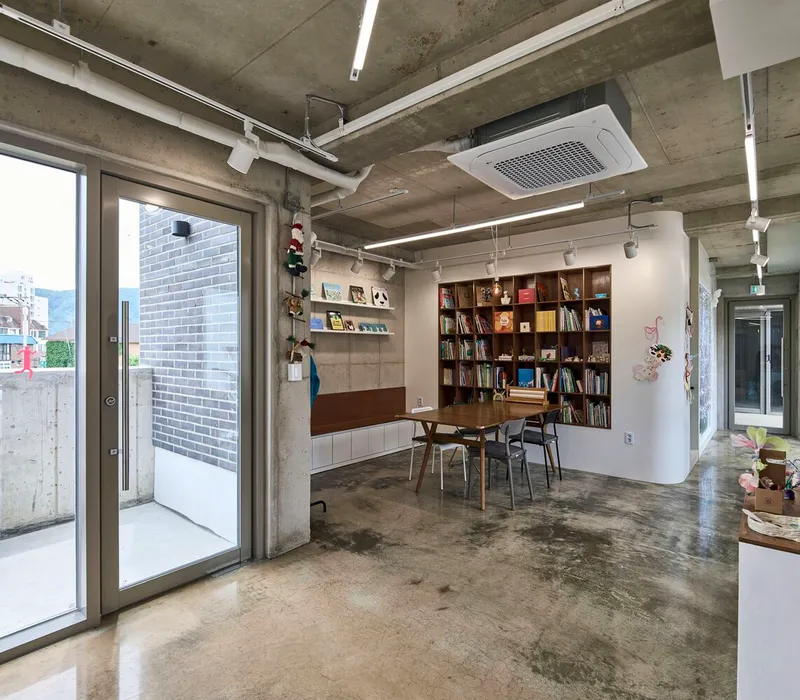
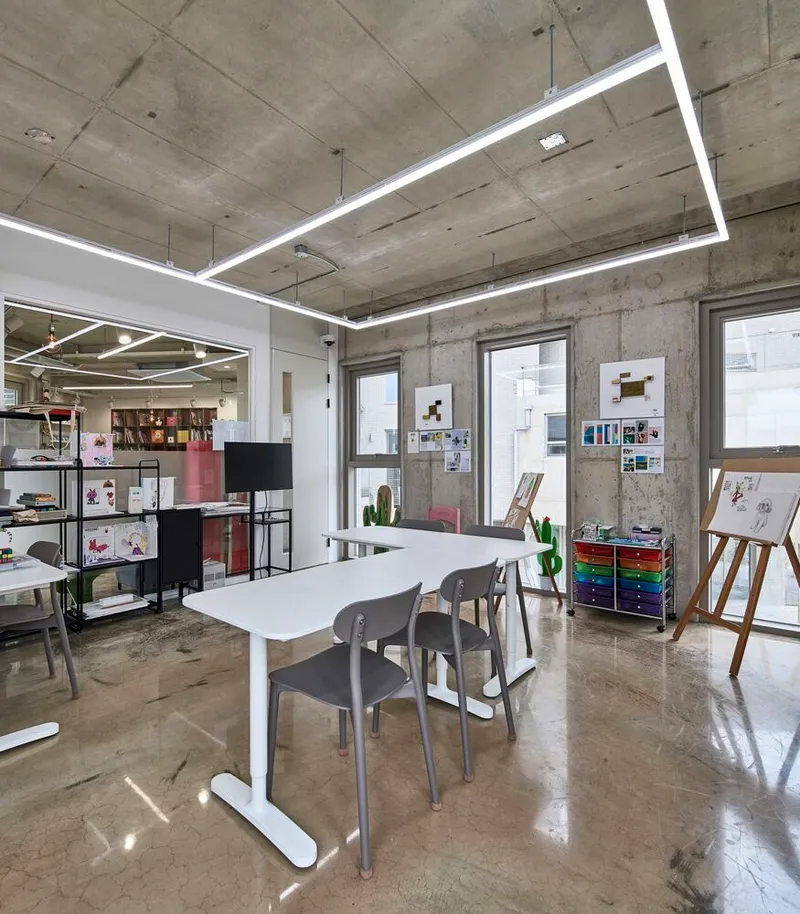
Blending Public and Commercial Use
By intentionally introducing ambiguity between commercial and public space, Mom’s Garden Center encourages organic interaction. The courtyard operates as a shared interface between the street and interior spaces—whether for pop-up events, resting under the sun, or casual encounters. This spatial hybridization is a sustainable model for suburban areas looking to encourage micro-urbanism and community resilience.


All the photographs are works of Jinbo Choi




Popular Articles
Popular articles from the community


The Ocean Hive: Sustainable Architecture for a Self-Sufficient Civilization at Sea
The Ocean Hive imagines sustainable architecture at sea, where modular habitats, algae, wave power and ocean waste sustain a growing colony.

Co-Life: Senior Housing Design That Reconnects Older Adults With the City
Co-Life reimagines senior housing design through healing gardens, shared streets, workshops, and a sustainable community across generations.

The Earth Pod: 3D Printed Homes for Resilient Refugee Communities
The Earth Pod reimagines refugee housing through 3D printed homes made from clay, combining resilience, self-sufficiency, and rapid shelter.
AL-JANNAH: Sustainable Architecture and Permaculture for Afghan Widows
AL-JANNAH uses sustainable architecture and permaculture to create resilient oasis of housing, learning, work and renewal for Afghan widows.


Similar Reads
You might also enjoy these articles


Hodi-Mandai Geram
Project Function: Preservation and revitalization of the Intangible heritage and socio-spatial identity of the Hodi by Housing, Cultural Memory Center, Sacred Grove, landscape, local tourism economy


Olio Towers: A Mid-Rise for Performers That Fuses Housing, Rehearsal, and Stage
Located blocks from Houston's Theater District, this modular tower stacks living units around a central performance atrium.

Oasis: Modular Green Housing Carved into Dhaka's Urban Fabric
A shortlisted Plugin Housing entry reclaims unauthorized settlements in Dhaka with stepped concrete volumes, green roofs, and ventilation-driven design.

Black Hole: A Floating Megastructure for the Post-Physical Era
Emiliano Mazzarotto envisions a spherical, self-scaling arena where e-sports, digital hotels, and holographic stadiums replace traditional public space.


Explore Community Garden Competitions
Discover active competitions in this discipline



Challenge to reimagine the Iron Throne


Photograph architecture without architects


Illustrate the lost glory of Angkor Wat - Render Challenge


Design challenge to reuse E-waste
Comments (0)
Please login or sign up to add comments
No comments yet. Be the first to comment!