
Benthem Crouwel Architects Cantilever a Ceramic-Clad Wing Over Arnhem's Glacial Moraine
Museum Arnhem's 15-meter overhang, wrapped in 82,000 handcrafted tiles, fuses a restored 1873 dome with bold new gallery space above the Rhine.

A museum that hovers over the edge of a glacier-formed ridge, wrapped in tens of thousands of hand-glazed ceramic tiles, sounds like the kind of project that risks spectacle over substance. Museum Arnhem, reopened in 2022 after a five-year transformation by Benthem Crouwel Architects, manages to avoid that trap. The new wing cantilevers 15 meters beyond the moraine, but the gesture is not arbitrary. It reinstates the symmetry of Cornelis Outshoorn's original 1873 building, recovers the sculpture garden, and doubles the exhibition area to 1,935 square meters, all while tucking a new collection depot into the hillside beneath. The approximately €11 million budget delivered a project that is simultaneously surgical in its heritage work and audacious in its structural ambition.
What makes the project genuinely interesting is the way it treats the moraine not as a constraint but as the organizing logic for every decision, from the color gradient of the facade tiles to the routing of visitors through alternating introvert and extrovert spaces. The building does not sit on the landscape so much as it extends it, channeling views of the Rhine through full-height glazing and threading a wide public staircase straight through the structure to a freely accessible sculpture garden below. Art and topography become interchangeable subjects.
The Cantilever and the Moraine
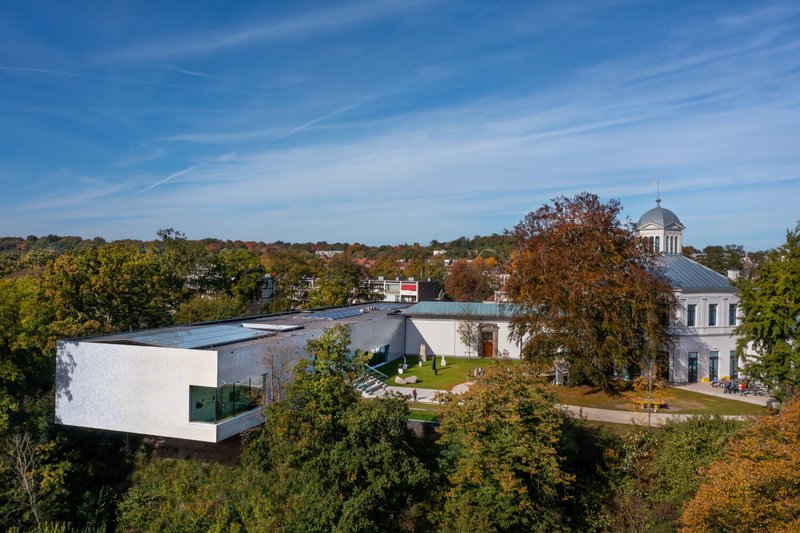
Seen from the air, the new wing reads as a clean rectangular volume that simply steps off the edge of the green ridge, hovering above the trees. The structural feat borrows from bridge engineering: the extension was partially assembled on site and slid into position along a track in two phases, first 11.4 meters and then another 4.8. It is a construction technique more common in infrastructure than in museum design, and it allowed the architects to achieve the overhang without sinking heavy foundations into the protected moraine.
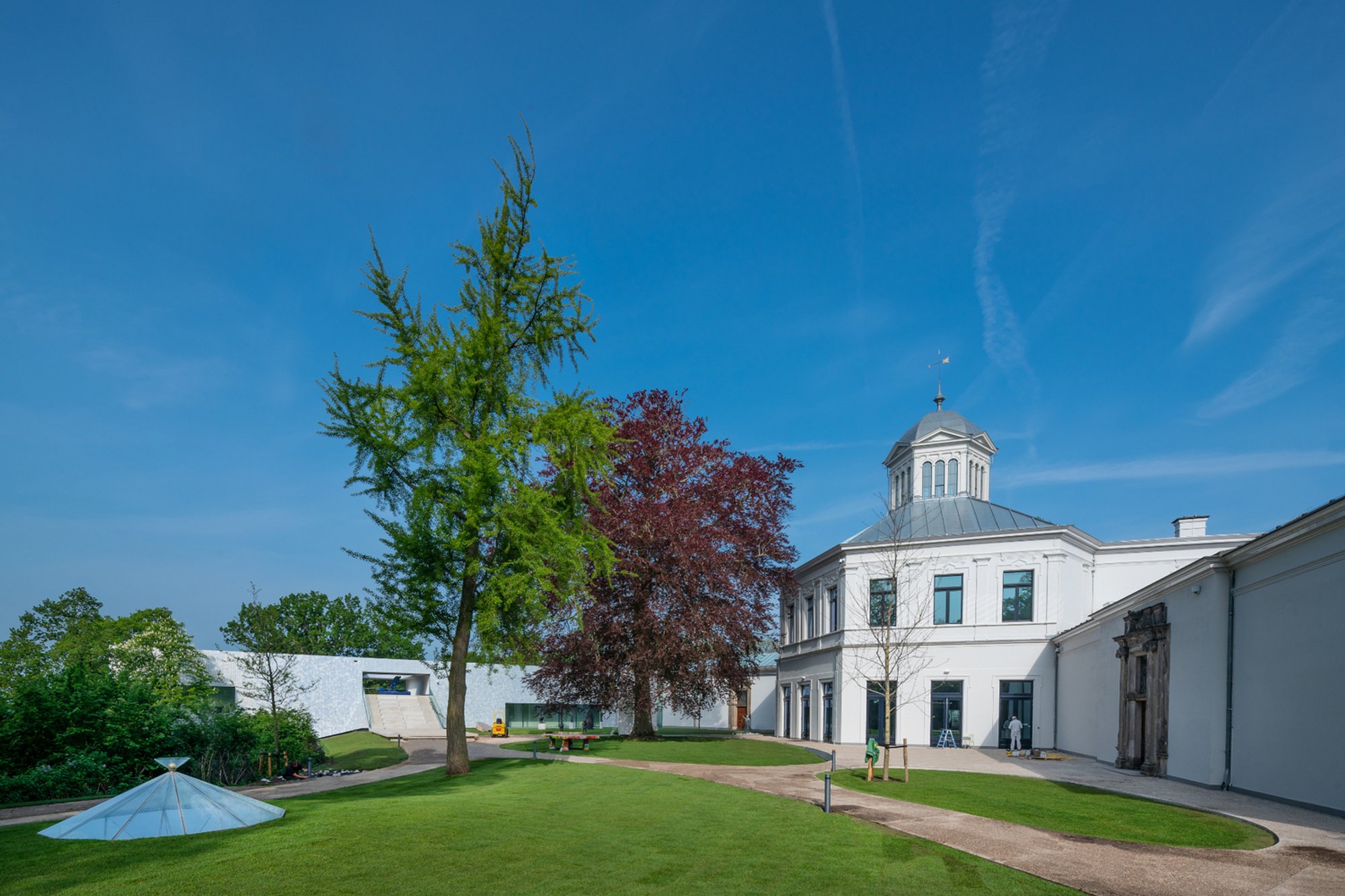
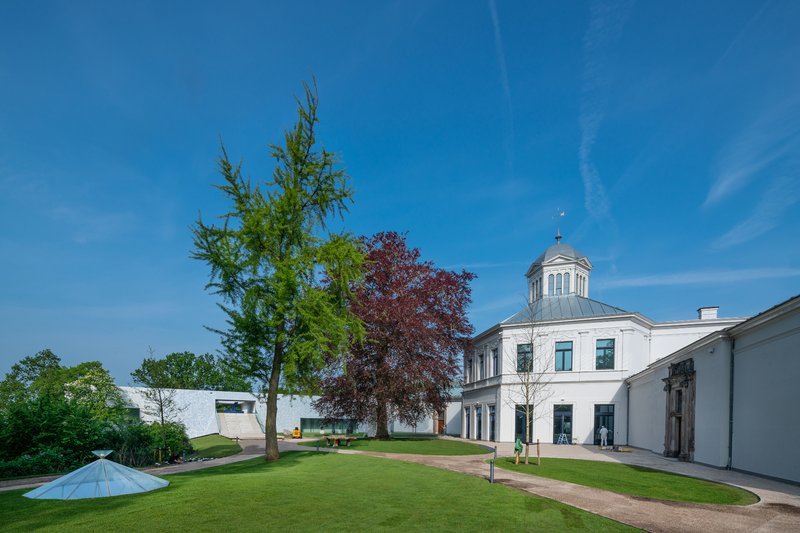
From the lawn that connects the old dome to the new wing, the scale of the intervention becomes clear. The low, horizontal extension defers to the dome's height, maintaining the hierarchy of the original composition. The demolished temporary east annex has been replaced by a volume that follows the natural contour of the lateral moraine, stitching the garden back together and restoring the bilateral symmetry Outshoorn originally intended.
82,000 Tiles and a Geological Narrative
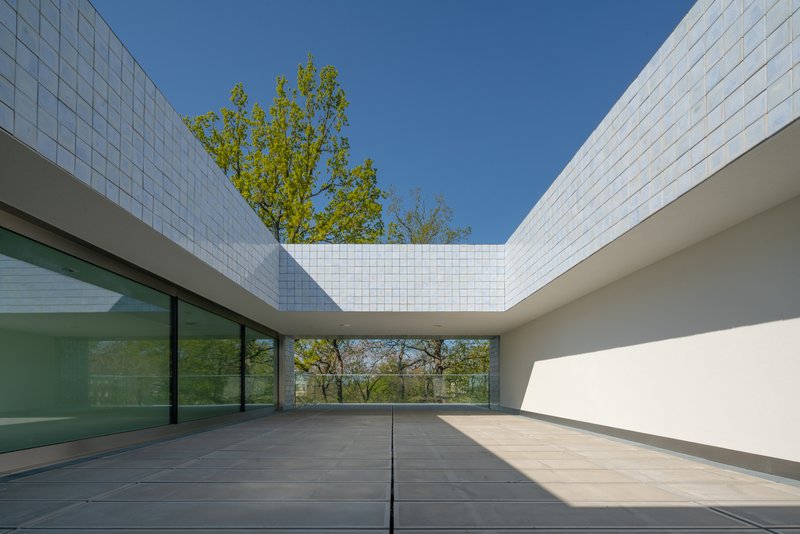
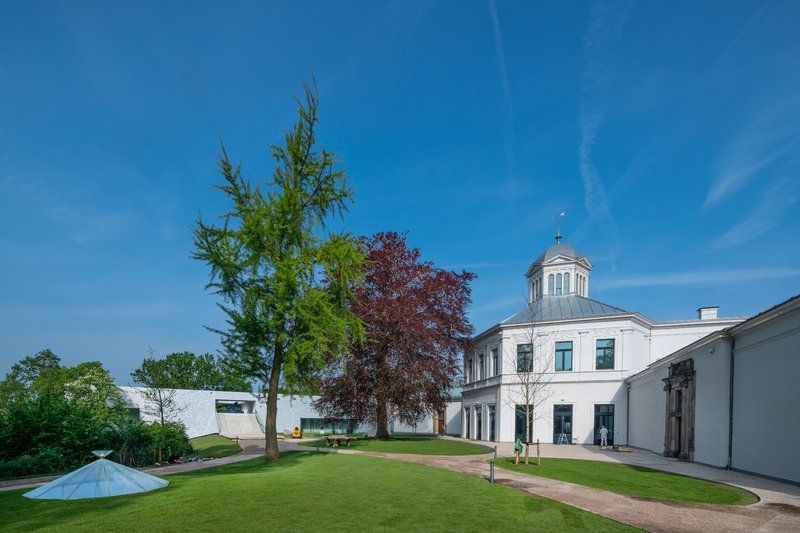
The facade's 82,000 unique ceramic tiles, each measuring 150mm by 150mm and hand-formed by Koninklijke Tichelaar, the oldest ceramics company in the Netherlands (founded 1572), are not decorative wallpaper. They encode the site's geological biography. Thirteen different glazes transition from earthy ochre tones on the street-facing elevation to icy blue-white on the side overlooking the Rhine, mapping the journey of the glacier that pushed the moraine into existence thousands of years ago.
The courtyard view reveals how these tiles behave at close range: irregular, tactile, catching light differently across every surface. Paired with a mature tree rising through the central void, the ceramic skin reads less as cladding and more as a living surface, somewhere between masonry wall and river-tumbled stone. It is a material choice that grounds a very modern form in a very old craft tradition.
Gallery Spaces Between Inward Focus and Open Landscape
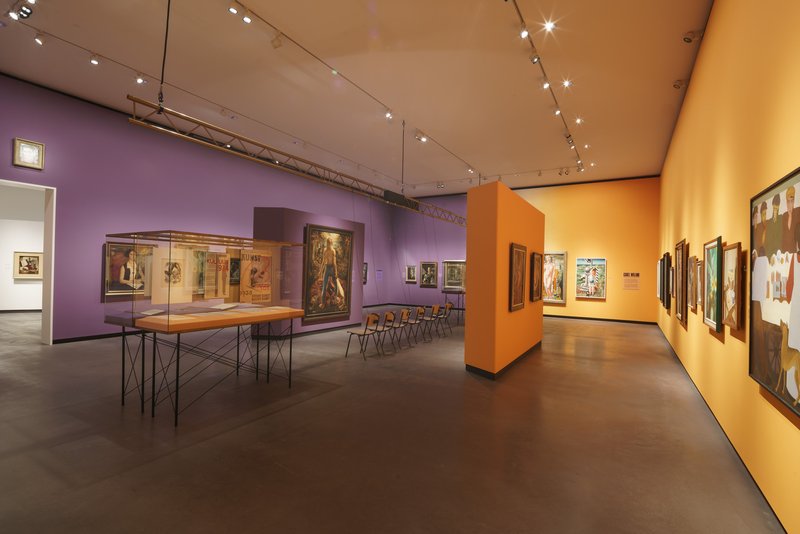
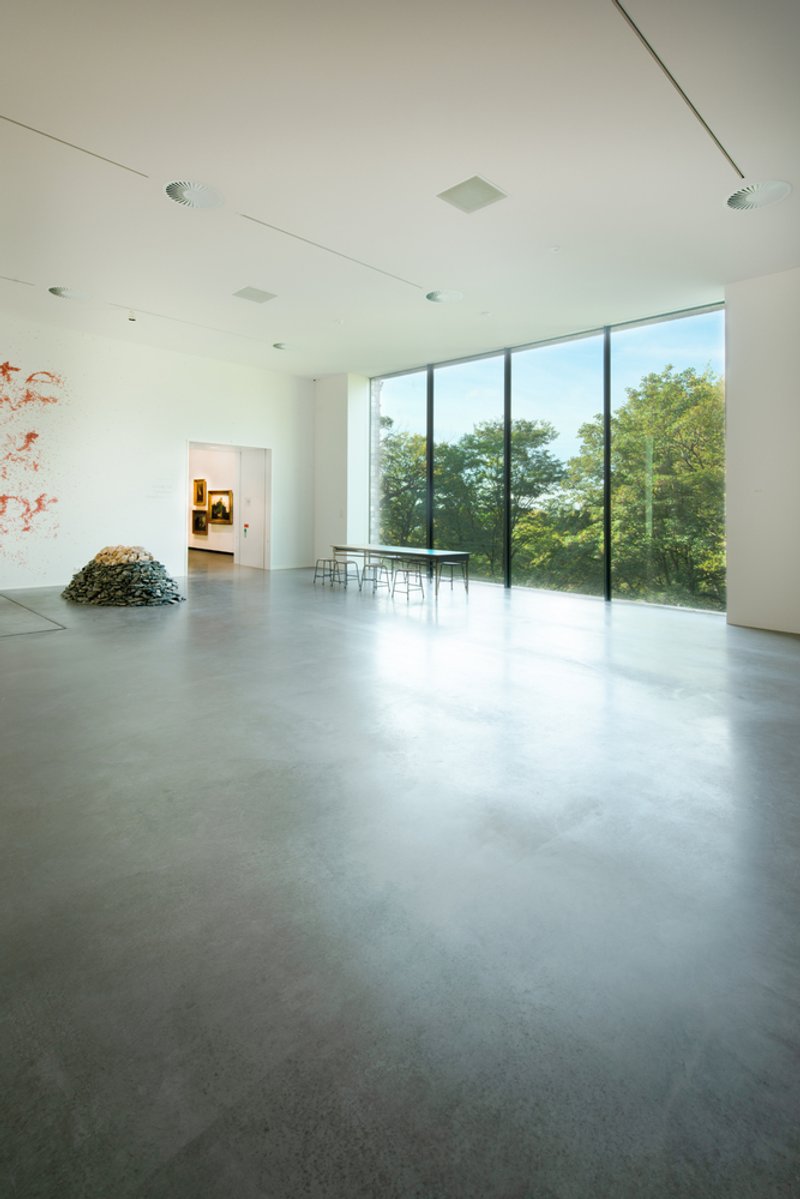
The interior routing alternates between closed, color-saturated galleries and transparent rooms that open onto the treetops. One hall wraps visitors in purple and orange walls, concentrating attention on the collection. A few steps later, a white-walled gallery dissolves its far wall into floor-to-ceiling glazing, placing a canopy of autumn trees at the same visual register as the art. The rhythm is deliberate: quiet rooms with uninterrupted walls for focused viewing, then extrovert spaces where the Rhine valley landscape becomes the exhibit.
The corridor galleries along the cantilever are particularly effective. Afternoon light rakes across polished concrete floors while the treetops below reinforce the sensation of floating. Five new exhibition halls and two public spaces are woven together through this alternating sequence, giving curators a range of atmospheric conditions rather than a single neutral box. The 1,100 square meters of new exhibition space do not compete with the 1,350 square meters inside the monument; they complement them tonally.
The Dome Restored as Public Heart
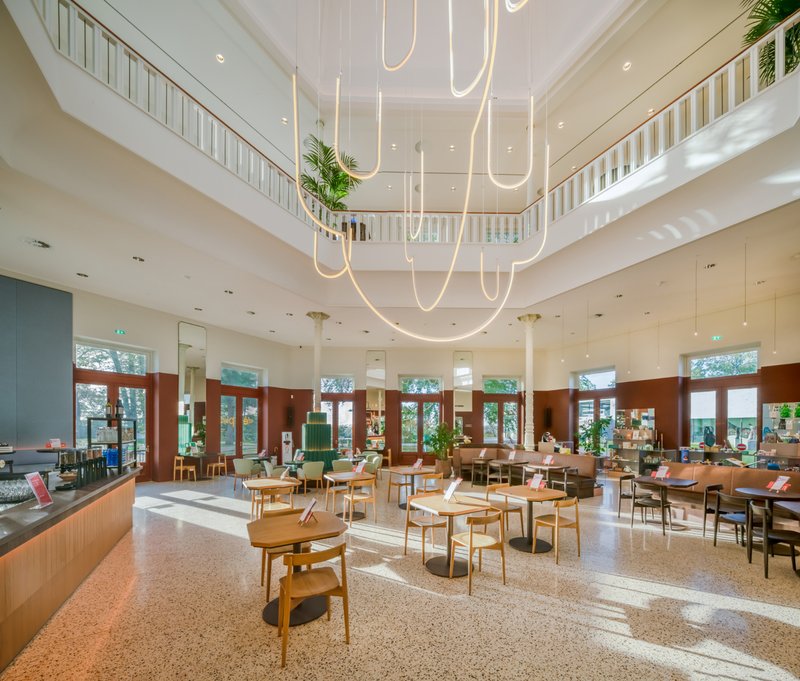
Outshoorn's 1873 dome has been restored to serve as the museum's social center, housing the shop and café beneath a custom chandelier suspended 18 meters from the ridge. The double-height dining space, with its terrazzo floor and curvilinear light fixture, has the atmosphere of a generous civic room rather than a museum amenity. A freely accessible activity space occupies the top floor, reinforcing the idea that the dome belongs to the city as much as to the institution.
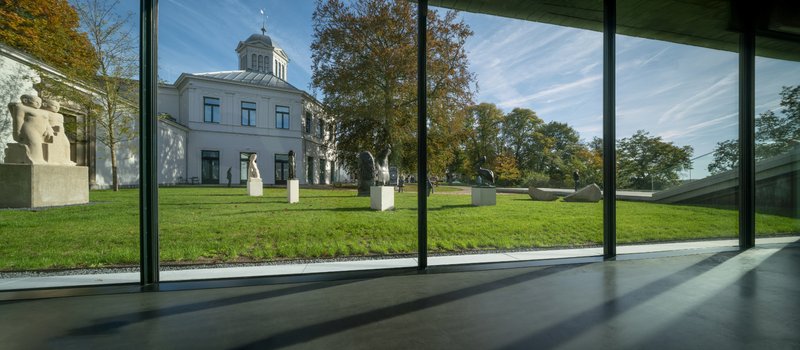
Through the new wing's glass walls, the dome reappears as a framed object in the landscape, visible alongside sculptures on the lawn. The relationship works in both directions: from inside the dome you look outward toward the new extension; from the cantilever you look back toward heritage. Benthem Crouwel have orchestrated a continuous dialogue between the two volumes, mediated by the sculpture garden that Karres en Brands designed as a publicly accessible threshold. You do not need a museum ticket to walk through the garden, which makes the architecture a piece of urban infrastructure, not just an art container.
Framing the Rhine
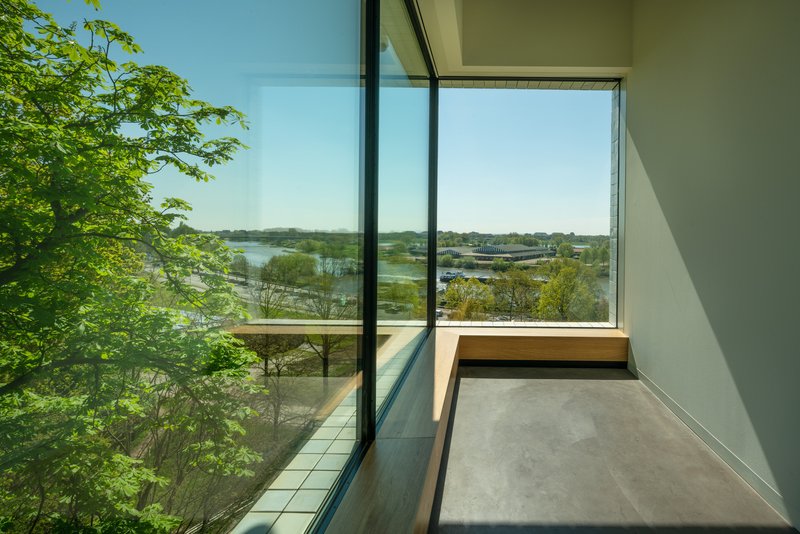
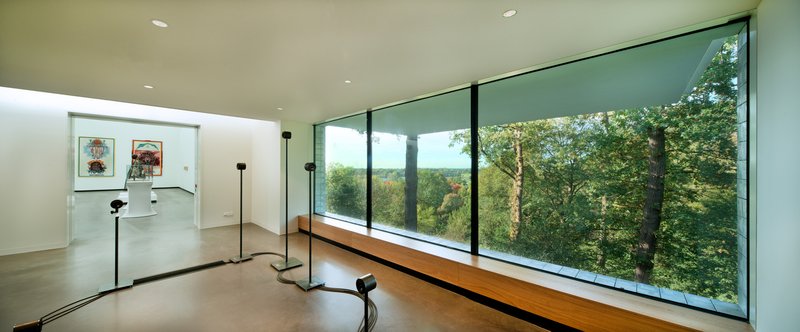
The corner window with its built-in bench is one of the quietest and most powerful moments in the building. It frames the river and wetlands beyond a screen of foliage, positioning the visitor at exactly the point where the cantilever reaches its farthest extent over the moraine. The bench invites you to pause, and the view insists that you do. It is a detail that reveals the architects' understanding of what a museum on this particular site should offer: not just wall space, but a heightened relationship to a specific geography.
Across the building, large continuous windows are used sparingly but strategically. They never compete with art-hanging walls; instead, they punctuate transitions between galleries, rewarding movement through the sequence with a sudden panorama. The result is a museum where you always know where you are in relation to the river, the garden, and the city, even when you are absorbed in the collection.
Why This Project Matters
Museum Arnhem is a case study in how to expand a historic institution without erasing what made it significant in the first place. The cantilever is dramatic, but it is earned: it solves the problem of adding space on a constrained moraine, reinstates a long-lost symmetry, and creates the physical sensation of being suspended above a landscape shaped by ice-age forces. The 82,000-tile facade is not ornament for its own sake; it ties the building to a specific geological narrative and a specific craft lineage stretching back to 1572. Every bold move is anchored to a reason.
More broadly, the project demonstrates that heritage restoration and structural innovation are not opposed ambitions. By sliding the new wing into place using bridge-engineering techniques, by sinking the depot into the hillside, by keeping the sculpture garden free and open, Benthem Crouwel have produced a museum that serves multiple publics simultaneously. It is a building for art lovers, for Sunday walkers, for the city's archaeological collection, and for anyone who wants to sit on a bench at the edge of a cantilever and watch the Rhine. That generosity of program, combined with real precision in execution, is what separates a good renovation from an important one.
Museum Arnhem by Benthem Crouwel Architects, Arnhem, The Netherlands. Total area: 6,000 m² (1,935 m² exhibition space). Completed 2022. Landscape architect: Karres en Brands. Ceramics: Koninklijke Tichelaar. Photography by Jannes Linders.
About the Studio
Share Your Own Work on uni.xyz
If projects like this are the kind of work you want to make, uni.xyz is a place to publish your own, find collaborators, and enter design competitions.




Popular Articles
Popular articles from the community

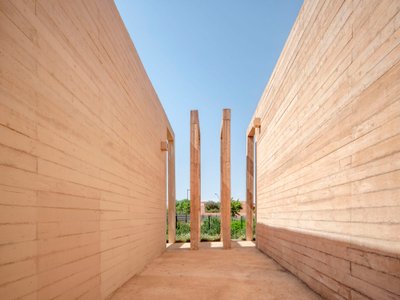
OUALALOU+CHOI Root a Regional Sports Campus in Moroccan Earth and Timber
A 10,230 square meter athletic complex in Ben Guerir uses rammed earth walls and timber screens to anchor sport in the arid landscape.
WUWU Atelier and ADINJU Rebuild an Ancestral Home in Guangdong with Quiet Brick Precision
In rural Heyuan, a 440-square-meter renovation trades spectacle for craft, turning local brick into an architecture of restrained belonging.
Flow: Spatializing Well-being Through Intersecting Layers
Transforming the inner depth of wellness into a spatial reality.
Prokop Hartl Turns a 1930s Prague Corner Apartment into a Lesson in Structural Honesty
A 115 m² renovation on the Vltava River celebrates exposed concrete, restored parquet, and a mirrored column as its centerpiece.


Similar Reads
You might also enjoy these articles

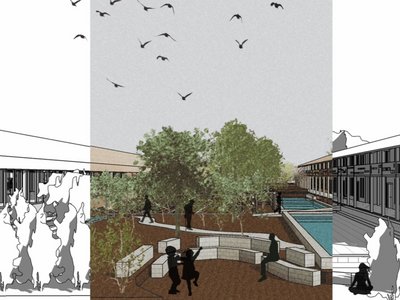
sprout - line | collective flourishing
A regenerative rural threshold where soil, skill, and solidarity converge.

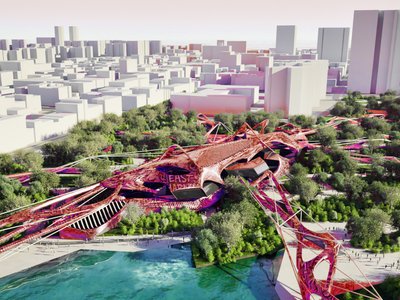

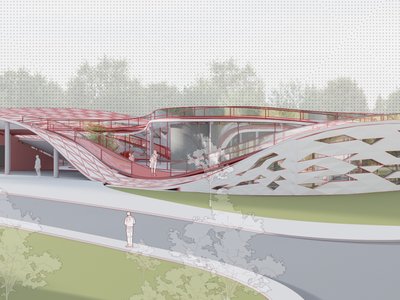
MOTION
This project explores well being through movement. A continuous loop guides users through shifting spatial conditions, connecting public and introspective spaces. By integrating the urban ground and elevating parts of the path, movement becomes a tool for mental clarity and spatial experience.

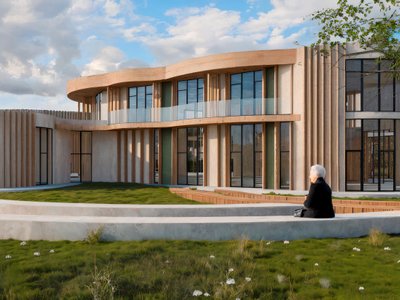
Home On A Leaf
The senior center project in Kielnarowa combines residential, recreational, educational, and cultural functions, promoting an active and sustainable lifestyle. The complex consists of several building


Explore Architecture Competitions
Discover active competitions in this discipline




The International Standard for Design Portfolios


The Global Benchmark for Architecture Dissertation Awards


The Global Benchmark for Graduation Excellence


Challenge to reimagine the Iron Throne
Comments (0)
Please login or sign up to add comments
No comments yet. Be the first to comment!